Rangat – 3 – Asha Bhosle’s Work with Other Music Directors across Wide Range of Genres

  Live presentation by: Biren Kothari and Urvish Kothari

                        Date: 23 May 2026

Recollections and impressions curated by: Ashok Vaishnav

Note: The text in italics is version by / impression of the curator.

Presented here are my impressions and views of the third program in now well-recognised series – Rangat – of innovatively articulated presentation of (old) Hindi Film Songs.

In the previous two episodes, we listened to Asha Bhosle’s emergence as a female playback singer in her own right and her work as leading singer under the baton of S D Burman.

The spectrum of Asha Bhosle’s songs had myriads of colours. Each colour had several hues. This kaleidoscopic variety multiplied further in the context of the music director who had composed her song.

Presented here is a representative selection:

Asha Bhosle’s style of singing qawwali stood out in the songs with multiple singers. Here is one gem where she takes the stage single-handedly in company of the chorus –

Nigahein Milane Ko Jee Chata Hai – Dil Chata Hai (1963) – Lyrics: Sahir Ludhianvi – Music: Roshan

Another major type of songs considered to be the domain of heavy timbre vocals, perhaps because of cultural roots, is Mujra songs. Asha Bhosle has left her own impression even in this class of songs.

Nazar Lagi Raja Tore Bangle Par – Kala Pani (1958) –  Lyrics: Majrooh Sultanpuri – Music: S D Burman

[Even while accepting the dictum of never compare an apple with an orange, it is very difficult to resist the temptation of comparing Baharon Ke Mehfil Shanni Rahegi or Husn Ki Baharein Liye Aaye The Sanam from S D Burman’s Benazir (1964)].

Bedardi More SaiyaN – Chaudhvi Ka Chand (1960) – Lyrics: Shakeel Badayuni – Music: Ravi

Dil Ki Kahani Rang Layi Hai – Chaudhvi Ka Chand (1960) – Lyrics: Shakeel Badayuni – Music: Ravi

Saquiya Aaj Mohe Neend NahiN Aayegi – Sahib Bibi Aur Ghulam (1962) – Lyrics: Shakeel Badayuni – Music: Hemant Kumar

Asha Bhosle’s initial career marked higher proportion of female-female duets. In many of these duets she had to play the secondary role. Asha Bhosle had soon developed a very distinct style for such duets. One such classification of Asha Bhosle’s female-female duets is that with Lata Mangeshar. Here is one duet can be said be considered a benchmark in (Lata – Asha) female-female duet –

O Chand JahaN Tu Jaye Tu Bhi Saath Chale Jaana – Sharda (1957) – Lyricist: Rajendra Krishna – Music: C Ramchandra

C Ramchandra was a known member of Lata Mangeshkar club music directors. Souring of their relationship yielded a rich bouquet of songs in the form of collaboration of C Ramchandra and Asha Bhosle –

Tu Chhupi Hai KahaN – Navrang (1958) – with Manna Dey – Lyrics: Bharat Vyas – Music: C Ramchandra

As an impatient lady love, keenly responding to the call of the beloved

Aadha Hai Chandrama Raat Aadhi – Navrang (1958) – with Mahendra Kapoor – Lyrics: Bharat Vyas – Music: C Ramchandra

Drenched in the cool light of half-moon, apprehending that rest of the night may pass away leaving their meeting incomplete …

Arre Ja Re Hat Natkaht Chhed Na Mera Ghunghat Palat Ke Dungi Tujhe Gali Re – Navrang (1958) – with Mahendra Kapoor – Lyrics: Bharat Vyas – Music: C Ramchandra

In teasing, defiant mood, befitting the colourful festivities of Holi

Kaari Kaari Kaari Andhiari Si Raat Mein – Navrang (1958) – with Mahendra Kapoor – Lyrics: Bharat Vyas – Music: C Ramchandra

Her legs dance with impatience is reflected in the ebullient mood….

Aa Dil Se Dil Mila Le O Rasiya Man Basiya Aa Ja Gale Laga Le – Navrang (1958) –Lyrics: Bharat Vyas – Music: C Ramchandra

While singing for a court dance, how melodious Asha Bhosle has remained even while singing the entire song in a scale higher than her natural scale.

Female songs in the category of drunkard songs normally are a subcategory of club /vamp songs. Asha Bhosle was an almost automatic choice for such songs.

Hum Hai Nashe Mein – Shehra (1963) – with chorus – Lyrics: Hasrat Jaipuri – Music: Ramlal

This dream sequence song would have a good deal of technical support of the sound recording. However, Asha Bhosle has taken the song to another heaven with her imaginative selection of the vocal scale.

Tere KhayaloN Mein Hum Teri Hi BahoN Mein Hum – Geet Gaya Paththaro Ne (1964) – Lyrics: Hasrat Jaipuri – Music: Ramlal

Asha Bhosle had successfully paired with Kishore Kumar, in what is considered as his first’ ‘yodeling’ song. The icing on the cake is end of the song with both Kishore Kumar and Asha Bhonsle yodeling together.

Ek Do Teen Char – Muqadar 1950 – with Kishore Kumar – Lyrics: Bharat Vyas – Music: James Singh

Here is another example of yodelling with a different style-

Ae Bhola Bhala Man Mera – Jhumroo (1961) – with Kishore Kumar – Majrooh Sultanpuri – Kishore Kumar

Asha Bhosle’s duets with Kishore Kumar is a class in itself, even beyond those of S D Burman and even R D Burman. Here is one duet that remains an icon in the genre of serene romantic duets –

Yeh Raatein Yeh Mausam Nadi Ka Kinara Ye Chanchal Hawa – Dilli Ka Thug (1958) – with Kishore Kumar – Lyrics: Shailendra – Music: Ravi

And here are Asha Bhosle’s duets with other leading male singers, composed by different music directors, showcasing the range of style born out of her natural talent and honed by the hard practice.

Dil-e-Naadan Jamane Mein – Mastkalandar (1955) – with Talat Mahmood – Lyrics: Asad Bhopali – Music: Hansraj Behl

Phir Na Kije Meri Gustakh Nigaho Ka Gila Dekhiye Apne Phir Pyar Se Dekha Mujhko – Phir Subah Hogi (1958) – with Mukesh – Lyrics: Sahir Ludhiyanvi – Music: Khayyam

O Kali Anar Ki Na Itana Satao – Chhoti Bahen (1959) – with Manna Dey – Lyrics: Hasrat Jaipuri – Music: Shankar Jaikishan

Dhalati Jaye Raat Keh Le Dil Ki Baat – Razia Sultana (1961) – with Mohammad Rafi – Lyrics: Anand Bakshi – Music: Lachhiram

In HawaoN Mein In FizaoN Mein Tujhko Mera Pyar Pukare – Gumrah (1963 ) – with Mahendra Kapoor – Lyrics: Sahir Ludhianvi – Music: Ravi

Asha Bhosle had her own captivating charm for songs of pathos –

Thandi Thandi Pawan Ku Phuhar – Jagte Raho (1957) – Lyrics: Shailendra – Music: Salil Chowdhury

Jahan Mein Aisa Kaun Hai – Hum Dono (1961) – Lyrics: Sahir Ludhianvi – Music: Jaidev

Ab Ke Baras Bhej Bhaiya Ko Babul – Bandini (1963) – Lyrics: Shailendra – Music: S D Burman

Path Bhoola Aaya Ik Musafir – Door Gagan Ki ChhanoN Mein (1961) – Lyrics: Shailendra – Music: Kishore Kumar

Khoya Khoya Chanda Khoye Khoye Taare – Door Gagan Ki ChhanoN Mein (1961) – Lyrics: Shailendra – Music: Kishore Kumar

Juxtapose these songs with the songs of sheer joy, if at all any proof of Asha Bhosle’s range is ever required –

Bhanwara Bada Nadan Haay, Bagiyan Ka Mehmaan – Sahib Bibi Aur Ghulam (1962) – Lyrics: Shakeel Badayuni – Music: Hemant Kumar

Baag Mein Kali Khili Bhanwara Nahin Aaya – Chanda Aur Suraj (1965) – Lyrics: Shailendra – Music: Salil Chowdhury

One can go on to show that This Is Asha, too, as much as Asha Bhosle is Aaiye Meharban and Dam Maro Dum, straddling across genres and generations…..


Disclaimer:

The song links have been embedded from the YouTube only for the listening pleasure of music lovers. This blog claims no copyright over these songs, which vests with the respective copyright holders

Rangat – 3 – Asha Bhosle – as lead singer to S D Burman

Live presentation by: Biren Kothari and Urvish Kothari

Date: 23 May 2026

Recollections and impressions curated by: Ashok Vaishnav

Note: The text in italics is version by / impression of the curator.

Presented here are my impressions and views of the third program in now well-recognised series – Rangat – of innovatively articulated presentation of (old) Hindi Film Songs.

In the last episode, we listened to Asha Bhosle’s emergence as a female playback singer in her own right.

It is almost universally accepted that it was Naya Daur (1957), under O P Nayyar, that opened a naya daur (a new era) for the career of Asha Bhosle. Around the same time, S D Burman and Lata Mangeshkar developed a rift. Geeta Dutt was not available because of her personal /family constraints. It seemed that providence had set a perfect stage for unfolding a parallel saga – that of Asha Bhosle coming in as lead female singer for S D Burman. We get to listen a new dimension of Asha Bhosle’s singing prowess  from S D Burman’s run of Nau Do Gyarah (1957) to Bandini (1963)

It is during this period that Asha Bhosle’s singing underwent astounding metamorphosis of under the mentoring of S D Burman. In the process HFM benefitted by getting a naughty, bold, fresh हलक (a full-throated throw of brief alaap that comes with an imperceptible quick twist of the neck) of a serene female singer draped under the Bengali culture and the coquetry beauty of belle, draped in silken salwar and netted kurta (Reshmi Salwar Kurta Jalidar bedecked Nakharewali Ka singing style).

As you will start listening the start of each of these songs, your reaction will be: yes, a good song, heard so many times.

However, please listen them again to discern that S D Burman touch of Geeta Dutt weaved in an unique Asha Bhosle style:

Aaja Panchi Akela Hai Nau Do Gyarah (1957) – with Mohammad Rafi – Lyrics: Majroooh Sultanpuri

Aankhon Mein Ji Rupahala Badal Nau Do Gyarah (1957) – with Mohammad Rafi – Lyrics: Majroooh Sultanpuri

Kali Ke Roop Mein Chali Ho Dhoop Mein Kahan Nau Do Gyarah (1957) – with Mohammad Rafi – Lyrics: Majroooh Sultanpuri

Dhati Jaaye Chundariya Hamari Ho Ram Nau Do Gyarah (1957)– Lyrics: Majroooh Sultanpuri

O Nigahe Mastana Dekh Sama Hai Suhana – Paying Guest (1958)  – with Kishore Kumar – Lyrics: Majrooh Sultanpuri

Chhod Do Anachal Jamana Kya Kahega – Paying Guest (1958) – with Kishore Kumar – Lyrics: Majrooh Sultanpuri

Achchaji Mein Haari Chalo Maan Jaao Na – Kalapani (1958) – with Mohammad Rafi – Lyrics: Majrooh Sultanpuri

Koi Aaya Dhadkan Kahti Hai – Lajwanti (1958) – Lyrics: Majrooh Sultanpuri

Gaa Mere Man Gaa – Lajwanti (1958)  – with chorus – Lyrics: Majrooh Sultanpuri

Pahale De Do Mere Panch Rupaiya Barah Aana –  Chalti Ka Naam Gaadi (1958) – with Kishore Kumar – Lyrics: Majrooh Sultanpuri

Haal Kaisa Hai Janab Ka –  Chalti Ka Naam Gaadi (1958) – with Kishore Kumar – Lyrics: Majrooh Sultanpuri

Chand Sa Mukhda Kyun Sharmaya – Insan Jaag Utha (1959) – with Mohammad Rafi – Lyrics: Majrooh Sultanpuri

Janu Janu Re Kahe Khanke Tora Kangana – Insan Jaag Utha (1959) – with  Geeta Dutt – Lyrics: Majrooh Sultanpuri

[Note: Fate has turned full circle. After such a brilliant stint of singing for the for Madhubala  as the lead heroines, , Asha Bhosle gets to sing for the second lead Minoo Mumtaz!

That is the brutal reality of Hindi Film world. Wherein, like nations, interests are more imprtanat than relations…..!]

Tum Jiyo Hajaaro Saal – Sujata (1959)- – Lyrics: Majrooh Sultanpuri

Aside Trivia: This song has so uncanny resemblance to the voice of Geeta Dutt that overs of several audio cassettes mentioned Geeta Dutt as the singer!.

Kali Ghata Chhaye Mora Jiya Tarasaye – Sujata (1959) – Lyrics: Majrooh Sultanpuri

The metamorphosis of Asha Bhosle under S D Burman now seems to have been complete.

Dekhne Me Bhola Hai, Dil Ka Salona – Bombai Ka Babu (1960) – with chorus – Lyrics: Majrooh Sultanpuri

Divana Mastana Hua Dil, Jane Kahan Hoke Bahar Aai – Bombai Ka Babu (1960) – with Mohammad Rafi – Lyrics: Majrooh Sultanpuri

Saanj Dhali Dil Ki Lagi Thak Chali Pukar Ke – Kala Bajar (1960) – with Manna Dey – Lyrics: Shailendra

Sach Hue Sapne Mere Jhoom Liyo Man Mere – Kala Bajar (1960) – Lyrics: Shailendra

Now it is time to revisit all these songs, now with focus to note that naughty, bold, fresh हलक, or mesmerizing humming or just hmmmm (in Saanj Dhali Dil Ki Lagi). If the credit has to be given to S D Buran for creating such an innovation, Asha Bhosle’s equally superb, original, rendition, each time with totally different improvisation, needs to be equally emphatically recorded.

Then came Bandini (1963). S D Burman and Lata Mangeshkar had arrived at the truce a year before in Dr. Vidya. If S D Burman presented Lata Mangeshkar with his competitive best once again, Asha Bhosle too came out the shadows and made her well-deserved space alongside Lata Mangeshar.

O Panchhi Pyare Sanjh Sakhare Bole Tu Kaun Si Boli – Bandini (1963) – Lyrics: Shailendra

As the ruthless competition of HFM would have it, Asha Bhosle was consigned to a duet here or a cabre there in the scheme of S D Burman’s world of music. But, fate was ready to reward Asha Bhosle in the form of R D Burman to carve out an altogether a new persona of singing…..


Disclaimer:

The song links have been embedded from the YouTube only for the listening pleasure of music lovers. This blog claims no copyright over these songs, which vests with the respective copyright holders


To follow:

Asha Bhosle’s Work with Other Music Directors across Wide Range of Genres

Rangat – 3 – This is Asha, too : Asha Bhosle’s emergence as force to be reckoned with

Live presentation by: Biren Kothari and Urvish Kothari

Date: 23 May 2026

Recollections and impressions curated by: Ashok Vaishnav

Note: The text in italics is version by / impression of the curator.

Presented here are my impressions and views of the third program in now well-recognised series – Rangat – of innovatively articulated presentation of (old) Hindi Film Songs.

The program, titled as Asha- Lay, was essentially a tribute Asha Bhosle (8 September 1933 – 12 April 2026). The core of the theme of the presentation was “This is Asha, too.’ While expounding the subject, Urvish Kothari noted that the idea germinated from the deluge of tributes to Asha Bhosle that seemed to hover a very limited range of Asha Bhosle’s work. Urvish Kothari further clarified that they genuinely felt that all those tributes to Asha Bhosle seemed to fail to present several other sides of Asha Bhosle’s work. The present program aims to present those seemingly missing perspectives of Asha Bhosle’s world of Hindi Film Music.

As the basic intent crystalized in their mind, they set up the following filters for the selection of the songs:

  • That the period will be limited not to go beyond 1965’
  • That the songs composed by O P Nayyar will not be considered;
  • That the song selected will be composed by well-known music directors;
  • That the song selected also will be well-known songs.

Even then, the universe of Asha Bhosle’s work offered far too many songs for a program slated for a three-hour duration. A good deal of brainstorming, chopping still resulted in 56 songs. So, it was further decided

  • That only the relevant portion of the mukhda or interlude only of a given song will be presented during the program.

As a result, presented here is the details of the song, with a corresponding hyperlink to YT, and very brief mention of highlight of the song, leaving the reader to listen to the song and relive that aspect of a given song, as was expected of the audience at the actual live presentation.

In order to facilitate the presentation on-line, the article has been grouped in three broad categories:

  • Evolution of Asha Bhosle as a major female playback singer;
  • Association with S D Burman as lead female playback singer;
  • Work with other music directors and other genres.

Asha Bhosle’s emergence as force to be reckoned with 

Historically, Asha Bhosle sang her first solo in 1949 while she continued to sing duets with other female singers. It so happens that her maiden Hindi film duet was with Geeta Dutt (Baadal Ghir Aaye, Rimjhim Paani Barse – Karvat (1949) – with Geeta Dutt – Lyrics: D N Madhok – Music: Hansraj Behl). Hence it is quite opportune that program opened with a song for film of 1952, with none other than Geeta Dutt as (lead) co-singer)

Dharati Se Dur Gore Badalon Ke Par Aa Ja Aa Ja Basaye Naya Sansar – Sangdil (1952) – with  Geeta Dutt – Lyrics: Rajendra Krishna – Music: Sajjad

Ironically, it is a children song, a duet, that is said to have given Asha Bhosle traction as a singer in her own right. As fate would have it, her subsequent major successes too were what is essentially grouped as children’s songs –

Nanhe Munne Bachche Teri Muththi Mein Kya Hai – Boot Polish (1954) – with Mohammad Rafi – Lyrics: Shailendra – Music: Shankar Jaikishan

Chali Kaunse Desh Gujariya Tu Saj Dhaj Ke – Boot Polish (1954) – with Talat Mahmood – Lyrics: Shailendra – Music: Shankar Jaikishan

Raat Gayi … Phir Din Aata Hai Isi Tarah Aate Jaate Hi Jivan Jaataa Hai – Boot Polish (1954) – with Manna Dey – Lyrics: Saraswati Kumar Deepak – Music: Shankar Jaikishan

These songs went on to become so popular that Asah Bhosle’s only song- Main BaharoN Ki Natkhat Rani (Boot Polish (1954) – Lyrics: Hasrat Jaipuri – Music: Shankar Jaikishan) as a playback for a young female character, a vamp, in the same film was considered lost just as the film hit the screens.

Many talented artists in the realm of film world have been type-cast when they met with such success at the early stages of the career. However, perhaps recognising the never-say-die spirit within Asha Bhosle destiny too had agreed to chart a different path for Asha Bhosle’s career.

As Asha Bhosle’s songs for a child actress, making a living on footpath, were scoring hits on the box office, on parallel track, Asha Bhosle had had a romantic song for a bathing beauty, in (1953 film) Footpath. –

Kaisa Jadu Dala Re Balma Na Jane – Footpath (1953) – Lyrics: Ali Sardar Jafri – Music: Khayyam

Incidentally, it was Khayyam who brought out that Lucknowi, heavy, mature, deeply emotional ‘kothawali gayaki’ tone from Asha Bhosle to sing at a half or so lower tone than her usual (natural) tone for on-screen Umrao Jaan in Umrao Jaan (1981).

Asha Bhosle also had made mark as a singer of a different mettle in another solo song, in the same year –

Lakdi Jal Koyla Bhayi…..Ja Chali Ja O Ghata – Aag Ka Dariya (1953) – Lyrics: Aziz Kashmiri -Music: Vinod

Asha Bhosle also rendered an almost Lata Mangeshkar style Bhajan, under the baton of none other than Naushad, who was known as an ardent proponent of Lata Mangeshkar. Of course, here too , Asha Bhosle gets to sing for (so-called) second heroin.

Radha Ke Pyare – Amar (1954) – Lyrics: Shakeel Badayuni – Music: Naushad

Interestingly, Asha Bhosle can be seen lip-syncing for Madhubala (@ 2.33 to 2.42) too, for who she was to sing many ‘best-ever’, very-popular’ and ‘uniquely styled’ songs in next few years.

On the front of romantic duets too Asha Bhosle was already being given songs which remain embedded in the minds of connoisseurs of HFM –

Woh Chand Nahi Hai Dil Hai Kisi Diwane Ka – Aandhiyaan (1952) – with Hemant Kumar – Pt. Narendra Sharma – Music: Ustad Ali Akbar Khan

Asha Bhosle had been given two solo songs was well in this film

Yeh Mehfil Sitaron Ki Aise Mein Chhed De Tarana Koi Pyar Ka – Aarab Ka Saudagar (1956) = with Hemant Kumar – Lyrics: S H Bihari – Music: Ravi

Ravi was so much of an underrated music director, that his marked preference for Asha Bhosle and many of his exquisite gems did not get as much mention as these songs deserved in the obituaries to Asha Bhosle.

Shankar Jaikshan also had given one of their best ‘club-songs’ to Asha Bhosle. Asha Bhosle not only handled the difficult delivery of mukhda deftly but added that now famous ‘Asha’ vamp-style touch to the inviting look of Nadira, on the screen.

Mud Mud Ke Na Dekh Mud Mud Ke – Shree 420 (1955) – with Manna Dey and chorus – Lyrics: Shailendra – Music: Shankar Jaikishan

Jhoomati Hai Nazar Jhoomta Hai Pyar – Hatimtai (1957) – with Mohammad Rafi – Lyrics: Raja Mehndi Ali Khan – Music: S N Tripathi

[A fairy-like rendition, matching the soft vibration of ethereal world!]

This was the phase of Asha Bhosle’s career wherein her talent had been given due recognition w. r. t. the competing peers, but she had not hit that orbit of success and fame which was to give her a footing parallel to Lata Mangeshkar.


To follow:

Asha Bhosle – as lead singer to S D Burman


Disclaimer:

The song links have been embedded from the YouTube only for the listening pleasure of music lovers. This blog claims no copyright over these songs, which vests with the respective copyright holders

Carnival of Blogs on Golden Era of Hindi Film Music – Volume XIV – May 2026 Edition

Welcome to May 2026 edition of XIVth Volume of Carnival of Blogs on Golden Era of Hindi Film Music.

International Family Day! – 15th May – a song list with Hindi film songs that are picturised on an on-screen family.

Presently we move on to our section on tributes and celebrations for the month –

The tributes to Asha Bhosle still continue……

The Many Moods of Asha Bhosle – Asha Bhosle indeed inhabited several universes. Here’s a curated list of songs that highlight various moods and/or emotions.

Songs of Desire: Asha Bhosle – Desire in Asha Bhosle’s voice was not shameful or sinful; it was a feeling, an emotion that she allowed to exist. Asha Bhosle’s women were emotionally complex creatures, and she allowed them the space to live and breathe, giving them the right to be delightfully flawed, excitingly seductive and achingly human, all at the same time. Asha Bhosle’s voice allowed women’s feelings to sound different, inhabiting the song in a way that turned ‘feeling’ into something almost physical.

Remembering Asha Bhosle – 2 is about Asha Bhosle’s solos with the prominent actresses of the 70s and the 80s. Remembering Asha Bhosle – 3 is about the 90s and beyond.

Ten Singers, Ten Duets: The Timelessness of Asha Bhonsle – Romantic, funny, flirtatious, poignant—and so much more. Songs where her voice merged with that of a co-singer to create magic. Part 2 is ten more duets sung by Asha Bhonsle with a fellow singer who wasn’t listed in the earlier post.

Asha Bhosle’s First Ever Duet with a Female Playback Singer : 1954 – 1957 in continuation to earlier episode covering the period 1949 to 1953.

आशा भोंसले – एक बहुमुखी पार्श्व गायिका उनके चुनिंदा युगल गीतों को समर्पित लेख – Ten duets selected for a radio show in September 2018.

Lata and Asha – A Duet Forever – Lata Mangeshkar and Asha Bhosle- arguably the two greatest female playback singers sang so few duets together and even more surprising that out of those, only a few songs turned out to be truly memorable milestones.

Leela Chitnis married at 16, had 4 kids, left alcoholic husband to become a leading lady – Leela Chitnis, a rare graduate leading lady in the 1930s and India’s first Lux model in 1941, transitioned to becoming one of the most enduring onscreen mothers, all the way till her 1985 swansong.

Ilaiyaraaja, the eternal experimenter Kalyan Gopalan – Half a century after maestro Ilaiyaraaja’s debut as a composer, his music continues to defy categorisation, dissolving boundaries between folk idioms, Carnatic grammar and Western classical architecture.

May 2026 episode of XIVth volume of Fading Memories, Unforgettable Songs presents Manna Dey – Chale Ja Rahein Hai….: 1958-2. Till now, we have covered Manna Dey’s less popular, less-heard songs for the years –

1942 – 1946 in the year 2018.

1947 – 1950 in the year 2019.

1951 – 1953 in the year 2020

1954-1955 in the year 2021,

1956 in the year 2022,

1957 Part 1 in the year 2023, and

1957 Part II in the year 2024, and

1958 Part I in the year 2025.

We now move on to posts on other subjects –

‘Afsana’, ‘Dastan’, ‘Kahani’ and ‘Fasana’  in songs which use these words and try to understand their nuances from the context.

Songs Celebrating Novelty – songs that speak of freshness and new beginnings like nayi preet, nayi manzil, nayi raah, naya chaand, naya mausam, naya daur, naya fashion, naya zamana, nayi duniya, nayi kali.

Car Songs – 2, the songs in Roofed cars.

With Best songs of 1939: Wrap Up 2 SoY adjudges Bhanwra Rasiya Re Man Basiya and Aaj Mere Ghar Mehmaan Aaye (Khursheed  – Aap Ki Marzi (1939)- Lyrics: PL Santoshi – Music Gyan Dutt) and Loot Liyo Man Dheer (Kanan Devi – Jawani Ki Reet (1939) – Lyrics: Arzoo Lakhnavi – Music RC Boral) as Best Female Solo and Khursheed and Kanan Devi  the joint Best Female Singer in 1939 best songs in its series Best songs of year.

In its analysis – Best Songs of 1956 – Wrap Up 2 – After selecting the Best Ten, many almost equally good would remain uncovered. So, SoY has rested content with Best Ten Solos of Lata Mangeshkar for the year 1956.

Here are Bollywood Rewind articles of Samapda Sharma in Indian Express:

In continuation to our tradition of ending the post with a few songs of Mohammad Rafi, we will take up Mohammad Rafi’s duets by O P Nayyar with Asha Bhosle –

Itni Badal Gayi Hai Zara Chaal Dekhiye… Jee Chahta Hai Kheech Loon Tasveer Aapki – Basant (1960) – Lyrics: Qamar Jalalabadi

Mere Dil Pe Laga De Darling Apne Naam Ki Chit – Basant (1960) – Lyrics: Qamar Jalalabadi

Mere Lehange Mein Ghunghroo Laga De To Phir Meri Chal Dekh Le – Basant (1960) – Lyrics: Qamar Jalalabadi

Naino Mein Suraj Ke Kirane Chanda Jaisa Roop Hai – Basant (1960) – Lyrics: Qamar Jalalabadi

O Madam Naincy You Are My Fancy – Basant (1960) – Lyrics: Qamar Jalalabadi

Raaste Mein Ek Haseen Aji Mil Gaya Kahin– Basant (1960) – Lyrics: Qamar Jalalabadi


I look forward to your inputs to enrich the contents of Carnival of Blogs on Golden Era of Hindi Film Music.

Disclaimer: This monthly series of posts is my best-effort-based compilation of posts on Hindi film songs that I normally visit regularly. As I record my sincere thanks to all the original creators of these posts, any other posts that I have nor covered herein shows my lack of awareness of existence of such posts and is by no means any disrespect to their work. The copyrights to the posts, images and video clips remain the properties of the original creators.

Tadatmya – The GenNext : The Householder

Continuing from: The Childhood, Adolescence, Youth

On the career front, he joined Cognizant at Chennai, directly from IIML. After around one and half years, Tadatmya joined Headstrong @ Bengaluru. It was here that his career took a clear path of development of back-end software solutions for the investment banking.

Destiny also seemed to have had penned for him to settle in his personal family life. It was on 10th June 2006 that Pravasibhai (Ushakant Dholakia) telephoned us with a proposal for engagement of Tadatmya and their daughter, Bhumika. Bhumika had completed her MBBS studies and was to take up her PG in Medicine. We relayed the proposal to Tadatmya. Once he showed his in-principle agreement to go into the details, we, the parents, on both sides, left the issue for the directly interested persons to discuss among themselves. During the Diwali festivals, Tadatmya was to visit Mundra, first time after joining Congnizant. Instead of catching the bus to Mundra after reaching Ahmedabad, he stayed back for the day. In the evening (20 October 2006) Tadatmya and Bhumika met personally. That meeting culminated into their consent for the proposal. The consent was formalized and conveyed to the elders and other family members on both sides.

The engagement ceremony was formally held on 24th December 2006.

Soon thereafter, Tadatmya had to move to USA for his on-site project work. The facilities for quick and easy communication between USA and India were yet to come up. So, the easiest mode of communication was exchange of e-mails. Tadatmya would write e-mails almost on daily basis. Each of his e-mail gave us a very lively picture of his daily life there. Once in a while we used to talk to him.

As planned earlier, Tadatmya and Bhumika’s marriage was planned after Bhumika completed her PG. As such, their marriage was consummated on 30th May 2008.

It was on 6th August 2011 that they were blessed with their, and our grandson, Tanay.

Tanay – Three years old

Tadatmya had to move to Pune as part of his career progression[1] in July 2012. Once they physically settled at Pune, Bhumika joined DY Patil Medical College.

As I write this, their careers are progressing very well within the usual twists and turns that life always has in store. Tanay, too, has reached 10th standard now.

We are so fortunate that we will be witness to the way the lives of each of them will unfold in next couple of years to the higher levels and we will bask in the glories of their achievements.


[1] Tadatmya Vaishnav Career Path

The Micro View of Best Songs of 1956 @ SoY : Solo Songs of Lata Mangeshkar

Curated here below are Lata Mangeshkar’s songs for the year 1956 from the Memorable Songs of 1956:

Memorable Songs

  1. Aa Chhua Chhu Chhu, Ek Main Ek Tu – Anjaan – Lyrics Rajendra Krishna; Music Hemant Kumar
  2. Main Piya Teri Tu Mane Ya Na Mane – Basant BaharLyrics: Shailendra – Music: Shankar-Jaikishan
  3. Ja Ja Re Ja Balamwa Sautan Ke Sang Rain Bitayi – Basant Bahar Lyrics: Shailendra – Music: Shankar-Jaikishan
  4. Mera Chhota Sa Dekho Ye Sansar Hai (happy) – Bhai BhaiLyrics: Rajendra Krishna – Music: Madan Mohan
  5. Mera Chhota Sa Dekho Ye Sansar Hai (sad) – Bhai BhaiLyrics: Rajendra Krishna – Music: Madan Mohan
  6. Kadar Jaane Na Mera Baalam Bedardi Ji Mera Balam Bedardi – Bhai Bhai Lyrics: Rajendra Krishna – Music: Madan Mohan
  7. Us Paar Saajan Is Paar Dhare Le Chal Majhi Kinare Kinare – Chori Chori – Lyrics: Hasrat Jaipuri – Music: Shankar Jaikishan
  8. Rasik Balma, Dil Ko Lagaya Jaise Rog Lagaya – Chori Chori – Lyrics: Shailendra – Music: Shankar Jaikishan
  9. Kaise Aaun Jamuna Ke Teer – Devta – Lyrics: Rajendra Krishna – Music: C Ramchandra
  10. Chandan Ki Naiya Pe Hoke Sawar Karke Singaar Dekho Chali Us Paar – Devta – Lyrics: Rajendra Krishna – Music: C Ramchandra
  11. Kahan Le Chale Ho Bata Do Musafir, Sitaaron Se Aage Ye Kaisa Jahan Hai – Durgesh Nadini –Lyrics: Rajesndra Krishna- Music: Hemant Kumar
  12. Mat Maaro Shyaam Pichkaari Mori Bheegi Chunariya Saari Re – Durgesh Nadini –Lyrics: Rajesndra Krishna- Music: Hemant Kumar
  13. Dil Chhed Koi Aisa Naghma – Inspector – Lyrics: S H Bihari – Music Hemant Kumar
  14. Jaago Mohan Pyare Jaago – Jagte Raho – Lyrics: Shailendra – Music: Salil Chowdhury
  15. Murli Bairan Bhai, Kanhaiya Teri Murli Bairan Bhai – Nai Dilli – Lyrics: Hasrat Jaipuri – Music Shankar-Jaikishan
  16. Tum Sang Preet Lagaai Rasiya / Baari Barssi Khattan Gaya Te Khat Ke Liyaayi Sotti – Nai Dilli – Lyrics: Shailendra – Music Shankar-Jaikishan
  17. Kabhi To Aa SapnoN Mein Aa Ke Chale Jaanewale …. – – Patrani – Lyrics: Shailendra – Music: Shankar Jaikishan
  18. Na Jaane Tum Kaun Meri …. SapnoN Ke Mehmaan Ban Ke Mere Dil Mein Aa Gaye – Patrani – Lyrics: Shailendra – Music: Shankar Jaikishan
  19. Sun Sakhi More Man Ki Baat … Nadiya Kinaare Phirun Pyasi – Rajhath – Lyrics: Hasrat Jaipuri – Music Shankar-Jaikishan
  20. Mere Sapne Mein Aana Re – Rajhath – Lyrics: Shailendra – Music Shankar-Jaikishan
  21. Aa Ja Aa Ja Nadiya Kinare TaaroN Ki Chhaiya Tujhe Kab Se Pukare – Rajhath – Lyrics: Shailendra – Music Shankar-Jaikishan
  22. Guzra Hua Zamana Aata Nahin Dubara, Hafiz Khuda Tumhara Shirin Farhad – Lyrics: Tanvir Naqvi – Music: S Mohinder
  23. Baansuriya Phir Se Baja O Kanha – Taj – Lyrics: Rajendra Krishna – Music: Hemant Kumar

I have then curated Other Solo Songs of Lata Mangeshkar from the films which appear in the Memorable Songs of 1956. As such, there can be some solo songs of Lata Mangeshkar for the year 1956 –

Others

  1. Sone Ki Jahaan Dharti Chaandi Ka Gagan Hai – 26 January – Lyrics: Rajendra Krishna – Music: C Ramchandra
  2. Chala Hai Pyar Ka Rahi,O Nadiya Raasta Dena – 26 January – Lyrics: Rajendra Krishna – Music: C Ramchandra
  3. Ro Ro Ke Dil Pukare – 26 January – Lyrics: Rajendra Krishna – Music: C Ramchandra
  4. Aankh Roi Magar Muskurana Pada – 26 January – Lyrics: Rajendra Krishna – Music: C Ramchandra
  5. Baba Teri Son Chiraiya – Awaaz– Lyrics: Shailendra – Music: Salil Chowdhury
  6. Saawan Ki Aayi Hai Bahaar – Anjaan – Lyrics Rajendra Krishna; Music Hemant Kumar
  7. KahaN Chhod Ke Chala Hai Tu – Anjaan – Lyrics Rajendra Krishna; Music Hemant Kumar
  8. Din Chhup Gaya Nikle Tare – Anjaan – Lyrics Rajendra Krishna; Music Hemant Kumar
  9. Is Duniya Mein Sab Chor Chor – Bhai Bhai Lyrics: Rajendra Krishna – Music: Madan Mohan
  10. Thandi Thandi Hawa Khane Raja Gaya GaoN Mein – Bhai Bhai Lyrics: Rajendra Krishna – Music: Madan Mohan
  11. Dil Teri Nazar Mein Atka – Bhai Bhai Lyrics: Rajendra Krishna – Music: Madan Mohan
  12. Are Vidhata Likh Diya Tune – Dashehra – Lyrics: Pradeep – Music: N Datta
  13. Do Naino Ka Bana Jhoolana Hain PalkoN Ki Doriyaan – Devta – Lyrics: Rajendra Krishna – Music: C Ramchandra
  14. Ae Chaand Kal Jo Aana Unko Bhi Saath Laana – Devta – Lyrics: Rajendra Krishna – Music: C Ramchandra
  15. Zaalim Teri Aankhon Ne Kya Cheez Pila Di Hai – Devta – Lyrics: Rajendra Krishna – Music: C Ramchandra
  16. Soonaa Hai Mere Dil Kaa Jahaan Chup Hai Zameen Aur Ye Aasmaan Aawaaz De Tu Hai Kahaan – Devta – Lyrics: Rajendra Krishna – Music: C Ramchandra
  17. Chaand Niklega Jidhar Ham Na Udhar Dekhenge – Durgesh Nadini – Lyrics: Rajendra Krishna- Music: Hemant Kumar
  18. Meri Majbooriyon Pe Jahaan Chup Raha – Durgesh Nadini –Lyrics: Rajendra Krishna- Music: Hemant Kumar
  19. So Ja Nanhe Mere Tu To Soja – Ek Hi Rasta – Lyrics: Majrooh Sultanpuri – Music: Hemant Kumar
  20. Beqas Ki Aabroo Ko Neelaam Kar Ke Chhoda – Ek Hi Rasta – Lyrics: Majrooh Sultanpuri – Music: Hemant Kumar
  21. Ye To Bataa Rasiyaa Aa Aa Kaahe Meri Ankhiyon Se Nindiyaa Churaaye Liye Jaaye – Fifty-Fifty – Lyrics: Rajendra Krishna – Music Madan Mohan
  22. Chal Diyaa Dil Mera Tod Ke Yoon Akelaa Mujhe Chhod Ke – Fifty-Fifty – Lyrics: Rajendra Krishna – Music Madan Mohan
  23. Jo Baat Abhi Tak Thi Dil Mein Honthon Pe Wo Aa Hi Jaati Hai – Fifty-Fifty – Lyrics: Rajendra Krishna – Music Madan Mohan
  24. Ye Chaand Ye Sitaare Ye Saath Teraa Meraa – Halaaku – Lyrics: Shailendra – Music: Shankar_Jaikishan
  25. Usey Mil Gayi Nayi Zindagi Jise Dard-e-Dil Ne Mita Diya – Halaaku – Lyrics: Hasrat Jaipuri – Music: Shankar_Jaikishan
  26. Teri Duniya Se Jaate Hain Chhupaaye Dil Mein Gham Apna Liye Jaate Hain – Halaaku – Lyrics: Shailendra – Music: Shankar_Jaikishan
  27. Sunta Jaa – Halaaku – Lyrics: Hasrat Jaipuri – Music: Shankar_Jaikishan
  28. Bol Mere Maalik Teraa Kyaa Yehi Hai Insaaf – Halaaku – Lyrics: Hasrat Jaipuri – Music: Shankar_Jaikishan
  29. Kab Tak Rahega Parda Parde Mein Chhupne Waale – Heer – Lyrics: Rajendra Krishna – Music: Anil Biswas
  30. Aa Mere Raanjhnaa Rukhsat Ka Hai Samaan – Heer – Lyrics: Majrooh Sultanpuri – Music: Anil Biswas
  31. Zindagi Mein Husn Hai Husn Mein Guroor Hai – Insaaf – Lyrics: Asad Bhopali – Music: Chitragupt
  32. Nazar Nazar Se Ulajh Gayi Hai – Insaaf – Lyrics: Asad Bhopali – Music: Chitragupt
  33. Kahan Se Ye Sholo Ka Tufan Aaya – Inspector – Lyrics: SH Bihari – Music Hemant Kumar
  34. Zindagi Bahar Hai Mahobat Ki Bahar Se – Nai Dilli – Lyrics Shailendra – Music Shankar-Jaikishan
  35. Gori Tere Sapno Ke Sajana Aaye Tere Angana – Nai Dilli – Lyrics Shailendra – Music Shankar-Jaikishan
  36. Koi Mere Sapno Mein Aaya Dhire Dhire Phir Mere Man Mein Samaya – Nai Dilli – Lyrics: Hasrat Jaipuri – Music Shankar-Jaikishan
  37. Dil e Betaab Thahar – Naya Aadmi – Lyrics: Rajendra Krishna – Music: Madan Mohan
  38. Ajab Hai Ye Duniya Ajab Zindagi Hai – Naya Aadmi – Lyrics: Rajendra Krishna – Music: Madan Mohan
  39. Saat Samandar Par Hai Re Mera Sapno Ka Sansar – Patrani – Lyrics: Hasrat Jaipuri – Music: Shankar Jaikishan
  40. Chandrama Madhbhara Kyon Jhoome Baadar Mein Woh Khushi Ab Kahan Mujh Birhan Ke Ghar Mein – Patrani – Lyrics: Shailendra – Music: Shankar Jaikishan
  41. Dulhan Gori Ghunghat Mein Muskaaye Dekho ji Kahin Unse Bhi Sharmaye – Patrani – Lyrics: Shailendra – Music: Shankar Jaikishan
  42. Balma Tum Bedardi … Munh Dekhi Preet Tumahri – Patrani – Lyrics: Shailendra – Music: Shankar Jaikishan
  43. Oonche Mahal Mein Rehne Waale Kabhi Idhar Dekh Le …. Dil Gaya Dard Raha Seene Mein – Patrani – Lyrics: Shailendra – Music: Shankar Jaikishan
  44. Pawan Ganga Sir Par Sohe Maathe Pe Chandra Chhata Pyari Re – Patrani – Lyrics: Shailendra – Music: Shankar Jaikishan
  45. Rang Rangile Pagiya Baandhe Aaye Ritu Raaj … DaaliyoN pe KaliyaN Naache Taali Baja – Patrani – Lyrics: Shailendra – Music: Shankar Jaikishan
  46. Kahaan Se Milte Moti Ansoo Hai Meri Taqdeer Mein – Rajhath – Lyrics: Shailendra – Music Shankar-Jaikishan
  47. Pyare Babul Se Bichad Ke … Ghar Ka Angana Suna Kar Ke Gori KahaN Chali Ghunghat Mein – Rajhath – Lyrics: Shailendra – Music Shankar-Jaikishan
  48. Aa Gayee Lo Aa Gayi Main Jhoomti… Ho AkhiyoN ko AkhiyoN Se Chumati – Rajhath – Lyrics: Shailendra – Music Shankar-Jaikishan
  49. Naache Ang Ang Ang Tere Aage – Rajhath – Lyrics: Shailendra – Music Shankar-Jaikishan
  50. Sakhi Humro Atal Suhag Shyam Sapne Mein Aaye – Rangeen Raatein – Lyrics: Kidar Sharma – Music: Roshan
  51. Akhiyon Ko Asnaan Kara Ke Main Darshan Ko Aayee – Rangeen Raatein – Lyrics: Kidar Sharma – Music: Roshan
  52. Hum Jage Jag Soye Ri Aali – Rangeen Raatein – Lyrics: Kidar Sharma – Music: Roshan
  53. Hawa Hai Sard Sard Aur Dil Mein Bhi Hai Dard – Part I and II – Shatranj – Lyrics: Rajendra Krishna – Music: C Ramchandra
  54. Aasman Wale Bata De Ki Hai Maine Kya Khata Shirin Farhad – Lyrics: Tanvir Naqvi – Music: S Mohinder
  55. Tum Sang Lage Piya More Naina, Ik Pal Chain Na Aaya – Taj – Lyrics: Rajendra Krishna – Music: Hemant Kumar
  56. Ek Baat Bata De Jogi Ye Jogan KabTeri Hogi – Taj – Lyrics: Rajendra Krishna – Music: Hemant Kumar
  57. Bansi Ki Dhun Sun, Aayi Hun Sajaane Balam Teri Galiyaan – Taj – Lyrics: Rajendra Krishna – Music: Hemant Kumar
  58. Yeh Kaisaa Tufaan Uthaa Hai Mere Ghar Mein Aaj – Taj – Lyrics: Rajendra Krishna – Music: Hemant Kumar
  59. Mohe Chhod Gayo Mora Saanvariya, Meri Aasha Chhut Gayi – Taj – Lyrics: Rajendra Krishna – Music: Hemant Kumar
  60. JahaN Mein Aayee Deewali Bade Charaagh Jale – Taj – Lyrics: Rajendra Krishna – Music: Hemant Kumar
  61. Piya Te Kahaan Gaye Nehra Lagaye – Toofan Aur Diya – Lyrics: Meera Bai – Music: Vasant Desai
  62. Muraliya Baaje Ri Jamuna Ke Teer – Toofan Aur Diya – Lyrics: Meera Bai– Music: Vasant Desai
  63. Girdhaari Mhane Chaakar Raakho Ji – Toofan Aur Diya – Lyrics: Meera Bai – Music: Vasant Desai

I now present Solo Songs of Lata Mangeshkar for the year 1956 That I Liked:

I have selected one solo song from among the curated list of solo songs of Lata Mangeshkar from the Memorable Songs of 1956 for every music director and one solo song from among the curated list of solo songs of Lata Mangeshkar from the Other Than Memorable Songs of 1956 of that music director, if I liked that song.

Hemant Kumar

Dil Chhed Koi Aisa Naghma – Inspector – Lyrics: S H Bihari

Shankar Jaikishan

I have purposefully gone beyond the often heard songs here –

Kabhi To Aa SapnoN Mein Aa Ke Chale Jaanewale …. – – Patrani – Lyrics: Shailendra

Gori Tere Sapno Ke Sajana Aaye Tere Angana – Nai Dilli – Lyrics Shailendra

Madan Mohan

Kadar Jaane Na Mera Baalam Bedardi Ji Mera Balam Bedardi – Bhai BhaiLyrics: Rajendra Krishna

C Ramchandra

Ae Chaand Kal Jo Aana Unko Bhi Saath Laana – Devta – Lyrics: Rajendra Krishna

Salil Chaudhury

Jaago Mohan Pyare Jaago – Jagte Raho – Lyrics: Shailendra

S Mohinder

Guzra Hua Zamana Aata Nahin Dubara, Hafiz Khuda Tumhara Shirin Farhad – Lyrics: Tanvir Naqvi

Vasant Desai

Piya Te Kahaan Gaye Nehra Lagaye – Toofan Aur Diya – Lyrics: Meera Bai

Music directors N Datta, Anil Biswas, Chitragupt and Roshan have songs in ‘Other’ category, but they do not measure upto the Songs That I Like.

From the  Solo Songs of Lata Mangeshkar for the year 1956 That I Liked I would adjudge Guzra Hua Zamana Aata Nahin Dubara, Hafiz Khuda Tumhara Shirin Farhad – Lyrics: Tanvir Naqvi – Music: S Mohinder and Piya Te Kahaan Gaye Nehra Lagaye – Toofan Aur Diya – Lyrics: Bharat Vyas – Music: Vasant Desai as MY Most Liked Solo Songs of Lata Mangeshkar for the year 1956.

In its analysis – Best Songs of 1956 – Wrap Up 2 – SoY has added these songs as Special Songs that have not been covered in the analysis here above:

Payal Mori Baaje – Paisa Hi Paisa (1956) – Lyrics: Majrooh Sultanpuri – Music: Anil Biswas

Brij ke Nandlala Radha Ke Sanwariya – Taksal (1956) – Lyrics: Prem Dhavan – Music Roshan

Dil Bhi Tera, Hum Bhi Tere – Taksal (1956) – Lyrics: Prem Dhavan – Music Roshan

Even after selecting the Best Ten, many almost equally good would remain. So, SoY has rested content with Best Ten Solos of Lata Mangeshkar for the year 1956.

Carnival of Quality Management Articles and Blogs -Volume XIV – May 2026 Edition

Welcome to May 2026 edition of the XIVth volume of Carnival of Quality Management Articles and Blogs.

For the present episode, we will deviate from our theme for the XIIth volume of our Carnival of Quality Management Articles and Blogs: The Defining Trends of Quality Management – Raising The Bar to take up the release of ISO 14001: 2026.

We come back to our trail of Supply Chain in Quality 4.0. We will briefly examine Supply Chain Performance (SCP) in the present episode.

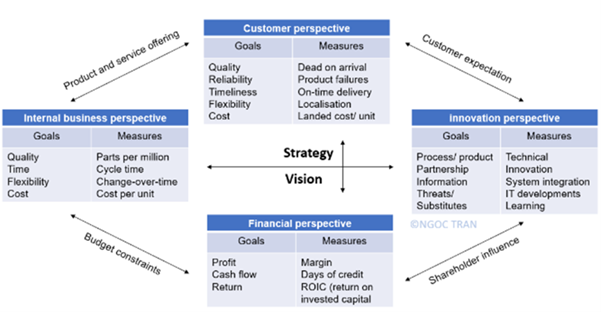
The supply chain operations reference (SCOR) model and Balanced Scorecard are two famous models used to measure supply chain performance.

The SCOR model (Supply Chain Operations Reference model) of APICS, now known as the Association for Supply Chain Management (ASCM), is based on five management processes, namely Plan, Source, Make, Deliver and Return. It is recently updated by adding “Enable” as a capability. Thus, it involves all customer interactions, physical material transactions from suppliers to customers, and market interactions (aggregate demand to the fulfilment of each order). Besides, the SCOR model consists of four major sections such as Performance (focus in this article), Processes, Practices, and People. There are five performance metrics, in which has at least one detailed metric called level 1 (and if more, level 2, and 3). The lower-level metric will diagnose performance gaps or causes of level 1-metric. This way of thinking is similar to root-cause analysis in order to find the bottleneck and build up solutions.

  • Reliability, Responsiveness, and Agility: customer-oriented
  • Cost and Asset Management Efficiency: internal-focused

Figure here below illustrates the SCOR model with respect to the supply chain processes and performance section.

The Balanced scorecard, considers four perspectives related to the organisation, such as customer, innovation, financial, and internal business.

Balanced scorecard by Kaplan and Norton (1992)

More reading:

How to measure supply chain performance? – How many metrics are sufficient? – Ngoc Tran

Introduction to Supply Chain Performance Metrics and KPIs

The 7 Most Important Aspects of Supply Chain Performance

Measuring and Managing Supply Chain Performance

We will continue to take up one more topic on supply chain and supply chain management in the next episode.

We now turn to our regular sections.

From Quality Mag –

More often than not, if we take two extremes (i.e., the polar opposites of the same issue or two seemingly diametric approaches to the same task), where we want to be is right in the middle. Unlike the edges, which represent extremes, volatility, and peril, the middle is the place of safety, stability, and moderation. When in the center, you have the widest margin for error, whereas the edges—intellectual, emotional, or physical—provide a direct path down.

In conflict resolution, “falling off” happens when one takes a radical side, leading to an over-correction or a total breakdown of relations. The middle represents a space of objectivity where one can observe the facts without emotional entanglement. By staying in the middle—acting as a mediator or simply maintaining neutrality—you cannot “fall” because you are not participating in the volatile oscillations of the opposing sides. The middle is not, as some believe, a weak position; it is a strategic vantage point that remains anchored while others struggle at the precipice.

In a metaphorical sense, the “middle” represents the mundane, the consistent, or the “average.” While society often glorifies being on the cutting edge—the highest performer or the most innovative—those positions are precarious. A “falling-off” in performance, quality, or popularity is a common fear in business or art. However, when you operate in the middle, you are not subject to the rapid, disastrous descents that follow extreme peaks. The middle represents a sustainable foundation—the floor rather than the roof.

In personal life, the middle is synonymous with emotional regulation. The “edges” are rage, euphoria, panic, or despair. When we act from a place of emotional extremism, we are prone to making mistakes, hence “falling.” The middle is the center of calm, often cultivated through mindfulness or simply choosing not to react immediately. In this balanced state, one is grounded in core values, making it impossible to be swept away by fleeting drama or external pressure. You are anchored in your own truth.

However, the middle can have a negative connotation. Ever heard the term “stuck in the middle?” In his analysis of realities in manufacturing, particularly for mid-size manufacturers, Randy Carr writes, “Mid-sized manufacturers are increasingly being squeezed on one side by large companies with the budgets and expertise needed to succeed in today’s fast-paced environment, and on the other by smaller, more entrepreneurial producers who are better able to adapt, specialize, and grow to meet the continually evolving needs of customers.”

Find out the three realities these manufacturers need to accept in order to shift their businesses from surviving to thriving in Randy Carr’s article, “Manufacturing Reality: Stuck in the Middle.”


I look forward to your views / comments / inputs to further enrich the theme of The Defining Trends of Quality Management – Raising The Bar.

Note: The images or video clips depicted here above are through courtesy of respective websites who have the copyrights for the respective images /videos.

Asha Bhosle’s First Ever Duet with a Female Playback Singer : 1954 – 1957

We had covered 10 co-female singers with Asha Bhosle had her duet in our earlier episode covering the period 1949 to 1953.

Aurat Mari Toh Mard Ko Biwi Nayi Mili – Khushboo (1954) –   with Mala – Lyrics: G S Nepali – Music: Shanker Lal

The two sisters are complaining against the patriarchal system of a male remarrying when his daughters are of marriageable age.

Given the subject, the song has modern-style orchestration.

Kaise Kahoon Apne Mann Ki Vipatiya Re – Mahatma Kabir (1954) – with Amirbai Karnataki – Lyrics: Chandrashekhar Pandey – Music: Anil Biswas

With Amirbai Karnataki, it is natural that Asha Bhosle gets a junior status. However, Asha Bhosle sings without such inhibitions.

Gori Aaj Ho Gayi Hai Parayi Humein De Ke Chali Hai Judaai – Ramman (1954) – with Sudha Malhotra – Lyrics: Aziz Kashmiri – Music: Vinod

The friends of the bride sing songs as the bride is being ornamented for the marriage ceremony. Asha Bhosle is to sing many such female-female duets in the future.

Mauj Khaamosh Hai Bahtaa Huaa Dhaaraa Thahraa …. Ho Jaake Laage Naina Wo Paye Nahi Chaina – Shama Parwana (1954) – with Suraiya – Lyrics: Majrooh Sultanpuri – Music: Husnlal Bhagatram

Suraiya had a fairly good run parallel with Lata Mangeshkar in comparison of that with Asha Bhosle. This becomes evident in the fact that Suraiya had four duets with Lata Mangeshkar and only one with Asha Bhosle. Here too, Asha Bhosle  has been allotted the minor partner part, but she sings her part without any inhibitions to her role.

Kyon Dil Pe Rakha Hath Hai Ho Na Ho Kuchch Baat HaiDarbar (1955) – with Madhubala Zhaveri – Lyrics: Asad Bhopali – Music: Hansraj Behl

Here too both the singers sing the whole song synchronously.

O Albele Panchhi Tera Door Thikana HaiDevdas (1955) – with Usha Mangeshkar – Lyrics: Sahir Ludhianvi – Music: S D Burman

One of the early songs with S D Burman! Very soon, she would occupy the status of lead singer with S D Burman. Going forward Asha Bhosle is to sing many songs for the children.

Mera Ammi Se Pyaar Rahe – Lutera (1955) – with Sabita Banerjee – Lyrics: Rajendra Krishna – Music: C Ramchandra

Here Asha Bhosle sings for “ammi” whereas Sabita Banerjee for the daughter.

Dil Ko Laga Ke Huzur Hum To Hue Majboor – Rukhsana (1955) – with Mubarak Begum – Lyrics: Kumar Barabankvi – Music: – Sajjad Hussain

Asha Bhosle, along with Mubarak Begum, gets to sing a pure ‘kotha’ duet.

Aankh Ladte Hi Dil Kya Badla, Duniya BadliPanna (1956) – with Rekha Sibnis – Lyrics: B D Mishra – Music: S N Tripathi

In period dramas of Hindi films, an all-female dance song at the King’s court was one of the most potent situations.

Mee Ho Maratha, Hu Chhu GujratiHum PancHai Ek Daal Ke (1957) – with Suman Kalyanpur – Lyrics: P L Santoshi – Music: N Datta

Here we have a stage drama for the children enacting the spirit of unity in the diversities of the cultural diversity.

Asides:

Technically the maiden Asha Bhosle – Suman Kalyanpur duet is Panghat Pe Chali Sawaar Gori (Shri Ganesh Vivah, 1955 – Lyrics: G S Nepali – Music: Chitragupt). However, it does not seem to have any presence on net.

Our search for the first ever all-female duet of Asha Bhosle with another female playback singer still keeps throwing up duets that probably remain relatively less known. So, we take one more break so as to get some more time to absorb the songs in this part.

The Micro View of Best Songs of 1956 @ SoY : Male Solo Songs

We have listed solo songs for a given male playback singer from among the ones from Memorable Songs and Others. The songs selected at Others reflect my subjective choice.

Mukesh

Memorable Songs:

Koi Dil Mein Hai Aur Koi Hai Nazar MeinAnuraag Lyrics Kaif Irfani; Music Mukesh

Pal Bhar Hi Ki Pahchan Mein Pardesi Balam SeAnuraag Lyrics Kaif Irfani; Music Mukesh

Zindagi Khwab Hai, Khwab Mein Jhooth Kya Aur Bhala Sach Hai Kya – Jagte Raho – Lyrics: Shailendra – Muisic: Salil Chowdhury

Manna Dey

Memorable Songs:

Bhay Bhanajana Vandana Sun Hamari – Basant Bahar – Lyrics: Shailendra – Music: Shankar Jaikishan

Sur Na Saje Kya Gaaun Main – Basant Bahar – Lyrics: Shailendra – Music: Shankar Jaikishan

Nirbal Se Ladai Bhagwan Ki, Ye Kahani Hai Diye Ki Aur Toofan Ki – with chorus – Toofan Aur Diya – Lyrics: Bharat Vyas – Music: Vasant Desai

Others:

Ei Duniyay Bhai Sabi Hoy – Ek Din Ratre – Music: Salil Chowdhury

Chale Sipahi Dhul Udate – Rajhath – Lyrics: Shailendra – Music: Shankar Jaikishan

Mohammad Rafi

Memorable Songs:

Badi Der Bhai, Kab Loge Khabar More Ram – Basant Bahar – Lyrics: Shailendra – Music: Shankar Jaikishan

Maine Chaand Aur Sitaaron Ki Tamanna Ki Thi – Railway Platform – Lyrics: Sahir Ludhiyanvi – Music: N Datta

Gareeb Jaan Ke Hum Ko Na Tum Mita Dena – Chhoo Mantar – Lyrics: Jan Nissar Akhtar – Music: O P Nayyar

Parwar Digaar E Alam Tera Hi Hai Sahara – Hatimtai – Lyrics: Akhtar Romani – Music: S N Tripathi

Le Ja Uski Duaen Jo Tera Ho Na Saka – Heer – Lyrics: Majrooh Sultanpuri – Music: Anil Biswas

Aaye Bahaar Ban Ke Lubha KaR Chale Gaye – Rajhath – Lyrics: Hasrat Jaipuri – Music: Shankar Jaikishan

Hazaron Rang Badlega Zamana – Shirin Farhad – Lyrics: Tanveer Naqvi – Music: S Mohinder

Others:

Duniya Na Bhaye Ab To Bula Le Charano Mein Charano Mein – Basant Bahar – Lyrics: Shailendra – Music: Shankar Jaikishan

Talat Mahmood

Memorable Songs:

Dil Jawan Hai Aarzoo Jawan – SamundariDaku – Lyrics: Vishwanath Adil – Music: Jaidev

Kishore Kumar

Memorable Songs:

Ae Meri Topi Palat Ke AaFuntoosh –Lyrics: Sahir Ludhiyanvi – Music: SD Burman

Dukhi Man Mere Sun Mera KahnaFuntoosh – Lyrics: Sahir Ludhiyanvi – Music: SD Burman

The overview post at SoY mentions 158 male solo songs for the year 1956. From other avialnle records Mohammad Rafi seems to have around 61 solos. Other notable number of solos seem to be to the credit of Manna Dey; however, any precise number could not be ascertained.

By limiting the review of Best Male Song for the year 1956 to the List of Memorable Songs, we get a total of 16 songs, to which added are 2 (+1 of Manna Dey from Bengali version, Ek Din Ratre, of Jagte Raho) more from my side.

Of these 19 songs in all, Mukesh as 3, Manna Dey has 5, Mohammad Rafi has 8, Talat Mahmood has 1 and Kishore Kumar has 2.

My personal short list of Best Male Solo Songs for the year 1956 is not that short:

Mukesh

Pal Bhar Hi Ki Pahchan Mein Pardesi Balam SeAnuraag Lyrics Kaif Irfani; Music Mukesh

Zindagi Khwab Hai, Khwab Mein Jhooth Kya Aur Bhala Sach Hai Kya – Jagte Raho – Lyrics: Shailendra – Muisic: Salil Chowdhury

Manna Dey

Bhay Bhanajana Vandana Sun Hamari – Basant Bahar – Lyrics: Shailendra – Music: Shankar Jaikishan

Sur Na Saje Kya Gaaun Main – Basant Bahar – Lyrics: Shailendra – Music: Shankar Jaikishan

Chale Sipahi Dhul Udate – Rajhath – Lyrics: Shailendra – Music: Shankar Jaikishan

Mohammad Rafi

Parwar Digaar E Alam Tera Hi Hai Sahara – Hatimtai – Lyrics: Akhtar Romani – Music: S N Tripathi

Aaye Bahaar Ban Ke Lubha KaR Chale Gaye – Rajhath – Lyrics: Hasrat Jaipuri – Music: Shankar Jaikishan

Duniya Na Bhaye Ab To Bula Le Charano Mein Charano Mein – Basant Bahar – Lyrics: Shailendra – Music: Shankar Jaikishan

And,

Talat Mahmood

Dil Jawan Hai Aarzoo Jawan – Samundari Daku – Lyrics: Vishwanath Adil – Music: Jaidev

That would lead me to choose Manna Dey and Mohammad Rafi as joint Best Male Solo Singers for the year 1956, but I would be not judge any of the shortlisted songs of theirs as the Best Solo Song for the year 1956.

In Best songs of 1956: Wrap Up 1 SoY Award for the Best Male Solo of 1956 goes jointly to: Koi dil mein hai aur koi hain azar mein mohabat ke sapne main kispe lutaaunMukesh and Maine chaand aur sitaaron ki tamanna ki thiRafi.

The Special Songs listed in Best songs of 1956: Wrap Up 1 have been added to the List of Special Songs @ List of Memorable Songs.

Fading Memories…. Unforgettable Songs: Volume XI – May 2026

Manna Dey – Chale Ja Rahein Hai….: 1958-2

Manna Dey, a.k.a. Prabodh Chandra Dey, (1 May 1919 – 24 October 2013)’s classical training and ‘too clear, open’ voice seemed to over-qualify him to be a popular singer. However, with 3,500 songs in approximately 18 languages, Dey’s repertoire can make any singer nervous…

Our present series Chale Ja Rahen Hai is our tribute to Manna Dey to refresh the universal appeal of his voice by specifically choosing the so-called less popular, less-heard songs. Till now, we have covered Manna Dey’s less popular, less-heard songs for the years –

1942 – 1946 in the year 2018.

1947 – 1950 in the year 2019.

1951 – 1953 in the year 2020

1954-1955 in the year 2021,

1956 in the year 2022,

1957 Part 1 in the year 2023, and

1957 Part II in the year 2024, and

1958 Part I in the year 2025.

Presently, we will take up some more of Manna Dey’s songs for the year 1958.

Yeh Kya Kar Diya More Ram – Devar Bhabhi – Lyrics: Shailendra (?) – Music: Ravi

A wandering monk singing a song that fits the situation of the story – a very popular genre of songs that helps the protagonist to face the adversity of the life.

Dharati Ki Shaan Hai Tu Manu Ki Santaan – Gaj Gauri – Lyrics: Bharat Vyas- Music: Snehal Bhatkar

One more song to the genre of the earlier song – this time the song has strong inspirational message.

Jai Arya Devta He Surya Devta – Gaj Gauri – Lyrics: Bharat Vyas – Music: Snehal Bhatkar

An inspirational song, in the form of a prayer to the Sun God.

Meethi Meethi Yaad Teri Dil Tadpa Gayi – Great Show of India – Lyrics: Qamar Jalalabadi – Music: Avinash Vyas

Manna Dey creates mood of deep pathos in lower octaves and slower rhythm, without affecting the clear diction of the lyrics.

Aadhi Aadhi Raat Koi Sapnon Mein Aata Hai – Great Show of India – with Asha Bhosle – Lyrics: Qamar Jalalabadi – Music: Avinash Vyas

Asha Bhosle creates the bubbling mood of the young lady-in-love. Manna Dey joins with a restrained response of her beloved – befitting a male persona who is equally deep in love but lacks the natural knack to express it unrestrained……However by the second interlude he too is infected by the bubbling mood…

Chahe Suraj Tale, Chahe Chand Tale Chahe Samay Hajaro Chal Chale – Harishchandra (1958) – Lyrics: Pandit Madhur – Music: Sushant Banerjee

This is also an inspirational song, but rendered in background.

Satyamev Jayate – Naya Kadam – Lyrics: Bharat Vyas – Music: Pt. Shivram

One more inspirational song with flavor of national pride added up.

Mere Dil Mein Hai Ek Baat Keh Do To Bhala Kya Hai – Post Box No. 999 – with Lata Mangeshkar – Lyrics: P L Santoshi Music: Kalyanji Veerji Shah

The duet seems to e an exception in more than one way, in so far as the present episode is concerned – it is duet of pure romance and the only one that has Lata Mangeshkar

Jogi Aaya Lekar Sandesha Bhagwan Ka – Post Box No. 999 – Lyrics: P L Santoshi – Music: Kayanji Veerji Shah

Apparently appearing to be wandering monk song, but when we closely watch the visuals, we can see that wandering monk is more of masquerade!

We have one more batch of songs to listen to for the year 1958…….


We will continue remembering Unforgettable Songs that seem to Fading away from our Memories every second Sunday of the month ……..

Disclaimer: All images are sourced from net and videos from You Tube. All copyrights of the respective image/ video clip remain with the original owner of the image.

Design a site like this with WordPress.com
Get started