
The total number of countries visiting CarnotCycle in May 2026 was 90. With 14 years of continuous online presence this blog can fairly claim to have attained global reach.
The total number of countries visiting CarnotCycle in May 2026 was 90. With 14 years of continuous online presence this blog can fairly claim to have attained global reach.

The molecular formula for benzoic acid is C7H6O2, so Google AI is being asked to compile the following equation and solve for x
7x + (6 × 1) + (2 × -2) = 0
x = -2/7
Well within Google AI’s capabilities one would think. But when I put this question to Google’s Gemini chatbot on 11 October 2025, it responded in the first instance with -1/3, then corrected it to -3/7, both wrong answers. I asked again and it gave a new incorrect answer of -1/7. I asked one more time the next day and it returned to its original response of -1/3 which it then corrected to a new incorrect answer of +0.5.
I have included these responses in the appendix below so readers can see I am not inventing this and also to show the extent of the logical difficulties that Gemini got itself into. Given the level of confidence I have seen expressed in Gemini, I was quite troubled by my experience and have been pondering why this happened.
My best guess is that the version of Google’s AI chatbot accessed on 11-12 October 2025 was insufficiently equipped to handle the symbolic logic involved in the question. It clearly struggled to apply rule-driven logical reasoning at an uncomplicated level, which suggests that there is some way to go in the development of neuro-symbolic AI systems that all of us can have confidence in. Read the rest of this entry »

Have you ever wondered who pioneered the organizing of physical chemistry into a textbook science? Well, it will come as no surprise to the curious that it was the same people who pioneered the science itself in the late 19th century: principally Wilhelm Ostwald, J.H. van ‘t Hoff and Svante Arrhenius. This Nobel Prize-winning trio were respectively German, Dutch and Swedish, so it set me wondering how the first English language textbooks came into being. Read the rest of this entry »
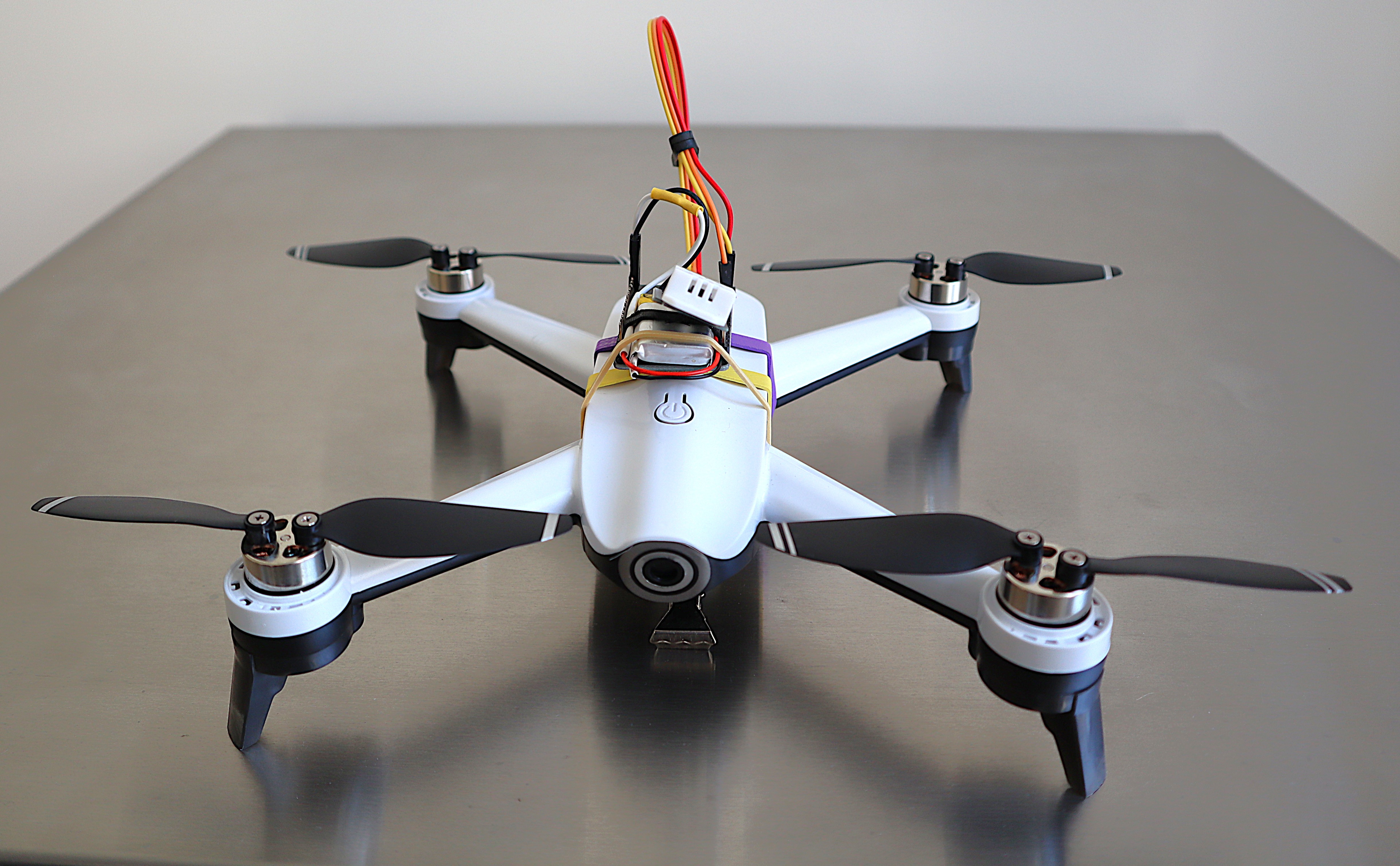
Drone with sensor payload that transmits data to a mobile phone
The drone in the photo is an ST16B. It weighs only 142 grams, has no camera, costs less than 50 dollars and is designed for kids with no drone flying experience to learn the basics. It also provides an inexpensive way to explore atmospheric parameters in the near terrain region up to around 100 feet (30 meters). Here’s a quick guide to exploring near terrain atmospherics in your hood. Read the rest of this entry »
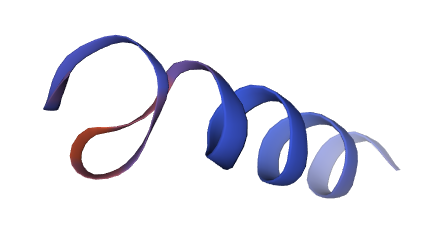
A simple Excel spreadsheet created the amino acid sequence for this protein
The computer spreadsheet evolved in the 1980s from paper-based bookkeeping and accounting worksheets and has since developed into a highly versatile tool, whether for complex business model canvases or simply recording Cindy and Bob’s widget sales.
But apps like Excel can equally well be used for scientific purposes such as simulating the DNA transcription process by which cells synthesize proteins. It might sound complicated but when you break it down into parts it’s actually quite straightforward. Here’s how to do it. Read the rest of this entry »
 carnotcycle