The Cherokee Nation’s approach to wastewater treatment is particularly interesting because it combines two different worldviews: traditional Cherokee environmental principles and modern technology. Here’s what makes it special:
- Historical Development:
- In the 1970s, the Cherokee Nation took control of their environmental management rather than leaving it to state or federal agencies
- This timing coincided with major federal environmental legislation like the Clean Water Act
- The nation developed their own environmental programs based on their cultural values about water as a sacred resource
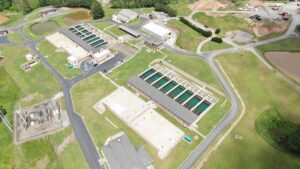
- Modern Treatment Methods:
- The advanced biological treatment systems they use include processes like activated sludge treatment and biological nutrient removal. You need to calculate the sludge production in the wastewater plant to develop the correct system.
- UV disinfection is a chemical-free way to kill harmful microorganisms, aligning with their environmental values
- Their nutrient removal processes help prevent problems like algal blooms in local waterways
- Sustainable sludge management means they process solid waste in ways that can benefit the environment, like creating soil amendments
- Cultural Integration: The most unique aspect is how they incorporate Cherokee values:
- They prioritize natural filtration using local plants and ecosystems where possible
- Their watershed protection goes beyond just treating wastewater – they work to protect entire water systems
- Community involvement is deeply integrated – they don’t just operate the facilities, they make them centers for education and cultural preservation
- Technical Innovations: Their monitoring systems are particularly advanced:
- Real-time water quality analysis means they can respond immediately to any issues
- Remote monitoring allows them to oversee multiple facilities efficiently
- They use automated systems to detect and alert about potential problems before they become serious
- Economic and Community Benefits: The facilities serve multiple purposes:
- They create jobs specifically for tribal members
- They provide technical training that helps build careers
- The infrastructure improvements help attract other development to tribal lands
- They serve as educational centers for both tribal and non-tribal communities
- Environmental Impact: Their approach has had measurable benefits:
- Improved water quality in local rivers and streams
- Better protection of groundwater resources
- Enhanced habitats for local wildlife
- Reduced environmental impact through energy efficiency and resource recovery
This system is particularly noteworthy because it shows how traditional knowledge can enhance rather than conflict with modern technology. For example, their use of native plants for filtration comes from traditional knowledge but works alongside modern treatment methods. Their community engagement approach, based on Cherokee cultural values, helps ensure better maintenance and operation of the facilities. You can learn more about water and wastewater treatment at waterandwastewater.com