Submissions     Contact     Advertise     Donate     BlogRoll     Subscribe                         

Thursday, October 29, 2026

The Lost Halloween Traditions That Brought Me So Much Joy Growing Up

The smell of burning leaves can take me right back to October of 1949, the fall I turned eight. Back then folks raked their yards into long piles along the road and lit them after supper, so the whole street smelled of smoke and dry oak. The war had been over for four years, but you could see it in the way people lived.

 My mother saved string and bacon grease, and nobody I knew threw away a feed sack that could become an apron. She even knew how to keep bacon good for 2+ years, and to me that seemed close to magic. Even so, that Halloween felt like the first one where the grown-ups let themselves have real fun again.

I’m in my 80s now, and I’ve watched the holiday turn into something I hardly recognize. Today it mostly comes off a store shelf, with costumes sewn overseas and candy bought in a five-pound bag. A lot of kids get driven from one house to the next, or they go to a trunk-or-treat in a parking lot and are home before dark.

I understand why parents are careful, because God knows the world has changed. But somewhere along the way we got soft, and we let go of customs that taught children to make their own fun with their own two hands.

A few of those old ways have been on my mind lately, and I suspect some of them will ring a bell for you too.

Our Costumes Cost Nothing and We Loved Them 

My first ghost costume was an old bedsheet my mother had already patched twice, and she cut two holes where she figured my eyes would be. She guessed wrong on the left side, so I spent the whole night walking with my head tilted. Store-bought costumes did exist back then, and a few kids in town had them. They came in a flat cardboard box with a cellophane window, and the mask smelled like glue and made your face sweat. But those cost real money, so in our house a costume came out of the rag bag.

The next year I wanted to be a cowboy, which was about as common as a boy could get in those days. My father handed me his oldest felt hat and a jacket with the elbows worn through, and my mother knotted a bandana around my neck. I had a cap pistol from my birthday that I’d been saving for exactly this, and I wore my own boots since they were the closest thing to the real article I owned. I felt like I’d ridden in off the range. 

Girls on our street often wore their mothers’ old dresses pinned up at the hem. Some turned a flour sack into a witch’s cape with a little black dye. Flour came in printed cotton sacks then, and women traded them to collect enough of one pattern for a dress. 

And whatever flour came out of those sacks, my mother made yeast flakes that lasted for years, and come Halloween those flakes raised the dough for her famous old-school donuts fried in lard. As kids, this was a reason for celebration. Nothing went to waste either, and the next spring that ghost sheet went right back to work as a drop cloth. 

Popcorn Balls Wrapped in Wax Paper

Sugar rationing had ended in 1947, and you could tell the folks on our road had been waiting for it. By Halloween of 1949 nearly every treat we got was homemade. The widow on the corner made molasses popcorn balls and twisted each one shut in wax paper, while the preacher’s wife handed out little bags of fudge that rarely lasted to the next porch.

My mother cooked her syrup on the stove until a drop in cold water turned hard. Then she poured it over a dishpan of popcorn and buttered her hands to press the balls together while it was still hot. Her palms stayed red for an hour, but I never once heard her complain.

Out at the edge of town, one farm kitchen set out fried half-moon pies still warm from the pan, filled with apples they’d dried that summer and fried in lard they’d rendered themselves. And that lard came from the hogs they butchered each fall, following this old-school recipe I thought was gone for good, until I tracked it down and put it in my new book. Trust me, you could taste the difference in every bite. 

All of that started to fade in the late 1960s, after stories about tampered treats spread through the newspapers. Almost every one turned out to be a rumor, yet parents began throwing out anything that wasn’t factory-wrapped. And I’ve often wondered whether that was the point, since the big food companies were the ones who gained when mothers stopped cooking at home and started buying candy by the bag. That’s about where the consumerist era began, and Halloween became something else entirely. 

Bobbing for Apples at the Grange Hall Party

Our town held its Halloween party in the Grange Hall, and somebody always hauled in a galvanized washtub for bobbing. You knelt with your hands behind your back and chased an apple that kept drifting away from your teeth. I never once got one on the first try, so I walked home most years with a wet collar and a cold neck.

The older girls had their own apple game, and it had nothing to do with eating. A girl peeled an apple in one long strip and threw the peel over her left shoulder, and whatever letter it made on the floor was the initial of the boy she’d marry. My cousin swore hers made an R. She married a Robert, and she brought the story up at every family dinner for sixty years. 

Then came the cakewalk. You paid a nickel to walk a circle of numbers chalked on the floor while somebody banged away at the piano, and when the music stopped and your number got called, you carried home a whole cake. I won once, a spice cake with brown sugar frosting, and I can still see my mother’s face when I came through the door with it.

Halloween in mid-20th-century America. Children parade through neighborhood streets in spooky homemade costumes, capturing the eerie charm of vintage Halloween celebrations. Photo credits: Retrodeux / WordPress (left) and Yahoo (right); original photographers unverified.

You Had to Earn Your Candy Back Then

Nobody on our street handed you anything for just showing up. You knocked, somebody opened the door, and then you had to do something for it. That’s what the words meant. The trick came first, and the treat came after.

Mine was a knock-knock joke, the same one at every house.

“Knock knock.”
“Who’s there?”
“Boo.”
“Boo who?”
“Well, you don’t have to cry about it.”

I thought it was the funniest thing ever put together, and I told it maybe thirty times that night without once getting tired of it.

Some kids sang a verse of whatever they’d learned in school that week, while others came with a riddle. The widow on the corner always made you do your piece twice, since she claimed she hadn’t heard it right the first time.

What you got for it was whatever that kitchen had on hand. Popcorn balls and fudge, mostly, along with molasses taffy and sugar cookies still soft in the middle. A few houses gave out apples from their own trees, and one old fellow dropped a penny in your pillowcase instead. Store candy showed up here and there too, penny candy from the five and dime, licorice and jawbreakers and candy corn in a paper sack. But that was the exception, not the rule.

I got nervous about my piece, I’ll admit that. Standing on a porch at eight with four adults looking down at you is no small thing. But you did it anyway, and by the end of the night you’d performed for half the town and nobody had died of it.

That’s the part I miss most. A kid today walks up with a bag held open and walks off without a word, and the whole thing takes four seconds. We stood on those porches long enough to be seen.

Running Loose After Dark With the Whole Street Watching

As soon as supper was over, a pack of us met at the corner and set off in the dark with no grown-up in tow. We carried pillowcases for the treats and a flashlight if somebody’s father would lend one. A porch light left on meant you were welcome, while a dark porch meant the family was out or already in bed. We understood that without being told, and we never knocked on a dark door.

Halloween had a mischievous side back then, and it went back further than trick-or-treating. Older boys soaped windows or rang doorbells and ran off, and out in the country a few outhouses ended up on their sides by morning. In fact, many towns had pushed trick-or-treating in the 1930s and ’40s to keep teenagers too busy collecting candy to cause trouble. The pranksters followed unwritten rules too, and they knew soap washed off and an outhouse could be set back up. Breaking a window or bothering a widow would have earned a boy a trip to the woodshed.

We felt safe out there because the grown-ups were watching, even if we never saw them. Old Mr. Price sat on his porch with his pipe every Halloween night. He’d fought in the first war, so he knew how to spot a stranger casing a street long before the fellow reached the corner. When I wrote the Dark Psychology chapter in my book, as strange as it sounds, Mr. Price was my inspiration. He was trained, he had stories, and he taught us what it meant to stand on your own two feet. In his book that meant knowing how to sew a button, fix what broke around the house, and keep your head when things went wrong.

Meanwhile the older ladies in our neighborhood could guess which child was under which mask just by the voice. If one of us got hurt or lost, somebody would have walked him home within minutes.

What Those Old Traditions Can Teach Us Now

I’ve thought about those years a lot as I’ve gotten older, and I don’t believe it was only being young that made them feel so good. People had less, so they made more with their hands and leaned on each other without thinking twice.

But mostly, we took care of each other. Every Halloween, every Thanksgiving, every little celebration that brought some joy to our simple lives. I remember one year, nine or ten years old, I came down sick on Halloween and couldn’t go out and do my tricks. So my grandmother made the night special anyway. She fed me her cowboy soup and then made me swallow a whole garlic clove coated in honey, which I can still taste if I think about it too long. And then she’d hand me a doughnut, still warm from the pan. 

And the neighbors knew how sorry I was to miss it. Linda from across the road brought over my favorite pumpkin pie, with a crust that melted the second it hit your tongue. I found out years later that the secret was lard, the way I wrote about in that piece on the old art of rendering lard. I can’t tell you how much difference that one thing makes in a good old-fashioned meal.

That kind of trust took years to build, and you don’t see it much anymore, not even back in my old town.

But you don’t have to wait for the whole country to change to bring a little of it back. A pan of molasses popcorn balls or a washtub of apples in the backyard is plenty to start with. If you have grandkids nearby, they might grumble at first, but I’ve noticed children love anything they get to make themselves.

This year my great-grandson is coming over to carve a pumpkin from our garden. I’ll hold the candle, of course, and tell him about the fall of 1949 while he scoops out the seeds. 

When we’re done, I’ll send him home with The Lost Skills of Independence tucked under his arm. 

He told me the other day that he’s proud I’m his grandpa, and honestly, that’s what makes all of it worth it. I can spend my last years in peace, with my memories and the laughter of my great-grandkids in the next room, knowing I’m leaving them something that lasts.

Most of what’s in my latest book I learned at somebody’s elbow, just the way he’ll be learning tonight, and I’d like him to have it written down. So if you’ve got grandkids coming over this fall, hand them a copy too and work through the first project together.


You may also like:

9 Useful Prepping Lessons I’ve Learned After 60

DIY Babybel Cheese (VIDEO)

What’s the Limit of Your Morality in a Crisis?

How to make Pemmican, the Ultimate Survival Super-Food

The 101 Essential Items That Helped Rebuild America After the Great Depression

The post The Lost Halloween Traditions That Brought Me So Much Joy Growing Up appeared first on Ask a Prepper.


from Ask a Prepper https://ift.tt/wIExqMh

What to Put in Your Mini Root Cellar

Estimated reading time: 13 minutes

What to Put in Your Mini Root Cellar

Root cellars are one of the best ways to store food, whether you're a prepper or a homesteader. They keep a fairly steady temperature year-round, staying cool during the summer and above freezing during the winter. That keeps food fresh for months without using any electricity.

The problem is that not everyone has the space, time, or money to dig out a full-sized root cellar. If you live on a small lot, rent your home, or just don't want to take on a big construction project, a traditional root cellar might not be realistic.

That's where mini root cellars come in. A mini root cellar works on the same basic principle as a regular root cellar. It uses the earth around it to stay cool and humid. But instead of digging out a whole room, you just bury a container in your yard.

You can make a mini root cellar out of all sorts of things:

  • A trash can. A galvanized metal or heavy-duty plastic trash can is one of the most popular options. Bury it so the lid sits a few inches above the ground, then cover the lid with straw or mulch and a tarp for insulation.
  • A cooler. An old cooler is already insulated, which makes it a great choice. Just bury it in the ground and pile straw or leaves on top.
  • A bucket. A 5-gallon bucket won't hold a ton of food, but it's perfect for small harvests and it only takes a few minutes to bury.
  • An old chest freezer or refrigerator. If you have one that no longer works, it can make a roomy mini root cellar. Just be sure to remove the latch first so no one can get trapped inside.

Whichever container you choose, drill a few holes in the bottom so water can drain out, and add a layer of gravel underneath if your soil doesn't drain well. Then layer your produce with straw, sand, or peat moss to keep it from touching and to hold in moisture.

Mini root cellars are cheap, easy to build, and require no electricity, which makes them an excellent option for preppers and homesteaders alike. And since you can build several of them, it's easy to keep different types of produce separated.

Of course, a mini root cellar is only useful if you're storing the right foods in it. Below are 15 foods that do well in root cellars, big or small. Plant these foods in your survival garden, bury a mini root cellar to store them in, and you can enjoy the fruits of your harvest year-round.

Root cellars are one of the best ways to store food, whether you're a prepper or a homesteader. One of the reasons they're so great is that they're able to keep a pretty constant temperature year-round.

During the summer, well-insulated root cellars will stay cool even when it's really hot outside. And during the winter, they will stay above freezing even during a blizzard. By staying away from those temperature extremes, they're able to keep food fresh for months.

Since colonial times, farmers have used root cellars to preserve the crops they harvest. However, since root cellars are relatively simple to build and require no electricity, they are also an excellent option for modern-day disaster preparedness and homesteading.

While some foods are perfect for storing in root cellars, some foods aren't. Below are 15 foods that do well when in root cellars. Plant these foods in your survival garden, build a root cellar to store them in, and you can enjoy the fruits of your harvest year-round.

Apples

Apples | Foods That Store Well in Root Cellars

Compared to most fruit, apples store quite well, especially when kept in a root cellar. It’s best, however, to stick to tart varieties of apples as opposed to sweet varieties if you want them to keep for as long as possible.

Wrap each individual apple in newspaper and place them in a cardboard or wooden box inside your root cellar. When stored in this manner, apples will last two to seven months, depending on the specific variety of apple that you are storing.

Beets

Beets | Foods That Store Well in Root Cellars

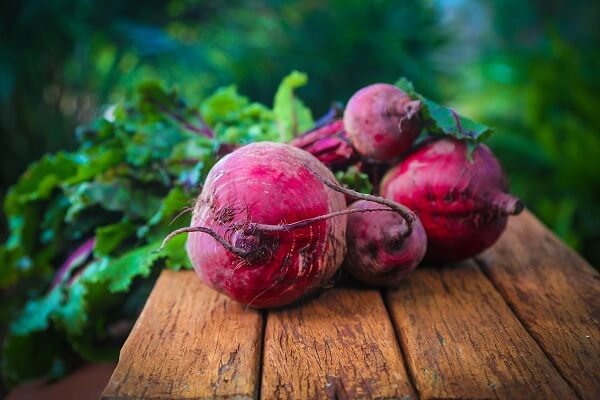
Like other tubers, beets store well in a root cellar. Start by cutting the greens off of the beet about one inch above the tuber. However, be sure to leave the root at the bottom of the beet intact. Next, store the beets in a plastic container that is layered with moist sand or peat moss.

You’ll also want to make sure that there is sand or peat separating each individual beet, as the beets will spoil faster if they are touching one another.

Broccoli

Broccoli | Foods That Store Well in Root Cellars

Broccoli isn't known for lasting very long, but when stored correctly in a mini root cellar, you can get decent shelf life out of your broccoli plants. Trim your broccoli and store it either in mesh or perforated plastic.

You'll also want to keep broccoli away from apples and pears. These fruits give off ethylene gas, which can cause broccoli to turn yellow and spoil much faster. If possible, store them in separate mini root cellars.

Brussels Sprouts

Brussels Sprouts | Foods That Store Well in Root Cellars

Unlike many vegetables, brussels sprouts are best harvested after several frosts. In spite of the vegetable's ability to survive the cold, brussels sprouts still won't last very long after harvest if they aren't stored correctly.

The best way to store brussels sprouts in a mini root cellar is to remove them from the stalk and place them in a perforated plastic bag. This allows air to circulate while still keeping in enough moisture to stop the sprouts from drying out.

Carrots

Carrots | Foods That Store Well in Root Cellars

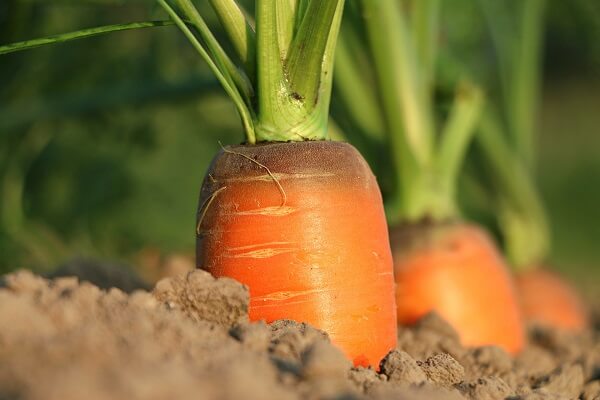
Like other root vegetables, carrots store very well in root cellars. First, you’ll want to cut off the fronds (leafy tops) of your carrots as they will draw out nutrients from the carrot during storage and reduce its shelf life. Next, place the carrots in a box and cover them either in moistened sand or moistened peat.

Dried Beans

Dried Beans | Foods That Store Well in Root Cellars

Dried beans have a long shelf life as it is, and when stored in a root cellar, that shelf life can be extended even further. Start by giving your beans time to mature on the plant until the beans are dry enough to rattle when shaken. Next, pull up the plant by the roots and store the entire plant in the shade for one to two weeks.

Shell the beans then freeze them for a few weeks to kill off any weevils that may be living in them. Lastly, place the beans in an airtight container and store them in your root cellar. When stored in this manner, dried beans can last several years.

Garlic

Garlic | Foods That Store Well in Root Cellars

Unlike many vegetables, brussels sprouts are best harvested after several frosts. In spite of the vegetable's ability to survive the cold, brussels sprouts still won't last very long after harvest if they aren't stored correctly.

The best way to store brussels sprouts in a mini root cellar is to remove them from the stalk and place them in a perforated plastic bag. This allows air to circulate while still keeping in enough moisture to stop the sprouts from drying out.

Leafy Vegetables

Cabbage | Foods That Store Well in Root Cellars

Leafy vegetables such as kale, spinach, and cabbage all do well when stored in a mini root cellar. Cabbage is the best of the bunch for long-term storage. Remove any loose outer leaves, then wrap each head in newspaper before placing it in your mini root cellar. Kale and spinach won't last as long, so store them in perforated plastic bags and plan to use them first.

Check your leafy vegetables from time to time and remove any leaves that look like they are rotting in order to stave off spoilage for as long as possible. Cabbage also has a strong smell that can be absorbed by other foods, so it's best to give it its own container if you can.

Onions

Onions | Foods That Store Well in Root Cellars

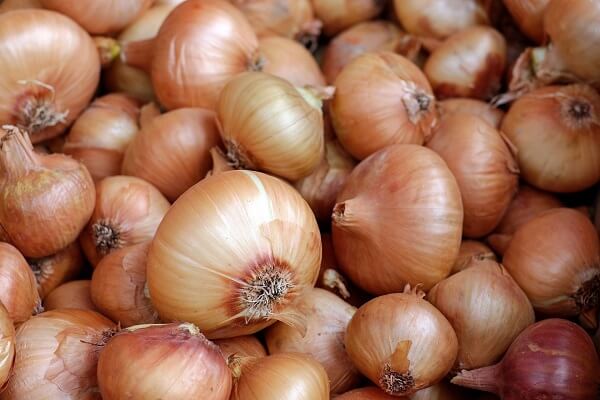
Onions can last for a long time when stored in a mini root cellar. Start by curing them in a warm, dry spot for a couple of weeks until the outer skins are papery and the necks are completely dry. Then place the bulbs in a mesh bag or pantyhose, tying a knot between each onion so they don't touch, or nestle them in a layer of dry straw.

Keep in mind that onions prefer drier conditions than most root vegetables, so don't pack them in moist sand or peat. And keep them away from potatoes, as the two will cause each other to spoil faster.

Pears

Pears | Foods That Store Well in Root Cellars

Pears are sensitive to temperature but can be stored for two to three months when kept near freezing in a root cellar. To store pears in a root cellar, wrap each pear in newspaper then place them in a cardboard box that is lined with perforated plastic.

You’ll also want to be careful to only store pears that are unbruised and unblemished; otherwise, they may rot and spoil the whole box. Check your pears for rot from time to time, though keep in mind that if pears are exposed to temperatures above 80 degrees F, they may rot on the inside while looking unblemished on the outside.

Potatoes

Potatoes | Foods That Store Well in Root Cellars

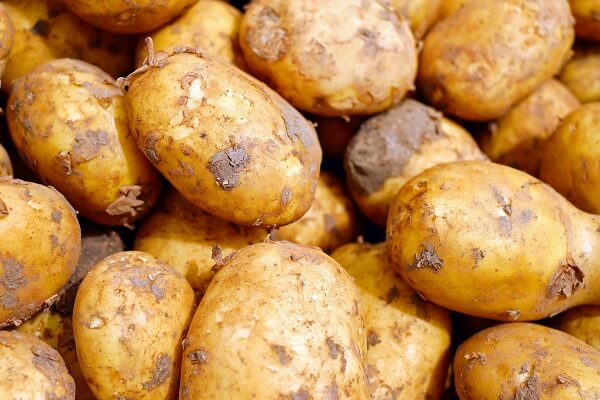
Potatoes provide an excellent source of calories and carbohydrates. However, they can be difficult to store. In the wrong temperatures, potatoes will either rot, begin to sprout, or both.

They store best in an environment that hovers just above freezing, so depending on where you live, you may need to carefully time the harvest of your potatoes and then put them in the root cellar before it gets too cold outside. This method will ensure they last as long as possible.

It’s best to store potatoes in layers so you can check your potatoes for rot and remove potatoes that are rotting so they don't affect any of the potatoes around them. Since potatoes will sprout when exposed to light, it’s best to keep them completely in the dark, and you may also benefit from covering your potatoes with straw.

Pumpkins

Pumpkins | Foods That Store Well in Root Cellars

When harvested before the first frost and stored properly, pumpkins can be stored without spoiling for five to six months. When harvesting your pumpkins for storage, though, it's important to leave the stems of the pumpkin intact as they will spoil much faster without them.

You'll also want to cure your pumpkins for 10 days at about 80 degrees F before storing them. Due to their size, most pumpkins won't fit in a trash can or bucket root cellar. If you want to store them in a mini root cellar, an old chest freezer is your best bet. Otherwise, smaller pie pumpkins and winter squash may fit in a larger trash can.

Rutabagas

Rutabagas Harvested

Rutabagas are a hardy root vegetable that stores very well in root cellars. After harvest, cut off the leafy tops, leave about a half‑inch of stem, and store the roots in moist sand or peat at just above freezing with high humidity. Under the right conditions they can last 4‑6 months or longer.

Tomatoes

Tomatoes | Foods That Store Well in Root Cellars

Ripe tomatoes do not have a long shelf life no matter how they are stored. However, if you harvest your tomatoes before they are ripe and allow them to ripen in storage, they can last several months under the right conditions.

For best results, pick the tomatoes while they are still green, then wrap each one in newspaper before placing it in your mini root cellar. Check on them every week or so, and pull out any that have started to ripen or show signs of rot.

Turnips

Turnips | Foods That Store Well in Root Cellars

Turnips can be stored in your root cellar in the same manner as carrots – with the fronds removed and covered in moistened sand or peat, though with turnips it is especially important to keep them moist, so lightly wet the soil covering your turnips periodically.

Originally published on Homestead Survival Site.

You May Also Like:

The post What to Put in Your Mini Root Cellar appeared first on Urban Survival Site.


from Urban Survival Site

The Forgotten Healing Uses of Passover’s Bitter Herbs

We have spent generations trying to take the bitterness out of food. We sweeten grapefruit. We tame salad greens. We breed vegetables milder every decade. We pull dandelions out of the lawn and throw them in a bag. Older generations would have looked at those same plants very differently. One of the better reminders of […]

from Survivopedia

Fortress: The 90 Day Military Bases Plan

Ogden Utah Hill Air Force Base Aerospace

Fortress: The 90 Day Military Bases Plan. What is it? Friends, every so often a news story comes along that makes me stop what I’m doing in the kitchen and read it twice. This past week was one of those times. Our own military is now planning for the very thing we talk about here all the time: being able to take care of yourself when the outside world stops delivering. Let’s talk about what this plan is, why it’s happening, and which other countries are doing something similar.

Fortress: The 90 Day Military Bases Plan

What Is the Fortress Plan?

The plan is called FORTRESS, and the Pentagon announced it in September 2026. It requires military bases in the United States to be able to operate for at least 90 days without relying on civilian power, fuel, water, or supply lines. The name itself is an acronym. It stands for Federal Operations for Resilience, Troop Resources, Energy, Supply, and Survivability, and it was announced by Secretary Pete Hegseth on September 30, 2026, during his State of the Force address.

The details came out more fully this week. Under FORTRESS, every major military installation in the continental United States would be expected to keep essential operations running on its own for at least 90 days, including electricity, water, fuel and communications.

According to the Pentagon memo, FORTRESS focuses on five pillars: energy independence; supply chain and defense industrial base resilience; a strategic defense reserve; installation hardening and cyber resilience; and resilience in space and spectrum.

How Would Bases Actually Do This?

This is where it gets interesting for those of us who think about backup power at home. The plan envisions portable nuclear reactors, large-scale battery storage, and microgrids that can disconnect military installations from the civilian electrical grid, allowing bases to continue operating during prolonged power outages.

It isn’t just about electricity, either. FORTRESS calls for strategic reserves of munitions, fuel, critical minerals, electronics, spare parts and medical supplies that could sustain military operations if international supply routes are disrupted or domestic manufacturers can’t keep up with wartime demand. It also looks upward. The plan seeks to protect military communications, navigation and satellite systems against interference, including GPS jamming and disruptions to space-based assets.

Doesn’t that sound a lot like a family food storage plan on a much bigger scale? Water, fuel, medicine, a way to communicate, and a way to keep the lights on. The principles are the same.

Why Is This Happening Now?

The short answer is that our military depends on the same power grid and supply chains as the rest of us. A central concern FORTRESS is meant to address is the military’s reliance on the civilian power grid. Pentagon spokesman Sean Parnell put it plainly when he said: “Power is combat now.” He explained that without electricity, you lose communications, water, logistics, assembly lines and basic military command structures, and he described FORTRESS as an insurance policy to keep US forces operating if a major conflict disrupts the infrastructure and supply chains they depend on.

Secretary Hegseth

Secretary Hegseth framed it in terms of geography and changing threats. He said he created FORTRESS America because the country can no longer rely on two oceans to protect it, and that war and threats have evolved, so defenses must evolve too. He added that the goal is to make sure the country cannot be “starved out, shut down, or cut off.”

There is a supply chain piece to this as well. A July 2026 executive order signed by President Trump said the U.S. must source vital components for military equipment domestically or from allies.

NOAA Radios, Flashlights, Batteries, Solar Flashlights, Lanterns, and Headlamps. I buy all of my batteries through Sam’s Club. I joined their loyalty club and get delivery free with my annual membership.

What We Don’t Know Yet

I always want to give you the honest picture, so here it is. This is a plan and a goal, not something that is already finished. The 90-day standard is a planned requirement, not proof that all major bases can already operate independently for that long. The Pentagon hasn’t publicly announced a total FORTRESS budget or completion date. Secretary Hegseth’s memo ordered Pentagon teams to set up a dedicated office by October 30, and that office will report to the Under Secretary of War for Acquisition and Sustainment, Michael Duffey.

Congress will have its say too. Because Congress controls defense spending, it’s expected to take a close look at the plan’s scope and price tag. Supporters see it as long overdue homeland preparedness, while others will want to know what it costs and how realistic the timeline is. Both are fair questions, and I’ll be watching to see how it unfolds.

What Other Countries Are Doing

Here’s the part that really caught my attention. The United States isn’t alone. Countries around the world are rethinking preparedness, and many are asking ordinary families to get involved.

Finland

It’s the example everyone points to. Finland and Sweden are known for their “total defense” approach, meaning national defense isn’t a job for the military alone but for the whole of society. Because Finland never let its system lapse, it’s considered the gold standard for whole-of-society preparedness. Think about this one: Finland has more than 50,000 shelters with room for 4.8 million people, a little over 85 percent of the population.

Sweden

Sweden let its old system lapse after the Cold War and is now rebuilding quickly. The Swedish government proposed about 12 billion kronor for civil defense for 2026 through 2028, including funding to build up preparedness stockpiles. In January, Sweden’s Minister for Civil Defense reported that the country now has stockpiles of medical products, has increased its supplies for purifying drinking water, and has begun reinforcing preparedness wells. And this one made my prepper heart happy: Swedish households are now encouraged to be ready to get by without government help for at least a week, a step up from the old 72-hour guideline.

European Union

The European Union as a whole has joined in. The EU wants every member country to encourage the distribution of 72-hour survival kits for citizens as part of its Preparedness Union Strategy, which also calls for greater stockpiling of essential supplies and better cooperation between civilian and military groups. The European Commission explained that in extreme disruptions, the first period is the most critical. The strategy even includes adding preparedness lessons to school curricula and creating an EU Preparedness Day.

Germany

Germany is studying the Nordic model closely. German Defense Minister Boris Pistorius traveled to Scandinavia to learn about their civil protection models and then argued for stronger protection of the civilian population in Germany.

Asia

In Asia, the concerns are similar. Taiwan, Japan, and South Korea import nearly all of their oil and gas through sea routes that could be interrupted. Taiwan has planned counter-blockade drills and is increasing military spending to 5 percent of its economy by 2030. Both Germany and Japan have also been steadily increasing their defense spending.

What This Means for Our Families

When governments around the world start telling their citizens to keep water, food, and medicine on hand, and when our own military sets a goal of 90 days without outside help, I think it’s a gentle nudge for the rest of us. If our bases need a plan, so do our homes. A good friend shared this statement with me: ” Failure to plan on your part does not mean an emergency on my part.”

Notice that Europe is asking families for 72 hours and Sweden for a week, while our military is aiming for 90 days. I’ve always encouraged you to start small and build steadily. Begin with three days of water and food. Then work toward two weeks. Next, a month. Finally, three months, if your space and budget allow. Think about the same categories the military considers: water, fuel, power, medicine, communication, and food your family will actually eat.

How To Survive On Freeze-Dried Vegetables

11 Canned Meat Ideas I Recommend

15 Canned Vegetables I Highly Recommend

A Few Simple Steps

Here are a few simple steps you can take this week. Store at least one gallon of water per person per day, and don’t forget your pets. Add a few extra cans or jars to your cart each time you shop. Keep a battery-powered or hand-crank radio and spare batteries. Refill prescriptions on time and keep a small supply of over-the-counter basics. Consider a solar generator or a small power bank for phones. Write down important phone numbers on paper, because a dead phone won’t help you. By now you know, I disagree with the one gallon of water per person per day. It must be 4 gallons a day per person per day. Quit messing around with only one gallon. Geez Louise. You need water to stay hydrated, cook, perform basic personal hygiene tasks, and to do limited laundry like underwear.

None of this is meant to frighten anyone. Preparedness is about peace of mind. When the pantry is stocked and the water is stored, we can face hard times with a calm heart rather than panic. That’s what I want for every one of you. May God bless this world, Linda

Copyright Images: ogden-utah-aug-hill-aerospace-Depositphotos_175404432_S,ogden-utah-aug-hill-aerospace-Depositphotos_175404744_S

Sources:
IBTimes UK
Fox News
Snopes
Newsweek
Anadolu Agency
The Defense News
JFeed
Political.org
Heinrich Böll Stiftung
Government of Sweden, speech
Government of Sweden, budget
Defence24
Echo24
Euronews
Nutrition Insight
WION
China Russia Report
Lowy Institute

The post Fortress: The 90 Day Military Bases Plan appeared first on Food Storage Moms.


from Food Storage Moms

Wednesday, October 28, 2026

Read THIS Before Eating Your Survival Food!

Somewhere in the back of your pantry sits a can or jar that’s been there longer than you’d care to admit. And from the outside, it probably looks just fine. Stored food changes slowly, though, and much of that change happens where you can’t see it or smell it. For decades, we’ve had the luxury of shrugging off a bad meal, because a doctor and a pharmacy were never far away.

After SHTF, that comfort disappears in a hurry. A bout of vomiting and diarrhea can leave a grown man too weak to stand within a day or two. And without enough clean water to replace what he loses, dehydration sets in fast. For an older body, especially one already dealing with heart or kidney trouble, things turn dangerous even sooner.

So stored food deserves a closer look before it goes on the plate, whether you’re rotating your stockpile or eating from it in a crisis. Some of the old rules of thumb hold up well, but a few of them could get you hurt.

Which Dented and Rusty Cans Are Still Safe to Eat

Store-bought canned food is about as safe as long-term food storage gets, but only while the can stays sealed tight. The canning process kills the germs inside, so the real risk comes later, from damage that lets air and bacteria back in. And where that damage sits on the can matters more than how big it looks, so these are the spots to check before you trust what’s inside:

  • Dents on the smooth side: A shallow dent here is usually harmless. The exception is a dent with a sharp point or crease you can feel under your thumb.
  • Dents on the top or bottom seam: That rim is where the lid is crimped onto the body, so even a small kink can break the seal without leaving a gap you’d ever spot. That’s why the USDA advises throwing out any can with a deep dent or a dent on the seam.
  • Light surface rust: A thin orange film that wipes off with a dry cloth won’t hurt the food.
  • Flaking or pitted rust: Rust that flakes away and leaves pits along the seam means the metal has thinned. Once it gets that thin, pinholes can open and let bacteria in, often without a leak you’d notice.
  • Cans that froze: Cans kept in an unheated garage or shed can freeze during a hard winter, and the expanding food can stretch the seams and push the ends outward. If the seams look sound once the can thaws, the food is generally fine to use, but a can with a burst or rusted seam belongs in the trash.

Dents and rust aren’t the whole picture either, so make sure you check these 10 ways to tell if a store-bought can is still good to eat, and you’ll want to run through them before you sort out a whole pantry shelf.

What’s inside matters too, since tomatoes, fruit, sauerkraut and juices are high in acid and that acid eats at the metal over time. So those cans go stale faster than corn or green beans and are the first to pick up a metallic taste or develop pinholes, which puts them at the front of the rotation. And if liquid spurts out or the food smells off when you open one, trash it without tasting. Botulism from commercial cans is rare, but it paralyzes the muscles you breathe with, and after SHTF the ventilator that would keep you alive is out of reach. 

The Perfect Home-Canned Jar That Can Make You Sick

Picture a jar of home-canned green beans pulled off a basement shelf by flashlight on a cold evening. The lid sits flat and the beans look as green as the day they went in, so opening it feels perfectly safe. Yet according to the C

DC, home-canned vegetables are the most common cause of botulism outbreaks in this country. The hardest part is that the toxin often leaves no sign at all. A jar can look and smell completely normal while holding enough toxin to paralyze whoever eats from it, which is why the CDC warns against tasting food from a suspect jar, even a small bite. 

So here’s what to run through before anything from that shelf hits a plate:

  • The seal, before the lid ever comes off: With the metal band removed, lift the jar slightly by the edges of the flat lid and keep your other hand underneath. A good seal holds the jar’s weight without any trouble. But if the lid lets go or shifts, air may have gotten inside, and that jar shouldn’t be eaten.
  • The liquid, held up to a light: Streams of tiny bubbles rising on their own mean something inside is fermenting. Cloudy liquid and a sticky residue on the rim point to spoilage too, and so does a lid that spurts when it comes off.
  • Food above the liquid line: Those top pieces often darken in the jar. Usually that color change comes from air in the headspace and doesn’t mean the jar has spoiled, though it’s still a good reason to recheck the seal before opening.
  • How the jar was processed: Green beans, corn, meat, and other low-acid foods put up in a boiling water bath never got hot enough to kill botulism spores. Those spores survive ordinary boiling, so low-acid food has to go through a pressure canner. Jars done the other way shouldn’t be trusted, whether they came from an old family recipe or a hand-me-down cookbook.

Have you ever wondered how the Amish keep their homemade cans good for years? They do it without a pressure gauge or a freezer, just methods passed down through generations. That’s why you must try their secret methods on your own shelf this season. 

Why Pemmican Made With Berries Spoils Faster

Pemmican made the traditional way, from dried lean meat pounded fine and mixed with rendered tallow, has very little water in it. That low moisture is a big part of why it keeps so long. Adding dried berries changes the balance, because the fruit holds more moisture and sugar than the meat does. As a result, pockets of fruit inside a bar can grow mold while the outside looks perfectly clean. Breaking a berry bar open and checking the center takes only a few seconds, and fuzzy spots, a sour smell or a damp feel near the fruit mean that bar goes in the trash.

Plain pemmican runs into a different problem, and that problem is rancid tallow. Good tallow smells mild and almost clean, while rancid tallow gives off a sharp, stale odor and tastes soapy or bitter. Eating a bar like that can bring on nausea and loose stools. And pemmican is prized for packing a lot of calories into a small space, so a bar you can’t keep down wastes exactly the food you were counting on.

Both problems come down to how the bars were made in the first place, so a better option is to make this pemmican recipe that keeps for 20+ years, and rumor has it the bars still taste good after two decades if you apply the #1 trick that comes with it.

How to Tell If Water-Glassed Eggs Have Gone Bad

Water-glassing only works with unwashed eggs, because washing strips off the bloom that seals the shell. And US producers wash theirs before they ever hit the store, so those eggs never had the protection to begin with.

A good jar holds milky or clear liquid with lime settled on the bottom. But a foul smell when you lift the lid tells you it’s gone, and so does a cracked egg or liquid that dropped low enough to leave eggs sitting in the air.

So rinse the lime off before you crack one, since it’s caustic stuff. Then crack each egg into its own bowl, because a bad one announces itself the second it hits the dish. Thin whites are normal, though, so don’t let that worry you.

Still, the shells turn brittle after months in lime and tend to split when boiled. So prick the large end with a pin, or skip the trouble and scramble them. Either way, cook them through, since a bad egg brings salmonella and that kind of diarrhea costs you water you can’t spare.

Even though lime eggs are a good option, a way better option is to make powdered eggs at home. I tried this recipe myself last month, and the eggs came out perfect:

powdered eggs recipe Lost Skills of Independence

Moisture is the only thing that can ruin it. So once you open the can, scoop with a dry spoon and seal it back up tight. Powder that turned into hard lumps or smells stale and glue-like has already gone off.

The best part is that the powder keeps for years in a sealed can, and you only add water to bring it back. From there, you can scramble it for breakfast, work it into cakes, or use it for homemade pasta. 

The Hidden Danger in Old Rice and Dried Beans 

Red kidney beans contain a natural toxin called phytohaemagglutinin, and according to the FDA even a few raw beans can make you sick. The illness hits within a few hours, bringing severe vomiting and diarrhea. Beans warmed but never boiled can be worse than raw ones, so skip the slow cooker. Soak them first, then boil them hard in fresh water.

Old beans make that harder, because years in storage can cost them their ability to soften. When fuel runs low, it’s tempting to pull a stubborn pot off the fire early, and with kidney beans that shortcut is how people get sick. A pressure cooker handles them best, while a pinch of baking soda in the soaking water helps too.

White rice is one of the longest keepers you can store, but brown rice keeps its bran layer and the oil in it turns rancid years sooner. It rarely makes anyone sick, though it tastes bad enough that hungry people throw it out. Moisture causes the other common problem, and your nose usually catches it first. Here’s what to look for before any of it goes into the pot:

  • A musty or sour smell: water got in at some point, and clumped grains or discolored patches say the same.
  • Mold: the toxins survive cooking, so picking out bad grains and eating the rest is a poor gamble.
  • Insect damage: small holes in beans, webbing in the rice, or fine powder at the bottom of the bucket.

A better option? The dry canning method. You heat the jars with the rice or beans inside, then seal them hot with an oxygen absorber, which locks out the moisture and air behind almost every problem above. This way, you can store white rice and dried beans for 25 to 30 years. Find the step-by-step method here.

What Can Go Wrong With Flour and Cornmeal

Flour looks like clean dry powder, so it’s easy to forget it’s a raw farm product. Nobody treats wheat to kill germs before milling, and the CDC has tied several E.coli and Salmonella outbreaks to raw flour. That’s why licking the spoon can make you sick, even when the flour smells perfect. 

Beyond that, here’s what to watch for in storage:

  • Whole wheat, rye, oat, and almond flour: the oily germ turns rancid long before white flour does. Bitter, sharp smell instead of mildly nutty means it’s gone.
  • Stone-ground cornmeal: same problem, while the degerminated kind from the supermarket lasts much longer. Musty smell, hard clumps, or dark specks point to mold that makes aflatoxin, so trash the batch.
  • Weevils and pantry moths: small dark beetles moving through the flour, or silky webbing in the corners of the bag. A few won’t hurt you, but a heavy infestation means the flour took on moisture.
  • Self-rising flour: the baking powder fades over time. Bake one test biscuit before you mix a full batch, or you waste the flour and the fuel.

Good Mold and Bad Mold on Cured Meats

Dry meats, such as “the forever sausage,” often carry a dusty white mold as well, and many of them are made that way on purpose.

Harmless surface mold tends to look dry and powdery, in white or pale gray. By contrast, fuzzy green or black patches that reach down into the meat mean the whole piece should go.

Cured meat comes with its own set of checks, so run through these before anything goes in the pan:

  • Slime: A wet, sticky film on salt pork, sausage or jerky comes from bacteria rather than mold, and no amount of scrubbing makes that meat safe. A sour smell or a sharp whiff of ammonia points to the same thing.
  • Yellowed fat: Fresh fat on cured meat is white or cream colored, so fat that has yellowed and smells stale or painty has gone rancid. That rarely causes real food poisoning, but it upsets your stomach and ruins the taste of everything cooked with it.
  • Underdried jerky: Bend a strip. Well-dried jerky cracks without snapping in two, while a strip that bends easily and feels damp in the middle lets mold grow inside the bag.
  • Heavy salt: Country ham and salt pork can leave you badly thirsty, and with rationed water that’s a cost you can’t spare. Soaking them in fresh water before cooking pulls out a good share of it, though the soaking water comes out of your budget since you can’t drink it after.

Wiping mold off a cured sausage or a ham sends spores into the air, and breathing them in can leave you wheezing for days. That’s worse news if you already deal with asthma.

What’s happening is your body dumping histamine. But luckily, there’s a plant that fights that, now or when SHTF. If you already have The Forgotten Home Apothecary, look for the Histamine Balance Tea on page 118. Stinging nettle is the plant doing the work there, and it’s long been used to calm allergic reactions, itchy skin, and the kind of airway irritation those spores kick off.

But if you don’t want the hassle of making it, get the famous stinging nettle spagyric extract from Nicole Apelian’s official website. I carry it in my bag year-round, mostly through allergy season in spring, but also for hives and the stuffed-up head that comes with dusty work. And what’s special about it is that spagyric pulls more out of the plant than a regular tincture, which is why users rated it five stars. I’m telling you, this nettle extract is something you’ll want on hand at all times.

But if you have severe allergies, keep antihistamines in the stockpile too, like Allegra or Claritin. Wipe the meat down outside when you can, since what’s underneath is usually fine to cook.

If a Stored Meal Makes Someone Sick…

Even careful checks miss things, so it helps to know which symptoms pass on their own and which ones don’t.

Botulism rarely looks like a stomach bug. According to the CDC, it starts in the face, with double vision, drooping eyelids and slurred speech, then spreads down to the chest and the muscles you breathe with. There’s usually no fever, so someone clear-headed who suddenly can’t swallow needs help fast. Bag the jar or can instead of rinsing it, since doctors can test what’s left.

Salmonella and bean toxin are far more common, and healthy adults ride them out. For older folks, the water lost to vomiting and diarrhea is the real danger. Thirst fades with age, so watch for dark urine, dizziness and confusion instead.

To make sure you can take care of someone who got food poisoning from your stockpile, you need this first-aid manual on the shelf, written by a doctor for the days you can’t reach one. This way you will learn:

  • The facial signs that separate botulism from a stomach bug, and the window where the antitoxin still works
  • The homemade rehydration formula doctors use in the field, down to the exact salt and sugar measurements
  • Why the anti-diarrhea pill in most medicine cabinets traps a salmonella infection inside you
  • The three signs that tell you an older person is dangerously dehydrated before they ever feel thirsty
  • How to keep someone breathing and stable through the night when there’s no ambulance coming
  • What to do for a child or an elderly relative, since the doses and danger signs aren’t the same as for a grown adult

Keep it next to your food, and you’ll know what to do on the night something slips through. 


You may also like:

watch a video on how to make bacon long-lastingWhy You Shouldn’t Stockpile Beans and Rice

The Homemade Antibiotic That You Can Smoke (VIDEO)

Signs You’re (Probably) Not Taking Prepping Seriously

The Amish Never Store These Foods in The Root Cellar

How to Make Finger-Licking Brisket in a Jar

The post Read THIS Before Eating Your Survival Food! appeared first on Ask a Prepper.


from Ask a Prepper https://ift.tt/mw036jB