Kawasaki Ki-45 Toryu “Nick” Part II – 53rd Hiko Sentai

The 53rd Hiko Sentai was part of the JAAF’s 10th Air Division which also included the 244th Sentai on the Ki-61 “Hein” and the 47th Sentai on the Ki-44 “Shoki”. All three Regiments were tasked with defending the Japanese Home Islands against American B-29 Superfortress raids. The Japanese press eagerly reported on their exploits and therefor a relatively large number of photographs for a Japanese unit have survived. This photo shows a row of Ki-45 “Toryu” from the 53rd Sentai, 1st Chutai.
A photo from the same series, the photographer has shifted the perspective slightly giving a view of the individual aircraft number “59” and the 20mm angle gun installation in the foreground. JAAF Sentai generally applied tail markings consisting of stylized versions of the Sentai number, the 53rd is one of the more extreme examples. Individual Chutai (Squadrons) within the Sentai were designated by the color of the tail insignia – the Headquarters flight was Blue, 1st Chutai White, 2nd Chutai Red, and 3rd Chutai Yellow. This was the usual paradigm but there were exceptions.
Another view of “59”. The white “bandages” under the Hinomaru indicated a JAAF aircraft assigned to Home Defense duties. The diagonal band designates a flight leader, in the 53rd this band was applied in red with either a white or yellow border.
This perspective shows the Home Defense bands wrapped around under the wing. While the Ki-45 is often associated with a veined or mottled camouflage, during the last months of the war aircraft were delivered with solid paint schemes from the factory, and in many cases the paint was applied to the underside as well. The solid-scheme Ki-45s are usually depicted as being in a dark green or black green color, but a variety of browns and olive drabs are also known to have been used.
A beautiful in-flight photo of aircraft number 25 in the mottled or veined scheme. The yellow 53rd Sentai unit insignia indicates the 3rd Chutai. Visible are the pair of 20mm “Schräge Musik” cannon behind the cockpit.
The same aircraft from above showing the camouflage and markings to advantage. The 53rd Sentai allowed a wide variety of propeller spinner markings, these are thought to be red with narrow white stripes.
The diagonal flight leader band is red with yellow borders which makes 25 one of the 53rd Sentai’s more colorful aircraft.
One more photo of 25 leading a pair of 3rd Chutai Toryu.
Part I featured a number of color in-flight photos of “65”, here is 65 again on the ground from a different angle. The 53rd Sentai’s leading scorer was Sergeant Nobuji Negishi who was credited with six B-29s confirmed and another seven damaged. I could not find a photo of his aircraft, but it would have appeared very similar to this aircraft except with the individual number 18.
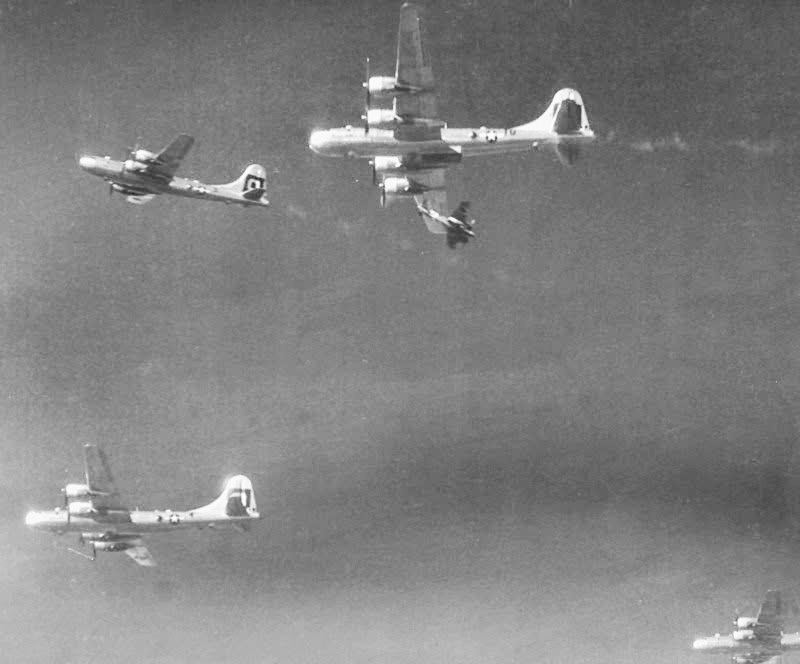
JAAF personnel were avid modelers, here is a 53rd Sentai pilot describing his latest builds to his enraptured comrades. One of the preferred JAAF interception tactics was a head-on approach from a shallow dive. Given the high closing speed of the aircraft there was little room for error and a very short firing run.
A combat photo showing this tactic in practice. The Toryu has narrowly missed colliding with its targeted Superfortress. The B-29 in the upper left appears to have just maneuvered to avoid a similar pass by another Toryu. The puffs visible trailing the top two Superfortresses are likely smoke from the 20mm tail guns firing at other Japanese aircraft.

Part I here: https://inchhighguy.wordpress.com/2026/06/03/kawasaki-ki-45-toryu-nick-part-i-color-photographs/

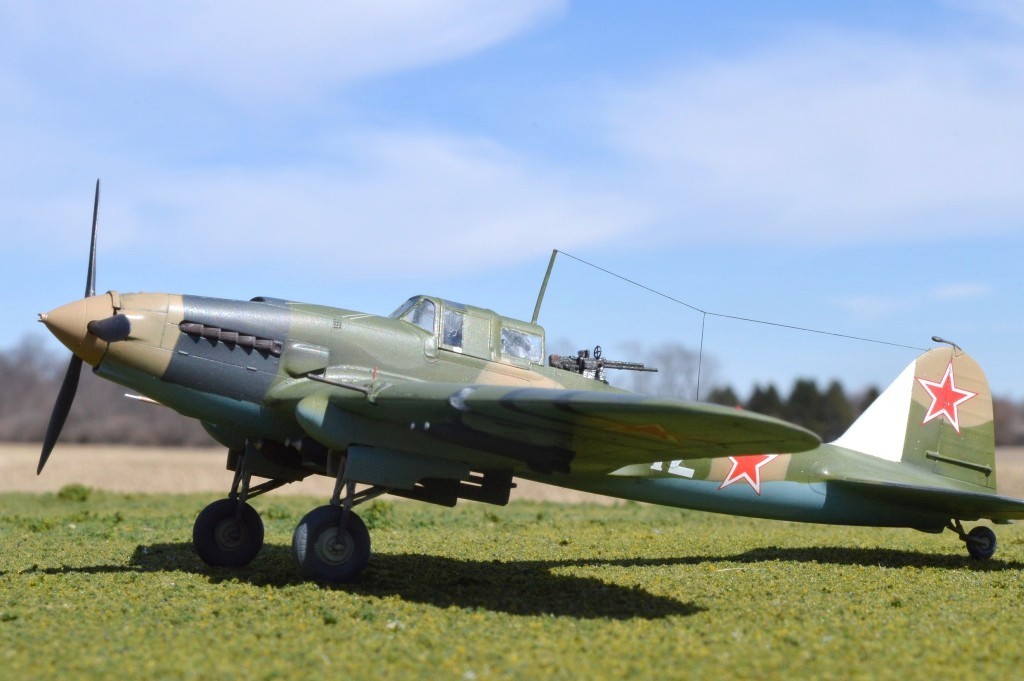
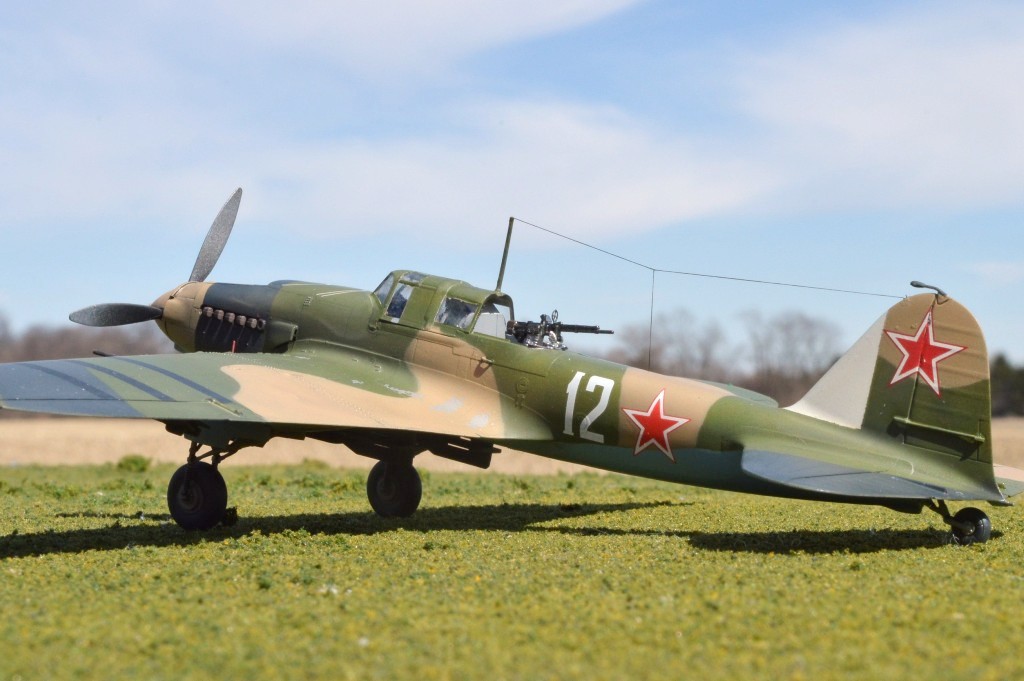
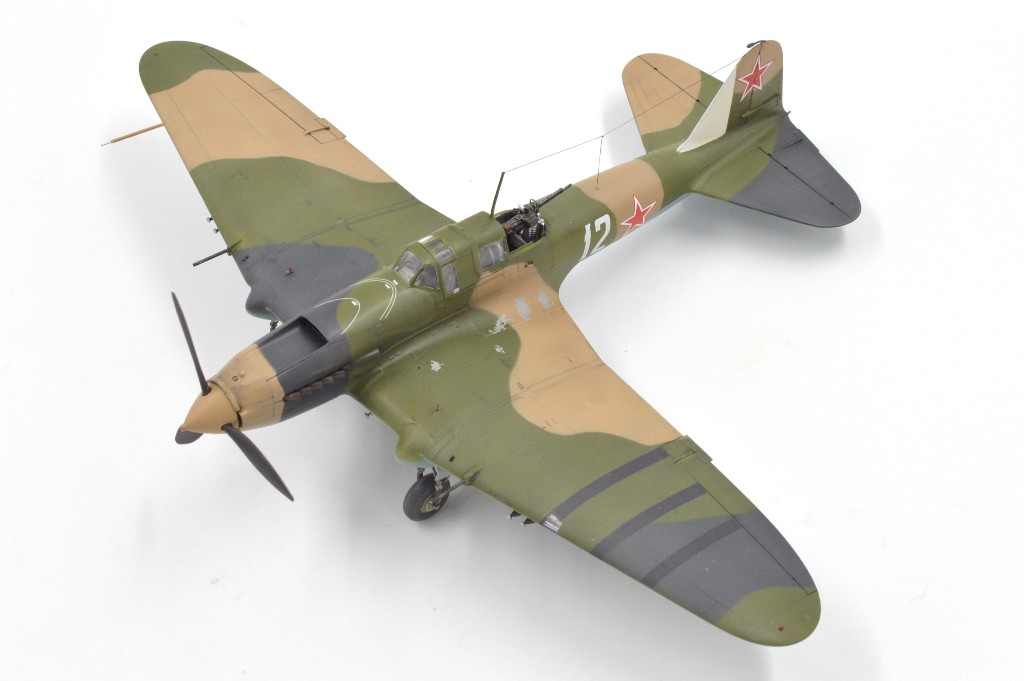
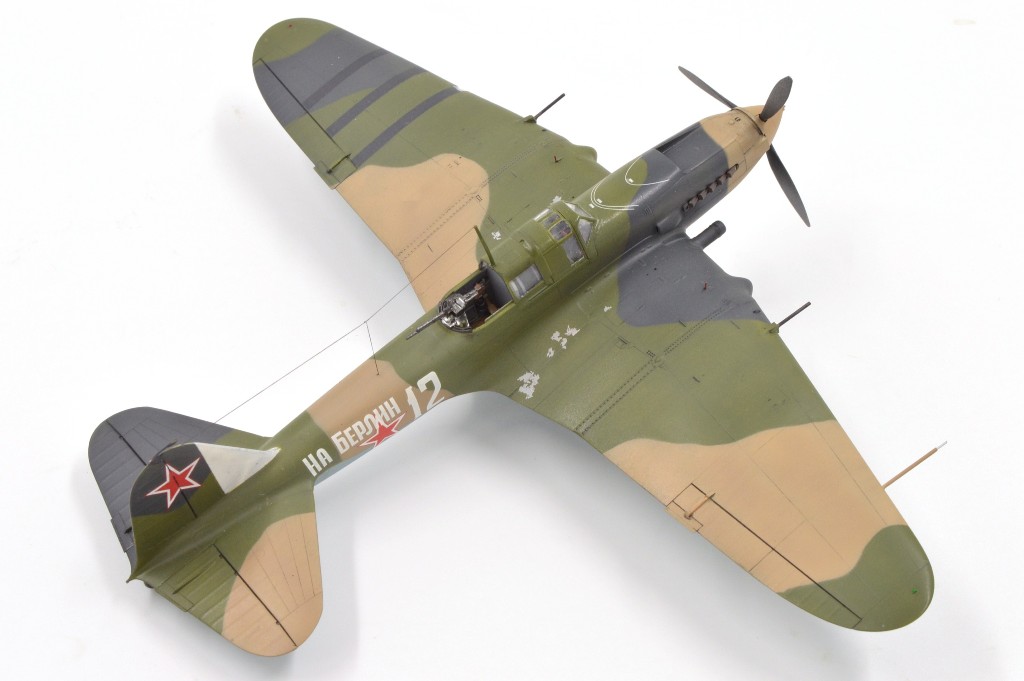
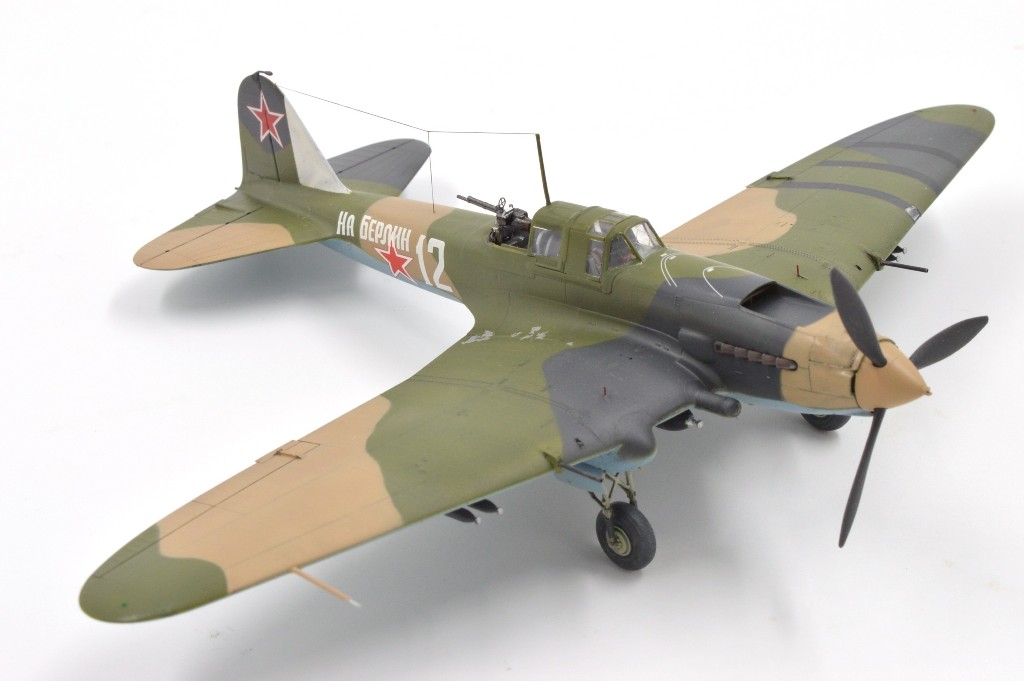
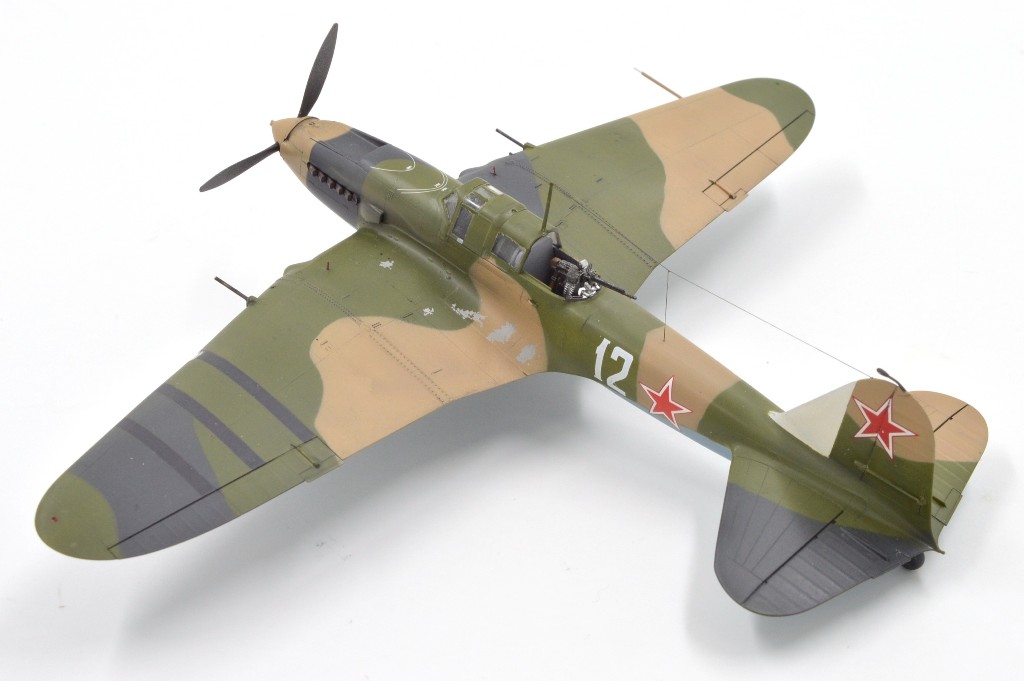
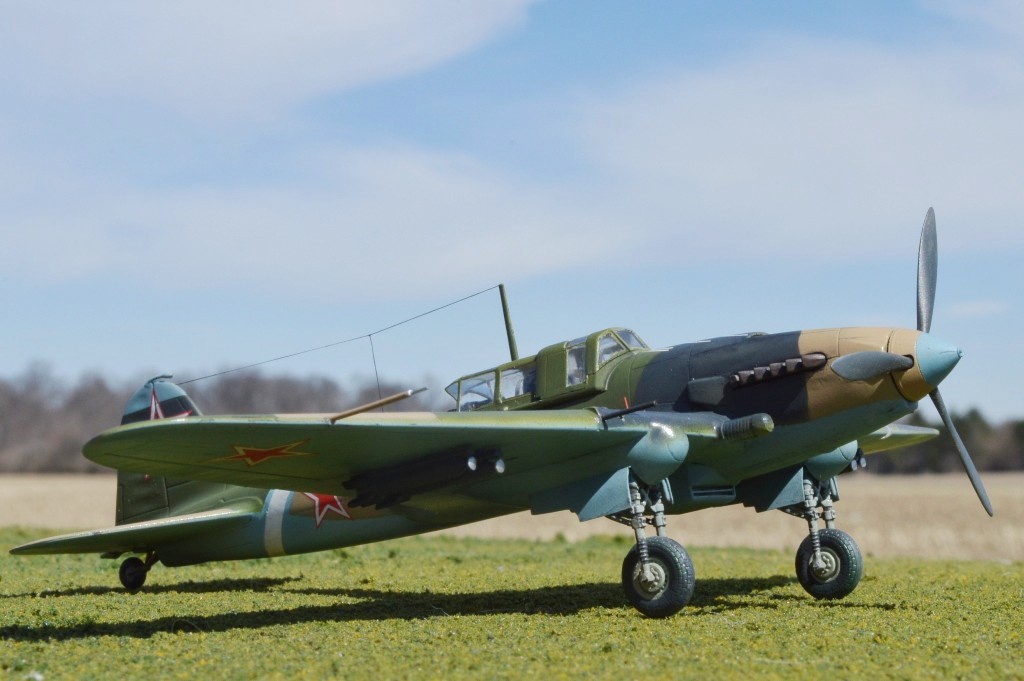
Tamiya Ilyushin IL-2M3 Stormovic of the 945th ShAP in 1/72 Scale

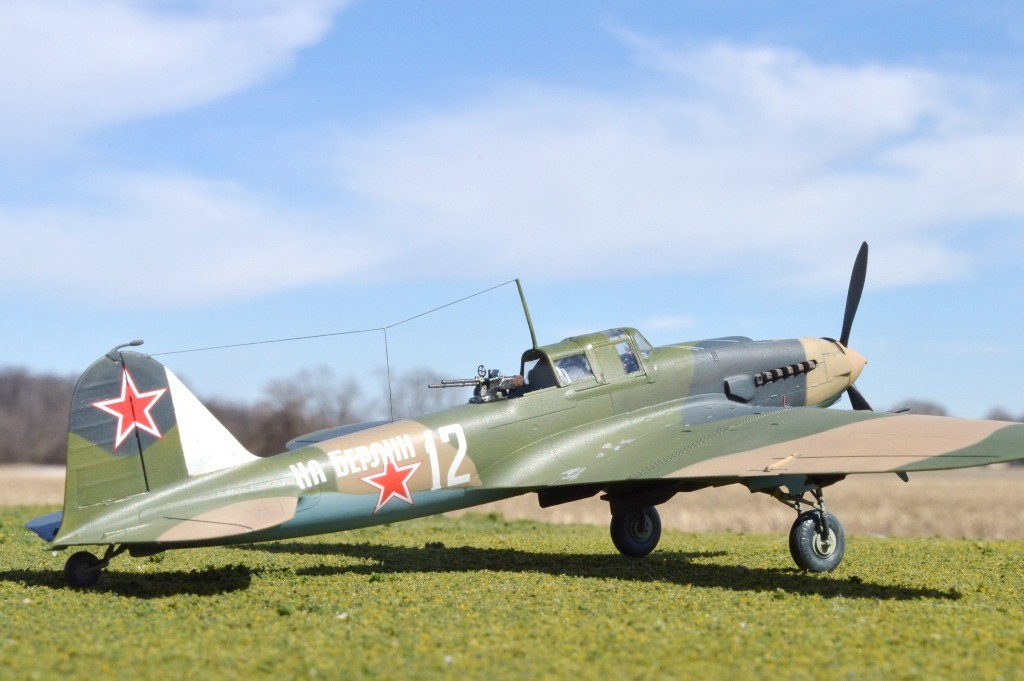
The Tamiya IL-2M3 Stormovic is a superb kit, this build represents an “Arrow” of the 945th ShAP operating over Germany during the Spring of 1945.  The inscription on the starboard side translates as, “To Berlin”.
Construction here:  https://inchhighguy.wordpress.com/2026/02/20/ilyushin-il-2-stormovic-comparison-build-in-1-72-scale-part-i/

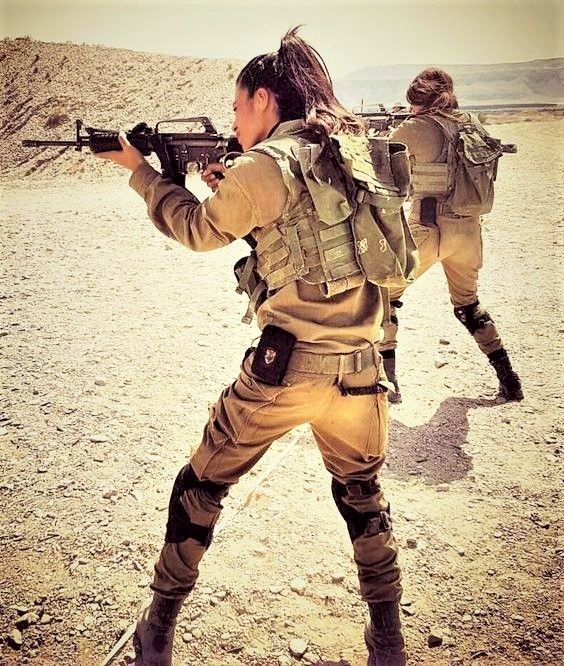
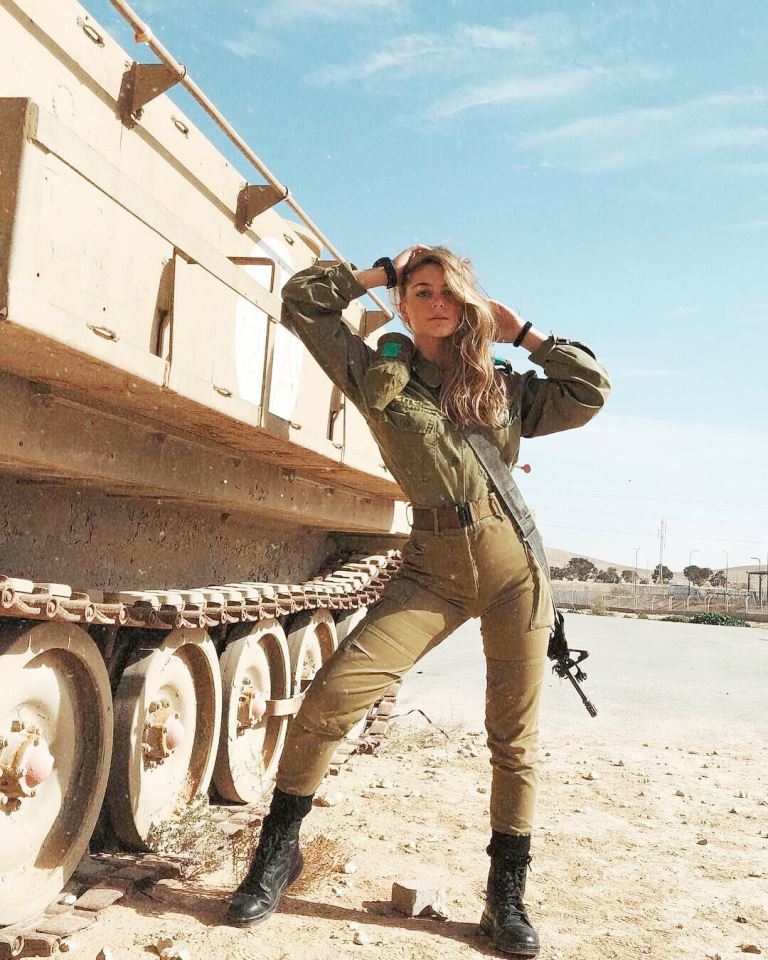
Women Warriors 373

Turkish Air Force
Germany
USAF F-35
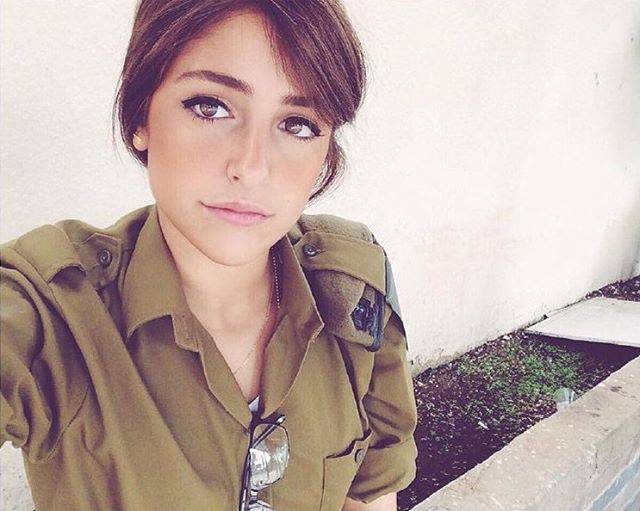
IDF
IDF
Ukraine
IDF
Soviet sniper Nina Petrova, 122 kills
IDF
Mexico
Madison Marsh USAF
Italy
Ukraine
US Army
IDF
British Flying Boat Service during WWII
US Army
Norway
Lithuania
Maj. Rachael Winiecki, F-35, and Airman 1st Class Heather Rice, a crew chief with the 412th Aircraft Maintenance Squadron
IDF
Kurdish YPJ
Ukraine
Future WASP pilot Hazel Lee posing with a biplane, circa 1930s
USMC
IDF
France
Brazil
CAPT Jo Gordon Royal Army Air Corps Apache pilot in Afghanistan
American YPJ Volunteer
Latvia
Lieutenant Amy Hannigan, 17th Brigade, Australian Army
USMC
Soviet Degtyaryov light machine gun crew WWII
IDF
Kurdish YPJ
Spain
Kurdish YPJ
IDF Iron Dome
USAF CAPT Zoe Katnic with T-38
USAF LCOL Christine Mau with F-35
WASP pilot Betty Wall
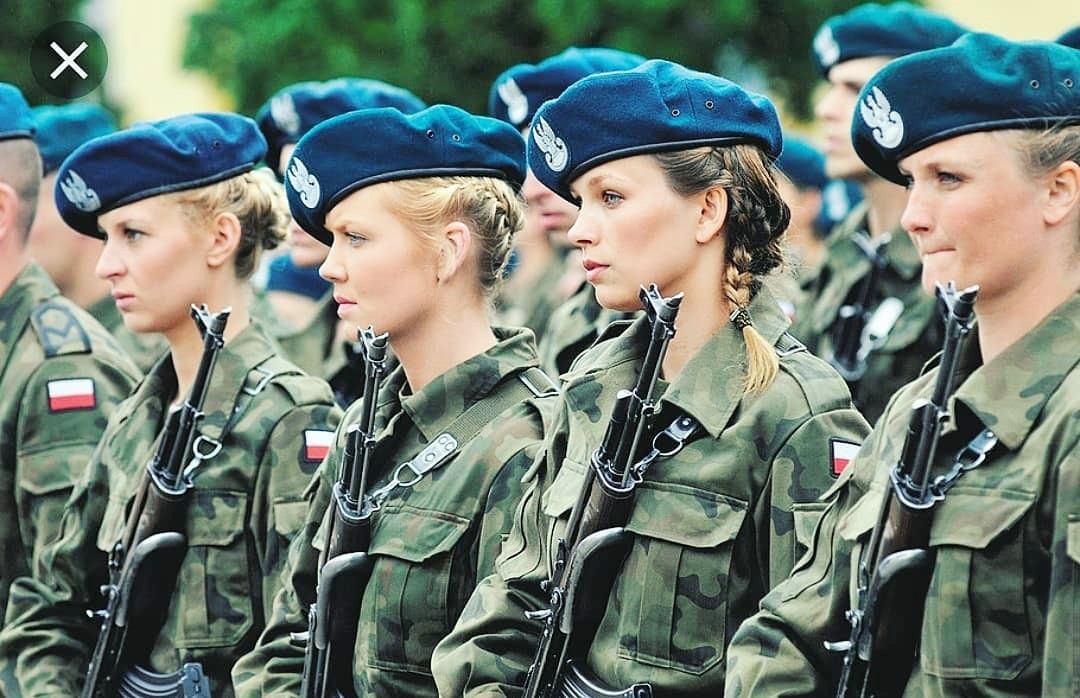
Poland
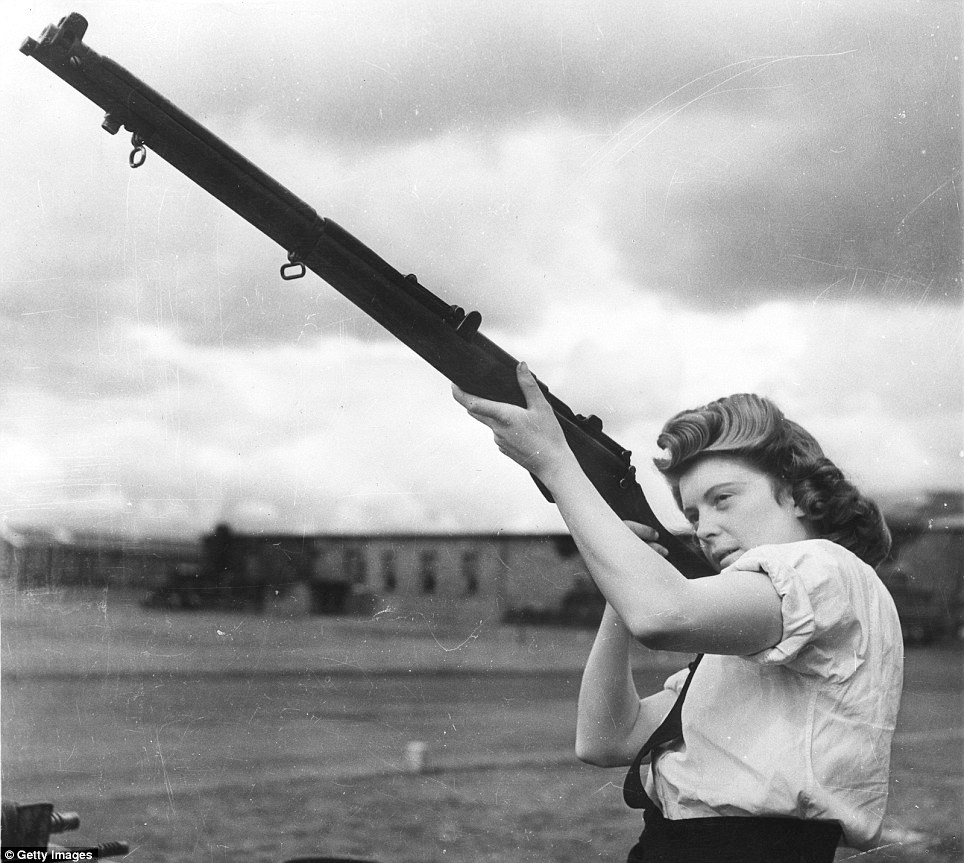
ATS anti-aircraft gun crew, London 1944
ww489_Norway
Norway
ww489b_Italian_Alpini_on_patrol_in_Afghanistan_with_VTLM
Italian Alpini on patrol in Afghanistan with VTLM
ww489c_IDF
IDF
Women in Combat
US Army
ww489e_IDF
IDF
ww489g_Norway
Norway
ww490_Norway
Norway
ww491_Russia_National Guard
Russian National Guard
http://ww2db.com/
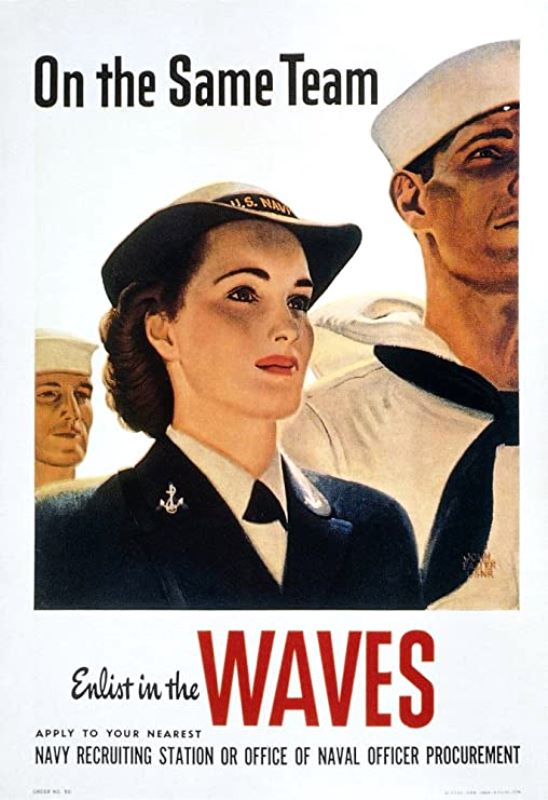
WAVES with SBD Dauntless dive bomber
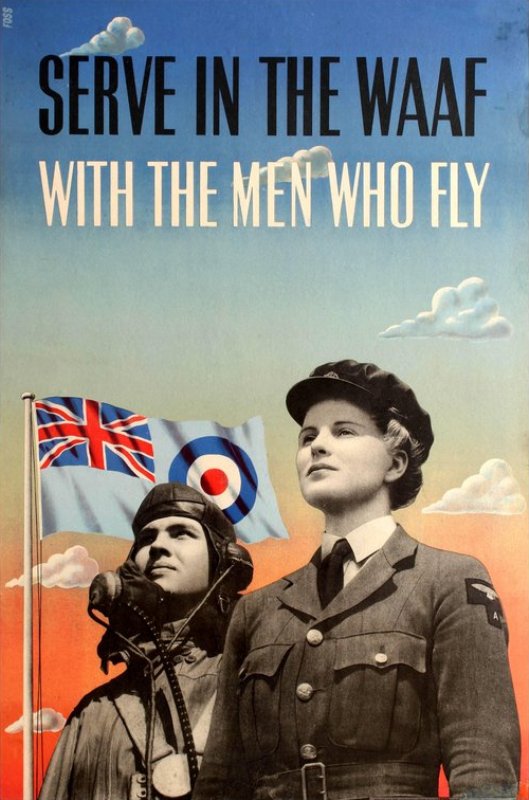
ww492Poster
ww289
Poland
ww290
Poland
ww291_JulieGibson
RAF C-130 pilot Julie Gibson
ww292
Women’s Royal Naval Service WREN
Poster073
ww089
IDF
ww090
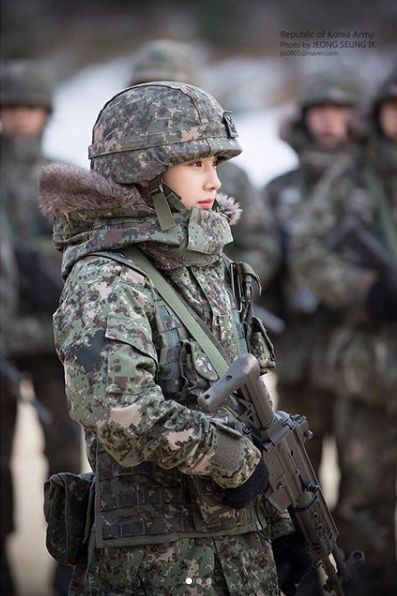
South Korea
ww091
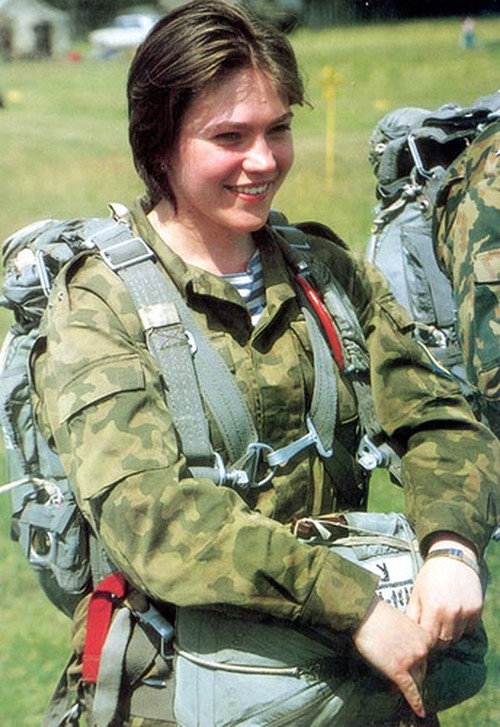
Russian Paratrooper
ww092RAFAirTransportFerryPilotVeronicaSpitfire
ATF pilot Veronica MacInnis in Spitfire
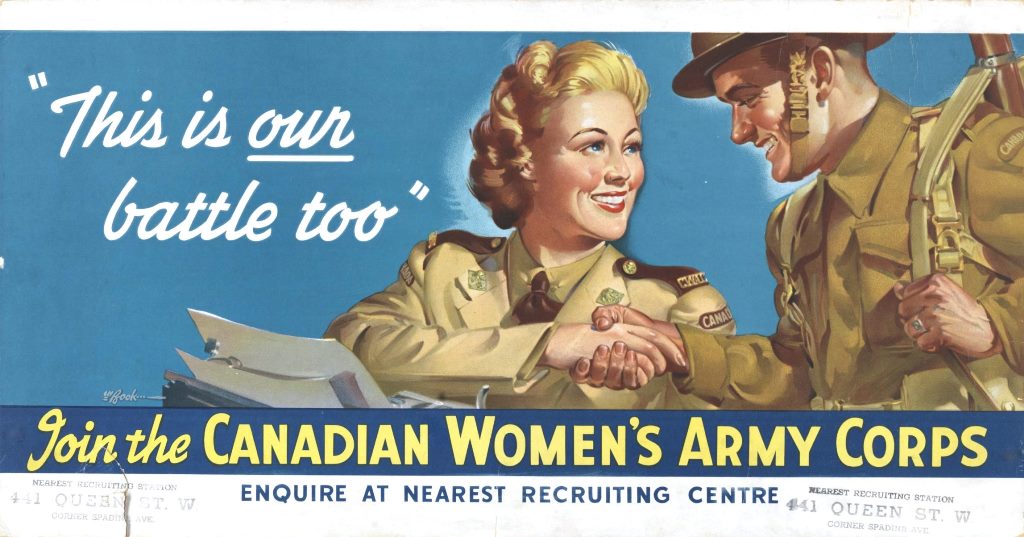
Poster023

To see more Women Warriors, click on the tags below:

Kriegsmarine Vorpostenboot Scratchbuild in 1/72 Scale Part IV

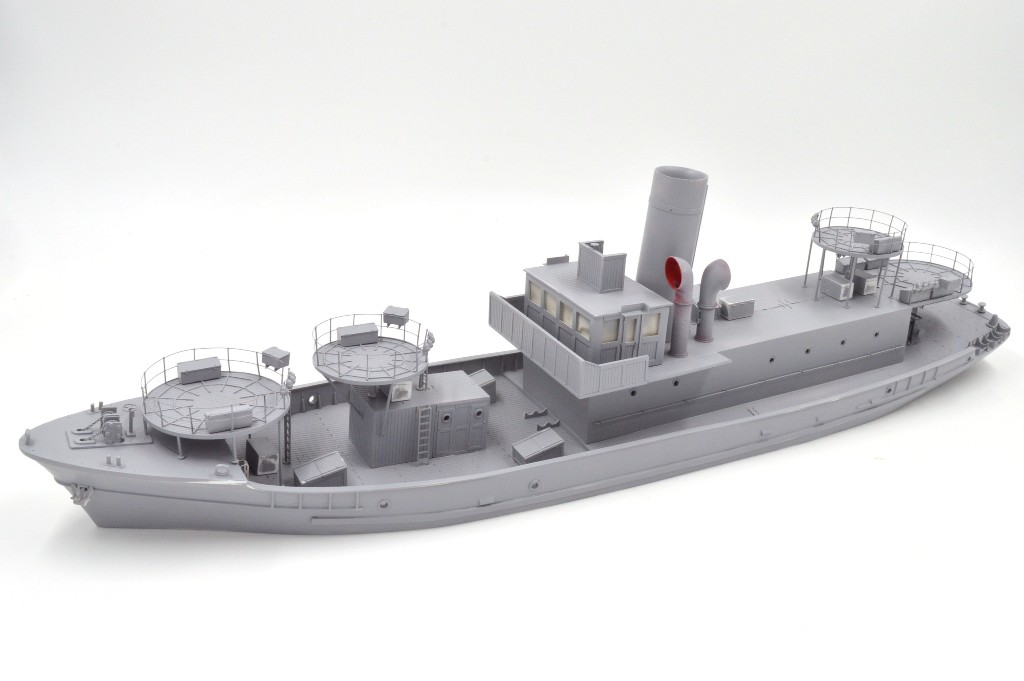
Ship models take a long time to complete, especially when working in larger scales. So many details! Running out of mojo is a real danger. I find it helpful to think of each component as a small model in itself, that gives me a series of minor “wins” as the project progresses. Here is a test fit to check that the smaller assemblies work and to help keep the vision of the completed project in mind, all good to maintain motivation!
After more priming with Mr. Surfacer 1000 here is another test fit to position some details. I have cast some resin lockers and located them under the weapons platforms and other places, ship’s companies tend to add additional storage when possible. The angled “boxes” are actually covers for inclined ladders which lead belowdecks, these are resin copies of the Special Navy KFK items.
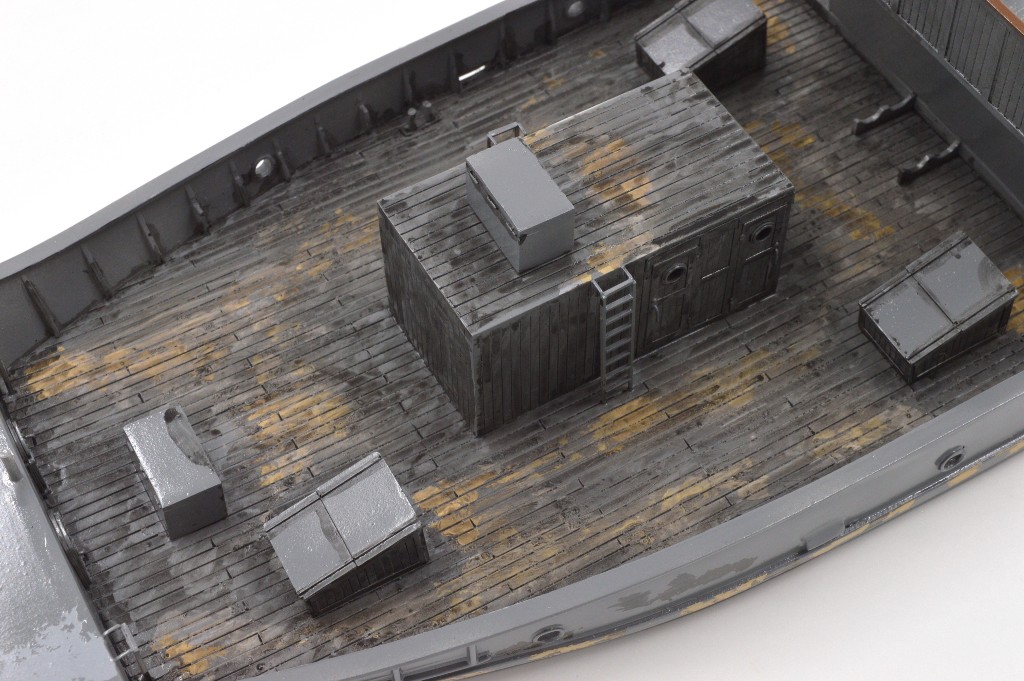
The painting plan is to model a worn and weathered scheme which has been repainted. The earlier underlying scheme is seen here, with wooden decks and rubbing strakes showing through the black hull and light gray upper works. It is tempting to show the natural wood of the decks where appropriate, but wooden decks are very visible from the air and require a lot of maintenance. I feel it is likely that the vast majority of (if not all) Kriegsmarine Security Forces crews would have painted their decks at the earliest opportunity.
My Vorpostenboot will have been repainted an overall Dark Gray, with that scheme having worn down and chipped to reveal sections of the earlier scheme underneath. The paints used are shown, the first layer was painting the wooden areas with two tans, then sealing that with Future thinned 50/50 with Mr. Leveling Thinner. Micro Mask was stippled onto areas where I wanted chipping, then the Black and Light Gray areas were sprayed on. When that had dried I removed the paint over the chipped areas with masking tape and thinly sanded other areas. Then another coat of Future, Micro Mask, and applying the final Dark Gray before repeating the stripping with masking tape and more light sanding.
With all the paint layers down the model received yet another coat of Future before applying Tamiya Black Panel Line wash. This looks like a dog’s dinner and is a little intimidating, even if you have done it a few times. The excess is removed with standard paint thinner from the hardware store and Q-tips, the coat of Future will protect the underlying layers. The tip I will offer is to set aside all other bottles of thinners, glues, or other potions you may have scattered across your workbench before starting this process, if you grab your bottle of lacquer thinner or thin cement by mistake you will strip off everything down to the plastic. Ask me how I know!
The funnel in all its glory. The white bands need a little touch up. You can see some color modulation from applying the Dark Gray in thin layers here, I have also done this on the rest of the model to vary the finish. Solid colors are rarely solid in practice, you can usually see several tones.
A variety of fittings which will go into the pilothouse, cobbled together from Evergreen and bits from the spares box. The comfy chare is for the Captain, by tradition he is the only one permitted to use it. The rack for the various binders and publications was fun, “titles” are from aircraft stenciling decals. Radio faces are spare PE parts.
Here are the some of the parts mounted to the deck of the pilothouse. The dials are photos of the actual items they represent printed on photo paper and punched out. The ship’s wheel and deck grating are laser cut items from Vector Cut.
The pilothouse will not be glued into place until near the very end of construction to make it easier to slot in the bridge windows. This view shows many of the details in place.
A test fit with the overhead piece off. Some of this should be visible on the finished model if you look through the bridge windows with any luck. I may add a few more details to “busy up” the space a bit but the general intention is to give the viewer idea that there is something going on inside.

Part I here: https://inchhighguy.wordpress.com/2026/05/15/kriegsmarine-vorpostenboot-scratchbuild-in-1-72-scale-part-i/

Picture of the Week 126

An F-35B Lightning II from VMFA-242 makes a STOL take-off from USS America (LHA 6) cruising in the Philippine Sea on 01FEB25. The America is classified as an amphibious assault ship, but the design lacks the floodable well deck present in previous designs which would allow her to deploy amphibious landing craft. Instead, the ship is optimized for aviation operations and can carry a variety of USN and USMC helicopters and vertical take off types, including the AV-8B Harrier or the F-35B Lightning II.

Kawasaki Ki-45 Toryu “Nick” Part I – Color Photographs

At the end of the Pacific War the vast majority of Japanese records were destroyed. Unit histories, blueprints, documents of all kinds are now lost forever. Original surviving wartime Japanese photographs are very rare compared to the archives of the other warring powers. Even more rare are original color photos of operational JAAF aircraft.
This is an excellent series of in-flight photos of the Kawasaki Ki-45 Toryū (屠龍, Dragonslayer) “White 65” of the 53 Sentai, 3rd Chutai. The Toryū was unique in that it was often seen in the distinctive “veined” scheme shown here. Prominent in this view are the white home defense bands around the Hinomaru and the yellow applied to the leading edges of the wings, a recognition marking intended to aid in identifying approaching aircraft as friendly.
A formation of 53rd Sentai Toryū. The 53rd Sentai operated out of Matsudo Airfield during 1945 and was primarily tasked with intercepting B-29 raids. This unit, along with the 244th Sentai, was often featured in the Japanese press which has resulted in several photographs surviving today.
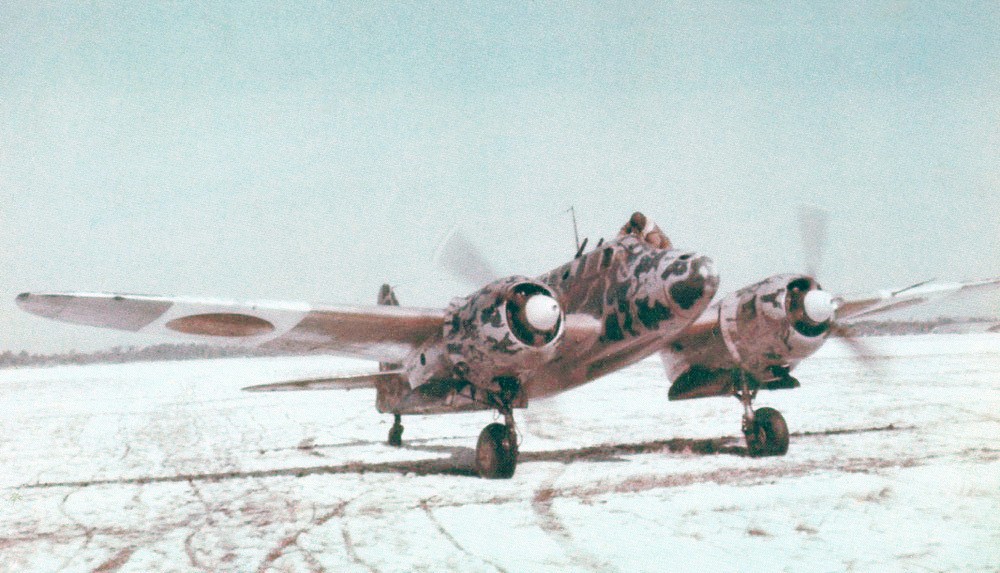
One usually thinks of the Japanese Army Air Force as operating from primitive airfields hacked out of tropical jungles, but units operating from the Home Islands, particularly northern Japan, could also encounter snow. This aircraft was photographed at Matsudo in Chiba Prefecture in February 1945. This scene would make for an interesting variation for those who construct bases to display their models.
The same aircraft as shown in the previous photo, this angle give us a good look at the tail markings. The 53rd Sentai’s unit insignia was a highly-stylized combination of the numerals “5” and “3”. “White 93” wears the tail insignia in Blue, which indicates the headquarters flight. The 53rd followed the standard color assignments used in the JAAF for the unit insignia colors – the Headquarters flight was Blue, 1st Chutai White, 2nd Chutai Red, and 3rd Chutai Yellow.
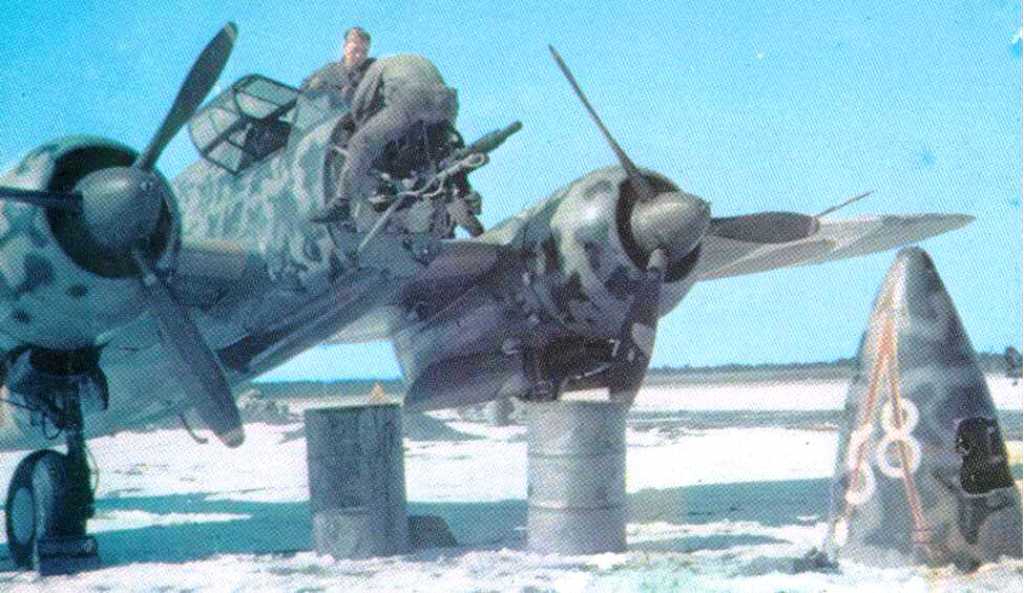
Another snowy scene at Matsudo showing a Toryū with unique nose markings being serviced. The tail markings of this aircraft are often depicted in red in profile artwork, indicating the 2nd Chutai. The exposed nose armament is a 37mm Ho-203 cannon, the Ki-45 Kai Tei also carried a pair of 20 mm Ho-5 mounted at an angle to fire over the cockpit, similar to the German Schräge Musik installation used on many nightfighters. A third 20mm was mounted under the belly. An interesting feature of this photo is the color of the fuel drums, a detail which can prove difficult to pin down.
Often the only color photographs of Japanese aircraft are those taken of derelict examples by Allied personnel, either after capture in the Pacific or by occupation troops after the war. Despite the missing vertical stabilizer and fabric removed from the control surfaces, this example otherwise appears relatively intact. Late in the war Japanese aircraft manufacturers experienced paint shortages and the factories used what they could acquire locally. There were several variations of browns and olive drab finishes introduced, and these paints could be seen applied to the entire aircraft, even the undersides.
The National Air and Space Museum is home to the sole surviving Ki-45, the unrestored fuselage can be seen in the exhibit hall at Udvar-Hazy today. This is a photo of the cockpit of that aircraft, still in the original colors. (NASM)

Part II here: https://inchhighguy.wordpress.com/2026/06/10/kawasaki-ki-45-toryu-nick-part-ii-53rd-hiko-sentai/

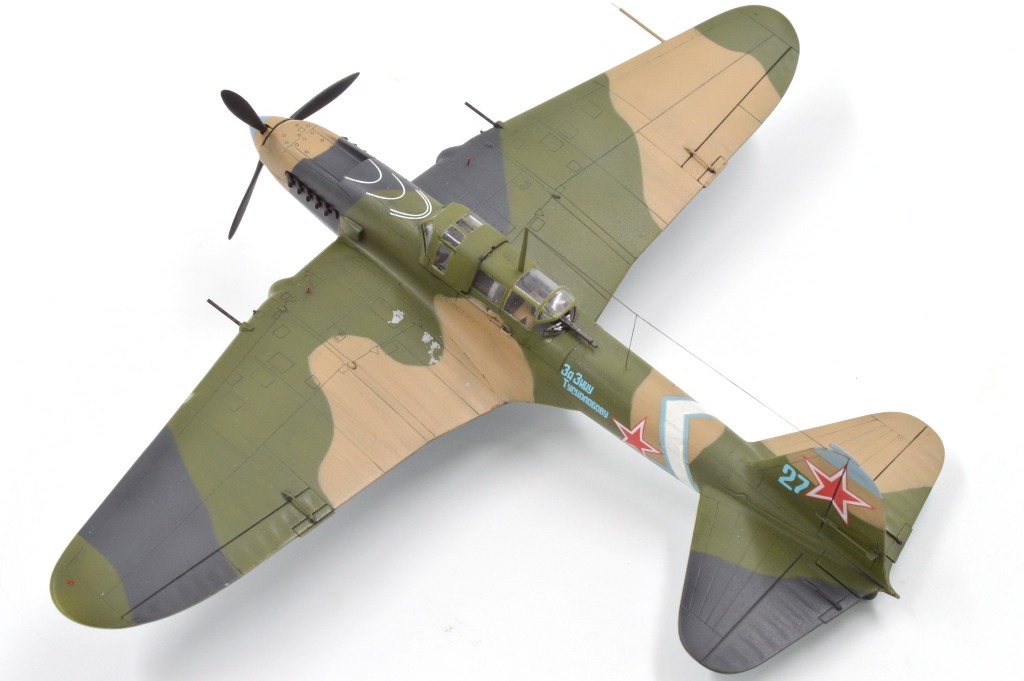
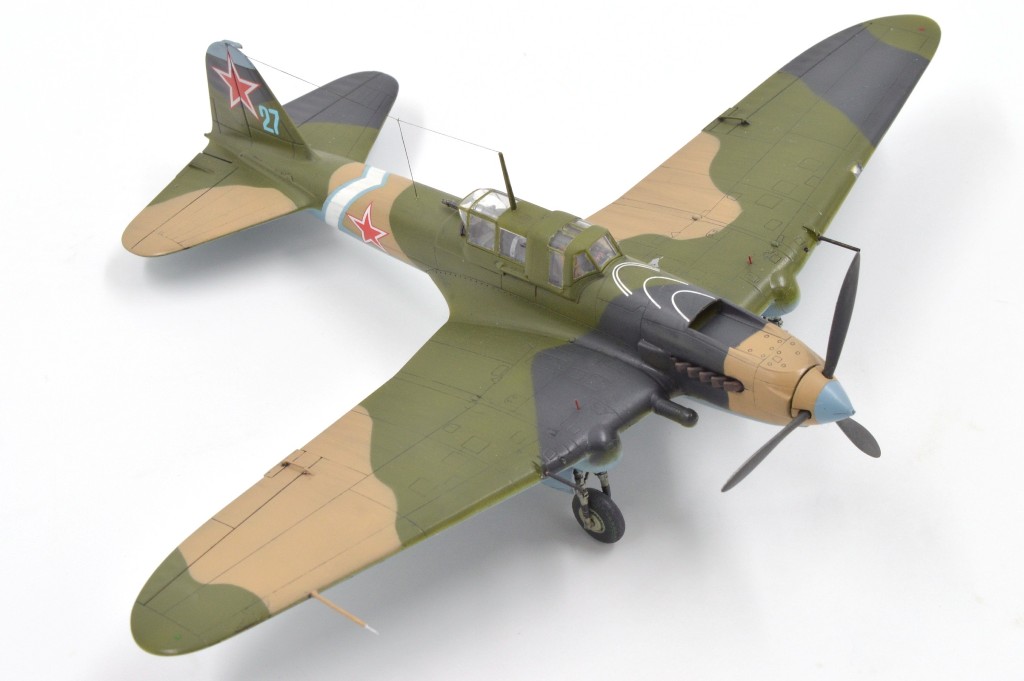
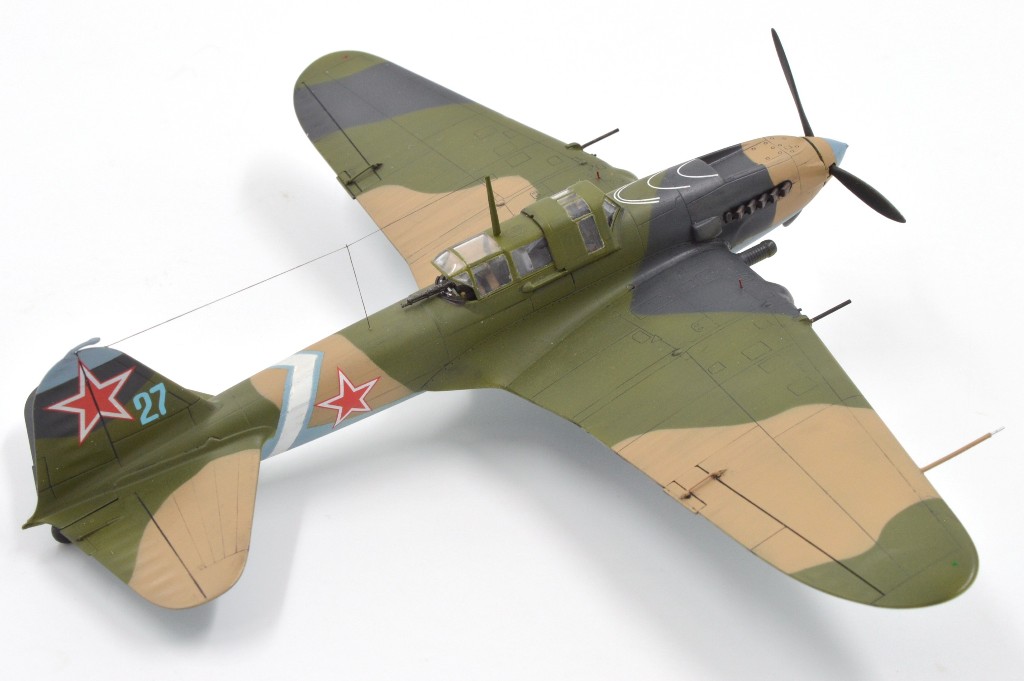
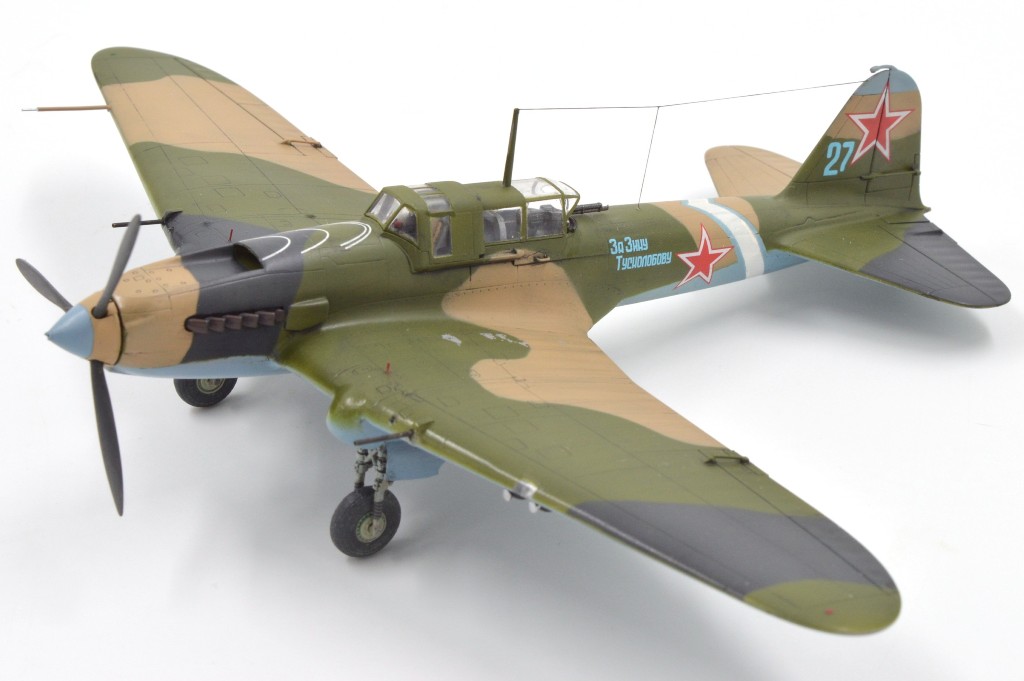
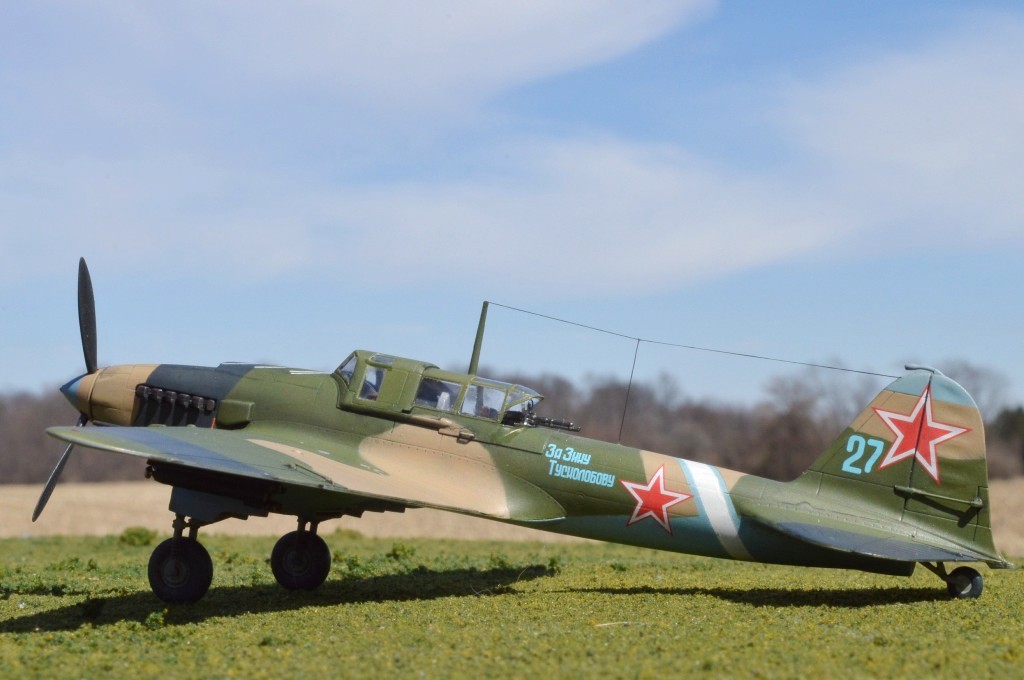
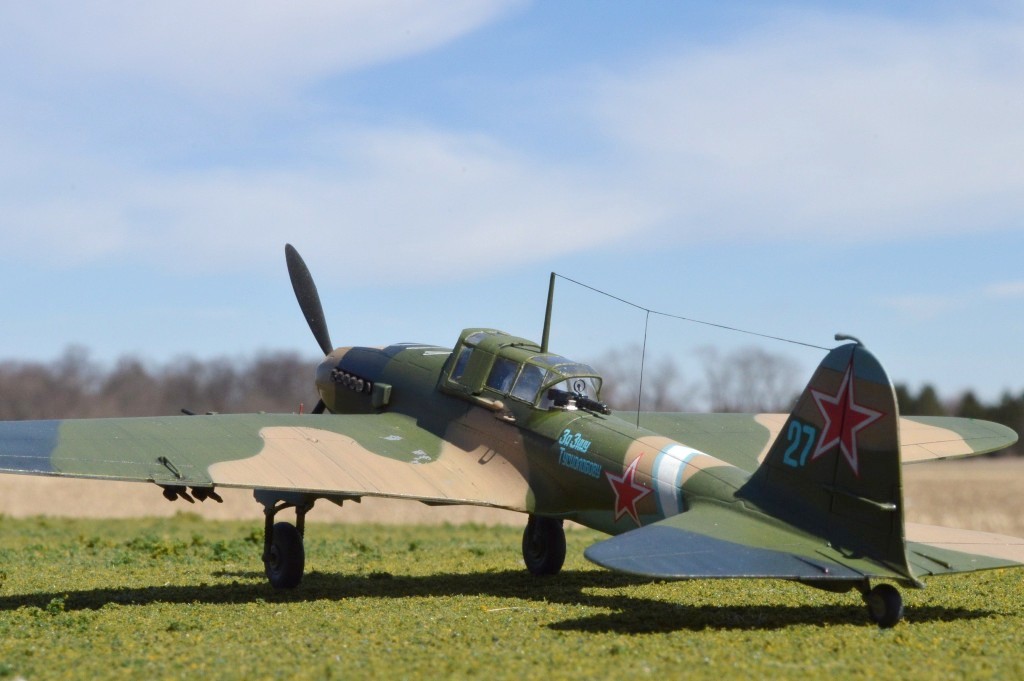
Hobby Boss Ilyushin IL-2M3 Stormovic of the 335th ShAP in 1/72 Scale

This swept-wing “Arrow” operated over the Baltic region in the Fall of 1944.  The inscription tentatively translates as, “For Znic Tuschlobov”, although Google Translate seems a little unsure of that one.  If the modeler is willing to correct issues with the fixed guns in the wings, add some detail to the cockpit, and replace the flexible defensive gun, the Hobby Boss kit can be built up into an attractive model. This turned out to be a fun build, I liked this kit more than I thought I would.
Construction here:  https://inchhighguy.wordpress.com/2026/02/20/ilyushin-il-2-stormovic-comparison-build-in-1-72-scale-part-i/