May Day and Food for All

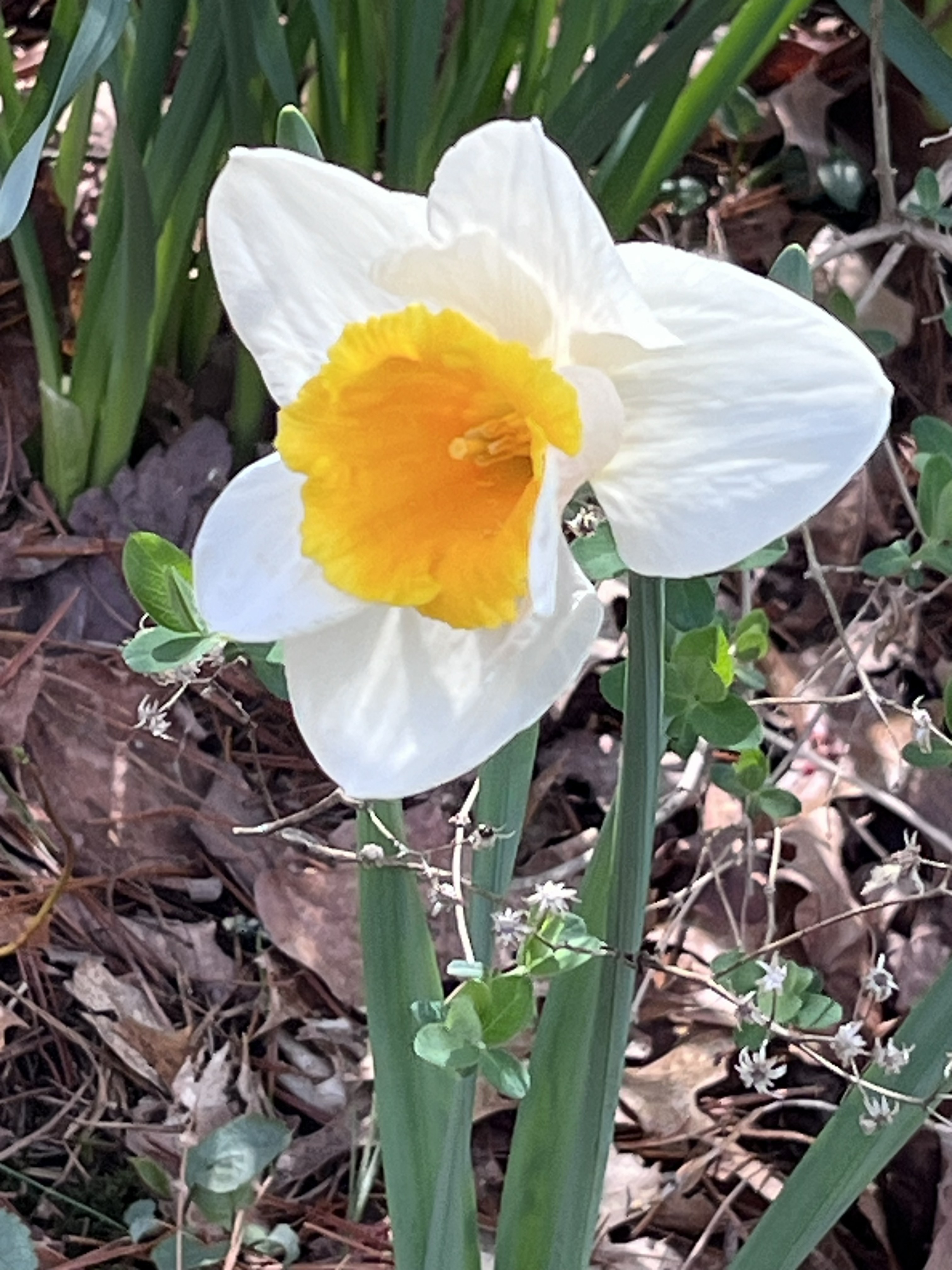
Happy May Day and International Workers’ Day! Maybe it should be “Mayday,” as so many are in need of help at this disturbing, chaotic time: workers, the indigent, the ill, the aged, and all the big and little creatures interwoven throughout our lives. May Day, or Beltane, is also the time of the Flower Moon. I watch it rise behind silhouetted trees, flooding the forest with pale light. Time to dance around the Maypole – and after this long, cold, snowy winter – to fall in love anew with the fecundity of the earth.
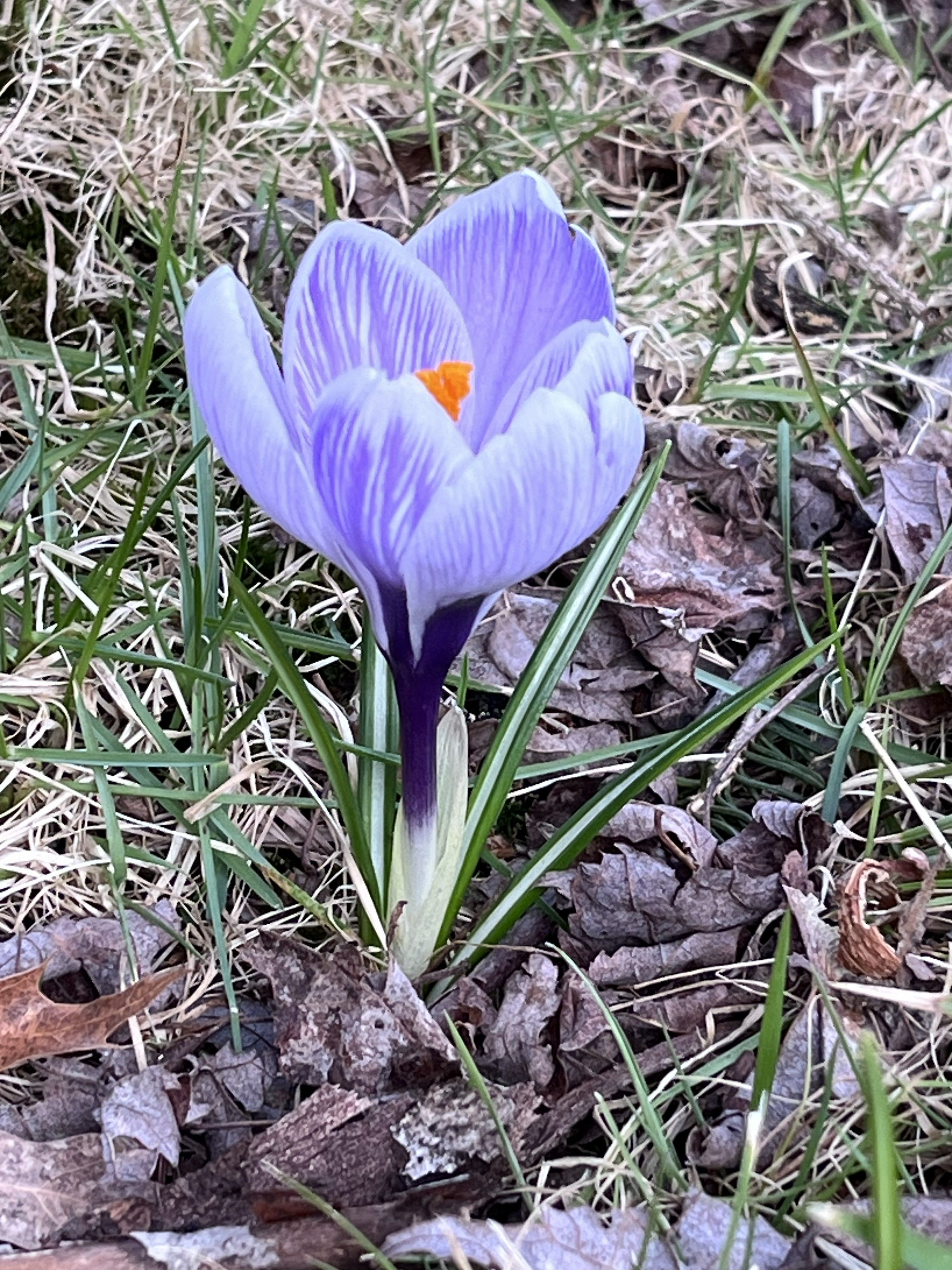
All blooms have their own special beauty. The food plants we grow have lovely flowers, and help feed us and others, thanks to programs like food banks, community fridges, and other ways to raise awareness about food scarcity around our communities.

Rhubarb
Pear blossoms

Native plants perform a vital function, supporting native pollinators throughout the food web. These pollen-bearing plants provide desperately needed nutrition, helping the ecosystem thrive. Insects (which are 90% of all animal species) and birds are in stunning decline due to human impacts: biodiversity and habitat loss from development, pesticides in the environment, and climate change. Entomologists like E.O. Wilson and other scientists report the stark numbers in the documentary The Little Things that Run the World. Not just catastrophic for the insects and the larger animals who depend on them (including humans, as we rely on fruit, nuts, honey, and other foods pollinated and produced by insects), these declines affect the pollen plants that evolved with their dependent species, and our entire ecosystem.

Skunk cabbage, sculptural leaves and early pollen
Trout lily, foliage and bee
Fiddleheads unfurl and delight
Bashful merrybells
Shy canada mayflower

Becoming aware, we can help nurture our native cohabitants and help our outside spaces recover, grateful for the nourishment, the sweet air, and the beauty of nature. I watch squirrels balance in the swaying branches atop maple trees to eat the sweet blossoms; and songbirds dart after bugs as the setting sun slowly gilds the distant hills. Even now at its blooming peak, the bright pink crabapple tree loses petals in every breeze. Standing under this umbrella of flowers, I’m enveloped by the buzzing of innumerable bees: as poet W.B. Yeats wrote, the sound of a healthy “bee-loud glade.”

Crabapple
Andromeda with bumblebee
Posted in Birds, Climate Change, Conservation, Garden, Nature, Seasons, Uncategorized | Tagged , , , , | 6 Comments

Spring Forward, Vernal Equinox

Happy Spring! On the Northern Hemisphere’s Vernal Equinox, due to Earth’s rotation the Sun hovers above the Equator before its rays move north, for the summer. (In the Southern Hemisphere, the season now turns to autumn.) Harvest and fertility festivals around the world celebrate the coming of the planting and growing season, and the return of the sun after winter’s darkness. At historic sites such as Stonehenge and Angkor Wat, the equinox coincides with a solar phenomenon aligning with these ancient structures. Nowruz is observed as the New Year by Persians and many other peoples in West and Central Asia and beyond.

Everywhere, new life! I open the door to step outside: Bugs! Tiny snow fleas flit inside foot tracks; the first flies buzz and spiders weave webs in anticipation. Birds are never far behind: black phoebes call from the fence as they hunt insects; the robins’ song a sure sign of spring. Bluejays squawk at each other and at songbirds; our resident northern harrier screeches as it soars high above; a bald eagle’s wings startle as it takes off just overhead; chickadees cheep and titmice twitter. Cardinal, juncos, sparrows, Carolina wren, blackbirds, maybe soon even the Eastern bluebird.

Melting snow reveals soggy mounds of earth, voles tunneling under the surface. Everywhere I now see the brown of sun-starved soil, the green shoots of spring bulbs, the minute wonders that are snowdrops!

While I love the stark beauty of winter snow and ice, and feel invigorated by the frigid air when snowshoeing, sledding, and cross-country skiing, this winter was the coldest, with the heaviest snowfall in years since we moved here. It challenged both my physical ability with constant snow removal and getting out even in subfreezing cold, and my mental and emotional fortitude in not giving in to the depression and inertia that often accompany dark days.

A revelation, discovered when we first moved here: the underappreciated (and a bit stinky) skunk cabbage, growing near or in water, is one of the first to emerge from the snow, often lasting through the winter. Through the process of thermogenesis, this amazing plant generates its own heat, and also offers early pollen, welcoming starved pollinators like flies and bees to its oddly endearing shelter. Still here, late icicles hang like bells over the river raging from snowmelt.

Early spring in the Quiet Corner, nighttime temperatures still drop below freezing but days grow warmer, causing the sap to run in birch and maple trees. Northeastern Indigenous communities have been making maple sugar for centuries, and so begins maple syrup season. The sap, just 2–4% sugar, requires boiling roughly 40 gallons for a single gallon of syrup. Maple Weekend in Connecticut, sugar houses everywhere (some run by the same families for years) open with fresh syrup, tastings, and demonstrations. Visitors can watch syrup making through March, and purchase maple syrup, candy, and cream, even local honey. Watching this steam rise from a sugar house brings deep comfort: spring is almost here.

Posted in Birds, Garden, Nature, Seasons, Uncategorized, Weather | Tagged , , , , | 2 Comments

New Year, Snow Moon

snowflakes swirl the sky, highlight leaves and limbs in the woods

paw prints dot the forest floor

tree trunks furred, bracket fungus capped, fir branches laden with snow

fast-flowing Mount Hope River slows to a whisper

needle ice clusters the riverbank, ice sheets in the water or bells suspend from fallen firs

downed tree silvered in snow, frost sparkles like diamond shards

later, a full moon throws forest shadows on brilliant snow

ice droplets glitter in the skylight, while moon crawls and dances among bare branches

night sky littered with the year’s last cold stars

Posted in Nature, Seasons, Uncategorized, Weather | Tagged , | 8 Comments

Winter Solstice

The morning of the shortest day

I woke up to a changed world

Songbirds huddled around the feeder

Everything new with first snowfall of winter

Posted in Nature, Seasons, Weather | Tagged , , , | Leave a comment

Samhain, Day of the Dead, and the Light in the Forest

Blessed Samhain, Halloween, and Dia de los Muertos, Day of the Dead! The time has come to honor the final work ending the harvest and growing season. Celebrated in cultures worldwide, from the British Isles to the Far East, to Mexico, it’s also time for a festival communing with ancestors and the loved ones we have lost. The veil between the worlds now thins, and ritual bonfires are lit. As well, feasts of special food and drink are prepared and shared among the living and the spirits of the dead.

This is also a time for deep reflection. The woods are alight as if from within, the leaves an incandescent forest gold… A poet friend recently wrote (I paraphrase): Why does my heart ache so at the light this time of year?

Indeed, everything in the natural world seems to be letting go: late Autumn’s brilliant slant of light illuminating golden, orange, and red leaves of oak, sassafras, maple, and fluttering aspen, in advance of the cold and dark still to come. Tiny frogs leap out of the way as I walk down the forest trail, shuffling great piles of oak leaves. Leaves fall more and more, and as the landscape slowly reveals itself, we see more of the understory. Recent warmth (where we spent an 80-degree day at the beach, swimming in the still-warm Atlantic!) turns to first frost. Bees sluggish, late-season pollen hunters, almost snoozing on a few remaining blossoms.

Letting go also means putting the garden to bed for the winter: picking the last few tomatoes before the frost, bell and shishito peppers, and green beans to be dried as shelling beans. Picking the last acorn squash and pumpkins, for donation or basement storage. Pulling up their vines, destroyed by a squash bug infestation. Gathering spent marigolds for fabric dye.

Letting go, too, of plans I didn’t bring to fruition, loved ones not seen, and losing two dear friends who made a profound impression on me, impeccable stewards of the land where they lived. Those closest ones I lost long ago come to the fore. The little graveyard next door is a bittersweet reminder of what awaits each of us in our own time.

Yet here we are, still among the living: the sweet perfume of gorgeous fresh-picked Macoun apples, amidst fall corn mazes and hayrides through a nearby orchard. A cookbook by Sisters In Stitches Joined By The Cloth, a New England guild of African American quilters, rich with history and family anecdotes, has a recipe for making filé (essential gumbo seasoning) from sassafras leaves, which grow in the forest right behind our home. The chill air and brilliant sunshine remind me how privileged and lucky we are, in the company of loved ones, family and friends!

Sassafras leaves drying for use in cooking
Orange sassafras leaves
Posted in Family, Friends, Nature, Poetry, Seasons, Uncategorized | Tagged , , , | 4 Comments