
Showing posts with label wildlife. Show all posts
Showing posts with label wildlife. Show all posts
Sunday, 20 September 2015


Monday, 24 November 2014
Australian Survival and Preppers..: CHANGE OUR AUSTRALIAN POLITICAL GOVERNMENT NOW !!!...
Australian Survival and Preppers..: CHANGE OUR AUSTRALIAN POLITICAL GOVERNMENT NOW !!!...: Now is our chance to change things for Australia. Our government system is no longer working for the average citizen. PLEASE take this opportunity to make a difference and give us the government we all want and deserve.

Thursday, 21 March 2013
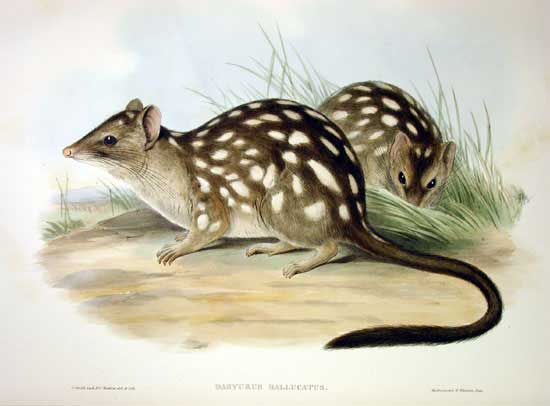
Dave's ACT: The Rummery's Hill Spotted Quoll
Dave's ACT: The Rummery's Hill Spotted Quoll: A mate of mine in Glen Innes lives on a 100 acre wildlife corridor he has set up as a sanctuary. We chit chat on different issues via YouT...


Sunday, 16 October 2011
Foraging In Tamworth NSW. Birds, Ants and Vent Quills.
Recently I accompanied my wife on a trip to Tamworth, New England NSW. Whilst she was attending a management course in "The Dome" Sports Centre, I took the opportunity to do some foraging.


A trail made by ants leads to an ant nest.

There is the nest at the end of the trail. These meat ants [as I call them] can bite, so stay clear of these nests. Bull Ants nests are very similar and also to be avoided.

Our local Magpie, except for the colouring, quite different from those found in England or America.


Crested Pigeons.

Crested Pigeon in a tree.

This bird looks much like a smaller version of the magpie, and interestingly enough it bares a American woodland Indian name, Peewee, meaning "Little One".

What I think is a Scaly Breasted Lorikeet and another Peewee.

This reminds me of a Green Ant nest, but I am not sure what it is. Looks like it should be avoided anyway!

A Pigeon feather. I found two of these and one Magpie feather. All three just the right size to be used as vent quills.
Monday, 22 August 2011


Tuesday, 31 May 2011
Lost In The Australian Bush? Beware of sounds!
When lost in the bush it is always a good idea to listen for sounds of habitation or people. Car engines & chainsaws for instance may lead you to safety. But beware of imitations!
Saturday, 28 May 2011
Friday, 20 May 2011
Observation. Pay more attention to your surroundings.
When I went for a walk the other day looking for roo dung to use as tinder, I took my camera along. As I wandered along a trail I wondered how much the average person would actually see, & having seen it would they know what they were looking at? So I took some pics of good places to set up a shelter easily using fallen trees etc, plus a shot of the trail. Trails are easy to spot if you know what you are looking for, but animal trails in the woods are generally not marked by cleared ground. They may have a slight depression, & the forest leaves will be turned more on a well used trail.


A ready made shelter, narrow, but better than nothing. It would be improved by an oil cloth thrown over it.

Some poles leant against the back of this fallen tree with an oil cloth would make an excellent shelter.

Walls but no roof.

Plenty of room inside. Some has been digging in here.

Can you see the trail?

Ringtail Possum scat?

Fresh roo dung, but not in pellet form, all run together.

Dry roo dung.

Old Fox scat.

Not much punk wood here, but enough around this stick to use as tinder to make fire.
Wednesday, 27 April 2011
Period Foods. Parrot Stew Link.
http://www.theoldfoodie.com/2011/04/galah-grub.html

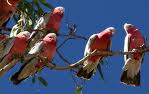


You have to keep an open mind to food sources in a wilderness survival situation. Big game is fine if you can find it, but that is not always possible. Small game however is often easier to find if you recognise it as such. Also there are other methods of bringing small game down besides using the gun. Save powder & lead where you can.
Wednesday, 20 April 2011
On Meat Alone.
On Meat Alone.

The list of period foods is quite long, but whose foods are they? Would a woodsrunner bother to carry dried peas, parched corn, oats & currents? Somehow I don’t think so. It all adds to the weight, & sooner or later it has to run out, & what then? Well, he or she hunts for meat.
So I started looking for the least weighty foods, & foods that would compliment meat. Jerky is mentioned many times, & this food I think was pretty popular with woodsrunners, & so was bread, or flour. Yes bread & flour can run out too, but is it possible to survive on meat alone & stay healthy? Or would one get the dreaded scurvy? It appears that one can survive on meat alone, & I have no doubt that this is what woodsrunners did. Following is the information I have found so far.
Faragher, John M. Daniel Boone: the life and legend of an American pioneer (1992).
"On March the 28th, as we were hunting for provisions, we found Samuel Tate's son, who gave us an account that the Indians fired on their camp on the 27th day.
On the 7th day of February, as I was hunting to procure meat for the company.
"A day was soon appointed for the march of the little cavalcade to the camp. Two or three horses furnished with pack−saddles were loaded with flour, Indian meal, blankets, and every thing else requisite for the use of the hunter.
Daniel Boone. Life & Times of Col. Daniel Boone 1775.
Tuesday 6 Wednesday 7 and Thursday 8--Had Snow and such Bad weather that we could not travel for three days; but I killed a young Bear so that we had provisions enough.
Thursday 7.--Set out with my Horse Load of Bear Meat and travelled about 30 M this afternoon I met a Young Man (a Trader) and we encamped together that night; He happened to have some Bread with him, and I had plenty of Meat so we Fared very Well.
Wednesday 16.--Set out SW 25 M to Licking Creek--the Land from Muskingum to this place rich but
Broken--Upon the N Side of Licking Creek about 6 M from the Mouth, are sevaral Salt Licks, or Ponds,
formed by little Streams or Dreins of Water, clear but of a blueish Colour, & salt taste the Traders and
Indians boil their Meat in this water which (If proper Care not be taken) will make it too salt to eat.
Monday 4.--This day I hard sevral Guns, but was afraid to examine who fired Them, lest they might be some of the French Indians, so I travelled thro the Woods about 30 M; just at night I killed a fine barren
Cow-Buffaloe and took out her tongue and a little of her best meat:
Wednesday 6.--I travelled about 30 M and killed a fat Bear.
Sunday 12.--Stayed to rest and Dry some Meat we had Killed.
The Journal of Christopher Gist, 1750-1751.

. We had carried but little provisions with us, and the next morning was entirely out of meat.
I worked on with my hands till the bears got fat, and then I turned out to hunting, to lay in a supply of meat. I soon killed and salted down as many as were necessary for my family;
Narrative of the Life of David Crockett of the State of Tennessee_ (1834) by David Crockett.
We are now without bread and are compelled to hunt the buffalo to preserve life....
"Sunday 26th...procured some buffalo meat; though poor it was palatable.
Pioneers of the Old Southwest by Constance Skinner.
These months on fish were the beginning of several years during which I lived on an exclusive meat diet.
Adventures in Diet Part 1 By Vilhjalmur Stefansson
Harper's Monthly Magazine, November 1935.
Prolonged meat diet study.
http://www.jbc.org/content/87/3/651.full.pdf
In 1785 I visited the rough and hilly country of Otsego, where there existed not an inhabitant, nor any trace of a road; I was alone three hundred miles from home, without bread, meat, or food of any kind; fire and fishing tackle were my only means of subsistence. I caught trout in the brook, and roasted them on the ashes. My horse fed on the grass that grew by the edge of the waters. I laid me down to sleep in my watch coat, nothing but the melancholy wilderness around me. In this way I explored the country, formed my plans of future settlement, and meditated upon the spot where a place of trade or a village should afterwards be established.
William Cooper.
Meat made up a large portion of the diets of residents of eighteenth-century England.
http://www.umich.edu/~ece/student_projects/food/foods.htm
Some settlers were driven by curiosity or necessity to hunt and eat the native mammals. Stuffed wombat and fried echidna were on the menu in early settlements in Van Diemen's Land, as Tasmania was known in those times.
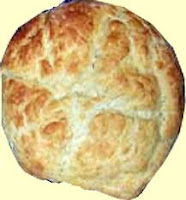 Flour was a staple item of the early settler's diet. It was usually made into bread or damper.
Other foods that seem less palatable to modern urban Australians - such as witchetty grubs, lizards, snakes and moths - were greatly valued.
http://www.cultureandrecreation.gov.au/articles/foodanddrink/
Men Were Hunters and Brought Home Larger Animals
Men were hunters while women were gatherers. Hunting larger animals, the Aboriginal men often worked in groups while smaller animals were often hunted individually. There was plenty of animal food like kangaroos, wallabies, echidnas, possums, bats, pademelons, bandicoots, goannas, lizards, frogs, snakes and birds like cockatoos, parrots, ducks, emus, swans and bush turkeys. Coastal people also ate a wide range of seafood, fish and marine animals like dugongs and turtles. Aboriginal men used a wide range of tools like spears and boomerangs while hunting. Nocturnal animals were not hunted during the night, but caught in their burrows where they were sleeping during the day.
http://www.gondwananet.com/australian-aboriginal-food.html
That night we had a mess of wheat for our supper.
There came an Indian to them at that time with a basket of horse liver.
As we went along they killed a deer, with a young one in her, they gave me a piece of the fawn.
I went, and he gave me a pancake, about as big as two fingers. It was made of parched wheat, beaten, and fried in bear's grease, but I thought I never tasted pleasanter meat in my life.
There was a squaw who spake to me to make a shirt for her sannup, for which she gave me a piece of bear. Another asked me to knit a pair of stockings, for which she gave me a quart of peas. I boiled my peas and bear together, and invited my master and mistress to dinner;
They would eat horse's guts, and ears, and all sorts of wild birds which they could catch; also bear, venison, beaver, tortoise, frogs, squirrels, dogs, skunks, rattlesnakes; yea, the very bark of trees;
A Narrative of the Captivity and Restoration of Mrs. Mary Rowlandson 1676.
Our Kettle was put over the fire with some pounded Indian Corn, and after it had boiled about two hours, my oldest Indian Brother returned with a She Beaver, big with young, which he soon cut to pieces, and threw into the kettle, together with the guts, and took the four young beavers, whole as they came out of the dam, and put them likewise into the kettle, and when all was well boiled, gave each one of us a large dishful of broth, of which we ate freely, and then part of the Old Beaver, the Tail, of which was divided equally amongst us, there being Eight at our fire; The four young Beavers were cut in the middle, and each of us got half of a Beaver; I watched an opportunity to hide my share, having satisfied myself before that tender dish came to hand, which if they had seen, would have much displeased them.
 The other Indians catched young Musk-Rats, run a stick through their bodies, and roasted, without being skinned or gutted, and so eat them."
ROBERT EASTMAN-1759
We had one — and but one— dog along with us ; he was large and very fat, and this evening he fell a sacrifice to our necessities. Our custom on this march was to encamp ten men at a fire. The dog was carefully butchered and divided into seven parts, except the entrails which the butcher had for his fees. These he brought to our fire, and ten of us made a very good supper of their fat, without bread or salt.
Journal of Rufas Putnam 1754.
and found an Indian by the river side, resting himself. All his provision was a dried eel;
John Bartram 1743.
We dined on parched meal, which is some of the Indian's best traveling provision. They take the corn and parch it in hot ashes, till it becomes brown, then clean it, pound it in a mortar and sift it; this powder is mixed
with maple sugar. About one gill, diluted in a pint of water, is a hearty traveling dinner.
John Bartram (1751) Travels In Pensilvania and Canada.
May 8th Friday Cloudy and warm, we continued at our incampment and made shift to Purchace half Bushel of Corn, which we Parched and Pounded to meal, which we thickened with water and sweeten'd with sugar and Drank for Diet….
Joel Watkins Journal* (1789)

They make also a certain sort of meal of parched maize. This meal they call nocake. It is so sweet, toothsome, and hearty, that an Indian will travel many days with no other food but this meal, which he eateth as he needs, and after it drinketh water. And for this end, when they travel a journey, or go a hunting, they carry this nocake in a basket or bag for their use.
Gookin 1674 http://plymoutharch.tripod.com/id226.html


The list of period foods is quite long, but whose foods are they? Would a woodsrunner bother to carry dried peas, parched corn, oats & currents? Somehow I don’t think so. It all adds to the weight, & sooner or later it has to run out, & what then? Well, he or she hunts for meat.
So I started looking for the least weighty foods, & foods that would compliment meat. Jerky is mentioned many times, & this food I think was pretty popular with woodsrunners, & so was bread, or flour. Yes bread & flour can run out too, but is it possible to survive on meat alone & stay healthy? Or would one get the dreaded scurvy? It appears that one can survive on meat alone, & I have no doubt that this is what woodsrunners did. Following is the information I have found so far.
"and on the first day of May 1770, my brother returned home to the settlement by himself, for a new recruit of horses and ammunition, leaving me by myself, without bread, salt or sugar, without company of my fellow creatures, or even a horse or dog."
Daniel Boone 1770.Faragher, John M. Daniel Boone: the life and legend of an American pioneer (1992).
"On March the 28th, as we were hunting for provisions, we found Samuel Tate's son, who gave us an account that the Indians fired on their camp on the 27th day.
On the 7th day of February, as I was hunting to procure meat for the company.
"A day was soon appointed for the march of the little cavalcade to the camp. Two or three horses furnished with pack−saddles were loaded with flour, Indian meal, blankets, and every thing else requisite for the use of the hunter.
Daniel Boone. Life & Times of Col. Daniel Boone 1775.
Tuesday 6 Wednesday 7 and Thursday 8--Had Snow and such Bad weather that we could not travel for three days; but I killed a young Bear so that we had provisions enough.
Thursday 7.--Set out with my Horse Load of Bear Meat and travelled about 30 M this afternoon I met a Young Man (a Trader) and we encamped together that night; He happened to have some Bread with him, and I had plenty of Meat so we Fared very Well.
Wednesday 16.--Set out SW 25 M to Licking Creek--the Land from Muskingum to this place rich but
Broken--Upon the N Side of Licking Creek about 6 M from the Mouth, are sevaral Salt Licks, or Ponds,
formed by little Streams or Dreins of Water, clear but of a blueish Colour, & salt taste the Traders and
Indians boil their Meat in this water which (If proper Care not be taken) will make it too salt to eat.
Monday 4.--This day I hard sevral Guns, but was afraid to examine who fired Them, lest they might be some of the French Indians, so I travelled thro the Woods about 30 M; just at night I killed a fine barren
Cow-Buffaloe and took out her tongue and a little of her best meat:
Wednesday 6.--I travelled about 30 M and killed a fat Bear.
Sunday 12.--Stayed to rest and Dry some Meat we had Killed.
The Journal of Christopher Gist, 1750-1751.

Pamela Patrick-White. Well Dressed Victuals.
. We had carried but little provisions with us, and the next morning was entirely out of meat.
I worked on with my hands till the bears got fat, and then I turned out to hunting, to lay in a supply of meat. I soon killed and salted down as many as were necessary for my family;
Narrative of the Life of David Crockett of the State of Tennessee_ (1834) by David Crockett.
We are now without bread and are compelled to hunt the buffalo to preserve life....
"Sunday 26th...procured some buffalo meat; though poor it was palatable.
Pioneers of the Old Southwest by Constance Skinner.
These months on fish were the beginning of several years during which I lived on an exclusive meat diet.
Adventures in Diet Part 1 By Vilhjalmur Stefansson
Harper's Monthly Magazine, November 1935.
Prolonged meat diet study.
http://www.jbc.org/content/87/3/651.full.pdf
In 1785 I visited the rough and hilly country of Otsego, where there existed not an inhabitant, nor any trace of a road; I was alone three hundred miles from home, without bread, meat, or food of any kind; fire and fishing tackle were my only means of subsistence. I caught trout in the brook, and roasted them on the ashes. My horse fed on the grass that grew by the edge of the waters. I laid me down to sleep in my watch coat, nothing but the melancholy wilderness around me. In this way I explored the country, formed my plans of future settlement, and meditated upon the spot where a place of trade or a village should afterwards be established.
William Cooper.
Meat made up a large portion of the diets of residents of eighteenth-century England.
http://www.umich.edu/~ece/student_projects/food/foods.htm
Some settlers were driven by curiosity or necessity to hunt and eat the native mammals. Stuffed wombat and fried echidna were on the menu in early settlements in Van Diemen's Land, as Tasmania was known in those times.

Other foods that seem less palatable to modern urban Australians - such as witchetty grubs, lizards, snakes and moths - were greatly valued.
http://www.cultureandrecreation.gov.au/articles/foodanddrink/
Men Were Hunters and Brought Home Larger Animals
Men were hunters while women were gatherers. Hunting larger animals, the Aboriginal men often worked in groups while smaller animals were often hunted individually. There was plenty of animal food like kangaroos, wallabies, echidnas, possums, bats, pademelons, bandicoots, goannas, lizards, frogs, snakes and birds like cockatoos, parrots, ducks, emus, swans and bush turkeys. Coastal people also ate a wide range of seafood, fish and marine animals like dugongs and turtles. Aboriginal men used a wide range of tools like spears and boomerangs while hunting. Nocturnal animals were not hunted during the night, but caught in their burrows where they were sleeping during the day.
http://www.gondwananet.com/australian-aboriginal-food.html
That night we had a mess of wheat for our supper.
There came an Indian to them at that time with a basket of horse liver.
As we went along they killed a deer, with a young one in her, they gave me a piece of the fawn.
I went, and he gave me a pancake, about as big as two fingers. It was made of parched wheat, beaten, and fried in bear's grease, but I thought I never tasted pleasanter meat in my life.
There was a squaw who spake to me to make a shirt for her sannup, for which she gave me a piece of bear. Another asked me to knit a pair of stockings, for which she gave me a quart of peas. I boiled my peas and bear together, and invited my master and mistress to dinner;
They would eat horse's guts, and ears, and all sorts of wild birds which they could catch; also bear, venison, beaver, tortoise, frogs, squirrels, dogs, skunks, rattlesnakes; yea, the very bark of trees;
A Narrative of the Captivity and Restoration of Mrs. Mary Rowlandson 1676.
Our Kettle was put over the fire with some pounded Indian Corn, and after it had boiled about two hours, my oldest Indian Brother returned with a She Beaver, big with young, which he soon cut to pieces, and threw into the kettle, together with the guts, and took the four young beavers, whole as they came out of the dam, and put them likewise into the kettle, and when all was well boiled, gave each one of us a large dishful of broth, of which we ate freely, and then part of the Old Beaver, the Tail, of which was divided equally amongst us, there being Eight at our fire; The four young Beavers were cut in the middle, and each of us got half of a Beaver; I watched an opportunity to hide my share, having satisfied myself before that tender dish came to hand, which if they had seen, would have much displeased them.

ROBERT EASTMAN-1759
We had one — and but one— dog along with us ; he was large and very fat, and this evening he fell a sacrifice to our necessities. Our custom on this march was to encamp ten men at a fire. The dog was carefully butchered and divided into seven parts, except the entrails which the butcher had for his fees. These he brought to our fire, and ten of us made a very good supper of their fat, without bread or salt.
Journal of Rufas Putnam 1754.
and found an Indian by the river side, resting himself. All his provision was a dried eel;
John Bartram 1743.
We dined on parched meal, which is some of the Indian's best traveling provision. They take the corn and parch it in hot ashes, till it becomes brown, then clean it, pound it in a mortar and sift it; this powder is mixed
with maple sugar. About one gill, diluted in a pint of water, is a hearty traveling dinner.
John Bartram (1751) Travels In Pensilvania and Canada.
May 8th Friday Cloudy and warm, we continued at our incampment and made shift to Purchace half Bushel of Corn, which we Parched and Pounded to meal, which we thickened with water and sweeten'd with sugar and Drank for Diet….
Joel Watkins Journal* (1789)

They make also a certain sort of meal of parched maize. This meal they call nocake. It is so sweet, toothsome, and hearty, that an Indian will travel many days with no other food but this meal, which he eateth as he needs, and after it drinketh water. And for this end, when they travel a journey, or go a hunting, they carry this nocake in a basket or bag for their use.
Gookin 1674 http://plymoutharch.tripod.com/id226.html

Monday, 11 April 2011
Some Excerpts From "A Journey to The Land Of Eden"
A
JOURNEY
to
THE LAND OF EDEN:
IN THE YEAR 1733.
One of our men, Joseph Colson by name, a timorous, lazy fellow, had squandered away his bread, and grew very uneasy when his own ravening had reduced him to short allowance. He was one of those drones who love to do little and eat much, and are never in humour unless their bellies are full. According to this wrong turn of constitution, when he found he could no longer revel in plenty, he began to break the rules by complaining and threatening to desert. This had like to have brought him to the blanket, but his submission reprieved him. Though bread grew a little scanty with us, we had venison in abundance, which a true woodsman can eat contentedly without any bread at all. But bears' flesh needs something of the farinaceous, to make it pass easily off the stomach. In the night we heard a dog bark at some distance, as we thought, when we saw all our own dogs lying about the fire. This was another alarm; but we soon discovered it to be a wolf, which will sometimes bark very like a dog, but something shriller.
One of the Indians shot a wild goose, that was very lousy, which nevertheless was good meat, and proved those contemptible tasters to be no bad tasters. However, for those stomachs that were so unhappy as to be squeamish, there was plenty of fat bear, we having killed two in this day's march.
. Our invalids found themselves in travelling condition this morning, and began to conceive hopes of returning home and dying in their own beds. We pursued our journey through uneven and perplexed woods, and in the thickest of them had the fortune to knock down a young buffalo, two years old. Providence threw this vast animal in our way very seasonably, just as our provisions began to fail us. And it was the more welcome too, because it was change of diet, which of all varieties, next to that of bed-fellows, is the most agreeable. We had lived upon venison and bear until our stomachs loathed them almost as much as the Hebrews of old did their quails. Our butchers were so unhandy at their business that we grew very lank before we could get our dinner. But when it came, we found it equal in goodness to the best beef. They made it the longer because they kept sucking the water out of the guts, in imitation of the Catawba Indians, upon the belief that it is a great cordial, and will even make them drunk, or at least very gay. We encamped upon Hico river, pretty high up, and had much ado to get our house in order, before a heavy shower descended upon us. I was in pain lest our sick men might suffer by the rain, but might have spared myself the concern, because it had the effect of a cold bath upon them, and drove away their distemper, or rather changed it into a canine appetite, that devoured all before it. It rained smartly all night long, which made our situation on the low-ground more fit for otters than men.
The sorrel tree is frequent there, whose leaves, brewed in beer, are good in dropsies, green-sickness, and cachexies. We also saw in this place abundance of papaw trees, the wood whereof the Indians make very dry on purpose to rub fire out of it. Their method of doing it is this: they hold one of these dry sticks in each hand, and by rubbing them hard and quick together, rarify the air in such a manner as to fetch fire in ten minutes. Whenever they offer any sacrifice to their God, they look upon it as a profanation to make use of fire already kindled, but produce fresh virgin fire for that purpose, by rubbing two of these sticks together that never had been used before on any occasion.
. In our way we shot a doe, but she not falling immediately, we had lost our game had not the ravens, by their croaking, conducted us to the thicket where she fell. We plunged the carcass of the deer into the water, to secure it from these ominous birds till we returned, but an hour afterwards were surprised with the sight of a wolf which had been fishing for it, and devoured one side. We knocked down an ancient she bear that had no flesh upon her bones, so we left it to the free-booters of the forest. In coming back to the camp we discovered a solitary bull buffalo, which boldly stood his ground, contrary to the custom of that shy animal, we spared his life, from a principle of never slaughtering an innocent creature to no purpose.
Major Mayo's survey being no more than half done, we were obliged to amuse ourselves another day in this place. And that the time might not be quite lost, we put our garments and baggage into good repair. I for my part never spent a day so well during the whole voyage. I had an impertinent tooth in my upper jaw, that had been loose for some time, and made me chew with great caution. Particularly I could not grind a biscuit but with much deliberation and presence of mind. Tooth-drawers we had non amongst us, nor any of the instruments they make use of. However invention supplied this want very happily, and I contrived to get rid of this troublesome companion by cutting a caper. I caused a twine to be fastened round the root of my tooth, about a fathom in length, and then tied the other end to the snag of a log that lay upon the ground, in such a manner that I could just stand upright. Having adjusted my string in this manner, I bent my knees enough to enable me to spring vigorously off the ground, as perpendicularly as I could. The force of the leap drew out the tooth with so much ease that I felt nothing of it, nor should have believed it was come away, unless I had seen it dangling at the end of the string. An under tooth may be fetched out by standing off the ground and fastening your string at due distance above you. And having so fixed your gear, jump off your standing, and the weight of your body, added to the force of the spring, will prize out your tooth with less pain than any operator upon earth could draw it. This new way of tooth-drawing, being so silently and deliberately performed, both surprised and delighted all that were present, who could not guess what I was going about. I immediately found the benefit of getting rid of this troublesome companion, by eating my supper with more comfort than I had done during the whole expedition.
. We could have no supplies from such neighbours as these, but depended on our own knapsacks, in which we had some remnants of cold fowls that we brought from Blue Stone Castle.
The Westover Manuscripts 1674-1744.
Tuesday, 22 March 2011
THE WESTOVER MANUSCRIPTS 1733. Travel overland.
15th. After the clouds broke away in the morning, the people dried their blankets with all diligence. Nevertheless, it was noon before we were in condition to move forward, and then were so puzzled with passing the river twice in a small distance, that we could advance the line in all no further than one single mile and three hundred poles. The first time we passed the Dan this day was two hundred and forty poles from the place where we lay, and the second time was one mile and seven poles beyond that. This was now the fourth time we forded that fine river, which still tended westerly, with many short and returning reaches.

The surveyors had much difficulty in getting over the river, finding it deeper than formerly. The breadth of it here did not exceed fifty yards. The banks were about twenty feet high from the water, and beautifully beset with canes. Our baggage horses crossed not the river here at all, but, fetching a compass, went round the bend of it. On our way we forded Sable creek, so called from the dark colour of the water, which happened, I suppose, by its being shaded on both sides with canes.
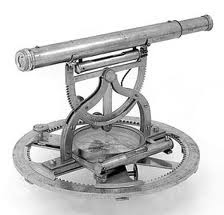
In the evening we quartered in a charming situation near the angle of the river, from whence our eyes were carried down both reaches, which kept a straight course for a great way together. This prospect was so beautiful, that we were perpetually climbing up to a neighbouring eminence, that we might enjoy it in more perfection.
Now the weather grew cool, the wild geese began to direct their flight this way from Hudson's bay, and the lakes that lay north-west of us. They are very lean at their first coming, but fatten soon upon a sort of grass that grows on the shores and rocks of this river. The Indians call this fowl cohunks, from the hoarse note it has, and begin the year from the coming of the cohunks, which happens in the beginning of October. These wild geese are guarded from cold by a down, that is exquisitely soft and fine, which makes them much more valuable for their feathers than for their flesh, which is dark and coarse.
The men chased a bear into the river that got safe over, notwithstanding the continual fire from the shore upon him. He seemed to swim but heavily, considering it was for his life. Where the water is shallow, it is no uncommon thing to see a bear sitting, in the summer time, on a heap of gravel in the middle of the river, not only to cool himself, but likewise for the advantage of fishing, particularly for a small shell-fish, that is brought down with the stream. In the upper part of James river I have observed this several times, and wondered very much, at first, how so many heaps of small stones came to be piled up in the water, till at last we spied a bear sitting upon one of them, looking with great attention on the stream, and raking up something with his paw, which I take to be the shell-fish above mentioned.
16th. It was ten o'clock this morning before the horses could be found, having hidden themselves among the canes, whereof there was great plenty just at hand. Not far from our camp we went over a brook, whose banks were edged on both sides with these canes. But three miles further we forded a larger stream, which we called Lowland creek, by reason of the great breadth of low grounds inclosed between that and the river.
The high land we travelled over was very good, and the low grounds promised the greatest fertility of any I had ever seen. At the end of four miles and three hundred and eleven poles from where we lay, the line intersected the Dan the fifth time. We had day enough to carry it farther, but the surveyors could find no safe ford over the river. This obliged us to ride two miles up the river in quest of a ford, and by the way we traversed several small Indian fields, where we conjectured the Sawroes had been used to plant corn, the town where they had lived lying seven or eight miles more southerly, upon the eastern side of the river. These Indian fields produced a sweet kind of grass, almost knee-high, which was excellent forage for the horses. It must be observed, by the way, that Indian towns, like religious houses, are remarkable for a fruitful situation; for being by nature not very industrious, they choose such a situation as will subsist them with the least labour. The trees grew surprisingly large in this low ground, and amongst the rest we observed a tall kind of hickory, peculiar to the upper parts of the country. It is covered with a very rough bark, and produces a nut with a thick shell that is easily broken. The kernel is not so rank as that of the common hickory, but altogether as oily. And now I am upon the subject of these nuts, it may not be improper to remark, that a very great benefit might be made of nut-oil in this colony. The walnuts, the hickory-nuts, and pignuts, contain a vast deal of oil, that might be pressed out in great abundance with proper machines. The trees grow very kindly, and may be easily propagated. They bear plenty of nuts every year, that are now of no other use in the world but to feed hogs. It is certain there is a large consumption of this oil in several of our manufactures, and in some parts of France, as well as in other countries, it is eaten instead of oil-olive, being tolerably sweet and wholesome. The Indian killed a fat buck, and the men brought in four bears and a brace of wild turkeys, so that this was truly a land of plenty, both for man and beast.
THE WESTOVER MANUSCRIPTS 1733.

The surveyors had much difficulty in getting over the river, finding it deeper than formerly. The breadth of it here did not exceed fifty yards. The banks were about twenty feet high from the water, and beautifully beset with canes. Our baggage horses crossed not the river here at all, but, fetching a compass, went round the bend of it. On our way we forded Sable creek, so called from the dark colour of the water, which happened, I suppose, by its being shaded on both sides with canes.

In the evening we quartered in a charming situation near the angle of the river, from whence our eyes were carried down both reaches, which kept a straight course for a great way together. This prospect was so beautiful, that we were perpetually climbing up to a neighbouring eminence, that we might enjoy it in more perfection.

Now the weather grew cool, the wild geese began to direct their flight this way from Hudson's bay, and the lakes that lay north-west of us. They are very lean at their first coming, but fatten soon upon a sort of grass that grows on the shores and rocks of this river. The Indians call this fowl cohunks, from the hoarse note it has, and begin the year from the coming of the cohunks, which happens in the beginning of October. These wild geese are guarded from cold by a down, that is exquisitely soft and fine, which makes them much more valuable for their feathers than for their flesh, which is dark and coarse.
The men chased a bear into the river that got safe over, notwithstanding the continual fire from the shore upon him. He seemed to swim but heavily, considering it was for his life. Where the water is shallow, it is no uncommon thing to see a bear sitting, in the summer time, on a heap of gravel in the middle of the river, not only to cool himself, but likewise for the advantage of fishing, particularly for a small shell-fish, that is brought down with the stream. In the upper part of James river I have observed this several times, and wondered very much, at first, how so many heaps of small stones came to be piled up in the water, till at last we spied a bear sitting upon one of them, looking with great attention on the stream, and raking up something with his paw, which I take to be the shell-fish above mentioned.
16th. It was ten o'clock this morning before the horses could be found, having hidden themselves among the canes, whereof there was great plenty just at hand. Not far from our camp we went over a brook, whose banks were edged on both sides with these canes. But three miles further we forded a larger stream, which we called Lowland creek, by reason of the great breadth of low grounds inclosed between that and the river.
The high land we travelled over was very good, and the low grounds promised the greatest fertility of any I had ever seen. At the end of four miles and three hundred and eleven poles from where we lay, the line intersected the Dan the fifth time. We had day enough to carry it farther, but the surveyors could find no safe ford over the river. This obliged us to ride two miles up the river in quest of a ford, and by the way we traversed several small Indian fields, where we conjectured the Sawroes had been used to plant corn, the town where they had lived lying seven or eight miles more southerly, upon the eastern side of the river. These Indian fields produced a sweet kind of grass, almost knee-high, which was excellent forage for the horses. It must be observed, by the way, that Indian towns, like religious houses, are remarkable for a fruitful situation; for being by nature not very industrious, they choose such a situation as will subsist them with the least labour. The trees grew surprisingly large in this low ground, and amongst the rest we observed a tall kind of hickory, peculiar to the upper parts of the country. It is covered with a very rough bark, and produces a nut with a thick shell that is easily broken. The kernel is not so rank as that of the common hickory, but altogether as oily. And now I am upon the subject of these nuts, it may not be improper to remark, that a very great benefit might be made of nut-oil in this colony. The walnuts, the hickory-nuts, and pignuts, contain a vast deal of oil, that might be pressed out in great abundance with proper machines. The trees grow very kindly, and may be easily propagated. They bear plenty of nuts every year, that are now of no other use in the world but to feed hogs. It is certain there is a large consumption of this oil in several of our manufactures, and in some parts of France, as well as in other countries, it is eaten instead of oil-olive, being tolerably sweet and wholesome. The Indian killed a fat buck, and the men brought in four bears and a brace of wild turkeys, so that this was truly a land of plenty, both for man and beast.
THE WESTOVER MANUSCRIPTS 1733.
Thursday, 16 September 2010
The Raven.
The Raven was my blood brother's granfather's name. I would like to share a story with you, one of many experiences I have had with wild animals. Perhaps this will explain how I feel about what I do, the way I see things, often differently to others. I always try to avoid getting spirtual in my writings, because it is often seen as strange and weird these days. But for those of us who live so close to nature that we believe we are an animal among other animals and we are a part of this environment, it is only natural that we feel a spirit in the wild.

The raven was perched in a low dead tree up ahead. My dog was running here there and everywhere following the multitude of scents that were all about. The paddock was empty of sheep now, but it was not the sheep scent that Noir followed, she was trained to ignore sheep. No these were the scents of roo, fox, perhaps dog and rabbit and hare.
The raven was still in the dead tree but appeared to be alert. Noir ran in that direction but she did not look up and see the raven but the raven was watching her. The trail I followed ran through bracken but as I approached the dead tree the trail widened as the bracken fell back to expose grass. Suddenly the raven took flight, but toward me instead of away from me. I kept walking but the raven flew straight at me and then turned and dived toward me again. But this was not an attack; it was more like a warning. It continued to flap in front of me appearing to do some sort of aerobatics directly in front of me and then suddenly something caught my eye, a large snake crossing my path just a little ahead. As soon as the snake had crossed my path and disappeared into the bracken on the other side the raven broke off its gyrations and returned to the tree. My dog came bounding over obviously on the scent of the snake and I called her to heel.
As I got to the tree I stopped and said “thank you”, and after a brief recognition that I had spoken to it, the Raven took off calling loudly.


The Raven. © Keith H. Burgess.
The raven was perched in a low dead tree up ahead. My dog was running here there and everywhere following the multitude of scents that were all about. The paddock was empty of sheep now, but it was not the sheep scent that Noir followed, she was trained to ignore sheep. No these were the scents of roo, fox, perhaps dog and rabbit and hare.
The raven was still in the dead tree but appeared to be alert. Noir ran in that direction but she did not look up and see the raven but the raven was watching her. The trail I followed ran through bracken but as I approached the dead tree the trail widened as the bracken fell back to expose grass. Suddenly the raven took flight, but toward me instead of away from me. I kept walking but the raven flew straight at me and then turned and dived toward me again. But this was not an attack; it was more like a warning. It continued to flap in front of me appearing to do some sort of aerobatics directly in front of me and then suddenly something caught my eye, a large snake crossing my path just a little ahead. As soon as the snake had crossed my path and disappeared into the bracken on the other side the raven broke off its gyrations and returned to the tree. My dog came bounding over obviously on the scent of the snake and I called her to heel.
As I got to the tree I stopped and said “thank you”, and after a brief recognition that I had spoken to it, the Raven took off calling loudly.

Wednesday, 1 September 2010
Primitive Skills. Stalking.
Sorry I could not show the whole stalk, but without any cover it took me a long time to get this close. The wind direction was not good either, and I really needed to be on the other side of that fence. But I wanted to show you how to get close enough to a wild animal to touch it, so I took the chance from where I was.
My most difficult stalk was getting into a herd of goats, it is always much harder when there is more than one animal to watch. A stalk into a ring of roos watching a roo fight was probably a close second, but all my stalks have been fun.
PS: I am not wearing camo!
My most difficult stalk was getting into a herd of goats, it is always much harder when there is more than one animal to watch. A stalk into a ring of roos watching a roo fight was probably a close second, but all my stalks have been fun.
PS: I am not wearing camo!
Sunday, 29 August 2010
Australian Aboriginal Rock Paintings.
My thanks to Dave at http://www.davesact.com/2010/08/namadgi-rock-art-video.html?utm_source=feedburner&utm_medium=feed&utm_campaign=Feed%3A+http%2Fdavesactblogspotcom%2Ffeeds%2Fposts%2Fdefaultaltrss+%28Dave%27s+ACT%29&utm_content=Google+Reader for bringing this video to my attention. I lived on an Aboriginal reserve in Arnham Land for a couple of months, and was privaliged to be allowed to see the sacred rock paintings in that area, for which I had to request special permission and was supplied with a native guide.
Subscribe to:
Posts (Atom)