

The School of Performing Arts stands as a vital institution that brings together three major disciplines: dance, theatre, and music. These are not merely academic courses; they are powerful expressions of African identity, culture, and heritage. Through these art forms, the stories, values, and lived experiences of African people are preserved and communicated across generations.
Dance serves as a medium through which African communities express their history and traditions through movement. Every gesture and rhythm carries meaning, reflecting the beliefs and practices of the people. Theatre provides a platform for dramatizing these stories, allowing society to reflect on its realities and communicate important messages. Music, on the other hand, gives voice to the people—it captures emotions, narrates experiences, and strengthens cultural bonds. Together, these three disciplines form a unified system that defines and sustains African identity.
It is therefore concerning when the School of Performing Arts is perceived as a lesser or insignificant field of study. Such a perception undermines the very foundation of African culture. As Ghanaians, and as Africans, it is important to recognize that these disciplines are not optional; they are fundamental to who we are. They define our identity, preserve our history, and communicate our values to the world. To disregard them is to overlook the essence of African life.
The influence of colonialism has played a major role in shaping negative perceptions about African culture and artistic expression. Over time, foreign systems and values were introduced, often leading to the neglect of indigenous practices. This has affected how some people view African dance, theatre, and music today. However, institutions like the School of Performing Arts provide an opportunity to correct these misconceptions and reclaim the value of our cultural heritage.
In recent times, there has been a strong attraction to foreign styles of dance and music, especially among the youth. While cultural exchange is important and should be encouraged, it should not come at the expense of our own traditions. It is not wrong to learn from other cultures, but it is essential to first appreciate and understand what belongs to us. One cannot fully value another culture without first valuing their own.
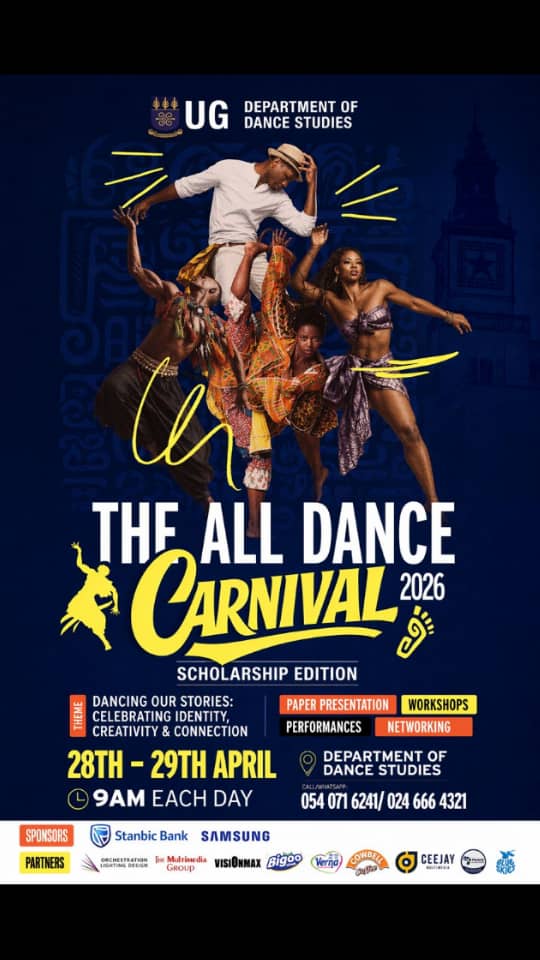
African dance, music, and theatre are deeply rooted in storytelling. The movements we perform, the songs we sing, and the dramas we act all reflect the realities of our daily lives. They tell stories of joy, struggle, history, and identity. Wherever one goes across the African continent, it becomes clear that our stories are consistently expressed through these art forms.
In conclusion, the School of Performing Arts must be respected and valued as a cornerstone of African identity. Dance, theatre, and music are not secondary disciplines; they are essential elements that define who we are as a people. As individuals, institutions, and as a nation, there is a responsibility to preserve, promote, and take pride in these art forms. By doing so, we ensure that the identity of Africa remains strong, visible, and appreciated for generations to come.




 Www. ECOREFORMERgh