Chobe river setup Chobe National Park, Botswana Bewerten:Teilen mit: Auf X teilen (Wird in neuem Fenster geöffnet) X Auf Facebook teilen (Wird in neuem Fenster geöffnet) Facebook Auf Pinterest teilen (Wird in neuem Fenster geöffnet) Pinterest Gefällt mir Wird geladen …
Too hot Chobe National Park, Botswana Bewerten:Teilen mit: Auf X teilen (Wird in neuem Fenster geöffnet) X Auf Facebook teilen (Wird in neuem Fenster geöffnet) Facebook Auf Pinterest teilen (Wird in neuem Fenster geöffnet) Pinterest Gefällt mir Wird geladen …
The bird situation – Die Sache mit den Vögeln Chobe National Park, Botswana Bewerten:Teilen mit: Auf X teilen (Wird in neuem Fenster geöffnet) X Auf Facebook teilen (Wird in neuem Fenster geöffnet) Facebook Auf Pinterest teilen (Wird in neuem Fenster geöffnet) Pinterest Gefällt mir Wird geladen …
Breakfast – Frühstück Lake Mburo National Park, Uganda Bewerten:Teilen mit: Auf X teilen (Wird in neuem Fenster geöffnet) X Auf Facebook teilen (Wird in neuem Fenster geöffnet) Facebook Auf Pinterest teilen (Wird in neuem Fenster geöffnet) Pinterest Gefällt mir Wird geladen …
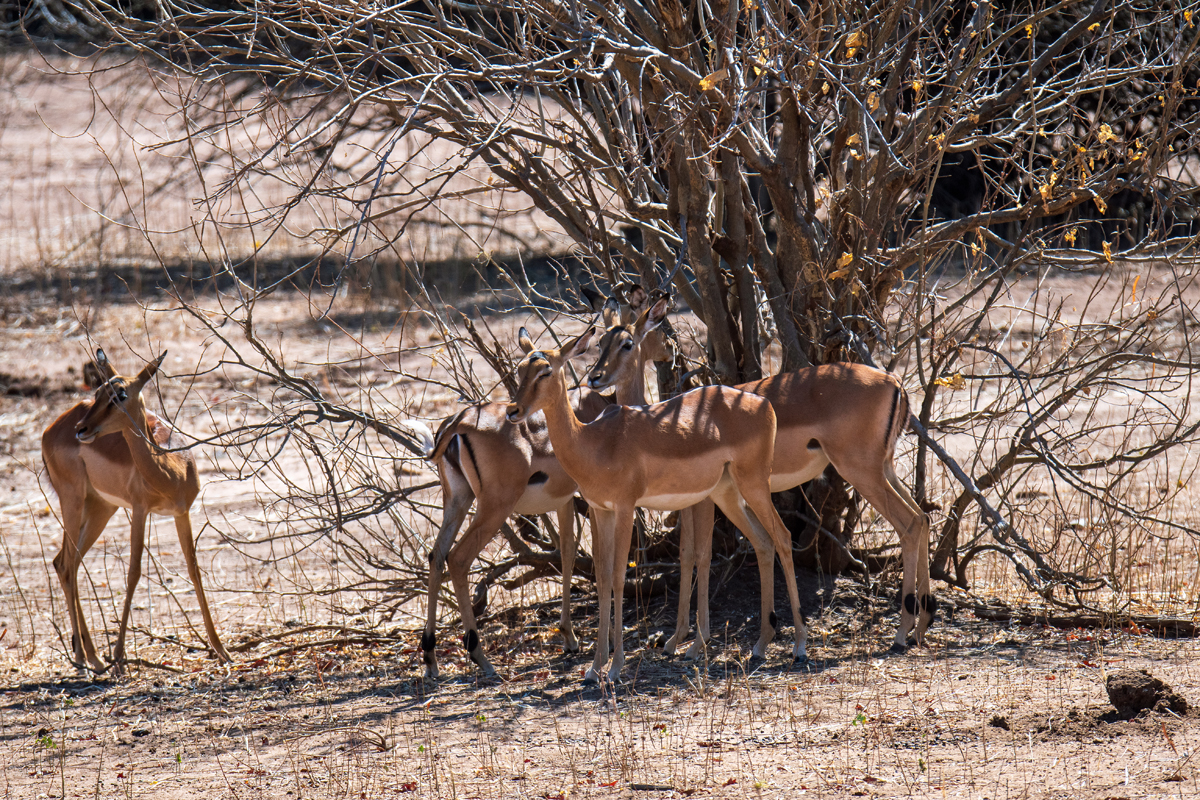
Impala frame Kafue National Park, Zambia/Sambia Bewerten:Teilen mit: Auf X teilen (Wird in neuem Fenster geöffnet) X Auf Facebook teilen (Wird in neuem Fenster geöffnet) Facebook Auf Pinterest teilen (Wird in neuem Fenster geöffnet) Pinterest Gefällt mir Wird geladen …
The Fragile Chobe National Park, Botswana Bewerten:Teilen mit: Auf X teilen (Wird in neuem Fenster geöffnet) X Auf Facebook teilen (Wird in neuem Fenster geöffnet) Facebook Auf Pinterest teilen (Wird in neuem Fenster geöffnet) Pinterest Gefällt mir Wird geladen …
Posing Chobe National Park, Botswana Bewerten:Teilen mit: Auf X teilen (Wird in neuem Fenster geöffnet) X Auf Facebook teilen (Wird in neuem Fenster geöffnet) Facebook Auf Pinterest teilen (Wird in neuem Fenster geöffnet) Pinterest Gefällt mir Wird geladen …
Cutie Chobe National Park, Botswana Bewerten:Teilen mit: Auf X teilen (Wird in neuem Fenster geöffnet) X Auf Facebook teilen (Wird in neuem Fenster geöffnet) Facebook Auf Pinterest teilen (Wird in neuem Fenster geöffnet) Pinterest Gefällt mir Wird geladen …
Chobe National Park Chobe River floats through northern Botswana and marks the border to Zambezi Region (hist.: Caprivi Strip) in Namibia as well as with Zambia before flowing into Zambezi River at the quadripoint of Botswana, Namibia, Zambia, and Zimbabwe at Kazungula. It´s born in the highland of Angola under the name Cuando, and from there it meanders 1.500 km in south-eastern direction crossing Namibia and changing its name to Linyanti at the eponymous swamp in north-western Botswana. There, it takes a turn to the east where it changes its name again to Chobe – after passing Lake Lambezi. This region is the northern edge of the famous Okavango Delta. Continue… Der Chobe-Fluss fließt durch den Norden Botswanas und bildet dort die Grenze zur Zambezi Region in Namibia (früher: Caprivi-Streifen) und Sambia, bevor er schließlich am Vierländereck von Botswana, Namibia, Sambia und Simbabwe bei Kazungula in den Sambesi mündet. Unter dem Namen Cuando entspringt er im Hochland Angolas, von wo aus er sich auf seine insgesamt 1.500 Kilometer lange Reise Richtung Südosten macht, schließlich Namibia durchquert und ab den gleichnamigen Sümpfen im Nordwesten Botswanas Linyanti genannt wird. Dort macht er eine scharfe Kurve gen Osten, wo er nochmals den Namen wechselt und nach Passieren des Liambezi-Sees Chobe heißt. Das Gebiet markiert die nördliche Grenze des berühmten Okavango-Deltas. Weiterlesen… Bewerten:Teilen mit: Auf X teilen (Wird in neuem Fenster geöffnet) X Auf Facebook teilen (Wird in neuem Fenster geöffnet) Facebook Auf Pinterest teilen (Wird in neuem Fenster geöffnet) Pinterest Gefällt mir Wird geladen …
Kafue National Park Kafue National Park is a protected area of many superlatives. With a size of 22.480 km2, it is not only the largest National Park in the country but also one of the largest worldwide and more than half the size of Switzerland. Furthermore, it is the first National Park in Zambia, founded in 1950, but it got plundered for more than five decades, and that means not only poaching. The parks lush teak forests have been ravaged for the precious wood which is often used as firewood. As late as in the beginning of the new millennium, there came the turnaround with serious anti-poaching measures and the battle against deforestation, when Lodges were built, and the infrastructure got improved and extended in order to reactivate Safari tourism. There is plenty to see in the park, but because of its sheer size and its wildness it is not easy to visit, and you can´t reach most of the accommodation without an own 4×4 for they are widely scattered all across this immense area. Continue… Der Kafue Nationalpark ist ein Schutzgebiet der Superlative. Mit 22.480 km2 ist er nicht nur der größte Nationalpark des Landes, er ist auch einer der größten weltweit und gut halb so groß wie die Schweiz. Er war auch der erste Nationalpark Sambias und wurde 1950 gegründet, wurde aber mehr als 50 Jahre lang quasi geplündert, was nicht bloß Wilderei meint, sondern vor allem auch schonungslosen Raubbau an den üppigen Teakholz-Wäldern, dessen Holz sogar als Brennstoff verwendet wird. Erst zu Beginn des neuen Jahrtausends begann sich das Blatt zu wenden. Der Kampf gegen Wilderei und illegale Abholzung wurden endlich ernsthaft angegangen, neue Lodges errichtet, die Infrastruktur verbessert und ausgebaut und dadurch der Safaritourismus neu angekurbelt. Der Park hat viel zu bieten, ist aber aufgrund seiner immensen Größe und Wildheit nach wie vor schwer zu bereisen, da man ohne eigenes Allradfahrzeug nicht einmal bis zu irgendeiner Unterkunft gelangt. Und die liegen über das gesamte riesige Gebiet verstreut. Weiterlesen… Bewerten:Teilen mit: Auf X teilen (Wird in neuem Fenster geöffnet) X Auf Facebook teilen (Wird in neuem Fenster geöffnet) Facebook Auf Pinterest teilen (Wird in neuem Fenster geöffnet) Pinterest Gefällt mir Wird geladen …



 docugraphy