Duo Ventures

Wednesday, June 12, 2019

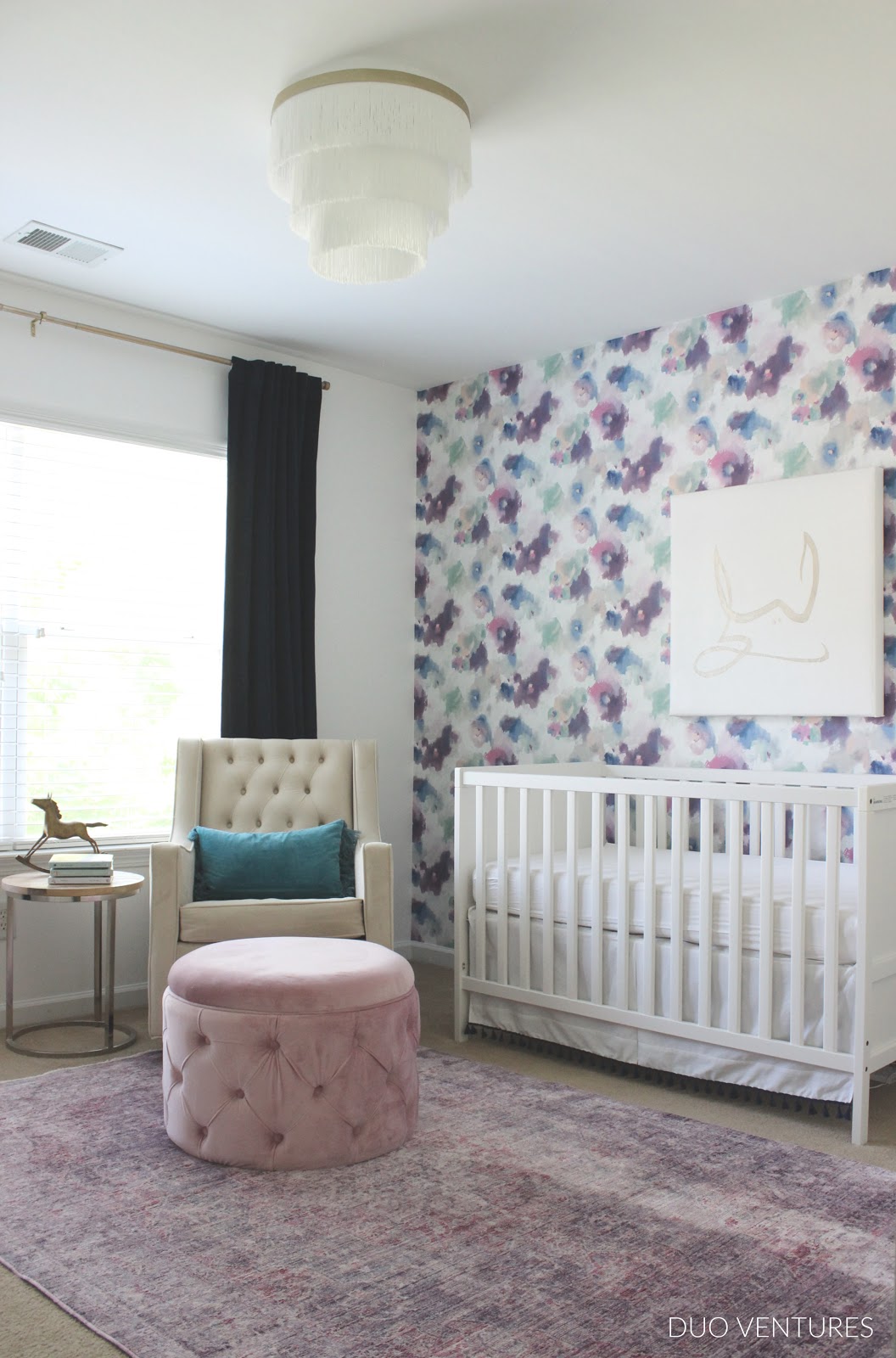
White + Blush + Navy Baby Girl Nursery

We are expecting our third child any day now, so I figured it was a good time to finally share her nursery!

I turned our 4th bedroom (which served as a catch-all & home office for Nader) into the nursery.  Here are some before photos of the room:

The first thing I did was paint the room a soft white - Bit of Sugar by Behr.  Next I installed some peel & stick floral wallpaper:

Monday, March 12, 2018

Thursday, August 17, 2017

DIY Outdoor Wood Sofas


After we finished our DIY deck back in March, it became even more apparent that we needed more outdoor seating.  The only seating we had at the time was a round patio table with 4 chairs.

Initially, we looked around for sectionals, but everything we liked was at least $2,500.  Then we came across some plans to build your own outdoor sofa from Ana White...for around $50 in lumber!  The cushions are the most expensive part of this project, but even so, we were able to build 3 sofas for under $800 total.

Here is the original Ana White sofa design that we modeled our sofas after:

Ana White Outdoor Sofa Plans

It's a great basic design, but I wanted to modify it slightly by adding a couple more 2x4's for extra back support, as well as some 2x2's under the arm rests for more detail.

We also built our sofas to the size of our cushions, so we used one less 2x4 on the seat bottom.  Our sofa seats ended up being about 23.5" deep.  Here's a comparison of the original vs. our sofa:

I assumed the most difficult part of this project would actually be finding cushions that we liked in our budget, so we decided to pick out our cushions first & then build the sofas to those specific dimensions.  Ideally, I wanted something in the grey family, but the few grey cushions I came across were either too brown, too thin, or too expensive.  We ended up going with the IKEA KUNSO cushions in black instead:

Here are the dimensions of our cushions:
Back cushion dimensions:
Width: 24 3/8 "
Depth: 17 3/8 "
Thickness: 7 1/8 "


Bottom cushion dimensions:
Width: 24 "
Depth: 24 "
Thickness: 4 "


The entire sofa was built out of pine 2x4's, with the exception of the "X" detail under the arms - which were pine 2x2's.  We did not use treated lumber for this project since I planned on staining & sealing the sofas - so we saved a little money by going with regular pine AND the lumber was also not as heavy since it wasn't treated.  If you can afford to build with cedar, that is the way to go for outdoor furniture (since we were on a budget we went with pine).  My dad helped us build the first sofa, but then we were on our own for the remaining two.


Before we added the "X" detail:

Another change we made was to the top 2x4 on the back rest - we decided to attach the 2x4 vertically to give the back a little more height and notched out the ends to fit on top of the arm rests:

Here are the sofas after we added the 2x2 X detail under the arms:

For extra support, we also screwed in two vertical 20" 2x4 supports on the back of each sofa:

*UPDATE* Here are some more detailed photos of the back of the sofas from April 2020:


Once all three sofas were assembled, I filled the holes with exterior wood filler & gave them a light sanding all over.  I focused on the edges - particularly around the arm rests.

Next, I gave them all one coat of semi-transparent stain & sealer in the color Pewter by Rustoleum:

The stain is subtle in person (and even more difficult to tell the difference in photos), but the stain sort of reminds me of that gray driftwood Restoration Hardware look.  I could have done a second coat of stain, but I was honestly exhausted & just wanted to be done.  You can see the stain the best in this photo:

Ana's original lumber list only calls for (11) 2x4x10' boards, but because of our modifications we ended up needing to buy the following for each sofa:
(12) 2x4x10'
(1) 2x4x8'
(2) 2x2x8'

Here is the final approximate cost breakdown:

ONE SOFA:
$65 lumber + $180 cushions = $245

THREE SOFAS:
$195 lumber + $540 cushions = $735

We also spent $37 in stain, so our total cost was about $772 ($735 + $37).  Please keep in mind there can be other costs involved depending on what materials, tools, or stains you already have on hand.  We already had the screws we needed (mostly 2 1/2" & some 4" galvanized screws), sandpaper, wood glue, and tools - so all we needed to purchase was the lumber & stain.

Overall, we love the sofas - they are comfortable & very sturdy!  Since I didn't give step by step instructions, please let me know if you have any questions on our building process.

We also ended up building an X-base dining table for our new deck as well.  I will write a post on how we built that in the near future...

Thanks for reading!
Mel

Monday, August 7, 2017

DIY Floating Ground-Level Deck

Over the last year or so we have started making some major improvements in our backyard space.  For years, we had always thought about adding a fence, but with no pets or kids to wrangle we would ultimately decide to bypass the added expense.  However, when Sami was about 1 1/2 years old, it became very clear that we absolutely needed a fence to keep him contained.

The fence was definitely worth the splurge, but we quickly realized that we also needed to address our patio situation.  The small 10x10 concrete patio didn't offer a lot of livable usable space, so we made the decision to build a floating deck (not attached to the house).

We had some factors to consider when planning the size of the deck.  Namely, we had a long low spot that ran across our backyard which would become water logged & muddy anytime it rained.  That was our deciding factor in determining the depth of the deck, as we wanted to make sure to cover this low area.  It's hard to see it from this photo, but here is where the problem area was:
A large deck would not only give us more seating space, but also allow us to cover the low spot and solve our backyard flooding & drainage issue (well technically, we still have a soggy strip of grass when it rains, but at least we don't notice it anymore since we are on the deck & not in the muddy grass!).

THE DECK BUILDING PROCESS
Seeing as building codes most likely differ from state to state (and even city to city), this won't be a detailed tutorial.  Instead, I'll just give you an idea of the general process if you are interested in building your own deck.

To start, we had to submit our building plans & permit to our local city inspector.  After a day or two, we got our permit and met with the inspector who explained any changes or additions we would need to make.  Throughout the process, the inspector stopped by to check on our progress & make sure everything was to code.

We started with the framing - going right across our existing concrete patio:


For support, we had to dig holes and pour concrete to create footings:

You can see we also used concrete pads to add more stability:

Once we passed inspection in regards to the framing & footings, we began laying the deck boards using treated 2x6's.  We were initially going to use "deck boards" (also called 5/4 boards), but we found that the 2x6's were cheaper at the time AND actually stronger than the deck boards.  Our inspector also recommended going with 2x6s instead:

When laying the 2x6's, we made sure to stagger the deck boards as we laid them, so we wouldn't have long seams across the deck:

Look at this guy - what a cute helper!

Once the deck was complete, we added 2x8's along the sides to give it a more polished & finished look:

Here is the final product!

Our deck ended up being roughly 650 square feet (34' wide x 19' deep) & costing about $2,000.  This cost includes the permit fee and all materials (lumber, decking screws, brackets, quickcrete, & concrete pads).

Of course, we probably saved at least $2k-3k in labor costs by doing it ourselves.  It took myself, Nader, & my dad about a week to finish - but we did have to take a few days off due to weather.  My younger brother also helped out a few days & of course, my mom helped watch Sami since EVERYTHING is more difficult & takes twice as long with a toddler!

Here's a little Before & After:

Once the deck was finished, it became very apparent that we needed more patio furniture.  Since we were on a budget, we decided to build 3 outdoor sofas & a dining table.  More on that in a future post!

Thanks for reading & please let me know if you have any questions!

Mel
:)

Thursday, October 20, 2016

DIY Library Card Catalog Coffee Table Makeover


Three years ago, my dad found an old library card catalog on the side of the road up in Wisconsin.  The next time my parents came down to visit us, they brought the cabinet with them so that I could give it a makeover...

Saturday, September 10, 2016

Craftsman & Dutch Door Inspired DIY Baby Gate

When Sami was around 9 months old he started crawling & would immediately make a beeline for the stairs...and so the baby gate scheming began.  Of course, we could have gone to the store & picked up a pre-made baby gate, but I wanted to take the opportunity to design & build a custom gate.

Sunday, May 15, 2016

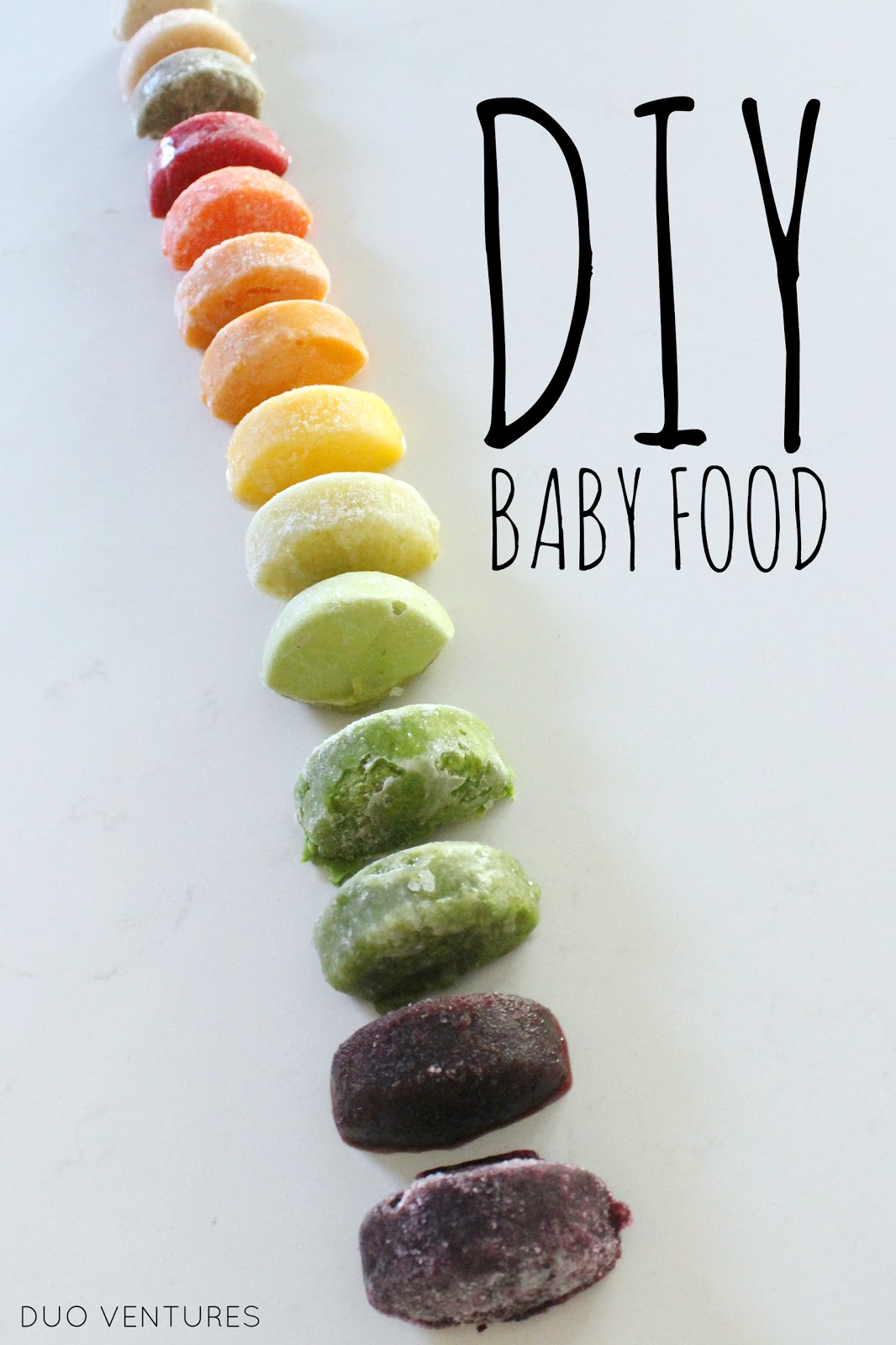
DIY Baby Food: The Basics


Let me preface this post by saying that I am by no means an authority on baby food & there are tons of great websites out there that are dedicated to baby & toddler recipes.  That being said, I've had several requests on how to make your own baby food and there is something encouraging & real about seeing a 1st time mom being able to make all their baby's food at home with no prior experience.  #ificandoityoucandoit  :)

SAMI'S 1st YEAR:

Before Sami was born, I did some basic research and decided to exclusively breastfeed for the first 6 months.  At that time, we introduced foods like avocado, sweet potato, squash, & banana.  We gave him veggies first, followed by fruit.  Over time we slowly added meats, legumes, grains, & dairy (he ended up having allergic reactions to both egg whites & dairy...but that is a whole other story for another time).

We also made the decision to forego the store-bought rice & oatmeal cereals.  Although his pediatrician advised us to add a little iron-fortified rice cereal to his food, I never did, & Sami's iron level at his 9 month check up was still perfect.


We decided to start with purees at the 6 month mark & then began incorporating "baby led weaning" when he was about 8 months old to help Sami develop his pincer grasp & allow him to become a little more independent & exploratory with his food.  I started with blueberries (cut in half) & slowly added soft veggies or fruit cut into bite size pieces.  Around 11 months, we started giving him pieces of shredded grilled chicken & he has loved chicken ever since!


Sami turned 1 year old last month, so we've actually been in the phase of transitioning out of purees & into more solid food over the several months.  I won't be making any more veggie, chicken, & bean purees (since he's eating them their original form now), but I will continue with the fruit purees as they are very convenient to add to Sami's oatmeal in the morning or to use in baby feeders as popsicles & teething soothers:


SAMI'S FOOD INTRODUCTION TIMELINE:
I'm sure I forgot to include certain foods, but these are the main foods we introduced to Sami over his 1st year:

1-6 months: exclusively breastfed (continued to breastfeed until today)

6 months: avocado, yellow squash, sweet potato, green beans, peas, carrots
7 months: apple, pears, plums, peaches, nectarines
8 months: boiled chicken, mango, quinoa, spices (cinnamon, nutmeg, etc)
9 months: brown rice, hard boiled egg yolk, blueberries, coconut oil & olive oil
10 months: scrambled eggs, chickpeas, lentils, broccoli, whole wheat pasta & homemade tomato sauce, plain yogurt, strawberries, grapes
11 months: grilled chicken, ground turkey, ground beef (limited), raisins, rice with veggie mixed in
12 months: whole milk, almond milk


CONVENIENCE:

Personally, this is the most obvious & singular downside for me.  While not difficult, it does require some extra effort & time from your already busy schedule.  I will say though, that once you get a system down, it becomes easier & easier.  Before you know it, you are introducing regular foods & don't need to make as many purees.

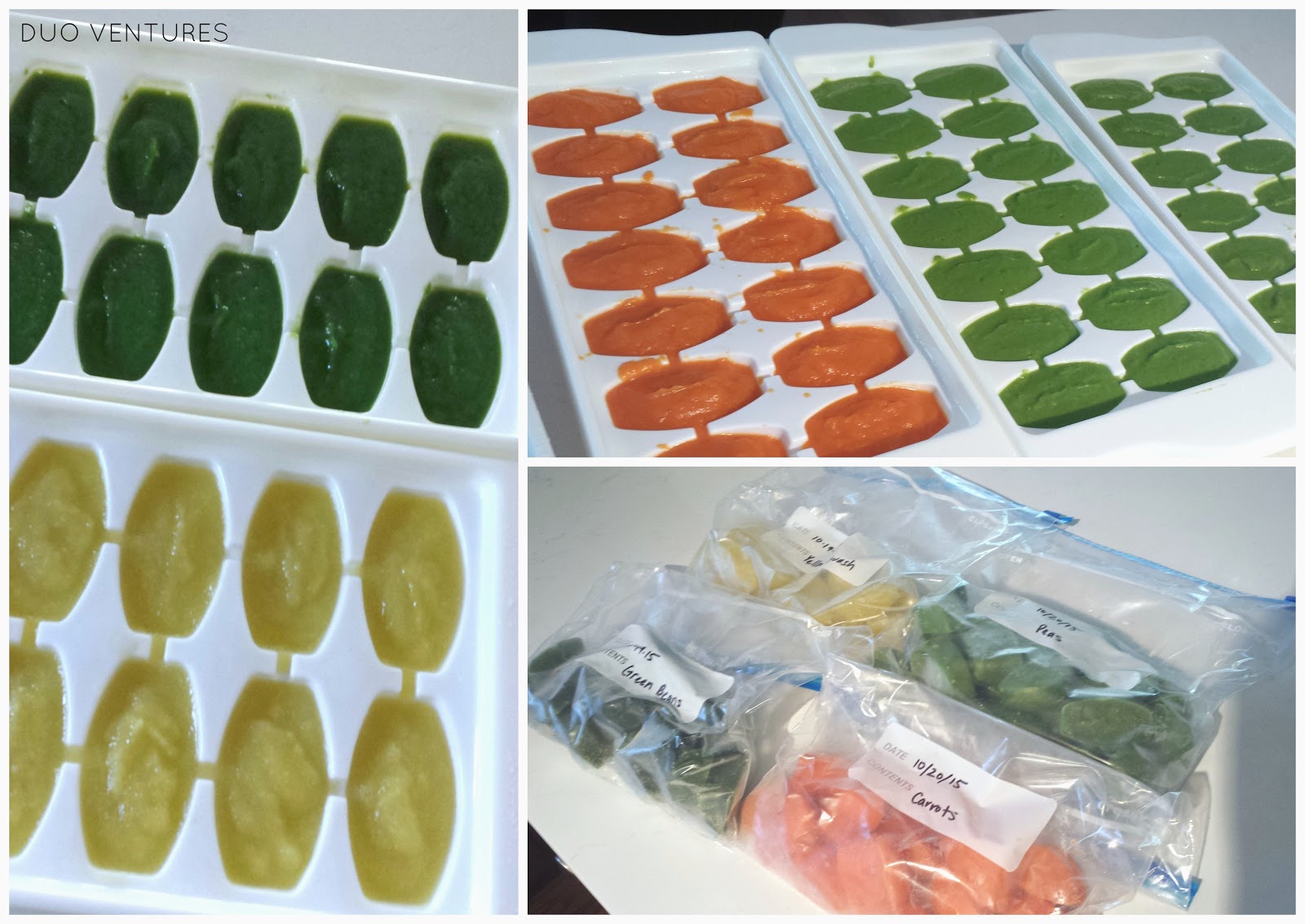
On the flip side, these frozen cubes are convenient in the sense that I couldn't always prepare fresh purees every single day (either I was too tired or lazy, or didn't have the time or the ingredients).  So, always having a freezer stocked with a rainbow of puree options made my life much easier.  You have to figure out what works with your lifestyle.

Storing, packing, & traveling with homemade baby food is definitely more challenging.  You have to consider ways to keep the food cool and/or have a way to heat it up if needed.  I usually throw a few cubes into a small Glasslock container & heat it up at our friends' or families' homes.  I usually had no need to worry about refrigeration, as the cubes were frozen & the food was not left out for very long.  Reusable food pouches are another great option to use as well.

Thursday, August 27, 2015

Our Hamptons Inspired Nursery: Final Reveal!


In case you missed it, we welcomed the arrival of our first baby four months ago on April 19th, 2015!

This post has been a long time coming, as we meant to post it before Sami came...
better late than never, right?!

When we found out we were expecting a boy, we were super excited to start putting the nursery together.  Here's our original design plan:


 We strayed a little from some of our initial ideas & over time the nursery developed more of a travel/nautical vibe - without being too literal, as we didn't want anything too theme specific.  Think, Hamptons meets World Traveler meets baby ;)

Wednesday, July 8, 2015

The Nursery: Custom IKEA Hemnes Dresser

 Anyone who has researched changing tables or dressers for a nursery has inevitably come across the IKEA Hemnes 8-drawer Dresser.  We decided to jump on the Hemnes bandwagon too...here's why:

-it's not too modern or traditional and fits a wide range of tastes & decor
-it's made of solid pine instead of particle board
-it's the perfect size to double as a changing table
-it will transition & grow with your child
-at $229, it's reasonably priced for the storage & quality you get
-you can easily customize it by changing out the drawer pulls

The only thing we had to decide on was the color of the dresser- more specifically, we had to choose between the "white" & the "white stain" options.  The "white" dresser is more of your typical IKEA white - which is not really a true white & has more of a sheen to it.  The "white stain" option is more of a true white color & has a flat finish.  It is slightly transparent, in that you can see some of the wood grain through the finish, but it's hardly noticeable.

In our opinion, the white stain looked more high end & natural.  The transparency of the stain didn't bother us either, as we liked the more rustic look of it.  It really comes down to your personal preference, but we decided to go with the white stain.

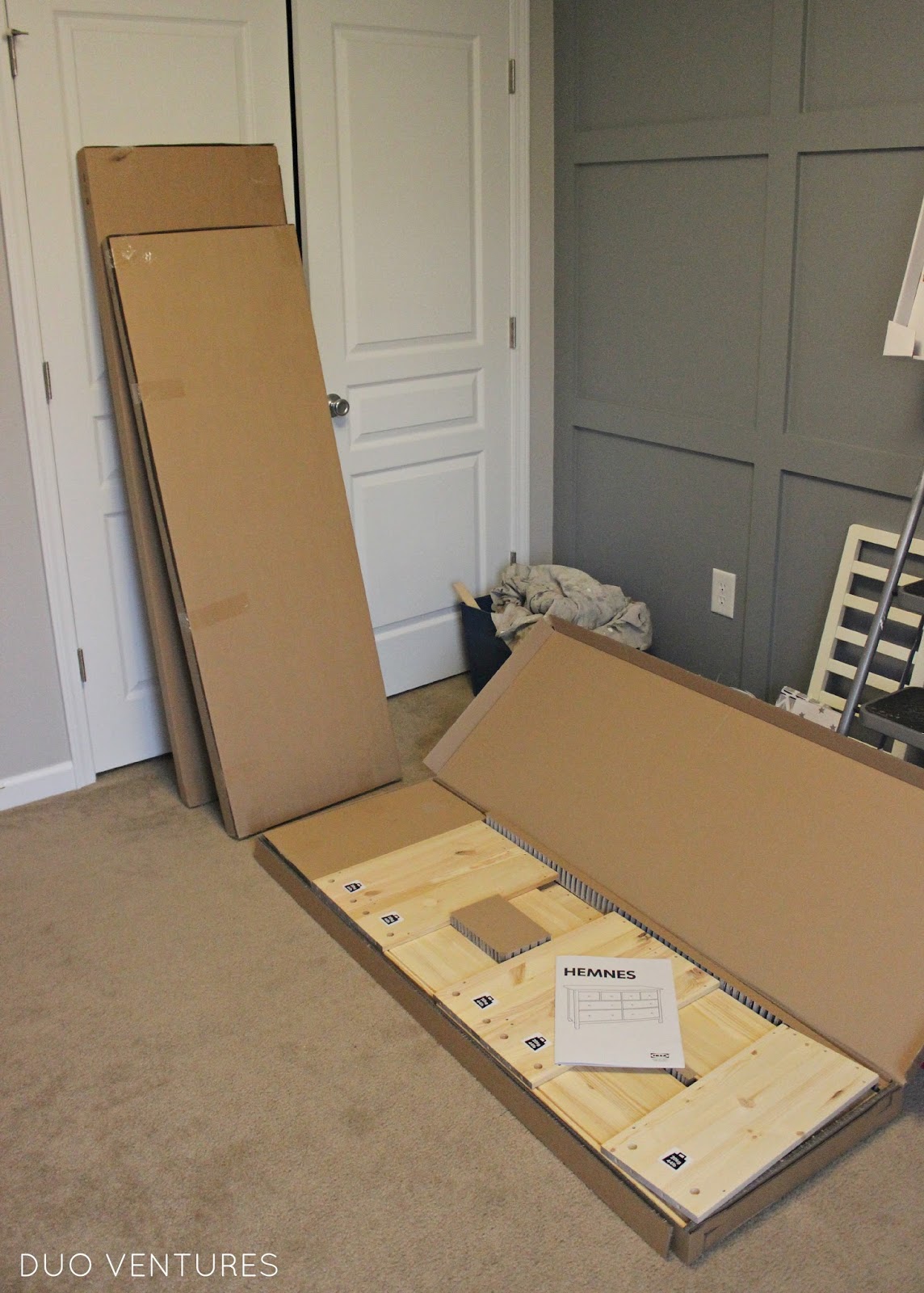
As with any IKEA furniture, it can be a bit daunting at the beginning.  Our advice is to lay everything out in an organized fashion, making sure you have the correct number of pieces as you go (including the hardware & fasteners).  The dresser comes in 3 separate boxes:


With the two of us, it took about 2 hours to assemble.  There were a couple of steps that had us scratching our heads, but we eventually figured it out.  It's better to take your time & do it correctly, so you don't have to go back & re-do anything.

We didn't install the drawers knobs, since we planned on customizing the dresser with different pulls from Hobby Lobby.  We narrowed it down to two options - stars & pulls (the original knobs that came with the dresser are on the far left):

Nader preferred the stars & Mel preferred the pulls, but in the end we went with the more whimsical star pulls.  We waited until they were 50% off & bought 12 new pulls: