
EU states cash in €157m in fees for rejected visas
Some of the highest visa rejection rates across the EU-27 are for applicants from countries with whom the bloc wants to partner on defence, security and migration.
Some of the highest visa rejection rates across the EU-27 are for applicants from countries with whom the bloc wants to partner on defence, security and migration.
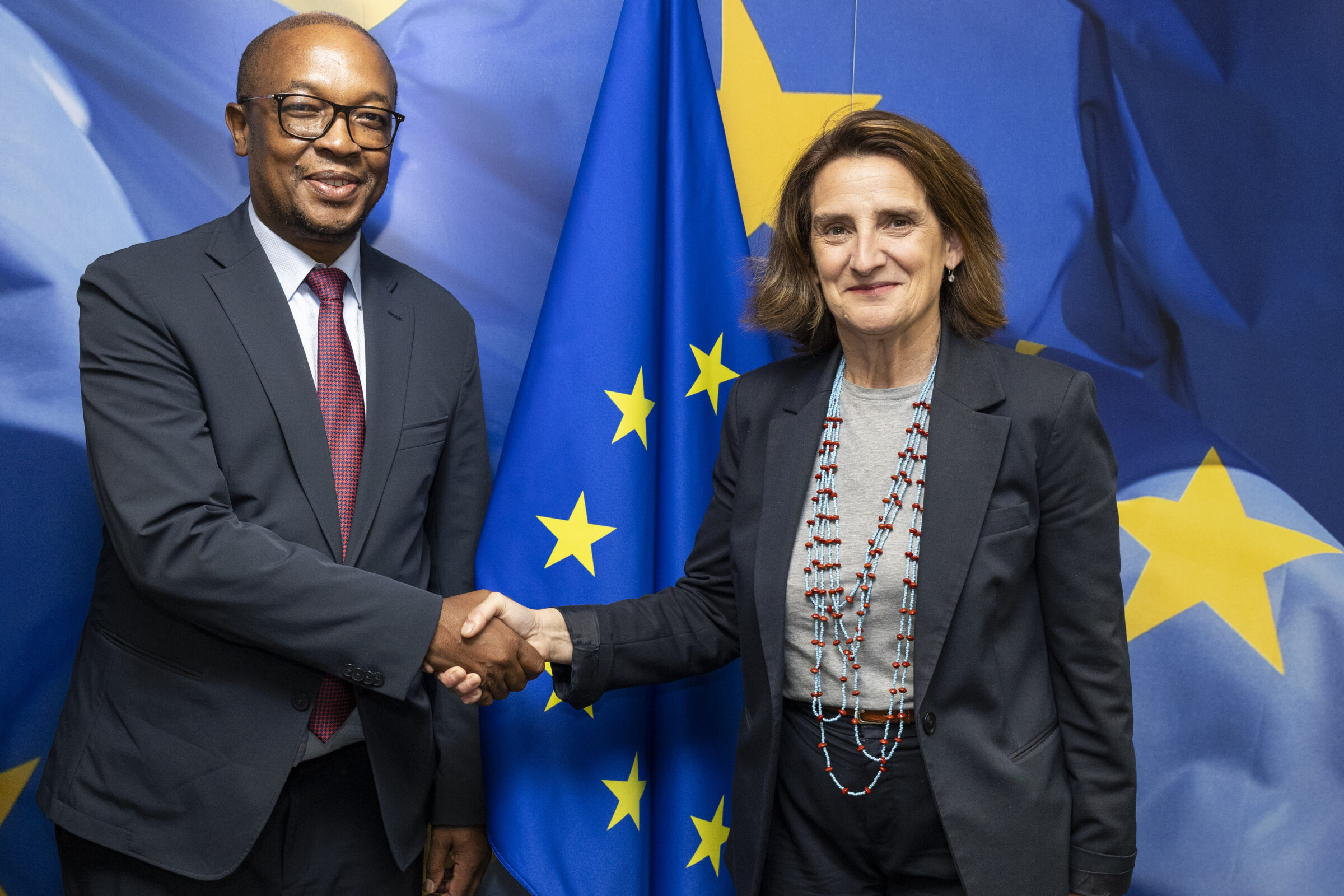
€11.5 billion is on the table in EU funding for South Africa’s green energy, transport and pharma sectors. But will it drag South Africa away from Chinese influence?

Having been shut out of the ‘design’ of the EU’s carbon levy, Africa should hit back with its own carbon tax, says the chief economist at the UN Economic Commission for Africa.

Confusion reigns on the future of a Rwandan-led mission in Mozambique for which EU funding ends on Sunday.

The outbreak of Ebola currently hitting the Democratic Republic of the Congo (DRC) is being fueled by armed conflict — but also, and perhaps above all, by the global decline in humanitarian aid.

“The reality is that the frequency and intensity of disease outbreaks are increasing”, warned EU international partnerships commissioner Jozef Sikela on Wednesday, as he unveiled a new agenda to boost supply chains and health ‘sovereignty’.
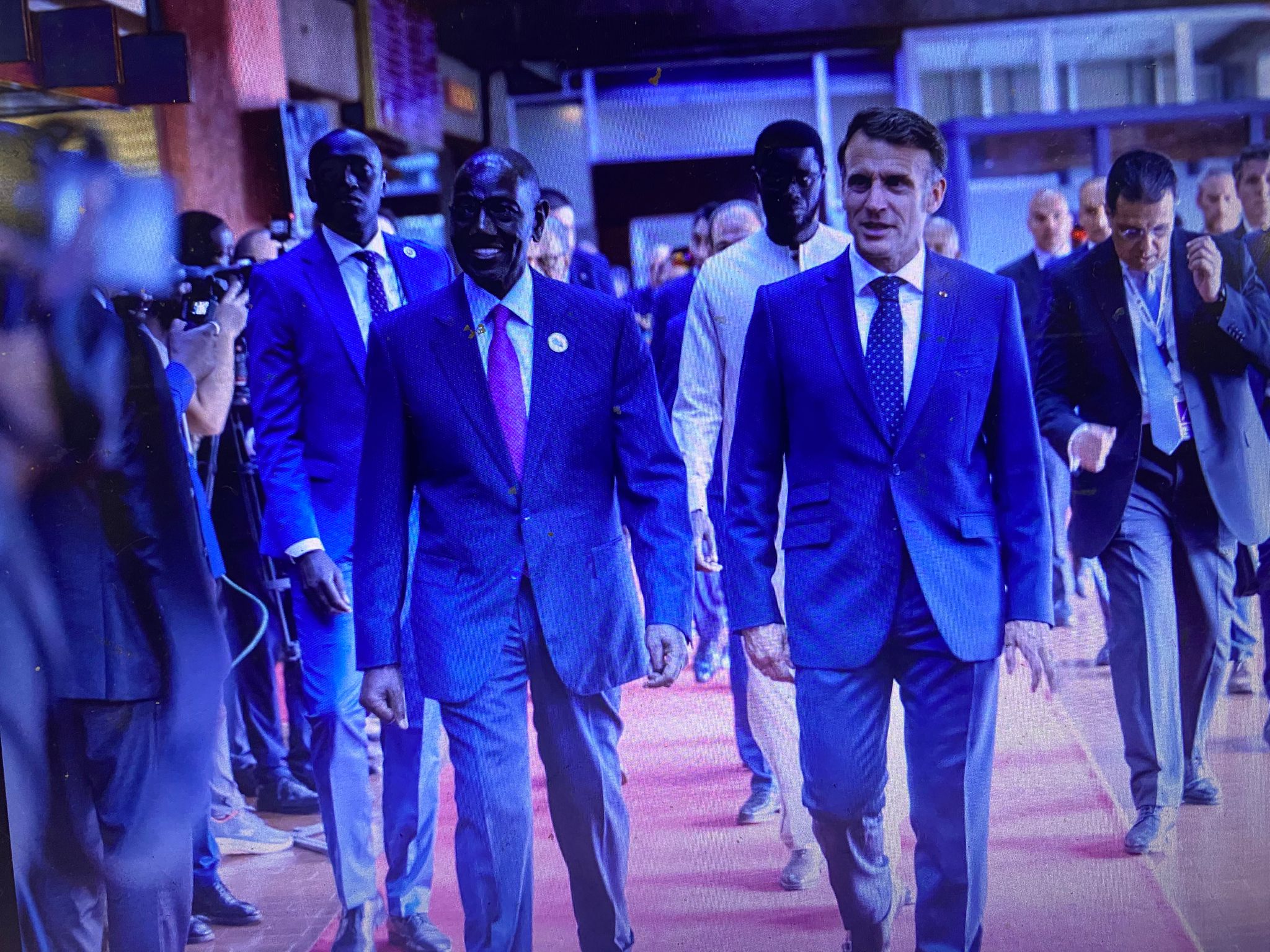
Emmanuel Macron says France is an ‘ethical partner’ for African countries as he seeks to increase Paris’s diplomatic and economic influence on the continent. However, diplomatic immunity for French troops, no-shows from Brussels, and an angry Macron hushing a crowd nearly overshadowed the event.

 Tanzania, an MEP delegation – and the €156m price of repression
Tanzania has hired a London PR firm to spin the killing of several thousand pro-democracy protesters last November. But its refusal to allow a European Parliament delegation to enter the country could cost it millions in lost EU funds.

Dozens of political leaders and business bosses will gather in the Kenyan capital this week, hosted by France’s Emmanuel Macron and Kenya’s William Ruto. But will amount to more than hot air?

The EU’s deforestation regulation was very popular — until it became law. But after two years of delays and exemptions, the EU Commission appears to have decided to give no more ground.
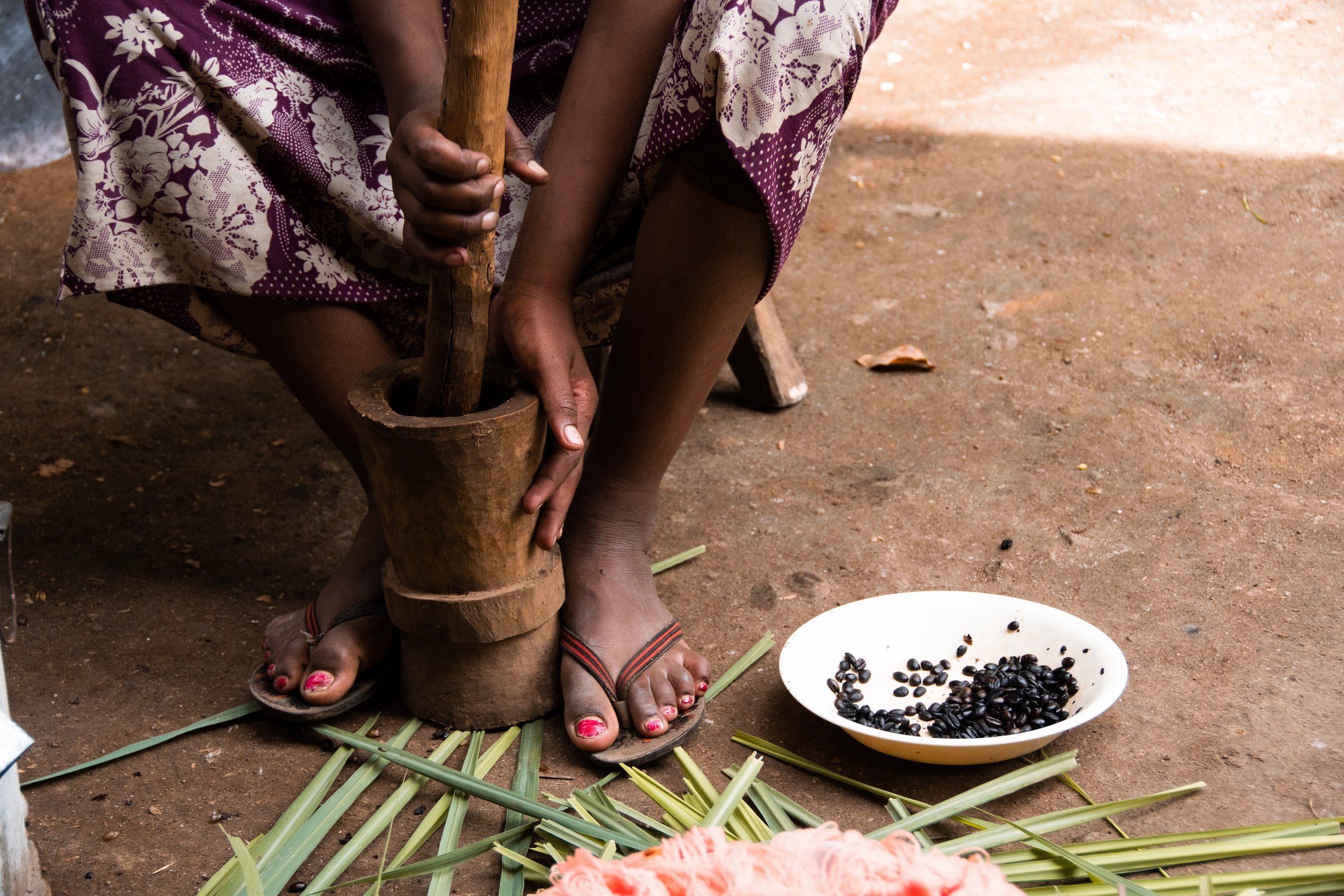
The EU Commission has decided against reopening its anti-deforestation law – but has exempted leather imports from the scope of the bill.

The EU talks partnership. It negotiates extraction. That contradiction is no longer sustainable.

The European Parliament’s top trade MEP said that, in practice, the new rule allowing the EU Commission to impose tariffs on countries for refusing to take back migrants will be hard to apply. But it still marks a significant political shift.

Ongoing combat in Mali has seen Islamists and Tuareg rebels launch a joint offensive against the ruling junta and its supporting Russian forces.

A new €75m contribution from the EU to an anti- Al Shabaab mission in Somalia takes the bloc’s total funding to €2.8bn.

The EU Commission wants to use its Global Gateway investment programme to finance healthcare projects across Africa, but sharp drops in aid budgets risk leaving millions to die.
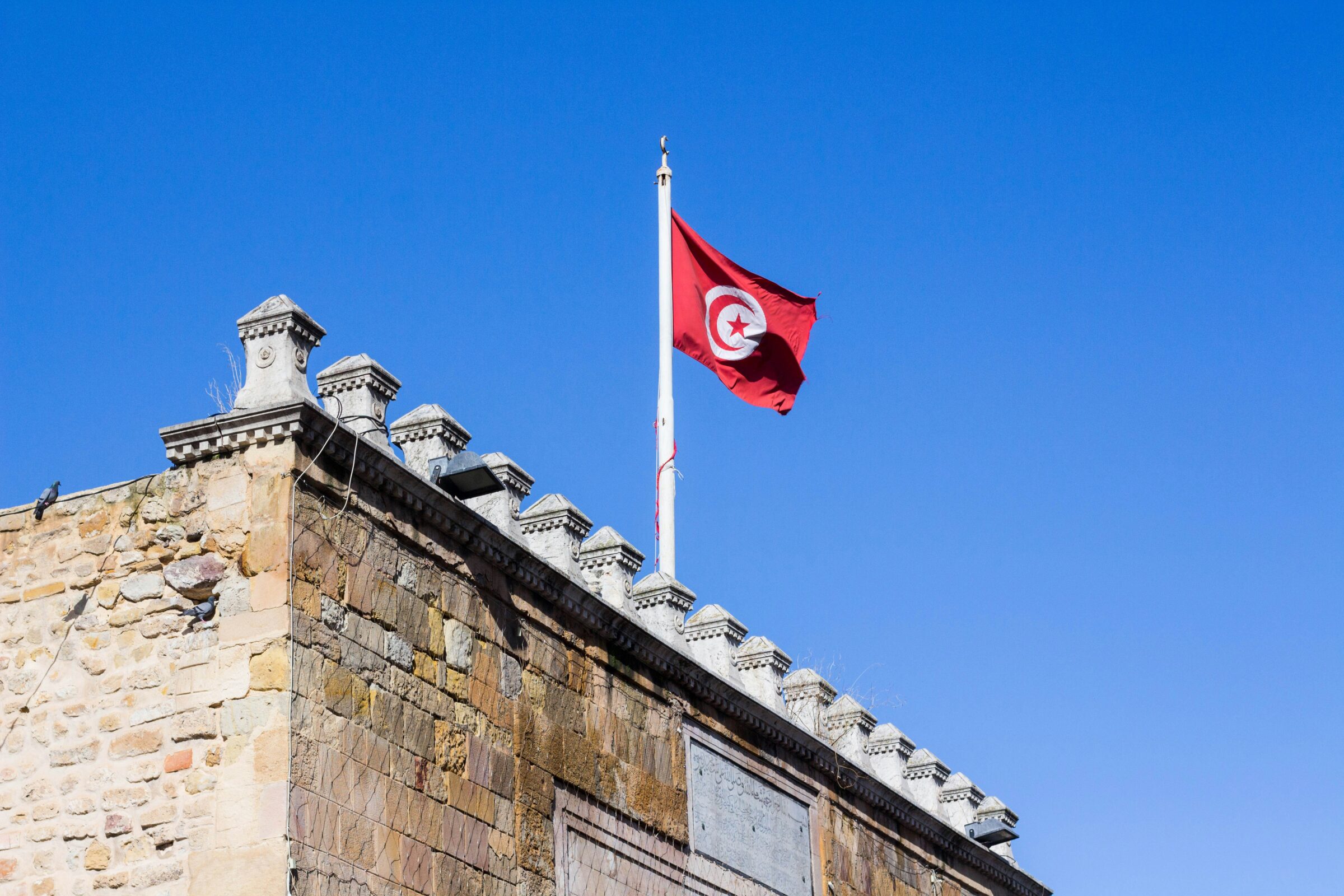
Rose Tchapet Souchtoua, a 39-year old from Cameroon, speaking to journalists in Brussels at the European Parliament, said she was raped and sold as a slave to the highest bidder during her detention in Tunisia.

The EU’s bet is on the Global Gateway, a development model focused on generating ‘win-wins’, aimed at fostering economic growth and private sector investments in partner countries, while also bringing direct benefits for European citizens. But the starting point is no longer what works to reduce poverty, but rather what works for Europe and can still be framed as ‘development cooperation’, warns Caritas Europa.

The EU will now provide €140m in budget support for Ethiopia — five years after halting funding because of the country’s civil war. It is facing a strategic rival in China, which just invested $10bn in hydrogen projects there.
 Who pays for the EU’s toxic exports?
A report from Greenpeace found that 48 percent of the pesticides used in food production in South Africa, Ghana and Kenya are highly-hazardous pesticides and are currently banned in the EU.