
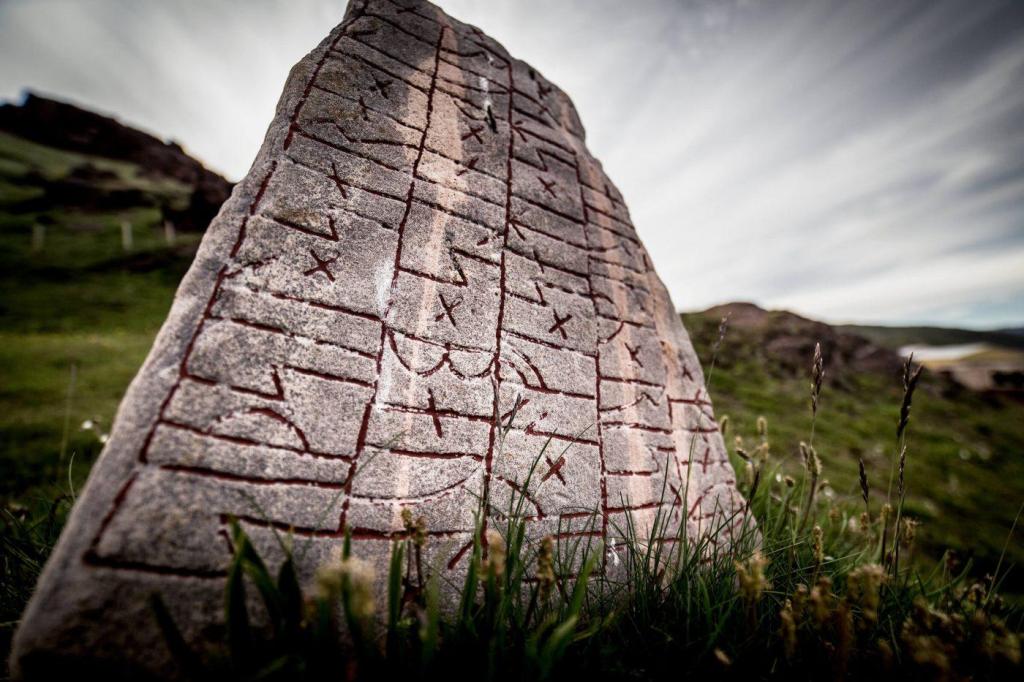
The Greenland Norse were the Norwegian settlers who lived in Greenland from the 980s to c.1450. They scratched out a living on the island’s southern end, traded with Inuit and sold ivory to Europe. By the 15th century, their society had collapsed. What became of it may never be known.
Greenland is the world’s second-largest ice sheet and largest island. It is an Arctic climate with only a few trees growing along its southern coast. Temperatures never surpass 10ºC, even in summer. 70% of Greenland is pack ice and its main inhabitants are seals, caribou, walrus and polar bears.
The name ‘Greenland’ comes from Erik the Red, a Viking explorer who wanted to attract settlers. To con them into thinking it was anything but an Arctic waste, he gave it the ‘favourable name’ of Greenland. His native Iceland was, and is, far greener than Greenland has ever been.
The Norse built two colonies – the Western and Eastern Settlements. The Greenland colonies peaked at 2,000 people around the year 1250. They brought cows from Iceland to farm and grew barley in scarce ice-free soil along the coast. The journey from Iceland was perilous – of Eric the Red’s 24 ships, only 14 survived.
The Greenland colony was never self-sufficient. It relied on regular shipments of iron and other goods from Norway. The Norse killed walrus for their ivory. As it was in high demand in Europe, the colonies could sustain themselves through trade with the Norwegians who visited every year. The royal crown of Austria, allegedly of unicorn horn, is actually narwhal.
Erik the Red’s father, Thorvald, left Norway for Iceland when he murdered his neighbour. Similar circumstances forced Eric to flee west, where he found Greenland. Erik’s son Leif sailed further west and landed in Newfoundland, Canada. He, not Colombus, was the first European to set foot in the Americas. The Norse clashed with the indigenous tribes, who drove them back to the sea.
Inuit (Thule) whom Norse called Skraelings, settled Greenland in the 13th century from the north. They were better adapted for Arctic life – Inuit hunted instead of farmed, wore sealskins and burned blubber instead of wood. Norse and Inuit accounts record violence between the two peoples. The Norse also traded with their neighbours but never adapted to their way of life.
In the 1360s, the smaller ‘western settlement’ stopped sending tribute to Norway. When Ivar Bardsson investigated, he found abandoned houses and animals running free but no human bodies. Its people’s fate remains a mystery.
By 1400, the eastern settlement too, was in decline. The reasons are many:
- The Medieval Warm Period ended in 1200, and the Little Ice Age (c.1350 – 1800) lowered world temperatures. Farming in Greenland was no longer sustainable. The Norse suffered while the Inuit prevailed.
- The Black Death wiped out 60% of Norway’s population. It did not spare Bergen – the port where merchants sailed for Greenland, and German pirates sacked it in 1393.
- As the Portuguese opened trade with Africa and India in the 1500s, demand for walrus ivory plummeted and with it the Greenland economy.
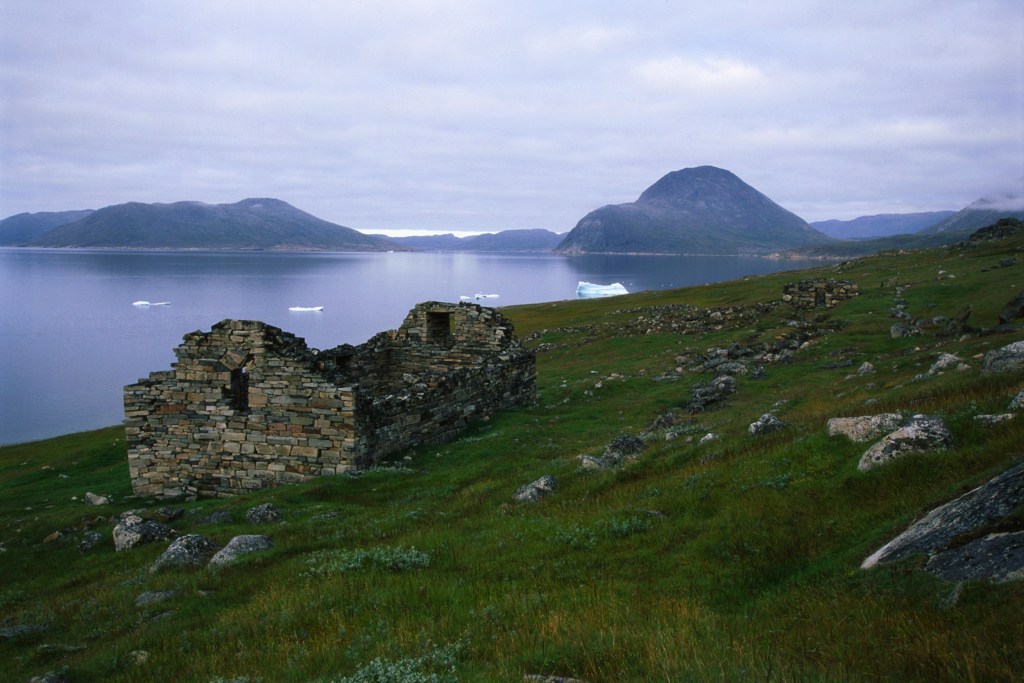
The collapse of the Greenland Norse was not immediate. Younger people left, while the older remained and starved. When Norwegian missionary Hans Egede arrived in 1721, he met only Inuit hunters. The Norse left only ruins.
Sources: Fall of Civilizations Podcast, Pulitzer Centre, World History Encyclopedia
See Also:


 From the Parapet