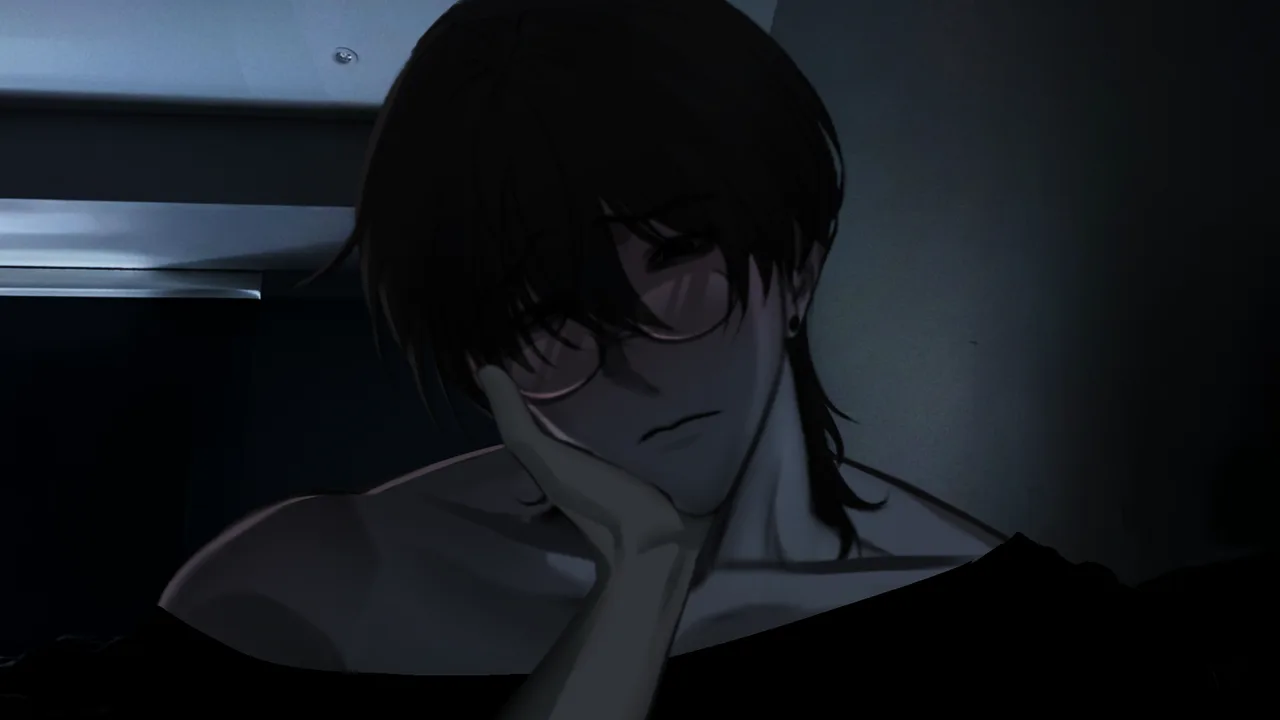
SURVIVE MIN is a short horror visual novel built around a very uncomfortable kind of closeness. It does not try to scare you by throwing noise at the screen every few seconds. Instead, it puts you in a quiet room with Min, gives you just enough time to read the mood, and then asks you to choose what to say next. That is where the tension comes from. The game feels small on purpose: one conversation, one person watching too carefully, and one player trying to keep things from sliding into something worse.
You can play it directly in the browser at SURVIVE MIN. No desktop install is needed, which makes the game easy to try when you want a focused, late-night horror session. It works best when you slow down, read every line, and let the pauses do their job.

SURVIVE MIN is not a big survival game with crafting, weapons, maps, or inventory puzzles. It is much more direct than that. The survival part is emotional. You are trying to survive the conversation, the pressure, and the feeling that Min is reading more into every answer than you meant to give. A choice that looks gentle might make the scene warmer. A choice that looks careful might sound cold. A choice that looks safe might be safe only for a minute.
That narrow focus is the reason the game works. There is no long tutorial getting in the way, and there is no huge cast to memorize before the mood starts to land. SURVIVE MIN gets close fast. It lets the room become familiar, then lets that same familiarity become stressful. The art, the dark backgrounds, and the dialogue all push toward the same feeling: you are trapped in a conversation where politeness is not enough.

Min is unsettling because the character does not need to act like a monster to make the player nervous. A soft sentence can feel friendly at first, then controlling a second later. A romantic beat can feel sweet until it starts to sound like a test. That shift is the heart of the game. SURVIVE MIN understands that horror can come from attention: someone looking too closely, waiting too patiently, and reacting too strongly to the smallest thing you say.
The game also avoids overexplaining Min. That is important. If every detail were spelled out, the tension would become too neat. Instead, the player has to notice tone, timing, and small changes in the scene. You start asking yourself whether Min is hurt, angry, amused, lonely, or already past the point where your answer matters. That uncertainty gives the choices weight, even when the interface looks simple.

The controls follow normal visual novel habits. Click or tap to move through text, choose dialogue options when they appear, and use fullscreen if the browser frame feels cramped. On desktop, the game is easiest to read with headphones and a dark room. On mobile, rotating the device can help if the text area feels tight. The browser version is made for quick access, but the experience is still better when you give it your full attention.
For a first run, do not chase the perfect route. Let your first answers be honest and see where they take you. SURVIVE MIN is more interesting when you treat the first ending as information instead of failure. After that, replay with a plan. Try being softer, colder, more direct, or more careful. Watch how Min responds. The story is short enough that replaying does not feel like a chore, and the same lines can feel very different once you know what Min is capable of.

The replay value comes from suspicion. Once you have seen one outcome, you naturally start wondering what would happen if you had answered differently five minutes earlier. Maybe you should have comforted Min. Maybe you should have held back. Maybe you should have noticed that one line was not really a joke. SURVIVE MIN makes those questions stick because the choices are tied to mood rather than obvious game logic.
This is also why the browser page is useful. You can open SURVIVE MIN Onlnie, replay a branch, check a scene, and compare choices without digging through files or reinstalling anything. The game benefits from that immediacy. One click, one dark room, one conversation waiting to go wrong.

SURVIVE MIN should land well for players who like intimate horror, yandere tension, obsessive affection, and visual novels where the danger sits inside the dialogue. It is not trying to be a loud haunted-house ride. It is closer to sitting across from someone who smiles at the wrong time. That kind of horror needs patience, but it can be more memorable than a quick jump scare because it gives the player space to imagine what is happening under the surface.
The handmade feel also helps. The game does not feel polished into something distant or corporate. It feels direct, personal, and slightly rough in a way that suits the story. Horror visual novels often work best when they feel close to the creator's original idea, and SURVIVE MIN has that quality. It knows the mood it wants, and it does not waste much time getting there.
SURVIVE MIN is intended for adult players. The game leans into psychological pressure, unsettling romance, obsessive behavior, and uncomfortable personal situations. If those themes are not what you want right now, it is better to skip the game and come back later. Horror works best when the player chooses the discomfort on purpose.
If the browser player does not load right away, refresh once and wait a little longer. Visual novels can take time to pull in images, scripts, and audio. If the frame stays black, check blockers, browser settings, or network restrictions. If the text box is hard to use on mobile, try fullscreen or landscape mode.
- Play online: https://survivemin.org
- GitHub: https://github.com/survivemin
SURVIVE MIN is the kind of game that works because it keeps the problem simple. Min is close. The room is quiet. Your answer matters, even when you are not sure why. That is enough.