

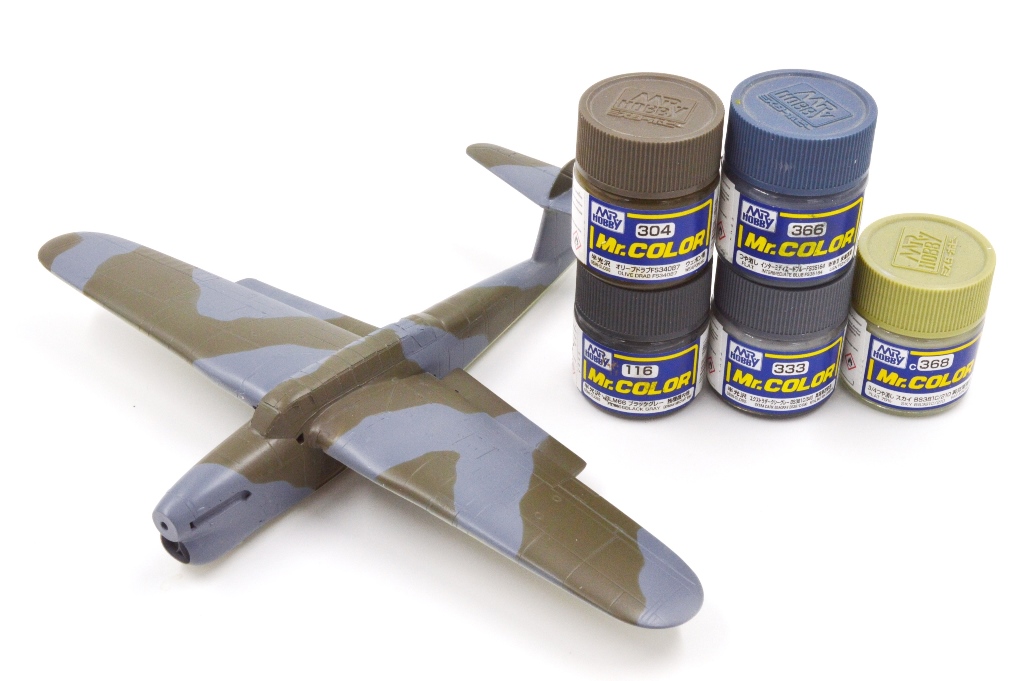
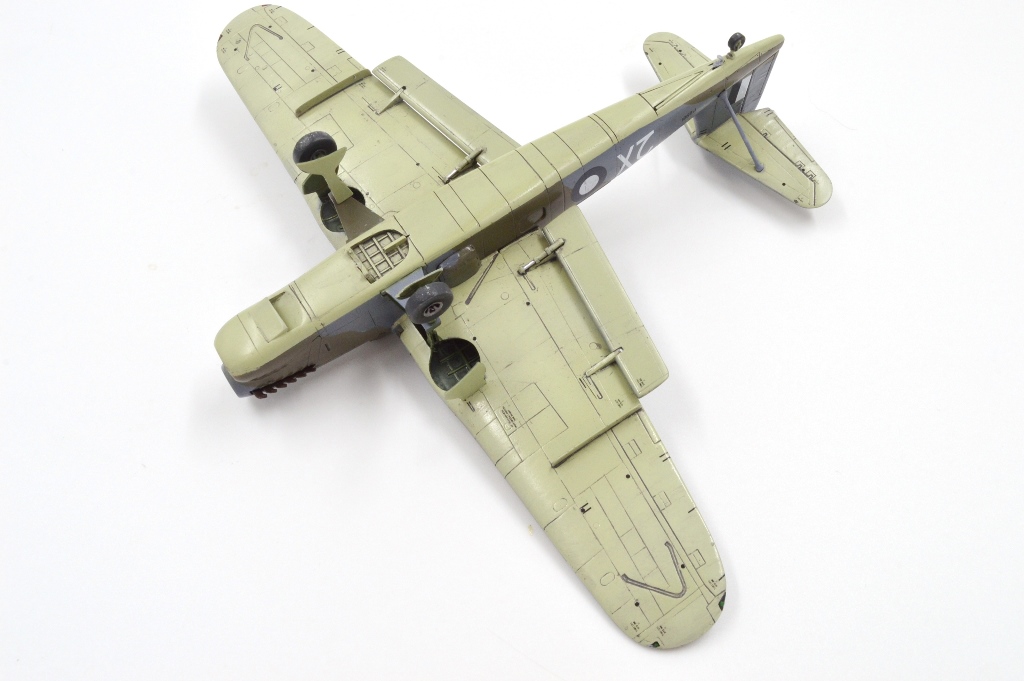
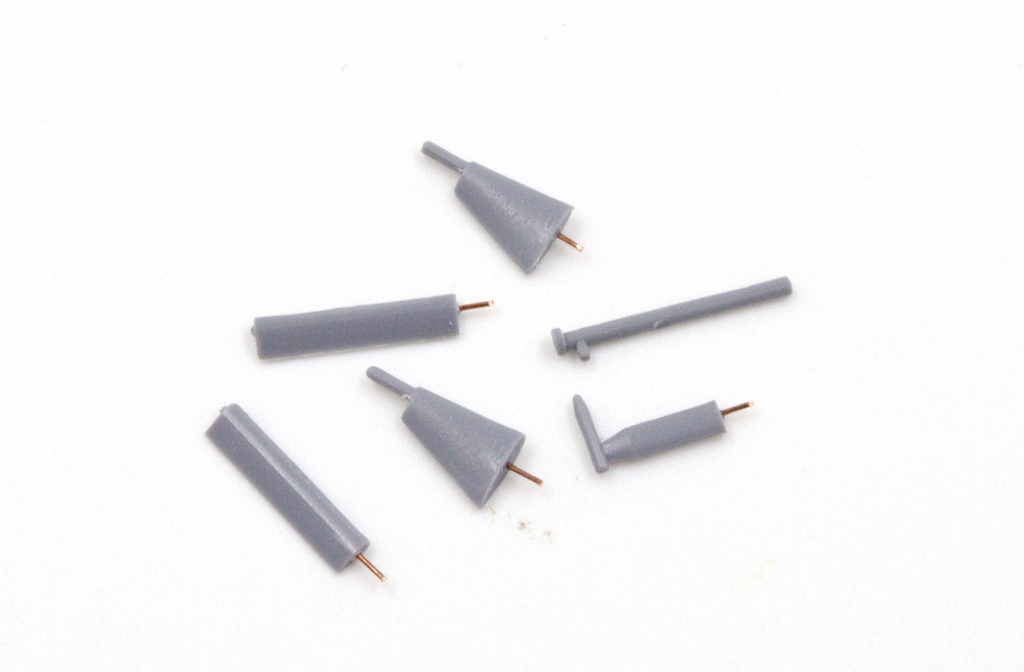
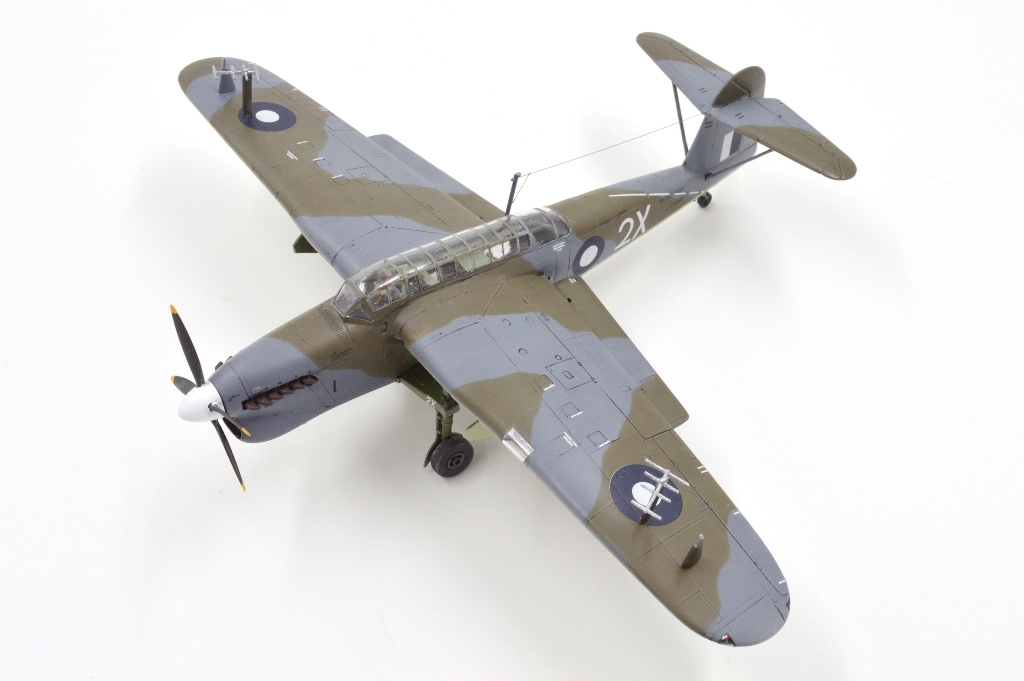
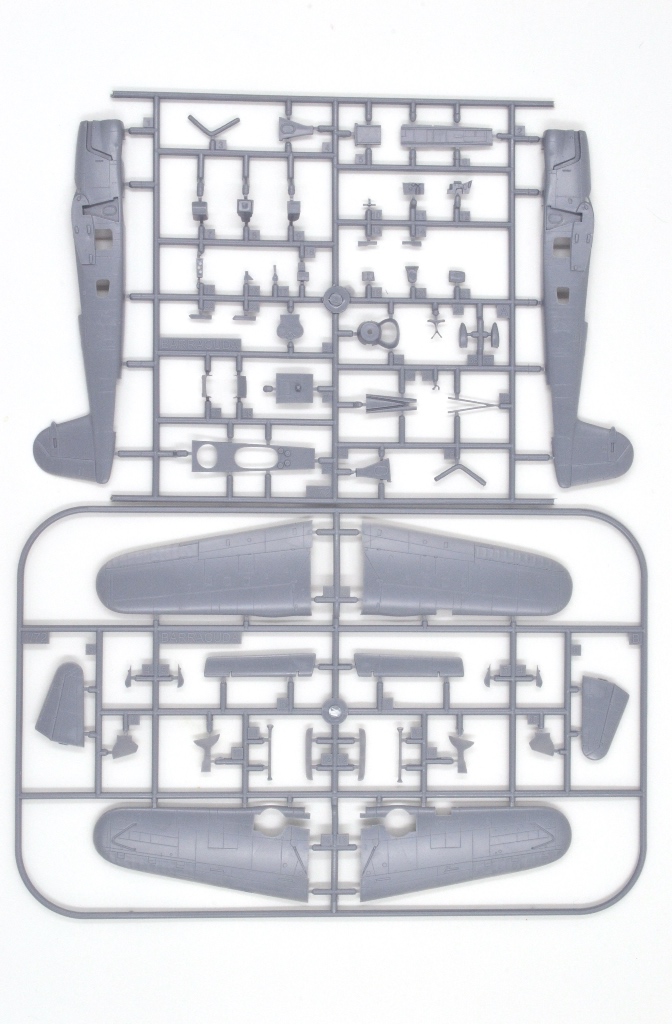
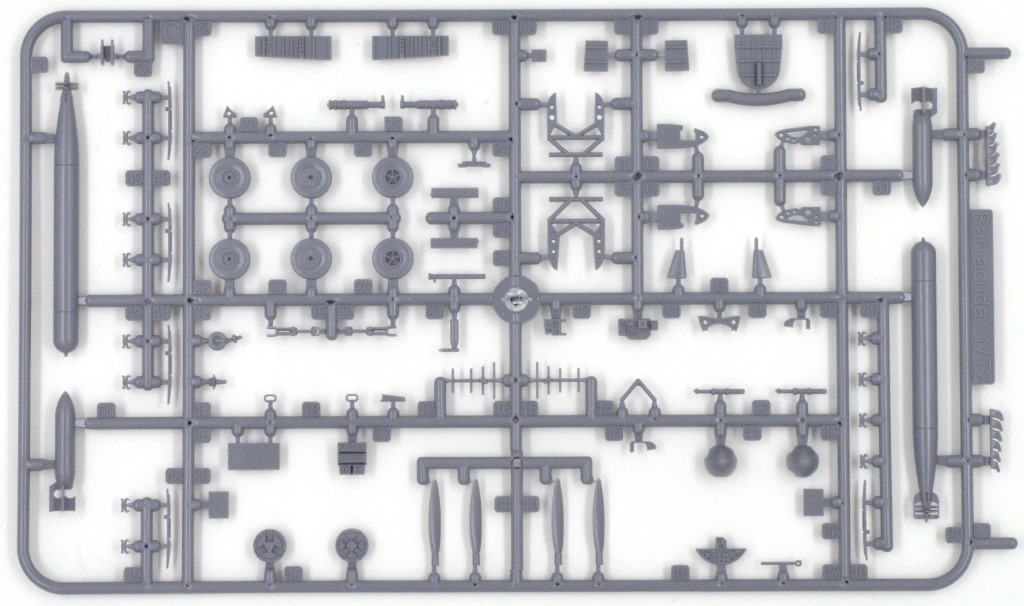
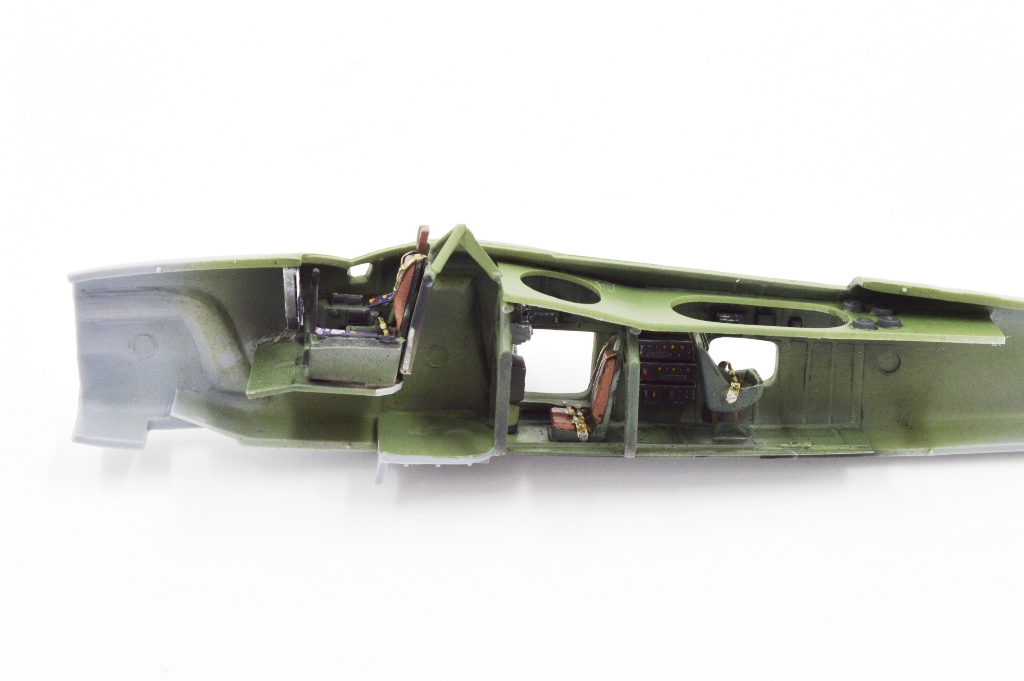
More finished photos here: https://inchhighguy.wordpress.com/2023/07/04/special-hobby-fairey-barracuda-of-hms-illustrious-in-1-72-scale/
More finished photos here: https://inchhighguy.wordpress.com/2023/07/04/special-hobby-fairey-barracuda-of-hms-illustrious-in-1-72-scale/
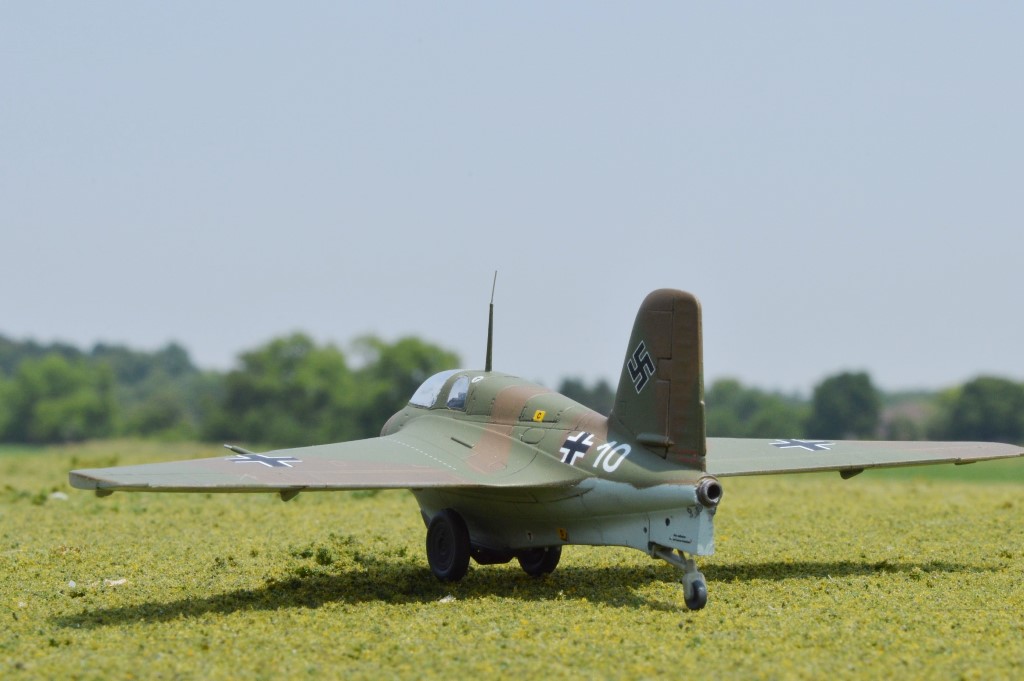
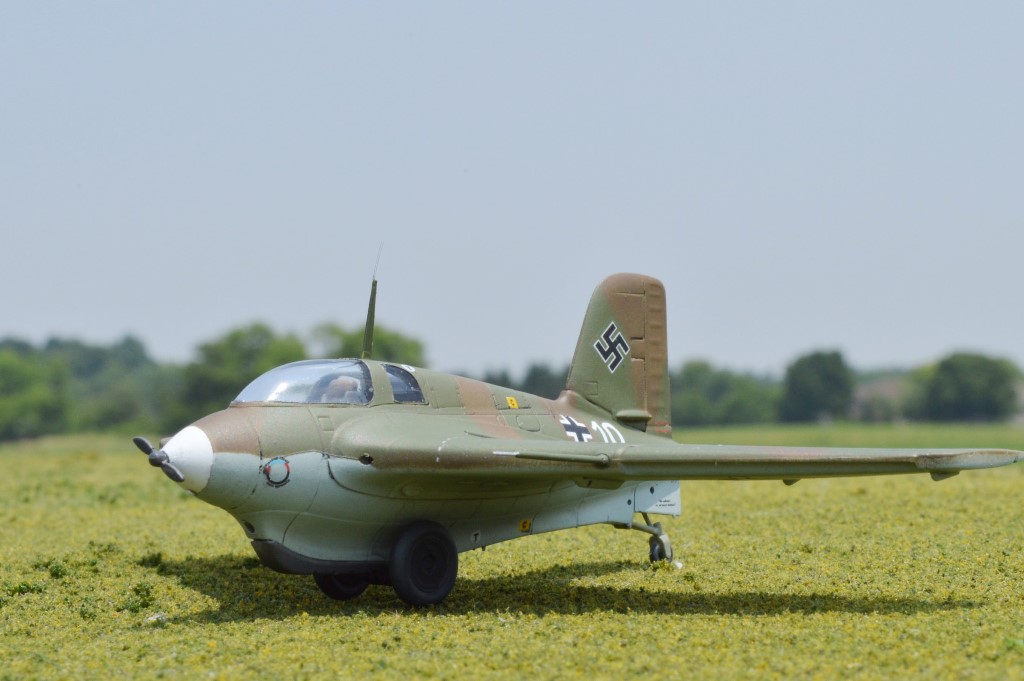
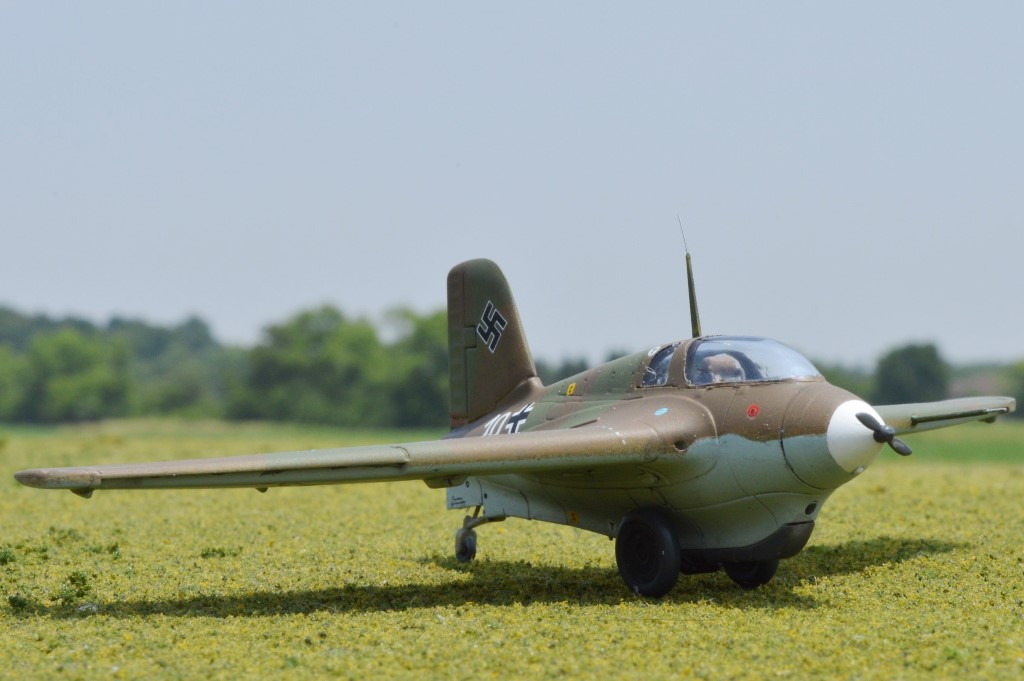
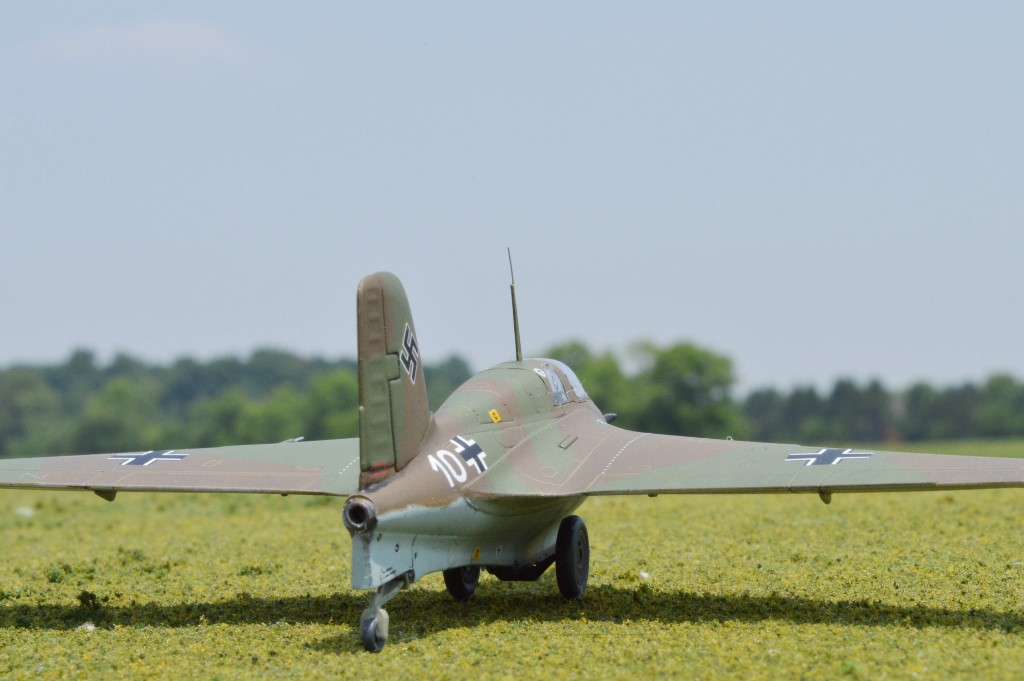
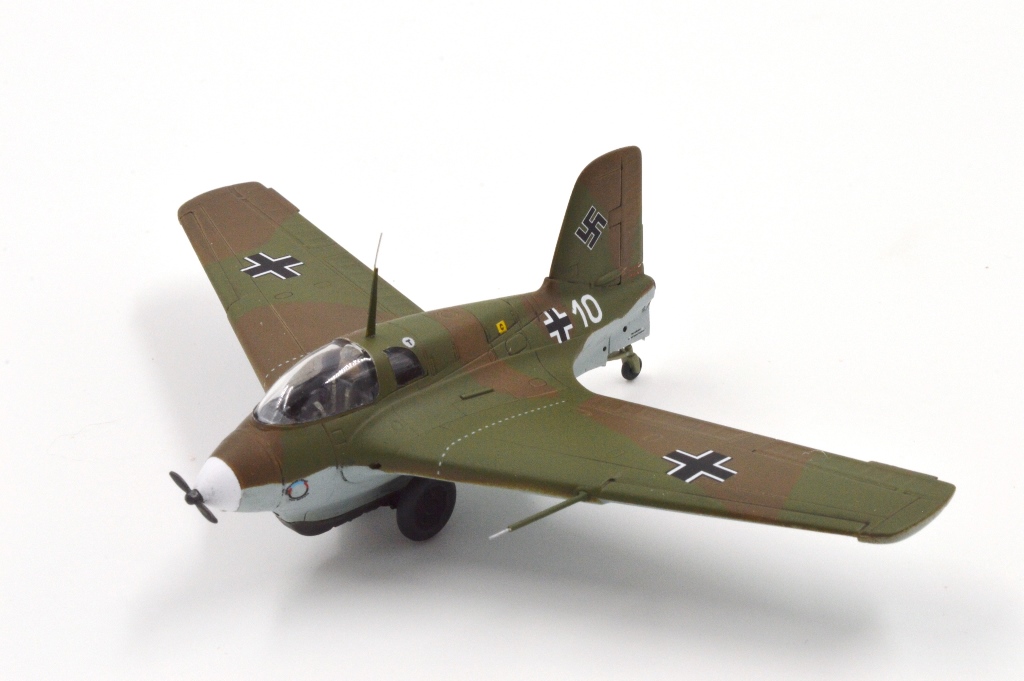
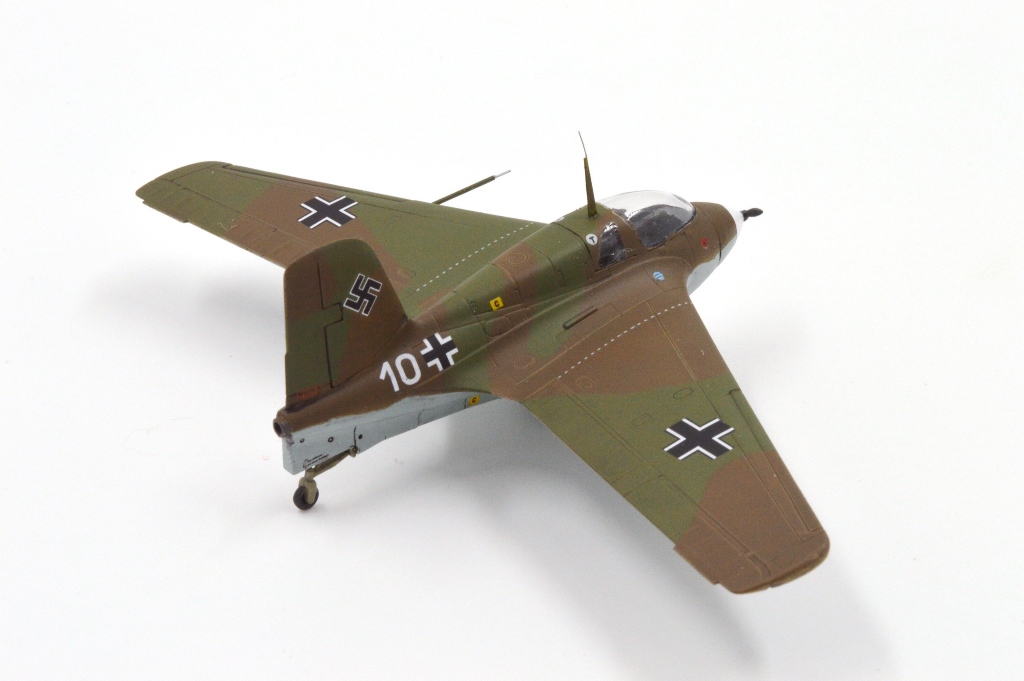
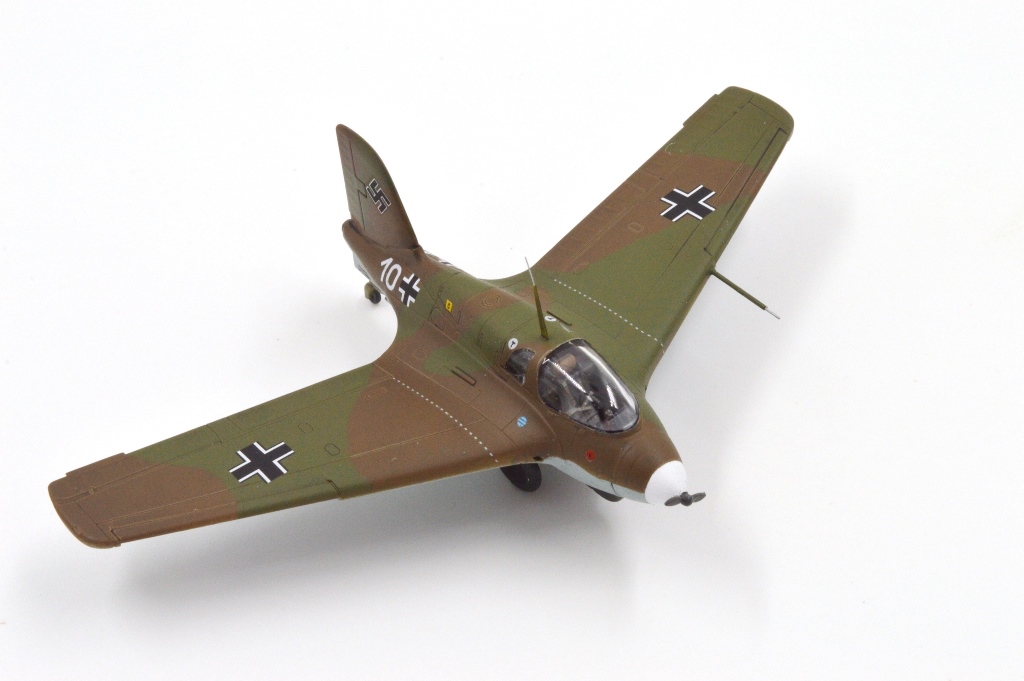
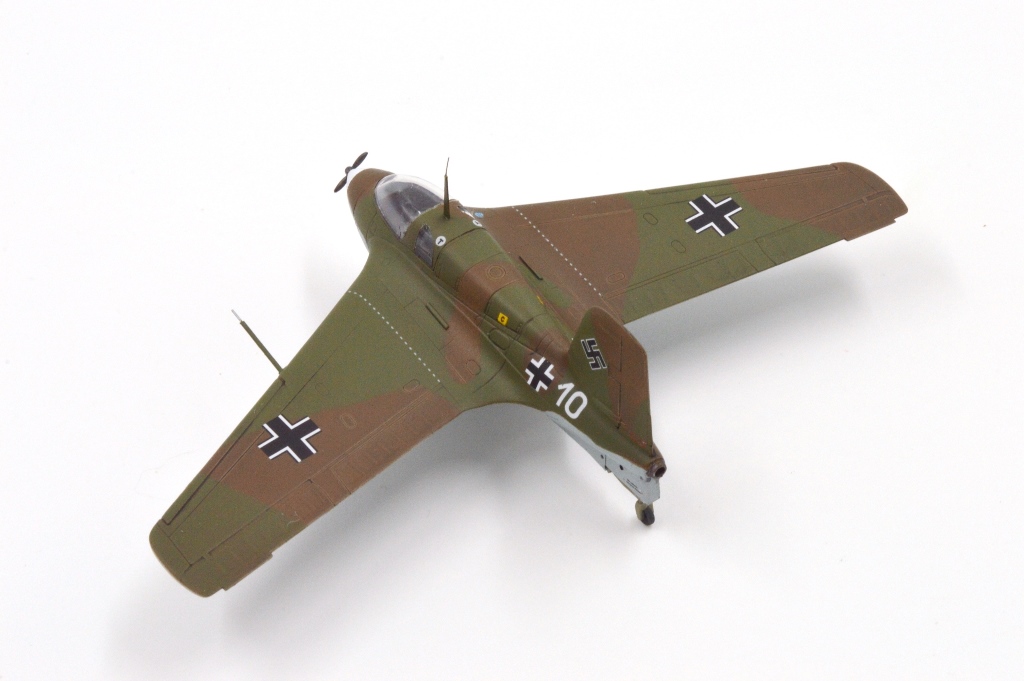
Hans-Ludwig Löscher was the pilot of “White 10”, assigned to 1./JG 400 at Brandis in February 1945.
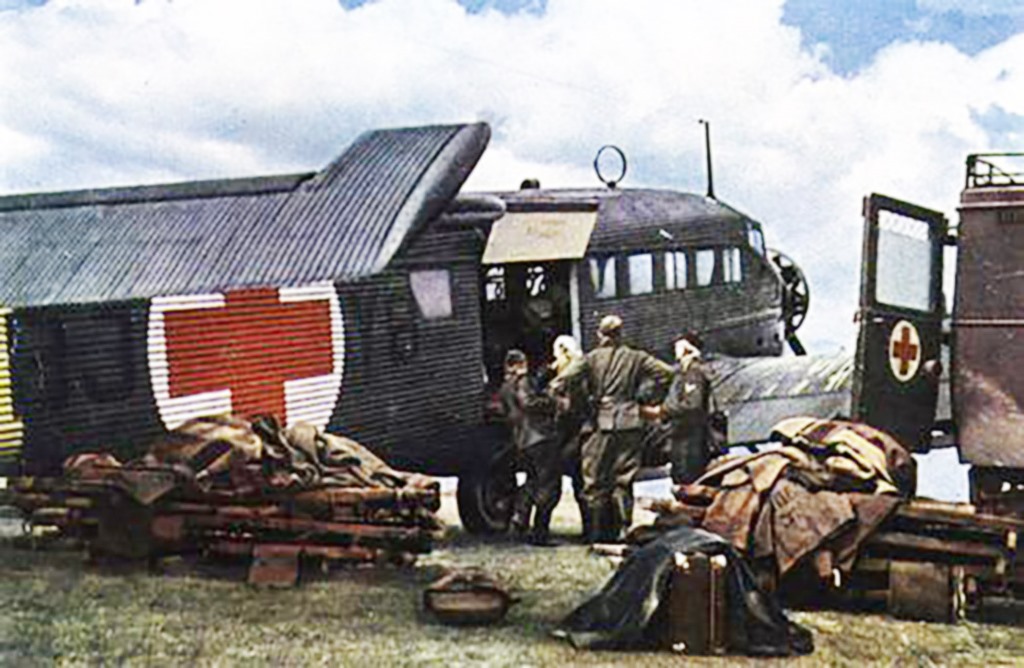
Junkers developed the Ju 52 as a single-engined civilian airliner in the early 1930s. The design soon picked up two additional engines (with the /3m designation) and was produced for the Luftwaffe as a transport. It served throughout the war wherever the Luftwaffe had a presence. Production continued after the war in France and Spain, and several airworthy examples survive today.




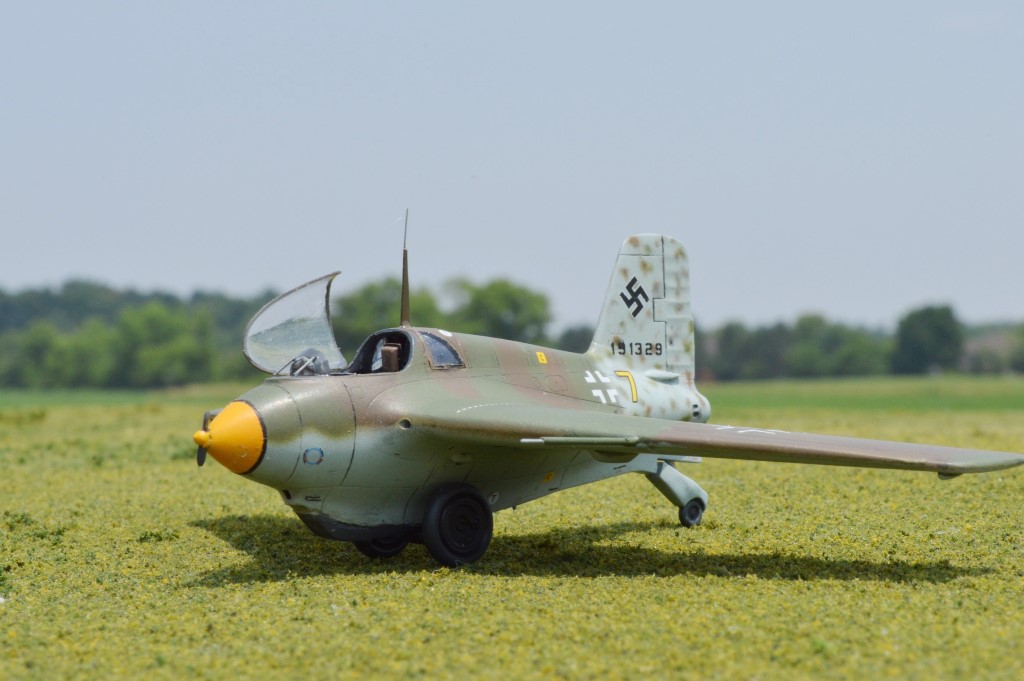
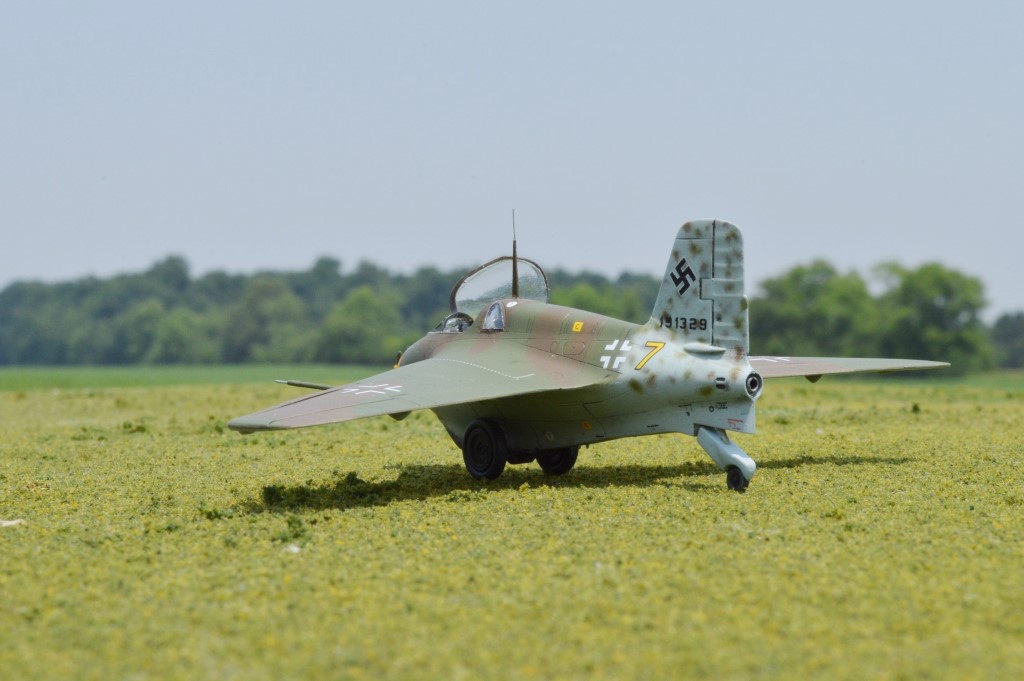
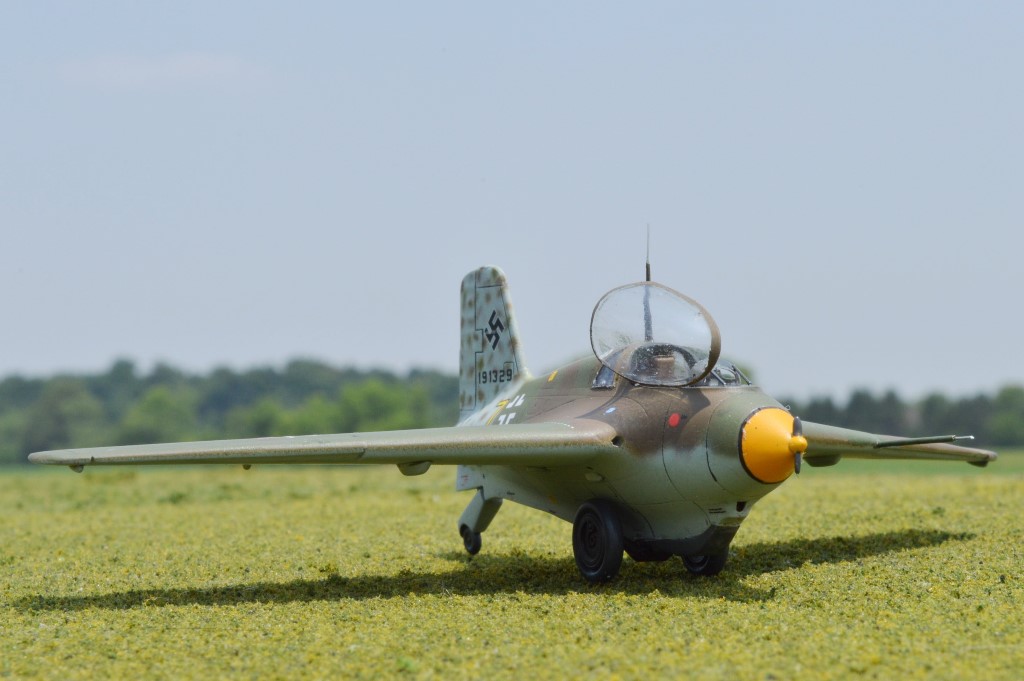
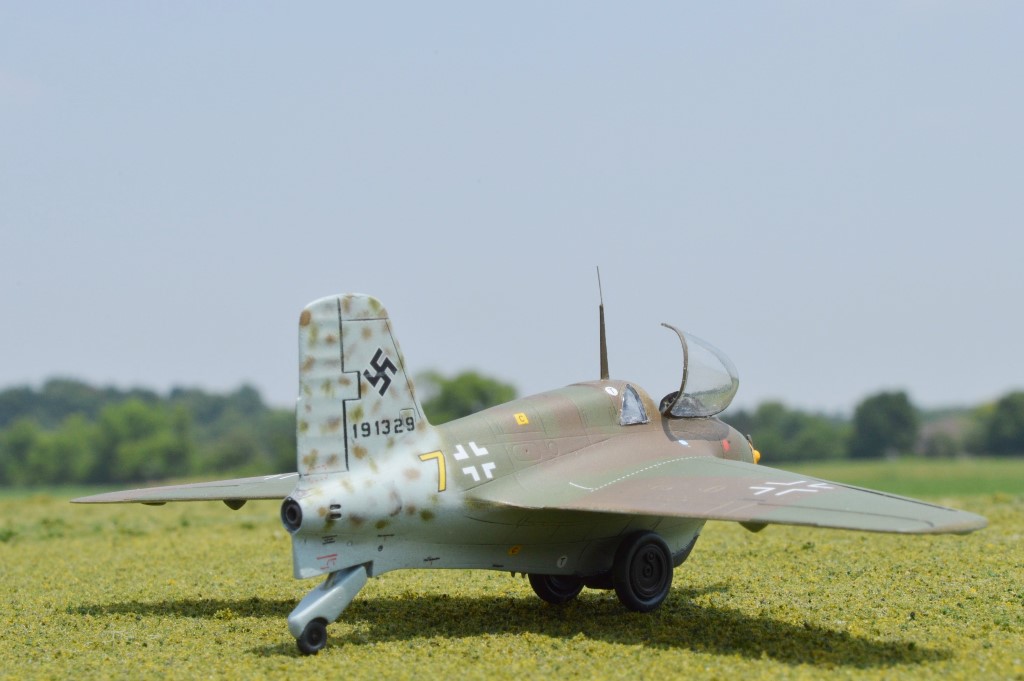
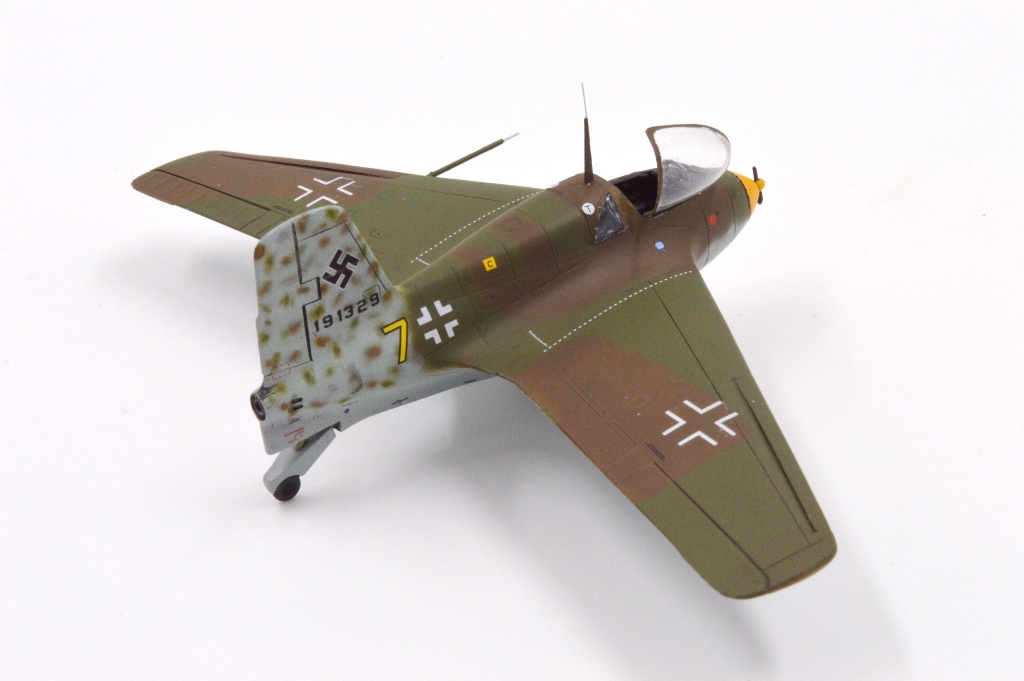
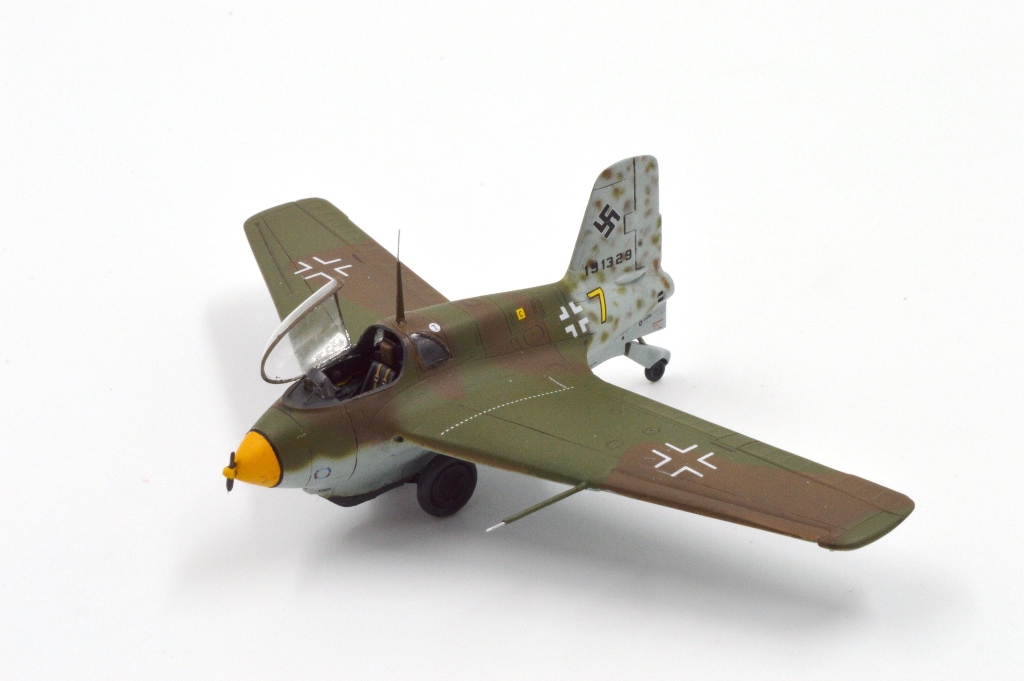
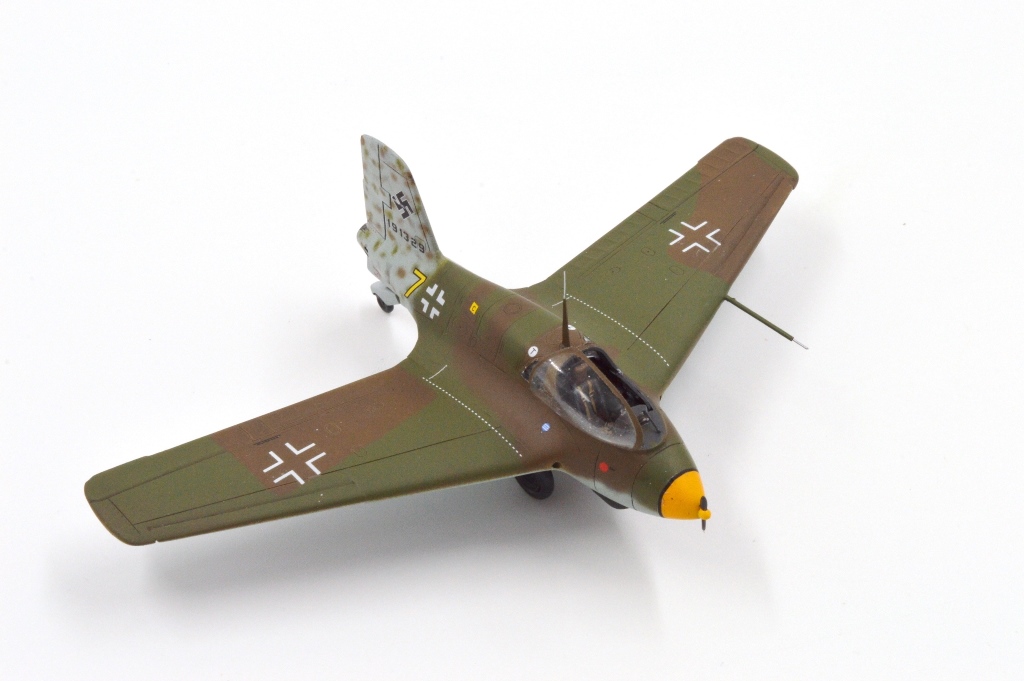
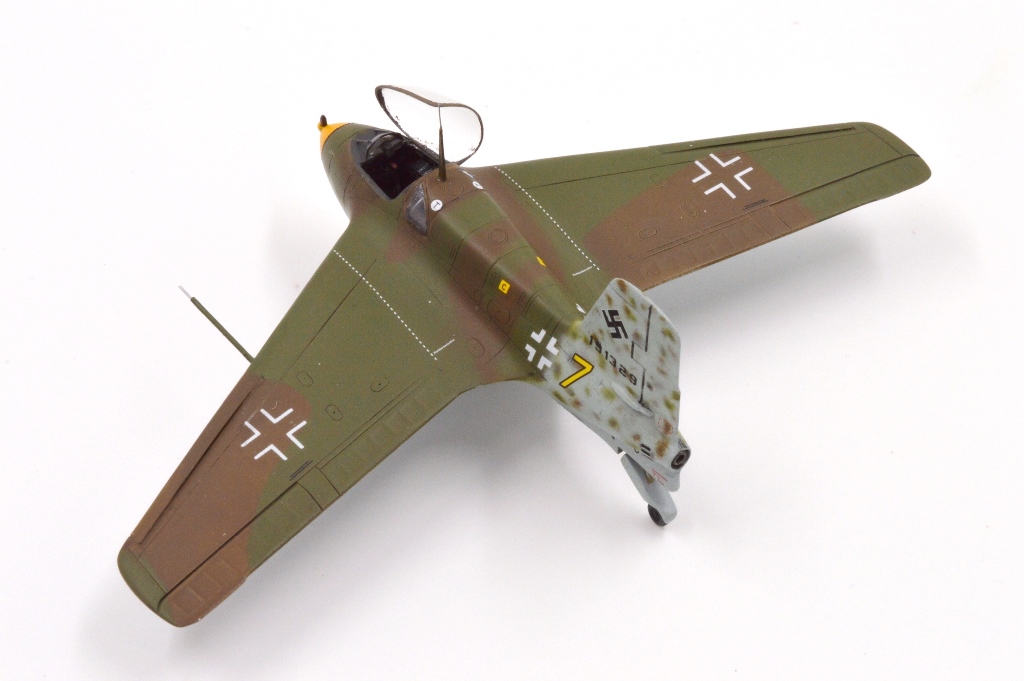
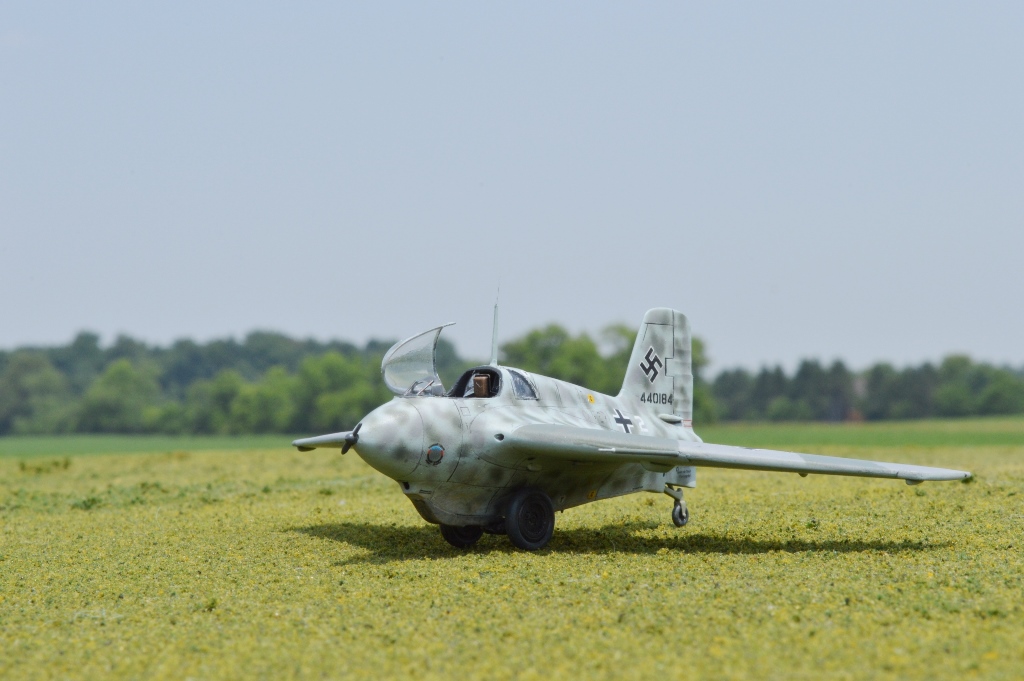
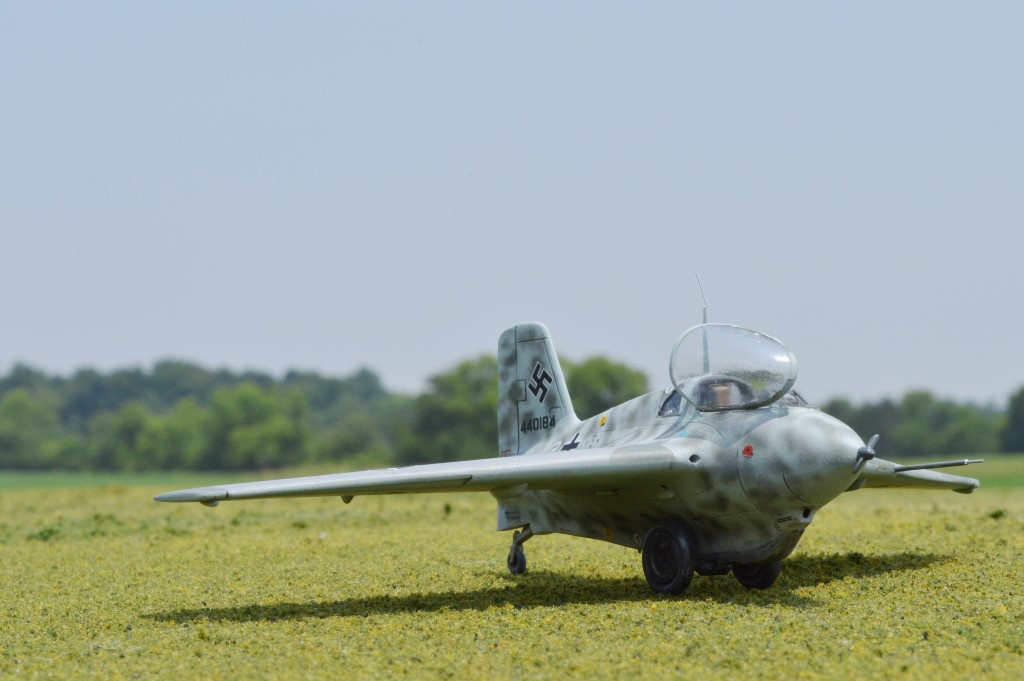
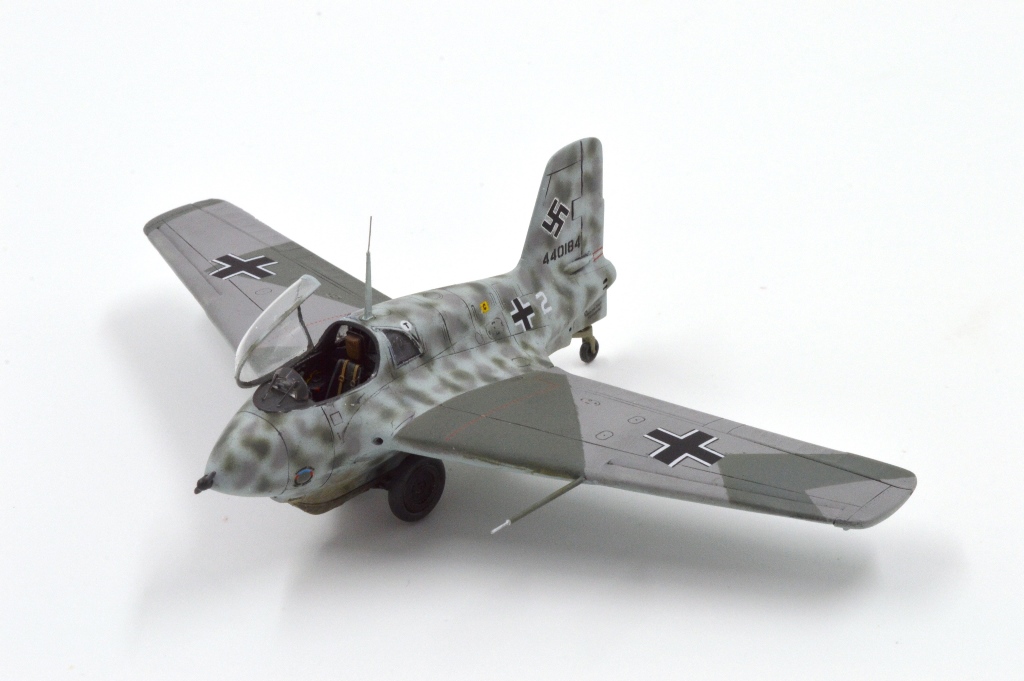
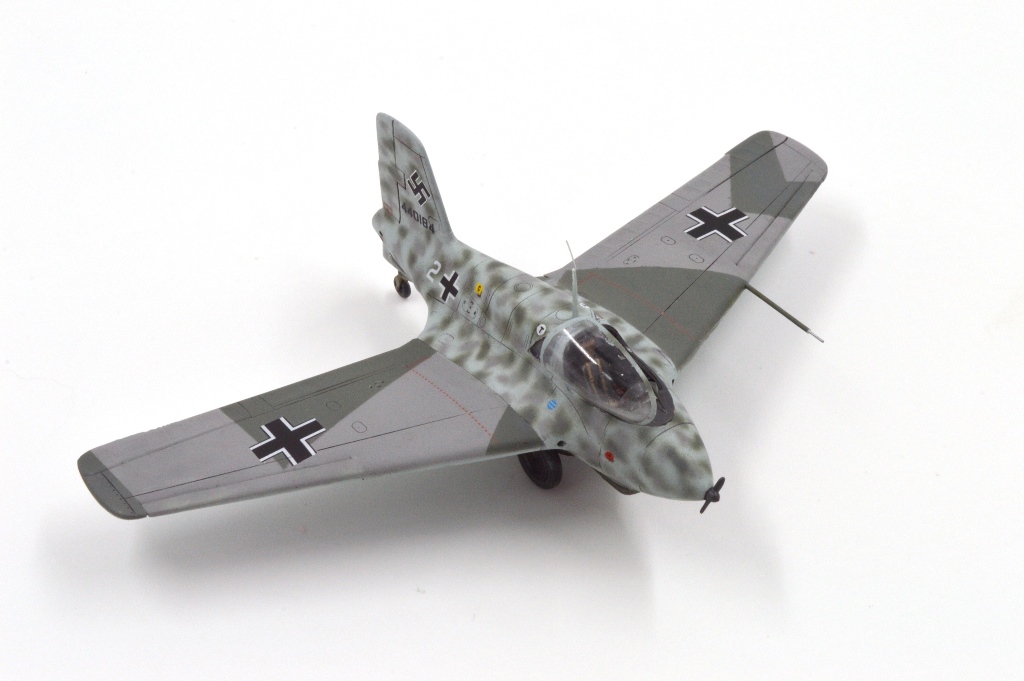
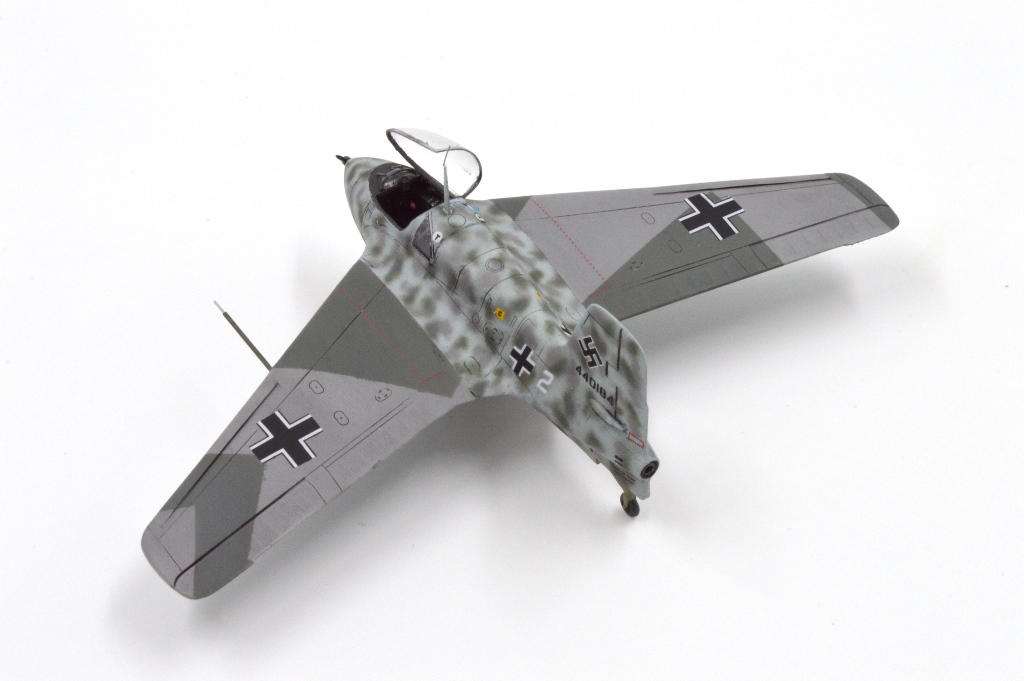
WKNr 191329 was a Junkers-built Komet assigned to 6./JG 400 which was captured intact at Husam airfield in May 1945. Staffelkapitän of 6 Staffel was Oberleutnant Franz Woidich, who had amassed a total of 109 victories flying mainly with JG 52 in the East before being transferred to JG 400. Woidich scored his 110th victory flying a Komet, a B-17 downed on 22APR45, which was also the last victory attributed to an Me 163. Unfortunately, the identity of the particular Komet Woidich used on this mission is currently unknown, so this 6 Staffel machine will be as close as I can get for now.

Voyage of Mercy: The USS Jamestown, the Irish Famine, and the Remarkable Story of America’s First Humanitarian Mission
By Stephen Puleo, Narrated by Sean Patrick Hopkins
Audiobook, 10 hours and 9 minutes
Published by Macmillian Audio
Language: English
ASIN: B07T91L1BC
The Irish economy of the early to mid-1800s was sustained for the most part by tenant farming. The land was owned by Englishmen, Irish farmers worked the land to pay the rent. Grains were raised for export, the farmers and their families subsisted mainly on the potato crop. Unfortunately the potato plant was subject to blight, which spread quickly and could wipe out the entire crop in the matter of a week. Ireland had endured several blights in the early 1800s, but the blight of 1846 was severe and in 1847 the crop was wiped out almost in its entirety. Unable to pay their rent, many families were evicted from their homes. The population soon began to succumb to malnutrition, exposure, and “the fevers”. Aid from England was insufficient and English aid policies were highly bureaucratized and exasperated the situation. Those who could sold off their possessions and fled.
In America, word of the plight of the Irish fell on sympathetic ears. Committees were formed in cities and towns for Irish Relief. People began donating food, money, and clothing to help those in need. In Boston, merchant and ship captain Robert Bennet Forbes agreed to raise a crew and transport the donations to Ireland. In an unprecedented move, Congress agreed to supply two U.S. Navy warships, the USS Jamestown and the USS Macedonian, to be used as relief ships. Forbes would take the Jamestown and 800 tons of supplies from Boston with the Macedonian to follow from New York. Thus the grassroots effort to aid the Irish became the first instance of America providing humanitarian aid to a foreign country, a precedent which remains to this day. More than one hundred relief ships sailed for Ireland in the following months. The author tells the story mainly through two protagonists, Captain Forbes of the Jamestown and Father Theobald Mathew of Cove in County Cork, Ireland, who ministered to and coordinated relief efforts for the sick and starving. Many of their letters and records survive, allowing personal insights into the events which humanize the story. On a personal note, at least one of my sixteen pairs of Great-Great-Great Grandparents endured the Irish Famine and immigrated to America as a result, the distant connection made book all the more interesting for me. Recommended.
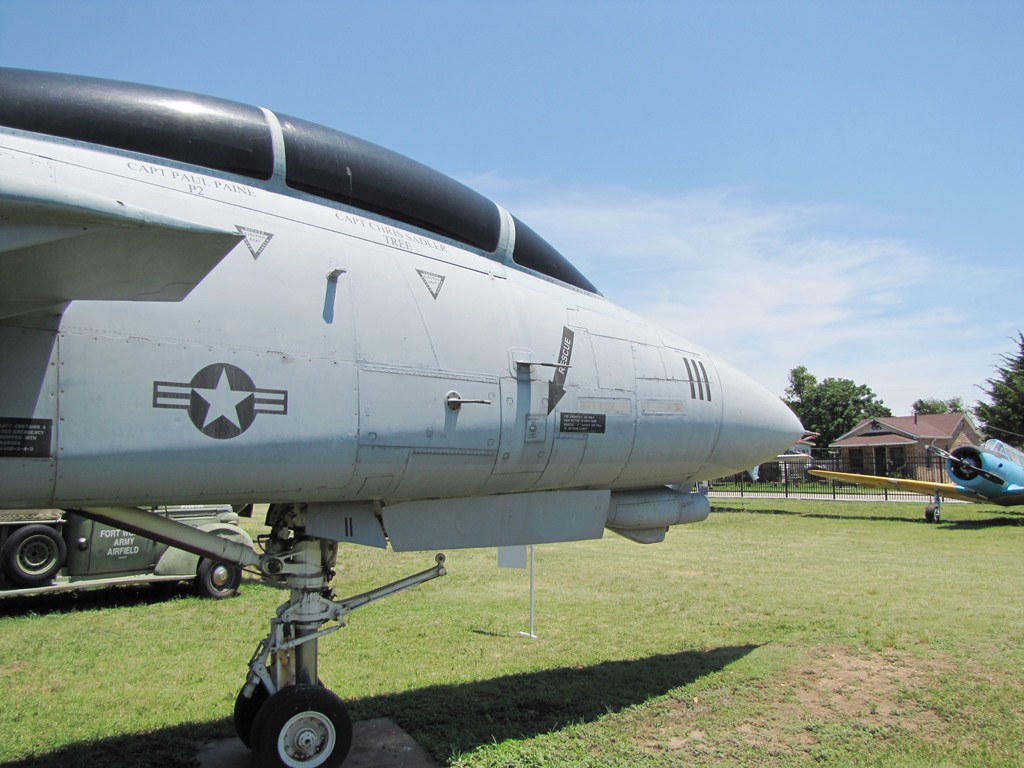
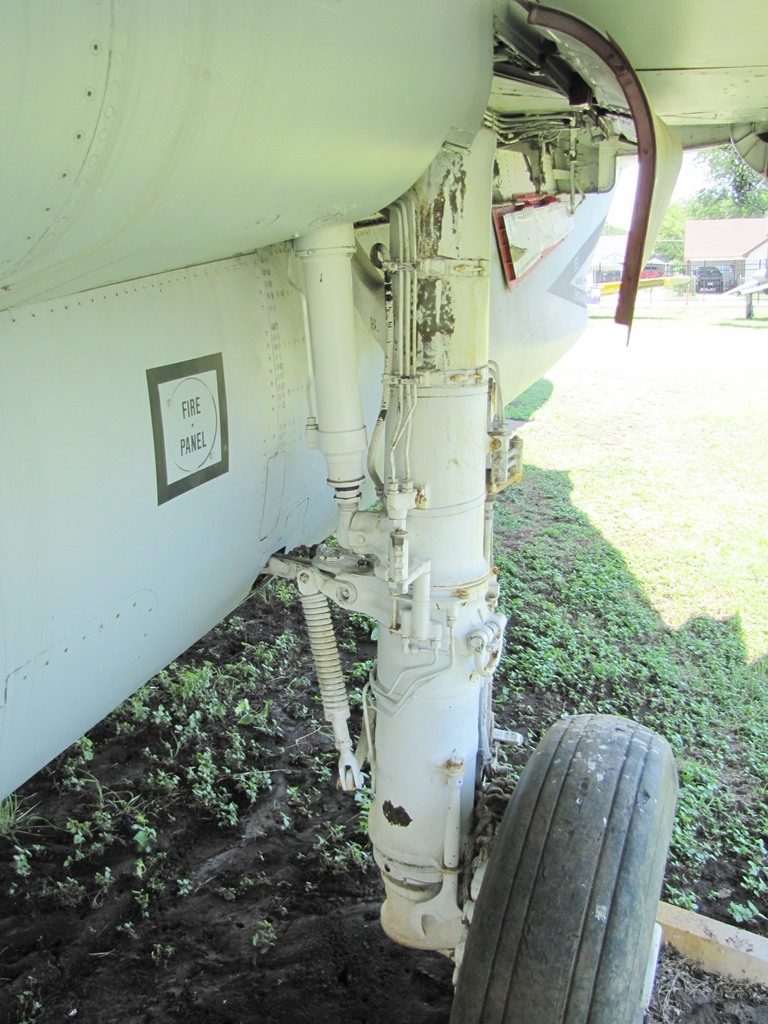
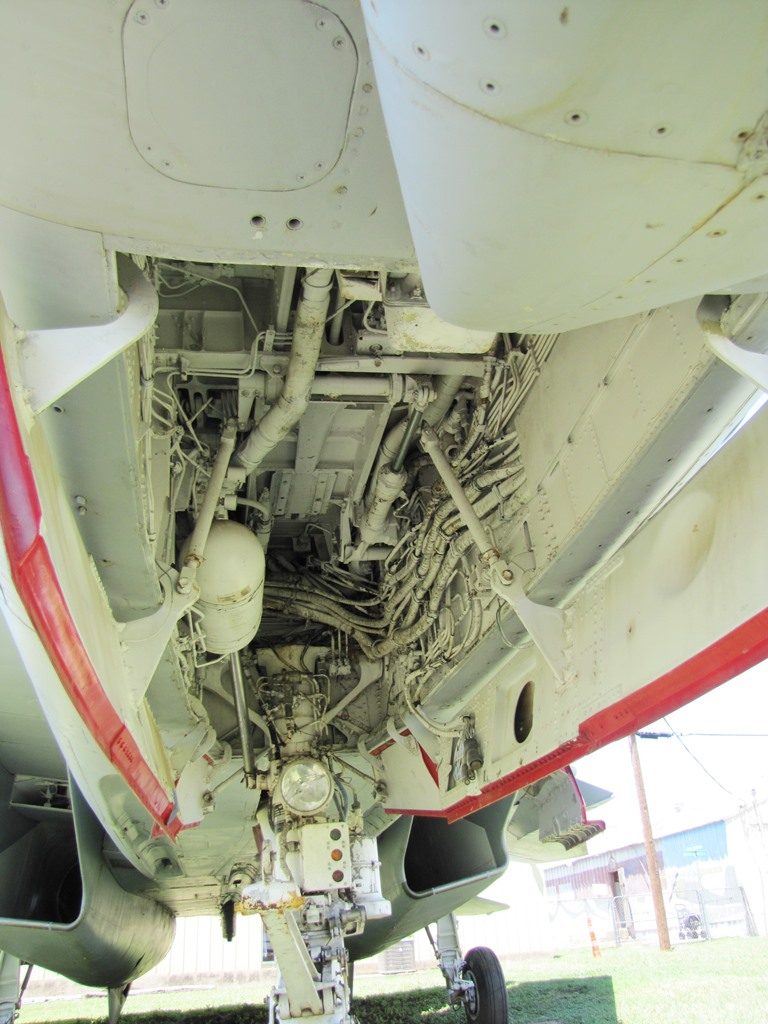
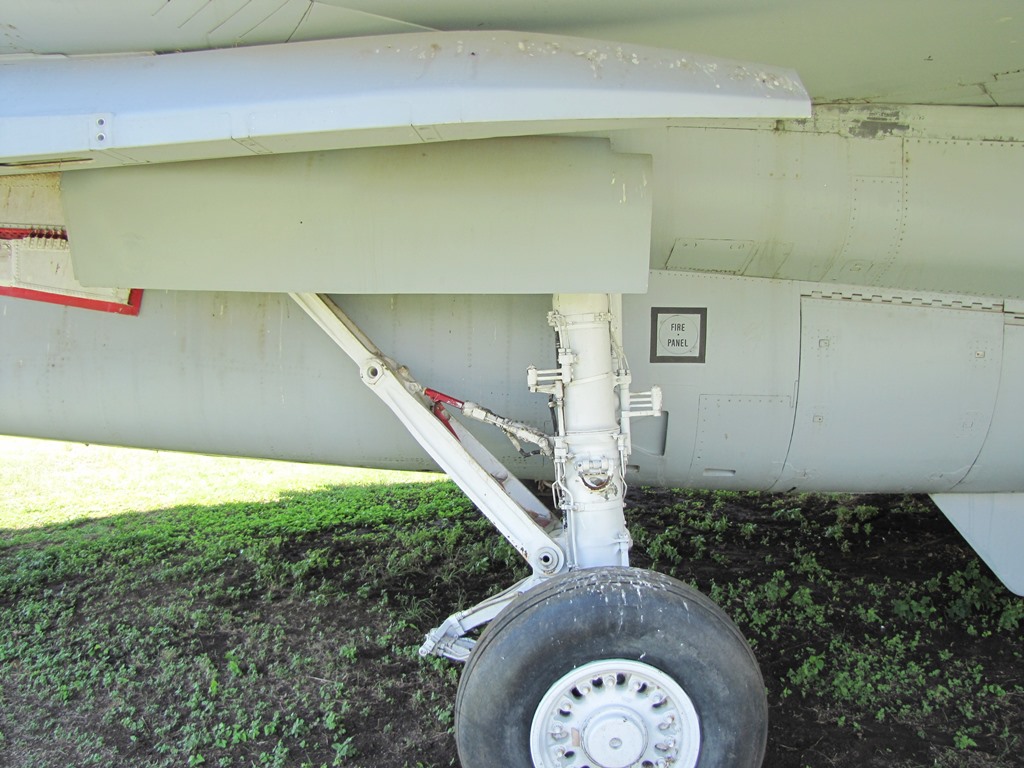
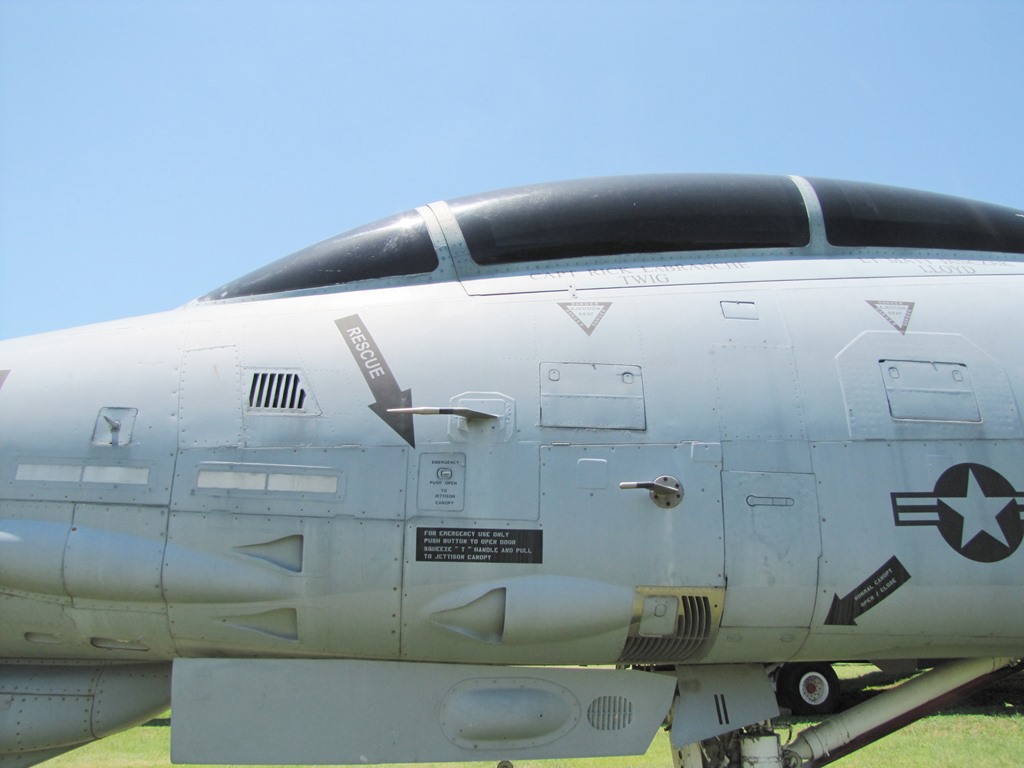
Photographed at Fort Worth Aviation Museum, Fort Worth, Texas, by Don Gilman.








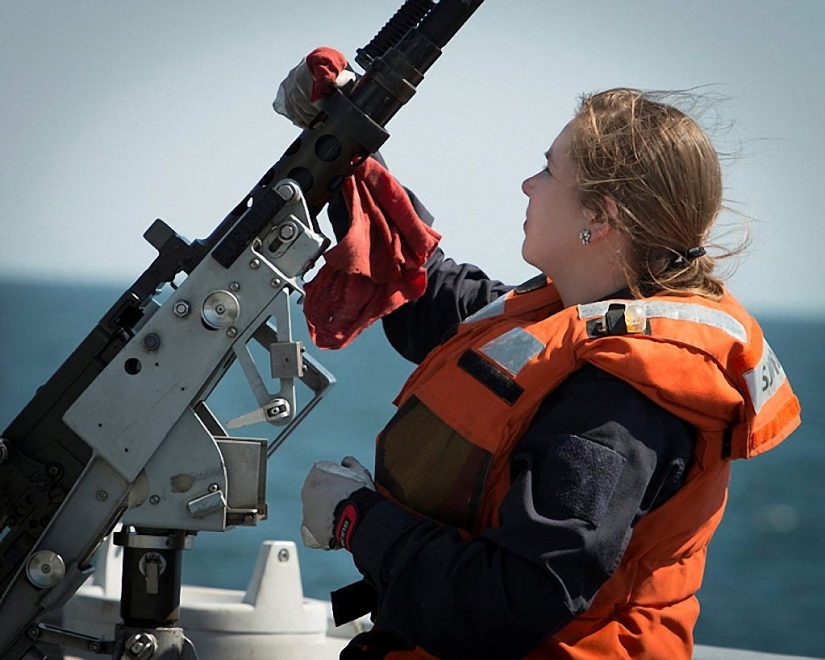
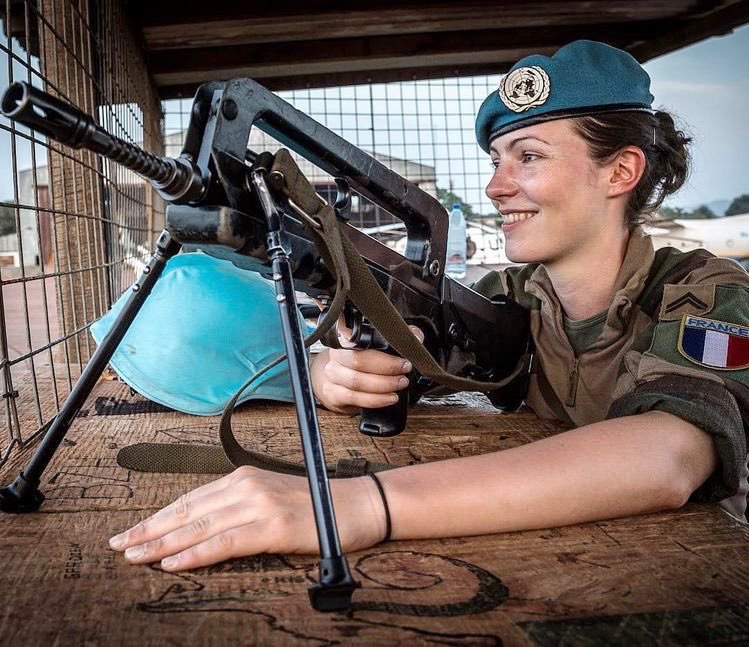


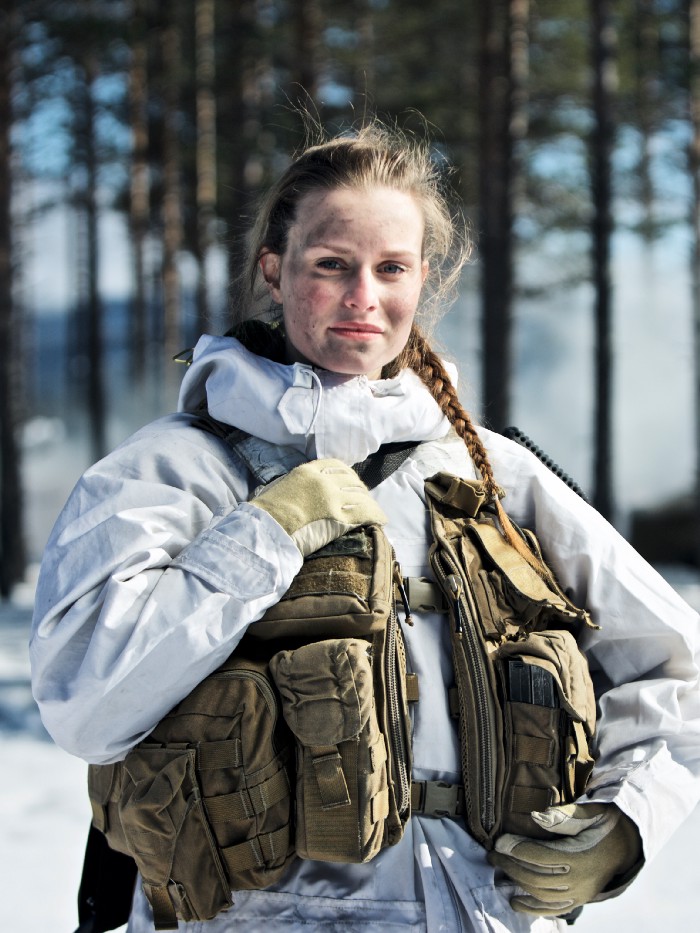




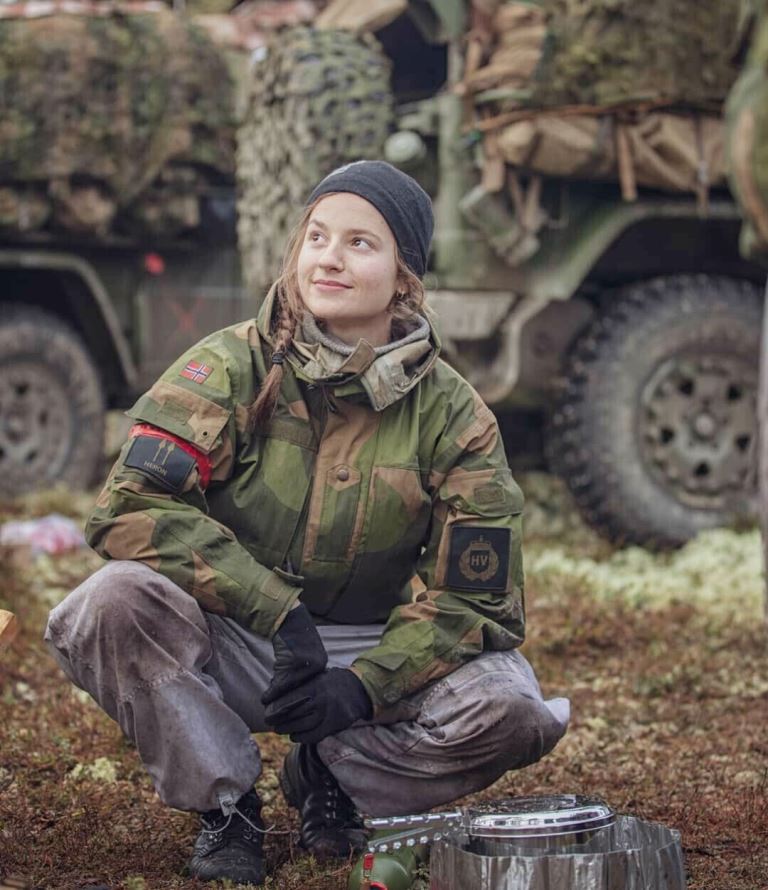
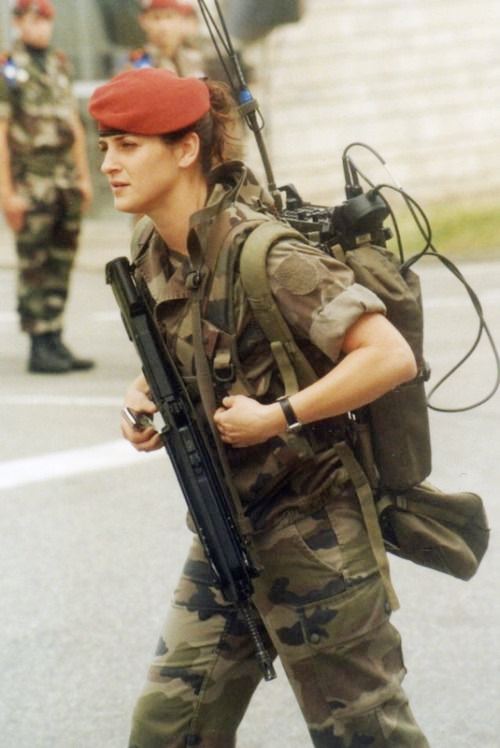
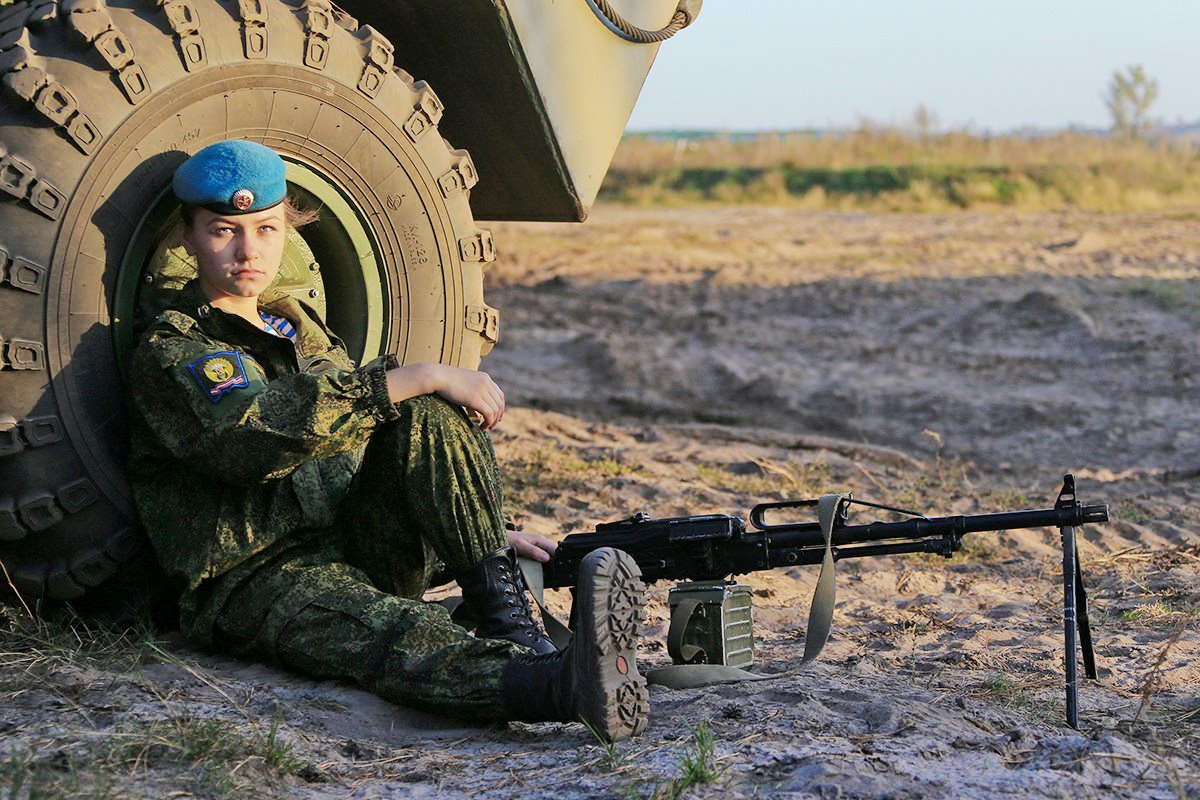
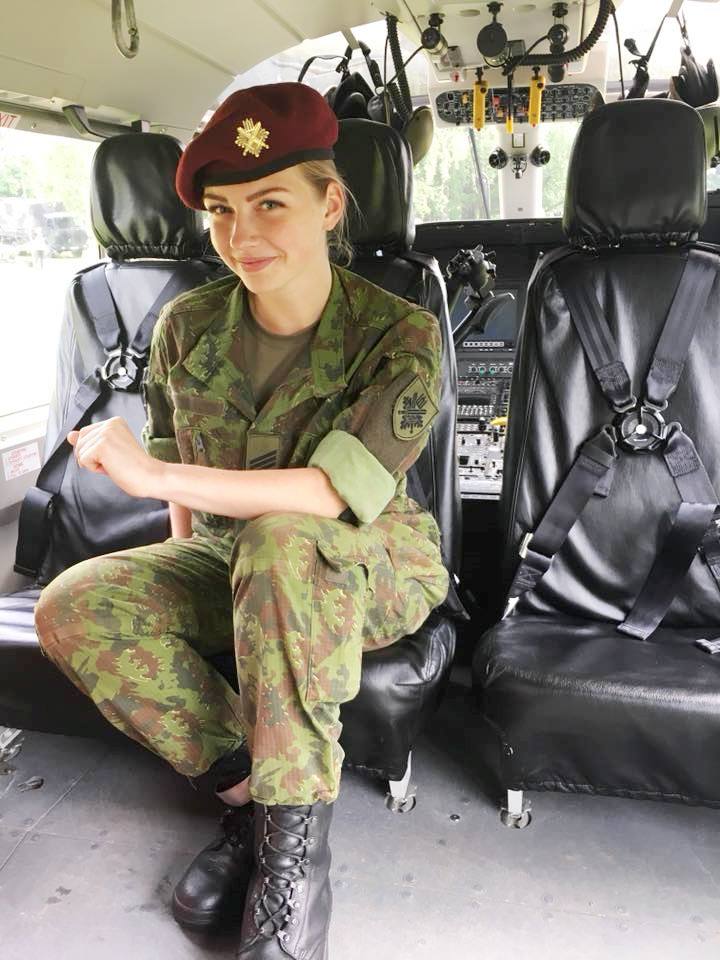
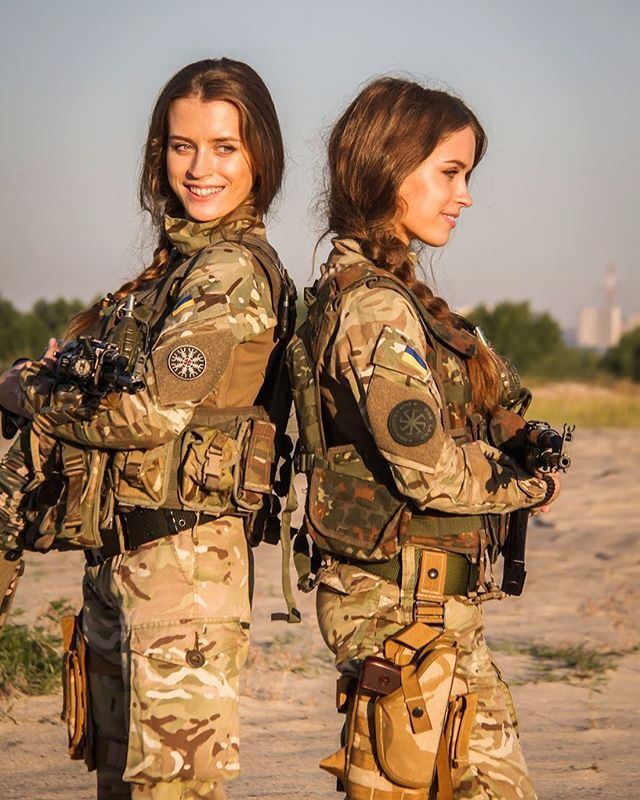
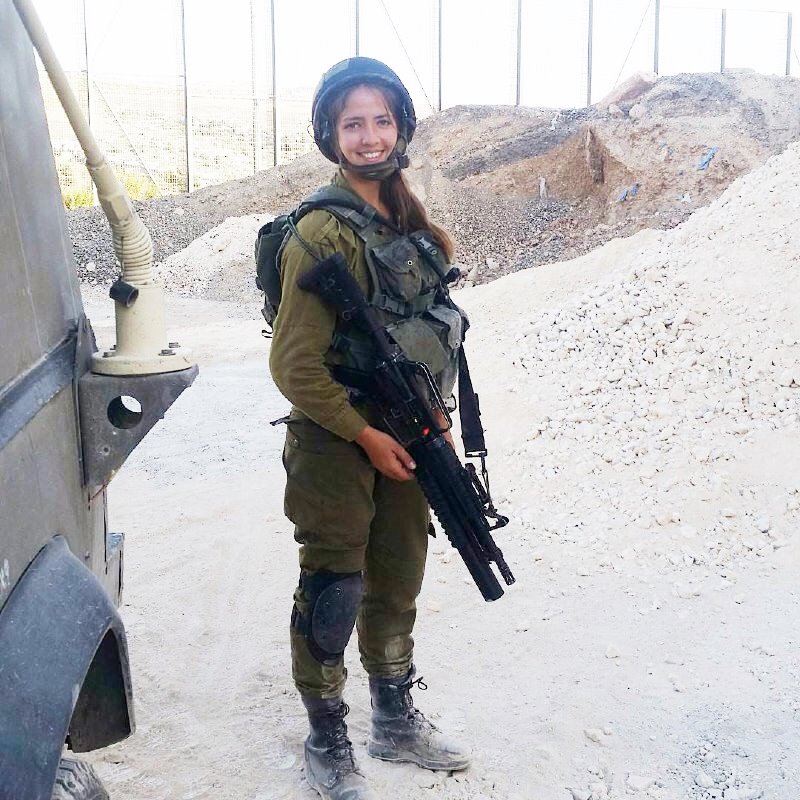
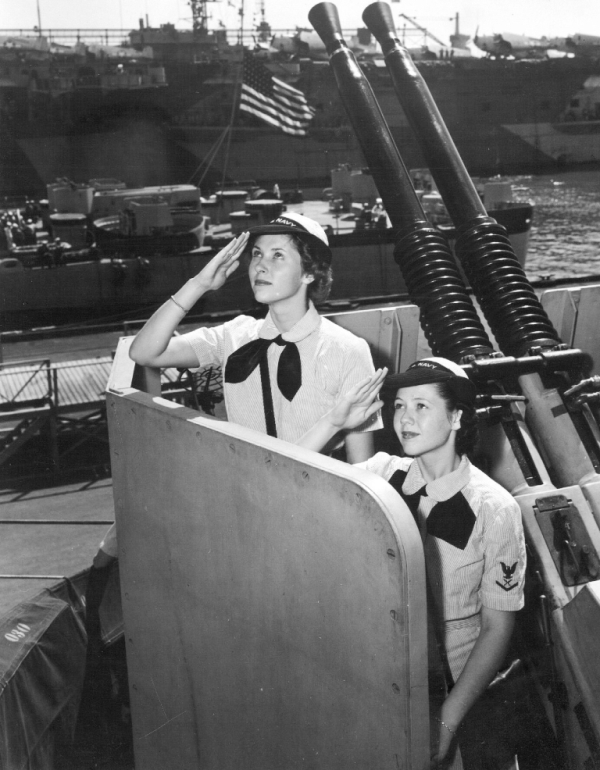
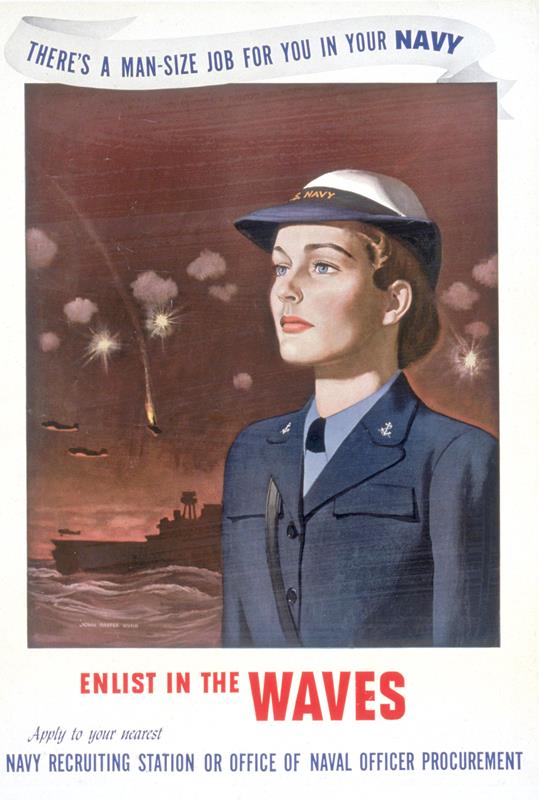


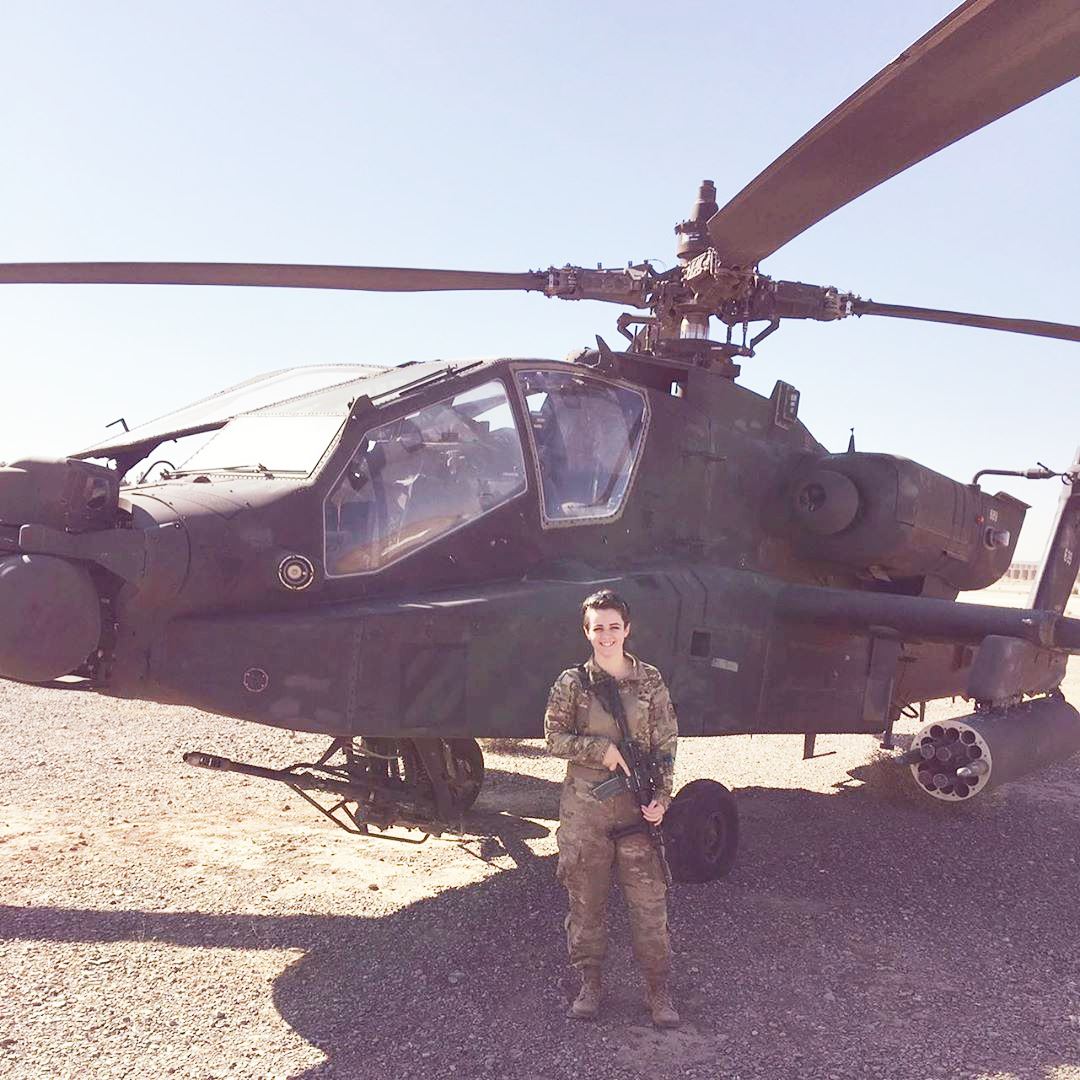
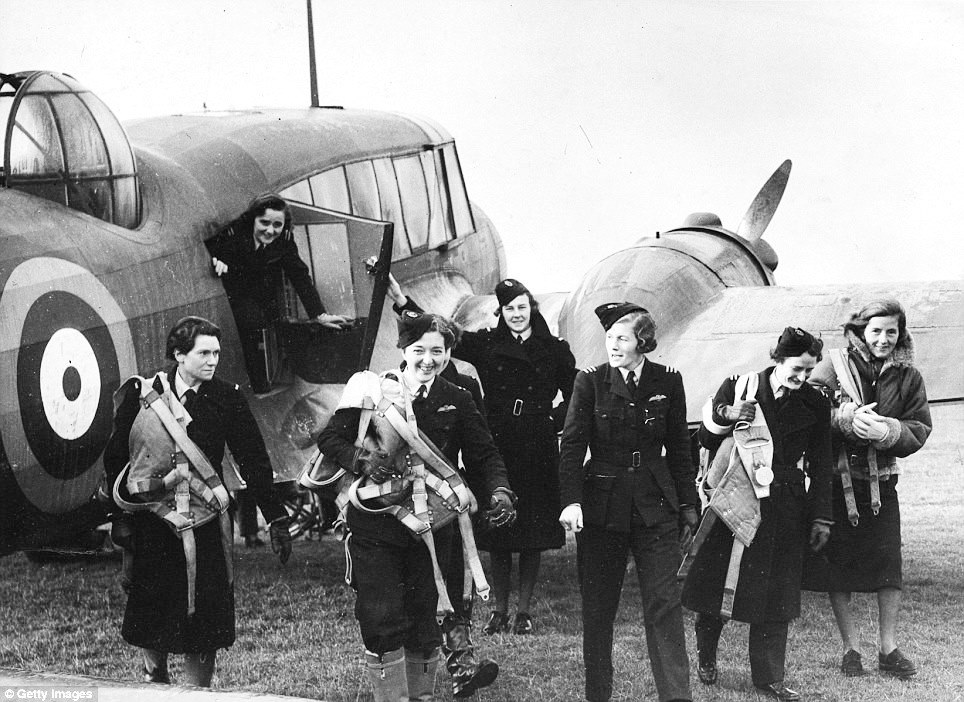
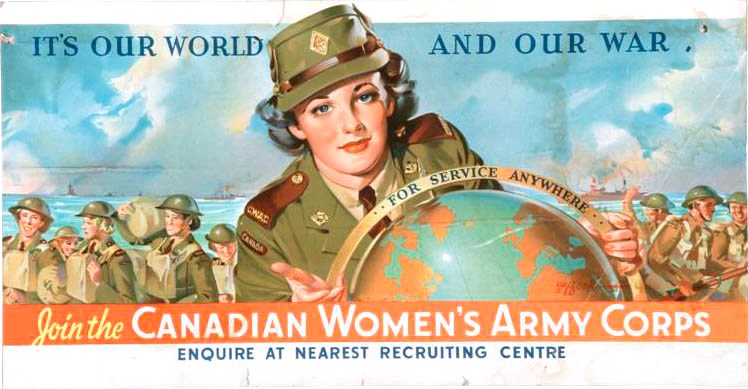

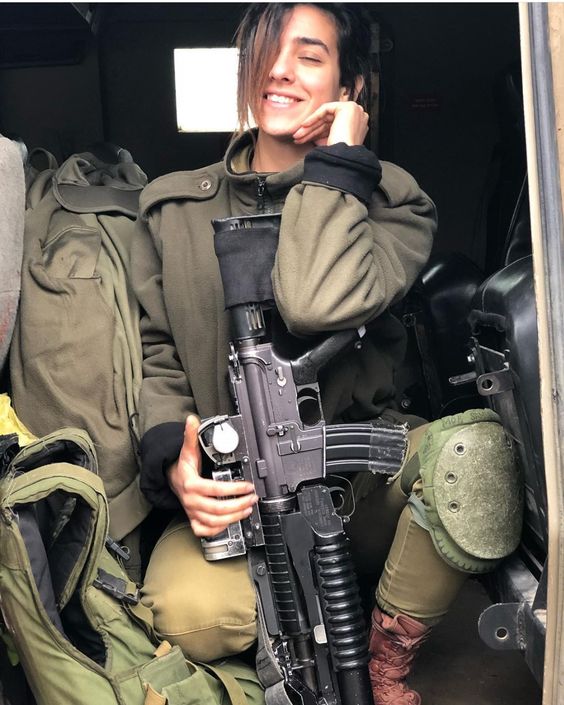
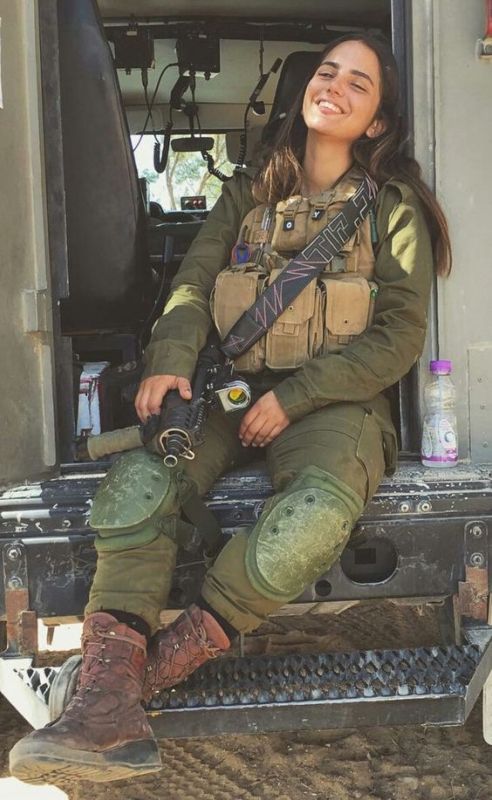
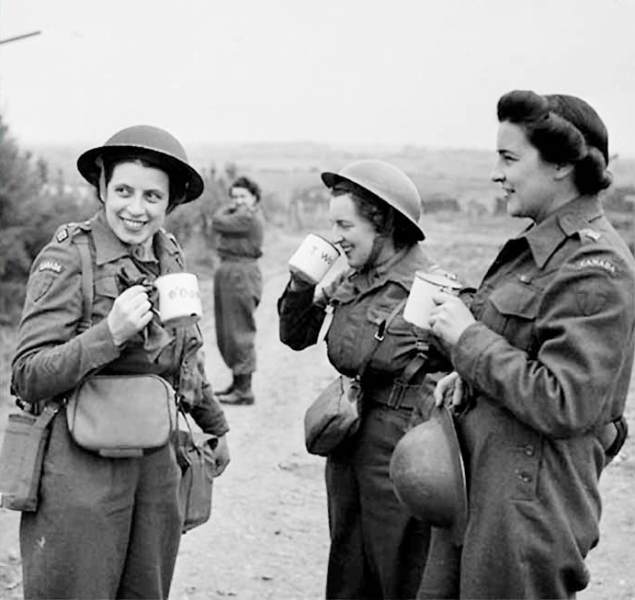
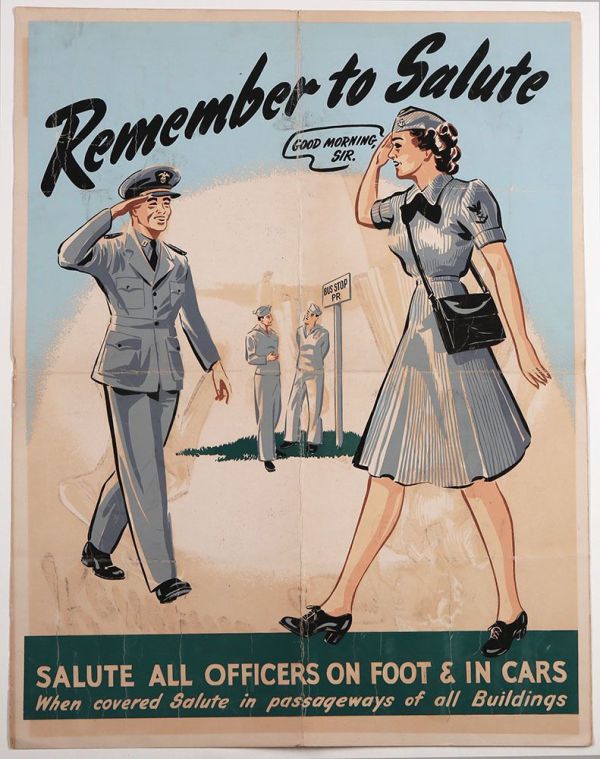
To see more Women Warriors, click on the tags below:

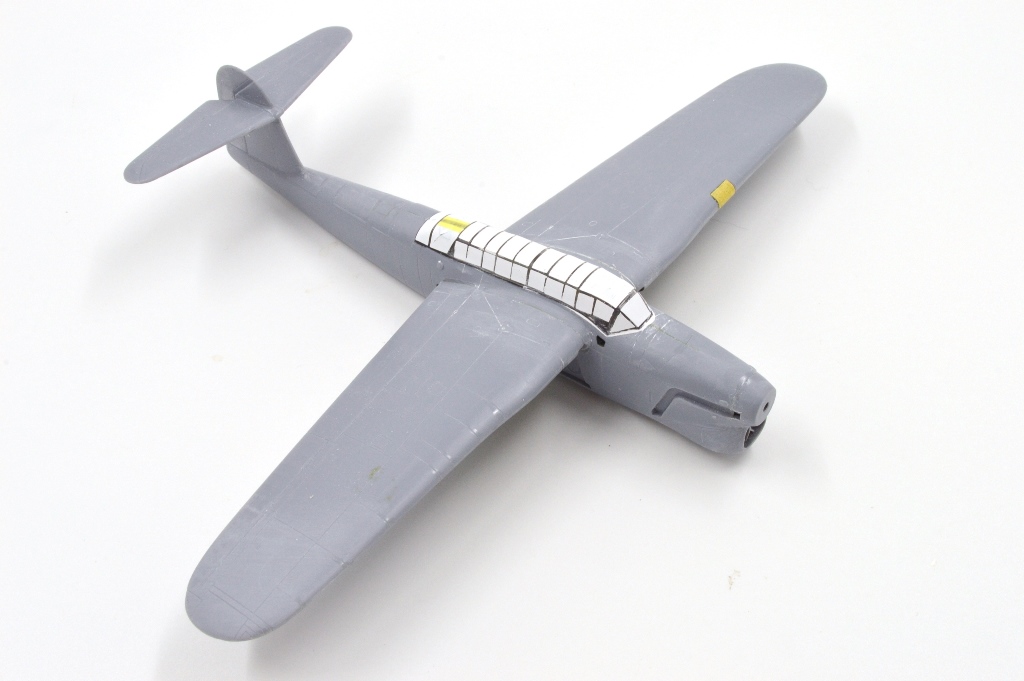
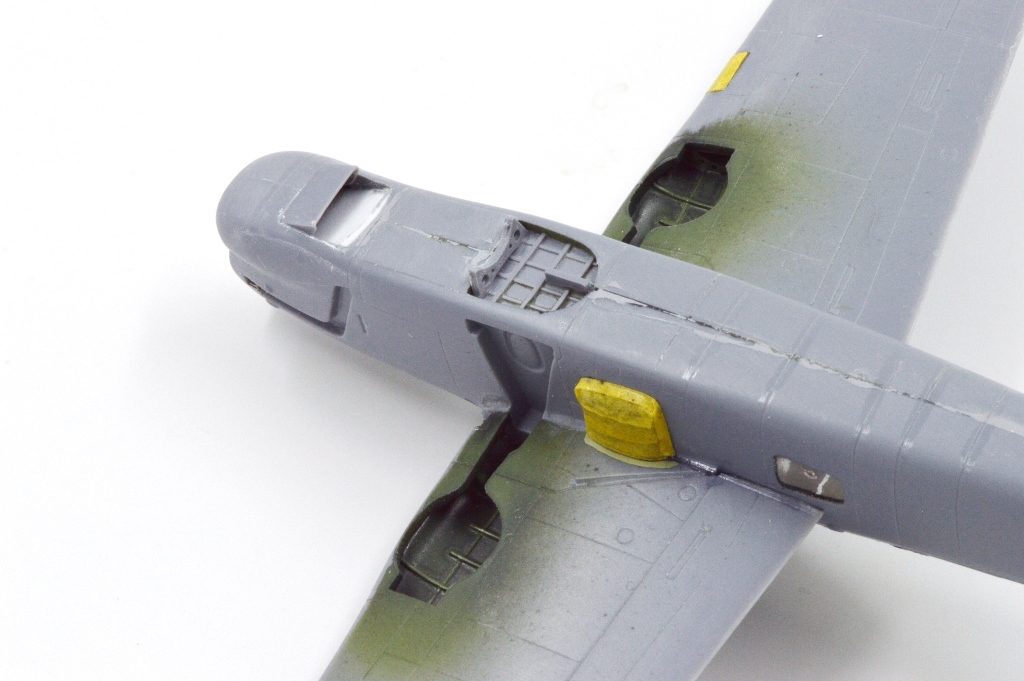
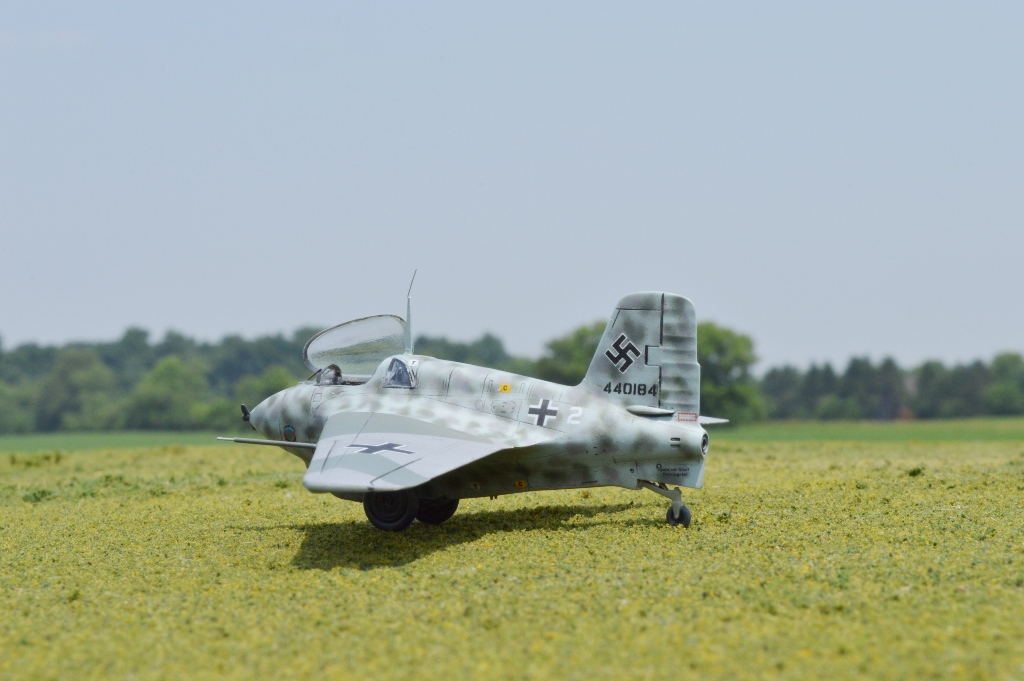
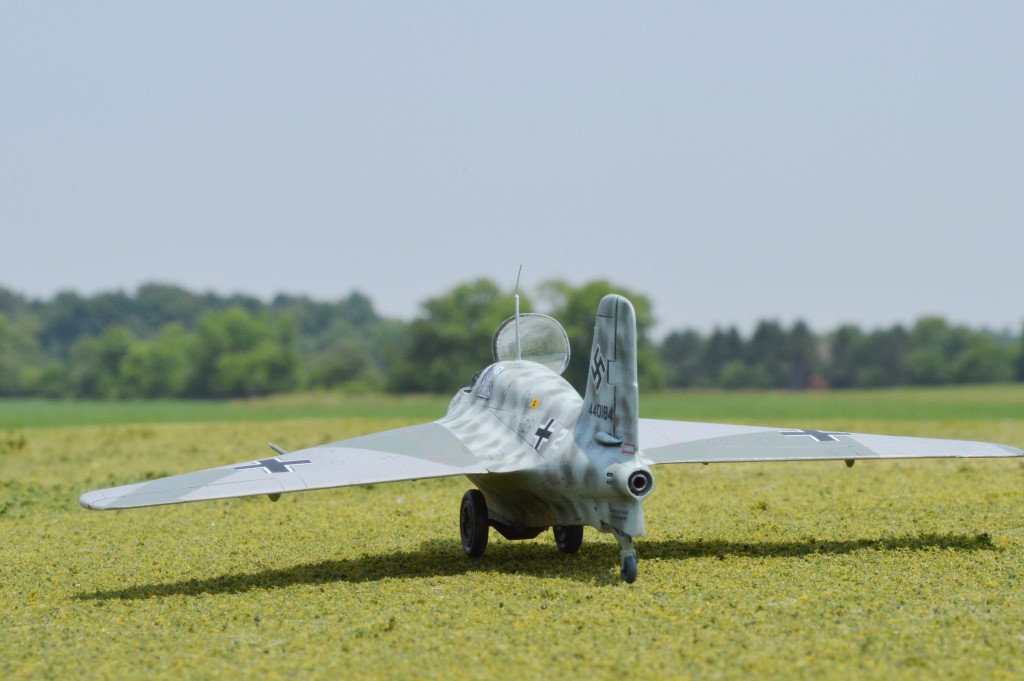
Kurt Schiebeler of 1./JG 400 survived 59 “sharp starts” (powered flights) in the Me 163, which may be a record on the type. “White 2” was a Messerschmitt-built Me 163B-0 and was the aircraft Schiebeler was piloting on 11SEP44 when he claimed his fist Komet victory, a B-17. He claimed a second Fortress on 01OCT44. Schiebeler survived the war.

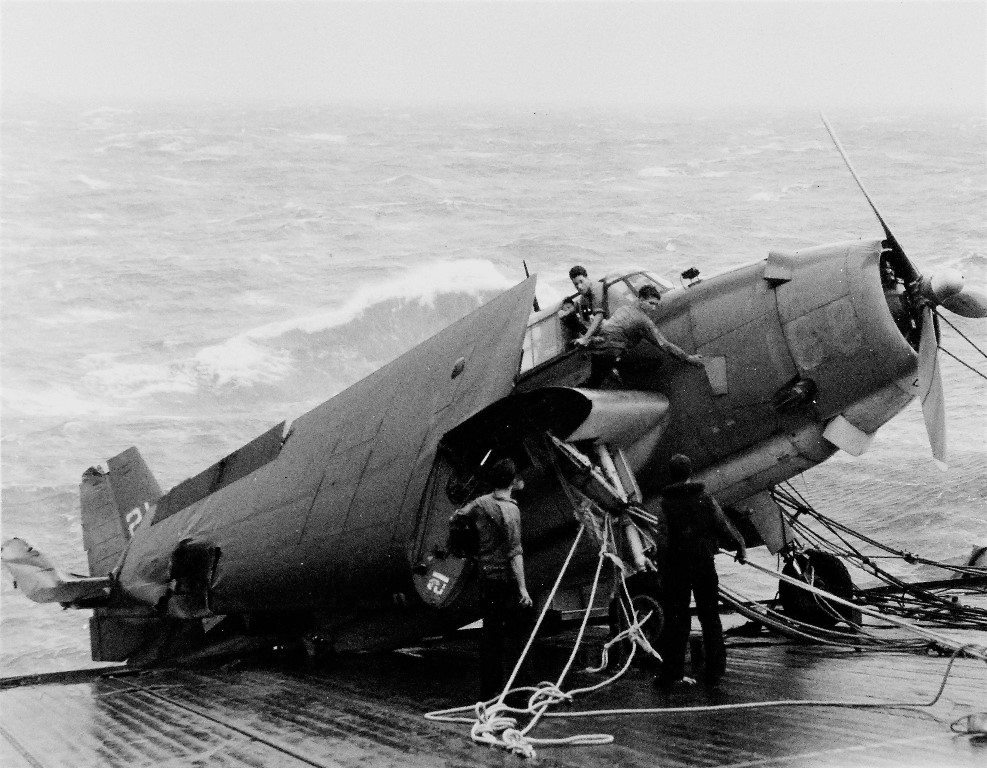
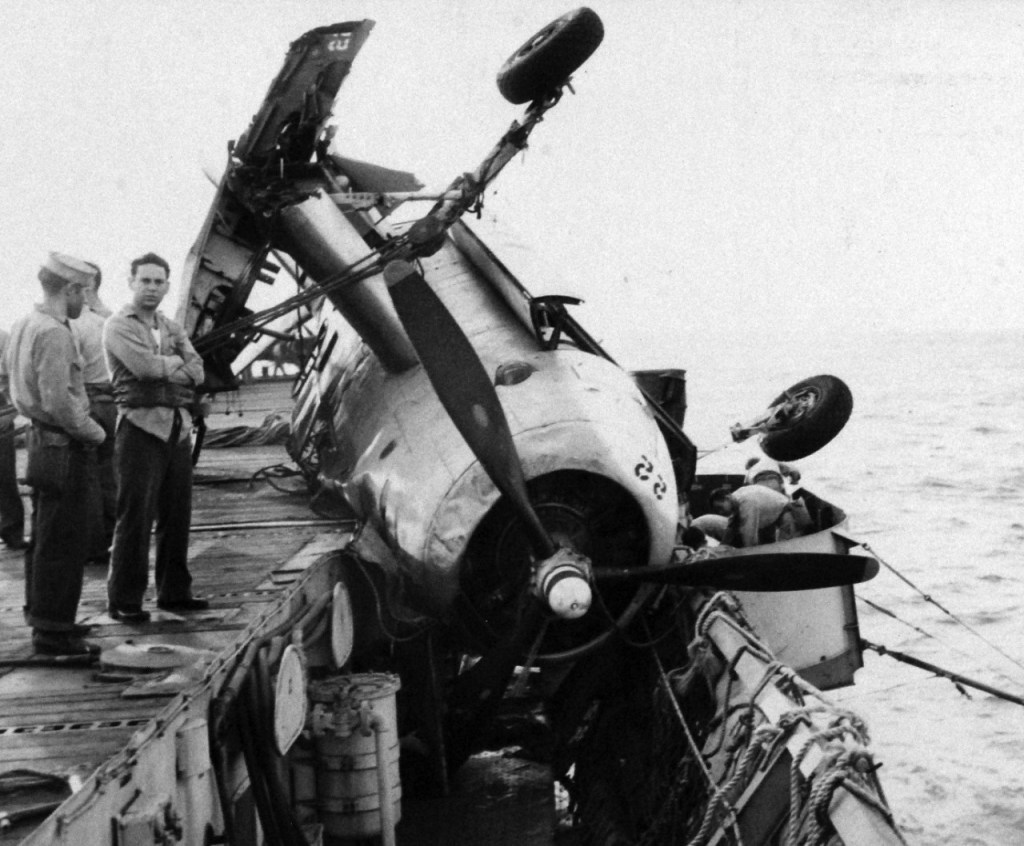
In addition to the three Destroyers lost during Typhoon Cobra, Task Force 38 lost a total of 146 aircraft destroyed or damaged beyond repair. Some aircraft which broke free of their tie-downs on deck simply rolled (or were washed) over the side, but an aircraft rolling free in a hanger deck became a missile, smashing anything in its way and often starting fires.
“Planes went adrift, collided, and burst into flames. Monterey caught fire at 0911 (18 December) and lost steerageway a few minutes later. The fire was brought under control at 0945 and the C.O., Captain Stuart H. Ingersoll, decided to let his ship lie dead in the water until temporary repairs could be effected. She lost 18 aircraft burned in the hangar deck or blown overboard and 16 seriously damaged, together with three 20-mm guns, and suffered extensive rupturing of her ventilation system. Cowpens lost 7 planes overboard and caught fire from one that broke loose at 1051, but the fire was brought under control promptly; Langley rolled through 70 degrees; San Jacinto reported a fighter plane adrift on the hangar deck which wrecked seven other aircraft. She also suffered damage from salt water that entered through punctures in the ventilating ducts. Captain [Jasper T.] Acuff’s replenishment escort carriers did pretty well. Flames broke out on the flight deck of Cape Esperance at 1228 but were overcome; Kwajalein made a maximum roll of 39 degrees to port when hove-to with wind abeam. Her port catwalks scooped up green water, but she lost only three planes which were jettisoned from the flight deck; it took one hour to get them over the side. Three other escort carriers lost in all 86 aircraft but came through without much material damage.”





Part I here: https://inchhighguy.wordpress.com/2023/06/14/typhoon-cobra-part-i/
The Witch Hunter Chronicles
Models built by a North American
My ongoing wargames projects!
Scale models, where they come from, and people who make them
Scale diorama tips and ideas
Let's build, and build again even if you won't build everything you have bought
A futile fight against entropy or 'Every man should have a hobby'? Either way it is a blog on tabletop wargames, board games and megagames
World War II with Scale Models
Illustrating Stories, Painting Miniatures, Reviewing Realms.
This is my ad free non-profit blog of my research notes on military history since April 2018.
Moving with the tides of history
Building and improving scale models
WHENEVER ANY FORM OF GOVERNMENT BECOMES DESTRUCTIVE OF THESE ENDS (LIFE,LIBERTY,AND THE PURSUIT OF HAPPINESS) IT IS THE RIGHT OF THE PEOPLE TO ALTER OR ABOLISH IT, AND TO INSTITUTE A NEW GOVERNMENT― Thomas Jefferson
Let's build and build again
This WordPress.com site is Pacific War era information
Scale Modeling and Military History
The best in WWII aviation history
Scale Modeling and Military History
Scale models from the sunny side of the Alps.
Scale Modeling and Military History
Scale Modeling and Military History
Scale Modeling and Military History
Scale Modeling and Military History
Scale Modeling and Military History
Scale Modeling and Military History
Scale Modeling and Military History
A blog about Modeling and life in general
 Inch High Guy