
KASIA WOLIŃSKA BURNING WITH BEAUTY AND DESPAIR: CHOREOGRAPHIES OF FIRE AND TRANSCENDING THE ART INDUSTRY
In the context of the new work Phoenix.Sun, premiering in Berlin at Tanz im August (August 2026) dancer and artist/writer Kasia Wolińska discusses fire as a force of destruction and regeneration, the entanglement of pain and pleasure in dance, and the precarious conditions of artistic production—what it means to create, perform, and believe in a time of uncertainty.
KAJET JOURNAL
Could you tell us more about Phoenix.Sun—how the project began, what set it in motion, and how its different threads came together in the process of making it?
KASIA WOLIŃSKA
It’s been quite a while since its conception. I started looking for partners in 2023, but everything collapsed initially. But I became obsessed with fire. I experienced a crisis, which I think of as a “burn down” rather than a burnout. At the moment, I’m co-writing a book with Anka Herbut, a Warsaw-based writer and dramaturg, about how to think of burnout as a function within a capitalist system and what happens if you shift the rhetoric towards something irreparable that radically changes ways of doing or thinking. I was looking for answers on why and how to do art without funding. And it was not only about having a job, there is something like a social death in the industry that one experiences if the (funded or visible) work is not there.
I then stumbled over Polish artist Władysław Hasior’s body of work, and Anka shared with me a TV show “Tete-a-tete with…” from communist Poland featuring him. There was something deeply moving and appealing in how he worked and thought about art, and I took him for my artist ancestor. I spent almost two years researching fire artistically and through anthropological and psychoanalytical perspectives. I looked at fire in pop culture and TV series like “The Last of Us.” What I was especially drawn to was an affective tension between awe and terror when we look at fire. Eventually, I pitched the project to Tanz im August curator Ricardo Carmona. It took a year to find partners and fundraise, but magical alignment happened with grants and partners this year. I assembled a team including a video artist and a musician. I invited people I had never worked with before, like Denis Kozerawski and Oleh Shpudeiko aka Heinali, because I was looking for collaborators who are not Berlin-based, or part of the local dance scene, and could contribute both artistically and methodologically to the project.

Still from the video work by Denis Kozerawski, Phoenix.Sun, 2026. 
Still from the video work by Denis Kozerawski, Phoenix.Sun, 2026. 
Still from the video work by Denis Kozerawski, Phoenix.Sun, 2026. 
Still from the video work by Denis Kozerawski, Phoenix.Sun, 2026.
KAJET JOURNAL
How has your relationship with the different elements of the work—the body, sound, video, and light—evolved since the project’s inception?
KASIA WOLIŃSKA
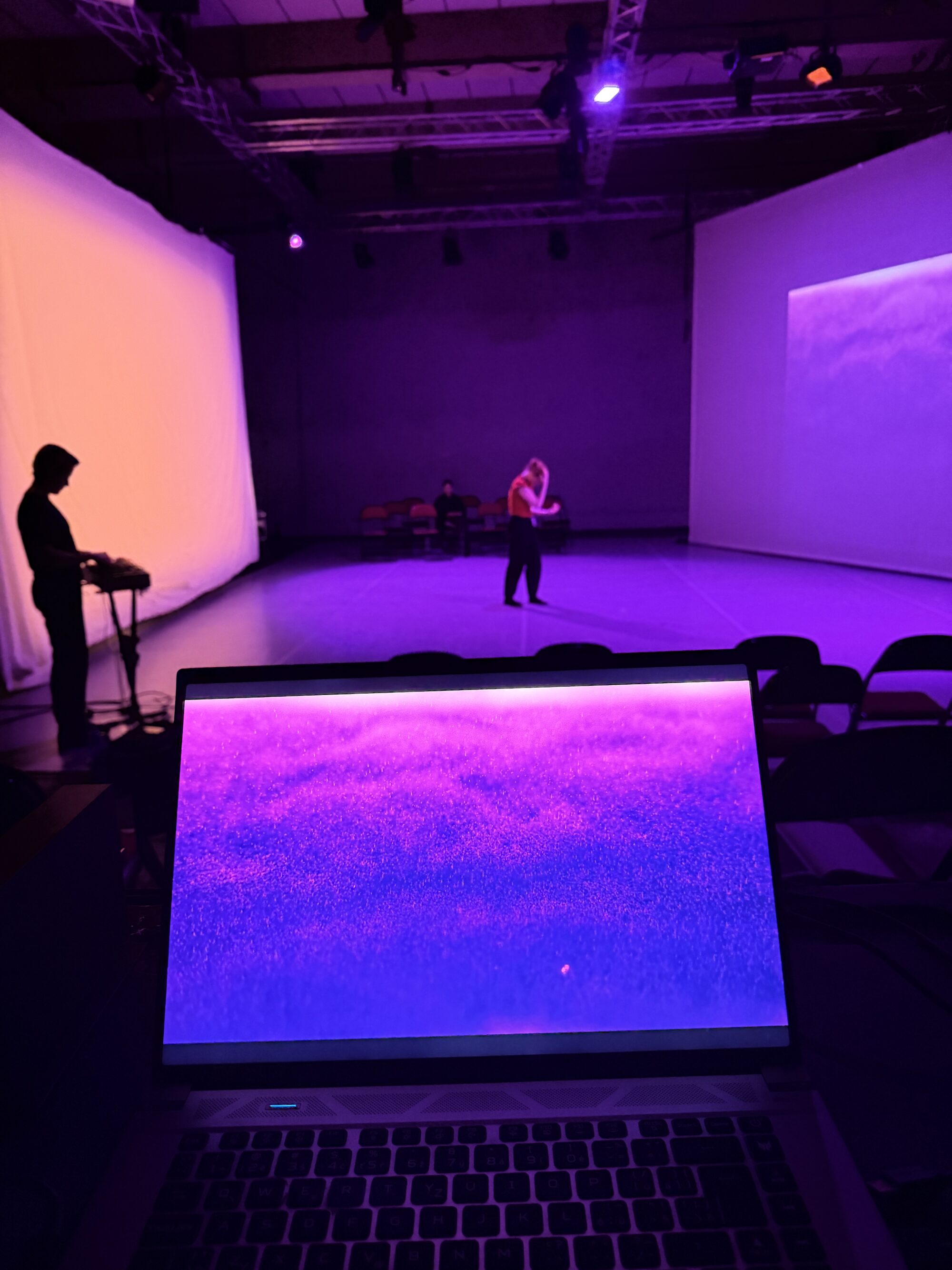
I decided to unsettle my working methods with this project, renewing through change and abandoning some of my previous patterns of thinking and making art. In the studio, Denis (video), Oleh (music), Jette (dramaturgy), and I worked for only two weeks together. Regardless of the challenges of such collaboration, I find translation between media exciting because of the different affordances of sound, video, and the body. However, the body has a different temporality than video, which takes a long time to develop and render, while it also has a capacity to document and generate affective propositions, which I am continuously curious about. Music was closer to dance in that regard because Oleh worked on a modular synthesiser and could make things up quickly.
I wanted to allow my collaborators not to be in the service of the choreography. We think of a certain autonomy for each medium. Each element—sound, video, and dance—should ideally be able to exist on its own. While dancing is the core and it is a solo, Oleh is playing live on stage, making it a duet. The composition, the interweaving of all elements, constitutes a polyphony that allows for ambiguity. I am the one making final decisions, but something emerged that is beyond what I could generate in my imagination. Unsettling the method proved to be a good method as it led to having a structure by the end of the residency, which was hosted by one of our co-producers, Studio Hrdinu in Prague, in July 2026.
KAJET JOURNAL
For the upcoming issue of Kajet, our sixth edition, which we aim to publish before the end of 2026, you also contributed with a wonderful text that emanated from Phoenix.Sun. Without giving away too much from it, you write about how your work can also be seen as an “incantation against hope.” Can you expand on this?
KASIA WOLIŃSKA
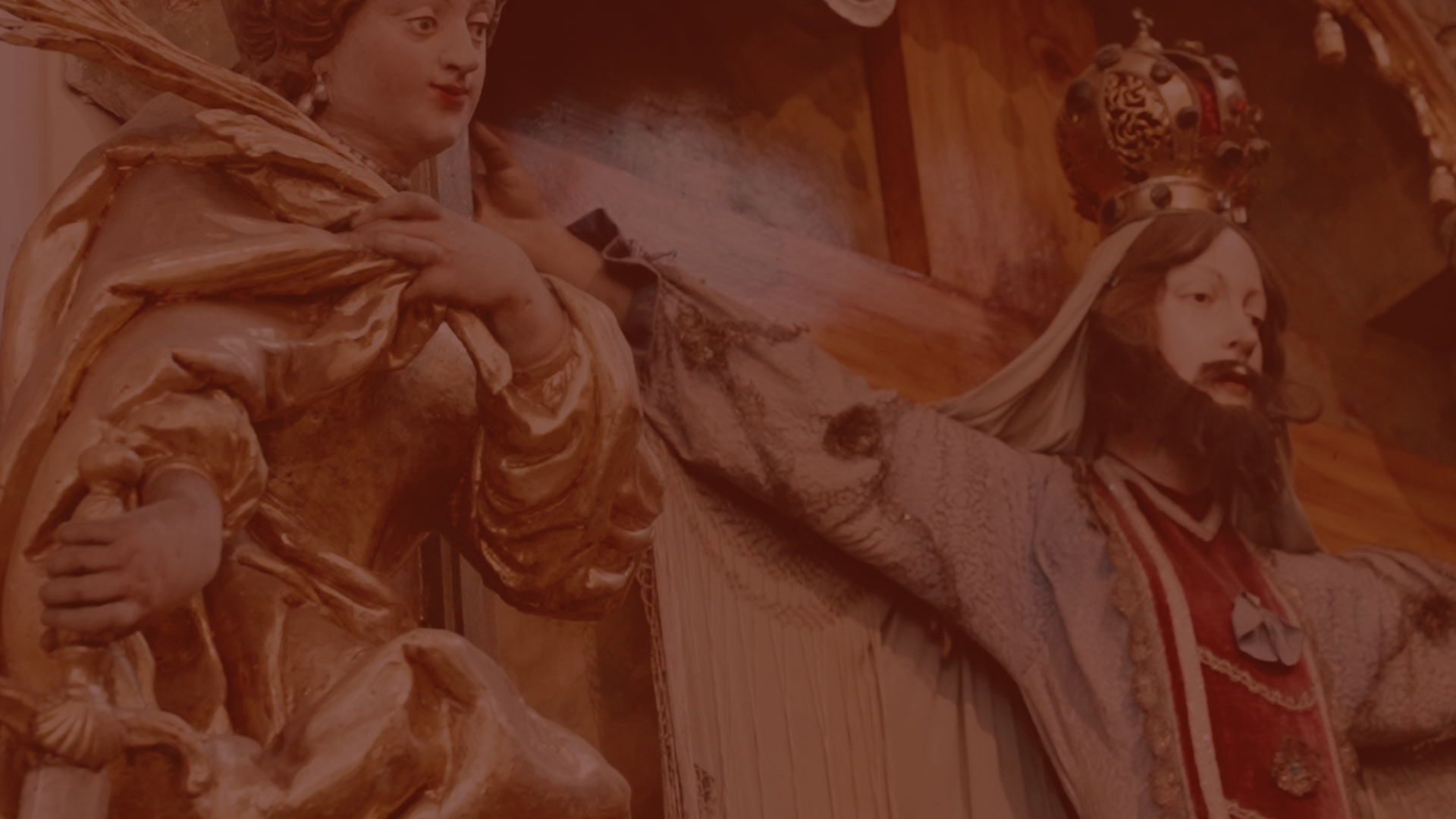
Doing this project, or any art project, at least in my experience, is a leap of faith. There has to be some form of belief or irrational investment. Having been raised Catholic in Poland, I carry a troublesome legacy that nevertheless continues to drive me as an artist—it engages me with questions of performative structures, meaning production, symbols and relationalities that deal with the communal and the transcendental. “Against hope” is meant as a critique of certain New Age engagements with the planet, which are framed by capitalist logic and imperial attitudes of discovery and remedy, reviving some knowledge (cosmic, indigenous) as universal while remaining oblivious to historical conditions of its development and demise. We are part of nature, yet there is so much separation. In such a context, I am interested in a renewal of the self that is ecological and trans-subjective, uncommodifiable, and disobedient.
I advocate against hope as a false promise of a better time or an escape from the present. I am pessimistic about climate change and anti-fascism. From a place of despair, however, it can become more generative to fight: it forces you to disbelieve, and from such a condition to feel and perceive the world differently. If we look at what is happening around us, to our planet or societies, there is a sense of perhaps no time left. What do we do in such circumstances, from which place do we act? At the same time, I want to diverge from the rhetoric of the end times, or decentralise it, because, although I tread such a diagnosis carefully, I think it is mostly an articulation of the decomposing West looking at itself, while other places and people have been living on different timelines, experiencing ends and renewals (or lack thereof) differently.
But all this is also why I am interested in burning as an act of protest, and in its ritualistic dimensions: marking time, communal renewal, and the ways ritual and religion produce meaning across generations. I dislike the word “spirituality” because it tends to make these experiences personal or singular or individualised. Religion, for me, points instead toward something shared—a collective negotiation of meaning. Effigies, pyres, and other forms of ritual burning belong to this history of communal regeneration, while they also write a history of violence without redemption or beyond repair.
I have also been thinking about self-immolation, particularly through Ana Vujanović and Bojana Cvejić’s work on trans-individuality. Self-immolation can be understood as an act of despair, a final leap of faith whose consequences are impossible to know. It may release an energy that becomes translated into a mass protest, or it may simply disappear. The significance of such an act is often assigned only afterwards, as was the case with Mohamed Bouazizi and the Arab Spring, while countless other acts have produced no movement at all. This uncertainty interests me in relation to protest, risk, and the cultural performativity of burning.
Fire also has a strong material dimension. I feel a visceral attraction to it, even though I am conscious of its destructive potential. What fascinates me is its capacity to transform matter completely. This is different from other elements: fire does not simply submerge or alter the body; it consumes and annihilates it. That is part of what draws me to the paradox of destruction and rebirth, which the phoenix makes visible as a mythological figure and, for me, as a broader dynamic within ecological, psychic, and social life.
The Australian Black Summer of 2019, one of the most intense fire seasons on record in Australia, made this particularly tangible. The scale of destruction was almost beyond comprehension, with around a billion animals estimated to have died. Yet accounts of the fires, the testimonies of the survivors, also describe astonishment, silence, and the gradual return of life. Forests regenerate, though never by simply returning to their previous state. Some trees possess bark that protects living tissue through the fire; birds eventually return to the landscapes of ash. There is a possibility of regeneration, but it is not a restoration of what existed before.
This is important to me in thinking beyond the capitalist logic of individual recovery and self-optimisation. Even personal burnout cannot, I think, be understood solely as an individual problem to be solved through therapy, medication, or self-care. This is partly why I have become interested in religion again—not as something to romanticise, but as a form of community, shared meaning, and collective mobilisation. And from such an angle, I have been researching it, letting it inform my artistic practice and how I approach dance and performance.
Fire itself contains this tension. You can ignite it, but you cannot entirely control what follows. This brings me back to Gaston Bachelard and his distinction between Prometheus and Empedocles, which I also explore in the text that will be published in Kajet that you mentioned. Prometheus represents the domestication of fire and the human aspiration to master nature; Empedocles, in contrast, chooses to become one with the element through self-annihilation. That tension between mastery and surrender is also central to how I think about the artistic act, particularly as a performer and dancer.

Still from the video work by Denis Kozerawski, Phoenix.Sun, 2026. 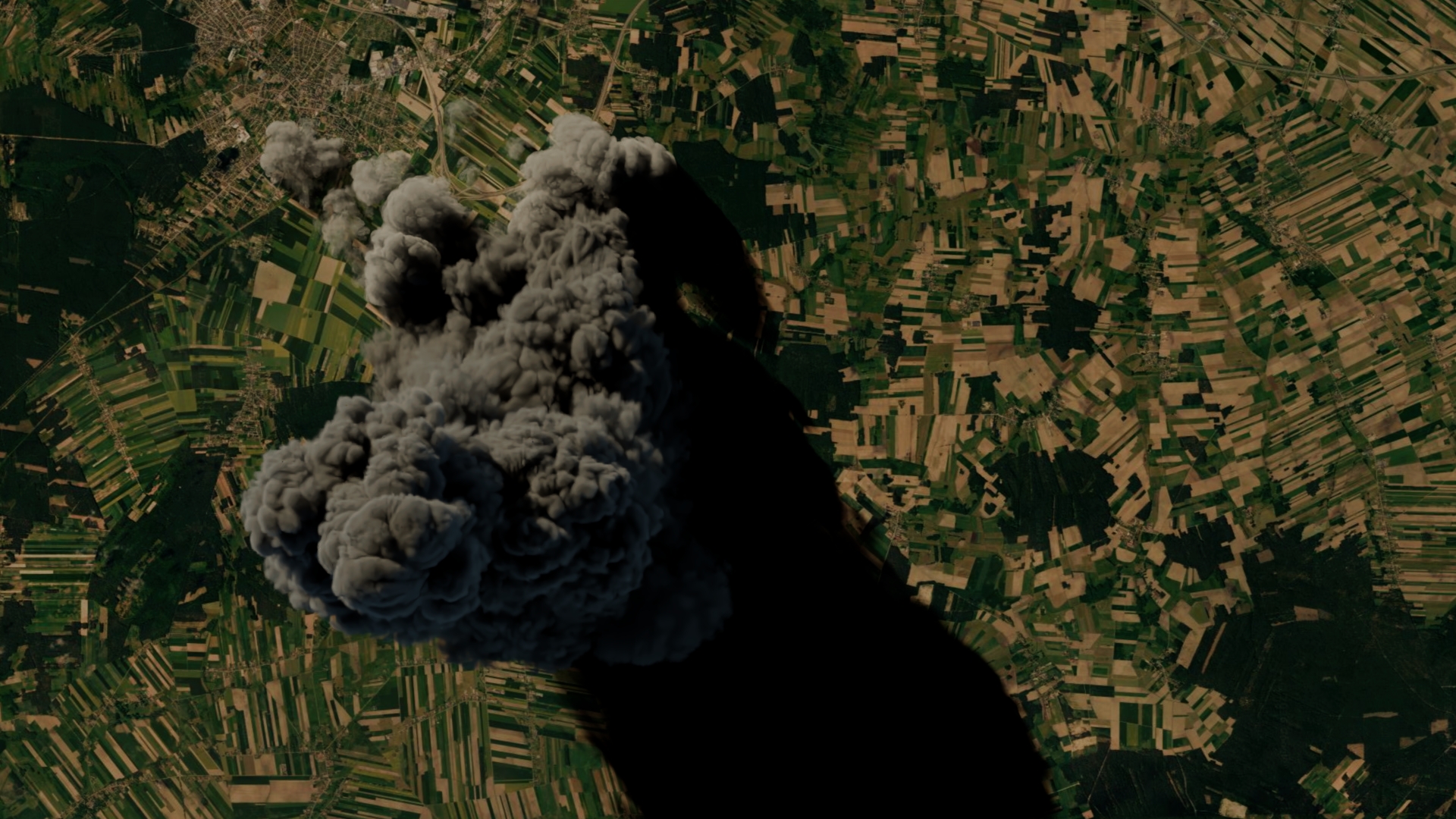
Still from the video work by Denis Kozerawski, Phoenix.Sun, 2026. 
Still from the video work by Denis Kozerawski, Phoenix.Sun, 2026. 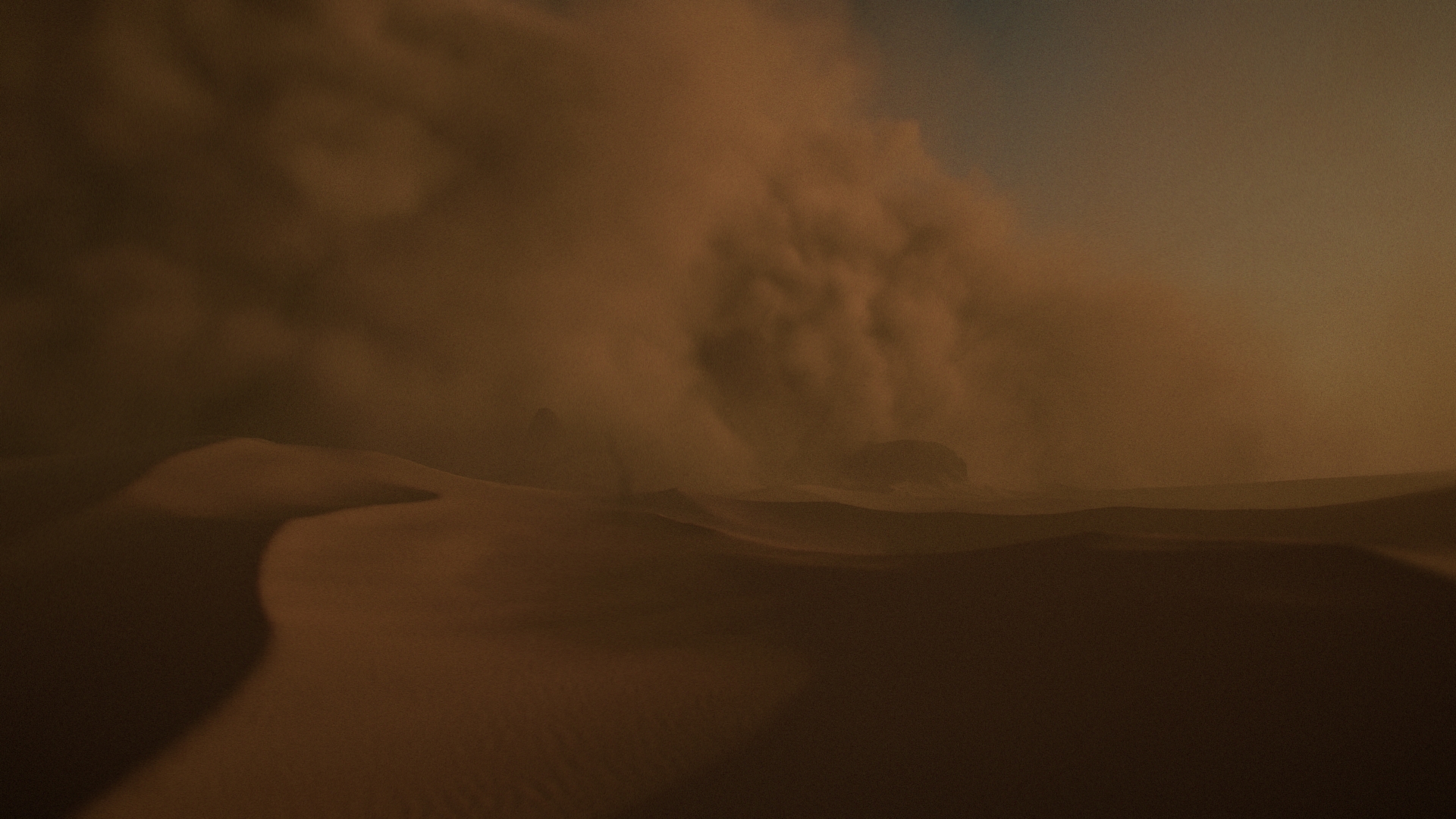
Still from the video work by Denis Kozerawski, Phoenix.Sun, 2026.
KAJET JOURNAL
You mentioned your puzzlement with the aesthetics of violence, fire, and what became fundamental to your research, namely, the pyro-aesthetics, seem to embody this tension particularly strongly: it can produce both pleasure and pain. I’m interested in how these two experiences become intertwined in your work. How do you understand this relationship between pain, pleasure, and fire in the work?
KASIA WOLIŃSKA
For me, the question of pain begins with dance. Being a dancer is not simply my profession; it is a way of being in the world. During the crisis I spoke about earlier, the deepest pain was not the social death or the feeling of being declassed, but the possibility that I would no longer be able to dance. I had to find ways to continue, but on my own terms, thinking both of how I persist through the challenging period, but also insist on a long-term perspective.
Dancing requires a particular relationship to pain. The kind of dance I do involves an extreme strain on the body, and that pain is unavoidable. Yet the body has an extraordinary capacity to forget. You remember the circumstances—the position you were in, the moment when you could no longer get up—but you do not remember the sensation itself. Perhaps this is part of what allows us to return to experiences that were painful.
In this work, I feel that intensity very strongly. You either do it fully or not at all. You have to immerse yourself in the process and surrender to a certain psychosomatic experience. In that sense, it comes close to ritual: you enter into it, and some kind of transformation has to happen through you and to you. That transgression of the body’s limits is inevitably painful. Every physiotherapist or doctor I have worked with has told me that what I do is not healthy (even though they admired the labour of dance). But I would not describe it as suffering. More and more, I am interested in finding pockets of pleasure, rest, and regeneration within the work. It cannot be only pain.
There is also something in performance that goes beyond either pain or pleasure. Performing live, in front of people, produces a feeling I find difficult to describe. You can explain part of it through adrenaline, but for me there is something immaterial and almost transcendental about it. This is also why I approach art as more than a profession. We were looking at Mark Rothko’s paintings, for instance, and his interest in creating an affective experience that moves between the artwork and the viewer. That exchange is important to me, and I think it has to be salvaged from the logic of product consumption and market-oriented evaluation.
But all of these possibilities are framed by the conditions of artistic production. Art is often presented as a space of possibility, while in reality it is also a space of limitation. When art-making depends on funding, selection, festivals, and institutional recognition, the artist becomes subject to a particular regime of value.
I have experienced both sides of this. After a period of disappearance and invisibility, being chosen again is deeply pleasurable. It is a privilege to make this work, with this team and these partners, and I want to celebrate that. But I also know that next year I might be without work again. The high of being chosen, seen, and recognised can be powerful enough to keep people invested in an industry whose deeper structures are often exploitative, and remain largely unchallenged.
This is why I cannot separate the work from its infrastructure, or an art content from a method of its production. We can make beautiful things, but what happens if they are financed by dirty money or produced through the exploitation of others? I think the art world has begun to ask these questions, but not nearly enough. Even principles that are genuinely important to us—feminist, decolonial, anti-capitalist—can be captured by capital. Once you reach a biennial or receive recognition, you have, in some sense, played the game. There is nothing necessarily wrong with that, but it raises the question of where the limits of compromise lie. Can we do things otherwise?
I would like us to question not only how art is funded, but also the structures of selection, curation, and status-distribution that determine who gets to make it. Because beneath all the ideals of artistic freedom, art-making remains, to a large extent, a space structured by wealth and privilege, a mechanism of the status quo reproduction rather than a way of transcending it.

Still from the video work by Denis Kozerawski, Phoenix.Sun, 2026. 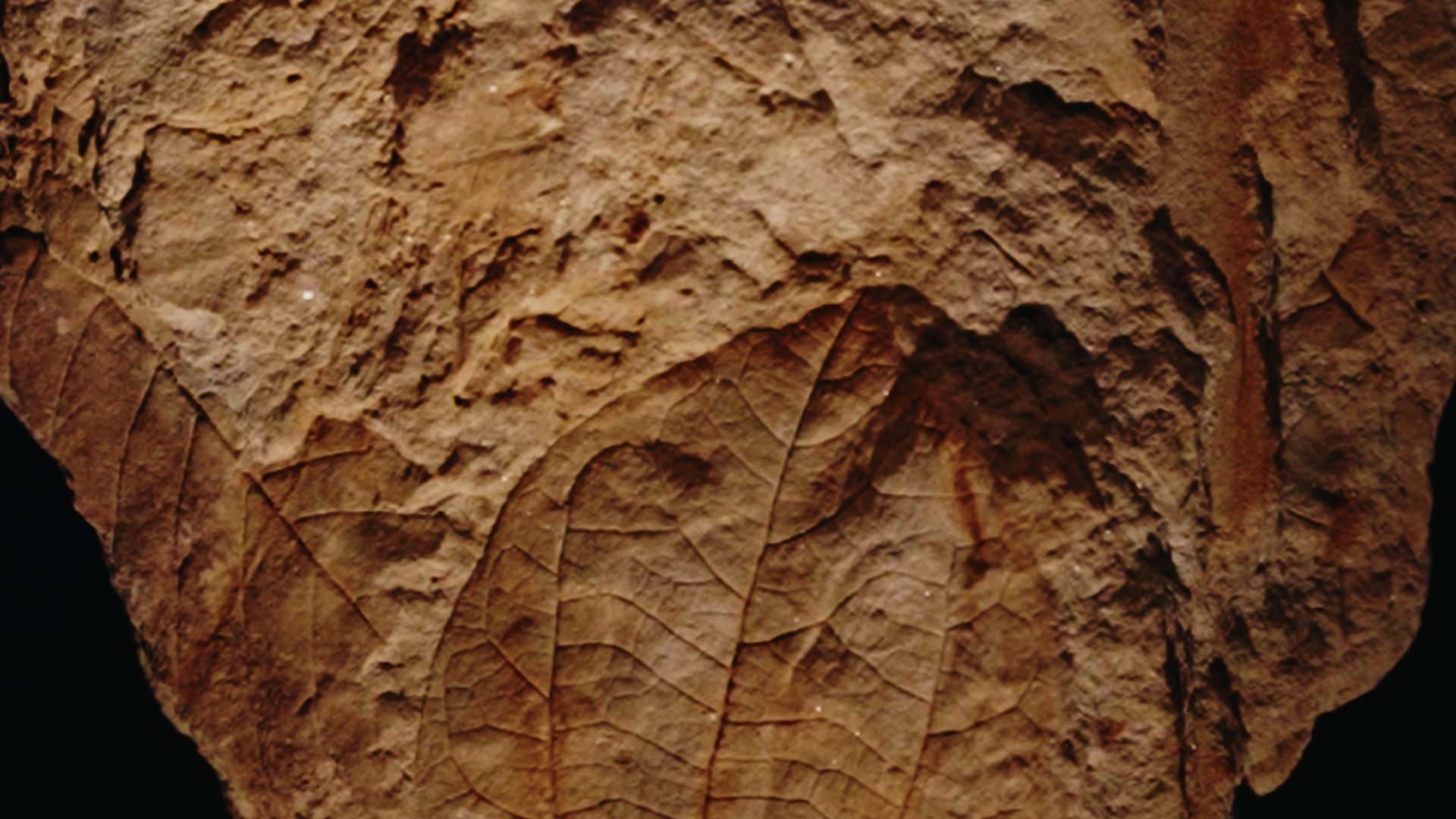
Still from the video work by Denis Kozerawski, Phoenix.Sun, 2026. 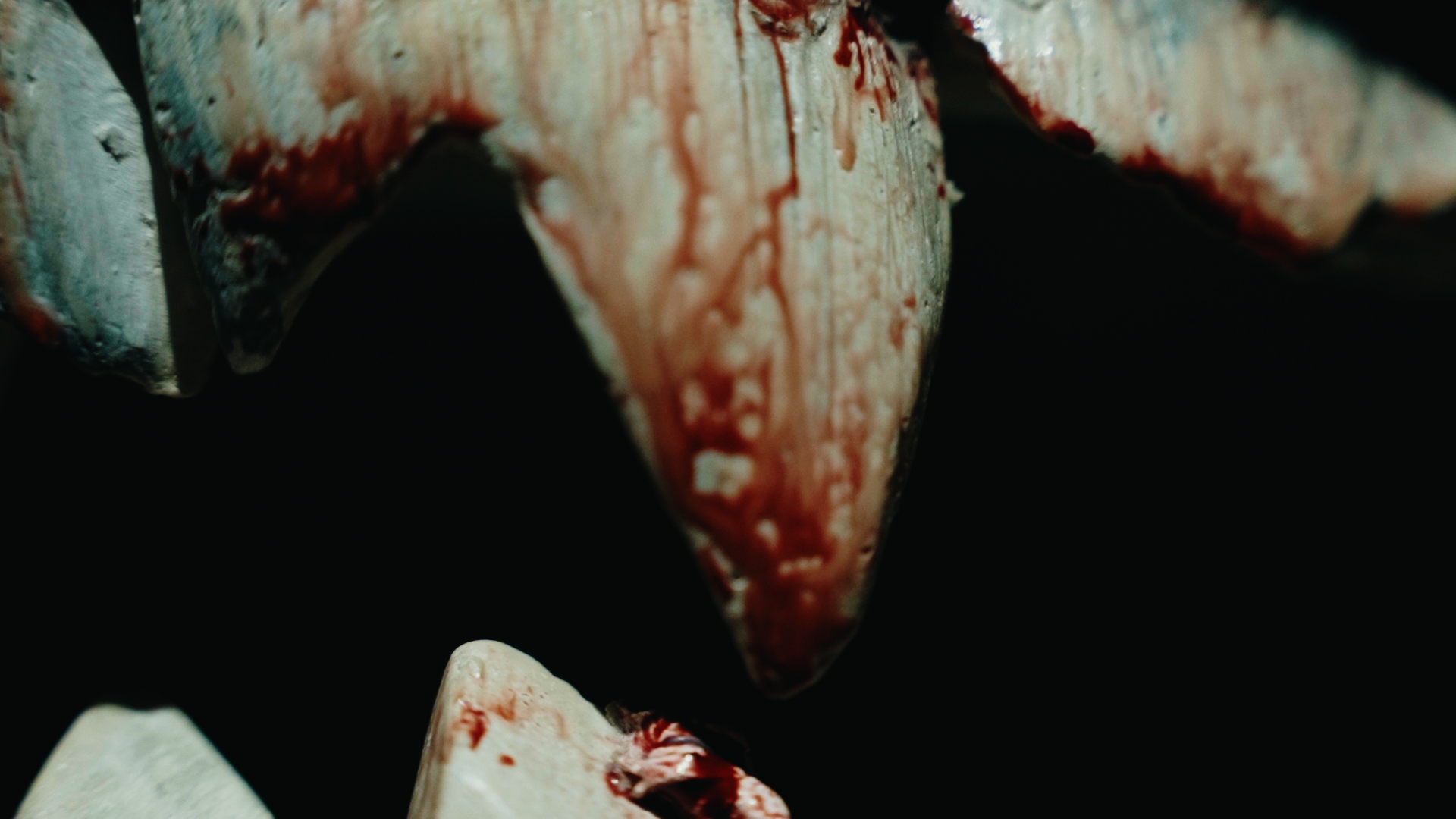
Still from the video work by Denis Kozerawski, Phoenix.Sun, 2026. 
Still from the video work by Denis Kozerawski, Phoenix.Sun, 2026. 
Still from the video work by Denis Kozerawski, Phoenix.Sun, 2026.
Concept, choreography and performance: Kasia Wolińska
Musical composition and performance: Heinali
Video: Denis Kozerawski
Dramaturgy: Jette Büchsenschütz
Choreographic consultation: Jasna L. Vinovrški, Martin Hansen
Costume: Ewa Wolińska, Henriette Zimmerman, Kasia Wolińska
Light design: Hanna Kritten Tangsoo
Production: Zuza Kubiak, Madla Zelenková, Kasia Wolińska
Tour manager: Zuza Kubiak
Coproduction: Tanz im August / HAU Hebbel am Ufer, Adam-Mickiewicz-Institute and Polish Institute Berlin; Studio Hrdinů, Deutsch-Tschechischen Zukunftsfonds, Culture Moves Europe, Festiwal Ciało/Umysł, Narodowy Instytut Muzyki i Tańca, Miasto Stoleczne Warszawa
Partners: Im_Flieger, Bears in the Park/Residency Program, Lokomotiva, Stanica, Polka Dot Foundation, Gdański Archipelag Kultury
Kasia Wolińska is a dancer, choreographer and writer, born in Gdańsk, based in Berlin. Her artistic and discursive engagements traverse the realms of historical, contemporary, and speculative bodymind techniques, alongside intersectional feminist and socialist frameworks. She is committed to the training of dance as a life practice and the formation of (sort of) politics, while remaining a sceptic in regards to the arts industry. She is a part of a transnational collective systering, and a former board member of the ZTB e.V.
Cover image: Portrait of Kasia Wolińska taken by Hanna Fasching