Posts Tagged ‘calculations’

h1

2026 WINTER OLYMPICS: Why Ski Jumpers Need Math

February 15, 2026

Air resistance is a significant factor used by ski jumpers to increase their jump distance.

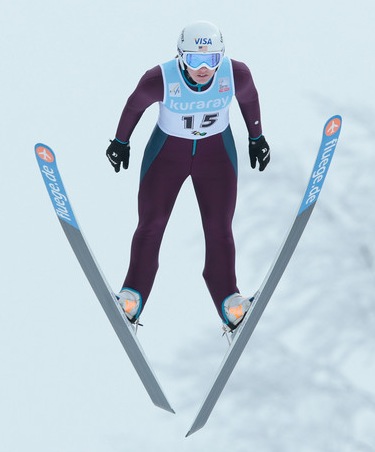
Ski jumpers crouch going down the ramp to reduce their X-section area and therefore their air resistence. Once they leave the ramp, ski jumpers try to increase their X-section area to increase their air resistence like Ski Divers to slow their vertical fall. But they have to land safely, so they keep their skis at a minimum angle.

Austrian Stefan Kraft in the Men’s Olympic Ski Jump at Milano Cortina 2026

Abby Hughes, USA, practicing in a wind tunnel.

Abby Hughes, USA, in the air

Here are the X-section areas for Abby Hughes:

Abby Hughes X-section

Mathspig calculated the X-section area by the old-fashioned method of counting squares and rounding off the final count. Mathspig sized the two pics of Abby Hughes so that her head was the same size in both pictures.

Here is the formula for Air Resistance of Drag:

D = ½CApv2

Where C is the drag coefficient or constant, which depends on the shape and spin of an object. It is found by testing the object in a wind tunnel.

A is the X-section Area,

p is the density of the air and

v the velocity of the object.

More here.

As Abby Hughes has tripled her X-section area in the air, she will have tripled the vertical drag during her jump. This will slow her descent.

Gold in the  Men’s Ski Jump at the 2026 Winter Olympics goes to:


h1

Zombie MathZ 2: You vs Zombie Godzilla RATIO USA Units

September 26, 2025


More CGI maths here.

h1

Zombie MathZ 2: You vs Zombie Godzilla RATIO METRIC

September 24, 2025

More CGI maths here.

h1

Girl’s AMAZING MATHs from 1854

October 25, 2024

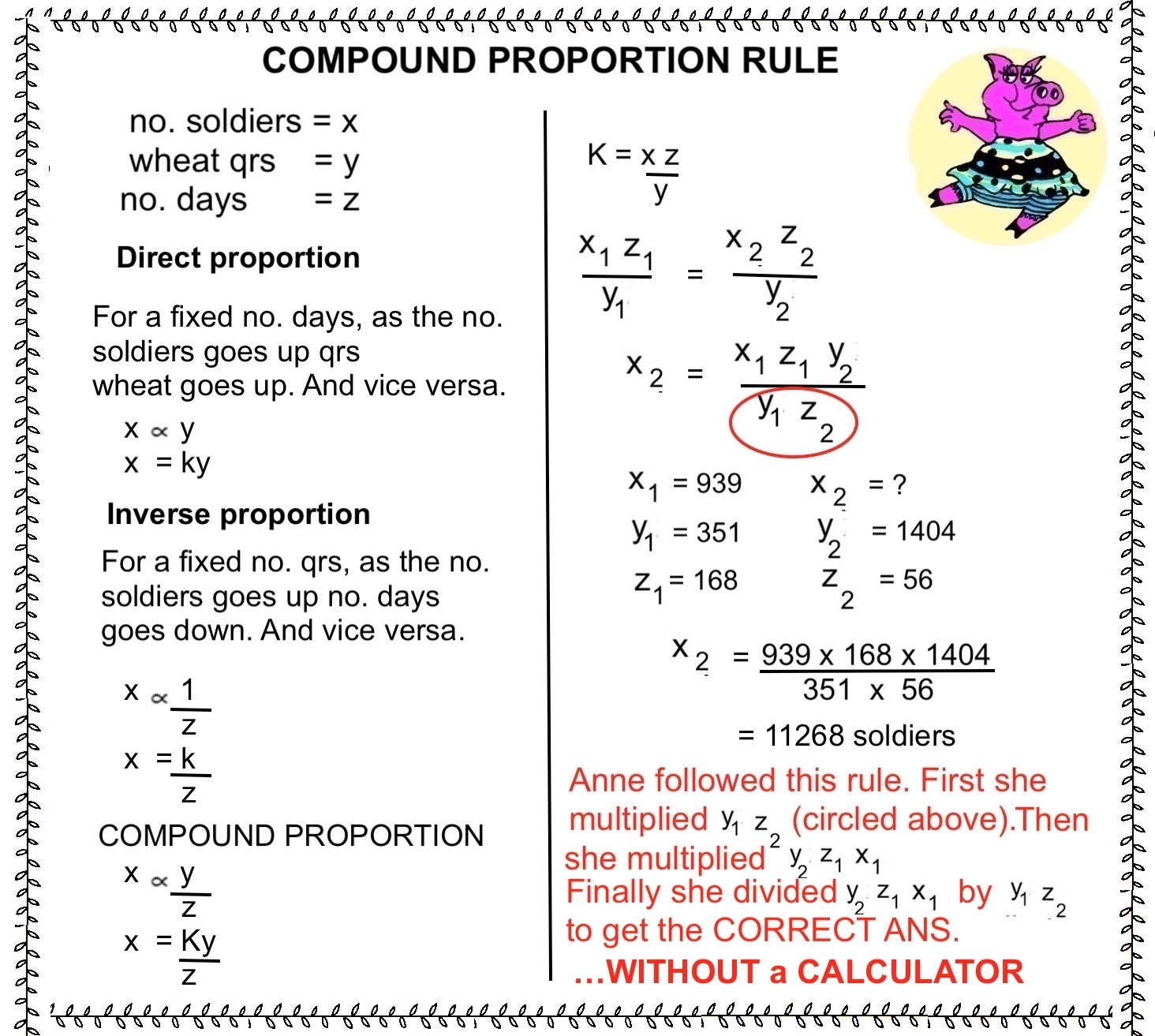
It was common for girls to make Needlework Samplers in the 19th C. But Anne Foreman stitched the border and then printed the solution to a mathematical problem adding her name and the date.

Mathspig typed a clearer copy of Anne’s work(below).

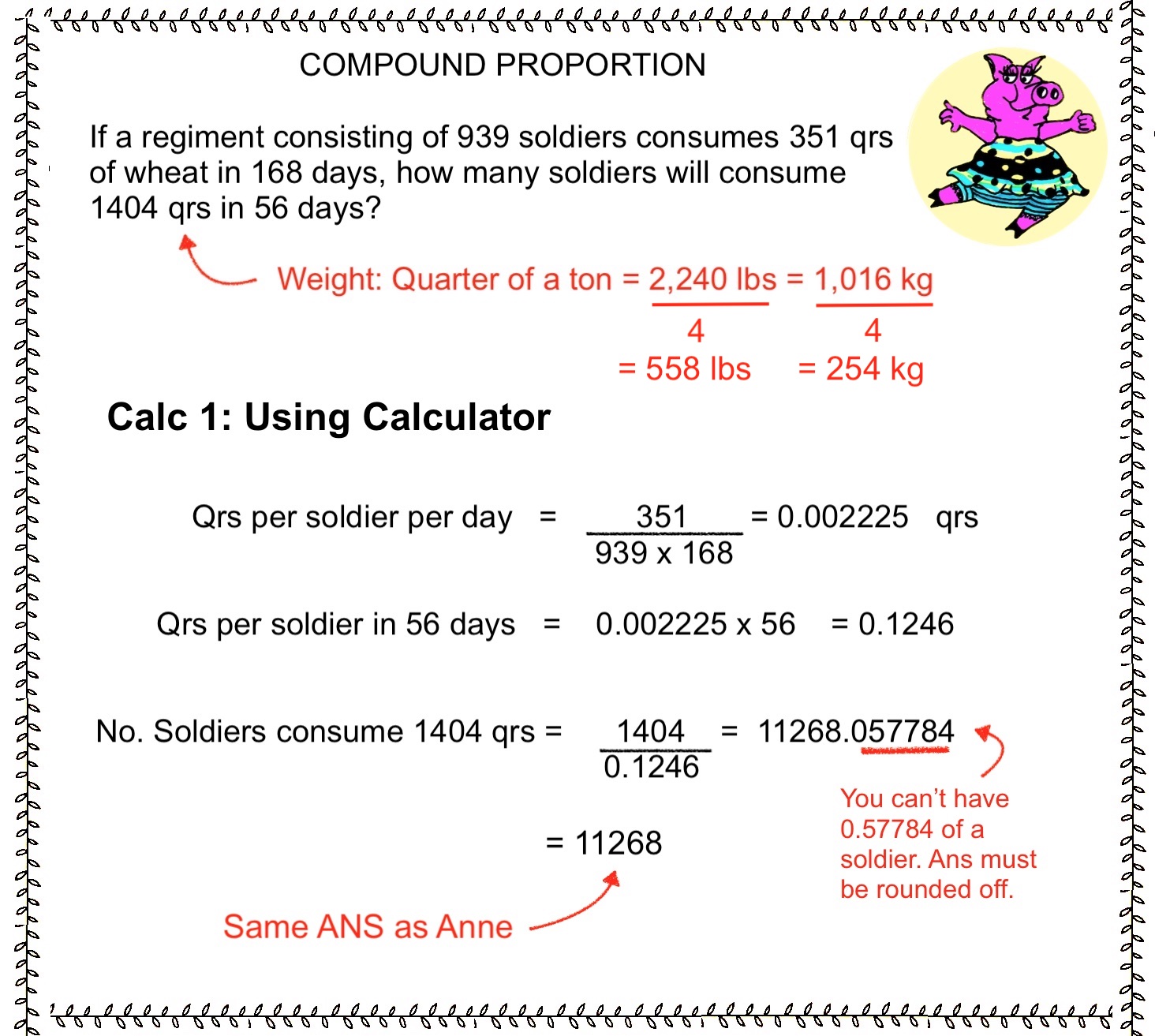
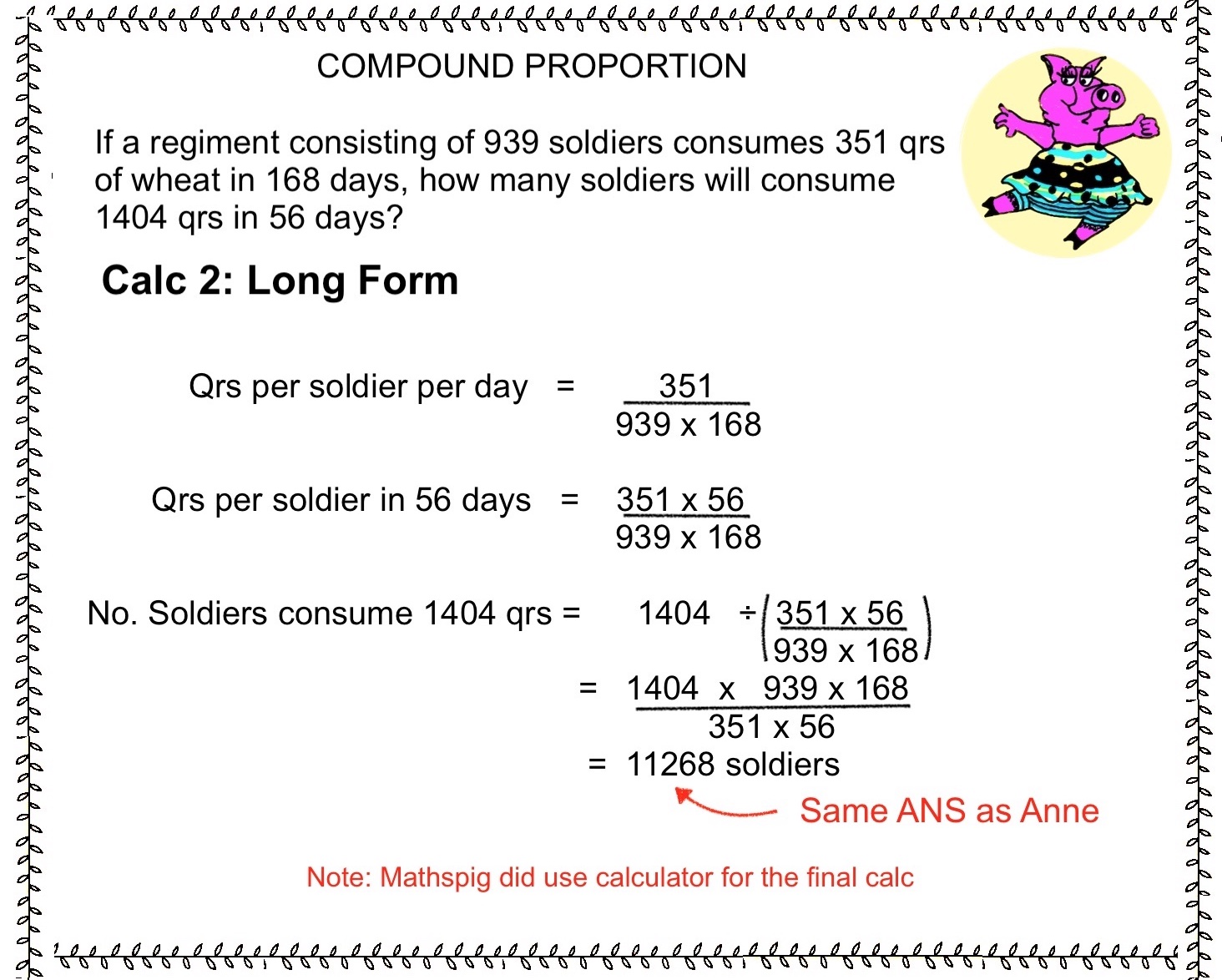
What was Anne doing?

Anne has the correct answer but how did she do it?


h1

7. You can safely jump from a burning skyscraper/bridge/aircraft into water.

May 17, 2023

Angels and Demons (2009) Tom Hanks character, Robert Langdon, hero of Dan Brown’s jumps from a helicopter and falls thousands of feet into Rome’s Tiber River and survives, of course.

Ahhhh! Look up. It’s raining Tom Hanks!!!!!The Hulk (2003) The Hulk hops from the Golden Gate bridge onto a jet fighter, whose pilot tries to get rid of him at high altitude. The Hulk falls off and plummets many thousands of feet into the bay. He survives.

There are 2 factors we must consider when jumping or diving from a great height:

1. Surface Impact

2.Water depth 

1. Surface Impact

According to the Free Fall website falling into water is not a good survival strategy. 

‘Someone falling without a parachute from more than 2,000 feet or so would be falling quite a bit faster than 100 miles per hour (161 kph) The folks who have survived falls into water have had streaming parachutes above them, which probably slowed their falls to the 60 mph range (97 kph). Having a streaming parachute helps in another way because it aligns the body in a position where the feet enter the water first.’

The website goes on to explain that water is an INCOMPRESSIBLE FLUID. It’s like landing on concrete. Landing in mud, on snow, on trees, on circus tents etc helps break the fall. Moreover, jumping off a bridge into turbulent sea may be safer than jumping into calm water.

On 24th Oct 1930, Vincent Kelly, 31, while working on the Sydney Harbour Bridge fell 170 ft (52 m) into Sydney Harbour and survived.

A champion diver he did several summersaults and landed feet first. He broke a couple of ribs as he did not enter the water at a perfect RIGHT ANGLE but rather a few degrees off perpendicular..

2. Water Depth

The next issue is, if you are going to dive or jump into water from a great height and, miraculously, survive the impact, how deep should the water  be?

Olympic divers often practice their dives in a bubble pools (like a spa). This reduces the impact for a bad dive but the water must be much deeper. Sports Smart Canada recommends a water depth of double the height of the drop. But is this realistic if, say, you are jumping or diving from the top of a waterfall into aerated water.

You can work out approximate depths needed if you were jumping into calm water from heights such as below:

How deep do you plunge? The answer is surprising because, in fact, you decelerate really fast in water.

See REd Bull Jump Science here

Thanks to Rod Vance  for the Fluid Engineering Calcs (done by hand … not by computer program) for calculating the depth of water when your feet stop moving. That is the minimum depth of water needed for the jump (See graph below)

NOTE: Even with this fancy maths assumptions must be made about the transition epoch-half in/half out of the water.

 Assuming you survive the impact and you breath out through your nose – to stop water going up your nostrils really fast- then you will not go any deeper than approx 4 m or 13 ft from a platform of 20 m (65 ft) or less.

If you’re diving into water from, say, a helicopter as in the Demons & Angels movie you don’t need extremely deep water. Assume Langdon was at 100m (328 ft) or the height of The Statue of Liberty(above) or a 33 story building  when he jumped, then extrapolating the graph (above), maybe, a depth of 5m (16 ft) would do.

If you want to see what looking down from a 58.8 m (193 ft) platform looks like check out thisWorld Record Jump by Laso Schaller.

h1

Real World Maths: Surds and all that jazz …

October 12, 2022

Eddie Woo is an Aussie Maths teacher who runs his own Youtube Channel. So popular is this channel in October 2015, Woo won the NSW Premier’s Prize for Innovation in Science and Mathematics. This youtube clip won’t tell you where you will use surds, but it does something magical.

It compares surds to different kinds of music to help students understand why mathematicians go crazy over the concept of surds. This clip tells why maths is soooooo special. There is no guesswork or fake information in this maths. Maths must be accurate. And surds demonstrate this point. (Look for the 5 min mark)

Will you use surds in real life?

Maybe. Probably, not. But surds are used in mathematical programs that demand accuracy. eg. engineering skyscrapers, building satellite dishes, and even in video games. But you won’t see them. Like so much mathematics surds will be hidden in some algorithm.

Here are two Examples:

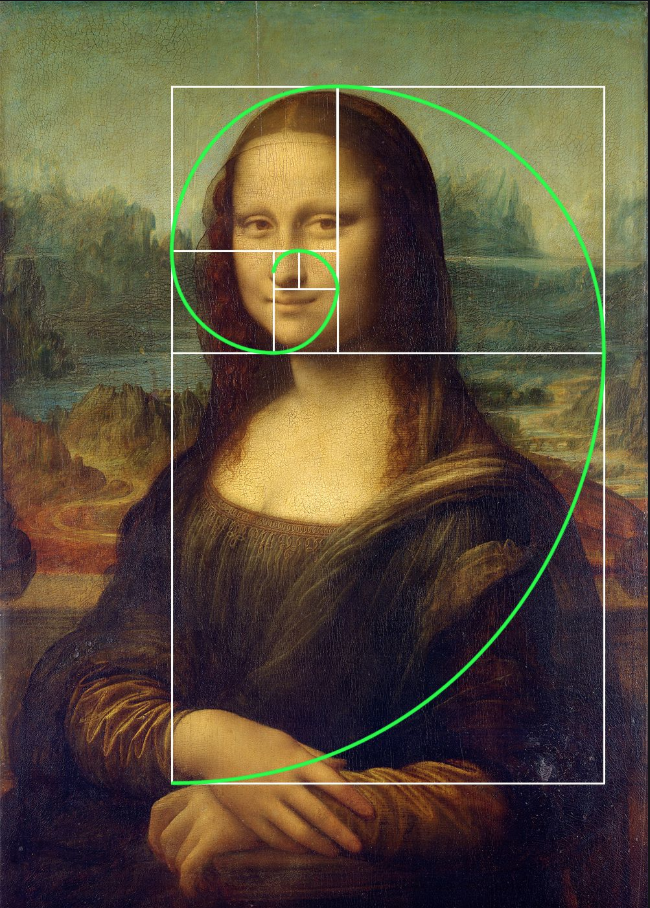
1. The Golden Ratio:

Often written a 1:1.61 the Golden Ratio or Fibonacci Sequence appears in art and nature and has an aesthetic appeal to the eye, but the accurate ratio is:

2. The Quadratic Function

Satellite dishes, headlights, torches, and bridges all designed using the parabolic arc. The parabola is defined by the quadratic function and sometimes solving for x produces an irrational no. namely a surd. Rounding off can introduce inaccuracies that can become more dramatic when scaled up to the sie of, say, a bridge. 

3. The Golden Ratio in Music

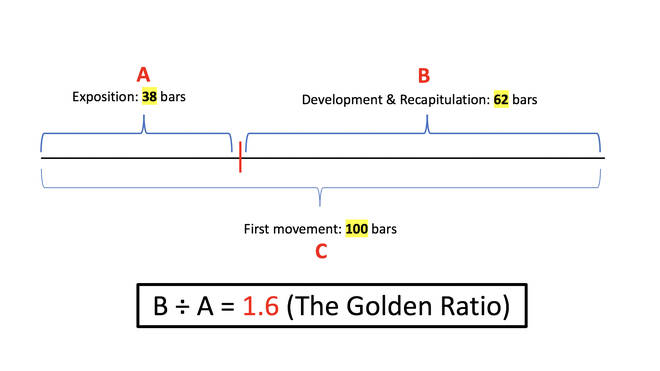
Mozart arranged his piano sonatas so that the number of bars in the development and recapitulation divided by the number of bars in the exposition would equal approximately 1.618, the Golden Ratio. Find more @ CLASSIC FM.

Back to Mozart.

In the above diagram, C is the sonata’s first movement as a whole, B is the development and recapitulation, and A is the exposition.

And here is Mozart’s Piano Sonata No. 1 in C Major as an example. Can you hear the Golden Ratio. Not really. But it’s there.

h1

DART vs ASTEROID: Middle School Math

September 27, 2022

DART is a test

of NASA’s planetary defence plans.

AND IF YOU GOOGLE ……..

 DOUBLE ASTEROID REDIRECTION TEST

                                       Guess what?

The DART(Double Asteroid Redirection Test) mission was launched on Nov. 23, 2021, atop a SpaceX Falcon 9 rocket from the Vandenberg Space Force Base in California.

It is the size of a small vending machine and it has been travelling through space for 10 months.

h1

When Area Calcs mean Big Bucks

August 25, 2022

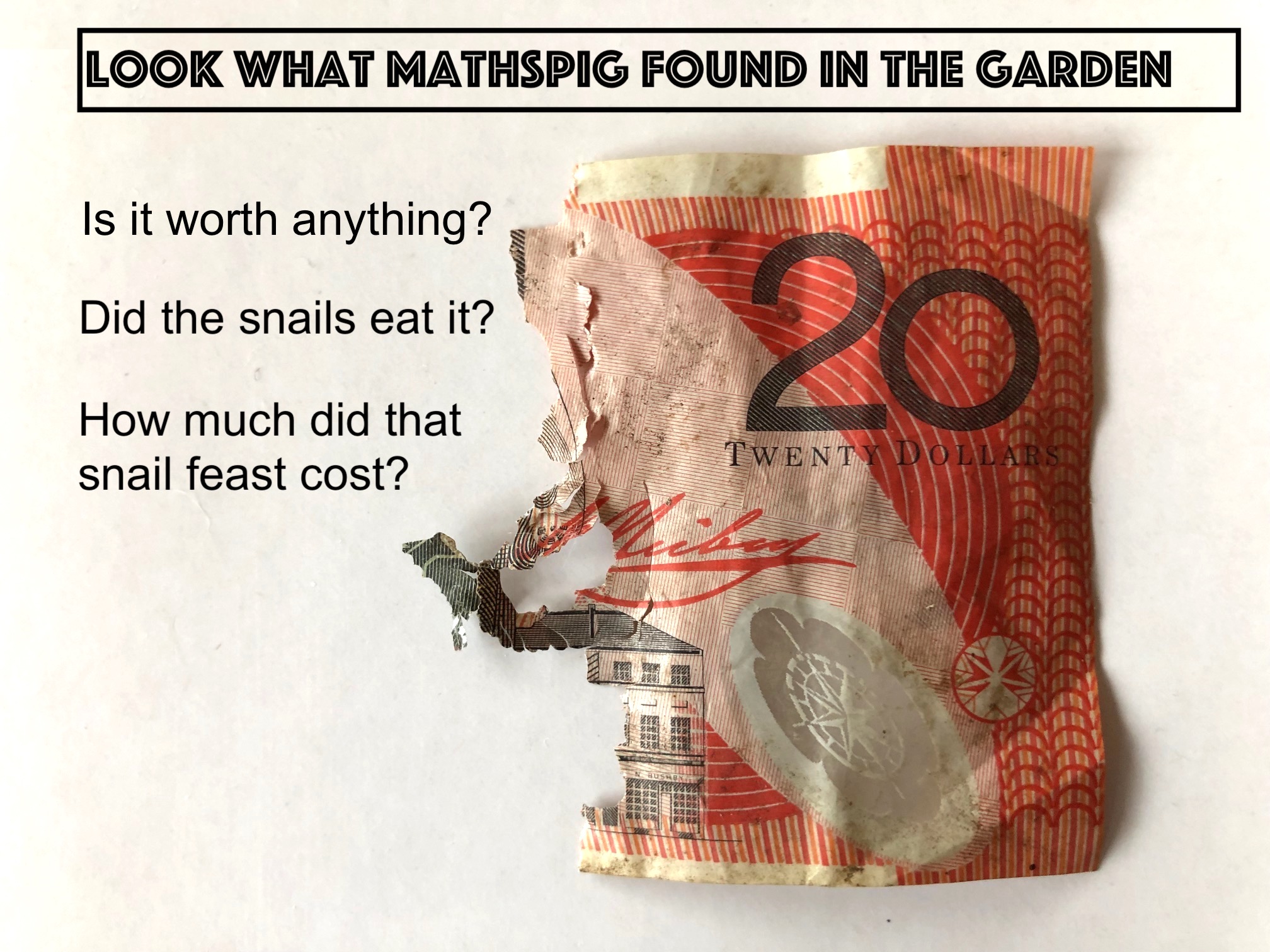
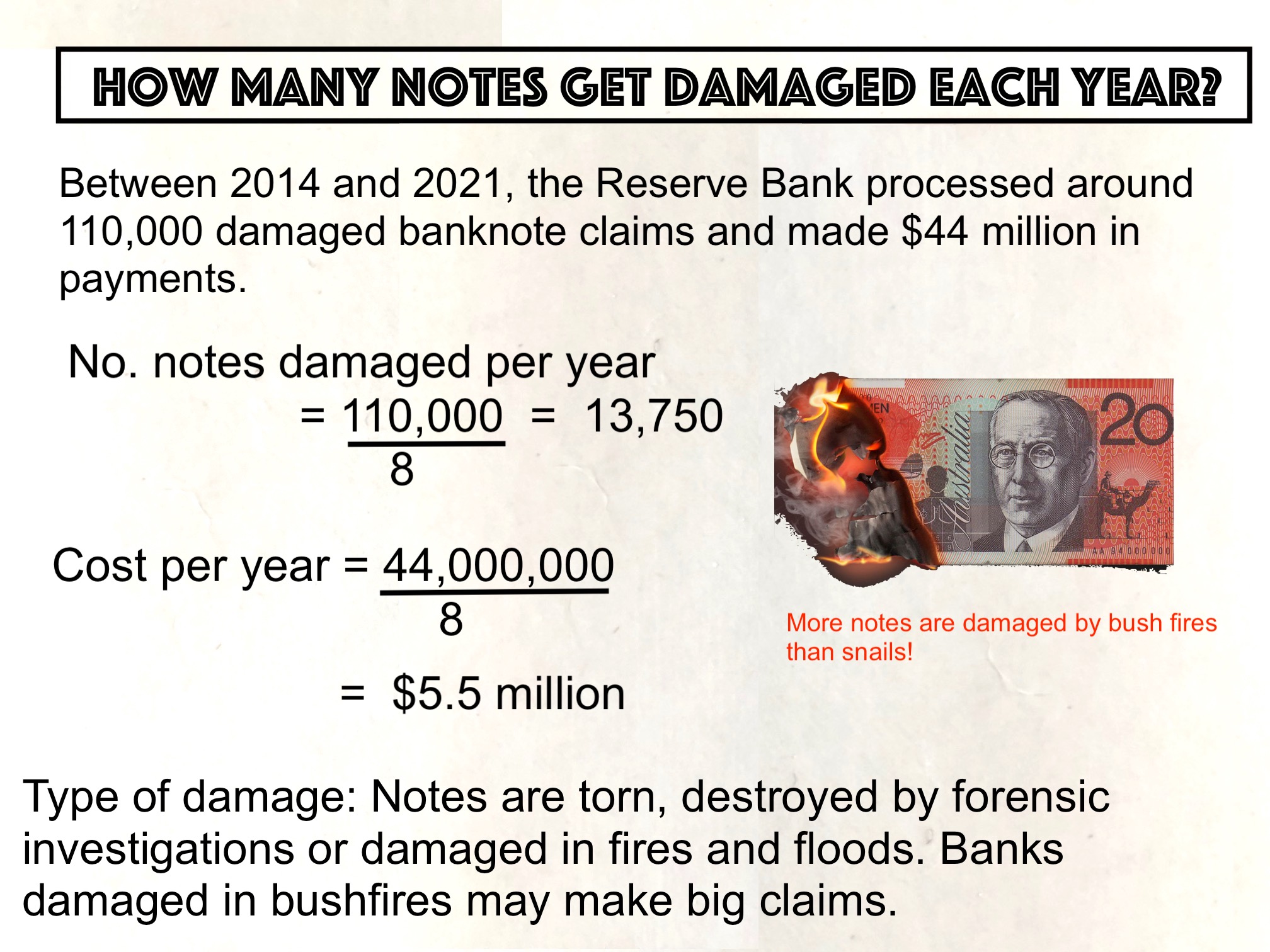
Bank Notes returned to RBA data.

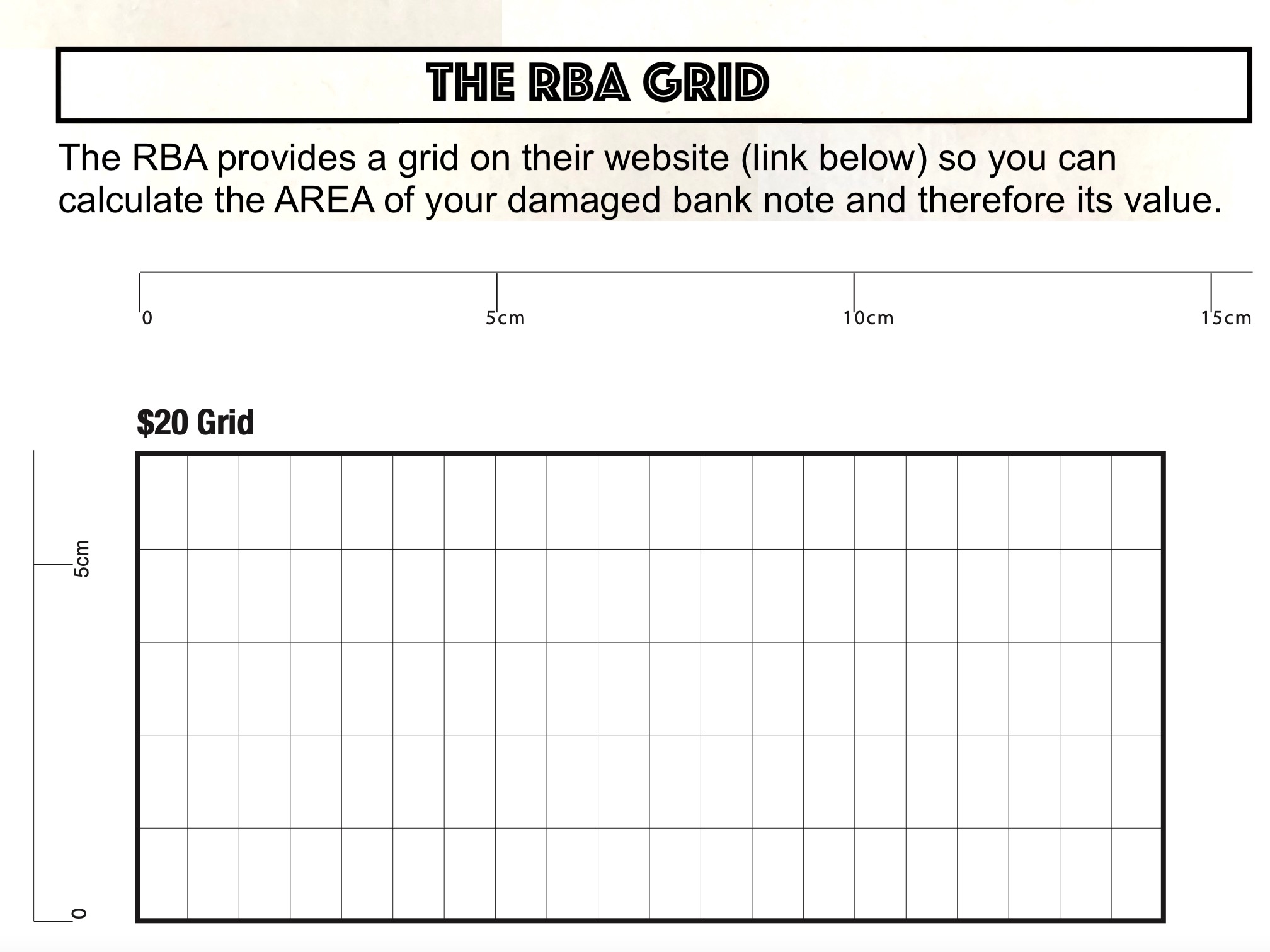
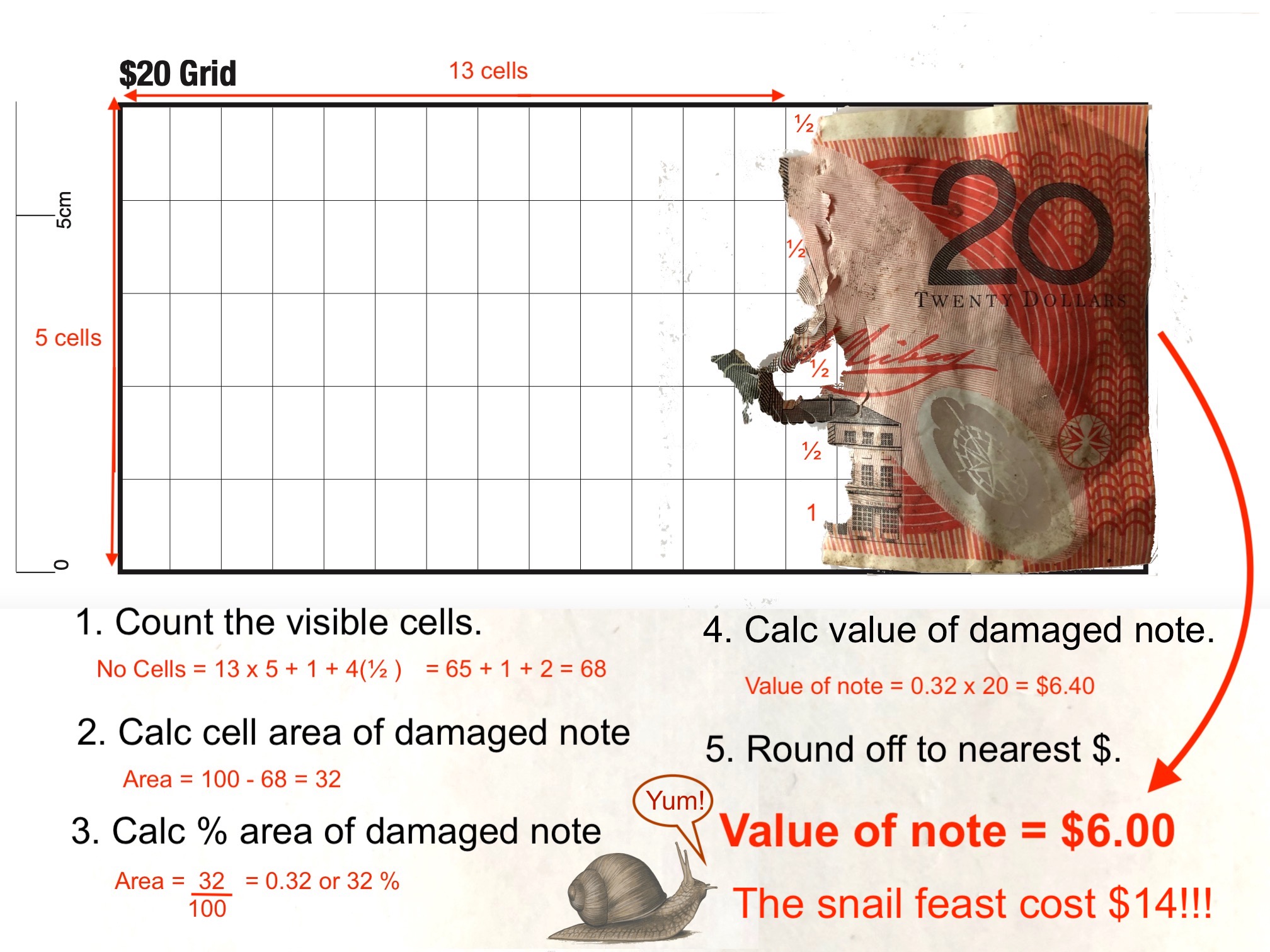
RBA grids for damaged notes.

h1

Amazing and Terrifying Wildfire Maths . . . . . . . . . . . . . . METRIC UNITS

July 25, 2022

mathspig-smoke-jumpers  With wildfires  burning across the US and Europe , Mathspig had to update this firefighter maths post for middle school classrooms.

Radiant Heat Stats WA Fire Dept FACEBOOK, Australian Bushfires 14 NOV 2019 MyFireWatch WA
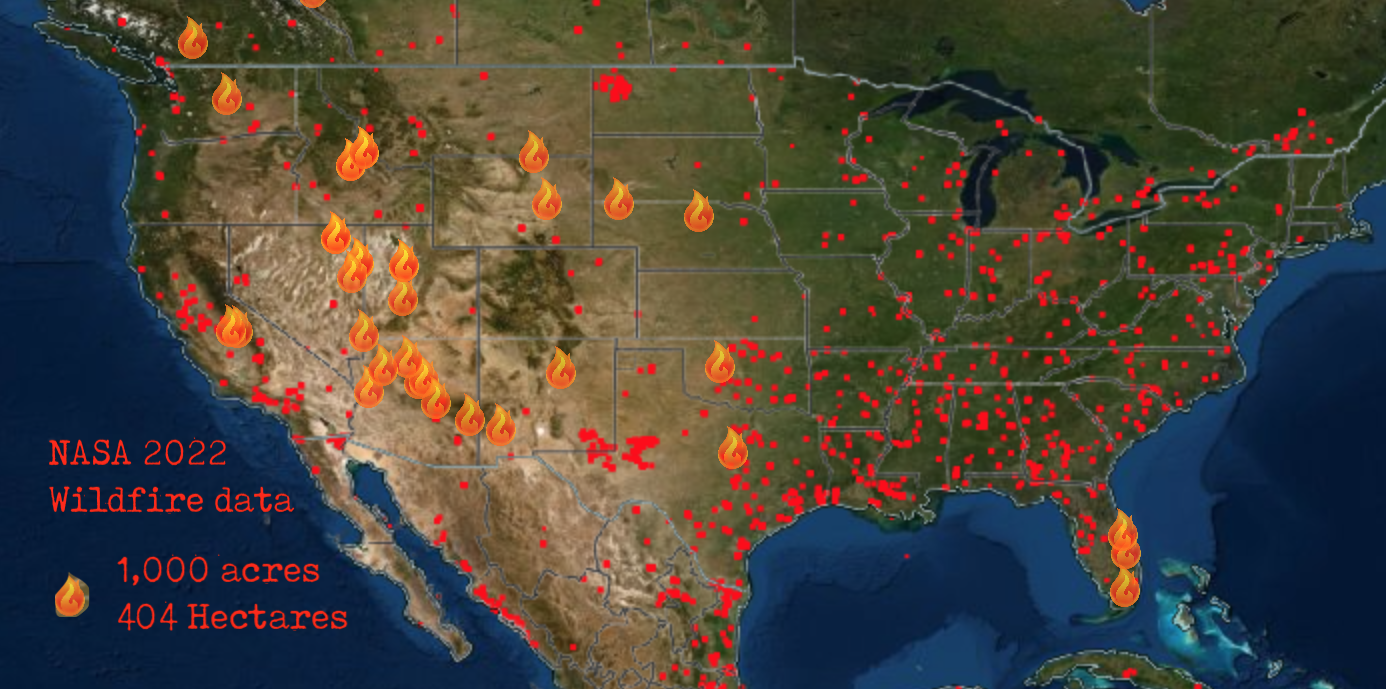
 Wildfires USA 2022 Map: NASA

mathspig-metric-units-fire-math

METRIC UNITS

Background Story

On 5th August 1949 Wag Dodge was dropped by parachute with 14 other fire fighters into Mann Gulch, a steep-sided gully in a Montana pine forest. Fire fighters who parachute in to put out small blazes started by lightening are called Smoke Jumpers. As they worked their way down the sides of the gully the breeze was blowing away from them. But the wind soon shifted. This produced an updraft, which increases the speed of the fire front. The 15 Smoke Jumpers turned and started running for their lives uphill.

HOW FAST CAN YOU RUN?

METRIC UNITS

Time Trial:

Mark out a 10 m course. Make 3 time trials.

t1 =

t2 =

t3=

Average your time:

tav = (t1 + t2 + t3)/ 3 =

Your Speed S = 10/tav = ……… m/sec
mathspig-firefirghter-maths-1

HOW FAST IS A GRASS FIRE?

This will, of course, vary depending on the wind speed. A typical grass fire in Australia in a flat area can travel at 20kph (up to 30 kph) in a gentle breeze.

Fire Front Speed Grass Fire

Fire Front Speed = 20 kph = 20 x1000/(60 x 60)

                               = 20 x 0.27777777 = 20 x 0.28 m/sec

                               = 5.6 m/sec
mathspig-firefighter-maths-2

CAN YOU OUT RUN A FIRE?

Average Running Speed Boy 13–14 yo = 3.0 m/sec

Average Running Speed Girl 13–14 yo = 2.4 m/sec

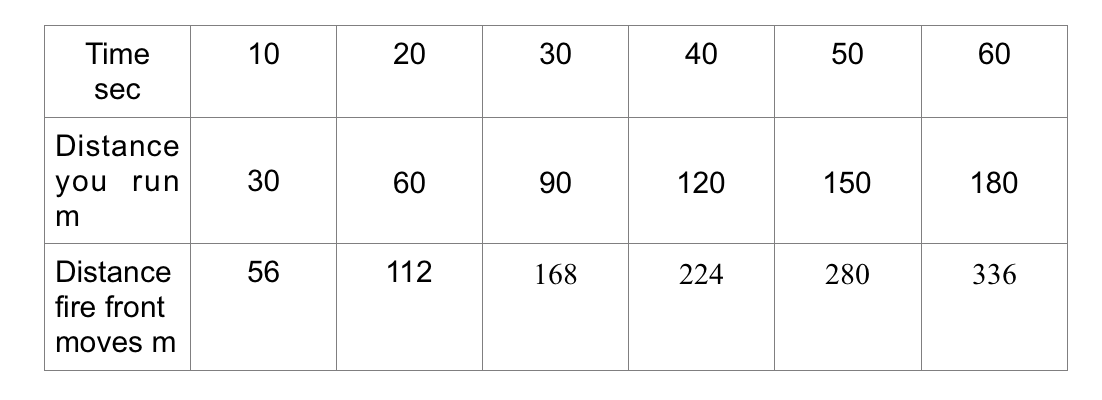
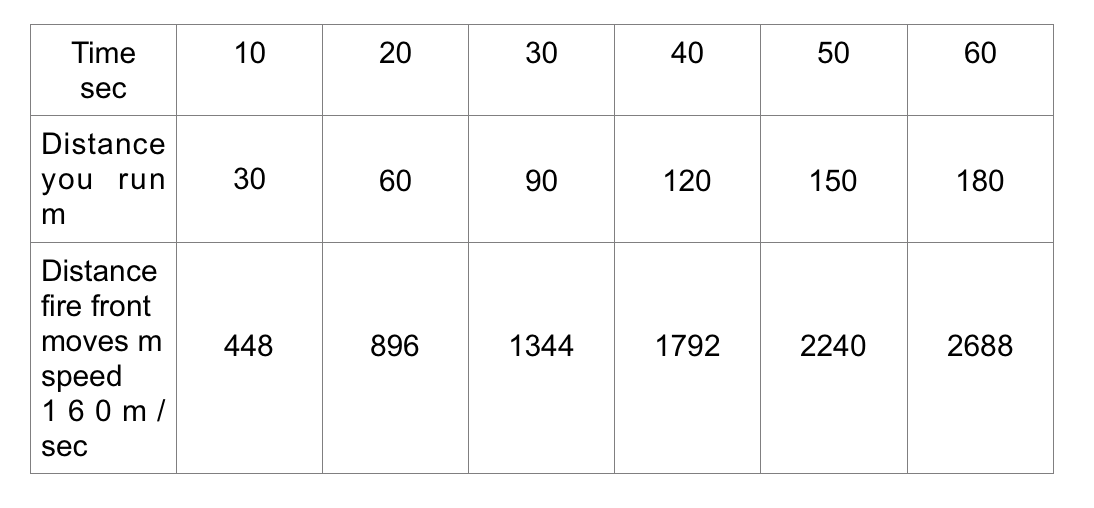
We’ll assume, boy or girl, that you are really motivated and can run away from the fire at top speed of 3.0 m/sec. Now calculate the distance you can run and the fire front moves in 10 secs intervals up to 1 minute.
mathspig-fire-fighter-table-1

This is not looking good. See more Firefighters Need Maths here.

We can do very accurate calculations using simultaneous equations. Wildfire Algebra: Detailed Worksheet using simultaneous equations and solutions  here.

NOW YOU ARE RUNNING UP HILL. WHAT HAPPENS?

We’ll assume, due to being motivated by having a fire licking your heels, that you can run at your top speed up hill for a short time, at least. But here is the problem.

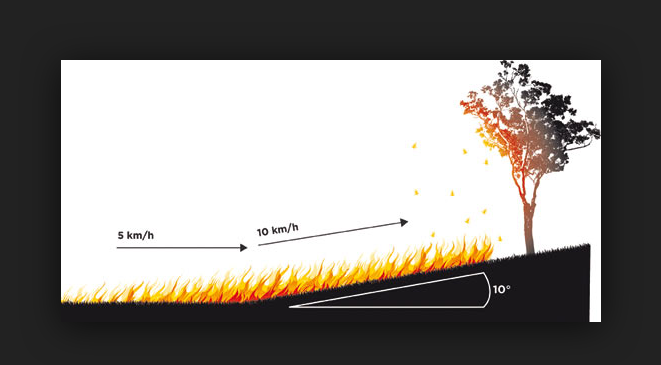
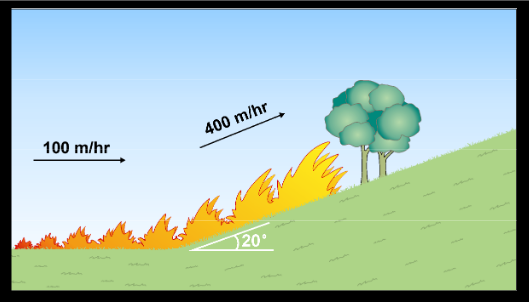
Heat rises and so there is a Chimney Effect pushing the fire uphill. The rule of thumb used by fire fighters is:

Each 10º increase in slope, the fire front speed doubles.
mathspig-cfa-diag

mathspig-fire-fighter-table-2

Now you can calculate the distance travelled by the fire front up a slope at a 30º angle.

Don’t forget you can use the WEB 2.0 Calculator here.
mathspig-fire-fighter-table-3

Even at your top running speed, which is unlikely up a slope, you can run 180 m in 1 minute. In that time the forefront has moved 2688 m or 2.7 km.

It depends how far away you are from the fire front, but it seems you cannot out run this fire front.

Again we can do very accurate calculations using simultaneous equations.

See Firefighters Need Maths here.

Wildfire Algebra: Worksheet and solutions here.

CAN YOU OUT RUN A WILD FIRE?

High winds can turn a bush or forrest fire into a WILD FIRE with wind speeds up to 110 kph and temperatures up to 2000 °C, which can and does melt glass and cars.

The fire front speed doubles with every 10º, so speeds for the fire front can reach 220 kph, 330kph and up to 550kph.
20o-angle-mathspig-2

What happened to the Smoke Jumpers?

When the fire front changed direction Wag Dodge and 14 other Smoke Jumpers found themselves running for their lives up a steep slope. What did Wag do next?

ANS: Here’s the amazing thing. Wag realised he could not out run the fire at that point. So he stopped. Took off his back pack. Took out some MATCHES and lit a fire in the grassy patch in front of him. Just before the firewall hit he threw himself face down on the burnt patch. He survived. The other 14 firefighters did not.

h1

WINTER OLYMPICS: How ski Jumpers Use Math to Increase their Jump Length

February 3, 2022


While air resistance has little impact on aerial skiers it is a significant factor used by ski jumpers to increase their jump distance.

The significant maths for ski jumpers is therefore X-section area.

Here is the jump at Pyeong Chang, 2018. Just imagine going down that at top speed!!!

              A ski jumper is set to jump in Pyeongchang.

                   Casey Larson USA Pyeong chang 2018

Ski jumpers increase their speed going down the ramp by reducing their X-section area:

Lindsey Van, USA, practicing in a wind tunnel

           Lindsey Van, USA, practicing in a wind tunnel

Once they leave the ramp, ski jumpers try to increase their X-section area like Ski Divers to slow their vertical fall. But they have to land safely so they keep their skis at a minimum  angle.

Abby Hughes, USA, practicing in a wind tunnel.

Abby Hughes, USA, practicing in a wind tunnel.

Abby Hughes, USA, in the air

          Abby Hughes, USA, in the air

Here are the X-section areas for Abby Hughes*:

Abby Hughes X-section

Here is the formula for Air Resistance of Drag:

D = ½CApv2

Where C is the drag coefficient or constant, which depends on the shape and spin of an object. It is found by testing the object in a wind tunnel.

A is the X-section Area,

p is the density of the air and

v the velocity of the object.

More here.

As Abby Hughes has tripled her X-section area in the air, she will have tripled the vertical drag during her jump. This will slow here decent.

*Mathspig calculated the X-section area by the old fashioned method of counting squares and rounding off the final count. Mathspig sized the two pics of Abby Huges so that her head was the same size in both pictures.