Posts Tagged ‘Problem’
 October 4, 2025
Slow ZOMBIE vs ZOMBIE Hampster
A RATE is a comparison between two different measurements.
It is a special type of ratio where the units are not the same, such as cost (price per item), speed (distance per time) or rotations per minute (RPM), which is used to measure spin in ice skating and rotation rate pedalling on a bike.


Posted in Decimals, Middle School, Rates, Zombie Maths | Tagged 100m, cat, dog, Fast, Fun, hampster, Math, Middle school, Problem, rates, Resident Evil, Slow, speed, World War Z, Zombie | 1 Comment »
September 19, 2024
Australians are the biggest Gamblers in the World,
Helen Sullivan, The Observer, 8 SEPT 2024
The reason…. Slot Machines or as we call them here in Oz, Poker MachineS or simply:
The Pokies.
As for Slot Machines maths:
Welcome to a lose lose date with the Pokies
 Australia is home to a fifth of the world’s slot machines
According to Tom Vanderbilt in The Guardian ( Slot machines: a lose lose situation, 8 JUN 2013)
Once seen as a harmless diversion, hi-tech slot machines now bring in more money than casinos – and their players become addicted three times faster than other gamblers.
Here’s how the math works:

In Australia pokie machines must return between
85%
and
90%
of money gambled.
But here is the catch. If you start out with $300 that means, surely, you’ll go home with$270 in your pocket less some for the big payouts.
WRONG! WRONG! WRONG!
According to ex-gambler Tom Cummings you’ll probably go home with
NOTHING!
WHY?
In his article, Poker machine maths, (ABC, The Drum, 27 MAY 2011) it is not unusual for someone to start with $300 but put $3,000 into the machine over 4 – 5 hours.
They put their winnings back into the machine over and over.
Here’s the sting.
According to the poker machine, $3,000 was gambled, and $300 was kept (by the slot machine). That means that the machine paid out $2,700… which is the 90 per cent return.
But the player ends up with $ZERO!
IT’S ALL GONE BACK INTO THE MACHINE.
That’s one pension cheque gone for the week.
Warren Buffett has called
gambling in general a
“tax on stupidity”

or a way of fleecing those who don’t do the maths.
Posted in Real Life Math | Tagged Australia, belief, casino math, fallacy, false, gamblers, gambling, lose, Math, Maths, poker machines, pokies, Problem, SLOT MACHINES, slot macines | Leave a Comment »
February 20, 2024
You have 2 parents, 4 grandparents, 8 great grandparents, ETC, ETC
The no. of ancestors you have per generation follows an EXPONENTIAL FUNCTION:

Here are the numbers going back 50 generations or 1,000 years.
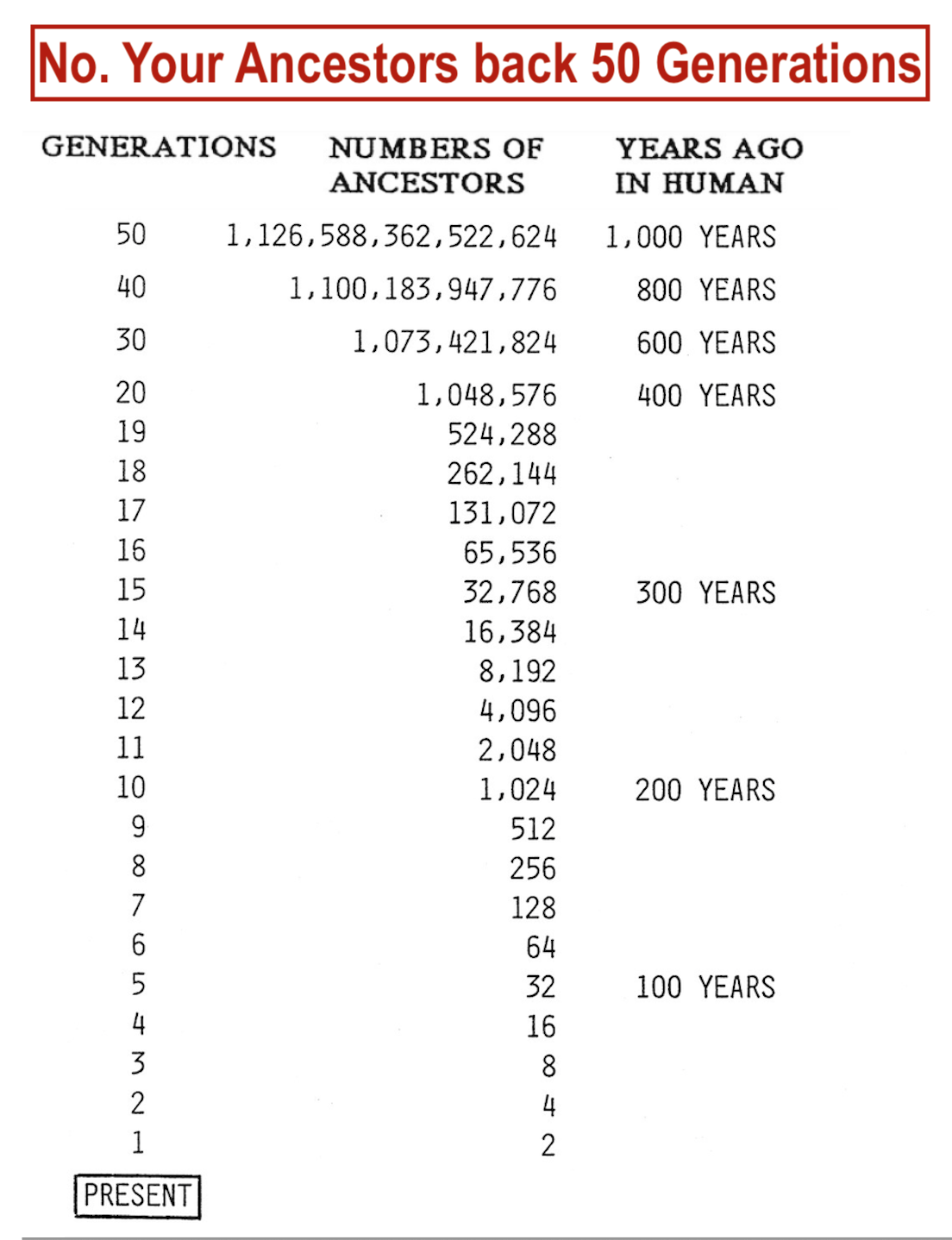
When you plot YOUR NO. ANCESTORS over a POPULATION OF THE WORLD GRAPH there is a problem.
Population of the World DATA HERE


If you look at the graph (above) you will see that the No. YOUR ANCESTORS equalled the POPULATION OF THE WORLD about 500 years or 25 Generations ago.
You are related to everyone who was alive 500 years ago. Some of your ancestors inlcude:

Of course, EVERYONE else has these ancestors too.
If you go back 50 generations you have more ANCESTORS than the entire POPULATION OF THE WORLD.

Why?
Anthropologists say that there was a lot of IN BREEDING especially when humans lived in small tribes and the world population was small.
So way back every one of our family trees has members popping up all over the place. So we had far fewer ancestors than the math suggests.
Posted in Exponential Functions, Middle School, Real Life Math | Tagged ancestor, curve, equation, exponential, generations, Graph, Maths, Middle school, no. of ancestors, population, Problem, real life, Shakespeare | Leave a Comment »
April 18, 2023
Here is an example of Gambler’s Fallacy, but for non-gamblers.
We see – in this case – hear a pattern and then attribute meaning to this pattern – It’s a conspiracy!!!! – when there is no pattern and no meaning!!!!! So Apple found when designing their iPod shuffle feature later on the iPad and iPhone.
“When Apple first introduced the shuffle feature on its iPods, the shuffle was truly random; each song was equally likely to be picked than any other. However, the randomness didn’t appear random, since some songs were occasionally repeated, and customers concluded that the feature contained some secret patterns and preferences. As a result, Apple was forced to revise the algorithm. ‘We made it less random to make it feel more random,’ said Steve Jobs, the CEO of Apple’
p68 The Decisive Moment How the Brain Makes Up Its Mind Jonah Lehrer (Text Publishing 2009)
Try it. Pick 12 songs to make your playlist.
USE The Random Number Spinning Wheel HERE
Keep in mind that writing a program for a RANDOM NUMBER GENERATOR is difficult as all programs are based on some pattern. Click the Spinning Wheel link above and spin the wheel 12 times.

What happened? Did you get too many repeats like the iPod Shuffle customers who complained?
Posted in Algorithms | Tagged algorithm, computer, generator, iphone, iPod Shuffle, Middle school, number, Problem, program, programming, random, shuffle, test | Leave a Comment »
August 25, 2022
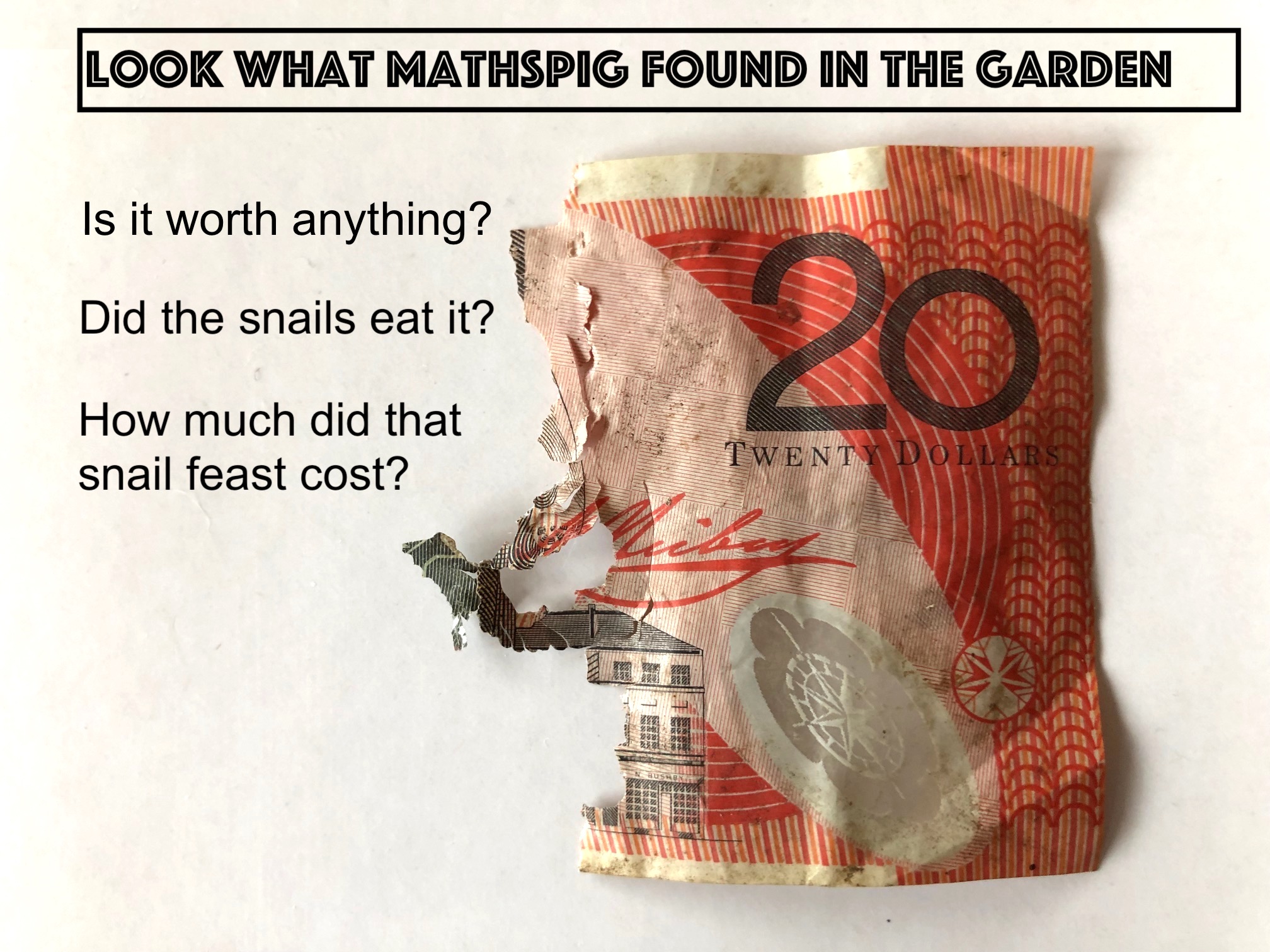
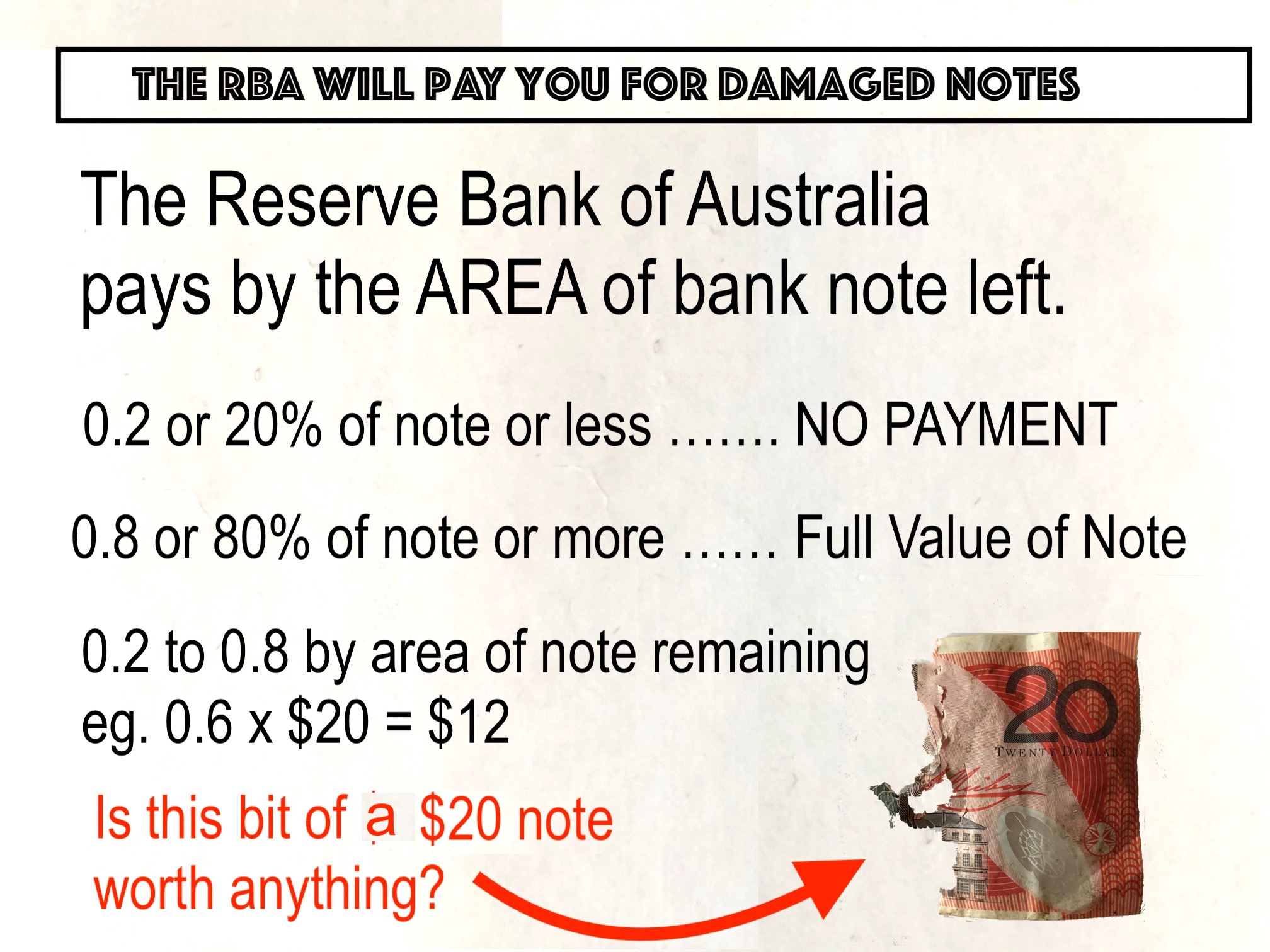
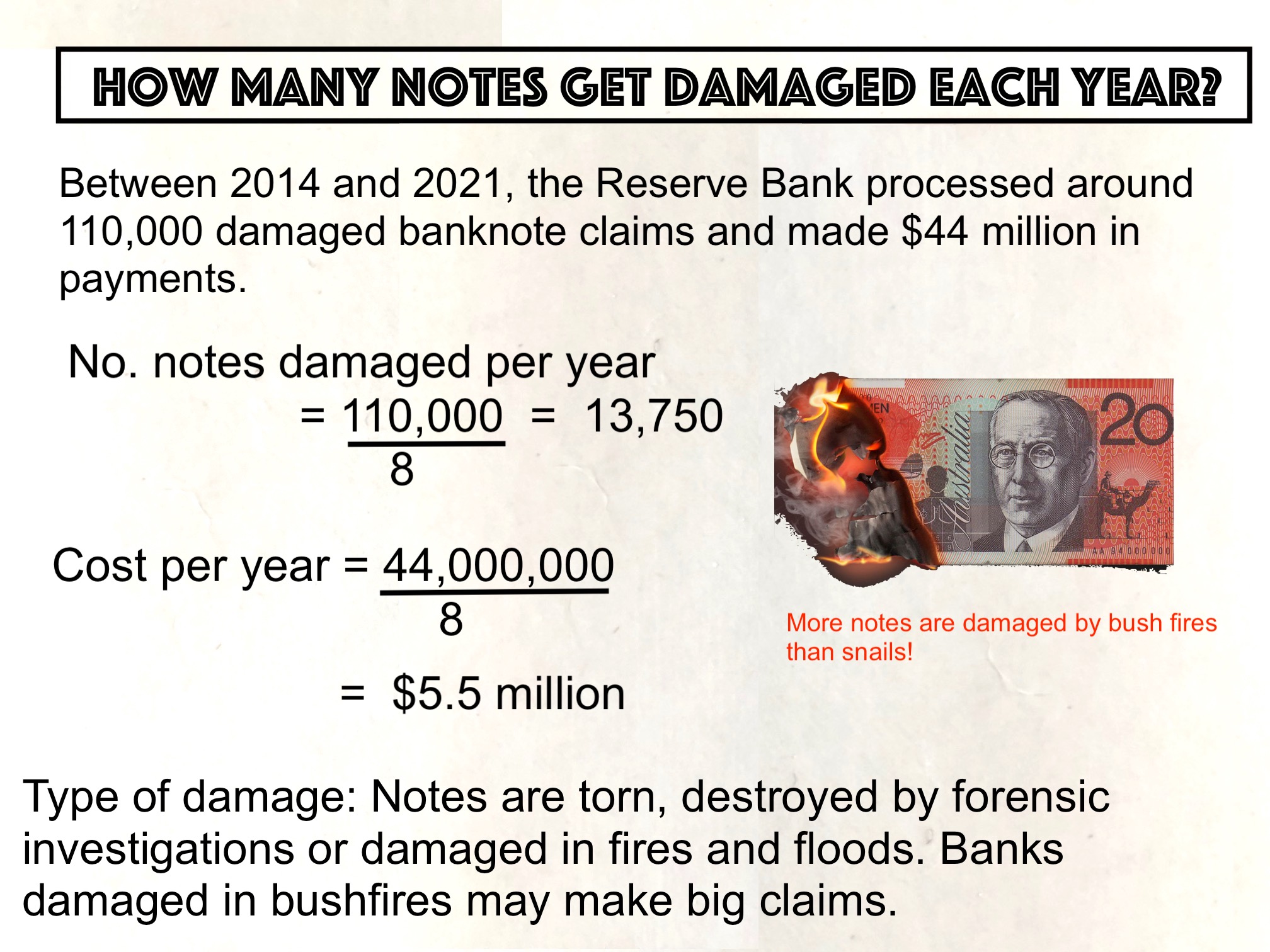
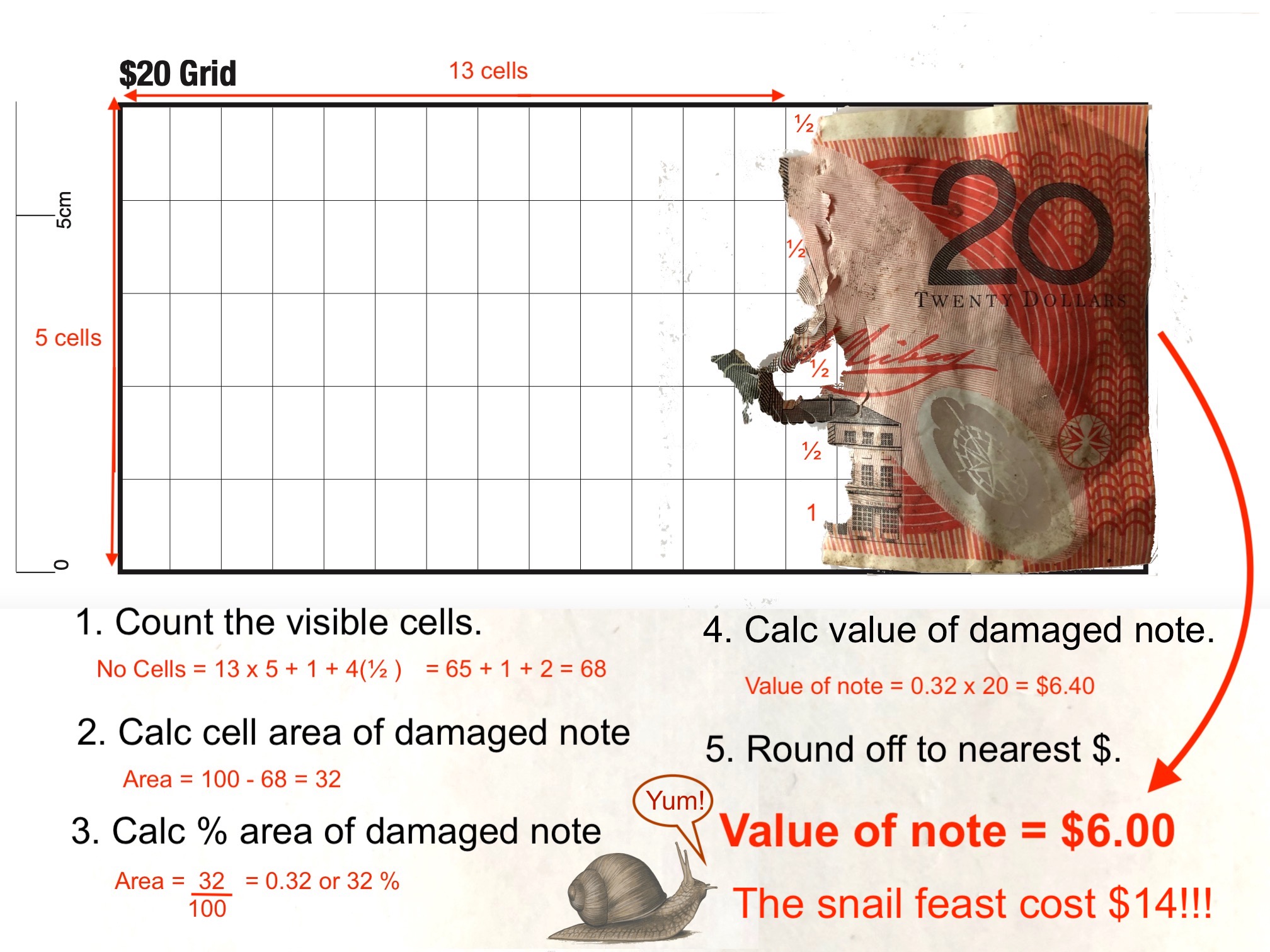
Bank Notes returned to RBA data.
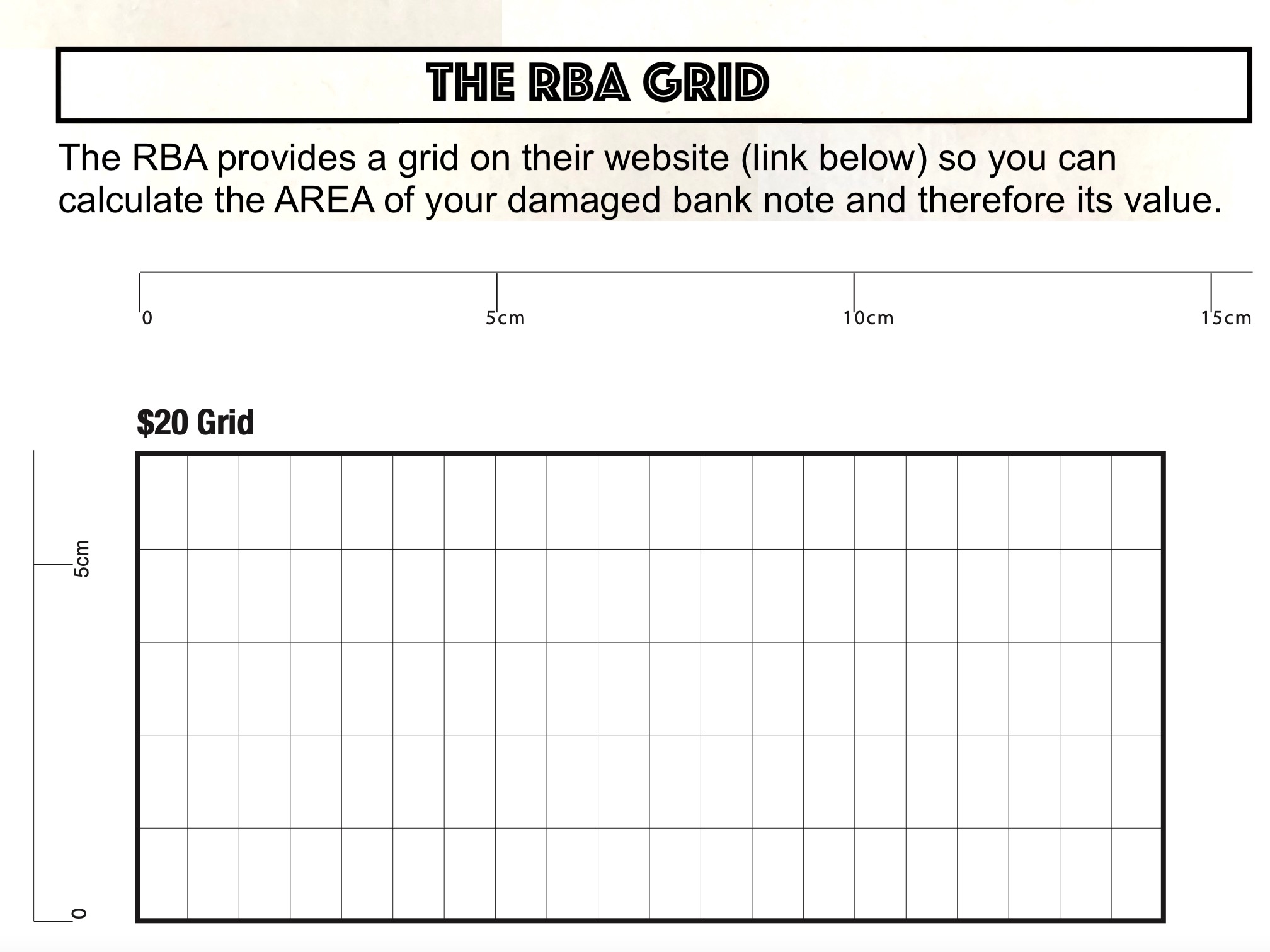
RBA grids for damaged notes.
Posted in Area, decimals, Middle School, Real World Math, Year 7 mathspig | Tagged $20, area, Australia, bank notes, bill, calculations, damaged, dollar, exercise, Maths, Middle school, Problem, RBA | Leave a Comment »
February 22, 2022
Australia is reviewing its Maths Curriculum.
Sides are taken. Arguments are rife. See the excellent article by Donna Lu, Cracking the formula: how should Australia be teaching maths under the national curriculum?, The Guardian,13 FEB, 2022)
Should teachers teach? Or students explore problems? (Called Cognitive Activation in academe!)
Why not, both? Then add outdoor maths (below) plus defronting the classroom sometimes and try some maths selfies for homework. More ideas here.
It doesn’t matter what’s written in the curriculum, the biggest problem in maths for students is
BOREDOM.
Here, to tackle boredom are:
41 Maths things to do before you’re 12


“A growing body of research shows us that outdoor play leads to better physical and mental health, has positive effects on cognitive function and learning, and reduces the incidence of behavioural problems.” Maria Zotti, Nature Play, SA.
Peter Dunstan, Principal Kilkenny PS, SA, writes in SAPPA magazine, Primary Focus, that outdoor play fosters “wonderment, independence and freedom” as well as “social skills, imagination, creativity and problem solving”.
Inspired by SAPPA and NaturePlay, Mathspig has produced her own outdoorsy maths list:


References:
7. Robin Hood Give us your best shot.
9. You can measure the volume of your lungs by blowing one breath into a balloon and pushing it into a full bucket of water. Measure the overflow.
15: Outdoor Maths: Times Tables
21. Light intensity links. Here and here.
25. Sound Volume Measurement
36. Killer heels that really kill.
Posted in 41 maths things to do before you're 12, Junior School, Maths Piglets, Middle School, Real World Math | Tagged 12, 2022, 41, activities, Australia, boredom, challenge, curriculum, Fun, inspiring, Math, Middle school, new, Outdoor, Problem | Leave a Comment »
February 10, 2022

Nathan Chen, 22, USA, wins GOLD in the Men’s Figure skating with 5 brilliant, soaring quadruple jumps executed to perfection to Elton John’s “Goodbye Yellow Brick Road” and “Rocket Man.”
Nathan Chen’s Winning Performance on You tube HERE.
According to the fab NBC video, Mathletes, nine Figure Skating judges score competitors for the complexity of each element (eg. Triple axel or triple spin jump) and the quality of the performance producing a score out of ten.
Tessa Virtue and Scott Moir(Above) GOLD Medal performance at Pyeongchang 2018 here.

Kailani Craine, Australia

This is a typical figure skating score card for one competitor.
The final score, however, is based on the average for only 5 of these scores. Two are eliminated by random selection (Red Brackets). Then the top and bottom scores are removed and the remaining five scores averaged.
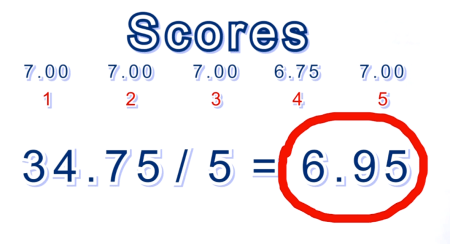
Screen grab NBC Mathletes
……………………………………………………
Now consider the IDENTICAL SCORE CARDS
of Skater A & B:

Skater A:
Four scores are removed. Two by the random selector (in brackets) and then the top and bottom scores (with line drawn through them)
7.00 + 7.00 + 7.00 + 6.75 + 7.00
……………………………………..
= 34.75/ 5 = 6.95

Skater B:
Four scores are removed. Two by the random selector (in brackets) and then the top and bottom scores (with line drawn through them). But this time the random selector eliminates two low scores.
The average:
7.00 + 7.25 + 7.00 + 7.00 + 7.00
……………………………………..
= 35.25/ 5 = 7.05
Same score cards but Skater B gets a higher average score than Skater A.
Skater A is, in fact, beaten by a random number selector!!!!
Posted in Averages, decimals, Junior School, Middle School, statistics, Winter Olympics Maths, Year 7 mathspig, Year 9 Mathspig | Tagged 2022, average, bad, calculate, Figure skating, How do they score, judges, Math, Middle school, Nathan Chen, Problem, Random Numbers, score, scoring, Winter Olympics | Leave a Comment »
July 4, 2018
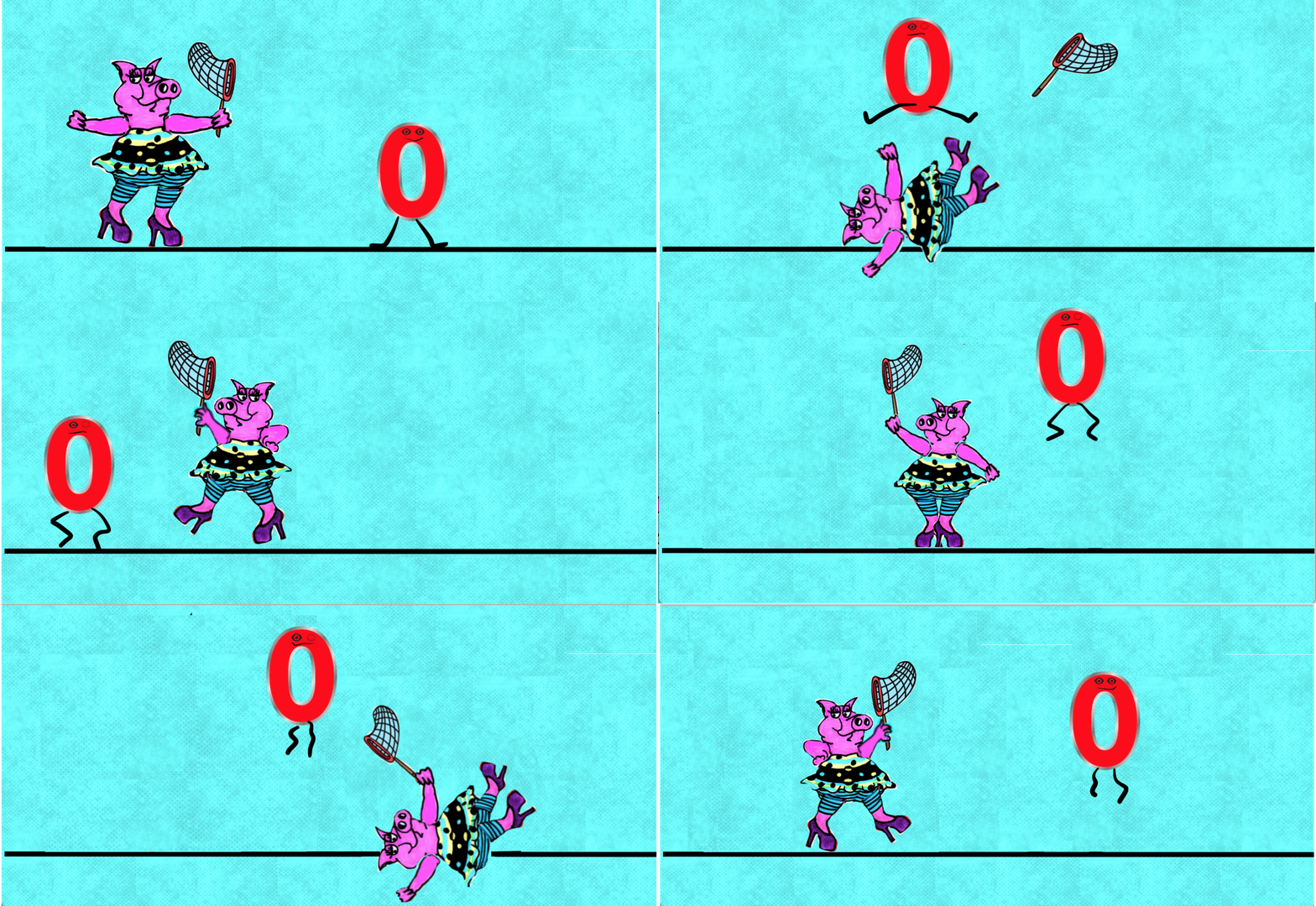
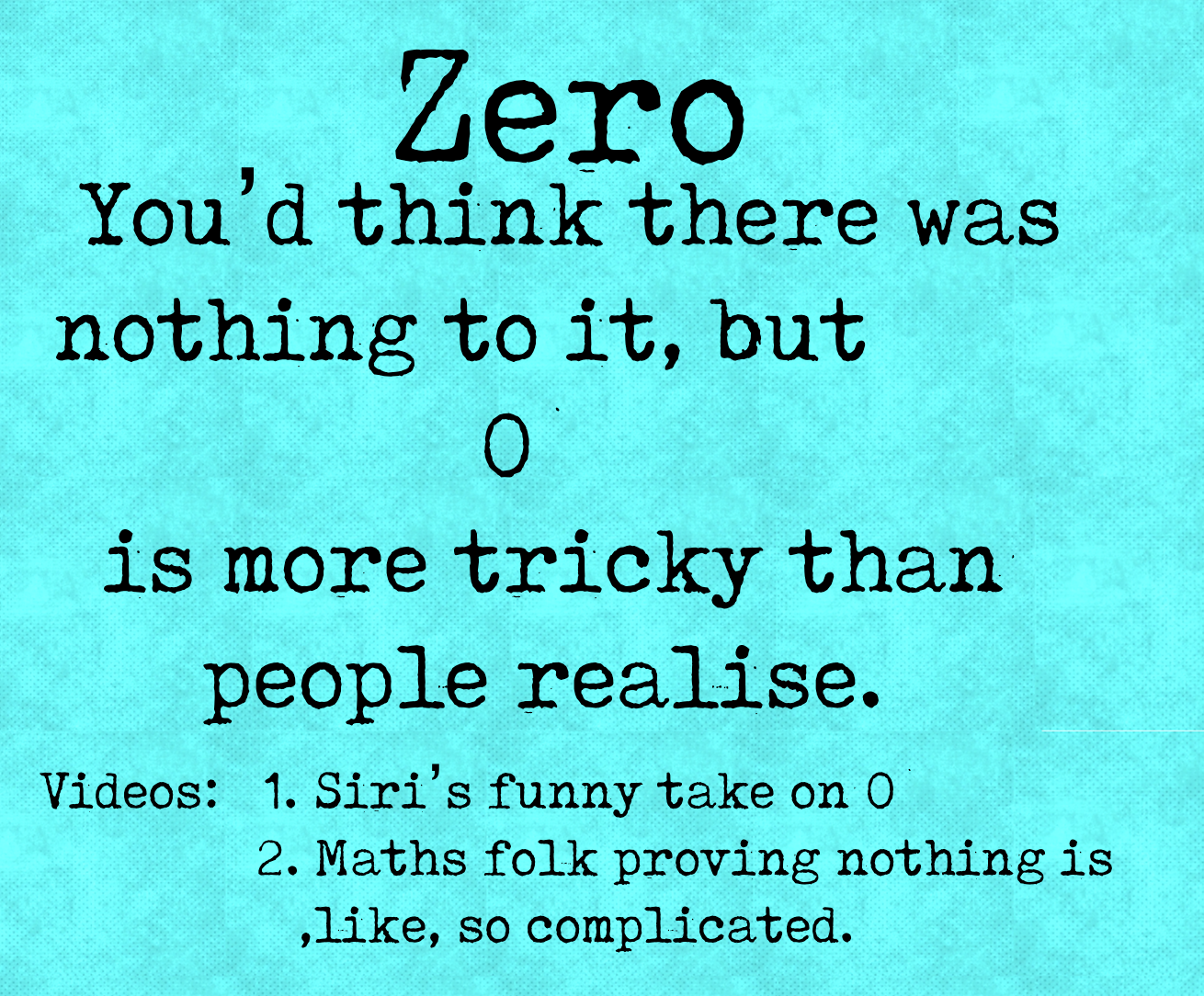
Siri, what’s zero divided by zero?
Problems with Dividing by Zero
– Numberphile
Matthew Parker is an Australian stand-up comedian, author, YouTube personality and maths communicator.
Edible Zero. Really!
Posted in MEDIA MATHS, Middle School, Year 7 mathspig, Year 9 Mathspig, Zero | Tagged answer, build, calculate, complex, crazy, divide, edible, funny, infinity, Math, Pringle, Problem, Ring, siri, Zero | Leave a Comment »
March 17, 2018
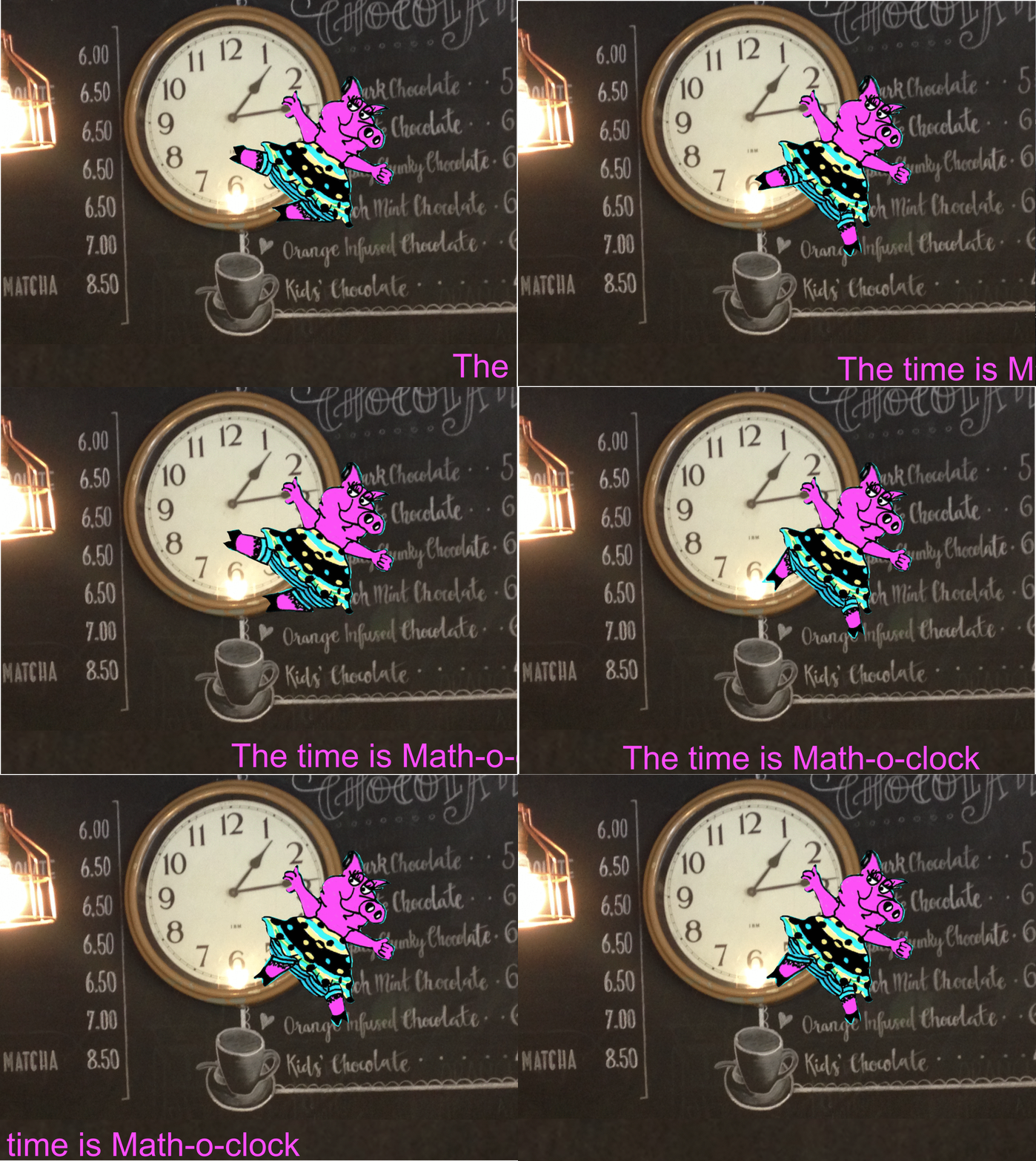
Albert Digital Mathematical clocks are fascinating.
You calculate the time using +, -, x and ÷ . Such fun and ideal for the math classroom.
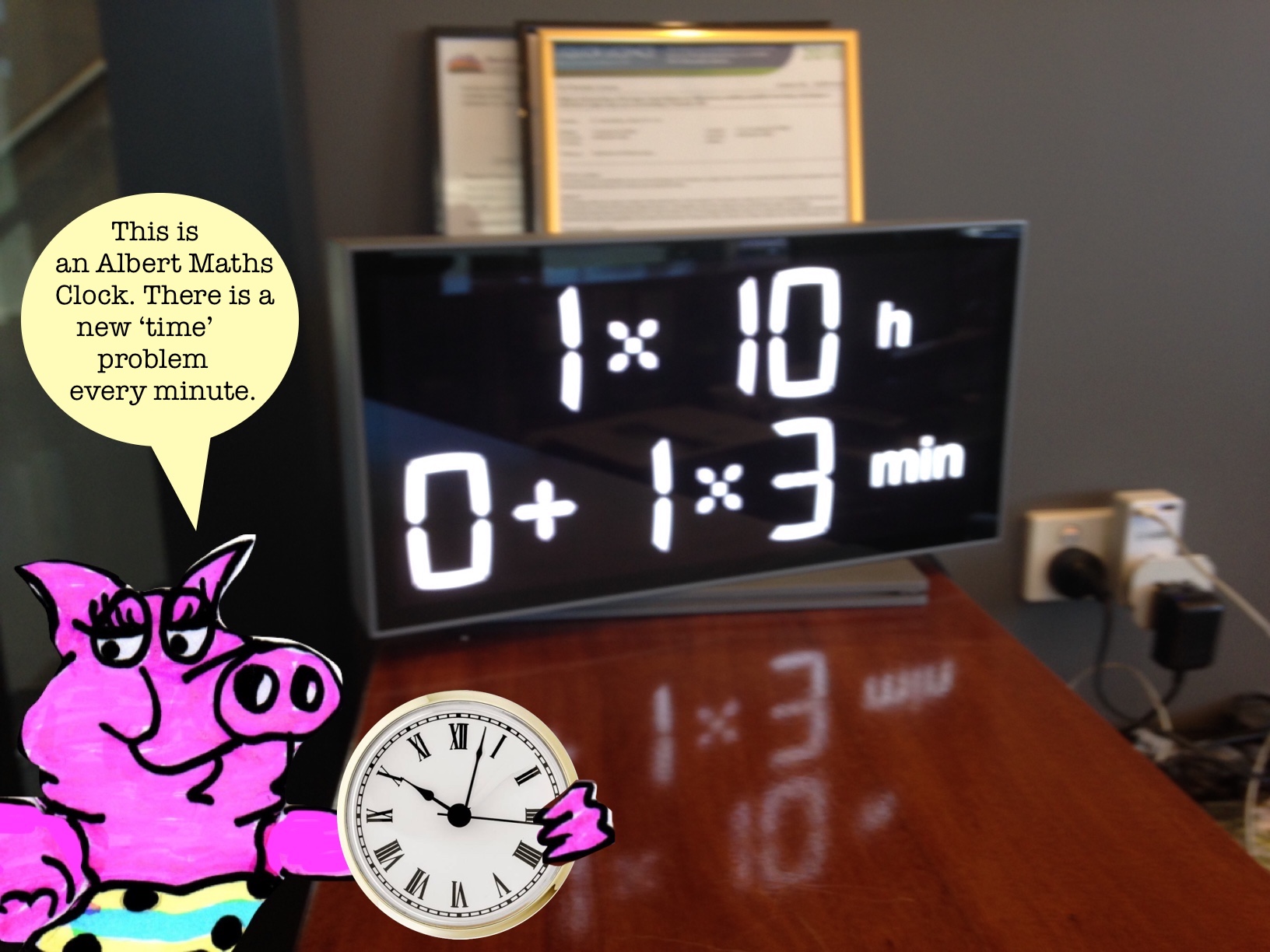
Mathspig found the Albert Mathematical clock at the Horsham International Hotel (below).
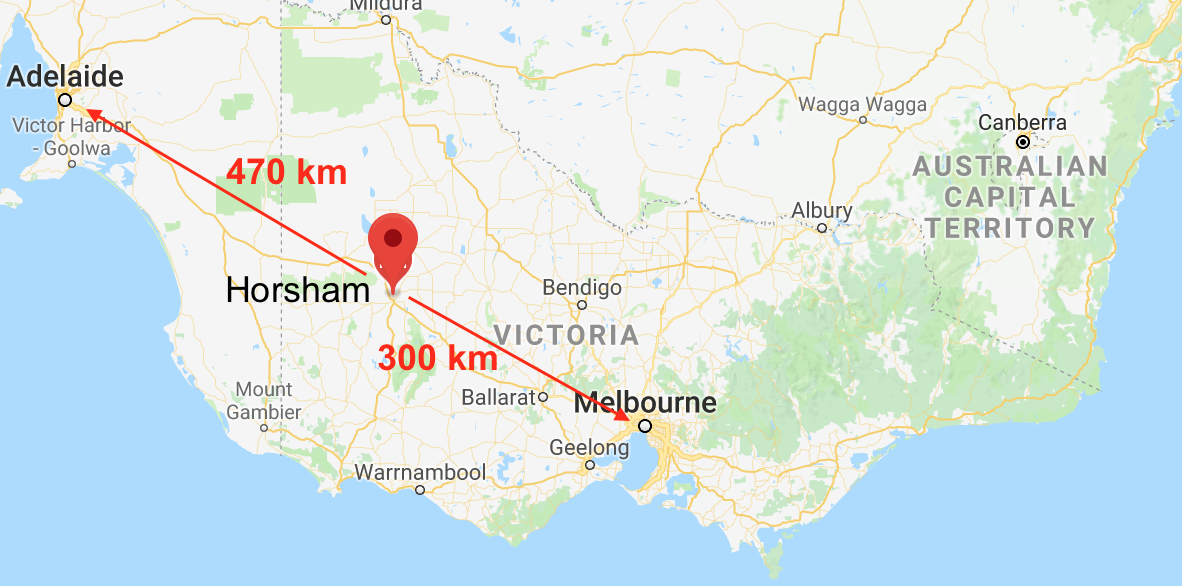
More info on the Albert Digital Clock here.

You can set the level of difficulty. You get 1 minute to work out the answer and that’s long enough.
Posted in Arithmetic, Junior School, Year 7 mathspig, Year 9 Mathspig | Tagged Albert, amazing, arithmetic, challenge, class, clock, digital, interesting, Math, Maths Teachers Resources, Middle school, Problem, resource | Leave a Comment »
February 22, 2018

According to the fab NBC video, Mathletes, nine Figure Skating judges score competitors for the complexity of each element (eg. Triple axel or triple spin jump) and the quality of the performance producing a score out of ten.
Tessa Virtue and Scott Moir win GOLD at Pyeong Chang 2018
Kailani Craine, Australia
This is a typical figure skating score card for one competitor.
The final score, however, is based on the average for only 5 of these scores. Two are eliminated by random selection (Red Brackets). Then the top and bottom scores are removed and the remaining five scores averaged.
Screen grab NBC Mathletes
……………………………………………………
Now consider the IDENTICAL SCORE CARDS
of Skater A & B:
Skater A:
Four scores are removed. Two by the random selector (in brackets) and then the top and bottom scores (with line drawn through them)
7.00 + 7.00 + 7.00 + 6.75 + 7.00
……………………………………..
= 34.75/ 5 = 6.95
Skater B:
Four scores are removed. Two by the random selector (in brackets) and then the top and bottom scores (with line drawn through them). But this time the random selector eliminates two low scores.
The average:
7.00 + 7.25 + 7.00 + 7.00 + 7.00
……………………………………..
= 35.25/ 5 = 7.05
Same score cards but Skater B gets a higher average score than Skater A.
Skater A is, in fact, beaten by a random number selector!!!!
Posted in decimals, Junior School, Middle School, statistics, Uncategorized, Winter Olympics Maths, Year 7 mathspig, Year 9 Mathspig | Tagged average, Figure skating, how do they, How do they average the score, How do they score, How many judges for, Math, math rules figure skating results, Middle school, Problem, Random Numbers, score, scoring, Why the best figure skater doesn't always win, Winter Olympics | Leave a Comment »





 Mathspig Blog