Mortality Resulting from Beverages with High Sugar Content. High Fructose Corn Syrup (HFCS) “Sweetener”: Profits over Health. The Ubiquitous Cost Saving Toxin – Global Research

www.globalresearch.ca


By Richard Gale and Dr. Gary Null

There is an unseen culprit hiding in the shadows. It is a toxic poison contained in many of the foods and beverages that we commonly eat. A toxin that has been implicated in causing cancer, diabetes, heart disease, lowered cognitive function, addiction, depression, and obesity. The magicians and alchemists of the corporate food industry have cleverly disguised this ingredient and sing its praises. If you are waiting for mainstream media to undertake an in-depth investigative report on this topic, you will be waiting a long time.

Back in 2015 Tufts University’s department of nutritional sciences conducted a study published by the American Heart Association that documented the annual rates of global deaths directly due to over-consumption of beverages with high sugar content. The results estimated that 184,000 adults die annually from sugary drinks. Dr. Gitanjali at Tufts analyzed data documenting sugar-related deaths across 51 countries between 1980 and 2010. Deaths were compiled according to cardiovascular disease, diabetes and various cancers. Based upon the data, the study concluded that sugar contributed to 45,000 annual deaths from cardiovascular disease, 13,000 deaths from diabetic complications, and 6,450 deaths related to cancer. 

Credit Suisse’s Research Institute published a scathing report that brought sugar’s health risks into sharper focus. The study revealed that upward to 40% of American healthcare expenditures could be directly tied to overconsumption of sugar in the average American diet.  Today, the US’ national addiction to sugar contributes to $1 trillion in healthcare costs annually, which includes coronary heart disease, diabetes and metabolic syndrome. There are numerous studies published in reliable peer-reviewed medical journals associating sugar with each of these life threatening diseases.

As far back as 1971, I began writing about the hazards of sugar. In 2002, my documentary Seven Steps to Perfect Health was premiered on PBS stations. During a special appearance on one station’s fund drive, I poured sugar out of a bag. The amount I poured equaled the number of teaspoons that an average American teenager consumes daily. My general counsel, David Slater, verified the quantity by proper measurement according to scientific food and diet data. 

After the initial airing of this special, I was informed by the station’s program director that they could not rebroadcast the performance, even though it was the most successful program during the fund drive. I was informed that the station had received harsh criticism from the sugar industry. The program director explained that the information I presented about sugar’s dangers, even though I provided full scientific verification of the facts, ran up against the president of the station board Sharon Rockefeller. I was told she had received a phone call from a sugar-lobbying group representing soft drink makers and sugar manufacturers.  Therefore the station made the decision to pull my program. I was never asked to return to the station. Not surprisingly, a subsequent investigation revealed Sharon Rockefeller sat on Pepsi’s board at the time, one of America’s largest manufacturers of sweetened soft drinks.   

That was my first personal encounter with the political forces supporting sugar. I wrote letters to the sugar industry, the station board and Sharon Rockefeller contesting their suppression of my program and their claim that sugar was unrelated to the declining health of Americans. They were presented with dozens of peer-reviewed studies.

However in recent decades, the sweetener industry has undergone a dramatic transformation with the introduction and widespread adoption of high fructose corn syrup (HFCS) throughout our food system. This shift from traditional cane sugar, which dominated my criticism earlier, to fructose corn sugars has led to deep human health and environmental concerns due to its economic benefits for food manufacturers. 

High fructose corn syrup was developed in the late 1960s by Japanese scientists who discovered a method to convert glucose from cornstarch into fructose using enzymes. This innovation was spurred by the need to find a cheaper and more versatile sweetener as an alternative to the more labor-intensive production of traditional cane sugar. HFCS is made by milling corn to produce cornstarch. The starch is then hydrolyzed into glucose by adding the enzyme alpha-amylase. Finally the glucose is further processed into fructose. The result is a syrup that typically contains 42-55 percent fructose, with the rest being glucose. Some methods can produce fructose as high as 90 percent. 

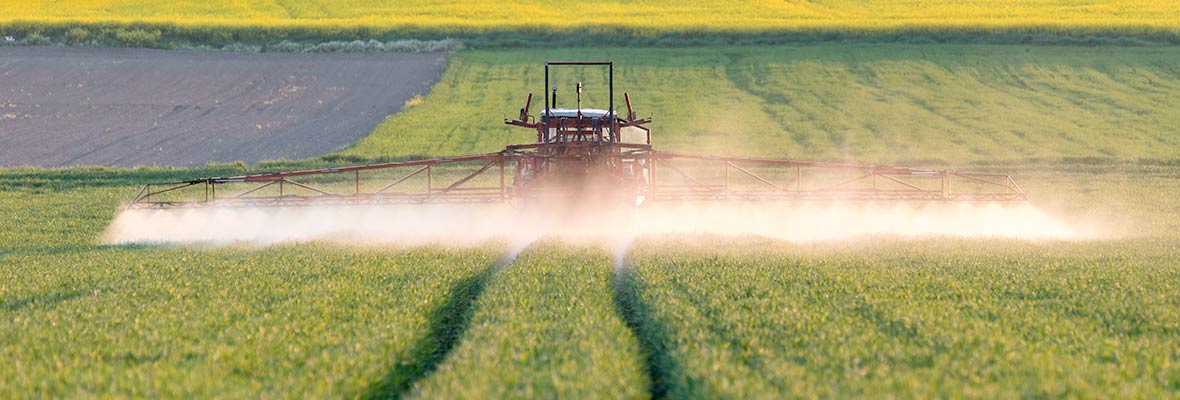
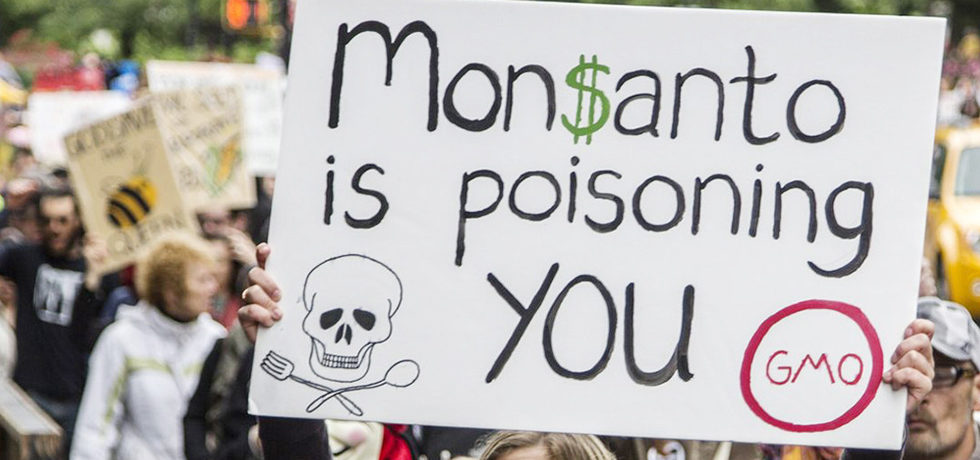
Today, HFCS production has been so optimized that it has become the most cost-effective and efficient means to produce sweeteners. Monsanto’s genetically modified Round-Up Ready corn, enabling the use of more toxic herbicides and pesticides, has now made HFCS the cornerstone of the sugar industry.  However, the shift to HFCS has been fundamentally driven by economics and the agro-chemical industry and has absolutely nothing to do with creating a healthier sugar.  Since corn is one of the most extensively cultivated crops in the United States, which is heavily subsidized by the government, it has provided an enormous, inexpensive supply of the raw material needed for HFCS production. In addition, the enzymatic conversion process can result in a high yield of sweetener from a relatively small amount of corn. 

HFCS is now a ubiquitous ingredient that permeates our entire modern food supply. Starting in the 1980s, the introduction of HFCS has gradually displaced traditional sweeteners such as natural cane sugar, glucose and honey. According to the USDA, HFCS can cost up to 50% less than cane and other traditional sugars. This cost differential is particularly significant in industries where sweeteners constitute a major portion of production costs such as in soft drinks, artificial fruit juices, sweet baked goods, snack foods and candy, breakfast cereals, condiments and sauces, sweetened dairy products such as yoghurt and ice cream, and a large variety of processed canned and prepared meals. A study published in American Journal of Clinical Nutrition found that HFCS accounts for over 40% increase of caloric sweeteners added to foods and beverages.

Screenshot from American Journal of Clinical Nutrition

Having a purview of the distribution of different sugars in the American diet helps to illustrate the dominance of HFCS in the food system. Approximately 45 percent of added sugars in the American diet come from HFCS and an additional 2 percent from pure fructose. Between 35-40 percent of sweeteners derive from sucrose, the common table sugar made from sugarcane and sugar beets — the latter now being genetically modified. The production process involves crushing the plant material to extract the juice, which is then purified, concentrated, and crystallized to produce table sugar. 

Not to be confused with HFCS, corn syrup is largely glucose and represents about 10-15 percent of the nation’s sugar intake. It is the most common sugar used in baked goods and candy. Lactose and galactose each account for about 4-5 percent of consumed sugars. However they are typically not added sugars to foods but naturally present in all dairy products. 

Finally, honey, which at one time was a common food ingredient, today only accounts for about 1-2 percent of sweeteners.  Moreover, according to FDA testing, a lot of commercial honey found in grocery stores has been adulterated with HFCS and other sweeteners, such sucrose derived from cane and GMO beet sugars and artificial honey-flavored imitators.  A general estimate is that 20-30 percent of honey sold is impure. 

Back in the 1970s and 1980s when I frequently railed publicly against the sugar industry and the health risks of processed table sugar that then completely dominated the food industry, I would never have imagined that sucrose would be gradually replaced by HFCS. This replacement accelerated after the emergence of genetically modified (GM) corn.

As noted above, the vast majority of HFCS produced in the United States, the world’s larger corn producer globally, is derived from genetically modified (GM) corn. Estimates suggest that around 85-90% of the corn grown in the U.S. is genetically modified. Therefore it is reasonable to infer that approximately 85-90% of HFCS is derived from GM corn.

As many court cases and exposes of corruption in the agro-chemical industry have cone to light, GM corn has dire implications for the production and consumption of HFCS, especially considering the associated health risks linked to the use of toxic herbicides such as glyphosate. Research has linked glyphosate to various health issues, including cancer.

A decade ago, the International Agency for Research on Cancer (IARC) classified glyphosate as a “probable human carcinogen”; today, it is no longer probable but a medical fact. Several studies have detected glyphosate residues in food products containing HFCS. A study published in Environmental Health found glyphosate residues in a variety of food products, highlighting the widespread contamination of the food supply with this herbicide. In addition to glyphosate’s carcinogenic potential, the toxin has also been shown to disrupt endocrine function and it has been implicated in gut dysbiosis, an imbalance in the gut microbiome. This disruption can lead to a range of health problems, including inflammatory bowel disease (IBD) and other gastrointestinal disorders. Research published in Current Microbiology indicates that glyphosate exposure can alter the composition of the gut microbiota, leading to adverse health outcomes.

HFCS and traditional sugars like table sugar differ significantly in their composition and metabolic effects. Sucrose is a disaccharide composed of equal parts glucose and fructose, while HFCS is a mixture of free glucose and fructose, with the fructose content higher than that in sucrose. This difference in composition affects how the body metabolizes these sugars. Briefly, HFCS poses more serious health risks than sucrose. The free fructose in HFCS is absorbed more rapidly than the bound fructose in sucrose, leading to quicker spikes in blood sugar and insulin levels. In addition, the high fructose content in HFCS places a greater burden on the liver, leading to increased fat production and storage, contributing to fatty liver disease and metabolic disorders. In contrast, the balanced glucose-fructose composition of sucrose is metabolized more evenly, posing lower risks. However, it is crucial to realize that excessive or even moderate consumption of any form of sugar can be detrimental to health.

Extensive research has linked the consumption of HFCS to a range of adverse health effects. Key among these is metabolic disorders and cardiovascular diseases. A study published in the Journal of Clinical Endocrinology & Metabolism found that high consumption of HFCS is associated with an increased risk of developing metabolic syndrome, which includes conditions such as obesity, insulin resistance, hypertension, and dyslipidemia. These conditions collectively elevate the risk of heart disease and stroke.

HFCS has been directly implicated in America’s obesity epidemic due to its high fructose content, which is metabolized differently than glucose. Fructose is primarily processed in the liver, where it can be converted into fat more readily than glucose. This process can lead to increased fat accumulation and insulin resistance, both of which are risk factors for obesity and type 2 diabetes. A study in the American Journal of Clinical Nutrition highlighted that high HFCS consumption is correlated with an increased risk of obesity and diabetes, particularly in children and adolescents.

HFCS intake also leads to non-alcoholic fatty liver disease (NAFLD). Unlike glucose, which is metabolized by all cells in the body, fructose is metabolized almost entirely in the liver. High levels of fructose overwhelms the liver’s capacity to process it, leading to fat accumulation and liver damage. Research published in Hepatology has shown a strong correlation between HFCS consumption and the progression to more severe liver diseases, such as cirrhosis and liver cancer.

Recent evidence reveals that HFCS has detrimental effects on cognitive function and mental health. Studies indicate that fructose impairs insulin signaling in the brain, which is crucial for maintaining cognitive functions. A study in the Journal of Physiology found that high-fructose diets can lead to insulin resistance in the brain, potentially increasing the risk of neurodegenerative diseases like Alzheimer’s. Additionally, high sugar diets, including those high in HFCS, have been linked to mood disorders, such as depression and anxiety, as detailed in a review in Nature Reviews Neuroscience.

HFCS and other fructose-rich sugars can have profound adverse effects on the gut and digestive system. These sugars are known to disrupt the normal functioning of the gastrointestinal tract, contributing to various digestive disorders and altering the gut microbiome. Fructose, unlike glucose, is not directly absorbed by the body. It requires a specific transporter, GLUT5, to be taken up by the intestinal cells. Fructose interferes with these transporters, leading to malabsorption. Unabsorbed fructose travels to the large intestine, where it undergoes fermentation by gut bacteria. This process produces gases such as hydrogen, carbon dioxide, and methane, which cause bloating, gas, and abdominal pain leading to malabsorption and the intestine’s inability to absorb fructose efficiently.

The gut microbiome, a complex community of trillions of microorganisms living in the digestive tract, is crucial for maintaining digestive health, immune function, and overall well-being. High intake of fructose negatively affects this delicate balance. Studies have shown that diets high in fructose can lead to an imbalance in the gut microbiota composition. This imbalance is characterized by a decrease in beneficial bacteria such as Bifidobacteria and Lactobacilli and an increase in harmful bacteria like Clostridia and Enterobacteria. 

A study published in The American Journal of Clinical Nutrition found that high fructose levels increase intestinal permeability, also known as “leaky gut.” This condition allows harmful substances, such as toxins and bacteria, to pass from the gut into the bloodstream, triggering inflammation and contributing to the development of various diseases, including inflammatory bowel disease (IBD) and irritable bowel syndrome (IBS). Inflammatory bowel disease, which includes conditions like Crohn’s disease and ulcerative colitis, is exacerbated by promoting inflammation and altering the gut microbiota. A study in the journal Gut reported that reducing fructose intake improved symptoms in individuals with IBS, suggesting a direct link between fructose consumption and IBS symptom severity.

Finally we need to also consider the catastrophic effects of HFCS on children. Children are particularly vulnerable to the health risks associated with HFCS due to their higher consumption levels relative to their body weight. According to data from the CDC, the average American child consumes approximately 12-16 teaspoons of added sugars per day, a significant portion of which comes from HFCS. This high intake is largely driven by the consumption of sweetened beverages, snacks, and processed foods that are marketed specifically to children.

The high consumption of HFCS among children is a major contributor to the rising rates of childhood obesity and metabolic disorders. Studies have shown that children who consume high levels of sugary beverages and snacks are more likely to develop obesity, insulin resistance, and type 2 diabetes. A study published in Pediatrics found that children who consume sugary drinks daily are at a significantly higher risk of developing obesity compared to those who consume them less frequently.

There is also growing concern about the impact of HFCS on children’s cognitive development and behavior. High sugar diets have been linked to attention deficit hyperactivity disorder (ADHD) and other behavioral issues in children. A study in the Journal of Attention Disorders found that excessive sugar consumption, including HFCS, exacerbates symptoms of ADHD and impair cognitive functions such as memory and learning.

A deeper look at the politics of the sugar industry reveals that huge sums are being doled out by the government to support and subsidize sugar companies. Writing for the Wall Street Journal, health journalist Alexandra Wexler explains that American taxpayers are currently responsible for shelling out $280 million to cover the cost of loans from the USDA which sugar producers are unable to pay back. Given the undeniable evidence demonstrating the toxicity of HFCS and other commercial sugars and their enormous toll on the wellbeing of Americans, why is it that our health agencies and elected officials are not calling for an urgent overhaul of existing policies, which graciously support the domestic sugar industry to poison the population? Where is the outrage over bailing out the purveyors of what is likely the most dangerous staple in the American diet? For our answers we must follow the money-trail.

*

Click the share button below to email/forward this article to your friends and colleagues. Follow us on Instagram and Twitter and subscribe to our Telegram Channel. Feel free to repost and share widely Global Research articles.

Spread the Truth, Refer a Friend to Global Research 

Richard Gale is the Executive Producer of the Progressive Radio Network and a former Senior Research Analyst in the biotechnology and genomic industries.

Dr. Gary Null is host of the nation’s longest running public radio program on alternative and nutritional health and a multi-award-winning documentary film director, including his recent Last Call to Tomorrow.

They are regular contributors to Global Research.

Featured image source

https://www.globalresearch.ca/high-fructose-corn-syrup-profits-health/5863558

90% of U.S. Cheese Contains GMO Made by Pfizer


Dr. Joseph Mercola

By Ashley Armstrong

Rennet is used as a clotting agent to curdle the milk into cheese, separating the liquid parts of milk from the solids. Pfizer makes a genetically modified rennet, but because of a labeling loophole, cheese containing Pfizer’s rennet does not have to be labeled as containing a genetically modified organism.

  • Traditionally, cheese was made with just four ingredients: milk, salt, starter culture and animal rennet.
  • Rennet is used as a clotting agent to curdle the milk into cheese, separating the liquid parts of milk from the solids. It’s an essential part of the cheese-making process.
  • Today, there are four types of rennet used in the cheese-making industry: animal rennet, vegetable rennet, microbial rennet and a genetically modified version called FPC (fermentation-produced chymosin), made by Pfizer.
  • Bioengineered FPC was granted Generally Regarded as Safe (GRAS) status, which exempted Pfizer from the pre-approved requirements that apply to other new food additives. This is even though studies have detailed concerns about safety.
  • An estimated 90% of North American cheese is made with FPC rennet, and ingredient labels do not distinguish between bioengineered rennet and the original animal-based type so consumers have no way of knowing what they’re eating.

In this article let’s dive into why I believe you should only be eating cheese made with ANIMAL RENNET, and how over 90% of the cheese sold in the U.S. does not use this and instead uses a genetically modified organism (GMO) version made by Pfizer.

Cheese history

Who doesn’t love cheese?! And for good reason — it is not only delicious but also incredibly nutritious. And despite what the mainstream tells us, humans have been making and consuming this superfood for over 7,000 years. In fact, cheese serves an important role in human history.

Historians document that milk, dairy and fermented dairy products, like cheese, served as a nutrient-dense calorie source that was storable, allowing some of the first explorers to safely travel and expand communities, creating more demographic shifts and diverse farming communities.

“Dairy provided food security, as it is a nutrient-rich superfood.

Consumption of milk and dairy products would have had many advantages for early farming populations. Milk, yogurt, and cheese are good sources of calories, protein, and fat. They provide a reliable food between harvests or during droughts, epidemics, or famines.

“Milk is a relatively pathogen-free source of fluids that could be critical during times of water scarcity. Cheese provides a means of storing these nutrients to be used when milk production is low, and can be easily transported.

“Furthermore, fermentation of milk into yogurt or cheese lowers lactose content and allows lactose intolerant individuals to reap the benefits, while maintain, or in some cases enhancing, other essential nutrients such as fat and calcium.”

But cheese was traditionally made with just these four ingredients:

  1. Milk.
  2. Salt.
  3. Starter culture, what’s used to make the desired cheese strain (for ex. Muenster versus Swiss).
  4. Animal rennet is used as a clotting agent to curdle the milk into cheese, separating the liquid parts of milk from the solids — a very vital part of the cheese-making process!

You add culture to milk and let it ferment. Then, you add rennet, which separates the milk into curds and whey. Then you press the curds and age them. And voila — cheese!

Rennet is a complex set of enzymes that are naturally produced in the stomachs of ruminant animals, like cows.

The main enzyme present is chymosin, which is a protease enzyme, meaning it breaks down protein. Rennet from animals also contains other enzymes like pepsin and lipase.

So these enzymes in rennet target casein, the main protein in milk. They cause the casein molecules to divide and re-coagulate into even larger clumps, forming cheese curds.

So, rennet serves as a vital part of cheesemaking since it helps curdle the milk into cheese, separating the liquid part from the solid part.

Types of rennet

There are four types of rennet used in the cheese-making industry: animal rennet, vegetable rennet, microbial rennet and FPC (a GMO version).

1. Animal rennet — Animal rennet is the most natural and oldest form of rennet, and what was traditionally used in cheese making. There are milk-clotting enzymes naturally occurring in the stomach lining of ruminant animals.

It is well known in the cheese-making industry that animal rennet produces a superior flavor, likely because this rennet is a complex set of enzymes (as nature intended), rather than a single isolated enzyme derived in a lab.

Animal rennet is usually 90% chymosin enzyme and 10% pepsin enzyme. The small amount of pepsin will break down the casein protein in milk in a slightly different way compared to just chymosin alone, producing a final product with an enhanced taste.

Cheese made using animal rennet not only tastes better, but it also produces a safer and more natural final cheese product, which will be discussed in depth below.

2. Vegetable rennet — One alternative to animal rennet is vegetable rennet, which unfortunately varies a lot depending on the source, and the term “vegetable rennet” is misused a lot.

True vegetable rennet is derived from plants that possess coagulation enzymes. These plant extracts have been used as milk coagulants since ancient times. Some examples include cardoon thistle, fig tree bark or nettles.

However, it is well known in the cheese industry that vegetable rennet can negatively impact the final texture and flavor of the cheese.“Most plant-derived [enzymes] typically exhibit low MCA/PA [milk clotting activity/proteolytic activity] ratios resulting in poor cheese yield and formation of bitter substances during cheese ripening … Therefore, most of them are not suitable for cheese production.”This is why most of the cheese with the label “vegetable rennet” isn’t real vegetable rennet. It’s either microbial rennet (made from mold) or FPC (the GMO version) since there is no regulation on the terms used for what rennet is used in cheese labeling.

3. Microbial rennet — Another alternative to animal rennet is “microbial rennet,” where the coagulating enzymes are produced by a specific type of mold, fungus or yeast organism grown and fermented in a lab setting (often fed soy). Yum. So while the microorganisms aren’t genetically modified, their food source likely is.

This is considered vegetarian-friendly as the enzyme produced by the organism is not derived from an animal. There is again a large consensus in the cheesemaking world that cheeses made with this type of microbial rennet can lead to a final cheese product with a bitter taste. This option is commonly used in “certified organic” and “certified vegetarian” cheeses.

“Microbial [enzymes] are mainly produced by fungi and bacteria in the process of growth and metabolism. Microorganisms have the advantages of a short growth cycle, easy fermentation, and are not limited by space and region of production …

“Therefore, the cost of microbial MCEs [microbial enzymes] is low … However, it is found that most MCEs have high PA and low MCA/PA ratios leading to low cheese yield and bitterness.”

4. Genetically modified FPC — To overcome some of the shortcomings of the vegetable and microbial rennets like the potential bitter cheese taste, scientists have leveraged genetic engineering technology to create new, genetically modified species that generate these milk-curdling enzymes.

Introducing the most common alternative to animal rennet in cheese making — FPC. (Chymosin refers to the enzyme that curdles milk, and is naturally present in the stomach lining of ruminant animals).

In fact, 90% of the cheese manufactured in the U.S. uses these enzymes from GMOs.

FPC was created by the one and only Pfizer (biotech company) and is made possible by using CRISPR gene editing technology where the genomes of living organisms are modified. The “safety” of FPC was evaluated by a 90-day trial in rats.

How FPC is made

Here’s how it is made: The rennet-producing gene is taken out of the animal cell’s DNA string and then inserted into the bacteria, yeast or mold host cell’s DNA string in a process known as gene splicing (a type of recombinant DNA technology).

Once inserted, the newly placed gene initiates the production of the chymosin enzyme within the host. The host culture is then cultivated and fermented.

These recombinant DNA technologies are relatively new and became popular in the 1980s when the U.S. Supreme Court by a 5-4 vote ruled that new life forms can be patented.

So then in 1990, in another precedent-setting decision by a U.S. government office, the U.S. Food and Drug Administration (FDA) approved the use of FPC in food. It was the first time a bioengineered product was permitted in food in the U.S. It gets better.

This bioengineered FPC was granted GRAS status. This means that Pfizer was exempt from the pre-approval requirements that apply to other (non-GRAS) new food additives.

Since Pfizer demonstrated what is often referred to as “substantial equivalence,” the FDA concluded that bioengineered chymosin was substantially equivalent to calf rennet and needed neither special labeling nor an indication of its source or method of production.

In case you didn’t know, this “GRAS” label is a little hand-wavy and just a big loophole. In general, federal law requires the FDA to ensure that food additives are safe and mandates a rigorous pre-market safety review process. But the loophole = GRAS.

The GRAS loophole

Forty-three percent of food additives are designated “GRAS” and don’t get FDA oversight. Essentially, we must trust that food companies will conduct unbiased safety determinations before adding these new GRAS substances to our food.

“According to the FDC [Federal Food, Drug, and Cosmetic] Act, food additives that are non-GRAS need approval prior to marketing. In contrast, GRAS substances do not require approval or notification to the USFDA prior to marketing.”

Meaning the public and other regulatory agencies lack the data needed to assess the safety of some chemicals in our foods.

In 2014, former Deputy FDA Commissioner for Foods Michael Taylor commented on the FDA’s failure to regulate food chemicals, saying:

“We simply do not have the information to vouch for the safety of many of these chemicals.”

GRAS may have started with good intentions, but it has turned out to be a giant loophole for food companies to get a free pass to use chemical additives in our food with little to no oversight.

And of course, there is no other developed country in the world that has a system as archaic as GRAS for approving food additives. Okay tangent aside, back to FPC.

FPC cheese is exempt from GMO labeling

Even though the organisms that produce this FPC are genetically modified, dairy products using this technology are exempt from having to label their products as “GMO.”

In fact, FPC is just listed as “microbial rennet” or “vegetable rennet” on labels. (The source of the rennet is not required to be listed.) So it is a little deceiving.

The “Non-GMO” national project does not agree with this FPC technology and believes this is a high-risk ingredient. Moreover, FPC is not permitted in U.S. Department of Agriculture (USDA) organic cheeses.

Here is a comment from the American Cheese Society:

“FPC rennet is a genetically modified organism (GMO). According to the culture companies, 90% of North American cheese is made with FPC rennet. But ingredient labels do not distinguish between this type of microbial rennet and the original non-GMO type.

“And the fact that use of FPC-type microbial rennet is not labeled a GMO leaves those who oppose GMOs in the dark when it comes to choosing cheese.”

And once again, FPC is used in 90% of the cheese made in the U.S.!

These alternative rennet methods are up to two times cheaper than using animal rennet since they speed up the aging process to make cheese ready for market faster, which means more profits.

They also allow cheese companies to market to vegetarians (since animal rennet, derived from the stomach of a ruminant animal, would not be allowed). But is FPC safe?

Safety concerns of GM enzymes

Well, again, this technology is new. So there are no long-term studies evaluating the safety of eating a small amount of this genetically modified food additive every single day.

But there are two main concerns: 1) toxicity and 2) digestive issues since these rennet alternatives can serve as an allergen.

Toxicity concerns

Toxicity means that the enzyme solution contains biotoxins from the genetically modified host (mold or fungus) that is being cultured and fermented in the lab.

The producers of these enzymes claim the final FPC enzyme solution is highly purified, but some people react as though they still contain some of the allergens from the host microorganisms themselves.

In fact, traces of the genetically engineered bacteria have been found in enzymes. A few quotes from the literature regarding these toxicity concerns. I don’t know about you, but I have no desire to consume biotoxins from genetically modified organisms!

Genetically modified food enzymes are currently produced from GMOs. Safety concerns have been raised regarding potential contamination of food with bacterial toxins or mycotoxins, allergens, or uncharacterized extraneous substances as impurities.

“Because these enzymes are purified from microbial sources, toxic substances might be present in enzyme preparations/isolates. The toxic substances are basically bacterial toxins and mycotoxins, which might cause problems/risks related to the health of consumers.

“Safety legislation is also very much attentive regarding the allergenic properties of manufactured enzymes, as it is well known that enzymes are potent inhalative sensitizers.

“Apart from that, numerous uncharacterized extraneous substances/ impurities of microbial/biological origin may also be present in the enzyme preparation, which is also a matter of prime concern while evaluating the safety of commercial enzyme products.

“While food enzyme preparations are considered unlikely to cause any acute toxicity, genotoxicity, or repeat-dose oral toxicity, it is the fermentation product(s) of microorganisms from the manufacturing process that is/are of interest due to the potential presence of secondary metabolites that may induce toxicity when ingested (eg. aflatoxins, fumonisins and/or ochratoxins).”

So, some are concerned about continuous ingestion of these biotoxins over time, and the negative health consequences those would have over the course of years.

And unfortunately, there isn’t much regulation here. “Currently, the companies themselves are responsible for the quality control of their products.”

Gee, that’s not helpful!

Allergens and digestive issues

So as a result of a small amount of these toxins potentially showing up in the final cheese product (and slight structural changes in the final proteins), the cheese can now serve as an allergen and can cause an allergic reaction, or digestive and respiratory issues.

  • Stomach upset or discomfort.
  • Runny nose, increase in mucus production.

Consumers then may think they can’t digest cheese — but hey, maybe it is just the cheese that was made! It may not be the dairy itself, but the microorganism residues that elicit an allergic response, or irritate the gut lining.

I do not digest cheese that is made with this FPC (which again can be “vegetable rennet” or “microbial rennet” on labels). I get stomach upset and a disruption of my normal bowel movements.

So something isn’t going right there! I can only digest cheese made with animal rennet, so I am very picky with what cheese I consume day to day!

GMO cheese may compromise your gut health

One of the biggest issues here is the potential disruption of the gut microbiome.

“Lastly, the case study highlights the issues related to the dissemination of [antimicrobial resistance] genes due to their potential acquisition by the human commensal flora, via direct food consumption and by environmental bacteria through contact with soil and water surfaces or food waste. This is especially the case as a living GMM [genetically modified micro-organism] was found in a FE [enzyme] preparation.”

In addition, allergic responses from ingesting the biotoxin residues or modified protein structures.

“A known safety risk linked to industrial enzyme use is respiratory allergy and for most proteases, there is also some potential for skin and eye irritation … Enzymes present a risk of a respiratory allergy (e.g. Aspergillus-derived enzymes in bakers’ asthma) and it is well described in the scientific literature …

“Genetic modification of enzymes may also change their allergenic properties, posing new potential health risks. For instance, type I sensitization was found in a study of 813 exposed industrial workers using genetically modified enzymes.”

So, it is documented in the literature, I experience it personally, and have heard from multiple other people — some people have digestive issues digesting the microbial and vegetable rennets.

But do just fine with cheese made traditionally with animal rennet. There are consequences when we try to outsmart nature!

Originally published by Mercola.

Ashley Armstrong, with a Ph.D., M.S. and B.S. in mechanical engineering, and a certified personal trainer, is the co-founder of Angel Acres Egg Co.

The views and opinions expressed in this article are those of the authors and do not necessarily reflect the views of Children’s Health Defense.

https://childrenshealthdefense.org/defender/pfizer-gmo-rennet-cheese-us-cola/

Petition To Bill Gates & The Gates Foundation

The Land Report released a report summarizing their research into the top farmland owners in the United States. At the top of the list sit Bill and Melinda Gates, the well-known profiteers masquerading as philanthropists.   Bill Gates and his wife have been quietly buying up large parcels of U.S. farmland, making them America’s largest private farmland owners. Covering his tracks and making ownership hard to trace, Gates hides behind shell companies with reports of purchases such as one by a “Louisiana investor,” a limited liability company associated with Angelina Agriculture of Monterey, Louisiana. According to The Land Report, the Gates own 242,000 acres of U.S. farmland, comprised of large parcels in at least 18 states around the country. You have to wonder if he’s hidden more.   “The Gates Foundation has rapidly become the most influential actor in the world of global health and agricultural policies, but there’s no oversight or accountability in how that influence is managed,” says journalist Colin Todhunter. And we agree.   A guy with no formal science, medical, public health, or agricultural education… yet his obscene wealth has given him obscene power.   As a strong supporter and funder of genetically engineered crops, Gates is no friend to public health, our environment, or economic and food justice. His “accomplishments” include:

  • Tens of millions of dollars of funding to Cornell University’s “Alliance for Science,” an industry-backed pro-GMO propaganda machine.
  • Ongoing efforts to force GMO crops down the throats of Africans as part of the Alliance for a Green Revolution in Africa (AGRA) initiative. More than 80% of Africa’s seed supply comes from millions of small-scale farmers who save and exchange seeds from year to year. But AGRA is promoting dependence on corporate patented seed and the introduction of industrialized, chemical-dependent farming systems which would enable a few large companies to control seed research and development, production and distribution, and to enslave African farmers.
  • Strongly endorsed new gene editing techniques such as CRISPR , which have been found in numerous studies to have unintended, off-target effects.
  • Supports gene drives that are designed to wipe out entire species. 
  • Invested tens of millions of dollars in the development and promotion of GMO Golden Rice that was supposed to save the world from Vitamin A deficiency blindness despite crop yield deficiencies, vitamin A degradation in storage, and lack of cultural acceptance. Golden rice remains an unviable technology despite decades of research.
  • Supports the development of patented gene-edited animals, which he claims is vital “because a cow or a few chickens, goats, or sheep can make a big difference in the lives of the world’s poorest people, three-quarters of who get their food and income by farming small plots of land.”
  • In bed with the big agrichemical corporations. 
  • Calls his efforts “sustainable” and “regenerative”, attempting to co-opt the messaging of the real regenerative agricultural movement.

We’ve seen the havoc GMOs have wreaked on our health and our environment in recent years. The detrimental chronic health effects, obscene levels of pesticides sprayed on failing GMO crops, depletion of critical soil nutrients and damage to the microorganisms in our soil, corporate control of our food supply… and the financial disadvantage to organic farmers who grow real food are not a coincidence.    And as for food security, Gates should leave the food production to experienced farmers who understand the truly agroecological, chemical-free approaches to agriculture, which high-level UN reports have advocated for to ensure equitable global food security. But this would leave the small farmers that grow real food intact and independent from Big Ag, something which is counter to the underlying aims of the corporations that the Gates Foundation supports.   The moment of reckoning for Mr. Gates has come. Instead of philanthropy for profit, how about some real philanthropy for good? Tell Gates to donate his farmland to experienced organic farmers such as the Rodale Institute with over 70 years of agricultural research and experience. Leave it to the farmers who know how to grow healthy, nutrient-rich food that feeds real people, not junk food companies. Goodness knows he can afford it.


PETITION TO BILL GATES & THE GATES FOUNDATION  

Dear Mr. Gates,  

We learned that you are now the largest holder of farmland in the United States and we’d like to have a respectful, heart to heart discussion with you.   Over the years, you have expressed unwavering support for genetic engineering and chemical-dependent farming. Sadly, while you may have been misled to believe that this is a sustainable approach to feeding the world, independent science has now documented that this is far from the truth.   GMO crops are failing. The USDA is considering the withdrawal of nearly all insecticide producing GMO corn varieties. Pesticide use has skyrocketed, with the latest generation of GMO crops awaiting approval engineered to be tolerant of 5 different toxic herbicides. And a newly published study found that U.S. conventional corn growers now incur over a half-billion dollars per year in extra fertilizer costs due to the long‐term loss of soil fertility through erosion and organic matter loss caused by conventional farming practices. To top it off, synthetic fertilizer runoff is leading to major pollution of our waters.   We are all for scientific research. But the science of genetics is still in its infancy. Genetic research and experimentation on our food should be locked inside a greenhouse until each genetically engineered organism can be thoroughly and independently studied in long term feeding trials that would uncover potential chronic toxicity. Multiple studies have recently found that genetic engineering has the potential to create unintended and off-target changes to the chemistry of the plant. Science tells us that traditional 60-day animal feeding studies conducted by companies that stand to profit from the sale of a patented, novel seed just aren’t enough.   America is in a public health crisis. GMO crops are primarily used to produce junk foods that have contributed to the deterioration of our collective health. Farmers need to grow a diversity of nutrient-dense foods to restore our health.   And one more thing.   Organic regenerative no-till agricultural practices… 

  • are competitive with conventional yields after a 5-year transition period
  • produce yields up to 40% higher in times of drought   
  • earn 3-6x greater profits for farmers
  • leach no toxic chemicals into waterways
  • use 45% less energy
  • release 40% fewer carbon emissions

This is why we are petitioning to ask that you donate your U.S. farmland holdings to credentialed and experienced agricultural experts such as Rodale Institute, a 501(c)(3) nonprofit focused on organic agriculture, related research, and farmer training for over 70 years. Organizations like Rodale can oversee the equitable distribution of your land to organic smallholder farmers.   According to a 40-year agricultural study of organic and conventional commodity crops grown side by side, it takes five years for farmers to fully transition to organic from conventional agriculture that relies on synthetic pesticides and fertilizers.   So in addition to donating your farmland holdings, and in the interest of philanthropy for public and environmental health instead of profit, we call upon you to create and donate to an organic transition fund to support and encourage the much-needed transition from pesticide-intensive GMO monoculture to biodiverse, smallholder farms that grow organic, nutrient-dense foods using agricultural practices laid out by the Rodale Institute.   Thank you for your consideration.   Respectfully yours,  

A Concerned Citizen

https://gmofreeusa.salsalabs.org/billgatesfoundationfarmland/index.html?eType=EmailBlastContent&eId=0dc81158-78b8-40df-a9e4-2bef0c552e32

Petition: Ban Neonicotinoid Insecticides Deadline 11:59pm May 4,2020

EPA: Follow the science, not GMO and agrichemical industry profits! Ban neonicotinoid insecticides. EPA: Follow the science, not GMO and agrichemical industry profits! Ban neonicotinoid insecticides. The science is clear and the evidence overwhelming. Neonics pose a grave threat to bees and other pollinators, birds, animals and humans. In 2013, the European Union placed a moratorium on three neonics widely used in the U.S. In 2018, the EU went further and banned all outdoor use because of the high risk to pollinators and soil and water contamination. In 2020, the EU went on to ban a fourth neonic, also widely used in the U.S., due to the threat to human health and the environment. Here in the United States, the EPA is poised to renew the registration of five types of neonics. Tell the EPA that it’s high time to protect America’s health and our shared environment, rather than Bayer-Monsanto and Syngenta’s poison profits. We need the bees and other important pollinators. We don’t need poison made by Bayer-Monsanto and Syngenta. Do not renew the registration for neonicotinoid insecticides. BAN NEONICS. Pesticide Registration Review: Proposed Interim Decisions for Several Neonicotinoid Pesticides Regulations.gov Document ID EPA-HQ-OPP-2011-0581-0357 Agency Environmental Protection Agency Comment Period Feb 3, 2020 to May 4, 2020 Comment

https://gmofreeusa.salsalabs.org/banneonics2020/index.html?eType=EmailBlastContent&eId=77441f17-7573-4f79-b47d-e1a4a063bb8d

Confusing New GMO Labels Help Big Ag, Not Consumers – Chemical Free Life

chemical-free-life.org
Confusing New GMO Labels Help Big Ag, Not Consumers – Chemical Free Life
Published by Chemical-Free-Life.org
3-4 minutes

If there was ever a way to assist Big Ag in selling GMO food products, this is it…
USDA Unveils Prototypes For GMO Food Labels, And They’re … Confusing

Foods that contains genetically modified ingredients will soon have a special label.

We recently got the first glimpse of what that label might look like, when the U.S. Department of Agriculture released its proposed guidelines.

This is the product of a decades-long fight between anti-GMO campaigners and Big Agriculture companies, which left neither side completely satisfied…

After Congress passed a bill in 2016 requiring labels on foods containing GMO ingredients, the USDA launched a long process to figure out the specifics.

The result?

Confusion for Consumers

“…they look like a little smiley face. They’re very pro-biotech, cartoonishly so, and to that extent are, you know, not just imparting information but instead are essentially propaganda for the industry.”

-George Kimbrell, legal director for the Center for Food Safety

The letters B-E stand for bioengineered — a term critics say is unfamiliar to the U.S. consumer, compared to more commonly used phrases like genetically engineered or GMO.

“It’s misleading and confusing to consumers to now switch that up and use a totally different term, bioengineered, that has not been the standard commonplace nomenclature for all of this time.”

-George Kimbrell, legal director for the Center for Food Safety

Big Ag Loves the New Labels

…industry representatives such as Nathan Fields, the director of biotechnology and crop inputs at the National Corn Growers Association, say the new “Bioengineered” term provides a clean slate.

The National Corn Growers Association was supportive when Congress passed the mandatory disclosure standards, in part because states such as Vermont were creating their own rules about labeling genetically engineered foods…

More than 90 percent of the corn grown in the U.S. is genetically engineered. Soy, like corn, is also more than 90 percent genetically engineered. That means that the majority of processed foods containing ingredients such as soy, canola oil or corn starch, also contain modified genetic material.

More Obstacles for Consumers to Know What is In Their Food

Polls show that a majority of Americans want to know whether their food is genetically engineered.

…but it is not certain that the USDA will require the label to actually say “bioengineered”…companies could simply use a QR code, a kind of barcode that a phone can scan, to disclose info about the product. Industry professionals say they are clear and easy to use.

But critics say scanning a code would be one more obstacle for people who want to know how their food is made.

“People who aren’t in a place where there’s good wi-fi won’t know if it’s a GMO, and people who don’t use smartphones won’t know if it’s a GMO and also people who are in a hurry won’t know if it’s a GMO.”

-Dr. Glenn Stone, a Washington University in St. Louis anthropology professor who focuses on genetically modified crops

https://chemical-free-life.org/2018/05/21/confusing-new-gmo-labels-help-big-ag-not-consumers/

Stop Monsanto Soy! – Rainforest Rescue

South America’s tropical forests are being cleared to make room for soy plantations. Monocultures of Monsanto GMO soybeans are taking up even more space – and are being sprayed with highly toxic herbicides. Millions of tons of the soybeans are fed to livestock in Europe. Please the man and import ban for soybeans now.

https://www.rainforest-rescue.org/petitions/889/stop-monsanto-soy

New Developments in GMOs and Glyphosate from Ocean Robbins and Jeffrey Smith

Petition~EPA, don’t cave under Monsanto’s pressure | Pesticide Action Network


http://www.panna.org/take-action/glyphosate-epa?utm_source=action&utm_medium=alert&utm_content=glyphosate

Monsanto Weed Killer Wiping Out Valuable Crops, Agrochemical Giant Looks to be ‘Amazon of Agriculture’ | Global Justice Ecology Project


Monsanto in the news this week with a report by Mother Jones titled Monsanto Just Made a Massive Mistake. The report follows up on EPA data indicating 117 complaints “alleging misuse of pesticide products containing dicamba,” affecting more than 42,000 acres of crops, including peaches, tomatoes, cantaloupes, watermelons, rice, peas, peanuts, alfalfa, cotton, and soybeans.

From the Mother Jones piece:

The trouble appears to stem from decisions made by the Missouri-based seed and pesticide giant Monsanto. Back in April, the company bet big on dicamba, announcing a $975 million expansion of its production facility in Luling, Louisiana. The chemical is the reason the company launched its new Roundup Ready Xtend soybean and cotton seeds, genetically engineered to withstand both dicamba and Monsanto’s old flagship herbicide, glyphosate (brand name: Roundup). Within a decade, the company wrote, the new GM crops will proliferate from the US Midwest all the way to Brazil and points south, covering as much as 250 million acres of farmland (a combined land mass equal to about two and a half times the acreage of California)—and moving lots of dicamba.

Meanwhile, Forbes reports that Monsanto’s Climate Corporation “is building a network of in-field sensors to expand the scope of soil, weather and other data flowing into its digital agriculture tools that help farmers increase crop yields and reduce costs.”

“We see it as the Amazon of agriculture, where we’re bringing additional apps up onto that platform and where the best apps win,” Monsanto CEO Hugh Grant said.

From the Forbes piece:

Agriculture companies have spent hundreds of millions of dollars on technologies that capture and analyze detailed data about plants, soil and weather to help farmers increase yields and lower costs. The companies hope to capitalize on what they believe is the biggest step forward in agriculture since biotech seeds.

But many farmers, squeezed by tightening farm profits, have not fully embraced the big data offerings.

Monsanto’s new GMO soybeans are making a hot mess for farmers | Grist

Grist Logo


You can see signs of Monsanto’s latest belly flop in stricken farms: The leaves are gone from the acres of peach trees on Bill Bader’s orchard in southern Missouri, and soy fields in eastern Arkansas and western Tennessee are curling up and dying.

A lot of the blame falls on Monsanto’s new genetically engineered soybean, Xtend, which is having a terrible, horrible, no good, very bad roll out this year.

To explain what’s happening we have to back up. Farmers have been using crops that tolerate the herbicide glyphosate (often sold under the brand name Roundup), and for years it worked amazingly well: Farmers sprayed glyphosate and the weeds died, while the crops thrived. But then some weeds stopped dying, because nature had caught up; the weeds evolved to tolerate glyphosate.

Seed companies have now released crops that can tolerate additional weed killers, like dicamba. U.S. Monsanto’s new soybean resists both dicamba and glyphosate, which works fine for farmers with the new soybean — not so much for anyone else.

Dicamba easily turns into vapor, so it can blow onto neighbors’ crops, which is exactly what happened to Bill Bader’s peach trees.

The EPA anticipated that this would happen, so it told farmers they had to use a new mixture of dicamba on Xtend — one that wouldn’t blow on the wind. But the EPA hasn’t yet approved that safer dicamba. So when unethical farmers started seeing weeds on their Xtend fields they decided to illicitly spray the conventional dicamba and cross their fingers.

If everyone followed the rules, the new GMOs wouldn’t have caused any problems. But there have always been unethical and careless people and dicamba has been around for decades, so there is something else going on.

The new element here is Monsanto’s Xtend. If the company — or the government — had delayed the rollout until its new herbicide was ready, it would have prevented a lot of heartache.

Petition · Say No to Genetically Modified Mosquitoes Release in the Florida Keys · Change.org

https://www.change.org/p/say-no-to-genetically-modified-mosquitoes-release-in-the-florida-keys

Petition · General Mills, Kellogg’s, PepsiCo, and Coca-Cola: Support Mandatory FDA labeling of GMOs! · Change.org


BLkojvAaUNBusmj-800x450-noPad

https://www.change.org/p/general-mills-kellogg-s-pepsico-and-coca-cola-support-mandatory-fda-labeling-of-gmos?source_location=petition_footer&placement=true&creative_id=70674374006&grid_position=4

SIGN: Demand the presidential candidates tell us where they stand on GMO labeling

http://www.grassrootsforchange.com/GMO-labeling?utm_source=or2k&utm_medium=email&utm_campaign=gmo

Sign the Petition: Stop Genetically Engineered Wheat!

Friends of the Earth: The Biggest Jobs on Earth

http://action.foe.org/p/dia/action3/common/public/?action_KEY=18443

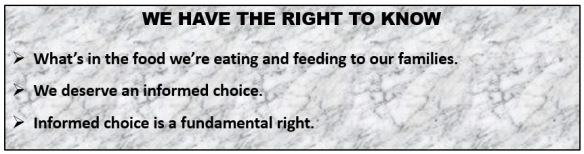
GMO – We Have the Right to Know What’s in Our Food

Larry Shivers's avatarRational Opinions Blog

Americans are being force-fed GMO’s without their knowledge or consent. On average, Americans consume more than their weight in GMOs each year – 193 pounds of GMOs per person.

What is GMOAccording to the Grocery Manufacturing Association, an estimated 75-80% of processed food in the U.S. contains genetically engineered foods.

GMO CropsDo you want to know if the food you are buying, eating and feeding to your children has been genetically engineered? If so, you are not alone. According to a poll by Thompson Reuters, 93% of Americans believe genetically engineered foods should be labeled.

We have the right to knowThe right to know and the freedom to choose are at the core of our consumer rights as Americans. These GMO’s may contain toxic chemicals, allergens and other potential health risks that are not present in foods that are not genetically engineered.

The biotech food industry is making tremendous profits, but their business models are based on keeping…

View original post 414 more words

The secret GMO war: double agents, betrayal, greed?

Nwo Report's avatarMurray Report

We need to understand the distinction between two kinds of labeling

The secret GMO war: double agents, betrayal, greed?Source: Jon Rappoport | Infowars.com  

I’ll start at an odd place, a seemingly innocuous place. Bear with me:

We need to understand the distinction between two kinds of labeling.

Voluntary labeling=“I own this health-food store, and I’m doing my best to sell you non-GMO products. All such products will carry a seal that says ‘Non-GMO’.”

Mandatory labeling=“Vermont has decided that all food products sold in the state which contain GMOs must be labeled as such—‘this product contains GMOs’.”

Two very different types of labels. They contain different information.

Also, one type is voluntary, and the other becomes mandatory after passage of a vote, in a legislature or through a ballot measure.

So what?

Well, let me put it to you this way. What would happen to Whole Foods’ program of voluntary GMO labeling if there were mandatory labeling…

View original post 1,532 more words

Judicial Corruption News: MONSANTO vs Hawaii Mauis – GMO Ban Blocked By Federal Judge! – Ignoring the Voice of the People

8 Beers That You Should Stop Drinking Immediately!!!

Millennials, Monsanto wants to be your hipster friend

Millennials, Monsanto wants to be your hipster friend.

#SayNo2GMO: ‘ Does your food contain GMO you may be surprised by this lab report ‘

RT: Billion-dollar lawsuits claim GMO corn ‘destroyed’ US exports to China

10 things that would fix the food system faster than GMO-labeling

10 things that would fix the food system faster than GMO-labeling.

4 problems GMO labeling won’t solve

4 problems GMO labeling won’t solve.

World Environment News – China launches media campaign to back genetically modified crops – Planet Ark

World Environment News – China launches media campaign to back genetically modified crops – Planet Ark.

Reject Monsanto’s New Pesticide-Resistant Crops – ForceChange

Reject Monsanto’s New Pesticide-Resistant Crops – ForceChange.

Foods we would loose without bee’s pollinating … –

digger666's avatardigger666

via Foods we would loose without bee’s pollinating  … –.

Foods we would lose without bees pollinating:

Apples, Mangos, Rambutan, Kiwi Fruit, Plums, Peaches, Nectarines, Guava, Rose Hips, Pomegranates, Pears, Black and Red Currants, Alfalfa, Okra, Strawberries, Onions, Cashews, Cactus, Prickly Pear, Apricots, Allspice, Avocados, Passion Fruit, Lima Beans, Kidney Beans, Adzuki Beans, Green Beans, Orchid Plants, Custard Apples, Cherries, Celery, Coffee, Walnut, Cotton, Lychee, Flax, Acerola – used in Vitamin C supplements, Macadamia Nuts, Sunflower Oil, Goa beans, Lemons, Buckwheat, Figs, Fennel, Limes, Quince, Carrots, Persimmons, Palm Oil, Loquat, Durian, Cucumber, Hazelnut, Cantaloupe, Tangelos, Coriander, Caraway, Chestnut, Watermelon, Star Apples, Coconut, Tangerines, Boysenberries, Starfruit, Brazil Nuts, Beets, Mustard Seed, Rapeseed, Broccoli, Cauliflower, Cabbage, Brussels Sprouts, Bok Choy Chinese Cabbage, Turnips, Congo Beans, Sword beans, Chili peppers, red peppers, bell peppers, green peppers, Papaya, Safflower, Sesame, Eggplant, Raspberries, Elderberries, Blackberries, Clover, Tamarind, Cocoa, Black Eyed Peas, Vanilla, Cranberries, Tomatoes…

View original post 16 more words

Nestle/Gerber Won’t Listen: Boycott the Company Who Puts GMO Bt Toxins in Baby Food

digger666's avatardigger666

via Nestle/Gerber Won’t Listen: Boycott the Company Who Puts GMO Bt Toxins in Baby Food | NationofChange.

Like many food producers supplying some of the most popular foods, some baby food companies, such as Purity Brands, are going GMO-free due to public demand. But other companies stuffed with the hot air of their own inflated CEO’s egos refuse – Nestlé International, the parent company of both Nestlé USA and Gerber baby foods – is adamant about using GMOs in their products. It looks like it’s time for another boycott.

Many parents in the U.S. and North America are unknowingly feeding their infants and small children Gerber Baby Foods which contain genetically modified corn and soy, both of which contain Bt toxins, a registered pesticide with the USFDA.

If it was sold at Home…

View original post 272 more words

Nearly 300,000 suicides in India so far from GMO crop failures

MEDICAL CORNER …. THE IMPORTANCE OF GMO FOOD LABELING …. Where’s the USA?

Dr. Rex's avatarIt Is What It Is

64-1

~~July 26, 2014~~ 

Unless you live under a rock, you’ve probably heard the term GMO (Genetically Modified Organisms), and have likely eaten foods that were genetically engineered in some form or fashion.

But, do you know what this actually means and what it’s doing to your body?

What is a GMO?

A genetically engineered food is a plant or meat product that has had its DNA artificially altered in a laboratory by genes from other plants, animals, viruses, or bacteria, in order to produce foreign compounds in that food. This type of genetic alteration is not found in nature, and is experimental. The correct scientific term is “transgenics,” and is also often referred to as (GE) genetically engineered.

Label

64 countries, including the entire European Union and China, have jumped the non-GMO train, banning the use, or requiring the labeling, of all GMO products. Of all of the developed countries in…

View original post 443 more words