Posts tagged ‘Ocean’

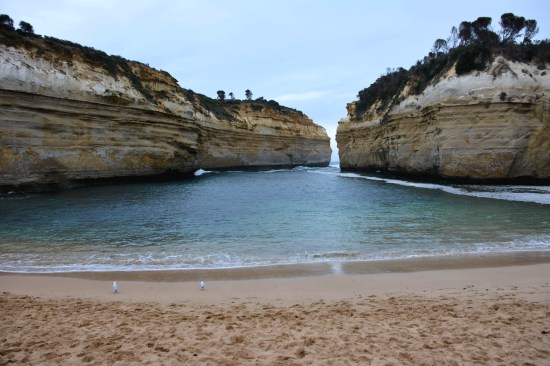
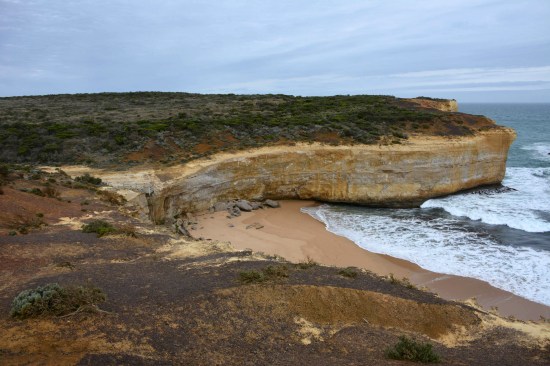
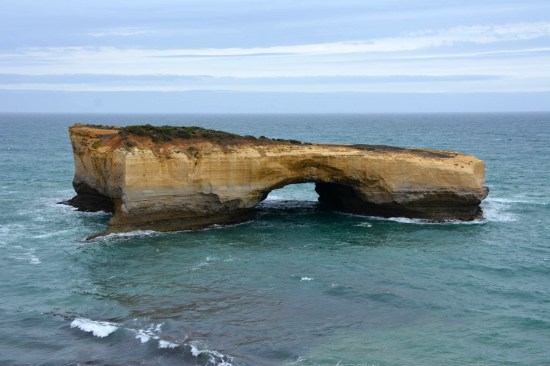
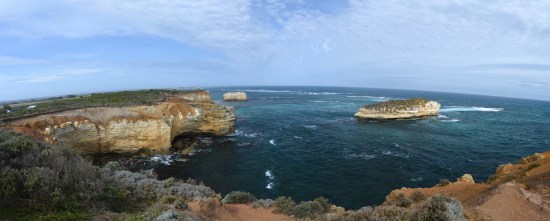
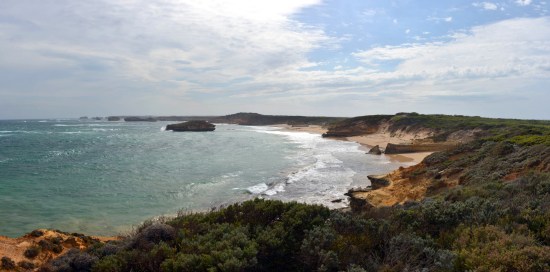
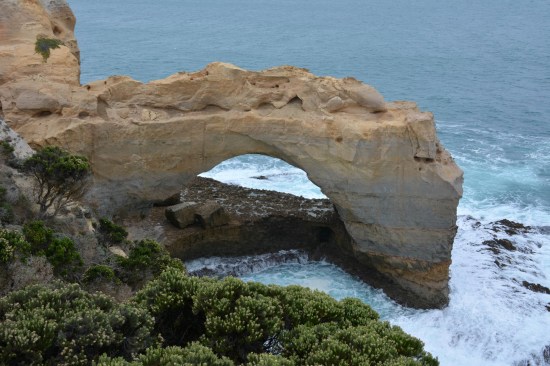
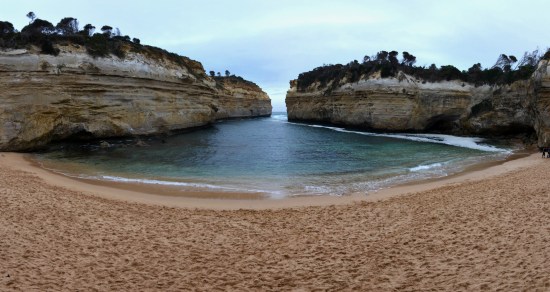
A few weeks ago we drove along the Great Ocean Road, where the limestone plateau of western Victoria falls into the sea, leaving behind remnant limestone stacks, arches and gorges. As we drove from the western end back towards Melbourne we didn’t quite make it as far as the famous 12 Apostles (or however many are left standing) but there were plenty of coastal features still to see.

OCG-215OCG-229OCG-268

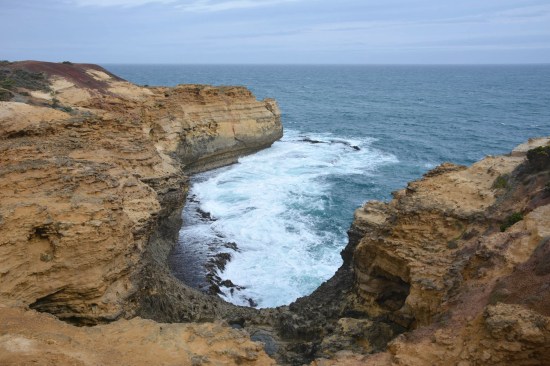
Loch Ard Gorge, named after a ship which was wrecked within the bay many years ago.
OCG-259OCG-245OCG-241Panorama_14Panorama_13

At the far western end of the Great Ocean Road the limestone cliffs eventually become beaches with steep dunes.
Panorama_12

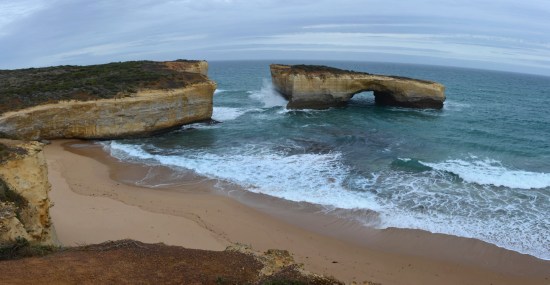
There used to be another limestone arch forming a natural bridge between the main cliff on the left and the island on the right but it fell into the sea and the sight is now known as London Bridge.
Panorama_11

Travelling the Great Ocean Road in the cooler months and on a grey overcast day meant there weren’t too many tourists to get in the way of your photos.

Leave a comment

Cape Cross, a small headland along Namibia’s Skeleton Coast, is home to one of the worlds largest fur seal colonies. Visiting in January meant there was a very large number of young seals pups only a few weeks old. cape_cross_seal_colony_namibia_africa_cape_brown_fur_seal_atlantic_ocean_14 cape_cross_seal_colony_namibia_africa_cape_brown_fur_seal_atlantic_ocean_13

A few of the adult seals seemed to be taking the pups for a swimming lesson as they crowded alongside the edge of the water, whilst others were quite happy to pose for the camera!

cape_cross_seal_colony_namibia_africa_cape_brown_fur_seal_atlantic_ocean_12 cape_cross_seal_colony_namibia_africa_cape_brown_fur_seal_atlantic_ocean_11 cape_cross_seal_colony_namibia_africa_cape_brown_fur_seal_atlantic_ocean_5 cape_cross_seal_colony_namibia_africa_cape_brown_fur_seal_atlantic_ocean_lazy_seal_fin_flipper cape_cross_seal_colony_namibia_africa_cape_brown_fur_seal_atlantic_ocean_4 cape_cross_seal_colony_namibia_africa_cape_brown_fur_seal_fin_flipper

This site had hundreds of fur seals, both swimming in the water and relaxing on the rocks. Although you can’t tell from these pictures, smell of these seal was horrendous.

cape_cross_seal_colony_namibia_africa_cape_brown_fur_seal_atlantic_ocean_3 cape_cross_seal_colony_namibia_africa_cape_brown_fur_seal_atlantic_ocean_2 cape_cross_seal_colony_namibia_africa_cape_brown_fur_seal_atlantic_ocean cape_cross_seal_colony_namibia_africa_cape_brown_fur_seal_atlantic_ocean_16 cape_cross_seal_colony_namibia_africa_cape_brown_fur_seal_atlantic_ocean_6 cape_cross_seal_colony_namibia_africa_cape_brown_fur_seal_atlantic_ocean_7 cape_cross_seal_colony_namibia_africa_cape_brown_fur_seal_atlantic_ocean_15 cape_cross_seal_colony_namibia_africa_cape_brown_fur_seal_atlantic_ocean_8

The boardwalk around the seal colony was the only shade provided for the seals and every spot was quickly taken up by sleepy seals.

cape_cross_seal_colony_namibia_africa_cape_brown_fur_seal_atlantic_ocean_9 cape_cross_seal_colony_namibia_africa_cape_brown_fur_seal_atlantic_ocean_10

Leave a comment

Whilst in Swakopmund I had the opportunity to take a 2 hour scenic flight over the Namib Desert and coastline. Watching some of the worlds most spectacular sand dunes fall away into the Atlantic Ocean is something I will never forget.

scenic_flight_swakopmund_namibia_coast_ocean_waves_beach_sand_dunes scenic_flight_swakopmund_beach_fur_seal_colony_namibia_coast_ocean_waves_beach_sand_dunes scenic_flight_swakopmund_atlantic_ocean_namib_desert_namibia_coast_ocean_beach_sand_dunes_waves scenic_flight_swakopmund_namibia_coast_ocean_waves_atlantic_namib_desert_sand_dunes scenic_flight_swakopmund_namibia_coast_ocean_waves_beach_sand_spit_river_inlet scenic_flight_swakopmund_namibia_coast_ocean_waves_beach_sand scenic_flight_swakopmund_desert_atlantic_ocean_namib_namibia_coast_ocean_waves_beach_sand_dunes scenic_flight_swakopmund_waves_namibia_coast_ocean_waves_beach_sand_dunes scenic_flight_swakopmund_namibia_coast_ocean_beach_sand_dunes scenic_flight_swakopmund_namibia_coast_ocean_beach_sand_dunes_waves

The coast was scattered with Fur Seal colonies.

scenic_flight_swakopmund_fur_seal_colony_namibia_coast_ocean_waves_beach_sand_dunes

This ship was originally wrecked on the beach but the desert has expanded towards the ocean leaving this ship 500 metres inland.

scenic_flight_swakopmund_namibia_coast_shipwreck_namib_desert_sand_dunes

As we flew over Walvis Bay, flamingoes could be seen feeding in the shallow waters.

scenic_flight_swakopmund_namibia_coast_flamingo_walvis_bay_africa_aerial_view

The southern sector of Walvis Bay is home to large salt refineries that are slightly pink in colour due to algae.

scenic_flight_swakopmund_namibia_coast_salt_pan_pink_walvis_bay_africa_aerial_view scenic_flight_swakopmund_namibia_coast_salt_pan_farm_pink_walvis_bay_africa_aerial_view

1 Comment

Continuing along the Jurassic Coast from Durdle Door and Man O’ War Bay is Lulworth Cove.

jurassic_coast_dorset_england_lulworth_cove_geology_stratigraphy_limestone_chalk_3

It is composed of the same geological strata found around Durdle Door and the cove itself is carved

from the limestone that forms the cliffs neighbouring Durdle Door.

jurassic_coast_dorset_england_lulworth_cove_geology_stratigraphy_limestone_chalk_4 jurassic_coast_dorset_england_lulworth_cove_geology_stratigraphy_limestone_chalk_5

The water turns a milky blue as the cliffs slowly erode away and form a beach full of white pebbles.

  jurassic_coast_dorset_england_lulworth_cove_geology_stratigraphy_limestone_chalk_10 jurassic_coast_dorset_england_lulworth_cove_geology_stratigraphy_limestone_chalk_6 jurassic_coast_dorset_england_lulworth_cove_geology_stratigraphy_limestone_chalk_9

In the next little cove is the Lulworth Crumple. A near vertical set of strata, resulting from

folding of the Purbeck Stone (a series of thin layers of Limestone and Clay).

jurassic_coast_dorset_england_lulworth_cove_geology_stratigraphy_limestone_chalk_2 jurassic_coast_dorset_england_lulworth_cove_geology_stratigraphy_limestone_chalk_8 jurassic_coast_dorset_england_lulworth_cove_geology_stratigraphy_limestone_chalk jurassic_coast_dorset_england_lulworth_cove_geology_stratigraphy_limestone_chalk_7

More information on the geology can be found here.

Leave a comment

As I’m currently visiting family and friends in the UK I couldn’t resist a trip to the Jurassic Coast

along the southern coastline of England to have a look at some amazing geology.

jurassic_coast_dorset_england_durdle_door_geology_stratigraphy_man_o_war_bay_limestone_chalk_5

Durdle Door has been carved out of the Portland Limestone and is adjacent to the

upright beds of the Purbeck Stone.

jurassic_coast_dorset_england_durdle_door_geology_stratigraphy_man_o_war_bay_limestone_chalk_4 jurassic_coast_dorset_england_durdle_door_geology_stratigraphy_man_o_war_bay_limestone_chalk_7

Huge white cliffs composed of chalk, tower over the beach and as the cliffs erode into the

ocean the water becomes a milky blue colour.

jurassic_coast_dorset_england_durdle_door_geology_stratigraphy_man_o_war_bay_limestone_chalk_6

jurassic_coast_dorset_england_durdle_door_geology_stratigraphy_man_o_war_bay_limestone_chalk_2

In the cove behind Durdle Door are remnants of rock forming the Man O’War Bay.

jurassic_coast_dorset_england_durdle_door_geology_stratigraphy_man_o_war_bay_limestone_chalk jurassic_coast_dorset_england_durdle_door_geology_stratigraphy_man_o_war_bay_limestone_chalk_3

More geology information about the Jurassic Coast and Durdle Door can be found here.

Leave a comment