Unknown's avatar

Gratitude Civilization

Gratitude Civilization: A Timeless Path

कृतज्ञ सभ्यता : एक कालातीत पथ

Every morning, as the moon still lingers in the sky, illuminated by the distant dance of tiny stars, there’s a moment of profound equilibrium. It’s that magical time when light and darkness find their perfect balance, and for me, it’s the cue to begin the day with folded hands and a heart full of gratitude.

हर सुबह, जब चंद्रमा अभी भी आकाश में, नन्हे-नन्हे तारों के दूर के नृत्य से प्रकाशित रहता है, तो संतुलन का एक गहरा क्षण होता है। यह वह जादुई समय है जब प्रकाश और अंधकार अपना सही संतुलन पाते हैं, और मेरे लिए, यह हाथ जोड़कर और कृतज्ञता से भरे दिल के साथ दिन की शुरुआत करने का संकेत है।

From my rooftop garden, I offer the first prayer to the divine being:

अपनी छत के बगीचे से, मैं दिव्य सत्ता को पहली प्रार्थना अर्पित करता हूँ:

Karagre Vasate Lakshmi: Karamadhe Saraswati. Karmule tu Govindah: Prabhaate Kar darshanam.

कराग्रे वसते लक्ष्मिः करमध्ये सरस्वति । करमूले तु गोविन्दः प्रभाते करदर्शनम् ॥

This ancient Sanskrit verse holds a beautiful, layered meaning. It reminds us that Lakshmi, the Goddess of wealth, resides at our fingertips; Saraswati, the Goddess of learning, dwells in the palm of our hands; and Govinda, the divine God, is present at the base of our hands, near the wrist. It’s a powerful reminder that prosperity, knowledge, and divinity are all within our grasp, quite literally.

इस प्राचीन संस्कृत श्लोक का एक सुंदर, बहुस्तरीय अर्थ है। यह हमें याद दिलाता है कि लक्ष्मी, धन की देवी, हमारी उंगलियों पर वास करती हैं; सरस्वती, विद्या की देवी, हमारी हथेली में निवास करती हैं; और गोविंदा, दिव्य ईश्वर, हमारे हाथों के आधार पर, कलाई के पास मौजूद हैं। यह एक शक्तिशाली अनुस्मारक है कि समृद्धि, ज्ञान और दिव्यता सभी हमारी पहुँच में हैं, सचमुच।

A Scientific, Meditative, and Healthy Practice

एक वैज्ञानिक, ध्यानपूर्ण और स्वस्थ अभ्यास

After this prayer, I gently rub my hands together three or four times until they’re warm, then cover my eyes with my palms. This simple yet profound act creates a beautiful balance between the objective and subjective mind. It’s a practice that isn’t just spiritual; it’s a scientific, meditative, and incredibly healthy exercise for the eyes.

इस प्रार्थना के बाद, मैं अपने हाथों को तीन या चार बार धीरे-धीरे रगड़ता हूँ जब तक कि वे गर्म न हो जाएँ, फिर अपनी हथेलियों से अपनी आँखों को ढँक लेता हूँ। यह सरल लेकिन गहरा कार्य वस्तुनिष्ठ और व्यक्तिपरक मन के बीच एक सुंदर संतुलन बनाता है। यह एक ऐसा अभ्यास है जो केवल आध्यात्मिक नहीं है; यह आँखों के लिए एक वैज्ञानिक, ध्यानपूर्ण और अविश्वसनीय रूप से स्वस्थ व्यायाम है।

This equilibrium, this balancing of the linear flow of time (past and future) with the vertical dimension of timelessness, pulls us firmly into the present moment. It’s a sensation that transcends words—a feeling of “now” that can only be experienced. Truly, this wordless presence is the essence of meditation and the art of perceiving the beauty of the divine.

यह संतुलन, समय के रैखिक प्रवाह (अतीत और भविष्य) को कालातीतता के ऊर्ध्वाधर आयाम के साथ संतुलित करना, हमें मजबूती से वर्तमान क्षण में खींचता है। यह एक ऐसी अनुभूति है जो शब्दों से परे है – “अभी” की एक भावना जिसे केवल अनुभव किया जा सकता है। वास्तव में, यह निःशब्द उपस्थिति ध्यान का सार और ईश्वर की सुंदरता को देखने की कला है।

In Hindu mythology, Surya, the Sun god, rides a chariot pulled by seven horses. These horses represent the seven colors of the rainbow, the seven days of the week, and also the seven chakras in the human body, according to some interpretations. The chariot itself is said to have twelve wheels, representing the twelve months of the year and the twelve zodiac signs. 

हिंदू पौराणिक कथाओं में, सूर्य देवता सात घोड़ों द्वारा खींचे जाने वाले रथ पर सवार होते हैं। कुछ व्याख्याओं के अनुसार, ये घोड़े इंद्रधनुष के सात रंगों, सप्ताह के सात दिनों और मानव शरीर में सात चक्रों का प्रतिनिधित्व करते हैं। कहा जाता है कि रथ में बारह पहिए होते हैं, जो वर्ष के बारह महीनों और बारह राशियों का प्रतिनिधित्व करते हैं।

The understanding that white light is composed of seven colors was established scientifically by Isaac Newton in the 1660s. He conducted experiments using prisms to split sunlight, demonstrating that it contains a spectrum of colors. While the human eye perceives a continuous spectrum, Newton identified and named seven distinct colors within it: red, orange, yellow, green, blue, indigo, and violet.

यह समझ कि सफ़ेद प्रकाश सात रंगों से बना है, 1660 के दशक में आइज़ैक न्यूटन द्वारा वैज्ञानिक रूप से स्थापित की गई थी। उन्होंने सूर्य के प्रकाश को विभाजित करने के लिए प्रिज्म का उपयोग करके प्रयोग किए, जिससे पता चला कि इसमें रंगों का एक स्पेक्ट्रम होता है। जबकि मानव आँख एक सतत स्पेक्ट्रम को देखती है, न्यूटन ने इसके भीतर सात अलग-अलग रंगों की पहचान की और उन्हें नाम दिया: लाल, नारंगी, पीला, हरा, नीला, इंडिगो और बैंगनी।

The Sun as God: A Child’s Wisdom

सूर्य एक देवता के रूप में: एक बच्चे का ज्ञान

In our family, we’ve always practiced a collective gesture of gratitude to the first ray of the sun. About 38 years ago, my elder son, with the innocent curiosity of a child, asked me, “Do you think the Sun is God?”

हमारे परिवार में, हमने हमेशा सूर्य की पहली किरण के प्रति सामूहिक कृतज्ञता व्यक्त करने का अभ्यास किया है। लगभग 38 साल पहले, मेरे बड़े बेटे ने, एक बच्चे की मासूम जिज्ञासा के साथ मुझसे पूछा, “क्या आपको लगता है कि सूर्य भगवान हैं?”

My answer was simple, yet profound: “Whether there is God or not, it doesn’t matter. Remember, whoever does good to you, is God. So for me, the Sun is God, and so is the Earth.” This perspective has guided our lives, shaping our understanding of divinity not as an abstract concept, but as a tangible force of good in our lives.

मेरा उत्तर सरल, फिर भी गहरा था: “ईश्वर हो या न हो, इससे कोई फर्क नहीं पड़ता। याद रखना, जो कोई भी तुम्हारा भला करता है, वह ईश्वर है। तो मेरे लिए, सूर्य ईश्वर है, और पृथ्वी भी।” इस दृष्टिकोण ने हमारे जीवन को निर्देशित किया है, जिसने दिव्यता की हमारी समझ को एक अमूर्त अवधारणा के रूप में नहीं, बल्कि हमारे जीवन में अच्छाई की एक मूर्त शक्ति के रूप में आकार दिया है।

This path of scientific understanding, spiritual connection, and living gratitude is what I call a “gratitude civilization.” Many refer to it as the Hindu religion, but I prefer to call it Sanatan Dharma—that which has no beginning and no end. It is a timeless way of life, built on the simple yet powerful principle of love and appreciation for all.

वैज्ञानिक समझ, आध्यात्मिक संबंध और जीवित कृतज्ञता का यह मार्ग ही है जिसे मैं “कृतज्ञ सभ्यता” कहता हूँ। कई लोग इसे हिंदू धर्म कहते हैं, लेकिन मैं इसे सनातन धर्म – जिसका कोई आरंभ और कोई अंत नहीं है – कहना पसंद करता हूँ। यह एक कालातीत जीवन शैली है, जो सभी के लिए प्रेम और प्रशंसा के सरल लेकिन शक्तिशाली सिद्धांत पर निर्मित है।

Love all.

सभी से प्रेम करो।

I

Unknown's avatar

Why Do I Write? : The Echo of a Grandson’s Question

Why Do I Write? : The Echo of a Grandson’s Question

मैं क्यों लिखता हूँ? : एक पोते के प्रश्न की गूँज

It all started with a simple question from my grandson, Yazvin, back in 2015. He looked at my silver-grey hair and then at his own dark locks and asked, “Why is my hair black and yours silver grey?”

यह सब 2015 में मेरे पोते याज़विन के एक साधारण से प्रश्न से शुरू हुआ। उसने मेरे चांदी जैसे सफ़ेद बालों को देखा और फिर अपने काले बालों को देखकर पूछा, “मेरे बाल काले क्यों हैं और आपके चांदी के सदृश क्यों हैं?”

My answer, offered without much thought, was, “Black for learning, and silver grey for reflecting.” What I didn’t anticipate was his immediate follow-up: “Are you reflecting?”

मेरा जवाब, बिना ज़्यादा सोचे-समझे दिया गया था, “काले सीखने के लिए, और चांदी के सदृश चिंतन के लिए।” मुझे इस बात का अंदाज़ा नहीं था कि उसका अगला प्रश्न तुरंत आएगा: “क्या आप चिंतन कर रहे हैं?”

That question, so innocent yet so profound, was a divine spark. It made me realize that my writing, this very act of putting words to paper (or screen), is my way of acknowledging and accepting that conversation as a moment of divine will.


वह प्रश्न, इतना मासूम फिर भी इतना गहरा, एक दिव्य चिंगारी था। इसने मुझे महसूस कराया कि मेरा लेखन, शब्दों को कागज़ (या स्क्रीन) पर उतारने का यह कार्य, उस बातचीत को दिव्य इच्छा के एक क्षण के रूप में स्वीकार करने का मेरा तरीका है।

The Wisdom of Children and the Search for Bliss

बच्चों का ज्ञान और आनंद की तलाश

Children, I believe, are truly enlightened masters. Think about it – they play with such unadulterated joy, a pure, blissful happiness. They don’t analyze it; they just are it. A mature enlightened master, on the other hand, is someone who is consciously aware of that source of blissful happiness while living.

मुझे लगता है कि बच्चे वास्तव में प्रबुद्ध गुरु होते हैं। ज़रा सोचिए – वे ऐसे शुद्ध आनंद के साथ खेलते हैं, एक शुद्ध, आनंदमय खुशी। वे इसका विश्लेषण नहीं करते; वे बस होते हैं। दूसरी ओर, एक परिपक्व प्रबुद्ध गुरु वह होता है, जो जीवित रहते हुए उस आनंदमय खुशी के स्रोत के प्रति सचेत होता है।

Life, for many of us, becomes a “lost and found” phenomenon. We start our lives in that natural state of childhood bliss, only to forget its inner source as we grow. Then, throughout our lives, we embark on a tireless search for it in external resources, hoping to recapture that same eternal happiness we knew as children.

हम में से अधिकांश के लिए जीवन एक “खोया और पाया” घटनाक्रम बन जाता है। हम अपने जीवन की शुरुआत बचपन के उस प्राकृतिक आनंदमय अवस्था में करते हैं, लेकिन जैसे-जैसे हम बड़े होते हैं, उसके आंतरिक स्रोत को भूल जाते हैं। फिर, अपने पूरे जीवन में, हम उसे बाहरी संसाधनों में खोजने के लिए एक अथक खोज शुरू करते हैं, इस उम्मीद में कि हम बचपन में अनुभव की गई उसी शाश्वत खुशी को फिर से हासिल कर लेंगे।

Alexander’s Lesson: The Emptiness of External Conquests

सिकंदर का सबक: बाहरी विजय की शून्यता

History offers a powerful illustration of this. Consider Alexander the Great. On his deathbed in 323 BC, he had a stark realization. All his conquests of the known world, his vast army, his sharp sword, his immense wealth – none of it held any value in fulfilling his deepest desire: to regain that lost, blissful source.

इतिहास इसका एक शक्तिशाली उदाहरण प्रस्तुत करता है। सिकंदर महान पर विचार करें। 323 ईसा पूर्व में अपनी मृत्यु शैय्या पर, उसे एक कठोर एहसास हुआ। ज्ञात दुनिया पर उसकी सभी विजयें, उसकी विशाल सेना, उसकी तेज़ तलवार, उसकी अपार संपत्ति – इनमें से किसी का भी उसके गहरे सपने को पूरा करने में कोई मूल्य नहीं था: उस खोए हुए, आनंदमय स्रोत को फिर से पाना।

Legend has it that in his exhaustion, he called his generals and made a final request: “Please fulfill my last wish… let both my hands hang out of my coffin so that the world knows that the most powerful man is left empty-handed.” It’s a poignant reminder that no external achievement can fill an internal void.

कहा जाता है कि अपनी थकावट में, उसने अपने सेनापतियों को बुलाया और एक अंतिम इच्छा व्यक्त की: “कृपया मेरी अंतिम इच्छा पूरी करें… मेरे दोनों हाथ मेरे ताबूत से बाहर लटकते रहें ताकि दुनिया को पता चले कि सबसे शक्तिशाली व्यक्ति खाली हाथ चला गया।” यह एक मार्मिक याद दिलाता है कि कोई भी बाहरी उपलब्धि आंतरिक शून्य को नहीं भर सकती।


So, why do I write? I write because my sacred purpose is to explore and share how we can effortlessly rediscover this lost source of infinite bliss, which we often define as enlightenment. It’s a journey back to the joy we all once knew, a journey inward rather than outward.

तो, मैं क्यों लिखता हूँ? मैं इसलिए लिखता हूँ क्योंकि मेरा पवित्र उद्देश्य अनंत आनंद के इस खोए हुए स्रोत को सहजता से फिर से खोजने का तरीका तलाशना और साझा करना है, जिसे हम अक्सर आत्मज्ञान के रूप में परिभाषित करते हैं। यह उस खुशी की ओर एक यात्रा है जिसे हम सब एक बार जानते थे, एक यात्रा जो बाहरी के बजाय आंतरिक है।

What are your thoughts on finding inner bliss? Have you had moments that shifted your perspective on happiness?

आंतरिक आनंद खोजने के बारे में आपके क्या विचार हैं? क्या आपके पास ऐसे क्षण आए हैं जिन्होंने खुशी पर आपके दृष्टिकोण को बदल दिया है?

Love this quote by Zen Master Takuan  who wrote eight Chinese characters on Time which always inspires me 24 x 7 .

Not twice this day
Inch-time foot gem.
This day will not come again.
Each minute is worth a priceless gem.

Love all.

ज़ेन मास्टर ताकुआन का यह उद्धरण मुझे बहुत पसंद है, जिन्होंने समय पर आठ चीनी अक्षर लिखे हैं, जो मुझे हमेशा 24 x 7 प्रेरित करते हैं।

यह दिन दो बार नहीं
इंच समय फुट रत्न।
यह दिन फिर नहीं आएगा।
प्रत्येक मिनट एक अमूल्य रत्न के बराबर है।

सभी को प्यार।

Unknown's avatar

Absolute Truth: Beyond Duality and Debate

Absolute Truth: Beyond Duality and Debate

परम सत्य: द्वैत और वाद-विवाद से परे

Have you ever found yourself in a passionate debate, only to realize that despite all the words exchanged, you’re no closer to a shared understanding? Perhaps it’s because some truths aren’t meant to be captured by language.

क्या आपने कभी खुद को किसी गरमागरम बहस में पाया है, और फिर यह महसूस किया है कि तमाम शब्दों के आदान-प्रदान के बावजूद, आप किसी साझा समझ के करीब नहीं पहुंचे हैं? शायद ऐसा इसलिए है क्योंकि कुछ सत्य शब्दों में कैद होने के लिए नहीं बने हैं।

My recent reflections have led me to ponder what Absolute Truth truly is, and whether we can ever truly express or write it. It seems that everything in our existence is a fascinating dance of dualities: kinetic and static energies, our time-bound bodies and timeless souls, music composed of sound and silence, and even wisdom texts interwoven with both presence and absence.

मेरे हालिया विचारों ने मुझे इस बात पर गहराई से सोचने पर मजबूर किया है कि परम सत्य (Absolute Truth) वास्तव में क्या है, और क्या हम इसे कभी सही मायने में व्यक्त या लिख ​​सकते हैं। ऐसा लगता है कि हमारे अस्तित्व में सब कुछ द्वंद्वों का एक आकर्षक नृत्य है: गतिज और स्थैतिक ऊर्जाएँ, हमारे समय-बद्ध शरीर और कालातीत आत्माएँ, ध्वनि और मौन से बना संगीत, और यहाँ तक कि ज्ञान के ग्रंथ भी उपस्थिति और अनुपस्थिति दोनों से बुने हुए हैं।


The Subjectivity of Perception : धारणा की व्यक्तिपरकता

When we encounter a piece of wisdom, whether in a book or a conversation, our understanding is deeply personal. Each of us, with our unique experiences and perspectives, analyzes the text and interprets its “percentage of truth” and “percentage of untruth.” This isn’t a flaw in the text itself, but rather a testament to the individual nature of perception.

जब हम ज्ञान के किसी अंश से रूबरू होते हैं, चाहे वह किसी किताब में हो या बातचीत में, तो हमारी समझ गहराई से व्यक्तिगत होती है। हममें से प्रत्येक, अपने अद्वितीय अनुभवों और दृष्टिकोणों के साथ, पाठ का विश्लेषण करता है और “सत्य के प्रतिशत” और “असत्य के प्रतिशत” की व्याख्या करता है। यह स्वयं पाठ में कोई दोष नहीं है, बल्कि धारणा की व्यक्तिगत प्रकृति का प्रमाण है।

This inherent subjectivity is why the same text can be considered “right” by one person and “wrong” by another, sparking endless debates. We become caught in a cycle of arguing about who is correct, forgetting that perhaps the truth we seek isn’t something that can be neatly packaged into words and labels.

यह अंतर्निहित व्यक्तिपरकता ही कारण है कि एक ही पाठ को एक व्यक्ति द्वारा “सही” और दूसरे द्वारा “गलत” माना जा सकता है, जिससे अंतहीन बहसें छिड़ जाती हैं। हम इस बात पर बहस के चक्र में फंस जाते हैं कि कौन सही है, यह भूल जाते हैं कि शायद हम जिस सत्य की तलाश कर रहे हैं वह ऐसा कुछ नहीं है जिसे शब्दों और लेबलों में बड़ी आसानी से समेटा जा सके।


Absolute Truth: Felt, Not Formulated

परम सत्य: महसूस किया जाता है, बनाया नहीं जाता

So, what is Absolute Truth? It’s not an idea or a concept that can be dissected and defined. Instead, it seems to be a fundamental, unchanging reality that transcends all these dualities and individual interpretations. Think of it like:

तो, परम सत्य क्या है? यह कोई विचार या अवधारणा नहीं है जिसे विच्छेदित और परिभाषित किया जा सके। इसके बजाय, ऐसा लगता है कि यह एक मौलिक, अपरिवर्तनीय वास्तविकता है जो इन सभी द्वंद्वों और व्यक्तिगत व्याख्याओं से परे है। इसकी कल्पना इस तरह करें:

  • Unity: It’s a singular, whole reality, unlike the fragmented nature of our perceived world.
  • The Present Moment: It exists fully in the “now,” eternal and unbound by the constraints of time.
  • Love and Peace: These are states of being that can be universally felt and experienced, yet defining them precisely with words feels inadequate.
  • एकता: यह एक विलक्षण, संपूर्ण वास्तविकता है, जो हमारी कथित दुनिया की खंडित प्रकृति के विपरीत है।
  • वर्तमान क्षण: यह “अभी” में पूरी तरह से मौजूद है, शाश्वत और समय की बाधाओं से अप्रभावित है।
  • प्रेम और शांति: ये होने की ऐसी अवस्थाएँ हैं जिन्हें सार्वभौमिक रूप से महसूस किया जा सकता है और अनुभव किया जा सकता है, फिर भी उन्हें शब्दों से ठीक-ठीक परिभाषित करना अपर्याप्त लगता है।

Absolute Truth, in this sense, is an ultimate, foundational reality, untouched by our relative perspectives. And herein lies the challenge: if it’s something so vast and unified, how can it be expressed through a system – language – that thrives on distinctions and definitions?

इस अर्थ में, परम सत्य एक परम, मूलभूत वास्तविकता है, जो हमारे सापेक्ष दृष्टिकोणों से अछूती है। और यहीं चुनौती निहित है: यदि यह इतना विशाल और एकीकृत है, तो इसे एक ऐसी प्रणाली – भाषा – के माध्यम से कैसे व्यक्त किया जा सकता है, जो भेदों और परिभाषाओं पर फलती-फूलती है?


Why Arguing Misses the Point ? : बहस क्यों व्यर्थ है?

This understanding leads to a powerful realization: never argue. Why? Because absolute truth doesn’t emerge from conflict or intellectual sparring. It comes out only in unity.

यह समझ एक शक्तिशाली अहसास की ओर ले जाती है: कभी बहस न करें। क्यों? क्योंकि परम सत्य संघर्ष या बौद्धिक तकरार से नहीं निकलता। यह केवल एकता में ही सामने आता है।

Just like the feeling of the present moment, the embrace of love, or the serenity of peace, the Absolute Truth is something that can be felt by all. It’s a direct experience, a realization that transcends the limitations of words. There is no way to write it down, to express it perfectly, or to speak it into being.

ठीक वैसे ही जैसे वर्तमान क्षण की अनुभूति, प्रेम का आलिंगन, या शांति की निश्चलता, परम सत्य कुछ ऐसा है जिसे सभी द्वारा महसूस किया जा सकता है। यह एक सीधा अनुभव है, एक बोध है जो शब्दों की सीमाओं से परे है। इसे लिखने, इसे पूरी तरह से व्यक्त करने या इसे बोलकर अस्तित्व में लाने का कोई तरीका नहीं है।

When we try to argue about what the “absolute truth” is, we inherently create division. We move further away from the very unity in which that truth manifests. Instead, perhaps the path to understanding lies not in intellectual debate, but in cultivating that sense of unity, presence, love, and peace within ourselves and with others.

जब हम इस बात पर बहस करने की कोशिश करते हैं कि “परम सत्य” क्या है, तो हम स्वाभाविक रूप से विभाजन पैदा करते हैं। हम उस एकता से दूर चले जाते हैं जिसमें वह सत्य प्रकट होता है। इसके बजाय, शायद समझ का मार्ग बौद्धिक बहस में नहीं, बल्कि अपने भीतर और दूसरों के साथ एकता, उपस्थिति, प्रेम और शांति की भावना विकसित करने में निहित है।


Love all.

सभी से प्रेम करो।

Unknown's avatar

Ocean of Happiness

Life is a Tree of Happiness.
Everyday is a Leaf of Happiness.

Happiness is the ocean of God’s love , where we all merge to have same level,

some with words and some without words.

love all.

(c) ram H singhal

Unknown's avatar

Love lifts me

“I once asked a bird,

how is it that you fly in this gravity of darkness?

She responded, ‘love lifts me.’

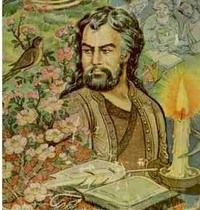
حافظ Khwāja Šams ud-Dīn Muhammad Hāfez-e Šīrāzī, or simply Hāfez (Persian: خواجه شمس‌الدین محمد حافظ شیرازی), was a Persian mystic and poet. He was born sometime between the years 1310 and 1337.  one of the three greatest poets of the world. His lyrical poems, known as ghazals, are noted for their beauty and bring to fruition the love, mysticism, and early Sufi themes

― شمس الدین محمد حافظ /
Shams-al-Din Mohammad Hafez,
(1325 – 1389 )

Unknown's avatar

Photo artist : irOise Ce n’est

Paris janvier 2011 003
Paris janvier 2011 015
Paris mars 2011 139
Paris mars 2011 197
Paris janvier 2011 095
Paris janvier 2011 144
Paris mars 2011 127
Paris avril 2011 032
Paris 057
Paris 067
Paris 117

Compiled by : ram H singhal