Hekate Devotion: Lammas/Lughnasadh

Lammas or Lughnasadh is the first autumn festival in the Southern Hemisphere calendar. This year Lammas falls on the 1st of February at 4.45am. Gods such as Lugh, Mercury, Dagon, Demeter, Ceridwen, Ceres, Brigid and Dionysus can be honoured during this time of year. Historically it’s a Celtic festival which celebrates the First Harvest of the Fruits such as apples, grapes, tomatoes, peaches, plums but also celebrates the harvest of the first grain, wheat, oats and corn. Therefore traditionally the fruit gathered is made into preserves and the grains and corn made into bread or cakes.

I was introduced to this festival when I studied Wicca back in my teens and then was exposed to a celebration of it when I was in my first Wiccan coven in my early 20’s.  We would make corn dollies, bread and cakes and share it with one another.

I grew up with an immigrant Greek family and during this time of year they would make large stores of Passata due to it being used so often in their cooking. My father also made home-made moonshine using whatever was abundant and in season as well as his own wine and beer. My mother made Pita from home grown spinach and/or horta (wild grass) and fennel, stuffed vine leaves and also various Greek shortbreads and cakes.  They would both share what they made with family and friends as it was common practice where they grew up and brought that tradition here to Australia when they immigrated.

These days I continue a version of their traditions as I infuse store bought wine with homegrown Greek herbs, make passata from the tomatoes out of my garden, as well as bake traditional Greek village bread and Greek biscuits using organic ingredients. I have also used this time for years to make plum jam from my garden’s Victorian heirloom organic plums (due to the trees originally being part of a farm in the area before it was sub-divided into housing).  These items created from the seasonal harvest are offered to my Gods, Ancestors and loved ones where appropriate.

Due to been heavily influenced by the way I was raised, my rituals are a mix of honouring my personal Gods, ancestors and also honouring the land I live on.  I see this as a perfect blend of personal devotion as someone who works with the Gods, local spirits and venerates her ancestors in a modern way.  I don’t have any strong connection to the God Lugh, typically honoured during this time of year, so I personally use it as a harvest festival and honour my household Gods: Hekate with a libation set aside to Hestia. Other Gods which I have honoured during his time include Persephone, Demeter, Mercury and Apollo.

If like me if you honour any of the above Gods, you can make Greek shortbread or cheesecake for Hekate, pomegranate infused cakes or salads for Persephone, honey or sesame biscuits for Demeter, home-made wine for Mercury and home-made beer for Apollo.

It’s also a good time to make and dedicate devotional items you have crafted yourself over the summer. I tend to make and dedicate items to specific Gods utilising items from my garden due to it resonating with the vibe of the season and festival. Growing a lot of herbs, the ones which are in season, I collect preserve and store them for future use in Hekate’s name for various magical purposes.  I also collect resin, bark, leaves and branches from some of my trees to be used in items such as incense, waters, oils and magical tools.

I feel magically used crafts such as candles and incense are perfect to infuse with the energies of the season especially if we are able to harness these energies and channel them into the items.  I also tend to make preserves which I use in offerings thorough the remainder of the year

Also I personally feel that it is a good time to acknowledge the ancestors and leave them some food offerings as a form of ancestor veneration. I usually leave some food they liked in life such as kalamata olives, feta, stuffed vine leaves my mother taught me to make along with some Greek coffee which I can scry and divine with.

So even though the Hekate and Ancestral traditions of spirituality and magick I work, doesn’t sound like it fits exactly within the Lammas/Lughnasadh festival – I make it work for me and you can too as the most important thing I feel is devotion and dedication to your path whatever form that takes.

Seasonal Planting Guide:

Vegetables such as beans, broccoli, cabbage, cauliflower, fennel, kale, leek, lettuce, potato, silverbeet, spring onion, sweet corn, brussel sprouts, beetroot, carrot, parsnip, radish, rocket and mustard greens.

Herbs such as basil, sage, oregano, chives, parsley and thyme.

Flowers such as ageratum, alyssum, cleome, cyclamen, French marigold, gypsophila, Iceland poppy, lobelia, lupin, nigella, pansy, polyanthus, primula and verbena.

Some things you can do to honour and mark this time of year in your personal practice (or with a group of likeminded individuals) can be:

  1. Feast with loved ones.  Make food usually consumed during this time and partake or share with loved ones, as well as leave as offerings to your gods or gods of the season, land spirits and ancestors. It’s the perfect time for baking and anything which can be shared and is seasonal.
  2. Bake bread and offer the first loaf to the Gods of the season.  You can also take a loaf and cut it into quarters and place those quarters in each corner of your residence to bring good luck and prosperity.
  3. Harvest herbs, flowers, plants, fruits and vegetables and create a shrine or altar in celebration of the season.
  4. Rituals or spells involving gratitude, abundance, prosperity, luck and work.
  5. Trade or swap handmade items with loved ones.
  6. Make corn dollies or garlands of flowers or herbs.
  7. Dance or drum to raise energy and direct it into the earth.
  8. Write poetry or creative writing which could contain themes of the time of year.
  9. Visit a holy well and make offerings of flowers, cloth or coins and then circle the well clockwise for health and wealth blessings from the Gods.
  10. Leave grain and seeds which are safe for local birds and wildlife as offerings.
  11. Spend some time tending to your garden or indoor pots.
  12. Light a sacred fire in your fireplace or a bonfire in your backyard.
  13. Revamp your shrine or altar with the colours of the festival (Orange, Red, Yellow, Gold, Brown and Bronze) and adorn it with wheat, corn, applies and produce of the season (herbs, fruits, flowers and vegetables).

So work your magick this festive season, honour and celebrate the harvest and ask for what you want to be prosperous, abundant and full of good fortune in your life.


(C) T. Georgitsis 2024


Hekate Devotion: Lammas/Lughnasadh

Lammas or Lughnasadh is the first autumn festival in the Southern Hemisphere calendar. This year Lammas falls on the 4th of February at 6.07pm. Gods such as Lugh, Mercury, Dagon, Demeter, Ceridwen, Ceres, Brigid and Dionysus can be honoured during this time of year. Historically it’s a Celtic festival which celebrates the First Harvest of the Fruits such as apples, grapes, tomatoes, peaches, plums but also celebrates the harvest of the first grain, wheat, oats and corn. Therefore traditionally the fruit gathered is made into preserves and the grains and corn made into bread or cakes.

I was introduced to this festival when I studied Wicca back in my teens and then was exposed to a celebration of it when I was in my first Wiccan coven in my early 20’s.  We would make corn dollies, bread and cakes and share it with one another.

I grew up with an immigrant Greek family and during this time of year they would make large stores of Passata due to it being used so often in their cooking. My father also made home-made moonshine using whatever was abundant and in season as well as his own wine and beer. My mother made Pita from home grown spinach and/or horta (wild grass) and fennel, stuffed vine leaves and also various Greek shortbreads and cakes.  They would both share what they made with family and friends as it was common practice where they grew up and brought that tradition here to Australia when they immigrated.

These days I continue a version of their traditions as I infuse store bought wine with homegrown Greek herbs, make passata from the tomatoes out of my garden, as well as bake traditional Greek village bread and Greek biscuits using organic ingredients. I have also used this time for years to make plum jam from my garden’s Victorian heirloom organic plums (due to the trees originally being part of a farm in the area before it was sub-divided into housing).  These items created from the seasonal harvest are offered to my Gods, Ancestors and loved ones where appropriate.

Due to been heavily influenced by the way I was raised, my rituals are a mix of honouring my personal Gods, ancestors and also honouring the land I live on.  I see this as a perfect blend of personal devotion as someone who works with the Gods, local spirits and venerates her ancestors in a modern way.  I don’t have any strong connection to the God Lugh, typically honoured during this time of year, so I personally use it as a harvest festival and honour my household Gods: Hekate with a libation set aside to Hestia. Other Gods which I have honoured during his time include Persephone, Demeter, Mercury and Apollo.

If like me if you honour any of the above Gods, you can make Greek shortbread or cheesecake for Hekate, pomegranate infused cakes or salads for Persephone, honey or sesame biscuits for Demeter, home-made wine for Mercury and home-made beer for Apollo.

It’s also a good time to make and dedicate devotional items you have crafted yourself over the summer. I tend to make and dedicate items to specific Gods utilising items from my garden due to it resonating with the vibe of the season and festival. Growing a lot of herbs, the ones which are in season, I collect preserve and store them for future use in Hekate’s name for various magical purposes.  I also collect resin, bark, leaves and branches from some of my trees to be used in items such as incense, waters, oils and magical tools.

I feel magically used crafts such as candles and incense are perfect to infuse with the energies of the season especially if we are able to harness these energies and channel them into the items.  I also tend to make preserves which I use in offerings thorough the remainder of the year

Also I personally feel that it is a good time to acknowledge the ancestors and leave them some food offerings as a form of ancestor veneration. I usually leave some food they liked in life such as kalamata olives, feta, stuffed vine leaves my mother taught me to make along with some Greek coffee which I can scry and divine with.

So even though the Hekate and Ancestral traditions of spirituality and magick I work, doesn’t sound like it fits exactly within the Lammas/Lughnasadh festival – I make it work for me and you can too as the most important thing I feel is devotion and dedication to your path whatever form that takes.

Seasonal Planting Guide:

Vegetables such as beans, broccoli, cabbage, cauliflower, fennel, kale, leek, lettuce, potato, silverbeet, spring onion, sweet corn, brussel sprouts, beetroot, carrot, parsnip, radish, rocket and mustard greens.

Herbs such as basil, sage, oregano, chives, parsley and thyme.

Flowers such as ageratum, alyssum, cleome, cyclamen, French marigold, gypsophila, Iceland poppy, lobelia, lupin, nigella, pansy, polyanthus, primula and verbena.

Some things you can do to honour and mark this time of year in your personal practice (or with a group of likeminded individuals) can be:

  1. Feast with loved ones.  Make food usually consumed during this time and partake or share with loved ones, as well as leave as offerings to your gods or gods of the season, land spirits and ancestors. It’s the perfect time for baking and anything which can be shared and is seasonal.
  2. Bake bread and offer the first loaf to the Gods of the season.  You can also take a loaf and cut it into quarters and place those quarters in each corner of your residence to bring good luck and prosperity.
  3. Harvest herbs, flowers, plants, fruits and vegetables and create a shrine or altar in celebration of the season.
  4. Rituals or spells involving gratitude, abundance, prosperity, luck and work.
  5. Trade or swap handmade items with loved ones.
  6. Make corn dollies or garlands of flowers or herbs.
  7. Dance or drum to raise energy and direct it into the earth.
  8. Write poetry or creative writing which could contain themes of the time of year.
  9. Visit a holy well and make offerings of flowers, cloth or coins and then circle the well clockwise for health and wealth blessings from the Gods.
  10. Leave grain and seeds which are safe for local birds and wildlife as offerings.
  11. Spend some time tending to your garden or indoor pots.
  12. Light a sacred fire in your fireplace or a bonfire in your backyard.
  13. Revamp your shrine or altar with the colours of the festival (Orange, Red, Yellow, Gold, Brown and Bronze) and adorn it with wheat, corn, applies and produce of the season (herbs, fruits, flowers and vegetables).

So work your magick this festive season, honour and celebrate the harvest and ask for what you want to be prosperous, abundant and full of good fortune in your life.


(C) T. Georgitsis 2024


Hekate Devotion: Lammas/Lughnasadh

Lammas or Lughnasadh is the first autumn festival in the Southern Hemisphere calendar. This year Lammas falls on the 4th of February at 6.07pm. Gods such as Lugh, Mercury, Dagon, Demeter, Ceridwen, Ceres, Brigid and Dionysus can be honoured during this time of year. Historically it’s a Celtic festival which celebrates the First Harvest of the Fruits such as apples, grapes, tomatoes, peaches, plums but also celebrates the harvest of the first grain, wheat, oats and corn. Therefore traditionally the fruit gathered is made into preserves and the grains and corn made into bread or cakes.

I was introduced to this festival when I studied Wicca back in my teens and then was exposed to a celebration of it when I was in my first Wiccan coven in my early 20’s.  We would make corn dollies, bread and cakes and share it with one another.

I grew up with an immigrant Greek family and during this time of year they would make large stores of Passata due to it being used so often in their cooking. My father also made home-made moonshine using whatever was abundant and in season as well as his own wine and beer. My mother made Pita from home grown spinach and/or horta (wild grass) and fennel, stuffed vine leaves and also various Greek shortbreads and cakes.  They would both share what they made with family and friends as it was common practice where they grew up and brought that tradition here to Australia when they immigrated.

These days I continue a version of their traditions as I infuse store bought wine with homegrown Greek herbs, make passata from the tomatoes out of my garden, as well as bake traditional Greek village bread and Greek biscuits using organic ingredients. I have also used this time for years to make plum jam from my garden’s Victorian heirloom organic plums (due to the trees originally being part of a farm in the area before it was sub-divided into housing).  These items created from the seasonal harvest are offered to my Gods, Ancestors and loved ones where appropriate.

Due to been heavily influenced by the way I was raised, my rituals are a mix of honouring my personal Gods, ancestors and also honouring the land I live on.  I see this as a perfect blend of personal devotion as someone who works with the Gods, local spirits and venerates her ancestors in a modern way.  I don’t have any strong connection to the God Lugh, typically honoured during this time of year, so I personally use it as a harvest festival and honour my household Gods: Hekate with a libation set aside to Hestia. Other Gods which I have honoured during his time include Persephone, Demeter, Mercury and Apollo.

If like me if you honour any of the above Gods, you can make Greek shortbread or cheesecake for Hekate, pomegranate infused cakes or salads for Persephone, honey or sesame biscuits for Demeter, home-made wine for Mercury and home-made beer for Apollo.

It’s also a good time to make and dedicate devotional items you have crafted yourself over the summer. I tend to make and dedicate items to specific Gods utilising items from my garden due to it resonating with the vibe of the season and festival. Growing a lot of herbs, the ones which are in season, I collect preserve and store them for future use in Hekate’s name for various magical purposes.  I also collect resin, bark, leaves and branches from some of my trees to be used in items such as incense, waters, oils and magical tools.

I feel magically used crafts such as candles and incense are perfect to infuse with the energies of the season especially if we are able to harness these energies and channel them into the items.  I also tend to make preserves which I use in offerings thorough the remainder of the year

Also I personally feel that it is a good time to acknowledge the ancestors and leave them some food offerings as a form of ancestor veneration. I usually leave some food they liked in life such as kalamata olives, feta, stuffed vine leaves my mother taught me to make along with some Greek coffee which I can scry and divine with.

So even though the Hekate and Ancestral traditions of spirituality and magick I work, doesn’t sound like it fits exactly within the Lammas/Lughnasadh festival – I make it work for me and you can too as the most important thing I feel is devotion and dedication to your path whatever form that takes.

Seasonal Planting Guide:

Vegetables such as beans, broccoli, cabbage, cauliflower, fennel, kale, leek, lettuce, potato, silverbeet, spring onion, sweet corn, brussel sprouts, beetroot, carrot, parsnip, radish, rocket and mustard greens.

Herbs such as basil, sage, oregano, chives, parsley and thyme.

Flowers such as ageratum, alyssum, cleome, cyclamen, French marigold, gypsophila, Iceland poppy, lobelia, lupin, nigella, pansy, polyanthus, primula and verbena.

Some things you can do to honour and mark this time of year in your personal practice (or with a group of likeminded individuals) can be:

  1. Feast with loved ones.  Make food usually consumed during this time and partake or share with loved ones, as well as leave as offerings to your gods or gods of the season, land spirits and ancestors. It’s the perfect time for baking and anything which can be shared and is seasonal.
  2. Bake bread and offer the first loaf to the Gods of the season.  You can also take a loaf and cut it into quarters and place those quarters in each corner of your residence to bring good luck and prosperity.
  3. Harvest herbs, flowers, plants, fruits and vegetables and create a shrine or altar in celebration of the season.
  4. Rituals or spells involving gratitude, abundance, prosperity, luck and work.
  5. Trade or swap handmade items with loved ones.
  6. Make corn dollies or garlands of flowers or herbs.
  7. Dance or drum to raise energy and direct it into the earth.
  8. Write poetry or creative writing which could contain themes of the time of year.
  9. Visit a holy well and make offerings of flowers, cloth or coins and then circle the well clockwise for health and wealth blessings from the Gods.
  10. Leave grain and seeds which are safe for local birds and wildlife as offerings.
  11. Spend some time tending to your garden or indoor pots.
  12. Light a sacred fire in your fireplace or a bonfire in your backyard.
  13. Revamp your shrine or altar with the colours of the festival (Orange, Red, Yellow, Gold, Brown and Bronze) and adorn it with wheat, corn, applies and produce of the season (herbs, fruits, flowers and vegetables).

So work your magick this festive season, honour and celebrate the harvest and ask for what you want to be prosperous, abundant and full of good fortune in your life.


(C) T. Georgitsis 2024


Hekate Devotion: Lammas/Lughnasadh

Lammas or Lughnasadh is the first autumn festival in the Southern Hemisphere calendar. Gods such as Lugh, Mercury, Dagon, Demeter, Ceridwen, Ceres, Brigid and Dionysus can be honoured during this time of year. Historically it’s a Celtic festival which celebrates the First Harvest of the Fruits such as apples, grapes, tomatoes, peaches, plums but also celebrates the harvest of the first grain, wheat, oats and corn. Therefore traditionally the fruit gathered is made into preserves and the grains and corn made into bread or cakes.

I was introduced to this festival when I studied Wicca back in my teens and then was exposed to a celebration of it when I was in my first Wiccan coven in my early 20’s.  We would make corn dollies, bread and cakes and share it with one another.

I grew up with an immigrant Greek family and during this time of year they would make large stores of Passata due to it being used so often in their cooking. My father also made home-made moonshine using whatever was abundant and in season as well as his own wine and beer. My mother made Pita from home grown spinach and/or horta (wild grass) and fennel, stuffed vine leaves and also various Greek shortbreads and cakes.  They would both share what they made with family and friends as it was common practice where they grew up and brought that tradition here to Australia when they immigrated.

These days I continue a version of their traditions as I infuse store bought wine with homegrown Greek herbs, make passata from the tomatoes out of my garden, as well as bake traditional Greek village bread and Greek biscuits using organic ingredients. I have also used this time for years to make plum jam from my garden’s Victorian heirloom organic plums (due to the trees originally being part of a farm in the area before it was sub-divided into housing).  These items created from the seasonal harvest are offered to my Gods, Ancestors and loved ones where appropriate.

Due to been heavily influenced by the way I was raised, my rituals are a mix of honouring my personal Gods, ancestors and also honouring the land I live on.  I see this as a perfect blend of personal devotion as someone who works with the Gods, local spirits and venerates her ancestors in a modern way.  I don’t have any strong connection to the God Lugh, typically honoured during this time of year, so I personally use it as a harvest festival and honour my household Gods: Hekate with a libation set aside to Hestia. Other Gods which I have honoured during his time include Persephone, Demeter, Mercury and Apollo.

If like me if you honour any of the above Gods, you can make Greek shortbread or cheesecake for Hekate, pomegranate infused cakes or salads for Persephone, honey or sesame biscuits for Demeter, home-made wine for Mercury and home-made beer for Apollo.

It’s also a good time to make and dedicate devotional items you have crafted yourself over the summer. I tend to make and dedicate items to specific Gods utilising items from my garden due to it resonating with the vibe of the season and festival. Growing a lot of herbs, the ones which are in season, I collect preserve and store them for future use in Hekate’s name for various magical purposes.  I also collect resin, bark, leaves and branches from some of my trees to be used in items such as incense, waters, oils and magical tools.

I feel magically used crafts such as candles and incense are perfect to infuse with the energies of the season especially if we are able to harness these energies and channel them into the items.  I also tend to make preserves which I use in offerings thorough the remainder of the year

Also I personally feel that it is a good time to acknowledge the ancestors and leave them some food offerings as a form of ancestor veneration. I usually leave some food they liked in life such as kalamata olives, feta, stuffed vine leaves my mother taught me to make along with some Greek coffee which I can scry and divine with.

So even though the Hekate and Ancestral traditions of spirituality and magick I work, doesn’t sound like it fits exactly within the Lammas/Lughnasadh festival – I make it work for me and you can too as the most important thing I feel is devotion and dedication to your path whatever form that takes.

Seasonal Planting Guide:

Vegetables such as beans, broccoli, cabbage, cauliflower, fennel, kale, leek, lettuce, potato, silverbeet, spring onion, sweet corn, brussel sprouts, beetroot, carrot, parsnip, radish, rocket and mustard greens.

Herbs such as basil, sage, oregano, chives, parsley and thyme.

Flowers such as ageratum, alyssum, cleome, cyclamen, French marigold, gypsophila, Iceland poppy, lobelia, lupin, nigella, pansy, polyanthus, primula and verbena.

Some things you can do to honour and mark this time of year in your personal practice (or with a group of likeminded individuals) can be:

  1. Feast with loved ones.  Make food usually consumed during this time and partake or share with loved ones, as well as leave as offerings to your gods or gods of the season, land spirits and ancestors. It’s the perfect time for baking and anything which can be shared and is seasonal.
  2. Bake bread and offer the first loaf to the Gods of the season.  You can also take a loaf and cut it into quarters and place those quarters in each corner of your residence to bring good luck and prosperity.
  3. Harvest herbs, flowers, plants, fruits and vegetables and create a shrine or altar in celebration of the season.
  4. Rituals or spells involving gratitude, abundance, prosperity, luck and work.
  5. Trade or swap handmade items with loved ones.
  6. Make corn dollies or garlands of flowers or herbs.
  7. Dance or drum to raise energy and direct it into the earth.
  8. Write poetry or creative writing which could contain themes of the time of year.
  9. Visit a holy well and make offerings of flowers, cloth or coins and then circle the well clockwise for health and wealth blessings from the Gods.
  10. Leave grain and seeds which are safe for local birds and wildlife as offerings.
  11. Spend some time tending to your garden or indoor pots.
  12. Light a sacred fire in your fireplace or a bonfire in your backyard.
  13. Revamp your shrine or altar with the colours of the festival (Orange, Red, Yellow, Gold, Brown and Bronze) and adorn it with wheat, corn, applies and produce of the season (herbs, fruits, flowers and vegetables).

So work your magick this festive season, honour and celebrate the harvest and ask for what you want to be prosperous, abundant and full of good fortune in your life.


(C) T. Georgitsis 2023


Pyanepsia Festival

On the 28th of September, the Hellenic Pyanepsia festival is observed.

The Pyanepsia is a festival celebrating and is devoted to Apollo,  Theseus, Helios and the Horai (the goddesses of the seasons and time).

This is an auspicious time to celebrate the harvest festival whilst retelling the myths of Theseus.  Make an eiresione (take a branch of olive, laurel or from a fruit tree and place around it strings of white or purple wool.  Add fruits, pastries, cakes, acorns to decorate and place on the front door of the home to protect the hearth against ill will.

Avoid meat and offer honey, olive oil, figs, bread, panspermia,  (the meal which was offered to Apollo for the safe travel from Delos to Attica by Theseus), fruit and pastries.

Here is a retelling of the Life of Plutarch you can read out during your devotionals:

(C) T. Georgitsis

Oskhophoria Festival

On the 28th of September, the Hellenic Oskhophoria festival is observed.

The Oskhophoria is a festival celebrating the grape harvest and is devoted to Dionysus and Athena (Skira).

This is an auspicious time to work with protection, specifically of the hearth.

Offer grapes, vine leaves and wine.

Here is a poem you can use in your devotionals:

Dionysus 

(C) T. Georgitsis

Dionysia ta astika Festival

From the 9th to 16th March , the Hellenic Dionysia ta astika festival is observed.

The Dionysia ta astika is a festival dedicated to the god Dionysus.

Around 500-600 BC the cult of Dionysus was introduced to Athens from Eleutherai a border town of Attica (Athens) and Boeotia (Central Greece).  The myth surrounding this cult follows an Etheutherai man bringing the practice to Athens and it being rejected.  As retribution Dionysus sent a disease which infected Athenian men’s genitals.  To combat this situation the oracle at Delphi instructed the Athenians to hold a procession in honor of Dionysus with the symbol of a phallus prominently displayed.  Since the disease seems to have stopped this procession became a yearly observance.

This is an auspicious time to indulge in the performing arts – attend the theater or similar artistic performance such as a play.

Offer wine and flowers.

Here is a hymn to Dionysus which you can use as an offering prayer on the day:

Homeric Hymn 1 to Dionysus

For some say, at Dracanum; and some, on windy Icarus; and some, in Naxos, O Heaven-born, Insewn; and others by the deep-eddying river Alpheus that pregnant Semele bare you to Zeus the thunder-lover. And others yet, lord, say you were born in Thebes; but all these lie. The Father of men and gods gave you birth remote from men and secretly from white-armed Hera. There is a certain Nysa, a mountain most high and richly grown with woods, far off in Phoenice, near the streams of Aegyptus“and men will lay up for her many offerings in her shrines. And as these things are three, so shall mortals ever sacrifice perfect hecatombs to you at your feasts each three years.”

The Son of Cronos spoke and nodded with his dark brows. And the divine locks of the king flowed forward from his immortal head, and he made great Olympus reel. So spake wise Zeus and ordained it with a nod.

Be favorable, O Insewn, Inspirer of frenzied women! we singers sing of you as we begin and as we end a strain, and none forgetting you may call holy song to mind. And so, farewell, Dionysus, Insewn, with your mother Semele whom men call Thyone.

Hail, child of fair-faced Semele! He who forgets you can in no wise order sweet song.

(C) T. Georgitsis 2017

Rural Dionysia

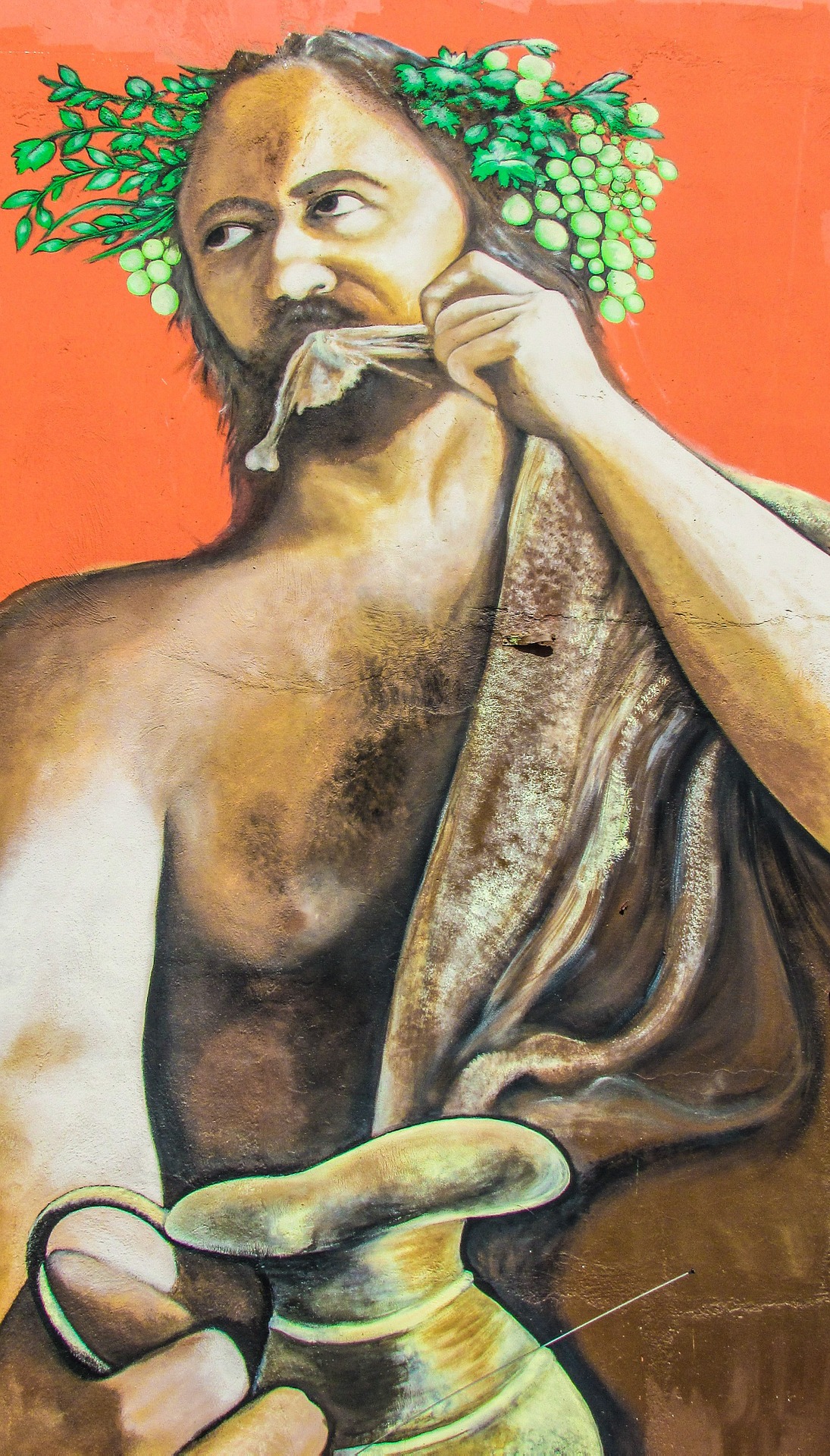
dionysus-1483423_1920

On December 10th, there is a Dionysian festival in the Hellenic calendar.

This Dionysian festival is called the “Rural Dionysia” and was celebrated in the rural areas of Ancient Greece.

As with many Hellenic celebrations, processions were held and in this instance with accompanying dancing and singing.

Festivities also included comedy productions and cheerful games which were enjoyed by all – even the slaves at the time.

Offerings of cake and symbols of phallus-es were made in honor of Dionysus before a representation of him.

This is an auspicious time to celebrate with merriment – dance, sing and amuse yourselves with comedy or games.

dionysus-172363_1920

Here is a hymn to Dionysus  which you can use as an offering prayer on this day whilst fumigating with some storax resin:

Orphic Hymn to Dionysus

Bacchus [Dionysos] I call, loud-sounding and divine, fanatic God, a two-fold shape is thine:
Thy various names and attributes I sing, O, first-born, thrice begotten, Bacchic king:
Rural, ineffable, two-form’d, obscure, two-horn’d, with ivy crown’d, euion, pure.
Bull-fac’d, and martial, bearer of the vine, endu’d with counsel prudent [Eubouleos] and divine:
Triennial, whom the leaves of vines adorn, of Jove [Zeus] and Proserpine [Persephoneia], occultly born.
Immortal dæmon, hear my suppliant voice, give me in blameless plenty to rejoice;
And listen gracious to my mystic pray’r, surrounded with thy choir of nurses fair.

(C) T. Georgitsis 2016

Dionysus

Was out making offerings to Pan in honour of my late father years back and Dionysus came through which totally surprised me.  I had been feeling the “pull” of Dionysus when it came to my dancing and it felt only right to honour him by having rites in his name.

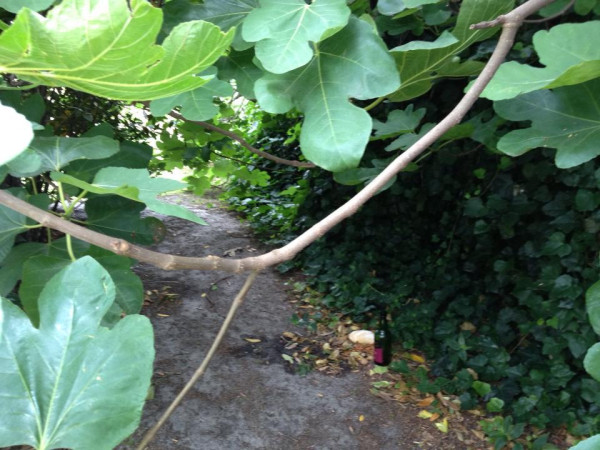
Under a canopy of fig, laurel and ivy I placed a sacred earthly shrine in my back garden and I have honoured him there ever since:


Dyonisus
Offerings of Greek Village Bread, Almonds and Rare Port
Dyonisus - keepsake
A keepsake box with an image of Dionysus and his Maenads which I got during my last trip to Greece
and which I keep my dancing finger cymbals in.