Grass Fire Monitoring Continues Amid Extreme Dry Conditions

Grass Fire Monitoring Continues at George Genereux Urban Regional Park Amid Extreme Dry Conditions

The Saskatoon Fire Department continues monitoring a significant grass and brush fire within George Genereux Urban Regional Park following the initial emergency response on Tuesday, May 26, 2026. CLOSED REOPENED June 4, 2026

The fire occurred in the southwest portion of Saskatoon within the Blairmore Sector near Saskatchewan Highway 7 and Township Road 364, alongside the SaskPower right-of-way and nearby CNR rail corridor. Fire crews returned to the site again on Wednesday, May 27, where hot spots continued smouldering east of the SaskPower corridor under ongoing hot, dry, and windy conditions. Rest assured, due to the extreme dry conditions, the Saskatoon Fire Department will need to monitor this location, for a couple of months! What an expense for a totally preventable fire caused by the carelessness of humans!

The fire occurred in the southwest portion of Saskatoon within the Blairmore Sector near Saskatchewan Highway 7 and Township Road 364, alongside the SaskPower right-of-way and nearby CNR rail corridor. Fire crews returned to the site again on Wednesday, May 27, where hot spots continued smouldering east of the SaskPower corridor under ongoing hot, dry, and windy conditions.

According to reports, firefighters expect to continue monitoring the area for an extended period due to persistent drought conditions, dry vegetation, and the potential for flare-ups. Initial response crews encountered rapidly spreading grassland and wildland fire conditions fuelled by strong winds and critically dry grasses. Multiple fire apparatus, brush trucks, tankers, command units, and fire personnel were deployed to contain and extinguish the blaze.

The entire half of the 148 acre greenspace east of the Sask Power right of way— was impacted by the fire.

The cause of the fire remains under investigation. However, concern has been raised regarding possible human causes, including improperly discarded smoking materials, vaping products, open flames, and reports of individuals allegedly burning plastic wire casings to remove copper from electrical spools. Bylaw No. 8286 The Smoking Control Bylaw prohibits smoking or vaping in outdoor public places owned or operated by the City.Residents are encouraged to immediately report suspicious activity involving wire burning, illegal fires, smoke, or abandoned wire spools to local authorities.

This incident follows another human-caused fire response on May 11, 2026, within Richard St. Barbe Baker Afforestation Area where firefighters responded to a fire that had not been properly extinguished. Human activity remains one of the leading causes of wildland and grass fires across Canada, with people responsible for the vast majority of preventable fires in many provinces, including Saskatchewan.

Residents are reminded that under the City of Saskatoon Smoking Control Bylaw No. 8286, smoking and vaping — including tobacco, cannabis, and e-cigarettes — are prohibited in outdoor public places owned or operated by the City, including parks, trails, and naturalized green spaces.

The public is being asked to not visit nor travel to or near George Genereux Urban Regional Park while emergency monitoring continues. Smoke may remain visible as crews manage lingering hot spots and smouldering vegetation. Avoiding active response areas helps protect public safety while allowing firefighters unobstructed access to service roads, trails, and containment zones.

The approximately 148-acre urban regional park is an important ecological area within Saskatoon’s west side, providing valuable habitat for birds, pollinators, small and large mammals, native grasses, and biodiversity within the city’s naturalized landscape. Dry spring conditions, low moisture levels, accumulated plant litter, and strong winds have created extreme fire conditions throughout Saskatchewan, increasing the risk of rapidly spreading grass and brush fires.

Urban naturalized parks provide critical ecological services including wildlife habitat, biodiversity conservation, stormwater management, carbon storage, air quality improvement, recreation, environmental education, and climate resilience. Protecting these spaces from preventable fires is essential for both environmental sustainability and public safety.

Residents are strongly encouraged to:

  • Avoid unnecessary outdoor burning
  • Properly extinguish cigarettes and smoking materials
  • Use caution with equipment, trailers, and machinery
  • Respect fire bans, advisories, and restrictions
  • Report smoke, suspicious activity, or unattended fires immediately

Extreme fire conditions across Saskatchewan mean that even a small spark can quickly become a major wildfire event.

A sincere note of appreciation is extended to the members of the Saskatoon Fire Department for their rapid response, professionalism, and continued dedication in protecting Saskatoon residents, infrastructure, wildlife habitat, and urban ecosystems during this challenging fire event.

Saskatchewan Spatial Fire Management EXTREME FIRE RISK

Saskatoon firefighters battle grassland fire Tuesday

The 30-30-30 Rule: A Formula for Wildfire Danger

In wildfire management, a critical environmental threshold called “crossover” indicates when fire behavior transitions from manageable to extreme. This high-risk state occurs when three weather elements hit the number 30 at the same time:

  • Heat: Temperatures reach 30°C or above.
  • Dryness: Relative humidity drops to 30% or lower.
  • Wind: Sustained wind speeds hit 30 km/h or faster.

The Bottom Line: When these conditions align, forests and grasslands dry out rapidly, allowing fires to ignite instantly, spread at terrifying speeds, and easily bypass containment lines.

Addresses:

Part SE 23-36-6 – Richard St. Barbe Baker Afforestation Area – 241 Township Road 362-A

Part SE 23-36-6 – SW Off-Leash Recreation Area (Richard St. Barbe Baker Afforestation Area ) – 355 Township Road 362-A

S ½ 22-36-6 Richard St. Barbe Baker Afforestation Area (West of SW OLRA) – 467 Township Road 362-A

NE 21-36-6 “George Genereux” Afforestation Area – 133 Range Road 3063

Wikimapia Map: type in Richard St. Barbe Baker Afforestation Area or

Google Maps South West Off Leash area location pin at parking lot

Web page: https://stbarbebaker.wordpress.com

Where is the Richard St. Barbe Baker Afforestation Area? with map

Where is the George Genereux Urban Regional Park (Afforestation Area)?with map

Pinterest richardstbarbeb

Blogger: FriendsAfforestation

Tumblr friendsafforestation.tumblr.comFacebook Group Page: Users of the George Genereux Urban Regional Park

Facebook: StBarbeBaker Afforestation Area

Facebook for the non profit Charity Friends of the Saskatoon Afforestation Areas Inc. FriendsAreas

Facebook group page : Users of the St Barbe Baker Afforestation Area

Facebook: South West OLRA

Reddit: FriendsAfforestation

BlueSky Social

Mix: friendsareas

YouTube

Support via Zeffy

Please help protect / enhance your afforestation areas, please contact the Friends of the Saskatoon Afforestation Areas Inc. (e-mail / e-transfers )

Donate your old vehicle, here’s how!  

Support using Canada Helps

Support via a recycling bottle donation and Join the plastic-recycle challenge!

United Nations Decade on Ecosystem Restoration

““Be like a tree in pursuit of your cause. Stand firm, grip hard, thrust upward. Bend to the winds of heaven..”

Seeking an Arborist for Stewardship

A Call for Care on the Urban Forest Edge: Seeking an Arborist for Stewardship and Safety at RSBBAA

On May 11, 2026, smoke was observed in the Richard St. Barbe Baker Afforestation Area (RSBBAA) on the west side of Saskatoon. The source was a constructed bush shelter—sometimes referred to as a debris shelter or survival-style tipi—built from stacked logs and branches within the forest understory.

Thanks to quick observation and response, the situation was brought under control before it escalated into a larger fire event. However, the incident has prompted an important conversation about forest safety, risk reduction, and long-term stewardship in one of Saskatoon’s most valued urban green spaces.

A Saskatoon Fire Department member who attended the broader context of the incident has suggested that dismantling these bush shelters would be a proactive measure to reduce future fire risk and prevent potential hazards associated with unstable log structures in public forested greenspace areas.

Understanding the Concern

While these structures are not associated with homelessness or encampment activity, they do present several concerns in a managed urban forest setting:

  • Fire risk: Dry woody material arranged in dense structures can ignite easily during spring and summer dry conditions, especially under wind exposure.
  • Structural instability: Logs may shift or collapse unpredictably, posing a safety risk to anyone inside or nearby.
  • Forest health concerns: Some structures, particularly those constructed using dead elm wood, may contribute to the spread of Dutch Elm Disease if improperly handled or relocated.
  • Public safety: Unmarked or informal structures can create hidden hazards in heavily used recreational areas.

It is also important to note that Meewasin Valley Authority posted today on social media that conditions are extremely dry and that the public should use extra caution in natural areas. This reinforces the urgency of fire awareness and careful stewardship across Saskatoon’s river valley and urban forest systems.

The RSBBAA contains two larger, more robust shelters on the west side, and a smaller one, and two smaller shelters on the east side. An additional structure is located in George Genereux Urban Regional Park. The smaller shelters may be suitable for removal by organized volunteer groups, while the larger western structures require more careful assessment and handling.

A Need for Skilled Stewardship

In light of these considerations, there is now a call our from the Saskatoon Fire Department and the Encampment team at the City for removal of these “bush shelter tipis.” The two larger ones may indeed need a certified arborist—or a qualified forest professional with experience in urban forestry, tree safety, and ecological restoration—who may be willing to assist at a reduced rate or contribute in kind professional expertise. In the forest, volunteers cannot operate chain saws, it must be a trained certified arborist.

Ideally, this individual would:

  • Assess tree and log stability within and around shelter sites
  • Advise on safe dismantling procedures / chop the larger logs into smaller more manageable pieces to disperse in larger area in the forest
  • Identify risks to surrounding vegetation and wildlife habitat
  • Help ensure materials are repurposed responsibly where possible
  • Identify logs which are elm, and if they should be removed to the landfill
  • Support best practices for minimizing disturbance to the forest ecosystem

Equally valuable would be someone who simply loves forests and community stewardship and is willing to lend time, care, and professional knowledge in support of urban forest health.

Community-Based Action

Alongside professional support, there is also interest in organizing volunteer-assisted dismantling of the smaller shelters, particularly on the east side of RSBBAA and in George Genereux Urban Regional Park. With proper guidance, these efforts could safely remove hazards while strengthening community engagement in forest care.

The larger shelters on the west side will require more careful planning due to the size, weight, and arrangement of the logs involved.

A large one west side is at or near Lat/Lon: 52.10308, -106.78526

A smaller one with smaller logs which volunteers could manage as a group is at or near Lat/Lon: 52.10315, -106.78492

A large one is at or near Lat/Lon: 52.10333, -106.78103

Will have to update with the east side locations, and the George Genereux Urban Regional Park location of the bush shelter.

Why This Matters

Urban forests like RSBBAA are more than recreational spaces—they are living ecological systems that support biodiversity, climate resilience, mental well-being, and environmental education. However, they also require active stewardship to remain safe and healthy.

Incidents like the May 11 fire, combined with ongoing extremely dry conditions across the region, highlight how quickly unmanaged structures in forested environments can become serious risks, even when no harm was intended.

A Request to the Community

If you are a certified arborist, forestry professional, or someone with relevant experience—or if you know someone who may be interested in contributing expertise—we invite you to connect.

Likewise, if you are a volunteer willing to assist under supervision in responsible dismantling efforts, to disperse the logs, your support would be deeply appreciated.

Together, we can ensure that RSBBAA and surrounding green spaces remain safe, resilient, and thriving for all who visit them.

To get involved or offer assistance, please reach out to the project coordinators or local stewardship groups. friendsafforestation@gmail.com

Because caring for a forest sometimes means protecting it not only from what grows within it—but also from what is built inside it.

Addresses:

Part SE 23-36-6 – Richard St. Barbe Baker Afforestation Area – 241 Township Road 362-A

Part SE 23-36-6 – SW Off-Leash Recreation Area (Richard St. Barbe Baker Afforestation Area ) – 355 Township Road 362-A

S ½ 22-36-6 Richard St. Barbe Baker Afforestation Area (West of SW OLRA) – 467 Township Road 362-A

NE 21-36-6 “George Genereux” Afforestation Area – 133 Range Road 3063

Wikimapia Map: type in Richard St. Barbe Baker Afforestation Area or

Google Maps South West Off Leash area location pin at parking lot

Web page: https://stbarbebaker.wordpress.com

Where is the Richard St. Barbe Baker Afforestation Area? with map

Where is the George Genereux Urban Regional Park (Afforestation Area)?with map

Pinterest richardstbarbeb

Blogger: FriendsAfforestation

Tumblr friendsafforestation.tumblr.comFacebook Group Page: Users of the George Genereux Urban Regional Park

Facebook: StBarbeBaker Afforestation Area

Facebook for the non profit Charity Friends of the Saskatoon Afforestation Areas Inc. FriendsAreas

Facebook group page : Users of the St Barbe Baker Afforestation Area

Facebook: South West OLRA

Reddit: FriendsAfforestation

BlueSky Social

Mix: friendsareas

YouTube

Support via Zeffy

Please help protect / enhance your afforestation areas, please contact the Friends of the Saskatoon Afforestation Areas Inc. (e-mail / e-transfers )

Donate your old vehicle, here’s how!  

Support using Canada Helps

Support via a recycling bottle donation and Join the plastic-recycle challenge!

United Nations Decade on Ecosystem Restoration

“Be like a tree in pursuit of your cause. Stand firm, grip hard, thrust upward. Bend to the winds of heaven..” – Richard St. Barbe Baker

Snow, Silence, and Feathers of Defiance in Saskatchewan

The Great Backyard Bird Count: Snow, Silence, and Feathers of Defiance in Saskatchewan

There’s a particular sort of quiet that comes with a Saskatchewan winter. Not the cosy, muffled hush of a light frost, but the big, ringing silence that settles over the land when the snow is deep, the air is sharp, and even your thoughts seem to crunch as you walk. It’s the kind of winter that makes you wonder—briefly—whether anything with feathers and a pulse could possibly still be out there.

And yet, they are.

From February 13–16, 2026, the Great Backyard Bird Count invites you to step into that snow-bright stillness and discover just how alive winter really is—especially in places like your back yard, along a trail, or in the Richard St. Barbe Baker Afforestation Area and George Genereux Urban Regional Park, where trees, trails, and tangled shelterbelts become lifelines for birds tough enough to call Saskatchewan home in February.

The idea is simple, even heroic in its modesty. Spend a little time—fifteen minutes is plenty—watching birds in your favourite place. Identify them. Count them. Then share what you’ve seen. That’s it. No need to thaw your fingers for hours or trek heroically into a blizzard (though points for commitment if you do).

In winter, every bird feels like a small triumph.

Winter Birding: The Art of Paying Attention

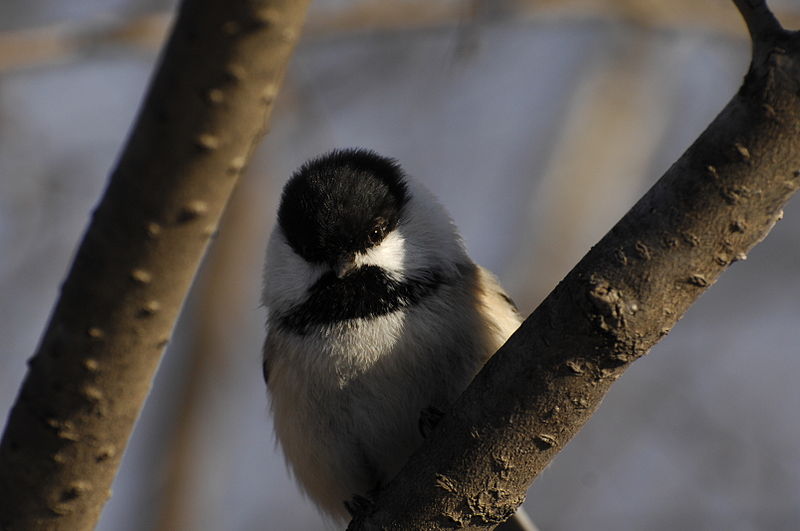
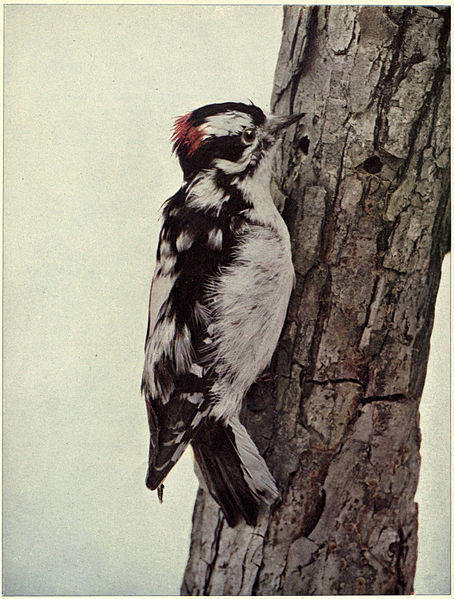
Birdwatching in a snowy Saskatchewan park isn’t about abundance; it’s about clarity. Leaves are gone. Sounds carry. Movement stands out starkly against the white. A Black-capped Chickadee appears like a flying punctuation mark. A Downy Woodpecker taps with quiet determination. A magpie sweeps across the snow, all swagger and monochrome elegance, as if winter were merely an inconvenience for other species.

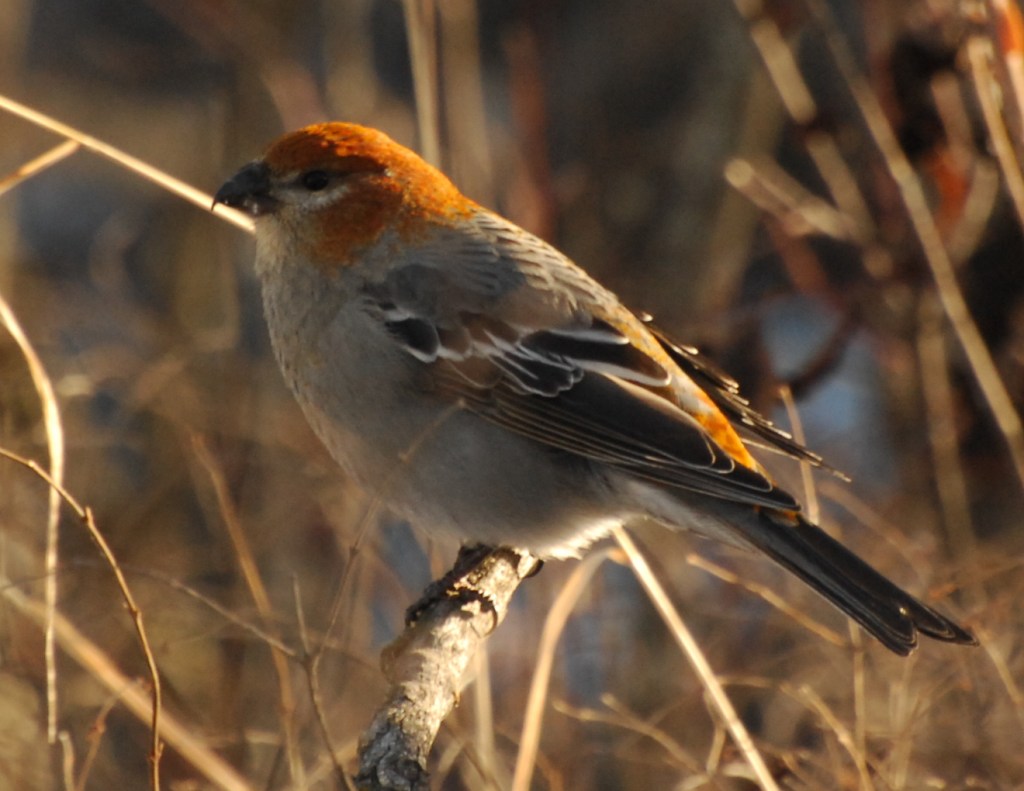
In the Afforestation Area, those planted forests—so carefully imagined decades ago—now shelter flocks of redpolls and grosbeaks, birds puffed up like animated mittens. In George Genereux Urban Regional Park, where city and nature politely overlap, you may find nuthatches creeping headfirst down trunks, or a Sharp-shinned Hawk slicing through the cold air with purposeful menace.

These are not birds passing through. These are birds staying put….enjoying winter with you!

One Province, One Planet

What makes the Great Backyard Bird Count quietly astonishing is that while you’re counting chickadees under a prairie sky, someone else is counting sunbirds in Africa or parrots in Australia. Same four days. Same shared effort. Your Saskatchewan winter list becomes part of a global portrait of bird life—one that scientists rely on to understand population changes, migration shifts, and the growing pressures birds face worldwide.

You can submit your sightings using eBird, or identify birds with the wonderfully helpful Merlin app. If you already use either, you’re already contributing—any observations logged during those four days automatically count toward the GBBC.

This is community science with snow on its boots.

New to Birding? Perfect.

If you’re thinking, I wouldn’t know where to start, you’re in excellent company. The GBBC is designed for beginners as much as seasoned birders with notebooks that smell faintly of damp wool.

There’s an upcoming live, one-hour webinar (Feb 5 or 11)to get you ready—friendly, encouraging, and refreshingly free of birding snobbery. Members of the GBBC team will share practical tips, while author and birder Julia Zarankin explores the joy of beginner birding and the quiet magic of noticing birds right where you live—even in winter.

Consider it a gentle invitation rather than a lesson.

A February Challenge

So here’s the challenge. Bundle up. Walk the familiar trails of Richard St. Barbe Baker or George Genereux, look in the trees or find those bird feeders in the forest, peek out your window at your favourite bird feeder. Let the snow squeak under your boots. Stop. Listen. Watch.

You may not see many birds—but every one you do see will matter. Merlin will hear and identify the birds for you. On eBird you can mention how many you saw each time you are observing. Each observation is a small vote of confidence in a living world that carries on, even when temperatures plunge and breath hangs in the air like a thought bubble.

Count what’s there. Share what you find. And take a moment to admire the sheer stubborn brilliance of birds that sing, forage, and survive through a Saskatchewan winter.

The planet is counting on them.

And for four days in February, it’s counting on you too.

Part SE 23-36-6 – Richard St. Barbe Baker Afforestation Area – 241 Township Road 362-A

Part SE 23-36-6 – SW Off-Leash Recreation Area (Richard St. Barbe Baker Afforestation Area ) – 355 Township Road 362-A

S ½ 22-36-6 Richard St. Barbe Baker Afforestation Area (West of SW OLRA) – 467 Township Road 362-A

NE 21-36-6 “George Genereux” Afforestation Area – 133 Range Road 3063

Wikimapia Map: type in Richard St. Barbe Baker Afforestation Area or

Google Maps South West Off Leash area location pin at parking lot

Web page: https://stbarbebaker.wordpress.com

Where is the Richard St. Barbe Baker Afforestation Area? with map

Where is the George Genereux Urban Regional Park (Afforestation Area)?with map

Pinterest richardstbarbeb

Blogger: FriendsAfforestation

Tumblr friendsafforestation.tumblr.comFacebook Group Page: Users of the George Genereux Urban Regional Park

Facebook: StBarbeBaker Afforestation Area

Facebook for the non profit Charity Friends of the Saskatoon Afforestation Areas Inc. FriendsAreas

Facebook group page : Users of the St Barbe Baker Afforestation Area

Facebook: South West OLRA

Reddit: FriendsAfforestation

BlueSky Social

Mix: friendsareas

YouTube

Support via Zeffy

Please help protect / enhance your afforestation areas, please contact the Friends of the Saskatoon Afforestation Areas Inc. (e-mail / e-transfers )

Donate your old vehicle, here’s how!  

Support using Canada Helps

Support via a recycling bottle donation and Join the plastic-recycle challenge!

United Nations Decade on Ecosystem Restoration

““Be like a tree in pursuit of your cause. Stand firm, grip hard, thrust upward. Bend to the winds of heaven..”

Living With Wild Animals: Black Bears in Saskatchewan

By late summer in Saskatchewan, the blueberries are ripening in the north, chokecherries hang heavy in the parklands, and black bears are on the move. These wide-roaming wanderers, so often unseen in our boreal forests, can sometimes appear in the aspen bluffs of Moose Mountain, along the river valleys of the Qu’Appelle or the South Saskatchewan, or even padding their way through the Touchwood Hills or winding their way through the province along rail lines. To live here in Saskatchewan is to live in bear country, and learning how to share the landscape wisely is part of our Saskatchewan story. It has been interesting coming back to Saskatchewan from the foothills of Alberta and British Columbia and turn attention to our native wildlife.

Bear scat has been observed on the west side of the Richard St. Barbe Baker Afforestation Area. Please use the free smart phone app iNaturalist to document any scat you may see in either George Genereux Urban Regional Park or Richard St. Barbe Baker Afforestation Area so we know when they have moved on. When you photograph any scat, please put something in the photo for scale, like your shoe nearby, a quarter, a pine cone, etc. to rule out the scat being coyote or raccoon please.

Photo by Tomu00e1u0161 Malu00edk on Pexels.com

Secretive Neighbours

Black bears are shy by nature. They’ll usually melt into the bush at the first sound of your footsteps. Yet they are also driven by an insatiable appetite. Food is survival, and a hungry bear will follow its nose. They thrive on berries, roots, insects, fish, and the occasional young deer or moose. But in lean years—or when human temptations prove irresistible—bears may nose their way into yards, campgrounds, greenspaces and garbage bins.

The danger comes when bears begin to link people with an easy meal. A bear that raids garbage or bird feeders quickly learns to return. Over time, it loses its healthy wariness of humans. Sadly, food-conditioned bears often have to be destroyed. It’s a loss not only for the animal but for the people who must live with the consequences.

Attractants: What Draws Bears In

Think about what sits outside your home, cottage, or greenspace:

  • Garbage bins rolled out the night before pickup.
  • Your Trash, Their Temptation – Take It Home
  • A greasy barbecue left to cool.
  • Scoop the Poop – Stop Attracting Bears
  • Bird feeders swaying with seeds.
  • Respect Wildlife – Share the Space Safely
  • A bowl of pet food left on the deck.

Why do they stay?
Human food left behind
Dog poop left on trails

To us, these are conveniences. To a bear, they are an irresistible buffet. Managing these attractants is the simplest, most effective way to keep both people and bears safe. Store garbage securely, freeze strong-smelling scraps until pickup, and haul bins out only on collection morning. Use bird feeders only in winter when bears are asleep. Clean your grill after each use. And never, ever leave pet food accessible outdoors.

Encounters on the Trail

Despite precautions, sometimes paths cross. If you meet a black bear in the wild, the best defence is calm.

  • Don’t run—running can trigger a chase.
  • Back away slowly while speaking in a low, steady voice.
  • Stay Calm, Stay Safe – Don’t Run From Bears
  • Give the bear room to escape.
  • Face the bear, back away slowly.
  • Keep your bear spray handy, know Saskatoon’s new bylaws and know how to use it by taking a bear safe class.
  • Never approach cubs. A protective mother is near.

Most often, the bear will huff, snap its jaws, or bluff-charge before veering off. If, in the rarest of circumstances, a bear attacks, fight back with everything you have. Do not play dead with black bears.

Living Responsibly in Bear Country

It is unlawful in Saskatchewan to feed bears, wolves, cougars, or coyotes. That includes leaving waste in the parks, and tossing food from your car at the roadside—a habit that puts both animals and travellers in danger. Failing to manage attractants can also result in fines.

If you do encounter an aggressive bear, or feel public safety is at risk, call the TIPP line at 1-800-667-7561 (or #5555 on SaskTel). To report nuisance bears, contact the Ministry of Environment at 1-800-567-4224 or email centre.inquiry@gov.sk.ca.

Sharing the Landscape

The truth is, most black bears want little to do with us. They’d rather linger in berry patches or dig for ants under a rotting log than cross paths with humans. But when we make our food their food, we invite trouble.

Living with wild animals means living responsibly. It means a clean yard, a tidy campsite, a tidy greenspace, and an awareness that the forest edge is not ours alone. With respect, caution, and a little preparation, Saskatchewan people and black bears can remain neighbours—wild and free, as it should be.

More information:

Bears in Saskatchewan

Addresses:

Part SE 23-36-6 – Richard St. Barbe Baker Afforestation Area – 241 Township Road 362-A

Part SE 23-36-6 – SW Off-Leash Recreation Area (Richard St. Barbe Baker Afforestation Area ) – 355 Township Road 362-A

S ½ 22-36-6 Richard St. Barbe Baker Afforestation Area (West of SW OLRA) – 467 Township Road 362-A

NE 21-36-6 “George Genereux” Afforestation Area – 133 Range Road 3063

Wikimapia Map: type in Richard St. Barbe Baker Afforestation Area

Google Maps South West Off Leash area location pin at parking lot

Web page: https://stbarbebaker.wordpress.com

Where is the Richard St. Barbe Baker Afforestation Area? with map

Where is the George Genereux Urban Regional Park (Afforestation Area)?with map

Pinterest richardstbarbeb

Blogger: FriendsAfforestation

Tumblr friendsafforestation.tumblr.comFacebook Group Page: Users of the George Genereux Urban Regional Park

Facebook: StBarbeBaker Afforestation Area

Facebook for the non profit Charity Friends of the Saskatoon Afforestation Areas Inc. FriendsAreas

Facebook group page : Users of the St Barbe Baker Afforestation Area

Facebook: South West OLRA

Reddit: FriendsAfforestation

BlueSky Social

Mix: friendsareas

YouTube

Support via Zeffy

Please help protect / enhance your afforestation areas, please contact the Friends of the Saskatoon Afforestation Areas Inc. (e-mail / e-transfers )

Donate your old vehicle, here’s how!  

Support using Canada Helps

Support via a recycling bottle donation and Join the plastic-recycle challenge!

United Nations Decade on Ecosystem Restoration

““Be like a tree in pursuit of your cause. Stand firm, grip hard, thrust upward. Bend to the winds of heaven..”

Richard St. Barbe Baker

“Let Wild Be Wild”

“Let Wild Be Wild”: Saskatoon’s New Wildlife Feeding Bylaw and the Lessons Nature Teaches Us

It starts, as these things often do, with good intentions: a bag of apples tossed near a thicket, a few scraps left out “for the deer,” or a kitchen compost bin not quite secured against curious nocturnal noses. It may feel like kindness—after all, who doesn’t feel a twinge of empathy when a doe crosses your backyard on a frosty morning? But the problem is that in the world of wildlife, what we see as a generous offering can unravel the delicate balance of survival.

Here in Saskatoon, we’re lucky. Our city is stitched together with corridors of green—places like the Richard St. Barbe Baker Afforestation Area and the Meewasin Valley—sanctuaries not only for the people seeking peace in nature, but for the coyotes, skunks, beavers, foxes, and yes, the deer who’ve learned to live on the urban fringe. And live they do, quite capably—until we step in with the wrong kind of help.

The City of Saskatoon has recently approved amendments to The Animal Control Bylaw and The Property Nuisance & Abatement Bylaw, effectively banning the feeding of wildlife on both public and private property. This is a bold and necessary step, and speaking to those who have spent decades working with animals across continents, I can assure you: it’s long overdue.

The reasons are as numerous as they are vital:

Feeding wild animals encourages them to lose their natural wariness around humans. A coyote that finds an easy meal on someone’s deck may soon start expecting it—and that’s when conflicts begin. A raccoon that routinely rummages through accessible garbage bins can become a nuisance. Worse yet, animals that associate people with food are more likely to be struck by vehicles, suffer poor nutrition, or be euthanized after so-called “aggressive” behaviour that’s really just confused boldness.

In my time working with animals, experts have seen time and again how we, as humans, often forget one simple truth: wild animals aren’t lost or lacking—they are wild. And wildness is a thing of beauty, not something to be softened by handouts of processed bread or fruit peelings.

Saskatoon’s new bylaw is clear:

  • Don’t feed the wildlife.
  • Don’t leave food or waste that may attract them.
  • You may still feed birds—if the feeder is elevated and inaccessible to other species.

Violations come with fines that start at $250, escalating to $1,000 for repeat offences. It’s a necessary deterrent. Because managing wildlife isn’t about control—it’s about respect.

Let me share a small story. Not long ago, while walking the wooded edge of an afforestation area, I came across a fox—its russet coat brilliant in the morning light. It paused, regarding me from a cautious distance. That distance was the respect between our species, an invisible boundary that said: “I know who you are. You are not my feeder. I do not need you to survive.”

That fox, like the deer in your backyard or the coyote in your alley, doesn’t need a sandwich or a slice of melon. It needs cover, clean water, a place to roam, and most importantly, to be left to its own ancient rhythms.

So, let’s take this bylaw not as a restriction, but a reminder. A reminder that the best way we can care for wildlife is by letting them stay wild. Walk the trails, watch from a respectful distance, pick up your trash, and yes—scoop the poop. Because even dog waste can attract scavengers and predators looking for an easy snack.

In this new chapter of Saskatoon’s coexistence with its wild neighbours, we’re not building fences—we’re setting boundaries that ensure safety, dignity, and survival for all.

Come to nature, come to life. Just don’t bring the snacks, and if you picnic, “Pack it in, Pack it out”.

#ScoopThePoop #ResponsiblePetOwnership #CleanParks #ProtectOurEnvironment

City of Saskatoon. (2025, May 22). City Council approves wildlife feeding ban to support public safety and urban wildlife management. Retrieved from https://www.saskatoon.ca/news-releases/city-council-approves-wildlife-feeding-ban-support-public-safety-and-urban-wildlife-management

City of Saskatoon. (n.d.). Wildlife Management. Retrieved from https://www.saskatoon.ca/services-residents/pet-licensing-animal-services/wildlife-management

Haigh, J. (2012). Of moose and men: A wildlife vet’s pursuit of the world’s largest deer. ECW Press.

St. Barbe Baker Afforestation Area. (2020, April 24). Scoop the poop. Retrieved from https://stbarbebaker.wordpress.com/2020/04/24/scoop-the-poop/

St. Barbe Baker Afforestation Area. (2024, March 30). Scooping the Poop – A Responsible Act for Pet Owners. Retrieved from https://stbarbebaker.wordpress.com/2024/03/30/scooping-the-poop-a-responsible-act-for-pet-owners/

The Wildlife Act, 1998, S.S. 1998, c. W-13.11 (Saskatchewan).

For directions as to how to drive to “George Genereux” Urban Regional Park

For directions on how to drive to Richard St. Barbe Baker Afforestation Area

For more information:

Blairmore Sector Plan Report; planning for the Richard St. Barbe Baker Afforestation Area, George Genereux Urban Regional Park and West Swale and areas around them inside of Saskatoon city limits

NEW P4G District Official Community Plan

Richard St. Barbe Baker Afforestation Area is located in Saskatoon, Saskatchewan, Canada north of Cedar Villa Road, within city limits, in the furthest south west area of the city. 52° 06′ 106° 45′

Addresses:

Part SE 23-36-6 – Afforestation Area – 241 Township Road 362-A

Part SE 23-36-6 – SW Off-Leash Recreation Area (Richard St. Barbe Baker Afforestation Area ) – 355 Township Road 362-A

S ½ 22-36-6 Richard St. Barbe Baker Afforestation Area (West of SW OLRA) – 467 Township Road 362-A

NE 21-36-6 “George Genereux” Afforestation Area – 133 Range Road 3063

Wikimapia Map: type in Richard St. Barbe Baker Afforestation Area

Google Maps South West Off Leash area location pin at parking lot

Web page: https://stbarbebaker.wordpress.com

Where is the Richard St. Barbe Baker Afforestation Area? with map

Where is the George Genereux Urban Regional Park (Afforestation Area)?with map

Pinterest richardstbarbeb

Blogger: FriendsAfforestation

Tumblr friendsafforestation.tumblr.comFacebook Group Page: Users of the George Genereux Urban Regional Park

Facebook: StBarbeBaker Afforestation Area

Facebook for the non profit Charity Friends of the Saskatoon Afforestation Areas Inc. FriendsAreas

Facebook group page : Users of the St Barbe Baker Afforestation Area

Facebook: South West OLRA

Reddit: FriendsAfforestation

Twitter: St Barbe Baker Charity Twitter:FriendsAreas

Mix: friendsareas

YouTube

Please help protect / enhance your afforestation areas, please contact the Friends of the Saskatoon Afforestation Areas Inc. (e-mail / e-transfers )

Donate your old vehicle, here’s how!  

Support using Canada Helps

Support via a recycling bottle donation

United Nations Decade on Ecosystem Restoration

““Be like a tree in pursuit of your cause. Stand firm, grip hard, thrust upward. Bend to the winds of heaven..”

Richard St. Barbe Baker

Biodiversity Blitz: Saskatoon’s Wild Side Gets a Standing Ovation

It’s official—the numbers are in, and Saskatoon, you’ve outdone yourselves.

As the sun rose and fell over four days of nature-inspired curiosity, a wave of boots hit the ground, lenses zoomed in on wings and petals, and a chorus of chirps, buzzes, and croaks filled the air. The City Nature Challenge 2025—our region’s own biodiversity bonanza—delivered a brilliant snapshot of life on the land, in the skies, and beneath our feet.

Let’s talk numbers, because they tell a wild story. 72 observers made 874 observations of 300 unique species, backed by the sharp eyes of 139 identifiers from around the globe. That’s not just a headcount—it’s a celebration of the diversity we live among every single day.

A Bite from the Unexpected

Among the many highlights, one encounter raised eyebrows and perhaps pulses. Melissa Clawson, a sharp-eyed vector ecologist with a soft spot for mosquitoes, identified a game-changing moment: the Anopheles quadrimaculatus, also known as the North American Malaria Mosquito. Yes, you read that right—a species with a storied past in disease transmission made its presence known in Saskatoon. This find could mark a noteworthy range expansion for the species, and it’s a powerful example of how citizen science can uncover emerging ecological stories.

Familiar Faces, Prairie Darlings

Not all our finds were ominous. Some brought pure delight that spring has arrived. Take Pulsatilla nuttalliana, the Prairie Pasqueflower, with its violet blooms ushering in spring like a prairie poet laureate. Or the ever-endearing Turdus migratorius, the American Robin, whose cheerful call reminded us that even our most common neighbours are essential threads in this ecological quilt.

Quietly at Risk

But this year’s challenge did more than entertain—it informed. Several species documented during the blitz are species at risk, painting a more sobering but essential portrait of our shared responsibilities.

  • The Twice-stabbed Lady Beetle (Chilocorus stigma)—a striking, tiny beetle with a superhero name—was spotted twice. A beneficial predator of scale insects, its numbers have been in decline elsewhere.
  • The Togwotee Harvestman (Togwoteeus biceps)—rare, reclusive, and just plain weird—was observed twice as well, a haunting reminder of how much we still don’t know about the understory.
  • The Horned Grebe (Podiceps auritus), whose red eyes and slick profile belie its vulnerability, surfaced in local waters.
  • Spring Cankerworm Moths (Paleacrita vernata) made a strong showing, their understated appearance belying their ecological role—and, in some areas, their precarious future.
  • Turkey Vultures (Cathartes aura) and Pileated Woodpeckers (Dryocopus pileatus)—those iconic silhouettes—remind us of the success of conservation efforts, and the thin line they walk.
  • And let’s not forget the Red-tailed Mining Bee (Andrena erythrogaster), a pollinator whose presence is as hopeful as it is vital.

Even flora had their moment. Rough Fescue (Festuca hallii), a hallmark of healthy native grassland, stood proud. American Elm (Ulmus americana) and Green Ash (Fraxinus pennsylvanica), which face threats from disease and invasive pests, were also logged. Their inclusion in the dataset is a quiet plea for protection.

Behind the Scenes

Of course, none of this would have been possible without the army of community scientists and nature nerds—armed with smartphones, hand lenses, and a love for the wild. But let’s shine a spotlight on those who made the whole thing happen.

The Friends of the Saskatoon Afforestation Areas, a nonprofit environmental charity, didn’t just participate—they launched this year’s CNC YXE 2025 campaign. From designing educational pamphlets and creating social media buzz to rallying the public and coordinating the effort, their tireless organizing made this event sing. Their voice echoed across Saskatoon—”come see what’s out there!”—and people listened.

And it wasn’t just them. Heartfelt thanks are also due to Sask Power, SaskTel, SaskEnergy, the Saskatoon Nature Society, the Saskatoon Public School Board, and Wild About Saskatoon. Your support turned curiosity into community, and data points into stories. You and all the countless volunteers and citizen scientists helped make sure that each photo snapped, each bird spotted, each beetle discovered, added up to something much larger—a moment of connection between a city and its natural surroundings.

So here’s to the moss-covered, the many-legged, the winged, and the wild. Saskatoon, you showed your true colours this year—and they’re vibrant, rare, and absolutely worth protecting.

Let’s do it again next year.

Addresses:

Part SE 23-36-6 – Richard St. Barbe Baker Afforestation Area – 241 Township Road 362-A

Part SE 23-36-6 – SW Off-Leash Recreation Area (Richard St. Barbe Baker Afforestation Area ) – 355 Township Road 362-A

S ½ 22-36-6 Richard St. Barbe Baker Afforestation Area (West of SW OLRA) – 467 Township Road 362-A

NE 21-36-6 “George Genereux” Afforestation Area – 133 Range Road 3063

Wikimapia Map: type in Richard St. Barbe Baker Afforestation Area

Google Maps South West Off Leash area location pin at parking lot

Web page: https://stbarbebaker.wordpress.com

Where is the Richard St. Barbe Baker Afforestation Area? with map

Where is the George Genereux Urban Regional Park (Afforestation Area)?with map

Pinterest richardstbarbeb

Blogger: FriendsAfforestation

Tumblr friendsafforestation.tumblr.comFacebook Group Page: Users of the George Genereux Urban Regional Park

Facebook: StBarbeBaker Afforestation Area

Facebook for the non profit Charity Friends of the Saskatoon Afforestation Areas Inc. FriendsAreas

Facebook group page : Users of the St Barbe Baker Afforestation Area

Facebook: South West OLRA

Reddit: FriendsAfforestation

BlueSky Social

Mix: friendsareas

YouTube

Support via Zeffy

Please help protect / enhance your afforestation areas, please contact the Friends of the Saskatoon Afforestation Areas Inc. (e-mail / e-transfers )

Donate your old vehicle, here’s how!  

Support using Canada Helps

Support via a recycling bottle donation and Join the plastic-recycle challenge!

United Nations Decade on Ecosystem Restoration

““Be like a tree in pursuit of your cause. Stand firm, grip hard, thrust upward. Bend to the winds of heaven..”

Richard St. Barbe Baker

Design a site like this with WordPress.com
Get started