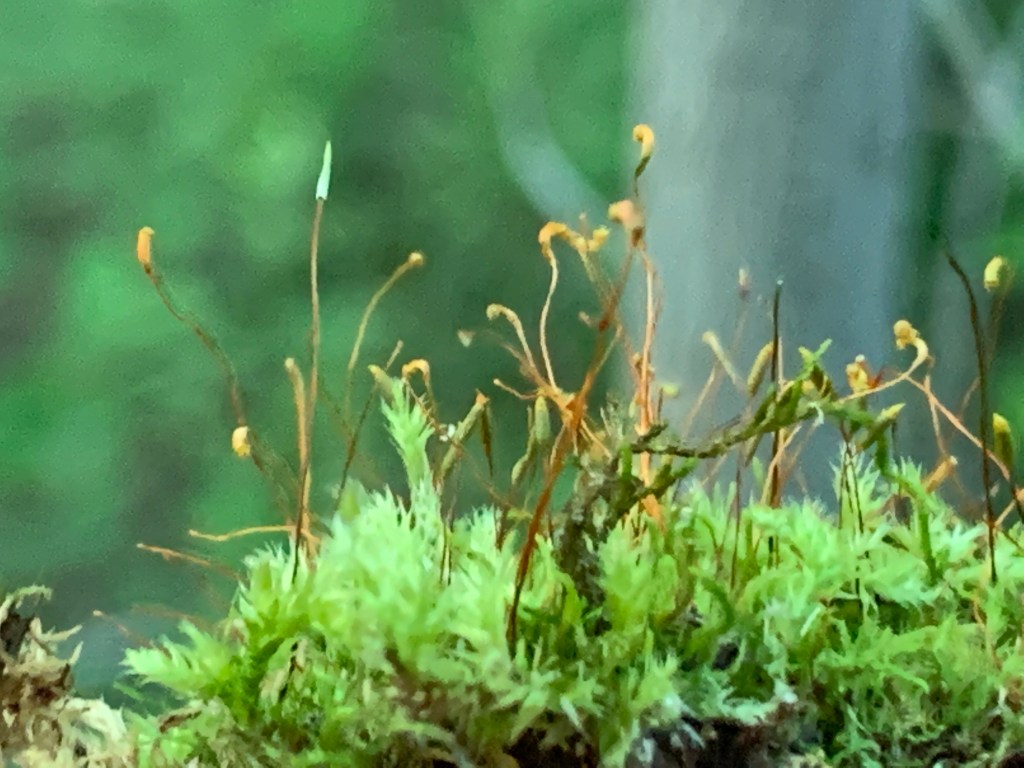
Update on the George Genereux Urban Regional Park Wildfire Area

Update on the George Genereux Urban Regional Park Wildfire Area

We received a follow-up report regarding the wildfire that occurred in George Genereux Urban Regional Park.

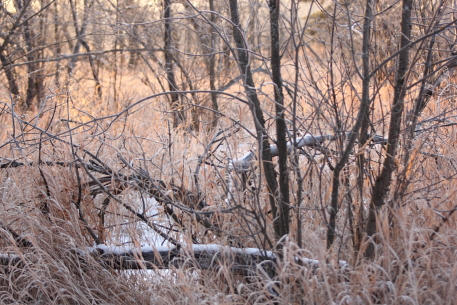
The Saskatoon Fire Department requested assistance from Urban Forestry staff to assess vegetation damage and determine whether any ongoing safety concerns remained within the affected area. Following a site inspection, an Urban Forestry supervisor reported that 44 small dead trees along the pathway were identified and marked with spray paint. The overall risk was assessed as low due to the area’s relatively low level of use, the low likelihood of tree failure, and the minimal potential for injury should a tree fall. While these trees should eventually be removed to prevent them from falling onto the pathway, they do not currently present an immediate hazard to the public.

As a result of this assessment, all identified safety concerns have now been addressed, and the area may continue to be used by the public. While some visible impacts from the wildfire remain, they do not pose a risk that would warrant restricting access to the site.

Visitors should be aware that tick populations remain very high in the area. The fire did not eliminate ticks, so appropriate precautions are strongly recommended, including wearing long clothing, staying on designated trails where possible, and conducting tick checks after visiting.

To help protect public health, natural areas, and reduce the risk of future wildfires, smoking and vaping are prohibited in all outdoor public spaces owned or operated by the City of Saskatoon under Smoking Control Bylaw No. 8286. This restriction applies to all tobacco products, cannabis products, and electronic cigarettes. Open fires, campfires, and any unauthorized flame-producing activities are also prohibited. Visitors are encouraged to respect these regulations to help safeguard forests, wetlands, wildlife habitat, and fellow park users.

The burned area also presents a valuable opportunity for ecological learning. Post-fire landscapes serve as living laboratories where environmental organizations such as the Friends of the Saskatoon Afforestation Areas can observe ecological succession and natural recovery processes firsthand. Over time, pioneering plants, insects, fungi, birds, and mammals gradually recolonize the site, demonstrating the resilience of natural ecosystems. Monitoring these changes can provide important information about biodiversity recovery, soil health, habitat restoration, carbon storage, and climate adaptation. Such areas also offer meaningful educational opportunities, helping visitors understand the role that fire can play in ecosystem renewal and fostering a deeper appreciation for the natural processes that shape and sustain healthy landscapes.

Previous posts about the grass fire.

Grass Fire Monitoring Continues Amid Extreme Dry Conditions

Grass and Brush Fire Response Underway

Understanding Wildfire Risk: The 30-30-30 Rule

When it comes to predicting how aggressively a wildfire will behave, Canadian firefighters and meteorologists look for a critical atmospheric tipping point known as the “crossover” effect. This danger zone is easily remembered by the 30-30-30 rule of thumb, which identifies the exact combination of weather conditions that cause small fires to rapidly explode out of control.

The rule states that wildfire danger reaches extreme levels when three specific conditions are met simultaneously:

  • Temperature: 30°C or higher.
  • Relative Humidity: 30% or lower.
  • Wind Speed: 30 km/h or faster.

Why This Combination is So Dangerous

When the air becomes that hot and dry, it acts like a sponge, rapidly evaporating moisture from forest vegetation, grass, and soil. This creates a massive amount of highly flammable fuel. Once you add sustained wind speeds of 30 km/h into the mix, a spark can instantly turn into an intense, fast-moving blaze. The wind not only supplies oxygen to the flames but also carries burning embers far ahead of the main fire line, igniting new flare-ups and making containment incredibly difficult for emergency crews.

When a region hits this “crossover” threshold, fire safety officials go on high alert, as any new ignition has the potential to become an unmanageable wildfire.
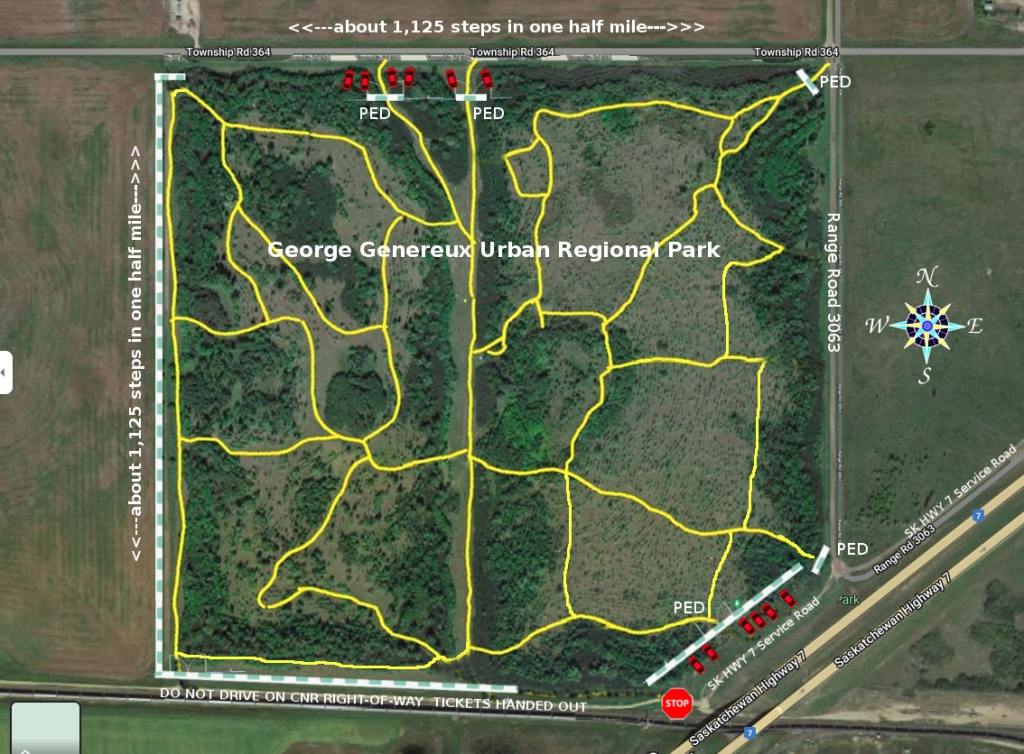
Addresses:

Part SE 23-36-6 – Richard St. Barbe Baker Afforestation Area – 241 Township Road 362-A

Part SE 23-36-6 – SW Off-Leash Recreation Area (Richard St. Barbe Baker Afforestation Area ) – 355 Township Road 362-A

S ½ 22-36-6 Richard St. Barbe Baker Afforestation Area (West of SW OLRA) – 467 Township Road 362-A

NE 21-36-6 “George Genereux” Afforestation Area – 133 Range Road 3063

Coming soon the Clavet Memorial Healing Forest honouring the Humboldt Broncos

Wikimapia Map: type in Richard St. Barbe Baker Afforestation Area or

Google Maps South West Off Leash area location pin at parking lot

Web page: https://stbarbebaker.wordpress.com

Where is the Richard St. Barbe Baker Afforestation Area? with map

Where is the George Genereux Urban Regional Park (Afforestation Area)?with map

Pinterest richardstbarbeb

Blogger: FriendsAfforestation

Tumblr friendsafforestation.tumblr.comFacebook Group Page: Users of the George Genereux Urban Regional Park

Facebook: StBarbeBaker Afforestation Area

Facebook for the non profit Charity Friends of the Saskatoon Afforestation Areas Inc. FriendsAreas

Facebook group page : Users of the St Barbe Baker Afforestation Area

Facebook: South West OLRA

Reddit: FriendsAfforestation

BlueSky Social

Mix: friendsareas

YouTube

Support via Zeffy

Please help protect / enhance your afforestation areas, please contact the Friends of the Saskatoon Afforestation Areas Inc. (e-mail / e-transfers )

Donate your old vehicle, here’s how!  

Support using Canada Helps

Support via a recycling bottle donation and Join the plastic-recycle challenge!

United Nations Decade on Ecosystem Restoration

““Be like a tree in pursuit of your cause. Stand firm, grip hard, thrust upward. Bend to the winds of heaven..”Richard St. Barbe Baker

The Golden Slipper of the Prairies:

The Golden Slipper of the Prairies: Conservation Imperatives for Cypripedium in the Richard St. Barbe Baker Afforestation Area

The genus Cypripedium represents, for many, the pinnacle of the orchidaceous flora of North America. These “Lady’s-slippers” are not merely plants; they are complex biological entities intertwined with the very fungal fabric of the soil. Within the Saskatoon Afforestation Areas, dwells a botanical treasure of increasing concern: the Small Yellow Lady’s-slipper, Cypripedium parviflorum var. makasin.

As we have often noted in our taxonomic treatments, the C. parviflorum complex is one of great morphological fluidity. However, var. makasin distinguishes itself by its smaller, often intensely fragrant labellum (pouch) and its preference for the moist, calcareous transitions between prairie and woodland. In the province, its status has recently fluctuated between S2 (Imperilled) and S3 (Vulnerable), a precarious position that demands immediate and sophisticated conservation strategies.


The Biological Vulnerability of the Slipper

The survival of Cypripedium is a precarious gamble of nature. Unlike many vascular plants, their seeds are “dust-like,” devoid of endosperm. They are entirely dependent on a mycorrhizal partner—specifically fungi from the Tulasnellaceae family—to provide the carbon necessary for germination.

Recent investigations, such as those by Malcore and Grubisha, highlight that these essential fungal symbionts are often localized within a mere one-meter radius of the parent plant. This creates a “micro-refugia” that, if disturbed by foot traffic, grazing, or soil compaction, can render the entire site sterile for future orchid recruitment.

Species Profile: Cypripedium parviflorum var. makasin


Strategies for Protection and Management

To ensure that the “Moccasin Flower” remains a fixture of the RSBBAA landscape for generations, a multi-faceted management approach is required.

1. Habitat Preservation and Successional Management

The RSBBAA is a dynamic ecosystem. C. parviflorum var. makasin thrives in the “ecotone”—the edge between meadow and wood. Successional management must be employed to prevent these open edges from becoming overly choked by invasive brush or dense canopy closure, which can shade out the orchids. However, this must be balanced: the soil must remain cool and moist.

2. The Prohibition of Transplantation

We must be clear: do not transplant these orchids. Cypripedium possesses a high degree of mycorrhizal specificity. When a plant is dug up, its connection to the Tulasnellaceae network is severed. Without the specific fungal colony of its home soil, the orchid almost invariably perishes within a few seasons.

3. Controlled Disturbance and Fire

While fire is a natural component of the prairie-forest mosaic, its effects on Cypripedium are a “threshold” phenomenon. A low-intensity prescribed burn can reduce competing thatch and release nutrients, but a high-intensity fire can destroy the shallow rhizomes and the delicate fungal mycelia in the upper soil layers.

4. Public Awareness and “Social Fencing”

Because the RSBBAA is a public space, the risk of “collection” or accidental trampling is high. Increasing public awareness through signage that emphasizes the plant’s legal protection under CITES Appendix II and provincial legislation is vital.


Next Steps: A Path Forward

To transition from passive observation to active stewardship, the following actions are recommended for the RSBBAA:

  • Establish a Monitoring Grid: Conduct annual census counts at the site to estimate population dynamics and recruitment rates.
  • Soil Mapping: Identify the presence of Tulasnellaceae fungi in adjacent areas to determine potential sites for population reinforcement or seed sowing.
  • Infrastructure Rerouting: Ensure that any future trail development or maintenance within the RSBBAA maintains a minimum 10-meter buffer from known orchid occurrences to protect the rhizosphere.
  • Ex Situ Security: In collaboration with botanical gardens, collect seeds for long-term cryogenic storage, ensuring the genetic legacy of the RSBBAA population is preserved against stochastic events.

The Small Yellow Lady’s-slipper is a sentinel of the health of our afforestation areas. Its presence tells us the soil is alive, the fungi are flourishing, and the ancient relationships of the prairie remain intact. We must act now to ensure this golden pouch continues to nod in the Saskatchewan breeze.

1. Biological Identification, Ecology, and Species Information

Bebeau, E. (2014). Small Yellow Lady’s-slipper (Cypripedium parviflorum var. makasin). Minnesota Wildflowers.
https://www.minnesotawildflowers.info/flower/small-yellow-ladys-slipper

Cribb, P. (1997). The Genus Cypripedium. Royal Botanic Gardens, Kew.

Environmental Data Inventory (EDI). (2021). Saskatchewan Flora Database. Saskatchewan Government Environmental Data Inventory.

iNaturalist. (n.d.). Small Yellow Lady’s-slipper (Cypripedium parviflorum var. makasin) Species Guide.
https://www.inaturalist.org/guide_taxa/849473

Malcore, R. M., & Grubisha, L. C. (2019). A Preliminary Investigation of Cypripedium parviflorum Mycorrhizae at Peninsula State Park. Final Report.
https://peninsulastatepark.org/wp-content/uploads/2019/08/Malcore_FinalReport.pdf

Shefferson, R. P., Weiss, M., Kull, T., & Taylor, D. L. (2007). High specificity generally characterizes mycorrhizal association in the rare lady’s-slipper orchid genus Cypripedium. Molecular Ecology.

Sheviak, C. J. (1994). Variation in Cypripedium parviflorum and its taxonomic treatment.

Sheviak, C. J. (2002). Cypripedium. In: Flora of North America Editorial Committee (Eds.), Flora of North America North of Mexico (Vol. 26). Oxford University Press.

USDA Forest Service. (n.d.). Cypripedium parviflorum – Yellow Lady’s-slipper.
https://www.fs.usda.gov/wildflowers/beauty/cypripedium/cypripedium_parviflorum.shtml

Saskatchewan Wildflowers. (2021). Cypripedium parviflorum var. makasin.
https://www.saskwildflower.ca/native-plant-database/cypripedium-parviflorum

North American Orchid Conservation Center. (2024). Species Profile: Cypripedium parviflorum.
https://goorchids.northamericanorchidcenter.org


2. Conservation Status, Habitat Protection, and Environmental Context

Canada.ca. (2014). COSEWIC Assessment and Status Report on the Small White Lady’s-slipper (Cypripedium candidum) in Canada.
https://www.canada.ca/en/environment-climate-change/services/species-risk-public-registry/cosewic-assessments-status-reports/small-white-lady-slipper-2014.html

Convention on International Trade in Endangered Species (CITES). (n.d.). Appendix II: Orchidaceae.
https://cites.org

Saskatchewan Native Plant Society (2020). Making Connections: The Amazing Relationships Between Fungi and Plants. NPSS Winter Newsletter.
https://www.npss.sk.ca/rsu_docs/documents/2020-winter-newsletter.pdf

NatureServe Explorer. (2025). Cypripedium parviflorum var. makasin – Small Yellow Lady’s-slipper.
https://explorer.natureserve.org

Native Plant Trust – Go Botany. (2024). Cypripedium parviflorum (Yellow Lady’s-slipper).
https://gobotany.nativeplanttrust.org

Pollinator Partnership. (2007). Medicinal Plant Fact Sheet: Cypripedium (Lady’s-slipper orchids).
https://www.pollinator.org/pollinator.org/assets/generalFiles/Cypripedium.draft.pdf

Wild Species Canada. (2020). Yellow Lady’s-slipper (Cypripedium parviflorum) General Status Report.
https://search.wildspecies.ca/en/GS000139

Brandywine Conservancy. (2020). Native Orchids and Conservation Efforts.
https://www.brandywine.org/conservancy/blog/native-orchids

Part SE 23-36-6 – Richard St. Barbe Baker Afforestation Area – 241 Township Road 362-A

Part SE 23-36-6 – SW Off-Leash Recreation Area (Richard St. Barbe Baker Afforestation Area ) – 355 Township Road 362-A

S ½ 22-36-6 Richard St. Barbe Baker Afforestation Area (West of SW OLRA) – 467 Township Road 362-A

NE 21-36-6 “George Genereux” Afforestation Area – 133 Range Road 3063

Wikimapia Map: type in Richard St. Barbe Baker Afforestation Area or
Google Maps South West Off Leash area location pin at parking lot

Web page: https://stbarbebaker.wordpress.com

Where is the Richard St. Barbe Baker Afforestation Area? with map

Where is the George Genereux Urban Regional Park (Afforestation Area)?with map

Pinterest richardstbarbeb

Blogger: FriendsAfforestation

Tumblr friendsafforestation.tumblr.comFacebook Group Page: Users of the George Genereux Urban Regional Park

Facebook: StBarbeBaker Afforestation Area

Facebook for the non profit Charity Friends of the Saskatoon Afforestation Areas Inc. FriendsAreas

Facebook group page : Users of the St Barbe Baker Afforestation Area

Facebook: South West OLRA

Reddit: FriendsAfforestation

BlueSky Social

Mix: friendsareas

YouTube

Support via Zeffy

Please help protect / enhance your afforestation areas, please contact the Friends of the Saskatoon Afforestation Areas Inc. (e-mail / e-transfers )

Donate your old vehicle, here’s how!  

Support using Canada Helps

Support via a recycling bottle donation and Join the plastic-recycle challenge!

United Nations Decade on Ecosystem Restoration

““Be like a tree in pursuit of your cause. Stand firm, grip hard, thrust upward. Bend to the winds of heaven..”

A Forest That Grows From Loss

The site chosen for the memorial forest is, at present, a wasteland—an abandoned parcel of land on the outskirts of Clavet. It is the kind of landscape that typically becomes a dumping ground or development afterthought: bare soil, compacted earth, no shade, no structure, nothing that might inspire care.

In other words, it is the perfect place to begin again.

Help bring this vision to life—one tree, one family, one community at a time.

The inspiration comes partly from Ontario’s Highway of Heroes Living Tribute, where millions of trees are being planted to honour fallen Canadian service members. But the prairie variant adapts this model to a harsher climate and a different emotional terrain. Here, the goal is not only to honour those who died, but to reclaim land from neglect and transform it into a space for reflection, healing, and ecological renewal.

Their vision for the Clavet Memorial Forest is multilayered:

  • A sanctuary for families and communities to gather, remember, and grieve. A sanctuary for remembrance, where families and communities can gather beneath a canopy of living tribute.
  • A greenspace for residents and travellers, especially ecotourists following the Yellowhead Highway, looking for quiet refuge.
  • A teaching forest, where Indigenous knowledge keepers, scientists, and students can learn from each other.
  • A research and education hub, where schools, Indigenous knowledge keepers, and citizen scientists can learn and collaborate.
  • A restored ecosystem, replacing ecological barrens with climate-resilient trees, native grasses, and wildlife habitat.
  • Indigenous and Métis elders come forward to enrich community collaborating on cultural and ecological storytelling for interpretive signage, tours, pamphlets.
  • Schools and youth groups use the forests for climate education and citizen science.
  • Local businesses contribute materials, equipment, and sponsorship.
  • Volunteers monitor species, maintain trails, and advocate for long-term protection.
  • A climate-mitigating carbon sink, built on principles championed by Richard St. Barbe Baker—the Saskatchewan-born environmentalist who founded the Men of the Trees and influenced global afforestation efforts.

It is a living answer to loss—a reminder that memory can take root and spread.

Add your voice, your time, or your hands to a forest that belongs to all.

Support through ZEFFY https://shorturl.at/cJ8uG

Why a Forest? Because the Prairies Have Been Stripped Bare

Afforestation in Saskatchewan is neither simple nor guaranteed. These are some of the most extreme growing conditions in Canada: scorching summers, brittle winters, drought cycles that can render the soil as hard as fired clay.

Yet it is here—precisely here—that forests matter most.

Saskatchewan’s remaining native prairie represents one of the most endangered ecosystems on Earth. Every patch of restored habitat acts as a lifeline for biodiversity: songbirds, owls, deer, foxes, pollinators, and prairie plant species that are disappearing everywhere else.

Join a community restoring hope, habitat, and heritage.

The Friends of the Saskatoon Afforestation Areas know this better than anyone. Over the past decade they have advocated for two forgotten urban forests—Richard St. Barbe Baker Afforestation Area and George Genereux Urban Regional Park—into thriving ecological sanctuaries. They removed nearly 200,000 pounds of waste, fought for trail safety, restored wetlands and grasslands, and brought thousands of citizens into climate action.

These are not just trees. They are acts of resistance.

Be part of a prairie forest that heals the land and the people on it.

A Coalition of Care

What makes this new memorial forest remarkable is not only its ecological ambition but the breadth of those who have stepped forward to support it.

This is what community looks like—not the sentimental version promoted in political speeches, but the hard, grounded work of people choosing to care for land and each other.

Stand with us as we restore land, honour stories, and build connection.

A Future We Choose to Grow

The memorial forest near Clavet will not undo past grief. No forest could. But it will do something that is increasingly rare in the modern world:
It will give grief a place to live.

A place where families can walk and remember.
A place where children can learn what happened and why it matters.
A place where trees grow not just upward, but outward—casting roots into a community that refuses to forget.

A correction to ecological degradation.
A correction to the erasure of trauma.
A correction to a cultural habit that treats tragedy as a moment, rather than a continuum.

We deeply appreciate and acknowledge all letters of support which have arrived from the RM of Blucher, the Village of Clavet, the City of Humboldt, and regional organizations. Contractors are at the ready. Businesses have expressed interest. The project hopes to secure funding by spring, plant by autumn, and grow the project for decades. When communities mobilize—when they plant, restore, educate, and refuse to forget—they do more than grow forests. They grow resilience. Perhaps the most striking element of this story is how much of it is powered by community. What emerges is not merely a forest, but an ecosystem of relationships. The project, envisioned by Project Manager René Kreutzwieser and championed by the Friends of the Saskatoon Afforestation Areas, has gathered support from the Village of Clavet, the RM of Blucher, the City of Humboldt, researchers at the University of Saskatchewan, and a growing chorus of environmental and community groups.

Its purpose is clear:
To create a living memorial that refuses to let Saskatchewan forget.

In a province where the land bears so many scars, this forest will become something radical:
a reminder that healing, like restoration, is a long, patient, communal act.

We cannot change the events that brought us here.
But we can choose what grows in their shadow.

And in Saskatchewan, on ten acres of reclaimed earth beside a small prairie village, something living and lasting is about to take root.

Here, sorrow did not disappear. It took root.
Here, memory is not a stone. It is a sapling.
Here, we plant not just trees, but a new way of living with the land and with each other.

And perhaps, years from now, long after the first slender shoots push through the prairie wind, visitors will walk among the trees and understand that this is what resistance looks like—not grand, not loud, but persistent, rooted, and growing still.

Join us in growing a place where memory, healing, and hope take root.


The Memorial Forest honouring the Humboldt Broncos stands as a living place of remembrance—not only for the team members and staff who lost their lives in the 2018 Humboldt Broncos bus accident, but also in honour of earlier tragedies that touched the hockey community and the province. The 1986 Humboldt Broncos bus accident, which claimed the lives of players including Scott Kruger, Trent Kresse, and Brent Ruff, remains a solemn chapter in Saskatchewan’s history. The 1980 Swift Current Broncos accident, which took the life of player Bryan Pergel, is remembered as well.

By naming these events openly and respectfully, the forest acknowledges that grief and resilience echo across generations. The trees become symbols of continuity—rooted in loss, but growing toward hope. The Yellowhead Memorial Forest will not erase grief. But it may transform it—into shelter, into shade, into songbird habitat, into carbon stored safely in the ground. The Memorial Forest proposes that the environment is a relationship. Relationships, unlike infrastructure, cannot simply be built. They must be cultivated.
And they grow only when people insist on them.

Become a steward of remembrance, reconciliation, and renewal.

The memorial forest also recognizes that healing in Saskatchewan stretches far beyond hockey tragedies. For many Indigenous families, the impacts of the residential school system continue across lifetimes. As a greenspace dedicated to reflection, reconciliation, and connection to the land, the forest provides an inclusive setting where all forms of community healing are honoured.

Through its memorial plantings, storytelling, and shared stewardship, the forest becomes a place where the memory of the Broncos, the legacies of earlier losses, and the path of healing from residential schools can coexist—rooted in sorrow, strengthened by community, and guided by a shared commitment to move forward together.

The memorial forest will say:
Here, sorrow did not disappear. It took root.
Here, memory is not a stone. It is a sapling.
Here, we plant not just trees, but a new way of living with the land and with each other.

And perhaps, years from now, long after the first spades of earth are turned and the first slender shoots push through the prairie wind, visitors will walk among the trees and understand that this is what resistance looks like—not grand, not loud, but persistent, rooted, and growing still.

Together, we can turn loss into legacy—and legacy into living forest.


Media Contact

Friends of the Saskatoon Afforestation Areas
Email: friendsafforestation@gmail.com
Website: http://www.friendsareas.ca

The Clavet Memorial Forest is more than a project—it is an invitation. An invitation to honour the past, restore the land, and grow a future rooted in hope, remembrance, and reconciliation. We welcome everyone who feels called by this vision: families seeking a place of healing, educators and students eager to learn, Indigenous knowledge keepers wishing to share teachings, businesses ready to support local environmental action, and volunteers who believe in the quiet power of planting change one tree at a time.

Together, we can transform a neglected landscape into a living sanctuary—one that shelters wildlife, restores the prairie, strengthens community, and stands as a testament to resilience across generations.

Join us.
Stand with us.
Help this forest take root.

To get involved, support the project, or stay connected, please reach out. friendsafforestation@gmail.com

Addresses:

Part SE 23-36-6 – Richard St. Barbe Baker Afforestation Area – 241 Township Road 362-A

Part SE 23-36-6 – SW Off-Leash Recreation Area (Richard St. Barbe Baker Afforestation Area ) – 355 Township Road 362-A

S ½ 22-36-6 Richard St. Barbe Baker Afforestation Area (West of SW OLRA) – 467 Township Road 362-A

NE 21-36-6 “George Genereux” Afforestation Area – 133 Range Road 3063

Wikimapia Map: type in Richard St. Barbe Baker Afforestation Area or

Google Maps South West Off Leash area location pin at parking lot

Web page: https://stbarbebaker.wordpress.com

Where is the Richard St. Barbe Baker Afforestation Area? with map

Where is the George Genereux Urban Regional Park (Afforestation Area)?with map

Pinterest richardstbarbeb

Blogger: FriendsAfforestation

Tumblr friendsafforestation.tumblr.comFacebook Group Page: Users of the George Genereux Urban Regional Park

Facebook: StBarbeBaker Afforestation Area

Facebook for the non profit Charity Friends of the Saskatoon Afforestation Areas Inc. FriendsAreas

Facebook group page : Users of the St Barbe Baker Afforestation Area

Facebook: South West OLRA

Reddit: FriendsAfforestation

BlueSky Social

Mix: friendsareas

YouTube

Support via Zeffy

Please help protect / enhance your afforestation areas, please contact the Friends of the Saskatoon Afforestation Areas Inc. (e-mail / e-transfers )

Donate your old vehicle, here’s how!  

Support using Canada Helps

Support via a recycling bottle donation and Join the plastic-recycle challenge!

United Nations Decade on Ecosystem Restoration

““Be like a tree in pursuit of your cause. Stand firm, grip hard, thrust upward. Bend to the winds of heaven..”

The Identification Phase Has Begun: Let the Fun Begin!

It’s Tuesday, April 29, and do you know what that means? It’s the first day of the Identification Phase (April 29 – May 4, 2025) of the City Nature Challenge (CNC) YXE 2025! Exciting, isn’t it? After days of exploring, observing, and snapping photos of everything from tiny insects to towering trees, it’s time to roll up our sleeves and dive into the next step. This phase is all about connecting virtually with the vast diversity of life around us, helping identify species from the comfort of your own computer. Trust me, it’s just as fun as the nature hikes themselves!

Now that the observation phase is over (though you can still upload until May 4, 2025), it’s time to embrace the hilarity and joy of iNaturalist’s identification process. The community in Saskatoon has shared some wonderfully quirky, funny, and downright charming photos and sound recordings of the wild creatures and plants they’ve encountered on their outdoor adventures. And you’re invited to join in the fun! Grab your cup of tea, open the iNaturalist app on your computer, and start identifying the species. You’ll be greeted by a variety of mysterious and amusing observations that will make you chuckle and appreciate the wonders of nature even more.

What’s in Store in Phase 2: Identification

You know what makes the identification phase so exciting? It’s the endless array of surprises. From a dog-like squirrel looking a bit too smug to an unusually blurry picture of a bird that you swear could be from another galaxy, the phase is filled with quirky observations and unexpected moments. But beyond the laughs, identifying these species is a crucial step in documenting the biodiversity of our city.

Here are just a few hilarious and fun observations you might encounter while identifying species:

  • The Insect with a Dramatic Pose – You’ve found what seems to be a harmless grasshopper, but wait… this one has positioned itself in a dramatic stance. Is it auditioning for a Broadway show? Who knows, but it’s definitely got character.
  • The “Mysterious” Blob – A blob on the ground that looks suspiciously like a piece of discarded candy, but as you zoom in, you realize it’s actually a species of fungi. Nature always has a way of keeping us guessing!
  • The Comedic Critter Sounds – Sometimes, the most entertaining moments come from the audio recordings that users share. You’ll hear everything from what seems like a squirrel arguing with itself to the haunting trill of a frog that sounds like it’s giving a TED Talk.
  • The Overly Enthusiastic Bumblebee – That bumblebee buzzing around the same flower, refusing to leave, may be doing its best impersonation of an enthusiastic intern trying to impress the queen bee. It’s these small details that make observing nature so delightful.
  • The “Mystery Plant” That Looks Like a Different Kind of Plant – A picture of what’s clearly a plant… but is it a thistle, a sunflower, or something new altogether? Sometimes you’re left scratching your head, but that’s the magic of iNaturalist! With the app’s computer vision helping, the guesswork can often lead to some fun revelations.

The iNaturalist Adventure: Fun, Learning, and a Sense of Community

One of the best things about being part of this identification phase is the sense of community it creates. As you identify plants, animals, fungi, and more, you’re not just participating in an individual activity—you’re joining a global movement. The City Nature Challenge connects nature lovers, citizen scientists, and experts from all over the world. And you? You’re right at the heart of it, making a difference in local biodiversity documentation!

And you can also offer a welcome message to those starting out on iNaturalist! How amazing is that to be an ambassador of good will and good cheer!

Every time you hit “Agree” on an identification at the highest level of your expertise, or offer your own expertise to help others, you’re contributing to an invaluable global database that can be used for science, conservation, and education. And, it is OK, to suggest plant, grasses, mammal or animal as the highest level, as that is a huge help! As you identify these species, you’ll feel a sense of accomplishment when an observation is marked as “Research Grade”—a badge of honor!

And hey, it’s also about the laughs. If you haven’t yet, check out the iNaturalist community’s responses to some of the strangest and most amusing nature observations. You’ll be amazed by the creativity, humor, and camaraderie shared among users as they share their knowledge and experiences in the identification process.

A Little Help from AI

Not sure what you’re looking at? Don’t worry! iNaturalist has a fantastic computer vision feature that helps suggest possible species based on your observations. Sometimes it’s spot-on, sometimes it’s hilariously off—one time it thought a photo of a tree was a bat! But either way, it’s a fun tool to experiment with. Don’t be afraid to add your own guesses if you think you know the species, the genus, or if you just want to say “lepidoptera” – an order of winged insects which includes butterflies and moths – each time you see a caterpillar. Then, you will get to meet those experts! And remember, there’s no wrong way to learn.

Ready to Help?

You don’t need to be an expert to contribute. iNaturalist’s platform is built for everyone. Whether you’re identifying a common backyard plant or something rarer, there’s always an opportunity to learn something new. And if you’re familiar with a particular species, you can bring your expertise to the table, helping those who are just getting started. Plus, it’s always exciting when an expert comes in to confirm the final species ID, adding an extra layer of excitement and credibility to the discovery.

What’s Next?

We’re wrapping up the City Nature Challenge on May 4, 2025, with the Identification Phase running until then. Global results will be announced soon after, on May 5, 2025, but for now, there’s plenty of time to get involved. Open iNaturalist, and dive into the world of discoveries! You’ll help expand the scientific understanding of local wildlife, all while having fun and getting a few laughs along the way.

So, if you haven’t already, sign into iNaturalist on your computer the same way as signing into your smart phone app and start identifying! The discoveries you make might surprise you, and who knows—you might just find the next celebrity squirrel or dramatic mushroom posing for its close-up! Hints and tips video

Let’s Identify, Have Fun, and Celebrate Nature

With the City Nature Challenge well underway, this phase is a fantastic opportunity to celebrate Earth Month and contribute to a global citizen science project. Whether you’re identifying plants, animals, or fungi, every click brings us closer to understanding our natural world. And hey, who doesn’t love sharing a laugh along the way?

Ready to get started? Grab your laptop, sign into iNaturalist, and let the nature fun continue! Let’s make the world of nature just a little bit more fun and exciting.

Frequently used Responses

Frequently Asked Questions

How I Make Identifications

Identification Etiquette on iNaturalist –

Identification for beginners

For directions as to how to drive to “George Genereux” Urban Regional Park

For directions on how to drive to Richard St. Barbe Baker Afforestation Area

For more information:

Blairmore Sector Plan Report; planning for the Richard St. Barbe Baker Afforestation Area, George Genereux Urban Regional Park and West Swale and areas around them inside of Saskatoon city limits

NEW P4G District Official Community Plan

Richard St. Barbe Baker Afforestation Area is located in Saskatoon, Saskatchewan, Canada north of Cedar Villa Road, within city limits, in the furthest south west area of the city. 52° 06′ 106° 45′

Addresses:

Part SE 23-36-6 – Richard St. Barbe Baker Afforestation Area – 241 Township Road 362-A

Part SE 23-36-6 – SW Off-Leash Recreation Area (Richard St. Barbe Baker Afforestation Area ) – 355 Township Road 362-A

S ½ 22-36-6 Richard St. Barbe Baker Afforestation Area (West of SW OLRA) – 467 Township Road 362-A

NE 21-36-6 “George Genereux” Afforestation Area – 133 Range Road 3063

Wikimapia Map: type in Richard St. Barbe Baker Afforestation Area

Google Maps South West Off Leash area location pin at parking lot

Web page: https://stbarbebaker.wordpress.com

Where is the Richard St. Barbe Baker Afforestation Area? with map

Where is the George Genereux Urban Regional Park (Afforestation Area)?with map

Pinterest richardstbarbeb

Blogger: FriendsAfforestation

Tumblr friendsafforestation.tumblr.comFacebook Group Page: Users of the George Genereux Urban Regional Park

Facebook: StBarbeBaker Afforestation Area

Facebook for the non profit Charity Friends of the Saskatoon Afforestation Areas Inc. FriendsAreas

Facebook group page : Users of the St Barbe Baker Afforestation Area

Facebook: South West OLRA

Reddit: FriendsAfforestation

BlueSky Social

Mix: friendsareas

YouTube

Support via Zeffy

Please help protect / enhance your afforestation areas, please contact the Friends of the Saskatoon Afforestation Areas Inc. (e-mail / e-transfers )

Donate your old vehicle, here’s how!  

Support using Canada Helps

Support via a recycling bottle donation and Join the plastic-recycle challenge!

United Nations Decade on Ecosystem Restoration

““Be like a tree in pursuit of your cause. Stand firm, grip hard, thrust upward. Bend to the winds of heaven..”

Richard St. Barbe Baker

The Final Day of City Nature Challenge YXE: A Nature Lover’s Last Call!

Today is Monday, April 28, and while it marks the final day of the City Nature Challenge YXE 2025, don’t despair! The clock may be ticking, but there’s still time for one last big adventure out in the wilds of our city. The last official event of the challenge is tonight, but even if you can’t make it, you can still get outside and enjoy the extended daylight hours that spring has so graciously granted us. After all, sunset won’t happen until around 8:30 p.m., so there’s plenty of time to catch a glimpse of nature doing its thing, and there is plenty of songs from nature to be heard after that!

Spring is in full swing, and as you head out, your trusty iNaturalist app will be there to document everything you encounter. Whether it’s a surprising wildflower sprouting by the sidewalk or an odd insect making a swift getaway, every moment is an opportunity to connect with the natural world. This week has been about more than just collecting data – it’s been a celebration of the quirks, humor, and wonderful surprises of nature. Who would’ve thought that urban wildlife could be so hilarious and downright delightful?

So what have we learned from the last few days of observing? Let’s get into some of the wildest and wackiest observations you might make out on your final hike:

  • The Case of the Lazy Bumblebee: If you’ve ever seen a bumblebee just hanging out on a dandelion, not buzzing about like usual, you might wonder: Is it napping? Maybe. Is it too full from all that nectar? Quite possibly. That adorable bumbling friend might just surprise you by being totally chill – it’s a nature mystery that’s both perplexing and endearing!
  • The Lurking Squirrel Conspiracy: Squirrels are everywhere, but have you noticed their absolutely theatrical behavior? One minute they’re darting up a tree, the next they’re freeze-frame statues on the lawn. What are they up to? Squirrel shenanigans are an ever-present source of entertainment. Are they plotting? Are they rehearsing for an Oscar-winning performance? You decide.
  • When Trees Talk Back: Ever look at a tree and wonder if it’s judging you? No? Well, next time you stand beneath a towering pine or elm, take a moment to appreciate the sheer majesty. You might catch yourself thinking, If I were that tree, I’d probably be considering my options for the next 50 years. Nature doesn’t just grow, it observes.
  • The Accidental Frog Parade: Springtime is when frogs make their grand entrances. A quick hop across a muddy trail and suddenly, you’ve discovered the amphibian procession you didn’t know you were looking for. Tiny frogs, big frogs, frogs with questionable jumping skills – they’re all part of the show. And remember, those little guys love to croak back at you when you least expect it!
  • Unlikely Plant Companions: Nature doesn’t follow our rules – and that’s what makes it so charming. Sometimes, you’ll find a fern nestled comfortably inside the root system of a tree, or a rogue moss patch thriving on a mailbox post. No one asked for this plant party, but the world of flora is showing us just how much fun it can have when it does its own thing.

These are just a handful of the hilarious, heartwarming, and awe-inspiring surprises that await when you spend time outside – whether you’re in your backyard or trekking through one of Saskatoon’s vibrant parks. The City Nature Challenge isn’t just about the science; it’s about the joy of discovering what’s around us. Every leaf, every chirp, and every twitch of an animal is an invitation to pause, observe, and enjoy.

Don’t forget – this event is more than just a competition. It’s a worldwide effort to bring us closer to the biodiversity right under our noses, and to celebrate the creatures that we might overlook in our everyday lives. Download the iNaturalist app, take a moment to observe the world around you, and get involved in this citizen science adventure. Whether you’re just getting started or already deep into recording, remember: Every observation counts!

So, what are you waiting for? There’s still time to make one last observation (or four) and share it with the global iNaturalist community. Whether it’s a flower, an insect, or an unknown little critter, take a photo, upload it, and let your findings contribute to the beautiful, often hilarious tapestry of life. Who knows? Maybe your observation after it is identified, will be the next viral sensation in the iNaturalist world!

As we wrap up this year’s City Nature Challenge YXE, remember to keep the spirit of exploration alive. And remember, you can use iNaturalist all y ear long! There’s no better time to appreciate the wonders of nature than now. Whether you’re on a nature hike or just enjoying a quiet moment outdoors, keep your eyes wide open – because the world is a lot more fascinating than you might realize.

Let the laughs, the discoveries, and the adventure continue! 🌿🌸🐦

Come to Nature, Come to Life! …and there is one more evening free event!

For directions as to how to drive to “George Genereux” Urban Regional Park

For directions on how to drive to Richard St. Barbe Baker Afforestation Area

For more information:

Blairmore Sector Plan Report; planning for the Richard St. Barbe Baker Afforestation Area, George Genereux Urban Regional Park and West Swale and areas around them inside of Saskatoon city limits

NEW P4G District Official Community Plan

Richard St. Barbe Baker Afforestation Area is located in Saskatoon, Saskatchewan, Canada north of Cedar Villa Road, within city limits, in the furthest south west area of the city. 52° 06′ 106° 45′

Addresses:

Part SE 23-36-6 – Richard St. Barbe Baker Afforestation Area – 241 Township Road 362-A

Part SE 23-36-6 – SW Off-Leash Recreation Area (Richard St. Barbe Baker Afforestation Area ) – 355 Township Road 362-A

S ½ 22-36-6 Richard St. Barbe Baker Afforestation Area (West of SW OLRA) – 467 Township Road 362-A

NE 21-36-6 “George Genereux” Afforestation Area – 133 Range Road 3063

Wikimapia Map: type in Richard St. Barbe Baker Afforestation Area

Google Maps South West Off Leash area location pin at parking lot

Web page: https://stbarbebaker.wordpress.com

Where is the Richard St. Barbe Baker Afforestation Area? with map

Where is the George Genereux Urban Regional Park (Afforestation Area)?with map

Pinterest richardstbarbeb

Blogger: FriendsAfforestation

Tumblr friendsafforestation.tumblr.comFacebook Group Page: Users of the George Genereux Urban Regional Park

Facebook: StBarbeBaker Afforestation Area

Facebook for the non profit Charity Friends of the Saskatoon Afforestation Areas Inc. FriendsAreas

Facebook group page : Users of the St Barbe Baker Afforestation Area

Facebook: South West OLRA

Reddit: FriendsAfforestation

BlueSky Social

Mix: friendsareas

YouTube

Support via Zeffy

Please help protect / enhance your afforestation areas, please contact the Friends of the Saskatoon Afforestation Areas Inc. (e-mail / e-transfers )

Donate your old vehicle, here’s how!  

Support using Canada Helps

Support via a recycling bottle donation and Join the plastic-recycle challenge!

United Nations Decade on Ecosystem Restoration

““Be like a tree in pursuit of your cause. Stand firm, grip hard, thrust upward. Bend to the winds of heaven..”

Richard St. Barbe Baker

Don’t Let the City Nature Challenge End Without You: Get Out, Observe, and Have Fun!

Today is Sunday, April 27 – the third day of the City Nature Challenge (CNC YXE) in Saskatoon! Don’t despair just yet, though; there’s still time to get involved in the fun. The great news? You don’t need to be an expert in nature or even know the difference between a squirrel and a chipmunk (we’ve all been there). All you need is your curiosity, your smartphone, and the iNaturalist app, which is your perfect companion for this fantastic outdoor adventure!

The City Nature Challenge is in full swing, and there’s no better way to spend the final day of Easter break (April 19–April 27) than with a nature hike in your own neighborhood. Whether you’re a beginner or a seasoned nature observer, the CNC is for everyone. And, if you’re looking for one last outdoor event to close out your weekend, the last scheduled event for today awaits you! But even if you can’t make it, it’s still the perfect day to get outside, take a walk, and discover the quirky, hilarious, and downright delightful surprises nature has to offer.

So, what should you keep an eye out for? Let me take you through a list of some of the wackiest, most amusing iNaturalist nature hike ideas that will add some serious fun to your outdoor adventure. These are just a few of the things you might come across as you stroll through the wonders of our local ecosystems:

1. The Most Unlikely Places to Find Wildlife:
You’ll be amazed at where critters can show up – a frog in a tree stump, a bird hiding in a bush, or even a snail taking a nap under a park bench. Nature doesn’t play by the rules!

2. Bizarre Plant Behavior:
Plants can be downright hilarious when you stop to watch them! Ever caught a sunflower turning its head to follow the sun like it’s checking in on an old friend? Or seen a plant that looks like it’s dancing in the breeze? That’s nature showing off its quirkiest side.

3. The Microbe Chronicles:
Okay, so you might not see these tiny creatures with your naked eye, but don’t let that stop you! They are all around you, living in the dirt, on tree trunks, and in the water. With a little imagination, the world of microbes is nothing short of magical.

4. Wild Things Found in the Oddest Places:
Maybe you’ll spot a bird perched on top of a fence post or a raccoon peeking out of an abandoned building. These are the creatures that make you think, “How did you even get there?” Nature knows no boundaries when it comes to location.

Are these not the most entertaining, unexpected, and inspiring observations you can make? The City Nature Challenge encourages you to look at the world through fresh eyes. Every rock, every leaf, and every inch of your environment holds potential for discovery and laughter.

Remember, the purpose of the CNC isn’t just to observe – it’s also to contribute to a global project that connects people to nature, to each other, and to science. By downloading the iNaturalist app, you become part of a worldwide community dedicated to documenting biodiversity. Plus, it’s a great way to keep track of all those funny moments that happen during your outdoor explorations.

While students are wrapping up their Easter Break (a glorious 9-day stretch of nature-filled fun from April 19 to April 27), the City Nature Challenge presents an incredible opportunity for all of us to connect with the great outdoors, discover wild organisms, and take part in citizen science. Whether you’re participating in one of today’s events or just taking a casual hike, your observations can contribute valuable data to the global effort to track biodiversity.

But wait, there’s more!

Let’s not forget that 2025 marks the 10th anniversary of the City Nature Challenge AND the 55th birthday of Earth Month. That’s two monumental reasons to get involved and show the planet some love while having a great time! The spirit of these celebrations is all about embracing the unexpected, celebrating the joy of discovery, and marveling at the oddities and wonders nature has to offer.

It’s a race against time, but there’s no need to rush – you can upload your observations to iNaturalist until May 4, 2025. So, if you’re out for one last nature walk or observing wildlife in your backyard, just snap your photos and start identifying those species. If you’re unsure about what you’ve spotted, no worries! iNaturalist’s AI-powered identification tool will give you suggestions, and the iNaturalist community will help refine your observations.

Not only will you be part of an amazing global movement, but you might also discover some hilarious and heartwarming stories about the organisms you encounter. Trust me, there’s nothing quite like the joy of seeing a chipmunk nibble on an acorn or a ladybug take a leisurely stroll across a leaf.

So, why not make the most of today and dive into one last adventure before the weekend ends? Whether you’re joining a City Nature Challenge event or simply venturing out on your own, there’s always something new to learn and laugh about in the great outdoors.

Download the iNaturalist app, open your eyes to the world around you, and let the fun begin!

Happy observing, and see you out there!

Come to Nature, Come to Life! …and there are still free events to attend – Sunday afternoon, and Monday evening!

For directions as to how to drive to “George Genereux” Urban Regional Park

For directions on how to drive to Richard St. Barbe Baker Afforestation Area

For more information:

Blairmore Sector Plan Report; planning for the Richard St. Barbe Baker Afforestation Area, George Genereux Urban Regional Park and West Swale and areas around them inside of Saskatoon city limits

NEW P4G District Official Community Plan

Richard St. Barbe Baker Afforestation Area is located in Saskatoon, Saskatchewan, Canada north of Cedar Villa Road, within city limits, in the furthest south west area of the city. 52° 06′ 106° 45′

Addresses:

Part SE 23-36-6 – Richard St. Barbe Baker Afforestation Area – 241 Township Road 362-A

Part SE 23-36-6 – SW Off-Leash Recreation Area (Richard St. Barbe Baker Afforestation Area ) – 355 Township Road 362-A

S ½ 22-36-6 Richard St. Barbe Baker Afforestation Area (West of SW OLRA) – 467 Township Road 362-A

NE 21-36-6 “George Genereux” Afforestation Area – 133 Range Road 3063

Wikimapia Map: type in Richard St. Barbe Baker Afforestation Area

Google Maps South West Off Leash area location pin at parking lot

Web page: https://stbarbebaker.wordpress.com

Where is the Richard St. Barbe Baker Afforestation Area? with map

Where is the George Genereux Urban Regional Park (Afforestation Area)?with map

Pinterest richardstbarbeb

Blogger: FriendsAfforestation

Tumblr friendsafforestation.tumblr.comFacebook Group Page: Users of the George Genereux Urban Regional Park

Facebook: StBarbeBaker Afforestation Area

Facebook for the non profit Charity Friends of the Saskatoon Afforestation Areas Inc. FriendsAreas

Facebook group page : Users of the St Barbe Baker Afforestation Area

Facebook: South West OLRA

Reddit: FriendsAfforestation

BlueSky Social

Mix: friendsareas

YouTube

Support via Zeffy

Please help protect / enhance your afforestation areas, please contact the Friends of the Saskatoon Afforestation Areas Inc. (e-mail / e-transfers )

Donate your old vehicle, here’s how!  

Support using Canada Helps

Support via a recycling bottle donation and Join the plastic-recycle challenge!

United Nations Decade on Ecosystem Restoration

““Be like a tree in pursuit of your cause. Stand firm, grip hard, thrust upward. Bend to the winds of heaven..”

Richard St. Barbe Baker

The Hilarious World of Nature: A Guide to Fun iNaturalist Projects!

Have you ever looked at a moss and thought, “That looks like it’s making a face”? Or spotted a fungi that seems to be smiling back at you? Well, brace yourself for a wild ride through some of the quirkiest, most hilarious, and most delightful projects on iNaturalist! We are diving headfirst into the wackiest corners of the nature world, where humor and curiosity collide. And trust me, you’re going to want to bring your smartphone along for the adventure. The City Nature Challenge (CNC YXE 2025) is just around the corner, so it’s the perfect time to get involved, whether you’re a beginner or a seasoned citizen scientist.

Join the Fun for the City Nature Challenge (April 25-28, 2025)

What is the City Nature Challenge? It’s a global event that invites participants to observe and document as many wild plants, animals, fungi, and other organisms as they can between April 25 – 28, 2025. The CNC helps bring people closer to nature, fosters community engagement, and collects vital data for scientific research—all while having ridiculous amounts of fun!

Let’s Talk About Those Silly, Silly Organisms:

  1. Mosses with Faces: Moss doesn’t just sit there looking all green and innocent—oh no! Sometimes it’s got a whole lot of personality. Some people have observed moss patches that look like faces (grumpy faces, happy faces, you name it).
  2. Funny Faces in Fungi: Mushrooms from the store are for dinner—the mushrooms in nature well, they’re for your imagination! Spot a fungi with a face, and you’ve got the perfect iNaturalist hilarious moment. Who knew fungi could be so expressive?
  3. Silly Snails of the World: Snails might move slow, but they sure know how to take a funny photo. From snails in weird positions to those sporting shells with wacky designs, it’s like nature’s own little joke.
  4. Unexpected Garden Guests: Sometimes the wildest creatures show up in your garden. Was that a frog in your petunias? Or maybe it’s a beetle wearing a tuxedo? Who knows? It’s nature’s version of a surprise party!
  5. Animals with the Best Hairstyles: We all love a good hairdo, and nature is full of animals that have some of the most bizarre and stylish looks—whether it’s a bird rocking a fabulous feathered messed up spikes or a mammal with a wild tuft of fur that looks like it came straight from a shampoo commercial.
  6. Insects with Outrageous Fashion Sense: Some insects truly know how to strut their stuff. Whether it’s the colors of a butterfly or the stylish wings of a beetle, there’s no shortage of eye-catching outfits in the bug world.
  7. Backyard Photobombs: You think you’re just taking a picture of a lovely flower? Think again. Nature has a way of photobombing with critters popping into your frame in the most unexpected and hilarious ways.
  8. The Pug Faces of the Animal Kingdom: If you’ve ever looked at an animal and thought, “That face is just like a pug!”—this is the project for you. Animal expressions can be downright hilarious, and some animals just seem to have that lovable, squishy-faced look.
  9. Wildlife With the Best Expressions: Some animals have faces that are pure comedy gold. Whether it’s an owl with a squint or a squirrel with a look of pure surprise, these expressions will make you laugh out loud.
  10. Bizarre Birds Doing Bizarre Things: Birds are already funny, but when they start acting odd, it’s pure gold. From dancing birds to those caught mid-sneeze, bird-watching has never been so entertaining.

Fun Projects You’ll Definitely Want to Join:

Funny Observations
Check out this amazing project, dedicated to documenting funny observations of all kinds! Funny Observations on iNaturalist is a community-driven catalog of hilarious and weird moments in nature, so get your camera ready for those jaw-dropping “what did I just see?” moments.

Funny Scientific Names
Did you know there are some seriously funny scientific names for plants and animals? Like Spongiforma squarepantsii or Otocinclus batmani. These names are so silly you can’t help but laugh. Explore more at the Funny Scientific Names project.

Sussy Baka Quandale Dingle Amogus
This one’s mostly a joke, but hey—if you want to share some memes or post serious observations while having a laugh, you might just enjoy this project. Who said citizen science couldn’t be fun and absurd? Check it out here.

Made-Up Animal Games
Yes, you read that right. There’s a project for made-up animal games, where people create and share games involving animals, inspired from the photos of animals while using iNaturalist. Who knew playing games with the photos of animals could be this fun? Join here.


How to Get Involved in the City Nature Challenge

  1. Download the iNaturalist App: It’s super easy. You can start recording your observations right from your smartphone. There are also tutorials to help guide you through the process of submitting your observations. iNaturalist app (Apple) | iNaturalist app (Android).
  2. Observe and Document: Get outside and start observing! You can capture animals, plants, fungi, or even fungi faces with hilarious expressions. The possibilities are endless, and the fun is contagious.
  3. Identify Organisms: Even if you don’t know what you’re seeing, the iNaturalist community is there to help. You can also help identify other people’s observations, contributing to global biodiversity documentation!

    So, What Is the CNC?
    The City Nature Challenge is a global citizen science event where participants in cities around the world record the most species they can find during a set period. This year, the event will run from April 25–28, 2025, and you’ll be contributing to a greater cause by gathering valuable data for scientific and conservation purposes. And guess what? It’s also an amazing chance to have fun with your friends and family while documenting the weird and wonderful creatures in your own backyard. Don’t forget—it’s during the Easter Break (April 19-27, 2025)!

  4. Get Ready to Laugh, Observe, and Have Fun!
    If you haven’t downloaded the iNaturalist app yet, what are you waiting for? It’s time to explore the wild world around you, make some hilarious discoveries, and contribute to real scientific data. Whether you’re spotting bizarre birds or the next moss face, the fun never stops with iNaturalist. And with the City Nature Challenge coming up, it’s the perfect time to start.


    Who knows, maybe you’ll find that “funny” little organism you’ve been looking for. You could be the next person to spot an animal with the best hairstyle, or the wackiest wildlife expression. Whatever it is, let’s get out there and start documenting. There’s a world of wonders—and laughs—waiting for you.
    Now go ahead—download the iNaturalist app, join the CNC, and let’s make Earth Month’s 55th birthday one to remember! 🌿🌎🎉

Come to Nature, Come to Life! …and, Whoa! There are also free events! Free events in a forest. A forest in Saskatoon. NO way, it doesn’t get much better than this.

For directions as to how to drive to “George Genereux” Urban Regional Park

For directions on how to drive to Richard St. Barbe Baker Afforestation Area

For more information:

Blairmore Sector Plan Report; planning for the Richard St. Barbe Baker Afforestation Area, George Genereux Urban Regional Park and West Swale and areas around them inside of Saskatoon city limits

NEW P4G District Official Community Plan

Richard St. Barbe Baker Afforestation Area is located in Saskatoon, Saskatchewan, Canada north of Cedar Villa Road, within city limits, in the furthest south west area of the city. 52° 06′ 106° 45′

Addresses:

Part SE 23-36-6 – Richard St. Barbe Baker Afforestation Area – 241 Township Road 362-A

Part SE 23-36-6 – SW Off-Leash Recreation Area (Richard St. Barbe Baker Afforestation Area ) – 355 Township Road 362-A

S ½ 22-36-6 Richard St. Barbe Baker Afforestation Area (West of SW OLRA) – 467 Township Road 362-A

NE 21-36-6 “George Genereux” Afforestation Area – 133 Range Road 3063

Wikimapia Map: type in Richard St. Barbe Baker Afforestation Area

Google Maps South West Off Leash area location pin at parking lot

Web page: https://stbarbebaker.wordpress.com

Where is the Richard St. Barbe Baker Afforestation Area? with map

Where is the George Genereux Urban Regional Park (Afforestation Area)?with map

Pinterest richardstbarbeb

Blogger: FriendsAfforestation

Tumblr friendsafforestation.tumblr.comFacebook Group Page: Users of the George Genereux Urban Regional Park

Facebook: StBarbeBaker Afforestation Area

Facebook for the non profit Charity Friends of the Saskatoon Afforestation Areas Inc. FriendsAreas

Facebook group page : Users of the St Barbe Baker Afforestation Area

Facebook: South West OLRA

Reddit: FriendsAfforestation

BlueSky Social

Mix: friendsareas

YouTube

Support via Zeffy

Please help protect / enhance your afforestation areas, please contact the Friends of the Saskatoon Afforestation Areas Inc. (e-mail / e-transfers )

Donate your old vehicle, here’s how!  

Support using Canada Helps

Support via a recycling bottle donation and Join the plastic-recycle challenge!

United Nations Decade on Ecosystem Restoration

““Be like a tree in pursuit of your cause. Stand firm, grip hard, thrust upward. Bend to the winds of heaven..”

Richard St. Barbe Baker

Let the iNaturalist Adventures Begin: Fun, Funny, and Fabulous Nature Discoveries Await!

If you think a walk in the park is just a walk in the park, think again. Imagine being out in nature, and instead of simply passing by the usual suspects – birds, trees, and flowers – you’re discovering bizarre, hilarious, and downright quirky creatures that are just waiting for you to spot them. Well, that’s where iNaturalist comes in. Whether you’re an experienced nature enthusiast or just someone who loves a good laugh, iNaturalist is your new best friend for fun-filled, sometimes wacky, outdoor exploration!

Let’s face it: the natural world is filled with endless surprises, and a simple nature hike can turn into an adventure full of laughs, discoveries, and, of course, some serious “what in the world?” moments. And this April, as we celebrate the 55th birthday of Earth Month and the 10th anniversary of the City Nature Challenge (April 25 – 28, 2025), there’s no better time to step outside and start your own journey of discovery.

Why iNaturalist?

Imagine you’re strolling through a meadow, and you spot a flower that’s not quite like any other – it’s vibrant, it’s strange, and it’s demanding to be admired. Now, imagine having the power to instantly identify that flower, learn its scientific name, and share your discovery with a global community of nature enthusiasts. That’s iNaturalist for you – a brilliant app that lets you document, identify, and explore the wonders of nature, all while contributing to science. It’s as simple as snapping a picture of your find and letting the app and its user community help you figure out what it is.

The Fun of iNaturalist: Hilarious Nature Hike Ideas

While observing nature for the City Nature Challenge, you’ll encounter the usual suspects like plants, animals, and fungi. But here are a few quirky, hilarious, and delightful ideas you can look out for on your hike – the kinds of observations that will leave you giggling and possibly even questioning how weird and wonderful the natural world truly is.

  • Not Your Average Wildlife Photography: Forget perfect wildlife shots – capture the hilarious moments when an animal is mid-sneeze or caught in a very awkward pose. (Hey, it’s not all about the majestic lion shots, right?)
  • The Gross but Cool Initiative: Let’s be real – sometimes nature is gross, but that’s exactly what makes it cool. Think slime molds, creepy crawlers, or fungi that look like they belong in a science fiction movie. Gross? Yes. Cool? Absolutely.
  • Splendid but Strange Wildflowers: Nature’s flowers are wonderful, but have you ever noticed those oddball wildflowers that don’t quite fit in? The ones with colors that seem to have been picked from the wrong palette, or petals that look like they were designed in a different dimension.
  • The Most Ridiculous Roadside Flora: You know that random plant growing on the side of the road that looks like it’s trying a little too hard to impress? (please be careful around traffic) Maybe it’s overachieving with a bit too much purple, or perhaps it’s flaunting a bizarre leaf arrangement – either way, it’s ripe for a photo!
  • Funky Fungi of the Day: Mushrooms come in all shapes, sizes, and colors, and some of them look like they belong in a cartoon rather than the forest floor. Keep your eyes peeled for the most bizarre fungi you can find – there’s always something funky lurking beneath the leaves!
  • The Weird World of Water Bugs: If you’re lucky enough to spot some water bugs in action, be prepared to be amazed by their aquatic acrobatics. These little creatures scuttle across water with such style that you’ll wonder if they’re secretly training for a water bug Olympics.
  • Superheroes of the Animal Kingdom: Ever wondered which critters have their own superpowers? Look no further than ants lifting 50 times their body weight, or birds that can communicate across miles with their calls. Nature is full of underappreciated superheroes!
  • Stuffed Animal Mimics: Some animals are so good at camouflaging that they look like stuffed animals. You’ll laugh when you find one that’s pretending to be a log or a rock—nature’s ultimate game of “Hide and Seek.”
  • The Antics of Ants: Ants are always up to something, whether they’re having a heated argument over food or forming impressive highways across the ground. Their teamwork is so impressive you might start rooting for them like they’re your favorite sports team!
  • Mammals Who Never Quite Got the Memo: Ever come across a squirrel who doesn’t quite get the whole “forage and store food for winter” thing? Instead, it’s the kind of mammal who seems to think, “I’m just going to hang out and look cute while everyone else works.”
  • Flying Insects with Impressive Skills: From dragonflies who perform aerial stunts to butterflies that flutter around like they’re auditioning for a ballet, these flying creatures are putting on a show. Don’t forget to capture their artistic flair!
  • Weird Wildflower Sightings: Sometimes, wildflowers seem to grow in the oddest places – like between cracks in the sidewalk or on the side of a busy highway. These resilient little blooms can be found in the most unexpected corners, and they deserve to be celebrated!

The list goes on! There’s no shortage of hilarious, quirky, and downright heartwarming discoveries you’ll make when you’re keeping your eyes wide open in nature. And the best part? You can share them with the world using iNaturalist, and you might even learn a thing or two about the plants and animals around you. iNaturalist has a magical Vision Recognition Technology to provide suggestions to you about what organism you have observed, and the naming of same!

The City Nature Challenge (CNC) – Let the Adventure Begin!

The City Nature Challenge (April 25 – 28, 2025) is not just a time to observe nature; it’s a global event that’s all about having fun while learning and contributing to citizen science. You’ll have the chance to discover and document as many wild species as you can – from insects to fungi, to the plants and animals that call your neighborhood home.

There are even four free events coming up for the CNC YXE to help you get involved, learn more, and connect with other nature lovers. Whether you’re a seasoned citizen scientist or a first-time adventurer, there’s something for everyone to enjoy.

And with Earth Month coinciding with this milestone anniversary of the City Nature Challenge, it’s the perfect time to dive into the celebration, have fun, and contribute to a global initiative that encourages us all to get outside, observe, and document the amazing world around us.

How to Participate

  1. Create an iNaturalist Account: Download the iNaturalist app (available for both Apple and Android), and start documenting the species you find during the City Nature Challenge.
  2. Observe & Record: Between April 25 – 28, 2025, get outdoors and capture the incredible wildlife in your neighborhood. Record your findings using iNaturalist and share them with the global community.
  3. Help Identify: After you’ve uploaded your observations, help others by identifying their species between April 29 – May 4, 2025. It’s a collaborative effort to make our biodiversity data as accurate as possible.

Ready to Start?

Don’t wait! Download the iNaturalist app today and get ready for a fun-filled nature hike like no other. Whether you’re out in the wild or exploring your backyard, the City Nature Challenge gives you the chance to discover the weird, wonderful, and downright funny side of nature. The world of organisms is just waiting for you to explore, and we can’t wait to see what you discover!

Happy exploring, and happy Earth Month! 🌿

Come to Nature, Come to Life! …and there are free events!

For directions as to how to drive to “George Genereux” Urban Regional Park

For directions on how to drive to Richard St. Barbe Baker Afforestation Area

For more information:

Blairmore Sector Plan Report; planning for the Richard St. Barbe Baker Afforestation Area, George Genereux Urban Regional Park and West Swale and areas around them inside of Saskatoon city limits

NEW P4G District Official Community Plan

Richard St. Barbe Baker Afforestation Area is located in Saskatoon, Saskatchewan, Canada north of Cedar Villa Road, within city limits, in the furthest south west area of the city. 52° 06′ 106° 45′

Addresses:

Part SE 23-36-6 – Richard St. Barbe Baker Afforestation Area – 241 Township Road 362-A

Part SE 23-36-6 – SW Off-Leash Recreation Area (Richard St. Barbe Baker Afforestation Area ) – 355 Township Road 362-A

S ½ 22-36-6 Richard St. Barbe Baker Afforestation Area (West of SW OLRA) – 467 Township Road 362-A

NE 21-36-6 “George Genereux” Afforestation Area – 133 Range Road 3063

Wikimapia Map: type in Richard St. Barbe Baker Afforestation Area

Google Maps South West Off Leash area location pin at parking lot

Web page: https://stbarbebaker.wordpress.com

Where is the Richard St. Barbe Baker Afforestation Area? with map

Where is the George Genereux Urban Regional Park (Afforestation Area)?with map

Pinterest richardstbarbeb

Blogger: FriendsAfforestation

Tumblr friendsafforestation.tumblr.comFacebook Group Page: Users of the George Genereux Urban Regional Park

Facebook: StBarbeBaker Afforestation Area

Facebook for the non profit Charity Friends of the Saskatoon Afforestation Areas Inc. FriendsAreas

Facebook group page : Users of the St Barbe Baker Afforestation Area

Facebook: South West OLRA

Reddit: FriendsAfforestation

BlueSky Social

Mix: friendsareas

YouTube

Support via Zeffy

Please help protect / enhance your afforestation areas, please contact the Friends of the Saskatoon Afforestation Areas Inc. (e-mail / e-transfers )

Donate your old vehicle, here’s how!  

Support using Canada Helps

Support via a recycling bottle donation and Join the plastic-recycle challenge!

United Nations Decade on Ecosystem Restoration

““Be like a tree in pursuit of your cause. Stand firm, grip hard, thrust upward. Bend to the winds of heaven..”

Richard St. Barbe Baker

Get Ready for a Hilarious and Heartwarming Nature Adventure

Get Ready for a Hilarious and Heartwarming Nature Adventure with iNaturalist and the City Nature Challenge!

Here’s a sneak peek of some of the funniest and most entertaining nature observations you might encounter while participating in the City Nature Challenge (CNC YXE). These are just a few ideas to get you excited for the fun and unexpected moments that await you in nature:

  • Quirky Nature Facts: Did you know that a group of porcupines is called a “prickle”? It’s true! And so is the fact that some plants can “communicate” with each other when under threat by releasing chemicals. Nature has some seriously funny and bizarre secrets up its sleeve.
  • Funny Animal Tracks: Ever wonder what it would look like if a deer tried to moonwalk? (a great place for deer tracks is the afforestation areas of Saskatoon) Check out the hilarious tracks they leave behind, or the mysterious prints of creatures that seem to defy the laws of physics.
  • Unusual Animal Homes: From birds who make their nests in shoes to ants building homes in the most unassuming places, you’ll be surprised at what nature considers “real estate.”
  • Mysterious Creatures in Unexpected Places: Have you ever spotted a frog in a tree, a lizard lounging on a mailbox, or a mouse living in a garden gnome? Nature’s got a knack for surprising you with its eccentric choices of habitat.
  • The Fast and the Furious (Insects): Those dragonflies zooming around like they’re in a race are nature’s tiny speedsters. Who knew that bugs could give Formula 1 cars a run for their money?
  • Cutest Animal Faces in Nature: Some animals just have faces that will melt your heart—baby bunnies, rabbits, and even certain frogs seem to have been made to look downright adorable!
  • Organisms That Don’t Make Sense: The world of fungi and plants is full of creatures that seem to have no business existing—like mushrooms that look like brains or flowers that appear to be wearing little hats.
  • Backyard Bug Detectives: Channel your inner Sherlock Holmes and investigate the oddities of the insect world. Watch ants in action or see how bees gather nectar from flowers as if they’re working on a top-secret mission.
  • High-Style Animals: Ever catch a squirrel with an attitude, or a bird perched so proudly that you can’t help but admire its confidence? Nature has its own fashionistas.
  • Unexpected Plant-Human Relationships: Have you ever noticed how some plants seem to “reach” for your hand when you walk by? Nature definitely has a way of playing games with your imagination.
  • Outrageously Old Trees: There’s something awe-inspiring (and a little funny) about seeing a tree so ancient it has probably witnessed history firsthand. Imagine if they could talk!
  • Wild Creatures from Your Wildest Dreams: Ever see something so strange that you question whether it belongs in a fantasy novel? You may just stumble upon a creature you’ve never seen before—like a bug that looks like it walked straight out of a sci-fi film.
  • Crazy Creatures That Don’t Realize They’re Crazy: Ever seen a bird try to sing to its reflection at the wetlands or a squirrel trying to balance an entire acorn collection in one paw? Nature’s got some seriously quirky performers.
  • A Garden of Goofy Plants: Ever seen a plant that looks like it’s trying to do a dance move? Or perhaps a tree that seems to be leaning just a little too dramatically to the left? Mother Nature sure knows how to get creative.
  • Backyard Nature Observations That Made Us Laugh: Whether it’s a lopsided flower or a mole digging a hole in your garden just to pop out and look confused, your backyard can be a source of endless entertainment.
  • The Offbeat Adventures of Backyard Birds: Who knew that birds could be so silly? From pigeons trying to strut like peacocks to robins making impromptu dance moves, there’s always something going on when you pay attention to the feathered creatures around you.
  • Nature’s Inexplicable Wonders: Have you ever wondered how the heck a plant grows through the cracks in a sidewalk? Or why certain animals seem to “arrive” in places where they definitely shouldn’t be? Nature is full of things that make us laugh, scratch our heads, and wonder.
  • The Best Animal Bloopers: Who hasn’t seen a bird trip over its own feet or a frog leap into the wrong pond? Nature’s blunders can be hilarious, especially when you capture them on camera.
  • What in the World Is That? Sometimes you’ll spot a creature so bizarre, so otherworldly, that you just have to stop and wonder: Is that a real thing? Nature is full of surprises.
  • Weirdest Backyard Critters: From overly enthusiastic grasshoppers to earthworms with curious personalities, your backyard is a treasure trove of strange and lovable critters.

Ready for more? There’s so much more to discover—Prankster Pollinators, Goofy Invertebrates, and The Eccentric Nature of Nature are just the beginning of your adventure.

Join the Fun with iNaturalist

Now that you’ve got a taste of all the quirky and funny things nature has to offer, it’s time to grab your phone, head outside, and let the fun begin! Download the iNaturalist app today and get involved in the City Nature Challenge (CNC YXE), a global event happening locally April 25–28, 2025. It’s a chance for you to make nature discoveries, connect with other nature lovers, and even contribute to important environmental research.

The CNC is all about discovering the wild creatures and plants in your neighborhood, recording your observations, and competing with other cities to see who can document the most species. And the best part? You’ll be learning about biodiversity, sharing the joy of nature with your community, and, of course, finding moments that will make you laugh out loud.

How to Participate in the City Nature Challenge

  1. Download the iNaturalist App – Available on both Apple and Android devices, iNaturalist lets you take pictures of wildlife, share your observations, and contribute to citizen science. You’ll even get ID suggestions from the app’s AI, making it easier than ever to identify what you find.
  2. Observe & Record (April 25–28, 2025) – Head outdoors and start documenting the wildlife you encounter. Whether you’re in the park, at the beach, or in your own backyard, every observation counts!
  3. Help Identify Species (April 29–May 4, 2025) – After the observation phase, it’s time to help identify the species others have found. If you have expertise, or, even if you wish to sort by plants and animals, please contribute your knowledge to make the project even more valuable.
  4. Have Fun! – The goal is simple: Connect with nature, connect with your community, and most importantly—have fun! Whether you’re out with friends, family, or solo, there’s always something new to learn, laugh at, and celebrate in nature. And….what’s more, you can use iNaturalist all year long!

Wrapping It Up: Let the Adventure Begin

So, what are you waiting for? Whether you’re an experienced nature explorer or just someone who loves a good laugh, iNaturalist is the app for you. Don’t miss out on this incredible opportunity to get outside, have fun, and join in on the worldwide celebration of nature during the City Nature Challenge 2025.

Happy hiking—and don’t forget to capture the silly moments when they happen! 🌿🐦

Come to Nature, Come to Life! …and there are free events!

For directions as to how to drive to “George Genereux” Urban Regional Park

For directions on how to drive to Richard St. Barbe Baker Afforestation Area

For more information:

Blairmore Sector Plan Report; planning for the Richard St. Barbe Baker Afforestation Area, George Genereux Urban Regional Park and West Swale and areas around them inside of Saskatoon city limits

NEW P4G District Official Community Plan

Richard St. Barbe Baker Afforestation Area is located in Saskatoon, Saskatchewan, Canada north of Cedar Villa Road, within city limits, in the furthest south west area of the city. 52° 06′ 106° 45′

Addresses:

Part SE 23-36-6 – Richard St. Barbe Baker Afforestation Area – 241 Township Road 362-A

Part SE 23-36-6 – SW Off-Leash Recreation Area (Richard St. Barbe Baker Afforestation Area ) – 355 Township Road 362-A

S ½ 22-36-6 Richard St. Barbe Baker Afforestation Area (West of SW OLRA) – 467 Township Road 362-A

NE 21-36-6 “George Genereux” Afforestation Area – 133 Range Road 3063

Wikimapia Map: type in Richard St. Barbe Baker Afforestation Area

Google Maps South West Off Leash area location pin at parking lot

Web page: https://stbarbebaker.wordpress.com

Where is the Richard St. Barbe Baker Afforestation Area? with map

Where is the George Genereux Urban Regional Park (Afforestation Area)?with map

Pinterest richardstbarbeb

Blogger: FriendsAfforestation

Tumblr friendsafforestation.tumblr.comFacebook Group Page: Users of the George Genereux Urban Regional Park

Facebook: StBarbeBaker Afforestation Area

Facebook for the non profit Charity Friends of the Saskatoon Afforestation Areas Inc. FriendsAreas

Facebook group page : Users of the St Barbe Baker Afforestation Area

Facebook: South West OLRA

Reddit: FriendsAfforestation

BlueSky Social

Mix: friendsareas

YouTube

Support via Zeffy

Please help protect / enhance your afforestation areas, please contact the Friends of the Saskatoon Afforestation Areas Inc. (e-mail / e-transfers )

Donate your old vehicle, here’s how!  

Support using Canada Helps

Support via a recycling bottle donation and Join the plastic-recycle challenge!

United Nations Decade on Ecosystem Restoration

““Be like a tree in pursuit of your cause. Stand firm, grip hard, thrust upward. Bend to the winds of heaven..”

Richard St. Barbe Baker

Design a site like this with WordPress.com
Get started