Richard St. Barbe Baker Afforestation Area. George Genereux Urban Regional Park. Humboldt Broncos Memorial Forest. Come to Nature. Come to Life. Friends of the Saskatoon Afforestationk Areas Inc. friendsareas.ca
A Holiday Thank-You to the City of Saskatoon’s Off-Leash Dog Department
Some stories deserve a follow-up—not because something went wrong, but because something went right.
This winter, users of the South West Off-Leash Recreation Area noticed a welcome sight: repaired fencing along the park’s boundary near the Richard St. Barbe Baker Afforestation Area. The damaged chain-link and page-wire sections that had caused concern earlier in the season were restored, closing gaps that posed real risks to pets and their people.
It is fitting, during the Christmas season and as we look toward the New Year, to pause and say thank you.
When the City Listens—and Acts
The City of Saskatoon’s Off-Leash Dog Department responded to community reports and followed through with timely repairs. These fixes may seem modest at a glance, but their impact is anything but small. Secure fencing is the invisible infrastructure that allows dogs to run freely, guardians to relax, and everyone to enjoy the space safely.
For the many families who visit this area daily—often in the dark of winter mornings or during brisk evening walks—those repairs restored confidence and peace of mind. They also demonstrated something essential about good city governance: when residents raise concerns constructively, the City listens.
Gratitude Is Part of Civic Life Too
We are often encouraged to call, email, or submit online reports when problems arise—and rightly so. But there is another side of civic engagement that matters just as much: expressing appreciation when City staff do good work.
The City of Saskatoon has made this easy through its official “Compliment the City” online form. This tool ensures that positive feedback reaches the right department and the people who were directly involved in the work.
Taking a few minutes to send a note of appreciation helps recognize the dedication of City employees and reinforces the kind of responsive service we all value.
Closing the Loop
Earlier this year, concerns were raised about vandalized fencing and the risks it created for dogs near rail lines, winter conditions, and neighbouring roadways. That conversation mattered. The response mattered more.
This follow-up is about closing the loop—with gratitude.
The repaired fencing stands as a reminder that Saskatoon’s parks and off-leash recreation areas are shared responsibilities. When residents observe, report, and care—and when the City responds—everyone benefits.
Season’s Greetings, and Onward Together
As the year draws to a close, we extend sincere thanks to the City of Saskatoon’s Off-Leash Dog Department and all City staff who work quietly behind the scenes to keep our public spaces safe and welcoming.
May the New Year bring continued collaboration, care for our shared places, and many joyful, worry-free walks—on two legs and four.
Why Fences Matter: Protecting Pets, People, and Community at Saskatoon’s Off-Leash Recreation Areas
Fences are one of those quiet pieces of infrastructure that most people don’t think about—until they matter. At Saskatoon’s South West Off-Leash Recreation Area and the surrounding trails near the Richard St. Barbe Baker Afforestation Area, thousands of walks, runs, and joyful canine adventures depend on the simple promise that the fence will keep pets safe.
For many residents, these greenspaces are part of their daily routine. People come for exercise, fresh air, social connection, and the sense of peace that comes from wandering the trails with a four-legged companion. The off-leash area already includes two excellent, well-maintained gates, thoughtfully placed so park users can enter and exit safely. Yet recently, a concerning pattern has emerged: repeated cut openings along the chain-link and page-wire fencing.
During a recent GPS survey to document these breaches for the City of Saskatoon, three dogs escaped through the unauthorized gaps in just a short timeframe. Their guardians were frightened, scrambling to retrieve their pets before they wandered toward the nearby CN Chappell Yards, an area where trains move frequently and unpredictably. Beyond rail traffic, loose pets can become lost in cold winter weather, injured by vehicles, or separated from their families for days.
This is why fences matter. And why the damage to them matters even more.
Vandalized Fencing Creates Real Risks
Each cut in the fence is more than vandalism—it is a nuisance under Bylaw 8175, which aims to maintain neighbourhood safety and amenity. The Bylaw defines a nuisance as any condition that may impact the safety, health, welfare, or enjoyment of people in the community. In this case, unauthorized openings jeopardize pets, stress their owners, and undermine the experience that visitors expect in a designated off-leash recreation area.
Furthermore, the Saskatchewan Line Fence Act underscores the importance of respecting fencing, which in rural and semi-rural contexts protects property, livestock, and—as here—family pets.
A Community that Cares
One of the strengths of this greenspace is the community of walkers, cyclists, and dog owners who look out for one another. This is very much in the spirit of Jane Jacobs’ CPTED principles: “eyes on the street.” Here in Saskatoon’s naturalized areas, we adapt that message to “eyes on the park.” A healthy greenspace is one where people notice what’s happening around them and care enough to act.
Of course, safety comes first. If you ever witness vandalism:
Do not approach anyone cutting the fence.
If it is safe, take a photo from a distance.
Report what you’ve seen to the City of Saskatoon’s Bylaw Compliance team at 306-657-8766, or use their online reporting form.
Your observations help the City respond quickly and maintain the safety we all rely on.
Protecting What We Love
The off-leash recreation area is one of Saskatoon’s most beloved outdoor spaces. The fences here are not barriers—they are guardians. They create a secure place where dogs can run freely and joyfully. They reduce the risk of dangerous encounters with roadways, rail lines, and the vast landscape beyond the park boundary. They ensure that everyone—on two legs or four—can relax and enjoy the space as it was intended.
By working together to maintain the integrity of the fencing and reporting vandalism when it occurs, the community helps protect the environment, the experience, and the safety of all who call this greenspace home, even for an afternoon.
Addresses:
Part SE 23-36-6 – Richard St. Barbe Baker Afforestation Area – 241 Township Road 362-A
Part SE 23-36-6 – SW Off-Leash Recreation Area (Richard St. Barbe Baker Afforestation Area ) – 355 Township Road 362-A
S ½ 22-36-6 Richard St. Barbe Baker Afforestation Area (West of SW OLRA) – 467 Township Road 362-A
NE 21-36-6 “George Genereux” Afforestation Area – 133 Range Road 3063
Wikimapia Map: type in Richard St. Barbe Baker Afforestation Area or
Google Maps South West Off Leash area location pin at parking lot
Are Hoof Trimmings Safe for Dogs? A Deep Dive into a Puzzling Puppers Delicacy
If you’ve ever been around horses and dogs together, you’ve probably seen it — that unmistakable moment when a dog gleefully trots off with a freshly shaved hoof trimming like it’s the world’s greatest treasure. And honestly, to them? It kind of is.
But is this barnyard delicacy safe, or is it a digestive disaster waiting to happen? Like many things in veterinary medicine, the answer is: it depends… Let’s break it down.
🐾 Why Dogs Love Hoof Trimmings
Freshly cut soft horse hooves are soft, pliable, and packed with natural keratin — the same stuff found in hair, nails, horns, and antlers. To your pup, that’s like nature’s rawhide. Add the earthy scent of a busy barnyard? It’s basically a gourmet chew.
🚩 The Three Big Veterinary Red Flags
From a vet’s perspective, there are three major risks you need to watch out for:
1. Bacterial Contamination
Horse hooves walk through mud, manure, and muck. So yes — even if your dog has coprophagia and eats worse things (hello, cat poop) — hoof shavings are teeming with bacteria. And while a dog’s gut is generally robust, ingesting enough contaminated material can trigger gastrointestinal upset or worse, an infection.
⚠️ Tip: Always rinse or inspect hoof trimmings before your dog gets anywhere near them — if you allow them at all.
2. Sharp or Oversized Pieces
Fresh trimmings are soft — but they harden fast. As they dry out, they become brittle and sharp. These jagged fragments can lodge in the throat, perforate the stomach or intestines, or cause painful abscesses in the esophagus or mouth.
⚠️ Tip: Never allow your dog to scavenge for trimmings on their own. Monitor chewing carefully and toss out the old hardened or splintered pieces. Chewing is the key word here, swallowing can pose risks.
3. Chemical Exposure
Hooves treated for thrush, mites, or other foot conditions often have chemical residues — many of which are toxic to dogs. Add in environmental contaminants like hoof oil or barn-floor fungicides, and now you’re dealing with a potentially poisonous chew.
⚠️ Tip: Absolutely avoid letting your dog chew trimmings from treated horses. Even a small amount can be dangerous.
🧬 And About That Collie Thing…
If your dog is a Collie, Sheltie, Aussie, or a mix thereof, you probably already know they may carry the MDR1 gene mutation, which makes them exquisitely sensitive to ivermectin — a dewormer commonly used in horses. Ingestion of even a trace amount could trigger neurological symptoms, convulsions, or worse.
🧠 Chewers vs. Inhalers
Not all dogs chew the same way. Some dogs are gentle chewers — they nibble, gnaw, and take their sweet time. Others? Hoover vacuums with teeth. For dogs who gulp or swallow large fragments, the risk of choking or obstruction skyrockets. If your pup is a gulper, those hoof shards could get stuck and become choking hazards or cause gastrointestinal blockages. And if your dog tends to barf up big undigested chunks? This barn treat isn’t worth the vet bill.
Gastrointestinal blockages are painful, expensive, and sometimes fatal if not treated surgically. And trust me — you do not want to clean up the aftermath of a hoof trimmer-induced barf-fest.
💩 Let’s Talk Poop (and Breath)
You’ll know if your dog’s had a hoof treat — their breath will smell like a barn floor and they’ll “decorate” the backyard like a lawn sprinkler on turbo. Some dogs just can’t tolerate hoof trimmings, no matter how much they love them. Diarrhea, vomiting, bloating, and abdominal pain are all red flags that it’s time to stop the hoof buffet.
🐺 Wild Visitors: Coyotes, Foxes & the Scent Trail
And here’s where things get even smellier — literally and figuratively.
Horse hoof trimmings aren’t just a treat for dogs — they’re a scent beacon for wildlife, too.
Coyotes, foxes, and even feral dogs are just as enamored with the smell of keratin-rich hoof waste. These animals have keen noses and instincts that drive them to investigate strong, organic odors. Hoof trimmings reek — to humans and animals alike. What smells like barnyard to us is a siren call to wildlife.
Materials with a putrid odor profile — like old trimmings — trigger behaviors like:
Rolling
Digging
Scent-marking
Urination and fecal marking
If your dog rolls in it (and they will), good luck with the bath. Worse? Coyotes are drawn to the smell, and they’ll mark the area, hang around, and even defend the site. It’s not just inconvenient — it can be dangerous.
In Saskatoon, for instance, the city received 214 calls about coyotes in 2024, a sharp increase from 78 in 2023. A recent municipal report cited “a variety of ecological and human factors” behind the surge — including the presence of improper food sources left outdoors by residents.
🚫 A Note on Accidental Drops
Leaving hoof trimmings in the grass, around barns, or scattered near public trails creates a trouble zone:
It invites coyotes, raccoons, and foxes.
It puts your dog at risk for aggressive wildlife encounters.
It makes the area undesirable for other animals — and people.
And let’s be honest — hoof waste stinks. It’s not something you want near your patio, your dog’s bedding, or the passenger seat of your truck. One roll in that slime and suddenly your whole weekend smells like regret.
✅ Best Practices for Barn Dogs (and Barn Humans)
Limit Access: Don’t leave hoof waste lying around. Sweep up after the farrier.
Keep Them Fresh: Only soft, fresh trimmings in small amounts, and only if untreated.
Limit Quantity and supervise chewing.
Size Matters: Big dogs with strong jaws may handle small trimmings better and be better able to chew the trimmings. Small dogs are at higher risk.
Never feed hoof trimmings to dogs with fast eating habits or known sensitivities.
Watch Like a Hawk: Supervise chewing. If your dog is a fast eater, and swallows, or if the hoof trimmings splinters, toss it.
Know Your Dog: Fast eater? Sensitive tummy? Allergies? Skip it altogether.
Keep Wildlife Out by controlling smells and removing temptation.
🦴 A Note on Shared Treats at Dog Parks
❤️ 💜 💙While it’s always heartwarming to see well-intentioned pet lovers offer hand-fed treats to dogs at off-leash parks, it’s important to remember that not all dogs tolerate the same foods — and some treats, like horse hoof trimmings, may pose serious health risks. What one dog might chew and gnaw on for hours contentedly, another may gulp down and end up with gastrointestinal upset or worse. Some dogs have dietary restrictions, food sensitivities, or strong prey drives that can be triggered by certain scents. And in a communal space, bringing pungent or high-value items can inadvertently cause dog-to-dog tension, resource guarding, or unexpected health issues. Always check with a dog’s guardian (owner) before offering a treat, and consider sticking to simple, low-risk rewards when in a public dog setting. A thoughtful gesture can stay safe when it’s also well-informed.❤️ 💜 💙
🧠 Final Thoughts
Can dogs eat horse hoof trimmings? Technically, yes — many do, and many love it. Dogs love, love, love hoof trimmings, no doubt about it — but that doesn’t mean they should have them. A small piece of fresh, untreated hoof might not hurt your dog — but too much can lead to vomiting, diarrhea, blockages, or worse. Not to mention the wildlife problems and odorous aftermath. But as veterinarians recommend, use extreme moderation and constant supervision.
Think of hoof trimmings like French fries: a little may be okay for the right dog in the right setting. But too much? You’ll be cleaning carpets and calling your vet.
So next time your farrier visits, think before you toss those shavings to your four-legged friend. Because while one man’s trash might be a dog’s treasure — it could also be a recipe for a smelly, dangerous disaster. Before giving any treat to another person’s dog, always check first – the dog may be on a special diet, or have health conditions. When in doubt? Toss it out. Your vet — and your nose — will thank you.
📚 Bibliography
When it comes to canine nutrition and treat choices, there is no one-size-fits-all solution. Each dog is an individual — with unique genetics, sensitivities, breed-specific traits, chewing habits, and digestive capacity. That’s why it’s vital to do your own due diligence before offering any new food or chew, especially those like hoof trimmings, which are biologically foreign and come with potential risks.
The following references were consulted and reviewed in the preparation of this article. Every responsible dog guardian is invited to explore these, do their own research and delve into sources further, consult with their veterinarian, and always observe how your own dog responds to any new item in their environment or diet.
Richard St. Barbe Baker Afforestation Area is located in Saskatoon, Saskatchewan, Canada north of Cedar Villa Road, within city limits, in the furthest south west area of the city. 52° 06′ 106° 45′
Addresses:
Part SE 23-36-6 – Richard St. Barbe Baker Afforestation Area – 241 Township Road 362-A
Part SE 23-36-6 – SW Off-Leash Recreation Area (Richard St. Barbe Baker Afforestation Area ) – 355 Township Road 362-A
S ½ 22-36-6 Richard St. Barbe Baker Afforestation Area (West of SW OLRA) – 467 Township Road 362-A
NE 21-36-6 “George Genereux” Afforestation Area – 133 Range Road 3063
Wikimapia Map: type in Richard St. Barbe Baker Afforestation Area
Google Maps South West Off Leash area location pin at parking lot
Living in Harmony with Moose: Safe Encounters and the Name the Moose Contest
The majestic moose (Alces alces) has long been an iconic symbol of the wild forests and wetlands of Saskatchewan. As these giant herbivores make their way through the woods of Richard St. Barbe Baker Afforestation Area (RSBBAA) and George Genereux Urban Regional Park, it’s important for residents and visitors to understand how to live harmoniously with these magnificent creatures. This year, we are excited to announce that a female moose has recently been spotted in the west side of RSBBAA, and a moose sighting recently on the east side of the park. Previously, a moose family even overwintered in George Genereux Park. With sightings becoming more common, it’s the perfect time to remind ourselves of the best ways to coexist with these wild animals while also participating in a fun and educational event: our Name the Moose contest!
Understanding Moose and Safe Interactions
Moose are typically solitary animals, known for their peaceful nature. However, they can become agitated or aggressive if they feel threatened, particularly during the spring when they are protective of their calves. The gestation period for moose is around 230 days, meaning that moose calves are usually born in late May or early June. This makes it especially important to give mother moose and their newborns plenty of space during this time. When you spot a moose in the wild, keep a respectful distance and observe from afar.
Moose can become aggressive if approached too closely, especially by dogs. Dog and moose interactions can be dangerous, as a moose will often perceive a dog as a threat to its young. Always keep dogs on a leash, especially in areas known to have moose activity, and avoid walking near them during the spring when they are most protective.
If you encounter a moose, remember to stay calm and slowly back away. Avoid sudden movements or loud noises that could startle the moose. Moose typically don’t chase humans but will defend themselves or their young if they feel cornered.
The Name the Moose Contest
To make things even more exciting, we’re asking for your help to name our local moose! This is a fun and engaging way for the community to connect with the wildlife in our parks and learn more about these incredible animals. Currently, the names that have been suggested for the female moose include:
Meadow
Shadow (She moved quietly through the bush in George Genereux like a shadow)
Melvin (Melvin the Moose!)
Nahale (meaning “forest” in Native American, for a beautiful baby boy)
You can participate by submitting your name suggestion or voting on the names you like best. To cast your vote, visit our Facebook page, where we’ll be asking for your input on which name should be chosen for our local moose.
For the Name the Moose contest, we will be asking these five questions:
What would be your advice for a moose encounter?
Have you ever encountered a moose anywhere?
Why was the person Richard St. Barbe Baker notable?
Why was the person George Genereux significant?
What wild animals have you seen in either Richard St. Barbe Baker Afforestation Area, or in George Genereux Urban Regional Park?
Join us for the grand finale of the Name the Moose Event at the upcoming Jane’s Walk:
Where: To support the likes on FB, During this event at the Richard St. Barbe Baker Afforestation Area (RSBBAA), we’ll be discussing moose behavior, habitat, and safety tips for living with these majestic creatures, and of course, we’ll add to the existing FB vote results and at the event or shortly thereafter announcing the results of the Name the Moose contest.
Tips for Safe Encounters
Keep Your Distance: Always stay at least 30 meters (roughly the length of three school buses) away from any moose you encounter. If you need to pass, retreat slowly and keep an obstacle, such as a tree or vehicle, between you and the moose.
Stay Calm: If you spot a moose while walking or biking, don’t approach it. Stay calm, and slowly back away. Moose are generally not aggressive but may defend themselves or their young if they feel threatened.
Leash Your Dog: Dogs can provoke moose, so always keep your dog on a leash. In some cases, moose have been known to charge when they perceive a dog as a threat to their calves.
Drive Cautiously: Moose can be hard to see, especially at dawn or dusk. If you’re driving in areas known for moose sightings, slow down and remain vigilant.
Avoid Feeding Moose: Feeding moose is illegal and can cause them to become reliant on humans for food. Never feed wildlife, and encourage others to do the same.
Protecting Moose Habitats
Moose rely on a variety of plants for food. In the warmer months, they feed on aquatic vegetation and shrubs, while in winter, they turn to woody browse, such as twigs and young trees. Understanding their food sources helps us appreciate their role in the ecosystem and the need for conservation.
Human expansion and climate change pose risks to moose populations. Warmer temperatures can alter the types of vegetation that thrive in moose habitats, which can impact their survival. Preserving forests and wetlands is essential to ensuring moose populations remain healthy and thrive.
How You Can Help
Report Sightings: If you see a moose in urban areas, especially near public spaces like playgrounds, contact local wildlife authorities.
Respect Their Space: Understand that moose are wild animals and need their space. Always observe from a distance to prevent any distress to the animal.
Support Conservation Efforts: Support organizations and initiatives dedicated to preserving moose habitats and educating the public on safe interactions.
Conclusion
Living in harmony with moose is about understanding their behavior, respecting their space, and taking steps to ensure safe encounters. As we celebrate the moose that have made their way to our urban parks, let’s remember that we are part of a shared environment, and together, we can help protect these magnificent animals. Don’t forget to join us at the Jane’s Walk on May 3, 2025, to continue the vote on the winning name for our local moose and learn more about these amazing creatures. Your participation matters, and together, we can make a difference!
For more information, please visit our Facebook page or contact us at friendsafforestation@gmail.com
Bull Moose brayingMooseMoose laying down during daytime
Name the Moose Contest: Help Us Choose the Perfect Name for Our Local Giants!
The Name the Moose contest is an exciting opportunity to get involved with the wildlife of Richard St. Barbe Baker Afforestation Area and George Genereux Park -City of Saskatoon urban regional parks- where moose have occasionally been sighted. We’re calling on local residents and wildlife enthusiasts to submit their best name suggestions for these magnificent creatures. The proposed moose name with the most likes on our Facebook page will be crowned the winner, if they can answer the questions at the end of this article, and the lucky submitter will receive a special prize! Join us in celebrating the moose, and help us give one of these majestic animals a name that truly represents its spirit. Don’t miss out on this fun and rewarding opportunity to contribute to the park’s natural heritage!
Navigating Life with Moose: Tips for Safe Coexistence in Their Habitat
Living in harmony with moose (Alces alces), the majestic giants of the deer family, requires awareness, respect, and understanding of their behavior and needs. As one of the largest terrestrial mammals, moose hold a significant place in the ecosystems of northern forests and wetlands, playing a vital role in shaping their environments. However, living alongside these magnificent animals requires careful navigation of the potential risks and responsibilities involved.
Moose
Understanding Moose Behavior
Moose are generally solitary and peaceful animals, but they can become dangerous when they feel threatened, especially if they are protecting their young, navigating through stressful conditions, or during the fall mating season. In the spring; Moose are highly protective of their calves and can become aggressive when approached by people or dogs. Bull moose, too, can be unpredictable, particularly during the rut in late September and early October, when they are driven by the desire to establish dominance and find mates. Additionally, moose may feel cornered or threatened when they are obstructed on trails, roads, or other resting areas.
It’s important to observe the moose from a distance and be aware of physical warning signs. If a moose lowers its head, flattens its ears, or shows signs of agitation such as licking its lips or snorting, this could indicate that the animal feels threatened. When a moose is in this state, retreating slowly and maintaining distance is crucial to avoid escalating the situation.
Keep Your Distance: Respecting Boundaries
Maintaining a safe distance is paramount. A general rule of thumb is to stay at least 30 meters (roughly three school bus lengths) away from a moose. If you’re on a trail or road and encounter one, it’s best to wait for the moose to move away naturally. If you need to pass, however preferably you should retreat, keep a large object such as a tree, vehicle, or building between you and the moose. This allows you to make an escape if the animal becomes aggressive.
Moose are curious creatures, but they are also unpredictable. When on foot, bicycle or in a vehicle, avoid disturbing a moose’s rest or routine. Approaching them too closely can lead to unnecessary stress and provoke dangerous behavior to yourself or others nearby.
The Danger of Feeding Moose
Feeding moose is not only illegal but also dangerous. Humans can inadvertently condition moose to expect food, making the animals more aggressive and potentially dangerous when they aren’t fed. Wild animals should be allowed to forage naturally, without interference from humans. For the safety of both people and moose, never feed them, and discourage others from doing so.
Avoiding Conflict with Moose
Stay Alert and Calm: If you encounter a moose, stay calm and slowly back away in the direction you came from. Moose usually don’t chase humans but will defend themselves or their young if they feel cornered.
Keep Dogs Leashed: Dogs can provoke moose and lead to aggressive encounters. Always keep your dog on a leash when walking in areas where moose might be present.
Drive Cautiously: Moose are large and difficult to see on the road, especially at night or during dawn and dusk. Always drive slowly in areas where moose are common, and stay vigilant for signs of wildlife along roadsides.
Stay Inside: If a moose is lingering near a public area, especially a playground inside the city, report it to local wildlife authorities, but do not approach it. Maintain a safe distance and avoid placing yourself or others at risk.
Understanding Moose Habits: How to Practice Safe Avoidance
Know that your best chances of viewing a moose are in the afforestation areas, with Richard St. Barbe Baker Afforestation Area and George Genereux Park being prime locations. The best time for spotting these majestic creatures is typically in May and early June, during the evening around dusk, or, better still, during the two or three hours after dawn when moose are most active. If you’re out driving in these areas, it’s crucial to be cautious. Easy on the gas pedal — you don’t want to have a vehicle-moose collision! If you see a driver ahead of you slow down for no apparent reason or stop by the side of the road with hazard lights flashing, it’s time to slow down yourself and approach cautiously. Chances are, the driver has spotted some wildlife, and in spring, it could very well be a moose.
Always remember: If you stop to view a moose, pull right over onto the shoulder, turn on your flashers, and stay in your car. It’s important to stay inside for your safety, as moose can be unpredictable, especially if they feel threatened. Keep your eyes peeled and have your camera ready, but always prioritize safety first!
Respecting Moose Habitat
Moose are herbivores and rely on a variety of plants throughout the year. During the warmer months, they feed on aquatic vegetation and shrubs. In winter, they turn to woody browse, such as twigs and young trees. Understanding the food sources and seasonal patterns of moose can help us appreciate their role in the ecosystem and how they adapt to changing conditions.
Climate change poses an additional threat to moose, as warmer temperatures and shifts in vegetation favor species like the white-tailed deer, which can outcompete moose in certain habitats. This, coupled with human expansion and habitat fragmentation, makes it more difficult for moose to thrive in their native ranges. Efforts to conserve and protect their habitats, such as preserving forests and wetlands, are essential in ensuring the survival of moose populations for future generations.
Collaborating for Conservation
Moose are a keystone species, impacting their environment and the wildlife that share it. In some regions, moose are at risk due to habitat loss, climate change, and disease such as chronic wasting disease (CWD), which has been identified in moose populations. Conservation efforts, including collaboration with local communities, governments, and indigenous knowledge systems, are vital to sustaining moose populations. We can all play a role in their preservation by respecting their natural behaviors, supporting conservation initiatives, and ensuring that human activity does not disrupt their ecosystems.
In summary, living in harmony with moose involves respecting their space, observing their behavior, and protecting their environment. By understanding the risks, maintaining safe distances, and helping preserve their natural habitat, we can coexist with these powerful creatures in a way that benefits both moose and humans alike.
For the Name the Moose contest, we will be asking these five questions:
What would be your advice for a moose encounter?
Have you ever encountered a moose anywhere?
Why was the person Richard St. Barbe Baker notable?
Why was the person George Genereux significant?
What wild animals have you seen in either Richard St. Barbe Baker Afforestation Area, or in George Genereux Urban Regional Park?
Richard St. Barbe Baker Afforestation Area is located in Saskatoon, Saskatchewan, Canada north of Cedar Villa Road, within city limits, in the furthest south west area of the city. 52° 06′ 106° 45′
Addresses:
Part SE 23-36-6 – Richard St. Barbe Baker Afforestation Area – 241 Township Road 362-A
Part SE 23-36-6 – SW Off-Leash Recreation Area (Richard St. Barbe Baker Afforestation Area ) – 355 Township Road 362-A
S ½ 22-36-6 Richard St. Barbe Baker Afforestation Area (West of SW OLRA) – 467 Township Road 362-A
NE 21-36-6 “George Genereux” Afforestation Area – 133 Range Road 3063
Wikimapia Map: type in Richard St. Barbe Baker Afforestation Area
Google Maps South West Off Leash area location pin at parking lot
Dog Sledding Through the Saskatoon Winter: A Journey Into History and Adventure
Tune in Monday December 30, 2024 around 7:30 a.m. to hear the Friends of the Saskatoon Afforestation Area interview with Jeremy Dodge, Anchor CTV News Saskatoon CTV Morning Live airs weekday mornings 6:00 am – 9:00 am.
The greatly appreciated Television Coverage by CTV Morning Live, Saskatoon.Dog Sledding Event Saturday January 4, 2025 at Richard St. Barbe Baker Afforestation Area
There’s something magical about the Saskatoon winter. The air, biting and crisp, wraps itself around you like a secret waiting to be discovered. The quiet of the snow-covered forest, the beauty of frost on the trees, and the exhilarating rush of a dog sled ride. This January, the Friends of the Saskatoon Afforestation Area invite you to experience it all, with the Frozen Trails and Wagging Tails: Dog Sledding Delight event. And you can get a sneak peek of this unforgettable adventure on Monday, December 30, 2024, at 7:30 a.m., when Jeremy Dodge, the anchor of CTV Morning Live, sits down to interview Julia Adamson and Rahul Shekar of the Friends of the Saskatoon Afforestation Area. Stay tuned to your television, or the CTV News Website.
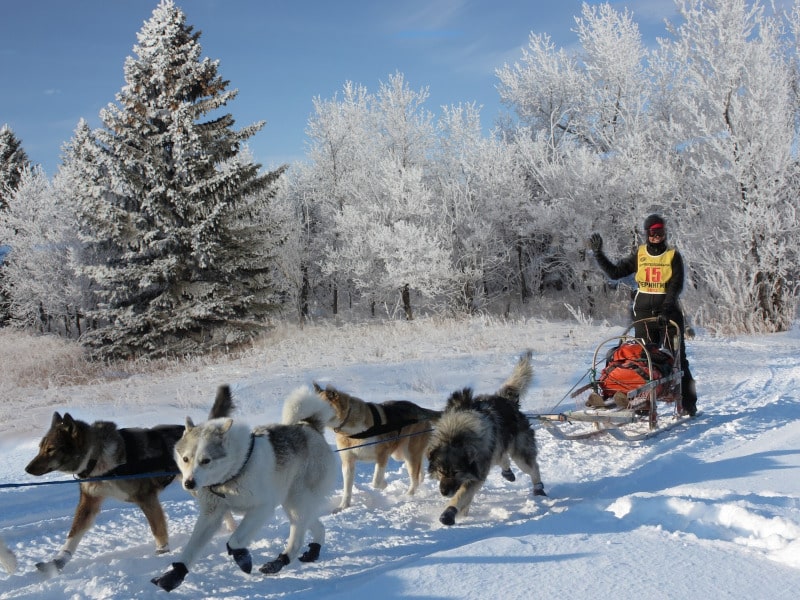
Jeremy’s interview will focus on the unique history of dog sledding, an integral part of First Nations and Métis culture. For those of us more accustomed to the land of urban convenience, there’s something enchanting about connecting to the past through the sound of sled runners gliding over snow, and the sight of sled dogs working in perfect harmony with their mushers.
The event, taking place on January 4, 2025, will introduce participants to two passionate mushers, Dan Kirkup from Battle River Kennel and Garrick Schmidt from Eagle Ridge Kennel. Garrick’s kennel, Métis owned and operated, adds an extra layer of significance to the day, linking the rich culture of dog sledding with the modern-day preservation efforts of the region. These men, who could easily be mistaken for Santa’s most enthusiastic helpers, have dedicated their lives to working with dogs—dogs that are more than just athletes—they are family.
Dan and Garrick share a genuine love for their dogs, and the joy is infectious. The dogs, some of which can hardly contain their excitement before a race, show just how much they thrive on the run. Watching them in action, it’s easy to forget the chill in the air as you’re swept away by the energy and enthusiasm of these incredible canine athletes.
But it’s not just the dogs who will steal your heart. The event is designed to give you a deeper connection to Saskatoon’s wilderness and the rich history of the land. You’ll enjoy a 10-minute sled ride through the pristine forest, with expert guides sharing their knowledge of the forest’s beauty and its cultural significance. The experience promises winter fun, heartwarming moments, and stunning views.
Of course, as with all great adventures, this is a limited-capacity event, so pre-registration is a must. The last thing you want is to miss out on an afternoon of frosty fun because someone else beat you to it! Head over to the Friends of the Saskatoon Afforestation Area website at friendsareas.cato reserve your spot.
For those unfamiliar with the area, the event location is easily accessible. Drive along Circle Drive toward the City’s landfill, passing the Civic Operations Centre, Bus Barns, and Snowdump area. Then turn right (north) off onto Valley Road and follow Township Road 362-A (Cedar Villa Road). Continue west until you reach the forest and signs for the South West Off-Leash Recreation Area. From there, the adventure awaits. Please come out ahead of time and explore all the parking areas of this Richard St. Barbe Baker Afforestation Area.
The Frozen Trails and Wagging Tails event is made possible thanks to the generous sponsorship of the City of Saskatoon and the YXE WinterCity Grant. This collaboration celebrates not just winter sports but the importance of preserving our natural spaces and connecting with history in meaningful ways.
So, mark your calendar for January 4, 2025. Tune in to CTV Morning Live on December 30, 2024, to learn more about this extraordinary event. It’s more than just dog sledding. It’s an experience that will stay with you long after the snow melts. And who knows? It might just inspire you to put on your warmest coat, grab your mittens, and start planning your next winter adventure.
Richard St. Barbe Baker Afforestation Area is located in Saskatoon, Saskatchewan, Canada north of Cedar Villa Road, within city limits, in the furthest south west area of the city. 52° 06′ 106° 45′
Addresses:
Part SE 23-36-6 – Afforestation Area – 241 Township Road 362-A
Part SE 23-36-6 – SW Off-Leash Recreation Area (Richard St. Barbe Baker Afforestation Area ) – 355 Township Road 362-A
S ½ 22-36-6 Richard St. Barbe Baker Afforestation Area (West of SW OLRA) – 467 Township Road 362-A
NE 21-36-6 “George Genereux” Afforestation Area – 133 Range Road 3063
Wikimapia Map: type in Richard St. Barbe Baker Afforestation Area
Google Maps South West Off Leash area location pin at parking lot
Dog Sledding Event Saturday January 4, 2025 at Richard St. Barbe Baker Afforestation Area
Saturday January 4th, 2025, join us for an unforgettable adventure at the Richard St. Barbe Baker Afforestation Area! Get ready to embark on a thrilling dog sledding journey through Saskatoon’s winter wonderland. Hosted by Friends of the Saskatoon Afforestation Areas, Battle River Kennel, and Eagle Ridge Sled Dog Kennel, this family-friendly event offers you a chance to:
Experience the history of dog sledding, deeply rooted in First Nations and Métis culture. Meet the dogs and hear their incredible stories. Enjoy a 10-minute sled ride through the pristine afforestation area with expert guides. Winter fun, breathtaking views, and heartwarming memories await! Dress warmly, and don’t forget to pre-register for this limited-capacity event.
Richard St. Barbe Baker Afforestation Area is located in Saskatoon, Saskatchewan, Canada north of Cedar Villa Road, within city limits, in the furthest south west area of the city. 52° 06′ 106° 45′
Addresses:
Part SE 23-36-6 – Afforestation Area – 241 Township Road 362-A
Part SE 23-36-6 – SW Off-Leash Recreation Area (Richard St. Barbe Baker Afforestation Area ) – 355 Township Road 362-A
S ½ 22-36-6 Richard St. Barbe Baker Afforestation Area (West of SW OLRA) – 467 Township Road 362-A
NE 21-36-6 “George Genereux” Afforestation Area – 133 Range Road 3063
Wikimapia Map: type in Richard St. Barbe Baker Afforestation Area
Google Maps South West Off Leash area location pin at parking lot
In a heartwarming display of community spirit, the South West Dog Park recently received a generous gift that has left its users feeling overjoyed. Without revealing specifics to protect the surprise, we extend our deepest gratitude to Dave Anderchek of Platinum Homes Plus for his remarkable act of kindness.
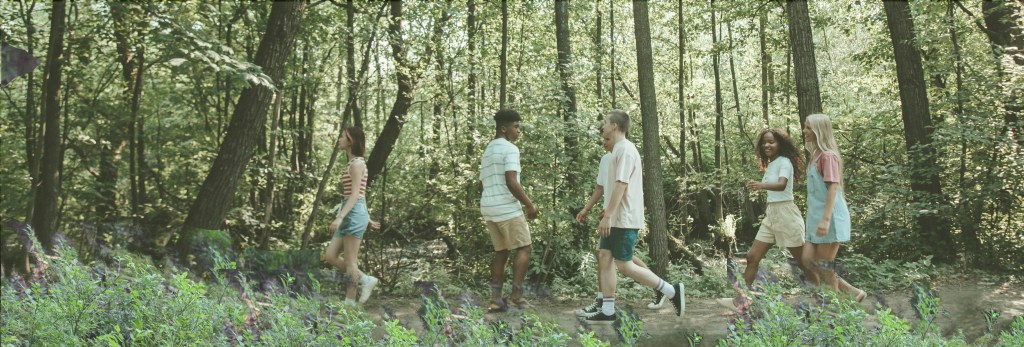
People walking and talking in the forestCome to Nature Come to LifePeople walking and talking in the forest
The installation has provided a delightful addition to our beloved park, enhancing the experience for both dogs and their human companions. Its presence fosters a sense of community and camaraderie, offering a welcoming space for gatherings and relaxation.
On behalf of all the park users, we express our sincerest thanks to Dave Anderchek and Platinum Homes Plus. Your generosity has made a lasting impact, and we are truly grateful for your support.
Next time you see Dave Anderchuk or pass by Platinum Homes Plus, be sure to express your gratitude and say thanks!
South West Off Leash Recreation Area. Richard St. Barbe Baker Afforestation Area. Saskatoon, Saskatchewan, Canada
Richard St. Barbe Baker Afforestation Area is located in Saskatoon, Saskatchewan, Canada north of Cedar Villa Road, within city limits, in the furthest south west area of the city. 52° 06′ 106° 45′
Addresses:
Part SE 23-36-6 – Afforestation Area – 241 Township Road 362-A
Part SE 23-36-6 – SW Off-Leash Recreation Area (Richard St. Barbe Baker Afforestation Area ) – 355 Township Road 362-A
S ½ 22-36-6 Richard St. Barbe Baker Afforestation Area (West of SW OLRA) – 467 Township Road 362-A
NE 21-36-6 “George Genereux” Afforestation Area – 133 Range Road 3063
Wikimapia Map: type in Richard St. Barbe Baker Afforestation Area
Google Maps South West Off Leash area location pin at parking lot
We want to extend our deepest gratitude to Chris and Liz for their incredible dedication and hard work in keeping our South West Off Leash Recreation Area clean and safe for everyone.
This spring, Chris and Liz took it upon themselves to clean up the dog poop left behind by our furry friends over the winter months. Their selfless actions have made a significant difference in maintaining the cleanliness and hygiene of our beloved park.
While their efforts are truly commendable, it’s important to remember that they wouldn’t have to work tirelessly if every pet owner did their part to scoop after their own pet. In gratitude we recognize that the City of Saskatoon generously provides pet waste pick-up bags and trash bins for this purpose, making it convenient for all visitors to dispose of their pet’s waste responsibly.
Chris and Liz’s commitment to keeping our park clean not only benefits human visitors but also ensures a safer and more enjoyable environment for our canine companions. Their actions exemplify the true spirit of community and environmental stewardship.
Additionally, we would like to express our gratitude to Barb and Garry for their artwork on the new posters, which help raise awareness and support Liz and Chris’s efforts in maintaining the cleanliness of the park.
When Chris and Liz arrived at the dog park, they observed the site covered in dog poop and felt compelled to take action. They brought with them a garbage bag and worked tirelessly to make the area look more pleasant. We can all assist their efforts by also carrying a garbage bag with us when visiting the park and disposing of pet waste responsibly. If you bend down to pick up after your dog, pick up a few extra while there! It makes a huge difference to the park, and to Chris and Liz as well.
Let us all come together in the spirit of Richard St. Barbe Baker, who coined the motto “TWAHAMWE,” which is Swahili for “All Together or Pull Together,” for the International Tree Foundation. Let us also heed our Saskatchewan provincial motto, “Multis e gentibus vires” (From Many Peoples Strength).
Once again, a heartfelt thank you to Chris and Liz for their collaboration as park users in keeping our South West Off Leash Recreation Area clean and enjoyable for all. Your dedication and commitment are truly appreciated.
Additionally, it’s essential to recognize the potential health risks associated with dogs ingesting poop. While it may seem harmless to dogs, the ingestion of poop from other dogs or animals can lead to illness. Parasites, viruses, and bacteria present in feces pose serious health threats to dogs. Hookworms, roundworms, and tapeworms are among the parasites that dogs can contract through the ingestion of poop.
Therefore, it’s crucial to discourage dogs from eating poop and to also promptly clean up after our own pets to minimize the risk of illness and maintain the overall health and well-being of our furry companions and the biodiversity of the forest.
Richard St. Barbe Baker Afforestation Area is located in Saskatoon, Saskatchewan, Canada north of Cedar Villa Road, within city limits, in the furthest south west area of the city. 52° 06′ 106° 45′
Addresses:
Part SE 23-36-6 – Afforestation Area – 241 Township Road 362-A
Part SE 23-36-6 – SW Off-Leash Recreation Area (Richard St. Barbe Baker Afforestation Area ) – 355 Township Road 362-A
S ½ 22-36-6 Richard St. Barbe Baker Afforestation Area (West of SW OLRA) – 467 Township Road 362-A
NE 21-36-6 “George Genereux” Afforestation Area – 133 Range Road 3063
Wikimapia Map: type in Richard St. Barbe Baker Afforestation Area
Google Maps South West Off Leash area location pin at parking lot
As responsible pet owners and park visitors, it’s crucial to clean up after our furry companions. While phrases like “stoop and scoop” have echoed through parks for years, some may wonder: why the fuss about dog waste when wildlife scat seems to go unnoticed?
Well, the truth is, not all scat is created equal.
Wild animals typically consume food within their ecosystems, resulting in waste that supports the natural balance of nutrients. This waste plays a vital role in dispersing native plant seeds and contributing to ecosystem health. Once digested, the nutrients are returned to the environment, aiding in the ecosystem’s health. Their waste is produced in manageable amounts over very large areas, allowing ecosystem decomposers to continue the natural cycles effectively.
On the other hand, dogs fed store-bought diets produce waste high in nitrogen and phosphorus, posing potential problems for ecosystems. Dog waste left in parks can lead to excessive nutrient levels, promoting the growth of invasive plant species and threatening biodiversity.
In 1991, the U.S. Environmental Protection Agency categorized pet waste as a nonpoint source pollutant, joining other pollutants like herbicides and toxic chemicals. Nonpoint pollution refers to pollution from various dispersed sources, such as waste left in the afforestation areas. During rainstorms, this waste washes into waterways, eventually reaching our drinking water source such as the South Saskatchewan River, lakes, streams, and oceans. The afforestation areas do not have storm drains to treatment facilities, allowing pollutants like pet waste to directly impact marine environments- the wetlands draining directly into the river through the West Swale.
Beyond environmental concerns, dog waste also poses health risks to humans, wildlife, and other dogs. It can contain harmful bacteria, parasites, and viruses like E. coli, Giardia, Salmonella, and roundworms, which can persist in the soil for years and infect wildlife.
Unlike wild animals, which disperse their waste over large areas, pet owners in urban areas often frequent the same places, resulting in concentrated waste. Imagine thousands of dogs each producing 0.5 to 0.75 pounds of waste daily, the impact is substantial. A gram of dog waste contains about 23 million coliform bacteria, twice that of human waste. It’s estimated that only 60% of dog owners consistently clean up after their pets, leaving significant amounts of waste and pathogens. In just a few days, waste from 100 dogs can contaminate waterways, i.e. the West Swale Wetlands – a swale (low lying area) which drains directly into the South Saskatchewan River Basin, polluting our drinking water in the South Saskatchewan River.
Pet waste is a major contributor to water pollution, with bacteria tracing back to animal sources, particularly dogs. Additionally, it contains excess nutrients, contributing to poisonous and deadly algal bloomsand aquatic plant growth, which deplete oxygen vital for our waterfowl species at risk on the Chappell Marsh wetlands and all animal life using the wetlands.
Dog waste doesn’t just stay on the ground—it can also become airborne. Studies conducted in four Midwestern cities, particularly in Cleveland and Detroit during the winter, found high levels of fecal bacteria from dog waste in the atmosphere. Researchers believe that the increase in bacteria from dog feces may be due to a decrease in other bacteria from soil, dust, leaves, and water surfaces as snow covers the ground and leaves drop during the winter months.
But fear not, there’s a simple solution!
When visiting parks with your pet, be sure to pick up their waste promptly. Proper disposal is key—dog waste should be placed in designated receptacles or taken home for disposal. Remember, hanging waste in trees or leaving it on trails is not acceptable.
By scooping the poop, we’re not only keeping our parks clean and safe for everyone, but we’re also protecting water quality and promoting a healthier environment. So, let’s all do our part to ensure our parks remain beautiful and biodiverse spaces for generations to come!
Leave No Trace: Why Cleaning Up After Your Dog is Critical for the EnvironmentDogs in Off Leash Dog Park socializing, playing and having funBark for a CauseThe Dirty Truth About Dog Poop and Wild Animal Attraction
Don’t take our word for it! Check out the Bibliography:
Richard St. Barbe Baker Afforestation Area is located in Saskatoon, Saskatchewan, Canada north of Cedar Villa Road, within city limits, in the furthest south west area of the city. 52° 06′ 106° 45′
Addresses:
Part SE 23-36-6 – Afforestation Area – 241 Township Road 362-A
Part SE 23-36-6 – SW Off-Leash Recreation Area (Richard St. Barbe Baker Afforestation Area ) – 355 Township Road 362-A
S ½ 22-36-6 Richard St. Barbe Baker Afforestation Area (West of SW OLRA) – 467 Township Road 362-A
NE 21-36-6 “George Genereux” Afforestation Area – 133 Range Road 3063
Wikimapia Map: type in Richard St. Barbe Baker Afforestation Area
Google Maps South West Off Leash area location pin at parking lot











 Forests of Memory. Forests of Learning. Forests for Life.