When the Forest Burns Twice

When the Forest Burns Twice: A Call to Protect Saskatoon’s Afforestation Areas

After two devastating spring fires in Saskatoon’s afforestation areas, the temptation is to talk only about flames: ignition points, suppression efforts, acreage burned, and the cost of response. But if we stop there, we miss the deeper story. These greenspaces are not empty buffers between roads and neighbourhoods. They are living places that store carbon, slow wind, shelter birds and pollinators, hold memory, and offer residents a rare experience of urban nature within walking distance of home.

What burned was not just vegetation. What burned was part of a relationship between people and place.

The Lesson from Successful Greenspace Campaigns

Across cities and park systems around the world, the most effective no-smoking and no-open-fire campaigns share a common feature: they move beyond simple prohibition. Rules matter, but durable compliance comes when people understand why the rule exists and see themselves as participants in protecting a shared ecological commons.

nature trail landscape with warning sign

Public education campaigns such as Smokey Bear wildfire prevention messaging in North America have long emphasized personal responsibility for preventing human-caused fires. Many municipalities now pair bylaw enforcement with clear trailhead signage, seasonal fire-risk messaging, social marketing, and volunteer stewardship programs that normalize safer behaviour in parks and natural areas.

The research-backed pattern

  1. Visible norms: consistent trailhead signs, pavement markings, and reminders that make the expected behaviour obvious.
  2. Seasonal risk communication: escalating messages during dry, windy periods and fire bans.
  3. Stewardship and social ownership: volunteer ambassadors, community patrols, and “leave no trace” style education.
  4. Targeted enforcement: fines and inspections focused on high-risk behaviour rather than broad, low-visibility policing.
  5. Infrastructure support: safe smoking-disposal options outside greenspaces, ash receptacles where appropriate, and designated gathering areas away from combustible vegetation.

Why Afforestation Areas Need Special Protection

Afforestation areas can appear resilient because trees remain standing after a fire. Ecologically, however, repeated spring fires can create a dangerous cycle. Young seedlings are lost before they establish. Ground-layer vegetation that stabilizes soil and retains moisture is removed. Nesting habitat disappears. Invasive or fire-tolerant species may gain an advantage. Recovery becomes slower and more expensive after each subsequent burn.

In prairie cities, spring is often the worst possible time for human-caused ignition: cured grasses from the previous season, low humidity, wind, and abundant fine fuels can turn a cigarette butt or small flame into a fast-moving grass fire in minutes. Fire agencies across North America routinely identify discarded smoking materials, unattended recreational fires, and other human activities among the preventable causes of vegetation fires.

A Saskatoon Approach: From Compliance to Care

If the goal is simply issuing tickets, a bylaw campaign can be narrow. If the goal is protecting afforestation areas for decades, the campaign must be cultural.

A practical framework for Saskatoon could include:

ActionPurpose
Seasonal “No Smoking / No Open Fires” activationTemporary high-visibility signs, social media alerts, and trailhead notices during elevated fire danger.
Place-based messagingExplain what the area protects—bird habitat, pollinators, carbon storage, and neighbourhood resilience—not just what is prohibited.
Community stewardshipTrain volunteer trail ambassadors to educate visitors, report hazards, and reinforce norms without confrontation.
Safe alternativesProvide ash receptacles and smoking areas outside sensitive greenspaces so compliance is easier.
Targeted enforcement at high-risk timesFocus patrols during windy, dry periods and after major events rather than relying on sporadic enforcement.
Public reporting and feedbackShare fire-risk conditions, incidents prevented, and restoration progress so residents can see the impact of their actions.

The Message That Changes Behaviour

People rarely remember the exact wording of a bylaw. They remember a story about what is being protected.

A campaign that says only “No Smoking. No Fires. Fine Applies.” may achieve awareness. A campaign that says “One cigarette can erase years of restoration, destroy nesting habitat, and put neighbours and firefighters at risk. Protect this forest.” is more likely to create responsibility.

That distinction matters. Successful public-health and environmental campaigns—from seatbelts to wildfire prevention—work best when they connect individual actions to collective consequences and make the desired behaviour part of community identity.

“A greenspace is not protected by signage alone. It is protected when residents treat a cigarette, a camp stove, or an open flame as a decision that affects birds, trees, neighbours, firefighters, and future visitors. The bylaw draws the line; the community keeps it.”

After the Fires

Restoration crews can replant. Firefighters can extinguish. Ecologists can monitor recovery. But prevention is the only strategy that protects both the forest and the people who depend on it.

After two spring fires, Saskatoon has a choice. We can treat these events as isolated incidents, or we can use them to build a stronger culture of greenspace stewardship: no smoking in sensitive natural areas, no open fires where bylaws prohibit them, clear communication during high-risk periods, and a shared understanding that urban forests are infrastructure as surely as roads, water lines, and bridges.

The trees that remain standing after a fire are asking the same question the community should be asking: What will we do differently before the next spark?

saskatoon.ca

Addresses:

Part SE 23-36-6 – Richard St. Barbe Baker Afforestation Area – 241 Township Road 362-A

Part SE 23-36-6 – SW Off-Leash Recreation Area (Richard St. Barbe Baker Afforestation Area ) – 355 Township Road 362-A

S ½ 22-36-6 Richard St. Barbe Baker Afforestation Area (West of SW OLRA) – 467 Township Road 362-A

NE 21-36-6 “George Genereux” Afforestation Area – 133 Range Road 3063

Coming soon the Clavet Memorial Healing Forest honouring the Humboldt Broncos

Wikimapia Map: type in Richard St. Barbe Baker Afforestation Area or

Google Maps South West Off Leash area location pin at parking lot

Web page: https://stbarbebaker.wordpress.com

Where is the Richard St. Barbe Baker Afforestation Area? with map

Where is the George Genereux Urban Regional Park (Afforestation Area)?with map

Pinterest richardstbarbeb

Blogger: FriendsAfforestation

Tumblr friendsafforestation.tumblr.comFacebook Group Page: Users of the George Genereux Urban Regional Park

Facebook: StBarbeBaker Afforestation Area

Facebook for the non profit Charity Friends of the Saskatoon Afforestation Areas Inc. FriendsAreas

Facebook group page : Users of the St Barbe Baker Afforestation Area

Facebook: South West OLRA

Reddit: FriendsAfforestation

BlueSky Social

Mix: friendsareas

YouTube

Support via Zeffy

Please help protect / enhance your afforestation areas, please contact the Friends of the Saskatoon Afforestation Areas Inc. (e-mail / e-transfers )

Donate your old vehicle, here’s how!  

Support using Canada Helps

Support via a recycling bottle donation and Join the plastic-recycle challenge!

United Nations Decade on Ecosystem Restoration

““Be like a tree in pursuit of your cause. Stand firm, grip hard, thrust upward. Bend to the winds of heaven..”Richard St. Barbe Baker
A Seed of Change

🏆 RCE Saskatchewan’s 18th Annual Awards for Achievement in Education for Sustainable Development
https://saskrce.ca/recognition-event/

🌾 Ecological Grassland Restoration at RSBBAA – Chelsea Nyarko
From Master’s Thesis to Digital Movement: Reshaping the RSBBAA Through Global Education

The Friends of the Saskatoon Afforestation Areas Inc. is proud to celebrate the recognition of Ecological Grassland Restoration at RSBBAA, a transformative sustainability initiative led by Chelsea Nyarko and honoured through RCE Saskatchewan’s 18th Annual Awards for Achievement in Education for Sustainable Development.

This award recognizes a remarkable journey that began as a Master’s research project at the University of Saskatchewan’s School of Environment and Sustainability and evolved into a global educational movement connecting ecological restoration, citizen science, and the United Nations Sustainable Development Goals.

At the heart of the project lies the Richard St. Barbe Baker Afforestation Area (RSBBAA), a 133-hectare urban forest where approximately 33.5 hectares of grasslands were experiencing ecological decline. Invasive Smooth Brome, soil compaction, and habitat fragmentation had reduced biodiversity across utility corridors beneath SaskPower transmission lines.

Using satellite imagery, ecological assessment tools, and evidence-based restoration planning, Chelsea Nyarko developed a vision to transform these degraded grasslands into vibrant native prairie habitat—a “Pollinator Paradise” inspired by successful urban restoration projects such as Toronto’s Meadoway.

🌱 Turning Research into Action

What makes this project extraordinary is its ability to bridge academic research and public engagement.

Through collaboration with the Friends of the Saskatoon Afforestation Areas Inc., scientific findings were transformed into educational resources that make restoration science accessible to everyone—from students and educators to hikers, dog walkers, community volunteers, and nature enthusiasts around the world.

The project embraced three forms of learning:

🎓 Formal Education – University-based research and sustainability studies

🌿 Non-Formal Education – Community stewardship, guided tours, BioBlitzes, and public outreach

📱 Informal Education – Interactive YouTube videos, social media campaigns, quizzes, and digital learning experiences

This innovative “Bio-Coder” approach transformed ecological restoration into a global conversation.

🌾 Building a Digital Living Laboratory

By 2026, the project had generated a growing library of educational resources, including:

🎥 Grasslands Restoration Quiz: Protect, Restore, Thrive!
🎥 The Urban Grassland Restoration Quiz: Prairie Wisdom
🎥 Where Urban Life Meets Living Grasslands
🎥 Prairie Power: How Grasslands Help Our World
🎥 Prairie Birds Brain Challenge

As well as educational articles exploring:

🌼 Native prairie restoration
🌼 Pollinator conservation
🌼 Invasive species management
🌼 Rare species protection
🌼 Citizen science initiatives
🌼 Ecological stewardship

Participants learned how native species such as Blue Grama Grass, June Grass, and prairie wildflowers support pollinators, improve soil health, and build climate resilience.

🌎 Advancing the United Nations Sustainable Development Goals

The project demonstrates how local conservation action can create global impact by supporting:

✅ SDG 4 – Quality Education
✅ SDG 11 – Sustainable Cities and Communities
✅ SDG 13 – Climate Action
✅ SDG 15 – Life on Land
✅ SDG 17 – Partnerships for the Goals

Through education, restoration, collaboration, and community engagement, the project connects prairie grassland conservation with international sustainability objectives.

🌾 A Living Legacy

The restoration framework developed through Chelsea Nyarko’s research now serves as a foundation for ongoing ecological monitoring, guided tours, BioBlitzes, citizen science projects, and future restoration activities within the Richard St. Barbe Baker Afforestation Area.

Together, we are transforming prairie wisdom into lasting action.

🌾 Friends of the Saskatoon Afforestation Areas Inc.
🌾 Richard St. Barbe Baker Afforestation Area
🌾 Ecological Grassland Restoration Project

From Master’s Thesis to Digital Movement

Award Ceremony Grasslands and Slide Show

#RCESaskatchewan #EducationForSustainableDevelopment #ChelseaNyarko #GrasslandRestoration #PrairieRestoration #PollinatorParadise #BiodiversityConservation #CitizenScience #ClimateAction #SustainableCities #LifeOnLand #EnvironmentalEducation #UniversityOfSaskatchewan #PrairieGrasslands #NativePlants #PollinatorConservation #EcologicalRestoration #UrbanNature #Saskatoon #RichardStBarbeBaker.

Addresses:

Part SE 23-36-6 – Richard St. Barbe Baker Afforestation Area – 241 Township Road 362-A

Part SE 23-36-6 – SW Off-Leash Recreation Area (Richard St. Barbe Baker Afforestation Area ) – 355 Township Road 362-A
S ½ 22-36-6 Richard St. Barbe Baker Afforestation Area (West of SW OLRA) – 467 Township Road 362-A

NE 21-36-6 “George Genereux” Afforestation Area – 133 Range Road 3063

Wikimapia Map: type in Richard St. Barbe Baker Afforestation Area or

Google Maps South West Off Leash area location pin at parking lot

Web page: https://stbarbebaker.wordpress.com

Where is the Richard St. Barbe Baker Afforestation Area? with map

Where is the George Genereux Urban Regional Park (Afforestation Area)?with map

Pinterest richardstbarbeb

Blogger: FriendsAfforestation

Tumblr friendsafforestation.tumblr.comFacebook Group Page: Users of the George Genereux Urban Regional Park

Facebook: StBarbeBaker Afforestation Area

Facebook for the non profit Charity Friends of the Saskatoon Afforestation Areas Inc. FriendsAreas

Facebook group page : Users of the St Barbe Baker Afforestation Area

Facebook: South West OLRA

Reddit: FriendsAfforestation

BlueSky Social

Mix: friendsareas

YouTube

Support via Zeffy

Please help protect / enhance your afforestation areas, please contact the Friends of the Saskatoon Afforestation Areas Inc. (e-mail / e-transfers )

Donate your old vehicle, here’s how!  

Support using Canada Helps

Support via a recycling bottle donation and Join the plastic-recycle challenge!

United Nations Decade on Ecosystem Restoration

““Be like a tree in pursuit of your cause. Stand firm, grip hard, thrust upward. Bend to the winds of heaven..”

A Prairie Wetland Awakening

Sarah Diab’s Wetland Restoration Project Honoured with RCE Saskatchewan Award for Education for Sustainable Development

On May 29, 2026, at RCE Saskatchewan’s 18th Annual Awards for Achievement in Education for Sustainable Development, one project stood out as a powerful example of how research, community stewardship, and environmental education can come together to create meaningful change. The Impact of Wetland Restoration Strategies in RSBBAA, led by sustainability scholar Sarah Diab and supported by the Friends of the Saskatoon Afforestation Areas Inc., received recognition for transforming academic research into a living model of sustainability education and ecological stewardship.

The award celebrates much more than a master’s research project. It recognizes an initiative that has inspired public learning, advanced conservation planning, and strengthened community connections to one of Saskatoon’s most ecologically significant landscapes: the West Swale.

Where Ancient Waters Meet Modern Conservation

To walk through the Richard St. Barbe Baker Afforestation Area is to enter a landscape shaped by thousands of years of natural history.

The West Swale, a glacial spillway carved by ancient meltwaters, forms an ecological corridor linking prairie grasslands with the South Saskatchewan River valley. Within this remarkable landscape lie approximately seven hectares of wetlands affectionately known by local naturalists as the “Soggy Patches.”

These wetlands provide habitat for an astonishing diversity of life.

Nearly sixty species at risk depend upon the corridor. Waterfowl nest among the reeds. Amphibians thrive in shallow pools. Pollinators move between native flowers. Beneath the surface, wetlands quietly filter water, reduce flood risk, improve water quality, and store carbon that helps moderate climate change.

The ecological value of the West Swale extends far beyond its boundaries.

It serves the entire community.

A Science-Based Vision for Restoration

Sarah Diab’s research focused on an important question: How can restoration efforts strengthen wetland ecosystems while avoiding unintended impacts on sensitive wildlife habitat?

The answer emerged through careful ecological assessment and a restoration framework known as the Green Ribbon approach.

Rather than introducing dense shrub plantings that could alter habitat conditions for grassland and wetland-dependent species, the project emphasizes low-growing native sedges, grasses, and wetland vegetation that support biodiversity while preserving the open landscapes required by many species.

This approach recognizes that restoration is not simply about adding plants.

It is about understanding relationships.

The Bank Swallow depends upon exposed earthen banks for nesting colonies.

The Bobolink requires expansive grasslands free from woody encroachment.

The Horned Grebe relies upon open water edges where floating nests can remain undisturbed.

Each species tells part of the ecological story.

The restoration strategy responds by listening carefully to the needs of the landscape.

Education Beyond the Research Report

One of the most remarkable aspects of the project is how it expanded far beyond the original research document.

Rather than remaining on a library shelf, the findings evolved into a diverse educational initiative reaching audiences of all ages and backgrounds.

Through videos, online learning tools, quizzes, citizen science activities, and guided tours, the project transformed technical restoration science into engaging public education.

The educational resources include:

The Impact of Wetland Restoration Strategies
Water, Wildlife, and You: The Wetland Connection
Wetland Find the Differences Challenge
How Well Do You Really Know Wetlands? Take the Quiz!
Urban Wetlands Matter — Nature Lives Here

Together, these resources form what organizers affectionately call the “Digital Swale”—a virtual extension of the wetland ecosystem that allows learners to explore prairie ecology from classrooms, homes, and mobile devices around the world.

The Digital Swale demonstrates how modern environmental education can meet people where they are while inspiring deeper connections to local ecosystems.

Learning on the Land

While digital outreach has played an important role, some of the most meaningful learning continues to occur outdoors.

The project supports hands-on educational experiences through initiatives such as the Junior Steward’s Quest, guided nature tours, BioBlitz events, and citizen science programs.

Participants learn to observe wetlands through the eyes of scientists.

They discover native plants and amphibians.

They identify signs of ecological health.

They explore the role of wetlands in supporting biodiversity and climate resilience.

Most importantly, they begin to understand that stewardship is not always about doing more.

Sometimes it is about knowing when to step back and allow nature to function as it has for millennia.

Supporting Global Sustainability Goals

The project exemplifies Education for Sustainable Development by linking local environmental action to global sustainability priorities.

Its work directly contributes to several United Nations Sustainable Development Goals, including:

• SDG 4 – Quality Education
• SDG 11 – Sustainable Cities and Communities
• SDG 13 – Climate Action
• SDG 15 – Life on Land
• SDG 17 – Partnerships for the Goals

Through biodiversity conservation, climate resilience, ecological restoration, and public engagement, the project demonstrates how local landscapes contribute to international sustainability objectives.

Community Stewardship in Action

Perhaps the greatest success of the initiative has been the response from the community itself.

Citizens have embraced opportunities to learn about wetlands through videos, quizzes, tours, scavenger hunts, and stewardship activities.

Participants have become citizen scientists.

Students have become environmental advocates.

Visitors have become stewards.

What began as a research project has evolved into a shared community effort to understand and protect one of Saskatchewan’s important natural areas.

Looking Ahead

The recognition from RCE Saskatchewan affirms the importance of combining science, education, and community engagement in environmental stewardship.

Future plans include expanded habitat restoration, new interpretive signage, stronger partnerships with schools and conservation organizations, and continued support for public learning opportunities throughout the West Swale corridor.

As interest grows in urban protected landscapes and ecological connectivity, the West Swale stands as a model for how communities can balance conservation, education, and sustainable development.

A Shared Responsibility and a Shared Hope

What makes The Impact of Wetland Restoration Strategies in RSBBAA truly remarkable is not simply its scientific contribution.

It is the restoration of relationship.

The project reminds us that ancient ecosystems still survive within modern cities and that their future depends upon our willingness to learn from them, care for them, and share their stories.

The wetlands of the West Swale continue their quiet work every day.

Water gathers.

Birds nest.

Pollinators forage.

Native plants sway in the prairie wind.

And thanks to the vision of Sarah Diab, the support of the Friends of the Saskatoon Afforestation Areas Inc., and the enthusiasm of countless community participants, the story of these wetlands continues to inspire new generations of learners and stewards.

The RCE Saskatchewan award recognizes this achievement—but perhaps more importantly, it celebrates a simple truth:

When communities invest in nature, nature gives back in ways that benefit us all.

Addresses:

Part SE 23-36-6 – Richard St. Barbe Baker Afforestation Area – 241 Township Road 362-A
Part SE 23-36-6 – SW Off-Leash Recreation Area (Richard St. Barbe Baker Afforestation Area ) – 355 Township Road 362-A
S ½ 22-36-6 Richard St. Barbe Baker Afforestation Area (West of SW OLRA) – 467 Township Road 362-A

NE 21-36-6 “George Genereux” Afforestation Area – 133 Range Road 3063

Wikimapia Map: type in Richard St. Barbe Baker Afforestation Area or

Google Maps South West Off Leash area location pin at parking lot

Web page: https://stbarbebaker.wordpress.com

Where is the Richard St. Barbe Baker Afforestation Area? with map

Where is the George Genereux Urban Regional Park (Afforestation Area)?with map

Pinterest richardstbarbeb

Blogger: FriendsAfforestation

Tumblr friendsafforestation.tumblr.comFacebook Group Page: Users of the George Genereux Urban Regional Park

Facebook: StBarbeBaker Afforestation Area

Facebook for the non profit Charity Friends of the Saskatoon Afforestation Areas Inc. FriendsAreas

Facebook group page : Users of the St Barbe Baker Afforestation Area

Facebook: South West OLRA

Reddit: FriendsAfforestation

BlueSky Social

Mix: friendsareas

YouTube

Support via Zeffy

Please help protect / enhance your afforestation areas, please contact the Friends of the Saskatoon Afforestation Areas Inc. (e-mail / e-transfers )

Donate your old vehicle, here’s how!  

Support using Canada Helps

Support via a recycling bottle donation and Join the plastic-recycle challenge!

United Nations Decade on Ecosystem Restoration

““Be like a tree in pursuit of your cause. Stand firm, grip hard, thrust upward. Bend to the winds of heaven..”

Grass Fire Monitoring Continues Amid Extreme Dry Conditions

Grass Fire Monitoring Continues at George Genereux Urban Regional Park Amid Extreme Dry Conditions

The Saskatoon Fire Department continues monitoring a significant grass and brush fire within George Genereux Urban Regional Park following the initial emergency response on Tuesday, May 26, 2026. CLOSED REOPENED June 4, 2026

The fire occurred in the southwest portion of Saskatoon within the Blairmore Sector near Saskatchewan Highway 7 and Township Road 364, alongside the SaskPower right-of-way and nearby CNR rail corridor. Fire crews returned to the site again on Wednesday, May 27, where hot spots continued smouldering east of the SaskPower corridor under ongoing hot, dry, and windy conditions. Rest assured, due to the extreme dry conditions, the Saskatoon Fire Department will need to monitor this location, for a couple of months! What an expense for a totally preventable fire caused by the carelessness of humans!

The fire occurred in the southwest portion of Saskatoon within the Blairmore Sector near Saskatchewan Highway 7 and Township Road 364, alongside the SaskPower right-of-way and nearby CNR rail corridor. Fire crews returned to the site again on Wednesday, May 27, where hot spots continued smouldering east of the SaskPower corridor under ongoing hot, dry, and windy conditions.

According to reports, firefighters expect to continue monitoring the area for an extended period due to persistent drought conditions, dry vegetation, and the potential for flare-ups. Initial response crews encountered rapidly spreading grassland and wildland fire conditions fuelled by strong winds and critically dry grasses. Multiple fire apparatus, brush trucks, tankers, command units, and fire personnel were deployed to contain and extinguish the blaze.

The entire half of the 148 acre greenspace east of the Sask Power right of way— was impacted by the fire.

The cause of the fire remains under investigation. However, concern has been raised regarding possible human causes, including improperly discarded smoking materials, vaping products, open flames, and reports of individuals allegedly burning plastic wire casings to remove copper from electrical spools. Bylaw No. 8286 The Smoking Control Bylaw prohibits smoking or vaping in outdoor public places owned or operated by the City.Residents are encouraged to immediately report suspicious activity involving wire burning, illegal fires, smoke, or abandoned wire spools to local authorities.

This incident follows another human-caused fire response on May 11, 2026, within Richard St. Barbe Baker Afforestation Area where firefighters responded to a fire that had not been properly extinguished. Human activity remains one of the leading causes of wildland and grass fires across Canada, with people responsible for the vast majority of preventable fires in many provinces, including Saskatchewan.

Residents are reminded that under the City of Saskatoon Smoking Control Bylaw No. 8286, smoking and vaping — including tobacco, cannabis, and e-cigarettes — are prohibited in outdoor public places owned or operated by the City, including parks, trails, and naturalized green spaces.

The public is being asked to not visit nor travel to or near George Genereux Urban Regional Park while emergency monitoring continues. Smoke may remain visible as crews manage lingering hot spots and smouldering vegetation. Avoiding active response areas helps protect public safety while allowing firefighters unobstructed access to service roads, trails, and containment zones.

The approximately 148-acre urban regional park is an important ecological area within Saskatoon’s west side, providing valuable habitat for birds, pollinators, small and large mammals, native grasses, and biodiversity within the city’s naturalized landscape. Dry spring conditions, low moisture levels, accumulated plant litter, and strong winds have created extreme fire conditions throughout Saskatchewan, increasing the risk of rapidly spreading grass and brush fires.

Urban naturalized parks provide critical ecological services including wildlife habitat, biodiversity conservation, stormwater management, carbon storage, air quality improvement, recreation, environmental education, and climate resilience. Protecting these spaces from preventable fires is essential for both environmental sustainability and public safety.

Residents are strongly encouraged to:

  • Avoid unnecessary outdoor burning
  • Properly extinguish cigarettes and smoking materials
  • Use caution with equipment, trailers, and machinery
  • Respect fire bans, advisories, and restrictions
  • Report smoke, suspicious activity, or unattended fires immediately

Extreme fire conditions across Saskatchewan mean that even a small spark can quickly become a major wildfire event.

A sincere note of appreciation is extended to the members of the Saskatoon Fire Department for their rapid response, professionalism, and continued dedication in protecting Saskatoon residents, infrastructure, wildlife habitat, and urban ecosystems during this challenging fire event.

Saskatchewan Spatial Fire Management EXTREME FIRE RISK

Saskatoon firefighters battle grassland fire Tuesday

The 30-30-30 Rule: A Formula for Wildfire Danger

In wildfire management, a critical environmental threshold called “crossover” indicates when fire behavior transitions from manageable to extreme. This high-risk state occurs when three weather elements hit the number 30 at the same time:

  • Heat: Temperatures reach 30°C or above.
  • Dryness: Relative humidity drops to 30% or lower.
  • Wind: Sustained wind speeds hit 30 km/h or faster.

The Bottom Line: When these conditions align, forests and grasslands dry out rapidly, allowing fires to ignite instantly, spread at terrifying speeds, and easily bypass containment lines.

Addresses:

Part SE 23-36-6 – Richard St. Barbe Baker Afforestation Area – 241 Township Road 362-A

Part SE 23-36-6 – SW Off-Leash Recreation Area (Richard St. Barbe Baker Afforestation Area ) – 355 Township Road 362-A

S ½ 22-36-6 Richard St. Barbe Baker Afforestation Area (West of SW OLRA) – 467 Township Road 362-A

NE 21-36-6 “George Genereux” Afforestation Area – 133 Range Road 3063

Wikimapia Map: type in Richard St. Barbe Baker Afforestation Area or

Google Maps South West Off Leash area location pin at parking lot

Web page: https://stbarbebaker.wordpress.com

Where is the Richard St. Barbe Baker Afforestation Area? with map

Where is the George Genereux Urban Regional Park (Afforestation Area)?with map

Pinterest richardstbarbeb

Blogger: FriendsAfforestation

Tumblr friendsafforestation.tumblr.comFacebook Group Page: Users of the George Genereux Urban Regional Park

Facebook: StBarbeBaker Afforestation Area

Facebook for the non profit Charity Friends of the Saskatoon Afforestation Areas Inc. FriendsAreas

Facebook group page : Users of the St Barbe Baker Afforestation Area

Facebook: South West OLRA

Reddit: FriendsAfforestation

BlueSky Social

Mix: friendsareas

YouTube

Support via Zeffy

Please help protect / enhance your afforestation areas, please contact the Friends of the Saskatoon Afforestation Areas Inc. (e-mail / e-transfers )

Donate your old vehicle, here’s how!  

Support using Canada Helps

Support via a recycling bottle donation and Join the plastic-recycle challenge!

United Nations Decade on Ecosystem Restoration

““Be like a tree in pursuit of your cause. Stand firm, grip hard, thrust upward. Bend to the winds of heaven..”

Walking – Cycling Safely Among Moose

Sharing the Forest: Walking / Cycling Safely Among Moose in Urban Parks

There is something unforgettable about walking quietly through a forested park and suddenly noticing movement among the trees. A tall mother moose lifts her head from a willow thicket while her calf browses nearby, both perfectly at home in the woodland habitat they have adopted. In many Canadian communities, including parks and naturalized urban forests, moose are becoming more familiar sights as protected green spaces provide shelter, water, and abundant vegetation.

Moose are browsers, meaning they feed on leaves, twigs, aquatic plants, and shrubs rather than grazing on grasses. Wetlands, ponds, and wooded corridors offer ideal habitat, especially where willow, poplar, and dogwood grow naturally. A mother moose with a calf often seeks quieter forested areas away from roads and disturbances, where dense vegetation provides protection and food.

For park visitors, these encounters can feel magical. Watching a calf learning to browse beside its mother reminds us that urban forests are not simply recreational spaces for people; they are living ecosystems supporting wildlife. Yet experts caution that moose, especially females with calves, deserve both admiration and respect.

Wildlife agencies note that cow moose are highly protective during calving season and may charge if they perceive a threat. Moose can weigh over 700 kilograms and move surprisingly quickly despite their size. Unlike deer, moose often stand their ground rather than flee.

Precautions for Park Visitors

When walking in a park where moose live, several precautions help keep both people and wildlife safe:

  • Stay well back and observe quietly from a distance.
  • Never approach a calf, even if it appears alone; the mother is usually nearby.
  • Avoid getting between a mother and her calf.
  • Keep dogs leashed and far away, since moose may view dogs as predators similar to wolves.
  • Watch for warning signs such as pinned ears, raised neck hair, stomping, or head swaying.
  • If a moose appears agitated, slowly back away and place trees or large objects between yourself and the animal.
  • Never feed wildlife or attempt selfies or close photographs.
  • Moose Sightings in the Saskatoon Afforestation Areas: Why Reporting Matters

Parks agencies generally recommend remaining at least 25 metres away from moose, though greater distances are often safer around calves.

Morning and evening walks may increase the likelihood of encounters, especially near ponds, streams, or willow-rich habitats. Cyclists and joggers should slow down on wooded trails because sudden appearances can startle wildlife. Moose often blend remarkably well into forest vegetation despite their enormous size.

Perhaps the greatest lesson from sharing parks with moose is humility. These forests were wildlife habitats long before trails, benches, or paved pathways appeared. Seeing a mother moose and calf peacefully browsing among trembling aspens and willow shrubs is a reminder that successful conservation allows wild creatures to coexist alongside human communities.

When visitors respect boundaries and give wildlife space, parks remain safe for people while continuing to provide sanctuary for the animals that call the forest home.

Last sighted west of the SW OLRA, and east of the wetlands near the aspen bluff at or near GPS 52°06’04.7″N 106°45’53.3″W between the ancient abandoned portion of the Car Mart Road grade and the ancient and abandoned railway line grade. The latest update, is that there may be two different adult moose in the forest.

National Park Service. “Moose Safety.” Denali National Park and Preserve, U.S. Department of the Interior, https://www.nps.gov/dena/planyourvisit/wildlife-safety.htm. Accessed 21 May 2026.

National Park Service. “Moose Safety.” Kenai Fjords National Park, U.S. Department of the Interior, https://www.nps.gov/kefj/planyourvisit/moose-safety.htm. Accessed 21 May 2026.

Northern Moose Alliance. “Moose Safety and Viewing Etiquette.” Northern Moose Alliance, https://moosealliance.org/moose-safety-and-viewing-etiquette/. Accessed 21 May 2026.

Parks Canada. “Moose Safety.” Kouchibouguac National Park, Government of Canada, https://parks.canada.ca/pn-np/nb/kouchibouguac/visit/securite-safety/faune-wildlife/orignal-moose. Accessed 21 May 2026.

Afforestation Area Addresses:

Part SE 23-36-6 – Richard St. Barbe Baker Afforestation Area – 241 Township Road 362-A

Part SE 23-36-6 – SW Off-Leash Recreation Area (Richard St. Barbe Baker Afforestation Area ) – 355 Township Road 362-A

S ½ 22-36-6 Richard St. Barbe Baker Afforestation Area (West of SW OLRA) – 467 Township Road 362-A

NE 21-36-6 “George Genereux” Afforestation Area – 133 Range Road 3063

Clavet Memorial Healing Forest honouring the Humboldt Broncos.

Wikimapia Map: type in Richard St. Barbe Baker Afforestation Area or

Google Maps South West Off Leash area location pin at parking lot

Web page: https://stbarbebaker.wordpress.com

Where is the Richard St. Barbe Baker Afforestation Area? with map

Where is the George Genereux Urban Regional Park (Afforestation Area)?with map

Pinterest richardstbarbeb

Blogger: FriendsAfforestation

Tumblr friendsafforestation.tumblr.comFacebook Group Page: Users of the George Genereux Urban Regional Park

Facebook: StBarbeBaker Afforestation Area

Facebook for the non profit Charity Friends of the Saskatoon Afforestation Areas Inc. FriendsAreas

Facebook group page : Users of the St Barbe Baker Afforestation Area

Facebook: South West OLRA

Reddit: FriendsAfforestation

BlueSky Social

Mix: friendsareas

YouTube

Support via Zeffy

Please help protect / enhance your afforestation areas, please contact the Friends of the Saskatoon Afforestation Areas Inc. (e-mail / e-transfers )

Donate your old vehicle, here’s how!  

Support using Canada Helps

Support via a recycling bottle donation and Join the plastic-recycle challenge!

United Nations Decade on Ecosystem Restoration

“Be like a tree in pursuit of your cause. Stand firm, grip hard, thrust upward. Bend to the winds of heaven..” – Richard St. Barbe Baker

THE RESULTS ARE IN! City Nature Challenge CNC YXE 2026

FOR IMMEDIATE RELEASE
City Nature Challenge 2026: 
Saskatoon Takes on the Global Biodiversity Stage
THE RESULTS ARE IN!

CNC YXE 2026 Infographic

These are the statistics about how Saskatoon Fared April 24 – April 27, 2026

There were 12 endangered species observed!  
Threatened Species 12 species
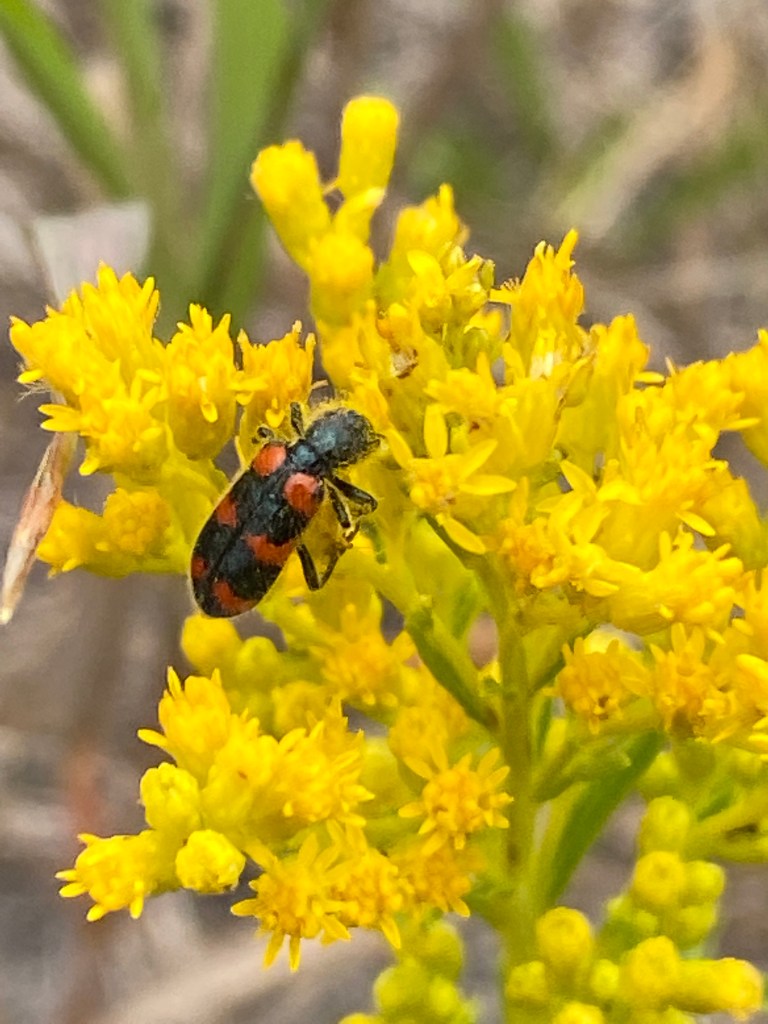
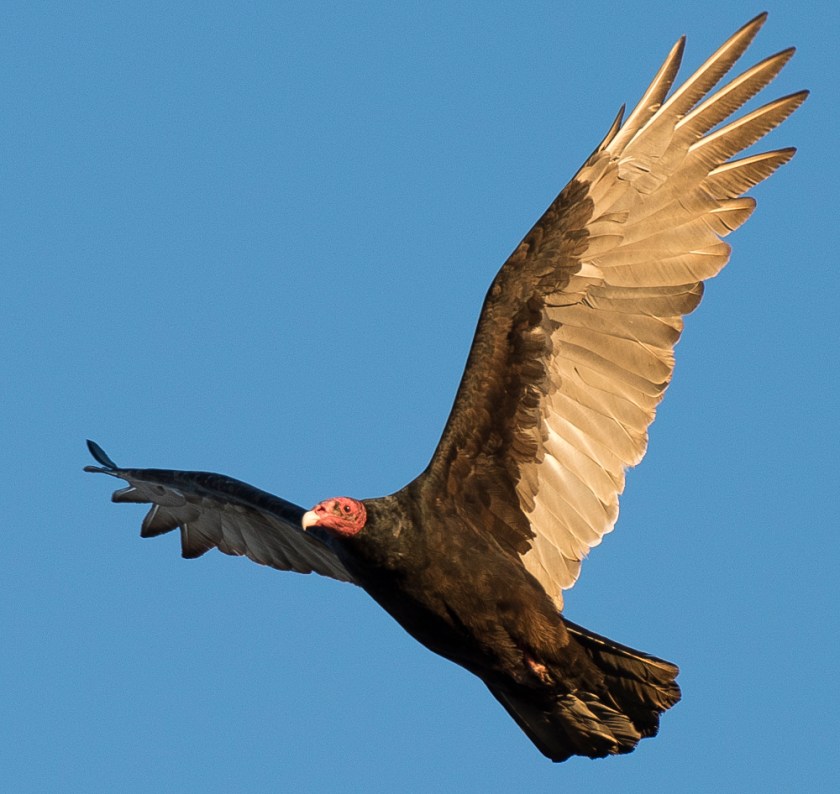
green ash Fraxinus pennsylvanica, Killdeer Charadrius vociferus,  Greater Yellowlegs Tringa melanoleuca  Common Grackle Quiscalus quiscula, Loggerhead Shrike Lanius ludovicianus,Osprey Pandion haliaetus,,American Tree Sparrow Spizelloides arborea,  Turkey Vulture Cathartes aura, Western Tiger Salamander Ambystoma mavortium,Goldenrod Gall Fly Eurosta solidaginis, Calligrapha verrucosa, Shiny Blue Bottle Fly Cynomya cadaverina

CNC YXE 2026 Infographic!

MOST OBSERVED SPECIES IN SASKATOON FOR THIS FOUR DAY STRETCH ….IN A SNOWSTORM NO LESS
Most Observed Species
ROBIN!  Turdus migratorius  64
yellow-rumped warbler  Setophaga coronata     43
dark-eyed junco Junco hyemalis  40
American crow Corvus brachyrhynchos   28
black-capped chickadee Poecile atricapillus    25
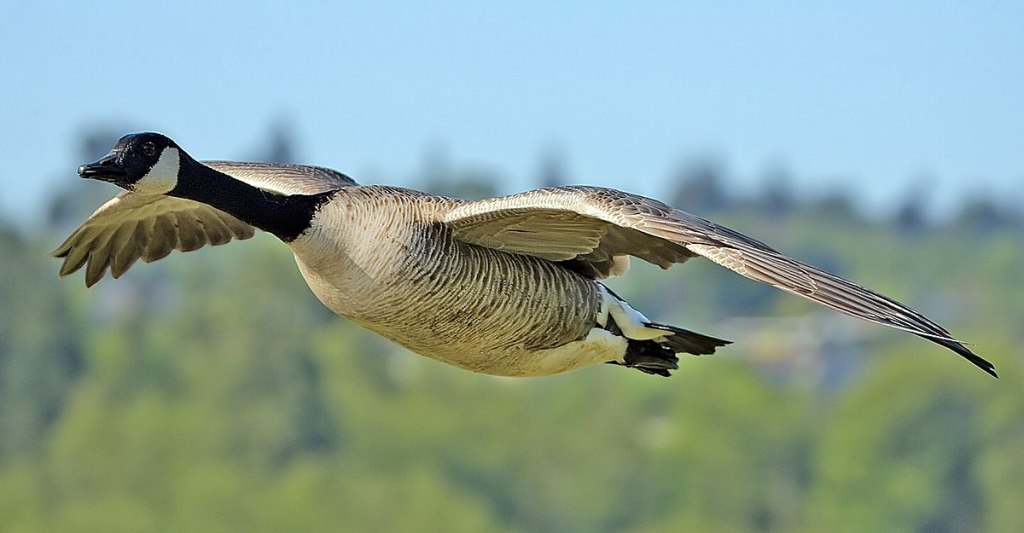
Canada goose Branta canadensis    23

By the numbers in Saskatoon, SK there were:

925📷 Observations          221🌿 Species          
          49👥 Observers          135🔍 Identifiers

For observing biodiversity and signs of life in a rare freak snowstorm, that was impressive!  Way to go Saskatoon, thank you.  

To compare to other Prairie Province cities:

Regina Saskatchewan
448📷 Observations          110🌿 Species  
          28👥 Observers          129🔍 Identifiers

Brandon Manitoba
653📷 Observations          147🌿 Species        
          18👥 Observers          92🔍 Identifiers

Winnipeg, Manitoba
1,796📷 Observations          375🌿 Species        
          95👥 Observers          241

Edmonton, Alberta
1,616📷 Observations          240🌿 Species  
          106👥 Observers          193🔍 Identifiers

Lethbridge, Alberta
1,296📷 Observations          301🌿 Species        
          40👥 Observers          199🔍 Identifiers

Red Deer Alberta results:
97📷 Observations          71🌿 Species      
10👥 Observers          28🔍 Identifiers

Calgary Alberta
4,986📷 Observations          474🌿 Species    
          152👥 Observers          335🔍 Identifiers

Visit citynaturestats.com to view the in-depth results and explore your city’s individual statistics.

World Wild Results:
City Nature Challenge 2026 Global Results!

  • Total # of species documented: 76,422+
  • Total # of observers: 106,354
  • Total # of identifiers: 27,641+
  • Total # of observations: 3,001,825
  • Rare, Endangered, or Threatened species: 5688+
  • Most Observed Plant: Common Dandelion, Taraxacum officinale
  • Most Observed Animal: Mallard, Ana platyrhynchos
  • Number of participating countries: 61
  • Number of participating cities: 754
  • Percentage of research grade observations: 40%

Afforestation Area Addresses:

Part SE 23-36-6 – Richard St. Barbe Baker Afforestation Area – 241 Township Road 362-A

Part SE 23-36-6 – SW Off-Leash Recreation Area (Richard St. Barbe Baker Afforestation Area ) – 355 Township Road 362-A

S ½ 22-36-6 Richard St. Barbe Baker Afforestation Area (West of SW OLRA) – 467 Township Road 362-A

NE 21-36-6 “George Genereux” Afforestation Area – 133 Range Road 3063

Clavet Memorial Healing Forest honouring the Humboldt Broncos.

Wikimapia Map: type in Richard St. Barbe Baker Afforestation Area or

Google Maps South West Off Leash area location pin at parking lot

Web page: https://stbarbebaker.wordpress.com

Where is the Richard St. Barbe Baker Afforestation Area? with map

Where is the George Genereux Urban Regional Park (Afforestation Area)?with map

Pinterest richardstbarbeb

Blogger: FriendsAfforestation

Tumblr friendsafforestation.tumblr.comFacebook Group Page: Users of the George Genereux Urban Regional Park

Facebook: StBarbeBaker Afforestation Area

Facebook for the non profit Charity Friends of the Saskatoon Afforestation Areas Inc. FriendsAreas

Facebook group page : Users of the St Barbe Baker Afforestation Area

Facebook: South West OLRA

Reddit: FriendsAfforestation

BlueSky Social

Mix: friendsareas

YouTube

Support via Zeffy

Please help protect / enhance your afforestation areas, please contact the Friends of the Saskatoon Afforestation Areas Inc. (e-mail / e-transfers )

Donate your old vehicle, here’s how!  

Support using Canada Helps

Support via a recycling bottle donation and Join the plastic-recycle challenge!

United Nations Decade on Ecosystem Restoration

“Be like a tree in pursuit of your cause. Stand firm, grip hard, thrust upward. Bend to the winds of heaven..” – Richard St. Barbe Baker

The Quiet Engineers of Wet Ground


A botanical story about horsetails (Family: Equisetaceae)

On a cool spring morning, when the soil still remembers winter and the water table breathes just beneath the surface, you may notice a plant that looks more like a relic than a weed. It stands jointed and ridged, sometimes branched like a green bottlebrush, sometimes smooth and spare like a reed polished by time. This is Equisetum—the horsetails—living fossils whose ancestors once grew as tall as trees when dinosaurs were new to the planet.

To walk among horsetails is to walk through deep time.

Horsetails belong to Equisetaceae, a family with a single living genus, Equisetum. They do not flower. They do not make seeds. Instead, they release spores, carried by wind and water, from cone-like structures called strobili perched at the tips of their stems. Their strategy is ancient, efficient, and surprisingly successful. Today, horsetails still thrive across Saskatchewan and much of the Northern Hemisphere, quietly engineering wet ground and telling stories about what lies beneath our feet.

Built for Water

Horsetails are among the best natural indicators of moist soils and a high water table. Even when the surface appears dry, their presence often signals saturated soil layers below. This is possible because horsetails spread by deep, extensive rhizomes—underground stems that may reach several feet down, tapping groundwater that shallow-rooted plants cannot reach.

In practical terms, a patch of horsetail can tell you:

Water is close to the surface
Soil may remain saturated for long periods
Drainage is slow, or groundwater is moving laterally underground

Historically, such signs helped people decide where water might be found—though today, of course, digging wells depends on regulations, hydrology, and safety, not plants alone.

Horse Hair and Silica

The name Equisetum comes from Latin: equus (horse) and seta (bristle). The Greek-derived subgenus Hippochaete means the same thing—horse hair. Both names reflect the plant’s stiff, rush-like stems and their resemblance to a horse’s tail.

Those stems are coated in silica, making them mildly abrasive. For centuries, horsetails—especially the unbranched “scouring-rushes”—were used to scrub metal cookware, earning names like scouring-rush. Run your fingers along a stem and you can feel it: a plant that quietly doubles as sandpaper.

Why are Horsetails called Puzzle grass?

Horsetails (Equisetum spp.) have jointed, segmented stems with clear nodes (joint) and internodes (space between joints), almost like a stack of green beads. Each segment can be gently pulled apart at the nodes and then reassembled, fitting back together again. To many people—especially children and early naturalists—this made the plant feel like a natural puzzle or construction toy, hence the name puzzle grass.

A bit more detail:

Nodes are the joints where the leaf sheaths form a ring around the stem.

Internodes are the hollow sections between those joints.

Because the internodes slide neatly into one another, the stem behaves like a set of interlocking pieces.

This feature is especially noticeable in scouring-rushes (Equisetum hyemale, E. laevigatum, E. variegatum), where the unbranched stems make the joints very obvious.

The name also reflects something deeper about horsetails:
their structure is modular and repetitive, much like a riddle or puzzle in plant form. Each segment follows the same pattern, inviting close inspection and hands-on learning—long before the words “plant morphology” ever entered the picture.

So puzzle grass isn’t just a nickname—it’s an observation, a teaching tool, and a quiet invitation to slow down, take the plant apart, and see how it works.

Why horsetail was called snake grass

  1. It looks and moves like a snake

This is the primary reason.

Many horsetails—especially unbranched scouring-rushes—have:

Long, slender, green stems
Smooth, jointed surfaces
Flexible, slightly swaying movement in wind or water

When growing in dense patches, these stems undulate and slide past one another, producing a visual effect very similar to snakes moving through grass. Early observers often named plants based on shape, texture, and motion, long before ecological relationships were understood.

This is especially true for:

Equisetum hyemale
E. laevigatum
E. variegatum
E. scirpoides (with its twisted, curling stems)
In low light or tall vegetation, a stand of horsetail can genuinely give a quick-startle impression of something alive and serpentine.

  1. Horsetails grow where snakes like to be

Horsetails are strong indicators of:
Moist soils
High water tables
Wet meadows, riparian zones, marsh edges, slough margins
These same habitats are favored by many Saskatchewan snakes because they provide:

Cover from predators
Stable temperatures
High prey availability (amphibians, insects, small mammals)Overwintering opportunities nearby
So people repeatedly encountered snakes and horsetail together, which reinforced the name.

Saskatchewan snakes and horsetail habitats
Near Saskatoon and central Saskatchewan

Horsetail-rich habitats commonly overlap with:
Plains Garter Snake
Red-sided Garter Snake
Wandering Garter Snake

Garter snakes are especially associated with:

Wetlands
Creek margins
Moist grasslands
Floodplains
Exactly the places where Equisetum arvense, E. fluviatile, E. pratense, and E. sylvaticum thrive.

So which explanation is “correct”?

Both—but in this order:

Appearance and movement → name originates
Shared habitat with snakes → name reinforced and persisted
This pattern is very common in plant names:
Snake grass Horsetails
Snake root Senega officinalis Seneca Snakeroot
Snake berry refers to Actaea rubra Red Baneberry
Adder’s tongue Genus Botrychium Moonworts

Most are not named because snakes use the plant, but because the plant reminded people of snakes—and later, because snakes were often seen nearby.


A final ecological insight
Horsetail doesn’t just grow in snake habitat—it helps create it:
Dense stems provide cover
Moist soils support prey species
Rhizome networks stabilize wet ground
So when you see horsetail, you’re often looking at the architecture of a small ecosystem, one that quietly supports reptiles, amphibians, insects, and birds alike.
In that sense, “snake grass” isn’t a superstition—it’s an early, observational form of ecology.

How to Recognize a Horsetail

All horsetails share a distinctive structure:

Jointed, hollow stems, often ridged
Tiny, reduced leaves, fused into a sheath at each node
Leaves arranged in whorls (circle of leaves or branches at the same level), usually non-photosynthetic
Green stems that do the photosynthesis
Strobili (spore cones) at the stem tips of fertile shoots

But beyond these shared traits, the species differ in subtle, fascinating ways—especially in branching patterns, sheath teeth, and stem structure.

Meeting the Horsetails of Saskatchewan

Field Horsetail (Equisetum arvense) – Common Horsetail

One of the most familiar species, field horsetail is adaptable and persistent. It appears along roadsides, trails, fields, and disturbed soils, spreading aggressively by rhizomes (horizontal underground stem) and spores. It is a facultative (flexible about where it grows) wetland species, comfortable in both moist and relatively dry sites. *Found in the Richard St. Barbe Baker Afforestation Area near the West Swale Wetlands*

Identification clues:
Branched sterile stems
3–4 teeth on the branch sheath (collar at the joint formed by tiny fused leaves and often has small pointed tips called teeth)
First branch internode (space between joints) longer than the stem sheath
Growth form varies with moisture and light
It is often confused with marsh or meadow horsetail—so careful observation matters.

Swamp Horsetail (Equisetum fluviatile) – Water Horsetail

This species belongs to the water itself. Rooted in shallow lakes, ditches, and slow-moving waters, it forms dense, emergent colonies.

Key feature:

A large central cavity in the stem—if gently squeezed, it compresses easily
Among branched horsetails, only E. fluviatile has this distinctive hollow structure. It also hybridizes with field horsetail, producing Shore Horsetail (Equisetum × litorale), a hybrid.

Meadow Horsetail (Equisetum pratense)

Graceful and often overlooked, meadow horsetail spreads by rhizomes and spores, forming colonies in moist meadows and wood edges.

Identification clues:

Drooping branches, not ascending
3 teeth on branch sheaths (collar at the joint formed by tiny fused leaves and often has small pointed tips called teeth)
First branch internode (space between joints) shorter than the stem sheath
Important: always check the lowest branch, as upper branches can mislead

Marsh Horsetail (Equisetum palustre)

Unlike its more aggressive relatives, marsh horsetail rarely forms large colonies.
Key differences:

5–6 teeth on the branch sheath (collar at the joint formed by tiny fused leaves and often has small pointed tips called teeth)
Branch internodes (space between joints) shorter than the stem sheath
Hollow branches
Branches ascending, not drooping

Woodland Horsetail (Equisetum sylvaticum)

The most elegant of the group, woodland horsetail is the only North American species with compound branching.

Distinctive traits:

Soft, feathery appearance
Reddish sheath teeth
Thrives in shaded forests and moist woods

Scouring-Rushes: The Unbranched Horsetails

These species resemble green, jointed reeds and often lack branches entirely.

Common Scouring-rush (E. hyemale var. affine)
Smooth Scouring-rush (E. laevigatum)

Early season: black teeth
Later season: teeth fall off, leaving a dark ring
No white edging

Variegated Scouring-rush (E. variegatum ssp. variegatum)

Persistent black teeth with white edges
Teeth erect and conspicuous

Dwarf Scouring-rush (E. scirpoides)

Less than 8 inches tall
Twisted, curling stems
Often described as “Medusa’s head”

Survivors and Teachers

Horsetails die back in winter, but their rhizomes persist, waiting. Pull one up, and it will often return—unchanged by many herbicides, protected by waxy stems and deep roots. They prefer acidic soils, and changes in soil chemistry can shift their success.

For students, horsetails offer something rare: a chance to read landscape history written in living form. They are teachers of hydrology, evolution, soil science, and patience.

They ask us to slow down.
To count teeth.
To compare internodes (space between joints).
To notice water where we thought there was none.

Questions to ponder

  1. What does the presence of horsetail usually indicate about soil conditions?
  2. How do horsetails reproduce, and how is this different from flowering plants?
  3. Why are horsetail stems rough to the touch?
  4. What is the most reliable way to distinguish similar horsetail species with branches?
  5. Which horsetail species compresses easily when squeezed, and why?
  6. Which species has compound branching and reddish teeth?
  7. How can you tell Smooth Scouring-rush from Variegated Scouring-rush later in the season?
  8. Why are horsetails considered “living fossils”?
  9. Why is horsetail difficult to remove once established?
  10. What questions might a horsetail patch encourage you to ask about a landscape?

If you learn to read horsetails, you begin to read the land itself.


Addresses:

Part SE 23-36-6 – Richard St. Barbe Baker Afforestation Area – 241 Township Road 362-A

Part SE 23-36-6 – SW Off-Leash Recreation Area (Richard St. Barbe Baker Afforestation Area ) – 355 Township Road 362-A

S ½ 22-36-6 Richard St. Barbe Baker Afforestation Area (West of SW OLRA) – 467 Township Road 362-A

NE 21-36-6 “George Genereux” Afforestation Area – 133 Range Road 3063

Wikimapia Map: type in Richard St. Barbe Baker Afforestation Area or

Google Maps South West Off Leash area location pin at parking lot

Web page: https://stbarbebaker.wordpress.com

Where is the Richard St. Barbe Baker Afforestation Area? with map

Where is the George Genereux Urban Regional Park (Afforestation Area)?with map

Pinterest richardstbarbeb

Blogger: FriendsAfforestation

Tumblr friendsafforestation.tumblr.comFacebook Group Page: Users of the George Genereux Urban Regional Park

Facebook: StBarbeBaker Afforestation Area

Facebook for the non profit Charity Friends of the Saskatoon Afforestation Areas Inc. FriendsAreas

Facebook group page : Users of the St Barbe Baker Afforestation Area

Facebook: South West OLRA

Reddit: FriendsAfforestation

BlueSky Social

Mix: friendsareas

YouTube

Support via Zeffy

Please help protect / enhance your afforestation areas, please contact the Friends of the Saskatoon Afforestation Areas Inc. (e-mail / e-transfers )

Donate your old vehicle, here’s how!  

Support using Canada Helps

Support via a recycling bottle donation and Join the plastic-recycle challenge!

United Nations Decade on Ecosystem Restoration

““Be like a tree in pursuit of your cause. Stand firm, grip hard, thrust upward. Bend to the winds of heaven..”

ANSWERS

  1. Moist soil and a high water table, often with saturated layers below the surface.
  2. Horsetails reproduce by spores, not seeds, using cone-like strobili instead of flowers.
  3. The stems contain silica, which makes them abrasive and historically useful for scouring metal.
  4. Examine the lowest branch, comparing the length of the first branch internode to the stem sheath, and count the sheath teeth.
  5. Swamp Horsetail (Equisetum fluviatile), because it has a large central cavity in the stem.
  6. Woodland Horsetail (Equisetum sylvaticum).
  7. Smooth scouring-rush loses its teeth and lacks white edging, while variegated scouring-rush has persistent black teeth with white edges.
  8. They belong to an ancient lineage that dates back hundreds of millions of years and has changed very little in basic structure.
  9. Because of its deep rhizome system, which allows it to regrow even after stems are pulled.
  10. Where is the groundwater moving?
    How wet is this soil year-round?
    What plants can survive here—and why?

The Tree Doctors of Saskatchewan, woodpeckers


The Tree Doctors of Saskatchewan Woodpeckers in bark, light, and listening silence

In the pale gold wash of a prairie morning, the woods along the South Saskatchewan River begin to speak—not in words, but in percussion. A hollow tuk-tuk-tuk echoes through trembling aspen, answered by a sharper, faster roll from deeper in the stand. To walk into places like the Richard St. Barbe Baker Afforestation Area is to enter a living clinic, where every trunk is examined, every weakness tested, and every hidden infestation brought to light by a cadre of tireless specialists: Saskatchewan’s woodpeckers.

Woodpeckers are often first noticed by their rhythmic drumming echoing through the trees—but did you know they also have unique, distinctive calls? Beyond the hammering on bark, each species has its own voice: sharp pik notes, rattling bursts, or ringing cries that carry across the forest. Learning these calls adds another layer to identification, revealing that woodpeckers are not just percussionists of the woods, but vocalists as well.

Writers like Gerard Gorman and Paul Bannick often frame woodpeckers as ecological keystones, while Stephen Shunk lends them narrative precision—birds defined as much by sound and behavior as by plumage. Frances Backhouse, meanwhile, would likely remind us that here on the northern plains, their work unfolds in a landscape shaped by fire, frost, fungus, and time. Together, these perspectives reveal a truth foresters have long known: woodpeckers are not merely inhabitants of the forest—they are its physicians.

A silviculturist is a practitioner of forest medicine, managing ecosystems through science and care; in the spirit of Baba Wya Miti, Richard St. Barbe Baker, they parallel woodpeckers by targeting hidden threats beneath bark and ensuring trees remain resilient.

Drumming in the Clinic of Trees

Forests, even the modest shelterbelts and riverine groves of Saskatchewan, are battlegrounds. Beneath bark and within cambium flows an unseen war: beetles burrow, larvae tunnel, fungi spread. Dutch elm disease—caused by Ophiostoma fungi and carried by bark beetles—has already rewritten the story of prairie towns. In this relentless siege, woodpeckers serve as both diagnosticians and surgeons.

Their tools are deceptively simple: a chisel bill, a barbed tongue, and a skull evolved to absorb impact. Yet with these, they perform countless “operations” each day—extracting borers from living trees, peeling bark to expose colonies, and halting outbreaks before they cascade across entire stands. Unlike other birds that glean insects from leaves, woodpeckers specialize in the hidden. They go where the problem lives.

Stand quietly in the afforestation area and you may hear it: the soft scaling of bark, the deliberate tapping that signals inspection, the explosive drilling that follows discovery. Often, the wound they leave is so slight it vanishes within weeks. The patient tree survives; the parasite does not.

A silviculturist is an environmental practitioner who nurtures forests through careful intervention, working as a counterpart to woodpeckers by managing threats too large or complex for natural predators alone, in line with Richard St. Barbe Baker – (also called) -Baba Wya Miti’s vision of cooperative stewardship.

The Familiar and the Elusive

Seven species of woodpeckers may be encountered in Saskatchewan’s central parkland, though not all with equal ease. The most familiar trio—Northern Flicker, Downy Woodpecker, and Hairy Woodpecker—form the daily rhythm section of the woods.

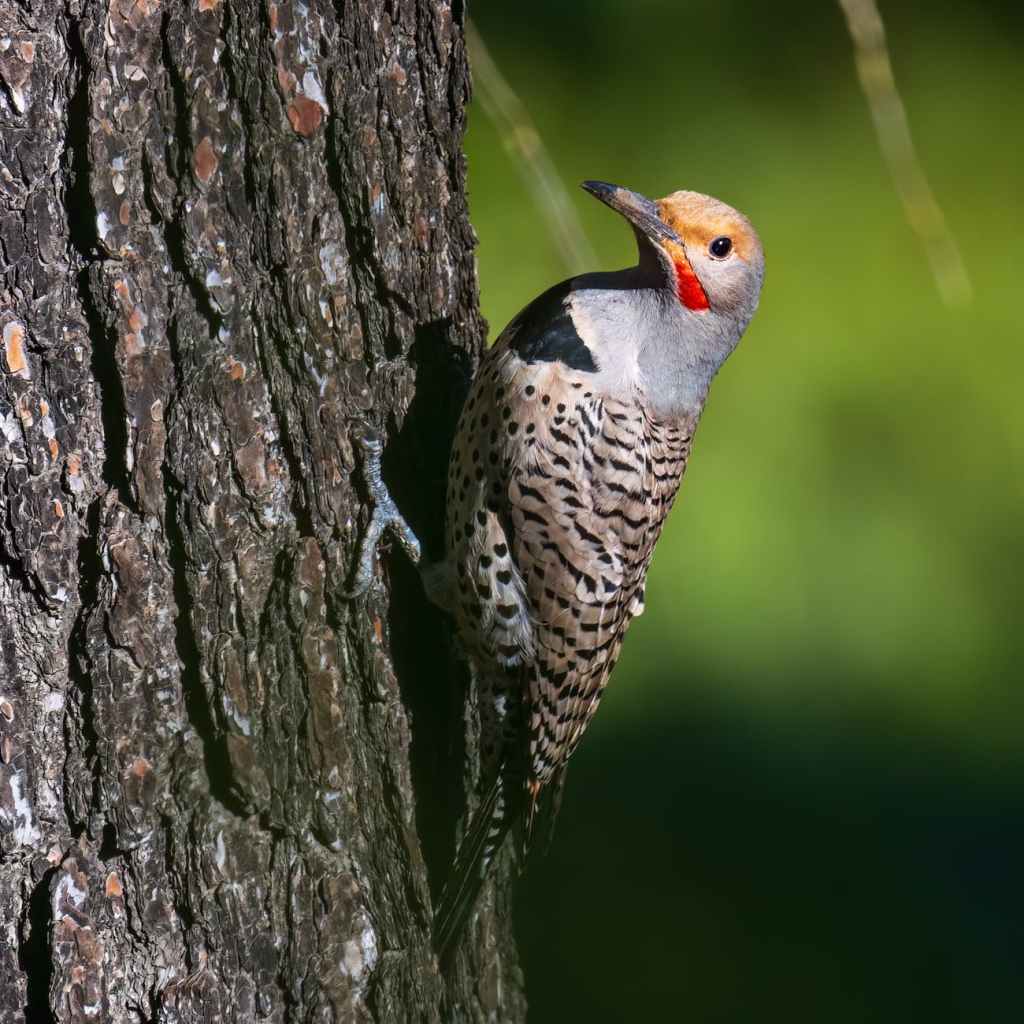
The flicker is the ground forager, a woodpecker that has, in some ways, stepped outside its guild. You’ll find it probing lawns and ant hills, its spotted belly flashing as it bounds away, white rump catching the light. Its call carries far—a ringing kleer that seems too loud for the open sky.

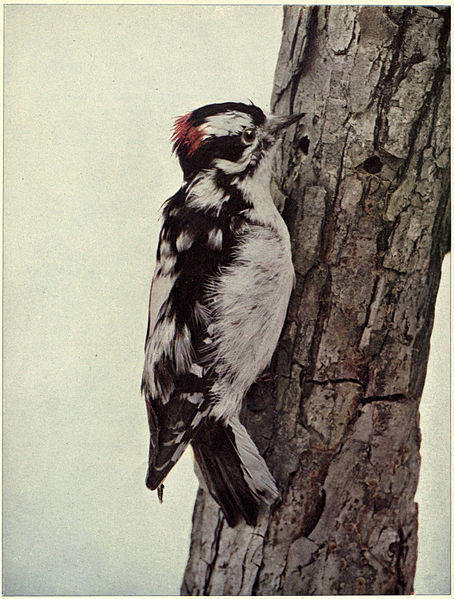
The Downy and Hairy, however, demand closer attention. They cling to trunks and branches, black-and-white shadows flickering upward in short hops. At a glance, they are near twins. But birders, like surgeons, learn to notice the fine details.

A helpful field mark—shared quietly among observers and reinforced by field experience—is this: look to the tail. On a Downy, the white outer tail feathers are often marked with distinct black spots. Dotty equals Downy. If those feathers are clean and unmarked, you may be looking at a Hairy—though absence alone isn’t proof. Structure matters too: the Hairy’s bill is longer, more dagger-like; the Downy’s shorter, more delicate.

If the beak is short, just eye to beak,
Downy’s the bird you’re trying to seek.
But if the beak is long, sharp, and proud,
Hairy Woodpecker calls out loud!

Taxonomy, too, has shifted beneath our feet. Once grouped together, these species now sit in separate genera—Dryobates for the Downy and Leuconotopicus for the Hairy—reflecting deeper evolutionary divergence. When uncertainty lingers, one can retreat, sensibly, to a broader label: pied woodpeckers of the tribe Melanerpini. Even in naming, the forest resists oversimplification.

Downy in Dryobates pubescens and the Hairy in Leuconotopicus villosus. In the field, a simple rule of thumb is often the most practical starting point. If the bird is smaller than a robin, it is almost certainly a Downy Woodpecker; Hairy Woodpeckers tend to be closer to robin-sized and noticeably more robust. Bill proportion is even more reliable: if the beak appears about the same length as the head, or equal to the distance from eye to tip of bill, it points to Hairy Woodpecker. Downies, by contrast, have a noticeably shorter bill—usually no longer than the space between the eye and the base of the beak. Behaviour can also help: Hairy Woodpeckers often forage lower on tree trunks and on larger, more mature stems, while Downies are more likely to work smaller branches, the tops of trees, or finer twigs where bark is thinner. Although both species may show subtle differences in tail feather markings, such as faint spotting on the white outer feathers in Downies, these plumage traits are less reliable than size and bill shape. In the end, most field observations in Saskatchewan come down to a careful combination of these clues, and even experienced observers will sometimes pause, reassess, and conclude—as many do—that the bill size and structure confirm a Hairy Woodpecker after all.

Downy likes twigs up high to play,
Nibbling bugs in a lighter way.
Hairy goes low on the big tree trunk,
Drumming deep with a forest thump!

Beyond these common residents lie the rarer presences: the soot-backed Black-backed Woodpecker, drawn to burned forests; the enigmatic American Three-toed Woodpecker; the laddering Yellow-bellied Sapsucker, drilling neat rows of sap wells; and, if fortune and patience align, the imposing and endandangered Pileated Woodpecker, whose resonant blows recall the forest primeval.

A Forest Under Siege—and Its Defenders

To understand woodpeckers is to understand the scale of their task. A single stand of birch or poplar can host hundreds of insect species—borers, weevils, aphids—each adapted to exploit a different weakness. Some attack leaves, others seeds, still others the very heartwood. Their numbers swell with astonishing speed; a single infested tree can become the epicenter of a spreading outbreak.

And yet, outbreaks are often halted before we notice them. A woodpecker locates the infestation early. If one bird cannot manage the feast, others join. They remain until the last larva is extracted, the last chamber opened. It is a quiet triumph, repeated thousands of times across the landscape.

Their work extends beyond pest control. The cavities they carve—meticulously hollowed chambers in dead or dying wood—become shelter for others. Chickadees, bluebirds, nuthatches, even small owls inherit these spaces. In winter, when prairie cold sharpens to the edge of survivability, such cavities can mean life.

A silviculturist is a forest steward trained to guide the growth, health, and regeneration of trees; like woodpeckers—the forest’s “tree doctors”—they diagnose problems early and act to sustain long-term forest vitality, a role exemplified by Richard St. Barbe Baker, also known as Baba Wya Miti (“Loving Father of Trees”).

Listening as Practice

To walk among woodpeckers is to relearn attention. Identification is not only visual; it is auditory, tactile, almost intuitive. Each species has its own cadence of drumming—flickers slower and more deliberate, Downies brisk and even, Hairies louder, more forceful. Calls carry through branches like signatures.

This is where writers like Shunk excel: urging us to build a vocabulary of sound. And where Bannick’s photography reminds us that behavior—posture, movement, foraging style—is often more telling than color. Gorman would add: watch the habitat. Burned forest? Think Black-backed. Sap wells in tidy rows? Sapsucker. Open parkland with scattered trees? Flicker territory.

Backhouse might step back further still, asking us to see not just the bird, but the relationship—the ancient contract between tree and woodpecker, decay and renewal, death and reuse.

A silviculturist is a “tree doctor” in human form, applying knowledge of soils, species, and pests to heal forests, echoing the natural work of woodpeckers and the conservation ethic championed by Baba Wya Miti, ‘the affectionate Father of the Trees’, the name bestowed upon Richard St. Barbe Baker.

A Final Note in the Woods

There is a tendency to think of forests as static, as scenery. But they are dynamic systems under constant pressure, requiring balance, intervention, resilience. Woodpeckers are part of that balance—not ornamental, but essential.

So on your next walk through the afforestation area, pause when you hear that steady tapping. Somewhere nearby, a tree doctor is at work—probing, diagnosing, healing in the only way the forest understands.

Watch the tail feathers. Listen for the rhythm. And remember: the health of the forest is written in these small, deliberate blows.

‘Trees and forests are the ideal environment for man, and he should
study how to help his brother trees, By cooperating, man and forest both flourish.” Richard St. Barbe Baker, Silviculturist

A silviculturist is a dedicated student of forest life cycles, trained to protect and enhance woodland ecosystems; in partnership with woodpeckers as natural surgeons, they uphold the enduring philosophy of Richard St. Barbe Baker that forests are living communities requiring care, respect, and skilled stewardship

Bibliography

NOTE Two of the best places to learn woodpecker calls are:

  • Cornell Lab of Ornithology – especially their All About Birds website and the Merlin Bird ID app, which include high-quality audio recordings, descriptions, and comparisons of calls and drumming.
  • eBird – offers extensive libraries of bird sounds through its media section (linked with the Macaulay Library), where you can listen to real field recordings from across North America.

Both platforms let you hear differences between species—like the sharp pik of a Downy Woodpecker versus the louder, more forceful notes of a Hairy—helping you identify birds by sound as well as sight.

If it’s smaller than a robin in the tree,
A Downy Woodpecker it’s likely to be!
But if it’s robin-sized, strong and tall,
That’s a Hairy Woodpecker—you’ve got it all!

Bannick, Paul. Woodpecker: A Year in the Life of North American Woodpeckers. Mountaineers Books, 2025. ISBN: 978-1680516830. URL: https://www.mountaineers.org/books/books/woodpecker-a-year-in-the-life-of-north-american-woodpeckers

Bannick, Paul, and Martyn Stewart. The Owl and the Woodpecker: Encounters with North America’s Most Iconic Birds. Mountaineers Books, 2008. ISBN: 978-1594859887. URL: https://www.mountaineers.org/books/books/the-owl-and-the-woodpecker-encounters-with-north-americas-most-iconic-birds

Backhouse, Frances. Once They Were Hats: In Search of the Mighty Beavers. ECW Press, 2011. ISBN: 978-1550229150. URL: https://ecwpress.com/products/once-they-were-hats

Backhouse, Frances. Owls of North America. Firefly Books, 2015. ISBN: 978-1770855924. URL: https://fireflybooks.com/product/owls-of-north-america/

Fanstone, Ben Paul. The Pursuit of the ‘Good Forest’ in Kenya, c.1890–1963: The History of the Contested Development of State Forestry within a Colonial Settler State. PhD Thesis, University of Stirling, 2016. URL: https://dspace.stir.ac.uk/bitstream/1893/25290/1/Ben%20Fanstone%20PhD%20Thesis%20%28final%20version%20April%202017%29.pdf

Friends of the Saskatoon Afforestation Areas. “The Saskatchewan Woodpecker.” Forests of Memory. Forests of Learning. Forests for Life. WordPress, March 1, 2017. URL: https://stbarbebaker.wordpress.com/2017/03/01/the-saskatchewan-woodpecker/

Gorman, Gerard. The Green Woodpecker. Pelagic Publishing, 2023. ISBN: 978-1784273028. URL: https://pelagicpublishing.com/products/the-green-woodpecker

Gorman, Gerard. The Pied Woodpeckers. Pelagic Publishing, 2024. ISBN: 978-1784274384. URL: https://pelagicpublishing.com/products/the-pied-woodpeckers

Gorman, Gerard. Woodpeckers of the World: A Photographic Guide. Firefly Books, 2014. ISBN: 978-1770853098. URL: https://fireflybooks.com/product/woodpeckers-of-the-world/

Shunk, Stephen. Peterson Reference Guide to Woodpeckers of North America. Houghton Mifflin Harcourt, 2025. ISBN: 978-1328771447. URL: https://www.hmhco.com/shop/books/Peterson-Reference-Guide-to-Woodpeckers-of-North-America/9781328771447

Shunk, Stephen. Articles, field workshops, and identification resources. URL: https://www.stephenshunk.com

  • Woodpeckers as keystone species shaping forest ecosystems
  • The importance of dead wood and insect dynamics
  • Identification through sound, behaviour, and structure (not just plumage)
  • The deep link between forest health and woodpecker presence

Powering Environmental Education: SaskPower and Community in Action

In the heart of Saskatoon, a new generation of conservation-minded citizens is taking root. The City Nature Challenge 2026 (CNC YXE) reflects a growing community commitment to understanding and protecting local biodiversity—made stronger through the support of SaskPower.

SaskPower_PoweringOurFuture_Colour_Orange and Gray_CMYK
SaskPower_PoweringOurFuture_

As conversations around climate change and conservation continue to grow, giving youth meaningful, hands-on experiences in nature has never been more important. With SaskPower’s support, the “From Classroom to Nature” program is helping students step beyond their desks and into real ecosystems within the Saskatoon Afforestation Areas, where learning becomes active, personal, and lasting.

Through this partnership, the Friends of the Saskatoon Afforestation Areas have expanded opportunities for field-based education. Students explore local habitats, observe wildlife, and build a deeper understanding of biodiversity—experiences that foster long-term environmental awareness and responsibility.

The City Nature Challenge (April 24–27, 2026) complements this learning by inviting the entire community to participate in citizen science using the iNaturalist app. By documenting plants and animals, participants contribute to a global effort to map biodiversity while gaining a stronger connection to the natural world around them.

This collaboration also highlights the link between environmental stewardship and everyday choices. SaskPower’s involvement helps students consider how energy use and sustainability are connected, encouraging thoughtful decisions that support healthier ecosystems.

Equally important, these initiatives create space for learning alongside Indigenous perspectives, strengthening cultural understanding and respect for the land. This exchange enriches the experience for all participants and deepens the sense of shared responsibility.

The impact of this work extends well beyond today. By supporting programs like these, SaskPower is helping to nurture future leaders, scientists, and community members who understand the balance between human activity and the natural environment.

The Friends of the Saskatoon Afforestation Areas are grateful for SaskPower’s ongoing commitment to environmental education and sustainability. Together, these efforts are shaping informed, engaged citizens who recognize their role in protecting the world around them.

What we do today matters. Through collaboration, education, and community action, we can build a future where nature and people thrive side by side.

EventDate & TimeLocation
Evening in the TreesApril 24, 6:30 PM Richard St. Barbe Baker
Nature, Noticing & RenewalApril 25, 2:00 PMMemorial Healing Forest
Urban WildApril 26, 2:00 PMGeorge Genereux Park
Life Beneath the SurfaceApril 27, 6:30 PMLocal Wetlands

To join the challenge and find event links, visit friendsareas.ca or City Nature Challenge YXE.

#CityNatureChallenge #CNC2026 #SaskatoonNature #CitizenScience #BeTheReasonNatureBelievesInHumanity

The ecological crisis of our age is often framed as a drama of distant horizons—the melting Arctic or the burning Amazon. Yet, as the global temperature creep continues and biodiversity loss accelerates, the front line of conservation has moved. It is no longer found only in the remote wilderness; it is beneath the floorboards of our cities, in the tangled hedgerows of our urban fringes, and within the vital “lungs” of our community, such as the Richard St. Barbe Baker and George Genereux Afforestation Areas.

To confront the erasure of the natural world, we must first see it. This is why the Friends of the Saskatoon Afforestation Areas wish to extend a profound note of gratitude to Eric Steiner and the team at Rogers TV. By providing a platform to discuss the City Nature Challenge 2026, Steiner has done more than produce a segment; he has acted as a catalyst for “citizen rewilding.”

The Power of the Lens

When we broadcast the call to “search, snap, and share,” we are not merely asking for photos. We are asking for a mass-participation census of life. From April 24-27, Saskatoon and Area will join a global cohort of cities in a high-stakes race to document the living world. Through the iNaturalist app, the casual walker becomes a frontline researcher.

This data is the bedrock of modern conservation. It allows us to detect invasive species before they choke local ecosystems and to identify habitats for species at risk that might otherwise be paved over in silence. We cannot protect what we do not love, and we cannot love what we do not know. By amplifying this challenge, Rogers TV has helped bridge the “extinction of experience” that so often separates urban dwellers from the soil that sustains them.

Beyond our guided events, we invite you to become an independent urban explorer by downloading the free iNaturalist app and venturing out with your family or friends to document the vibrant life across Saskatoon and the surrounding area. The City Nature Challenge is about more than just spotting a deer or a blooming crocus; it is a deep dive into the hidden stories of our ecosystem. We particularly encourage you to hunt for “signs of life”—those fascinating, often overlooked clues that tell us an animal was here. From the delicate architecture of a spider web and the skeletal remains of a prairie inhabitant to more curious finds like owl pellets, tufts of fur, or even animal scat (frass and poop), every discovery provides vital data. By documenting these remnants—be it a snake skin, an empty chrysalis, or a set of muddy tracks—you are unveiling the secret, less obvious layers of our region’s wildlife and helping Saskatoon claim its place as a global leader in biodiversity.

The Urban Frontier

Saskatoon is now competing to be recognized as one of the most biodiverse cities on the planet. This is not mere boosterism; it is a vital recognition of the prairies’ resilience. We invite the public to join us at four flagship events—from the Evening in the Trees at Richard St. Barbe Baker to Pond Dipping Adventures that reveal the microscopic wonders of our wetlands.

EventDate & TimeLocation
Evening in the TreesApril 24, 6:30 PMRichard St. Barbe Baker
Nature, Noticing & RenewalApril 25, 2:00 PMMemorial Healing Forest
Urban WildApril 26, 2:00 PMGeorge Genereux Park
Life Beneath the SurfaceApril 27, 6:30 PMLocal Wetlands

A Future Within Reach

The climate and biodiversity crises are intertwined, two sides of the same coin. As Fiona Harvey frequently notes, the solutions must be systemic, but they are also deeply local. When media professionals like Eric Steiner prioritize these stories, they validate the work of volunteers and scientists alike. They ensure that nature is not just a backdrop to our lives, but a voice that is heard.

We stand at a crossroads. We can choose to be the generation that watched the silence grow, or the one that documented, defended, and restored. This April, let us use our technology to reconnect with the ancient rhythms of the earth.

To Eric Steiner and Rogers Sports & Media: Thank you for helping Saskatoon prove that we are, indeed, the reason nature believes in humanity.


To join the challenge and find event links, visit friendsareas.ca or City Nature Challenge YXE.

#CityNatureChallenge #CNC2026 #SaskatoonNature #CitizenScience #BeTheReasonNatureBelievesInHumanity

SmartPhone nature Photo using the free iNaturalist app

Part SE 23-36-6 – Richard St. Barbe Baker Afforestation Area – 241 Township Road 362-A

Part SE 23-36-6 – SW Off-Leash Recreation Area (Richard St. Barbe Baker Afforestation Area ) – 355 Township Road 362-A

S ½ 22-36-6 Richard St. Barbe Baker Afforestation Area (West of SW OLRA) – 467 Township Road 362-A

NE 21-36-6 “George Genereux” Afforestation Area – 133 Range Road 3063

Wikimapia Map: type in Richard St. Barbe Baker Afforestation Area or

Google Maps South West Off Leash area location pin at parking lot

Web page: https://stbarbebaker.wordpress.com

Where is the Richard St. Barbe Baker Afforestation Area? with map

Where is the George Genereux Urban Regional Park (Afforestation Area)?with map

Pinterest richardstbarbeb

Blogger: FriendsAfforestation

Tumblr friendsafforestation.tumblr.comFacebook Group Page: Users of the George Genereux Urban Regional Park

Facebook: StBarbeBaker Afforestation Area

Facebook for the non profit Charity Friends of the Saskatoon Afforestation Areas Inc. FriendsAreas

Facebook group page : Users of the St Barbe Baker Afforestation Area

Facebook: South West OLRA

Reddit: FriendsAfforestation

BlueSky Social

Mix: friendsareas

YouTube

Support via Zeffy

Please help protect / enhance your afforestation areas, please contact the Friends of the Saskatoon Afforestation Areas Inc. (e-mail / e-transfers )

Donate your old vehicle, here’s how!  

Support using Canada Helps

Support via a recycling bottle donation and Join the plastic-recycle challenge!

United Nations Decade on Ecosystem Restoration

““Be like a tree in pursuit of your cause. Stand firm, grip hard, thrust upward. Bend to the winds of heaven..” Richard St. Barbe Baker

Design a site like this with WordPress.com
Get started