Spot the Difference in Nature: A Close Look at Saskatoon’s Living Landscape

At first glance, the images seem familiar—quiet greenspaces, open grassland edges, and familiar wildlife resting in plain sight. But look closer. Something has changed.

This “Spot the Differences” nature challenge, created with the Friends of the Saskatoon Afforestation Areas, a non-profit environmental charity, invites readers to slow down and observe the subtle details of local ecosystems while reconnecting with the natural world. It is both a visual puzzle and a reminder that nature is always shifting—often in ways we only notice when we truly pay attention.

Within these scenes, participants may encounter a cast of prairie wildlife: the gentle Mourning Dove resting in open areas, the industrious Yellow-bellied Sapsucker marking trees in search of sap, the migratory Lapland Longspur moving through seasonal landscapes, the winter-adapted Snowshoe Hare blending into changing ground cover, and the quick 13-lined Ground Squirrel darting through grassland habitats.

Each detail matters. Each change tells a story.


A Fragile Ecosystem Hidden in Plain Sight

The Saskatoon region sits within one of the most threatened ecosystems on Earth: the temperate grasslands. Globally, grasslands have experienced extensive loss due to agriculture, urban expansion, and habitat fragmentation. In fact, temperate grasslands are widely recognized as among the most endangered ecosystems worldwide, with only a small fraction remaining in a relatively intact state.

These landscapes are not empty—they are living systems that support pollinators, birds, mammals, soil health, and water regulation. Protecting them is essential not only for wildlife, but for human well-being as well.


Connecting to Global Environmental Goals

This local nature activity connects directly to several United Nations Sustainable Development Goals (SDGs):

  • SDG 15: Life on Land – Protecting, restoring, and promoting sustainable use of terrestrial ecosystems, including grasslands and biodiversity.
  • SDG 13: Climate Action – Conserving natural habitats that store carbon and help regulate climate systems.
  • SDG 11: Sustainable Cities and Communities – Supporting urban green spaces like afforestation areas that improve ecological resilience and quality of life.
  • SDG 4: Quality Education – Encouraging environmental learning through hands-on observation and engagement with nature.

It also aligns with broader international initiatives, including the:

  • United Nations Decade on Ecosystem Restoration (2021–2030), which calls for preventing, halting, and reversing ecosystem degradation worldwide.
  • United Nations Decade of Action for the Sustainable Development Goals, emphasizing urgent global efforts to meet sustainability targets by 2030.

Seeing Nature Differently

This is more than a puzzle. It is a reminder that ecosystems are dynamic, and that even small changes in the landscape can reflect larger environmental processes. By carefully observing what has shifted between images, participants are practicing a form of ecological awareness that mirrors real-world conservation work.

Can you see what changed in the trees?
Tiny differences become big discoveries when you take the time to look.

Every detail tells a nature story. Hidden changes are waiting to be found. Sharpen your eyes, explore the outdoors, and test your vision with nature’s disguise.

Because in places like Saskatoon’s grasslands and urban forests, noticing is the first step toward protecting. Please come to the forests and discover and record real wildlife surprises with iNaturalist on your smart phone, and help to discover species at risk- you cannot protect what you do not know, and help to discover invasive species- early detection rapid response to protect the forests!

https://www.friendsareas.ca/
https://stbarbebaker.wordpress.com/
friendsafforestation@gmail.com
Friends of the Saskatoon Afforestation Areas.

Addresses:

Part SE 23-36-6 – Richard St. Barbe Baker Afforestation Area – 241 Township Road 362-A

Part SE 23-36-6 – SW Off-Leash Recreation Area (Richard St. Barbe Baker Afforestation Area ) – 355 Township Road 362-A

S ½ 22-36-6 Richard St. Barbe Baker Afforestation Area (West of SW OLRA) – 467 Township Road 362-A

NE 21-36-6 “George Genereux” Afforestation Area – 133 Range Road 3063

Wikimapia Map: type in Richard St. Barbe Baker Afforestation Area or

Google Maps South West Off Leash area location pin at parking lot

Web page: https://stbarbebaker.wordpress.com

Where is the Richard St. Barbe Baker Afforestation Area? with map

Where is the George Genereux Urban Regional Park (Afforestation Area)?with map

Pinterest richardstbarbeb

Blogger: FriendsAfforestation

Tumblr friendsafforestation.tumblr.comFacebook Group Page: Users of the George Genereux Urban Regional Park

Facebook: StBarbeBaker Afforestation Area

Facebook for the non profit Charity Friends of the Saskatoon Afforestation Areas Inc. FriendsAreas

Facebook group page : Users of the St Barbe Baker Afforestation Area

Facebook: South West OLRA

Reddit: FriendsAfforestation

BlueSky Social

Mix: friendsareas

YouTube

Support via Zeffy

Please help protect / enhance your afforestation areas, please contact the Friends of the Saskatoon Afforestation Areas Inc. (e-mail / e-transfers )

Donate your old vehicle, here’s how!  

Support using Canada Helps

Support via a recycling bottle donation and Join the plastic-recycle challenge!

United Nations Decade on Ecosystem Restoration

“Be like a tree in pursuit of your cause. Stand firm, grip hard, thrust upward. Bend to the winds of heaven..” – Richard St. Barbe Baker

What’s Left Behind: Learning to Read Nature’s Signs

On a bright morning edged with curiosity, a young explorer named Mira stepped into the field with a simple goal: find a clue.

Not a treasure chest. Not a map.

A feather. A bone. A whisper of something that had been there before.

“Discovery,” Mira said aloud, testing the word like a new pair of boots. “Let’s see what you mean today.”


The meadow stretched wide and golden, dotted with grasses and the occasional fence post. Mira walked slowly, eyes scanning—not just looking, but noticing. That’s what good naturalists do.

Near a patch of flattened grass, something caught her eye.

A feather.

Not bright and flashy. Not from a peacock or a parrot like at a zoo. This one was soft brown, with darker streaks running like tiny rivers along its length.

Mira crouched.

“Okay,” she said. “Now what?”

She remembered what she’d learned: Don’t just pick it up and guess. Investigate.

So she placed a small ruler next to the feather and opened the iNaturalist app on her phone. Snap. A photo with scale. Good lighting. Clear focus.

“Who do you belong to?” she wondered.

The app began to think.

While it did, Mira pulled out here phone to scan the Feather Atlas.

She compared shapes.

Long and narrow? Short and fluffy? Was it a flight feather or a body feather?

“This one’s a contour feather,” Mira said slowly. “Not for flying. For covering.”

The streaks… the size… the soft edges…

Her phone chimed.

Suggestion: a meadow bird.

Mira grinned. “That makes sense.”

She imagined the bird—hidden in grass, singing from a post, then dropping back down where feathers like this might be lost unnoticed.

iNaturalist works by pairing smart image-recognition technology with input from real people: the app suggests possible species using AI, and then a community of observers and experts helps verify and refine the identification. So Mira waited, there may be scientists, citizen scientists or naturalists who love to consult the Atlas of Feathers who come together to help in the identification in the “found feathers project” on iNaturalist. Mira had some answers, and she will check again!


Later, near the edge of a small grove, Mira found something else.

A bone.

At first, it looked like a stick. Pale. Smooth. Hollow.

But sticks don’t have joints.

Mira knelt again, more carefully this time.

“Okay,” she whispered. “Whose story are you telling?”

She didn’t touch it right away. Instead, she looked. Observed.

Was it solid or hollow? Thick or delicate?

Bird bones are often light—built for flight. Mammal bones? Usually denser, heavier.

This one was thin. Almost airy.

Mira took another photo, again placing her ruler beside it. Then she opened a new tab and searched through the Atlas of Bones.

Page after page of shapes.

Skulls. Femurs. Wings.

“This looks like…” she paused, comparing angles. “A wing bone?”

Not human. Not large. Something small. Something that once moved through the air.

She checked her app again. It offered possibilities—but not certainty.

“That’s okay,” Mira said. “Discovery isn’t always about perfect answers.”

iNaturalist uses a blended approach: it offers quick ID suggestions using computer vision (AI image recognition), then relies on crowd-sourcing, a community of people—naturalists and experts—to review and confirm what species has been found. So Mira waited, there may be scientists who love to consult the Atlas of Bones who come together to help in the identification in the “skulls and bones project” on iNaturalist


She sat back on her heels and looked around.

The feather. The bone. The grass. The trees.

Each one was a piece of a puzzle—but not a puzzle meant to be finished. A puzzle meant to be explored.

“Here’s what I know,” she said, thinking like a scientist.

“A feather tells me a bird was here. Its size, shape, and pattern give clues about which bird.”

“A bone tells me about structure—how the animal moved, lived, survived.”

“And tools like apps and atlases help me ask better questions.”

She smiled.

“Not just what is it? But who was here?


A breeze moved through the field, lifting the grasses in a soft wave.

Somewhere, a bird called.

Somewhere, life continued.

And Mira stood, brushing off her knees, ready to keep searching—not for answers alone, but for stories hidden in the quiet clues of the natural world.

Because discovery isn’t about finding everything.

It’s about learning how to see.

Atlas of Feathersfound feathers project” iNaturalist

Atlas of Bonesskulls and bones project” iNaturalist

Part SE 23-36-6 – Richard St. Barbe Baker Afforestation Area – 241 Township Road 362-A

Part SE 23-36-6 – SW Off-Leash Recreation Area (Richard St. Barbe Baker Afforestation Area ) – 355 Township Road 362-A

S ½ 22-36-6 Richard St. Barbe Baker Afforestation Area (West of SW OLRA) – 467 Township Road 362-A

NE 21-36-6 “George Genereux” Afforestation Area – 133 Range Road 3063

Wikimapia Map: type in Richard St. Barbe Baker Afforestation Area or

Google Maps South West Off Leash area location pin at parking lot

Web page: https://stbarbebaker.wordpress.com

Where is the Richard St. Barbe Baker Afforestation Area? with map

Where is the George Genereux Urban Regional Park (Afforestation Area)?with map

Pinterest richardstbarbeb

Blogger: FriendsAfforestation

Tumblr friendsafforestation.tumblr.comFacebook Group Page: Users of the George Genereux Urban Regional Park

Facebook: StBarbeBaker Afforestation Area

Facebook for the non profit Charity Friends of the Saskatoon Afforestation Areas Inc. FriendsAreas

Facebook group page : Users of the St Barbe Baker Afforestation Area

Facebook: South West OLRA

Reddit: FriendsAfforestation

BlueSky Social

Mix: friendsareas

YouTube

Support via Zeffy

Please help protect / enhance your afforestation areas, please contact the Friends of the Saskatoon Afforestation Areas Inc. (e-mail / e-transfers )

Donate your old vehicle, here’s how!  

Support using Canada Helps

Support via a recycling bottle donation and Join the plastic-recycle challenge!

United Nations Decade on Ecosystem Restoration

““Be like a tree in pursuit of your cause. Stand firm, grip hard, thrust upward. Bend to the winds of heaven..” Richard St. Barbe Baker

The Secret Lives of Nests

Why.

It’s the question that follows every birdwatcher like a curious shadow. Why here? Why now? Why that branch, that patch of grass, that muddy edge of a pond?

One spring morning, as frost still clung stubbornly to the edges of the prairie, three birds found themselves asking it at the same time.


Robin tilted her head from her perch in a trembling aspen. Below her, the ground was soft, dark, and alive with promise. Yet other Robins were using evergreens, as they migrate so soon, and the trees are not all in leaf yet, and a few robins decided to try nesting on the ground. And yet…

“Why up here?” she wondered aloud, pressing a strand of dry grass into the curve of her forming nest. She used the bend of her wing like a potter shaping clay, smoothing, pressing, building. Soon she would fetch mud—good, sticky mud, the kind that comes from worm-rich soil—and line the cup until it could cradle sky-blue eggs like secrets.

From below came a reply.


Meadowlark stood half-hidden in a clump of last year’s grass, sunlight catching the yellow of her chest like a dropped piece of sun.

“Why up there?” Meadowlark called, her voice a flute-note over the field. “The wind is stronger. The branches sway. Everyone can see you.”

Robin looked down. “Everyone can see you,” she said.

Meadowlark gave a soft chuckle. “Not really.”

She stepped into her nest—if you could call it that at first glance. It was not obvious. It was a hollow, a careful dip in the earth, roofed with woven grasses, with a narrow path leading in like a secret doorway.

“I disappear,” Meadowlark said simply. “Foxes pass by. Hawks glide overhead. But I am part of the ground. My nest is not seen—it is missed.”

Robin considered this. She glanced around her tree. The branches were still bare this early in the season, but buds were swelling. Soon, leaves would hide her.

“I choose height,” Robin said. “Later, leaves will cover me. And up here, fewer things climb. Also…” She paused, listening.

The soil below shifted faintly.

“Worms,” she said, almost dreamily. “I need them. I need the mud they leave behind. I need the trees and the ground. Without both, I cannot raise my chicks.”


A splash interrupted them.

From the edge of a nearby wetland, Duck lifted her head, droplets sliding from her feathers.

“You’re both asking the wrong question,” she said.

Robin and Meadowlark turned.

Duck stood near a patch of thick grass just above the waterline. Her nest was tucked beneath it, nearly invisible unless you knew exactly where to look.

“The question isn’t just why here,” Duck continued. “It’s what works most often.”

She nudged aside a bit of grass, revealing a shallow bowl lined with downy feathers.

“I nest on the ground,” she said, “because I must stay close to water. My ducklings will walk to it the day they hatch. I hide my nest so land predators struggle to find it. But if one does…” She shrugged in that very duck-like way.

“I lay again. And again. I try many times.”

Meadowlark nodded. “Yes. We ground-nesters take risks. But we balance them differently.”

Robin shifted on her branch. “I take fewer risks with each nest,” she said. “So I build carefully. Strongly. With mud. With structure.”

Duck smiled, if ducks can be said to smile. “Different strategies. Same goal.”


A breeze moved across the landscape—through trees, over grass, across water.

Robin looked at Meadowlark’s hidden dome.
Meadowlark looked at Robin’s rising cup.
Duck settled deeper into her camouflaged hollow.

“Why?” Robin asked again, softer now.

Meadowlark answered first. “Because the ground feeds me, and hides me.”

Duck followed. “Because water protects my young—and I can try again if it doesn’t.”

Robin touched the rim of her nest, now firm with drying mud. “Because trees, soil, and worms together give my chicks the best chance.”


And somewhere in that shared question, the answer unfolded:

Not one reason. Not one way.

But many small choices, shaped over time—by predators and weather, by food and shelter, by failure and success—until each bird carried its own answer in its bones.

Why?

Because survival writes different stories for wings that share the same sky.


Part SE 23-36-6 – Richard St. Barbe Baker Afforestation Area – 241 Township Road 362-A

Part SE 23-36-6 – SW Off-Leash Recreation Area (Richard St. Barbe Baker Afforestation Area ) – 355 Township Road 362-A

S ½ 22-36-6 Richard St. Barbe Baker Afforestation Area (West of SW OLRA) – 467 Township Road 362-A

NE 21-36-6 “George Genereux” Afforestation Area – 133 Range Road 3063

Wikimapia Map: type in Richard St. Barbe Baker Afforestation Area or

Google Maps South West Off Leash area location pin at parking lot

Web page: https://stbarbebaker.wordpress.com

Where is the Richard St. Barbe Baker Afforestation Area? with map

Where is the George Genereux Urban Regional Park (Afforestation Area)?with map

Pinterest richardstbarbeb

Blogger: FriendsAfforestation

Tumblr friendsafforestation.tumblr.comFacebook Group Page: Users of the George Genereux Urban Regional Park

Facebook: StBarbeBaker Afforestation Area

Facebook for the non profit Charity Friends of the Saskatoon Afforestation Areas Inc. FriendsAreas

Facebook group page : Users of the St Barbe Baker Afforestation Area

Facebook: South West OLRA

Reddit: FriendsAfforestation

BlueSky Social

Mix: friendsareas

YouTube

Support via Zeffy

Please help protect / enhance your afforestation areas, please contact the Friends of the Saskatoon Afforestation Areas Inc. (e-mail / e-transfers )

Donate your old vehicle, here’s how!  

Support using Canada Helps

Support via a recycling bottle donation and Join the plastic-recycle challenge!

United Nations Decade on Ecosystem Restoration

““Be like a tree in pursuit of your cause. Stand firm, grip hard, thrust upward. Bend to the winds of heaven..” Richard St. Barbe Baker

The Digital Rewilding: Why the Spotlight on Saskatoon Matters

The ecological crisis of our age is often framed as a drama of distant horizons—the melting Arctic or the burning Amazon. Yet, as the global temperature creep continues and biodiversity loss accelerates, the front line of conservation has moved. It is no longer found only in the remote wilderness; it is beneath the floorboards of our cities, in the tangled hedgerows of our urban fringes, and within the vital “lungs” of our community, such as the Richard St. Barbe Baker and George Genereux Afforestation Areas.

To confront the erasure of the natural world, we must first see it. This is why the Friends of the Saskatoon Afforestation Areas wish to extend a profound note of gratitude to Eric Steiner and the team at Rogers TV. By providing a platform to discuss the City Nature Challenge 2026, Steiner has done more than produce a segment; he has acted as a catalyst for “citizen rewilding.”

The Power of the Lens

When we broadcast the call to “search, snap, and share,” we are not merely asking for photos. We are asking for a mass-participation census of life. From April 24-27, Saskatoon and Area will join a global cohort of cities in a high-stakes race to document the living world. Through the iNaturalist app, the casual walker becomes a frontline researcher.

This data is the bedrock of modern conservation. It allows us to detect invasive species before they choke local ecosystems and to identify habitats for species at risk that might otherwise be paved over in silence. We cannot protect what we do not love, and we cannot love what we do not know. By amplifying this challenge, Rogers TV has helped bridge the “extinction of experience” that so often separates urban dwellers from the soil that sustains them.

Beyond our guided events, we invite you to become an independent urban explorer by downloading the free iNaturalist app and venturing out with your family or friends to document the vibrant life across Saskatoon and the surrounding area. The City Nature Challenge is about more than just spotting a deer or a blooming crocus; it is a deep dive into the hidden stories of our ecosystem. We particularly encourage you to hunt for “signs of life”—those fascinating, often overlooked clues that tell us an animal was here. From the delicate architecture of a spider web and the skeletal remains of a prairie inhabitant to more curious finds like owl pellets, tufts of fur, or even animal scat (frass and poop), every discovery provides vital data. By documenting these remnants—be it a snake skin, an empty chrysalis, or a set of muddy tracks—you are unveiling the secret, less obvious layers of our region’s wildlife and helping Saskatoon claim its place as a global leader in biodiversity.

The Urban Frontier

Saskatoon is now competing to be recognized as one of the most biodiverse cities on the planet. This is not mere boosterism; it is a vital recognition of the prairies’ resilience. We invite the public to join us at four flagship events—from the Evening in the Trees at Richard St. Barbe Baker to Pond Dipping Adventures that reveal the microscopic wonders of our wetlands.

EventDate & TimeLocation
Evening in the TreesApril 24, 6:30 PMRichard St. Barbe Baker
Nature, Noticing & RenewalApril 25, 2:00 PMMemorial Healing Forest
Urban WildApril 26, 2:00 PMGeorge Genereux Park
Life Beneath the SurfaceApril 27, 6:30 PMLocal Wetlands

A Future Within Reach

The climate and biodiversity crises are intertwined, two sides of the same coin. As Fiona Harvey frequently notes, the solutions must be systemic, but they are also deeply local. When media professionals like Eric Steiner prioritize these stories, they validate the work of volunteers and scientists alike. They ensure that nature is not just a backdrop to our lives, but a voice that is heard.

We stand at a crossroads. We can choose to be the generation that watched the silence grow, or the one that documented, defended, and restored. This April, let us use our technology to reconnect with the ancient rhythms of the earth.

To Eric Steiner and Rogers Sports & Media: Thank you for helping Saskatoon prove that we are, indeed, the reason nature believes in humanity.


To join the challenge and find event links, visit friendsareas.ca or City Nature Challenge YXE.

#CityNatureChallenge #CNC2026 #SaskatoonNature #CitizenScience #BeTheReasonNatureBelievesInHumanity

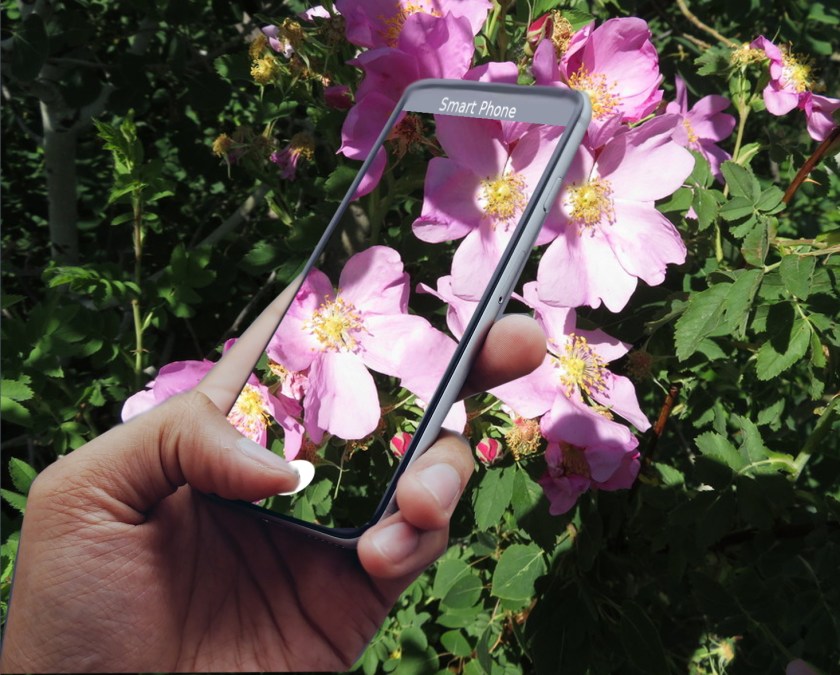
SmartPhone nature Photo using the free iNaturalist app

Part SE 23-36-6 – Richard St. Barbe Baker Afforestation Area – 241 Township Road 362-A
Part SE 23-36-6 – SW Off-Leash Recreation Area (Richard St. Barbe Baker Afforestation Area ) – 355 Township Road 362-A
S ½ 22-36-6 Richard St. Barbe Baker Afforestation Area (West of SW OLRA) – 467 Township Road 362-A

NE 21-36-6 “George Genereux” Afforestation Area – 133 Range Road 3063

Wikimapia Map: type in Richard St. Barbe Baker Afforestation Area or

Google Maps South West Off Leash area location pin at parking lot

Web page: https://stbarbebaker.wordpress.com

Where is the Richard St. Barbe Baker Afforestation Area? with map
Where is the George Genereux Urban Regional Park (Afforestation Area)?with map

Pinterest richardstbarbeb

Blogger: FriendsAfforestation

Tumblr friendsafforestation.tumblr.comFacebook Group Page: Users of the George Genereux Urban Regional Park

Facebook: StBarbeBaker Afforestation Area

Facebook for the non profit Charity Friends of the Saskatoon Afforestation Areas Inc. FriendsAreas

Facebook group page : Users of the St Barbe Baker Afforestation Area

Facebook: South West OLRA

Reddit: FriendsAfforestation

BlueSky Social

Mix: friendsareas

YouTube

Support via Zeffy

Please help protect / enhance your afforestation areas, please contact the Friends of the Saskatoon Afforestation Areas Inc. (e-mail / e-transfers )

Donate your old vehicle, here’s how!  

Support using Canada Helps

Support via a recycling bottle donation and Join the plastic-recycle challenge!

United Nations Decade on Ecosystem Restoration

““Be like a tree in pursuit of your cause. Stand firm, grip hard, thrust upward. Bend to the winds of heaven..”

The Birder’s Covenant: A Stewardship Guide to the West Swale

As a birdwatcher in the West Swale, you are more than an observer—you are a sentinel for over 60 species at risk. Every step you take can either support or disrupt the delicate “green ribbon” of our wetlands.

1. The Golden Rule: Stay on the Path

The West Swale is a mosaic of breeding grounds.

  • Grassland Birds (Sprague’s Pipit, Baird’s Sparrow): These are ground-nesters. Walking through tall grass during the breeding season (May–August) can inadvertently crush nests or cause parents to abandon their young.
  • The Mudflat Zone: Species like the Lesser Yellowlegs and Piping Plover forage on the muddy margins. Your footprints can destroy the micro-habitats of the invertebrates they eat.

2. Respect the “wetlands”

Keep a respectful distance from the shoreline edges.

  • Action: Use binoculars or a spotting scope to observe colonies from at least 30 meters away.

3. Protect the “Floating Nurseries”

The Horned Grebe and Western Grebe build floating nests anchored to cattails and rushes.

  • Vulnerability: These nests are highly sensitive to “wake” and disturbance.
  • Action: If you have a dog, keep it on a leash and away from the water’s edge. Even a friendly dog swimming can swamp a Grebe’s nest or cause a Western Tiger Salamander to retreat, disrupting its breeding cycle.

4. Be a Bio-Coder: Document Your Sightings

Stewardship thrives on data. When you spot a species at risk:

  • Use eBird and / or iNaturalist: Recording your sightings helps the Friends of the Saskatoon Afforestation Areas track the success of restoration strategies.
  • Note the Habitat: Are the birds in the Smooth Brome or the native Fescue? This information is vital for our “Battle of the Brome” management strategy.

5. Practice “Stealth Birding”

  • No Playbacks: Avoid using recorded bird calls to draw birds out. For species at risk already under pressure from urban noise and habitat loss, this extra stress can be detrimental.
  • Color Choice: Wear muted, earthy tones to blend into the willow and dogwood thickets, reducing the “threat profile” perceived by nesting raptors like the American Kestrel.
SpeciesWhere to LookStewardship Tip
Common NighthawkOpen skies at dusk; gravel patches.Watch your step on open ground; they nest in the open.
Loggerhead ShrikeThorny shrubs (Buffalo Berry).Look for “larders” (insects impaled on thorns). Don’t trim shrubs!
Short-eared OwlLow over grasslands at dawn/dusk.Maintain silence; they hunt by sound.
BobolinkTall grass upland areas.Listen for the “R2-D2” bubbling song; avoid walking in deep grass.

The Sustainability Connection

By following this guide, you are directly contributing to UN SDG 15 (Life on Land) and SDG 14 (Life Below Water). You are helping to maintain the carrying capacity of an ecosystem that provides over $32,000 in annual services to the City of Saskatoon.

“We do not inherit the earth from our ancestors; we borrow it from our children.” — Let’s return it to them full of song.

Part SE 23-36-6 – Richard St. Barbe Baker Afforestation Area – 241 Township Road 362-A

Part SE 23-36-6 – SW Off-Leash Recreation Area (Richard St. Barbe Baker Afforestation Area ) – 355 Township Road 362-A

S ½ 22-36-6 Richard St. Barbe Baker Afforestation Area (West of SW OLRA) – 467 Township Road 362-A

NE 21-36-6 “George Genereux” Afforestation Area – 133 Range Road 3063

Wikimapia Map: type in Richard St. Barbe Baker Afforestation Area or

Google Maps South West Off Leash area location pin at parking lot

Web page: https://stbarbebaker.wordpress.com

Where is the Richard St. Barbe Baker Afforestation Area? with map

Where is the George Genereux Urban Regional Park (Afforestation Area)?with map

Pinterest richardstbarbeb

Blogger: FriendsAfforestation

Tumblr friendsafforestation.tumblr.comFacebook Group Page: Users of the George Genereux Urban Regional Park

Facebook: StBarbeBaker Afforestation Area

Facebook for the non profit Charity Friends of the Saskatoon Afforestation Areas Inc. FriendsAreas

Facebook group page : Users of the St Barbe Baker Afforestation Area

Facebook: South West OLRA

Reddit: FriendsAfforestation

BlueSky Social

Mix: friendsareas

YouTube

Support via Zeffy

Please help protect / enhance your afforestation areas, please contact the Friends of the Saskatoon Afforestation Areas Inc. (e-mail / e-transfers )

Donate your old vehicle, here’s how!  

Support using Canada Helps

Support via a recycling bottle donation and Join the plastic-recycle challenge!

United Nations Decade on Ecosystem Restoration

““Be like a tree in pursuit of your cause. Stand firm, grip hard, thrust upward. Bend to the winds of heaven..”

The Saskatoon City Nature Challenge: Listening, Looking, and Letting the City Surprise You

Saskatoon has a well-earned reputation for being a city that notices nature—and every spring, it proves it all over again. From April 24 to April 27, the Saskatoon City Nature Challenge (CNC YXE) invites everyone to take part in a wonderfully simple idea: slow down, pay attention, and record the life that’s already sharing our city.

You don’t need to head off on an epic expedition. In fact, you don’t even need to leave home. With the iNaturalist app on your smartphone, you can listen and observe nature right where you are—your backyard, a sidewalk, a schoolyard, a nearby greenspace, or a favourite park. A sparrow singing from a fence, a dandelion cracking through the pavement, a beetle minding its own business—all of it counts.

Take a photo, record a sound, upload it to iNaturalist, and just like that you’re contributing to a global effort to understand and protect biodiversity. Fifteen minutes is plenty. Curiosity is the only real requirement.

If you’d rather explore with others, even better. As part of CNC YXE, there are four free, guided events, offering a chance to learn, share discoveries, and enjoy Saskatoon and area’s remarkable green spaces together.

🌲 Friday, April 24 – 6:30 PM

Richard St. Barbe Baker Afforestation Area
An evening walk through forest and shelterbelt habitats as spring begins to stir. Expect birdsong, early plant life, and the quiet magic of dusk.

🌿 Saturday, April 25 – 2:00 PM

Memorial Healing Forest between Clavet and Saskatoon
A gentle afternoon of observation in a place of reflection and renewal, focusing on plants, insects, birds, and the details often missed at first glance. This proposed forest area needs an ecological assessment to discover what exists here before planting the trees!

🐦 Sunday, April 26 – 2:00 PM

George Genereux Urban Regional Park
Discover how wildlife thrives in an urban setting, from birds and mammals to tracks, plants, and surprising pockets of biodiversity.

🦆 Monday, April 27 – 6:30 PM

Wetlands, Richard St. Barbe Baker Afforestation Area
A hands-on wetland adventure featuring pond dipping and a close look at the tiny aquatic creatures that support entire ecosystems.

Whether you’re listening for birds on your lunch break, spotting plants along the sidewalk, or joining a guided walk, the City Nature Challenge is an invitation to look closely and enjoy what’s already here.

Nature isn’t somewhere else. In Saskatoon, it’s right outside—and it’s ready to be noticed.

Part SE 23-36-6 – Richard St. Barbe Baker Afforestation Area – 241 Township Road 362-A

Part SE 23-36-6 – SW Off-Leash Recreation Area (Richard St. Barbe Baker Afforestation Area ) – 355 Township Road 362-A

S ½ 22-36-6 Richard St. Barbe Baker Afforestation Area (West of SW OLRA) – 467 Township Road 362-A

NE 21-36-6 “George Genereux” Afforestation Area – 133 Range Road 3063

Wikimapia Map: type in Richard St. Barbe Baker Afforestation Area or

Google Maps South West Off Leash area location pin at parking lot

Web page: https://stbarbebaker.wordpress.com

Where is the Richard St. Barbe Baker Afforestation Area? with map

Where is the George Genereux Urban Regional Park (Afforestation Area)?with map

Pinterest richardstbarbeb

Blogger: FriendsAfforestation

Tumblr friendsafforestation.tumblr.comFacebook Group Page: Users of the George Genereux Urban Regional Park

Facebook: StBarbeBaker Afforestation Area

Facebook for the non profit Charity Friends of the Saskatoon Afforestation Areas Inc. FriendsAreas

Facebook group page : Users of the St Barbe Baker Afforestation Area

Facebook: South West OLRA

Reddit: FriendsAfforestation

BlueSky Social

Mix: friendsareas

YouTube

Support via Zeffy

Please help protect / enhance your afforestation areas, please contact the Friends of the Saskatoon Afforestation Areas Inc. (e-mail / e-transfers )

Donate your old vehicle, here’s how!  

Support using Canada Helps

Support via a recycling bottle donation and Join the plastic-recycle challenge!

United Nations Decade on Ecosystem Restoration

““Be like a tree in pursuit of your cause. Stand firm, grip hard, thrust upward. Bend to the winds of heaven..”

Snow, Silence, and Feathers of Defiance in Saskatchewan

The Great Backyard Bird Count: Snow, Silence, and Feathers of Defiance in Saskatchewan

There’s a particular sort of quiet that comes with a Saskatchewan winter. Not the cosy, muffled hush of a light frost, but the big, ringing silence that settles over the land when the snow is deep, the air is sharp, and even your thoughts seem to crunch as you walk. It’s the kind of winter that makes you wonder—briefly—whether anything with feathers and a pulse could possibly still be out there.

And yet, they are.

From February 13–16, 2026, the Great Backyard Bird Count invites you to step into that snow-bright stillness and discover just how alive winter really is—especially in places like your back yard, along a trail, or in the Richard St. Barbe Baker Afforestation Area and George Genereux Urban Regional Park, where trees, trails, and tangled shelterbelts become lifelines for birds tough enough to call Saskatchewan home in February.

The idea is simple, even heroic in its modesty. Spend a little time—fifteen minutes is plenty—watching birds in your favourite place. Identify them. Count them. Then share what you’ve seen. That’s it. No need to thaw your fingers for hours or trek heroically into a blizzard (though points for commitment if you do).

In winter, every bird feels like a small triumph.

Winter Birding: The Art of Paying Attention

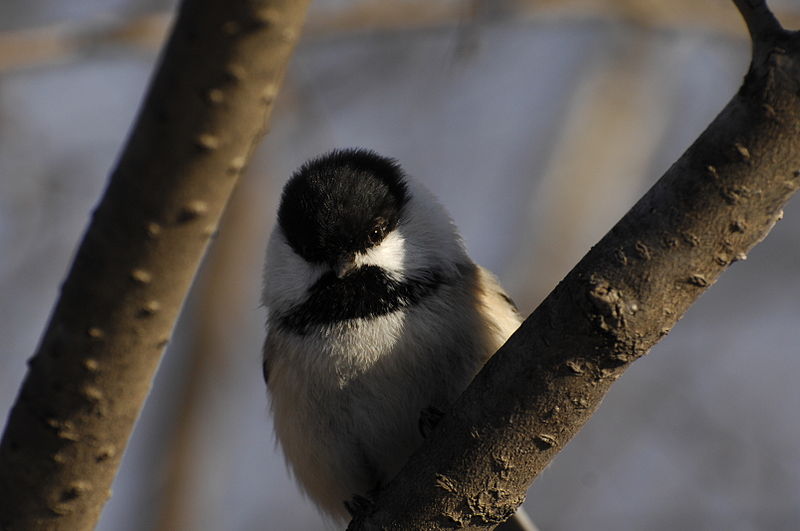
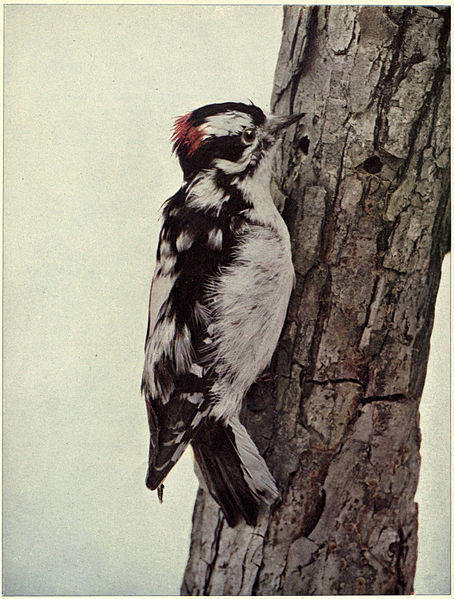
Birdwatching in a snowy Saskatchewan park isn’t about abundance; it’s about clarity. Leaves are gone. Sounds carry. Movement stands out starkly against the white. A Black-capped Chickadee appears like a flying punctuation mark. A Downy Woodpecker taps with quiet determination. A magpie sweeps across the snow, all swagger and monochrome elegance, as if winter were merely an inconvenience for other species.

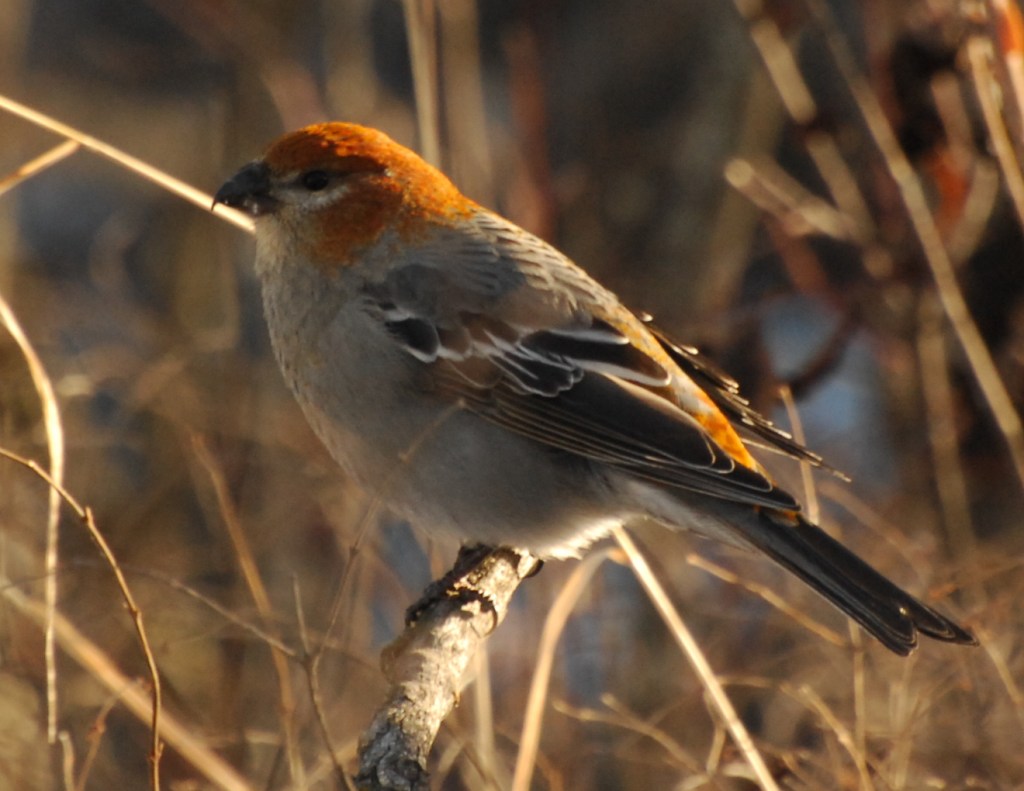
In the Afforestation Area, those planted forests—so carefully imagined decades ago—now shelter flocks of redpolls and grosbeaks, birds puffed up like animated mittens. In George Genereux Urban Regional Park, where city and nature politely overlap, you may find nuthatches creeping headfirst down trunks, or a Sharp-shinned Hawk slicing through the cold air with purposeful menace.

These are not birds passing through. These are birds staying put….enjoying winter with you!

One Province, One Planet

What makes the Great Backyard Bird Count quietly astonishing is that while you’re counting chickadees under a prairie sky, someone else is counting sunbirds in Africa or parrots in Australia. Same four days. Same shared effort. Your Saskatchewan winter list becomes part of a global portrait of bird life—one that scientists rely on to understand population changes, migration shifts, and the growing pressures birds face worldwide.

You can submit your sightings using eBird, or identify birds with the wonderfully helpful Merlin app. If you already use either, you’re already contributing—any observations logged during those four days automatically count toward the GBBC.

This is community science with snow on its boots.

New to Birding? Perfect.

If you’re thinking, I wouldn’t know where to start, you’re in excellent company. The GBBC is designed for beginners as much as seasoned birders with notebooks that smell faintly of damp wool.

There’s an upcoming live, one-hour webinar (Feb 5 or 11)to get you ready—friendly, encouraging, and refreshingly free of birding snobbery. Members of the GBBC team will share practical tips, while author and birder Julia Zarankin explores the joy of beginner birding and the quiet magic of noticing birds right where you live—even in winter.

Consider it a gentle invitation rather than a lesson.

A February Challenge

So here’s the challenge. Bundle up. Walk the familiar trails of Richard St. Barbe Baker or George Genereux, look in the trees or find those bird feeders in the forest, peek out your window at your favourite bird feeder. Let the snow squeak under your boots. Stop. Listen. Watch.

You may not see many birds—but every one you do see will matter. Merlin will hear and identify the birds for you. On eBird you can mention how many you saw each time you are observing. Each observation is a small vote of confidence in a living world that carries on, even when temperatures plunge and breath hangs in the air like a thought bubble.

Count what’s there. Share what you find. And take a moment to admire the sheer stubborn brilliance of birds that sing, forage, and survive through a Saskatchewan winter.

The planet is counting on them.

And for four days in February, it’s counting on you too.

Part SE 23-36-6 – Richard St. Barbe Baker Afforestation Area – 241 Township Road 362-A

Part SE 23-36-6 – SW Off-Leash Recreation Area (Richard St. Barbe Baker Afforestation Area ) – 355 Township Road 362-A

S ½ 22-36-6 Richard St. Barbe Baker Afforestation Area (West of SW OLRA) – 467 Township Road 362-A

NE 21-36-6 “George Genereux” Afforestation Area – 133 Range Road 3063

Wikimapia Map: type in Richard St. Barbe Baker Afforestation Area or

Google Maps South West Off Leash area location pin at parking lot

Web page: https://stbarbebaker.wordpress.com

Where is the Richard St. Barbe Baker Afforestation Area? with map

Where is the George Genereux Urban Regional Park (Afforestation Area)?with map

Pinterest richardstbarbeb

Blogger: FriendsAfforestation

Tumblr friendsafforestation.tumblr.comFacebook Group Page: Users of the George Genereux Urban Regional Park

Facebook: StBarbeBaker Afforestation Area

Facebook for the non profit Charity Friends of the Saskatoon Afforestation Areas Inc. FriendsAreas

Facebook group page : Users of the St Barbe Baker Afforestation Area

Facebook: South West OLRA

Reddit: FriendsAfforestation

BlueSky Social

Mix: friendsareas

YouTube

Support via Zeffy

Please help protect / enhance your afforestation areas, please contact the Friends of the Saskatoon Afforestation Areas Inc. (e-mail / e-transfers )

Donate your old vehicle, here’s how!  

Support using Canada Helps

Support via a recycling bottle donation and Join the plastic-recycle challenge!

United Nations Decade on Ecosystem Restoration

““Be like a tree in pursuit of your cause. Stand firm, grip hard, thrust upward. Bend to the winds of heaven..”

Voices from the Afforestation Frontlines: Sustainable Human–Animal Interactions


In a world that grows louder with human industry and quieter with the fading calls of the wild, there are still voices—clear, compassionate, and resolute—rising to speak for those who cannot speak for themselves. Voices from the Afforestation Frontlines – Advancing Sustainable Solutions for a Resilient Planet gathers such voices from across the globe, reminding us that coexistence with the natural world is not merely a dream of idealists, but a necessity for our shared survival.

On Monday, November 3, at 10 AM EST, an extraordinary panel of international leaders will come together to discuss Sustainable Human–Animal Interactions—an urgent conversation about how we, as stewards of the Earth, might reimagine our relationship with both wild and domestic life in an age of ecological uncertainty.

Each speaker brings a story shaped by empathy and action:

🌍 Adeline Lerambert, Born Free Foundation, offers a vision of freedom rooted in compassion, where policy and advocacy serve the living beings behind the statistics.

🐘 Femke den Haas, Jakarta Animal Aid Network & Ellis Park Wildlife Sanctuary, brings courage from the field—rescuing, rehabilitating, and restoring dignity to those caught between human expansion and wilderness retreat.

🦒 Isaac Maina, Africa Network for Animal Welfare, bridges the worlds of people and wildlife, working to nurture coexistence that sustains communities and ecosystems alike.

🌳 Julia Adamson, Friends of the Saskatoon Afforestation Areas Inc., grounds the discussion in the living landscapes of urban nature—reminding us that even within city limits, forests breathe and teach us of resilience.

🥦 Dr. Kimmy Cushman, Plant Based Treaty, invites us to consider food systems as moral and ecological choices, pathways to planetary health that begin on our plates.

🐯 Pei F. Su, ACT Asia, advocates for education and cultural transformation, planting seeds of kindness in the next generation.

🕊 Tozie Zokufa, Coalition of African Animal Welfare Organizations, speaks for a continental movement toward justice—where compassion becomes policy and stewardship becomes identity.

🐾 Wolf Gordon Clifton, Animal People Inc., helps us see how science, journalism, and public discourse together shape the moral architecture of conservation.

🌱 Varda Mehrotra, Samayu and A Just World, challenges us to connect animal welfare with broader movements for equity, ethics, and planetary well-being.

Together, these thought-leaders remind us that sustainability is not only a matter of carbon or conservation—it is a question of relationship. The way we live with animals, wild or domestic, mirrors how we live with one another. Whether in the forests we replant, the cities we inhabit, or the choices we make at the table, every act of empathy echoes outward through the web of life.

This dialogue is not about opposition—between development and preservation, between human need and animal welfare—but about transformation. The transformation of systems, yes, but more profoundly, the transformation of the human heart.

As we stand at the edge of ecological tipping points, the path toward a resilient planet will not be forged through domination, but through understanding. The future will belong to those who listen—to the rustle of leaves, the whisper of wings, the wisdom of those who remember that we are all kin in this intricate, fragile web of being.

🔗 Register for this global conversation:
Eventbrite Registration
🌐 Or via the UNEP INDICO Portal

#VoicesFromTheAfforestationFrontlines #Sustainability #AnimalWelfare #Afforestation #Biodiversity #HumanWildlifeCoexistence #UNEP #ClimateAction #Conservation

Addresses:

Part SE 23-36-6 – Richard St. Barbe Baker Afforestation Area – 241 Township Road 362-A

Part SE 23-36-6 – SW Off-Leash Recreation Area (Richard St. Barbe Baker Afforestation Area ) – 355 Township Road 362-A

S ½ 22-36-6 Richard St. Barbe Baker Afforestation Area (West of SW OLRA) – 467 Township Road 362-A

NE 21-36-6 “George Genereux” Afforestation Area – 133 Range Road 3063

Wikimapia Map: type in Richard St. Barbe Baker Afforestation Area or

Google Maps South West Off Leash area location pin at parking lot

Web page: https://stbarbebaker.wordpress.com

Where is the Richard St. Barbe Baker Afforestation Area? with map

Where is the George Genereux Urban Regional Park (Afforestation Area)?with map

Pinterest richardstbarbeb

Blogger: FriendsAfforestation

Tumblr friendsafforestation.tumblr.comFacebook Group Page: Users of the George Genereux Urban Regional Park

Facebook: StBarbeBaker Afforestation Area

Facebook for the non profit Charity Friends of the Saskatoon Afforestation Areas Inc. FriendsAreas

Facebook group page : Users of the St Barbe Baker Afforestation Area

Facebook: South West OLRA

Reddit: FriendsAfforestation

BlueSky Social

Mix: friendsareas

YouTube

Support via Zeffy

Please help protect / enhance your afforestation areas, please contact the Friends of the Saskatoon Afforestation Areas Inc. (e-mail / e-transfers )

Donate your old vehicle, here’s how!  

Support using Canada Helps

Support via a recycling bottle donation and Join the plastic-recycle challenge!

United Nations Decade on Ecosystem Restoration

““Be like a tree in pursuit of your cause. Stand firm, grip hard, thrust upward. Bend to the winds of heaven..”

Richard St. Barbe Baker

Cameras Up, Canada! Join the Great Canadian Bioblitz

This fall, the Friends of the Saskatoon Afforestation Areas invite you to step outside, lift your lens, and become part of something extraordinary. The Canadian Wildlife Federation’s Great Canadian Bioblitz is back—your chance to explore the outdoors, discover new species, and contribute directly to science.

From September 21 to 28, 2025, Canadians of all ages are encouraged to record the plants, animals, fungi, and insects they encounter—whether in a backyard garden, a neighborhood park, or a vast wilderness trail. Then, from September 29 to October 5, participants upload and identify their findings on iNaturalist.ca. Every observation helps build a living “nature selfie” of our country.

Help the Friends of the Saskatoon Afforestation Areas discover what is in the Richard St. Barbe Baker Afforestation Area, or the George Genereux Urban Regional Park. Looking for a reason to walk in the forest in the wondrous autumn months? – Here is a great excuse to get out to see the forest and its biodiversity!

BioDivercity Challenge free iNaturalist App

The rules are simple:

  • See it. Snap it. Share it. Take photos or sound recordings of any species you encounter.
  • Everything counts. From common dandelions and backyard chickadees to rare wild orchids or elusive moths—every record adds value.
  • Team up. Gather friends, family, classmates, or fellow photography buffs for a few hours of exploration.

By participating, you’re not only discovering the biodiversity that surrounds you—you’re also contributing to an active scientific database that tracks species across Canada and around the globe. These records help researchers and conservationists monitor wildlife populations, protect habitats, and plan for the future of our ecosystems.

And yes—there are prizes, too! Your observations could win you recognition and rewards, but the greatest prize is knowing that your curiosity is helping safeguard Canada’s natural heritage.

So, cameras up, Canada! Take part in the 2025 Great Canadian Bioblitz and celebrate the wild wonders that thrive in every corner of our country—from coast to coast to coast.

Join us in Saskatoon for 3 special events:

Roots of Resilience: Midweek Forest BioBlitz a tour and bio-blitz discovering biodiversity
Wednesday, September 24 10am – 12pm CST
Richard St. Barbe Baker Afforestation Area

EcoQuest: The Canopy Chronicles a tour and bio-blitz discovering biodiversity
Saturday, September 27 10am – 12pm CST
Richard St. Barbe Baker Afforestation Area

Pulling for Prairie Health: Baby’s Breath Clean Up
Saturday, September 27 1:00 – 2:00 pm CST
Richard St. Barbe Baker Afforestation Area

SmartPhone nature Photo using the free iNaturalist app

Addresses:

Part SE 23-36-6 – Richard St. Barbe Baker Afforestation Area – 241 Township Road 362-A

Part SE 23-36-6 – SW Off-Leash Recreation Area (Richard St. Barbe Baker Afforestation Area ) – 355 Township Road 362-A

S ½ 22-36-6 Richard St. Barbe Baker Afforestation Area (West of SW OLRA) – 467 Township Road 362-A

NE 21-36-6 “George Genereux” Afforestation Area – 133 Range Road 3063

Wikimapia Map: type in Richard St. Barbe Baker Afforestation Area or

Google Maps South West Off Leash area location pin at parking lot

Web page: https://stbarbebaker.wordpress.com

Where is the Richard St. Barbe Baker Afforestation Area? with map

Where is the George Genereux Urban Regional Park (Afforestation Area)?with map

Pinterest richardstbarbeb

Blogger: FriendsAfforestation

Tumblr friendsafforestation.tumblr.comFacebook Group Page: Users of the George Genereux Urban Regional Park

Facebook: StBarbeBaker Afforestation Area

Facebook for the non profit Charity Friends of the Saskatoon Afforestation Areas Inc. FriendsAreas

Facebook group page : Users of the St Barbe Baker Afforestation Area

Facebook: South West OLRA

Reddit: FriendsAfforestation

BlueSky Social

Mix: friendsareas

YouTube

Support via Zeffy

Please help protect / enhance your afforestation areas, please contact the Friends of the Saskatoon Afforestation Areas Inc. (e-mail / e-transfers )

Donate your old vehicle, here’s how!  

Support using Canada Helps

Support via a recycling bottle donation and Join the plastic-recycle challenge!

United Nations Decade on Ecosystem Restoration

““Be like a tree in pursuit of your cause. Stand firm, grip hard, thrust upward. Bend to the winds of heaven..”

Richard St. Barbe Baker

Design a site like this with WordPress.com
Get started