

Sarah Diab’s Wetland Restoration Project Honoured with RCE Saskatchewan Award for Education for Sustainable Development
On May 29, 2026, at RCE Saskatchewan’s 18th Annual Awards for Achievement in Education for Sustainable Development, one project stood out as a powerful example of how research, community stewardship, and environmental education can come together to create meaningful change. The Impact of Wetland Restoration Strategies in RSBBAA, led by sustainability scholar Sarah Diab and supported by the Friends of the Saskatoon Afforestation Areas Inc., received recognition for transforming academic research into a living model of sustainability education and ecological stewardship.
The award celebrates much more than a master’s research project. It recognizes an initiative that has inspired public learning, advanced conservation planning, and strengthened community connections to one of Saskatoon’s most ecologically significant landscapes: the West Swale.
Where Ancient Waters Meet Modern Conservation
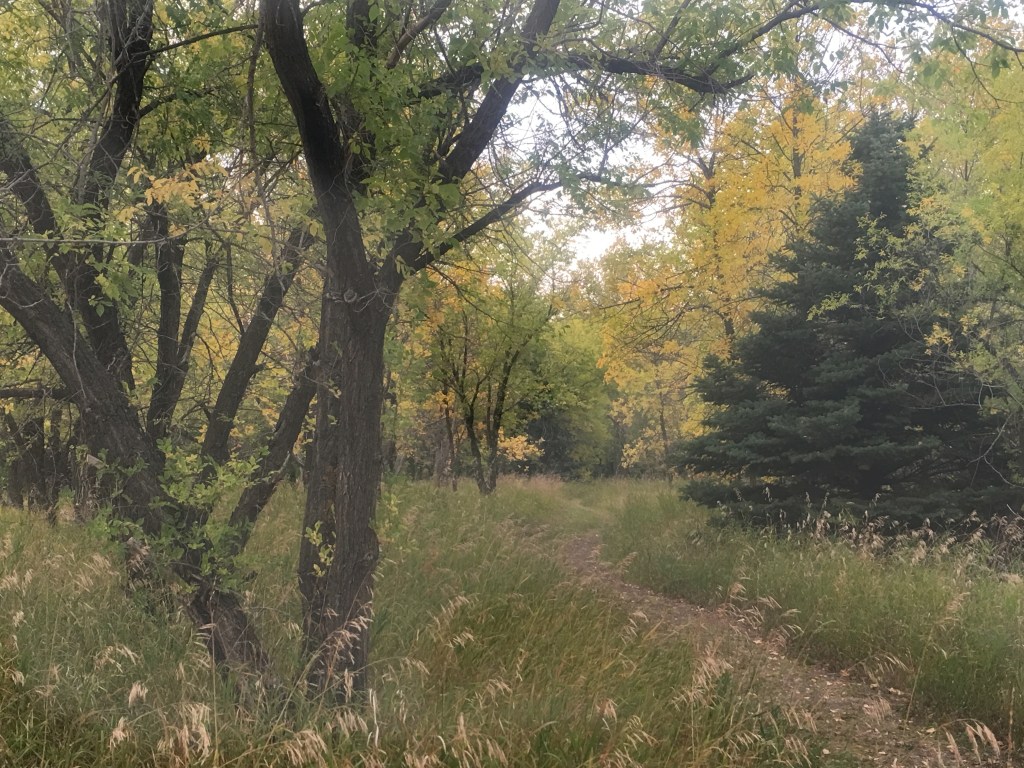
To walk through the Richard St. Barbe Baker Afforestation Area is to enter a landscape shaped by thousands of years of natural history.
The West Swale, a glacial spillway carved by ancient meltwaters, forms an ecological corridor linking prairie grasslands with the South Saskatchewan River valley. Within this remarkable landscape lie approximately seven hectares of wetlands affectionately known by local naturalists as the “Soggy Patches.”
These wetlands provide habitat for an astonishing diversity of life.
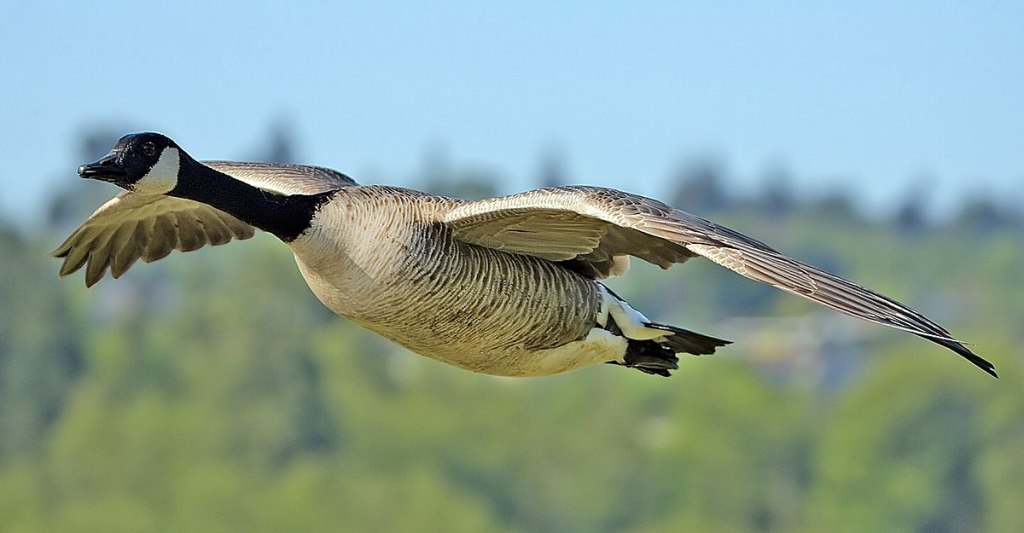
Nearly sixty species at risk depend upon the corridor. Waterfowl nest among the reeds. Amphibians thrive in shallow pools. Pollinators move between native flowers. Beneath the surface, wetlands quietly filter water, reduce flood risk, improve water quality, and store carbon that helps moderate climate change.
The ecological value of the West Swale extends far beyond its boundaries.
It serves the entire community.
A Science-Based Vision for Restoration
Sarah Diab’s research focused on an important question: How can restoration efforts strengthen wetland ecosystems while avoiding unintended impacts on sensitive wildlife habitat?
The answer emerged through careful ecological assessment and a restoration framework known as the Green Ribbon approach.
Rather than introducing dense shrub plantings that could alter habitat conditions for grassland and wetland-dependent species, the project emphasizes low-growing native sedges, grasses, and wetland vegetation that support biodiversity while preserving the open landscapes required by many species.
This approach recognizes that restoration is not simply about adding plants.
It is about understanding relationships.
The Bank Swallow depends upon exposed earthen banks for nesting colonies.
The Bobolink requires expansive grasslands free from woody encroachment.
The Horned Grebe relies upon open water edges where floating nests can remain undisturbed.
Each species tells part of the ecological story.
The restoration strategy responds by listening carefully to the needs of the landscape.
Education Beyond the Research Report
One of the most remarkable aspects of the project is how it expanded far beyond the original research document.
Rather than remaining on a library shelf, the findings evolved into a diverse educational initiative reaching audiences of all ages and backgrounds.
Through videos, online learning tools, quizzes, citizen science activities, and guided tours, the project transformed technical restoration science into engaging public education.
The educational resources include:
• The Impact of Wetland Restoration Strategies
• Water, Wildlife, and You: The Wetland Connection
• Wetland Find the Differences Challenge
• How Well Do You Really Know Wetlands? Take the Quiz!
• Urban Wetlands Matter — Nature Lives Here
Together, these resources form what organizers affectionately call the “Digital Swale”—a virtual extension of the wetland ecosystem that allows learners to explore prairie ecology from classrooms, homes, and mobile devices around the world.
The Digital Swale demonstrates how modern environmental education can meet people where they are while inspiring deeper connections to local ecosystems.
Learning on the Land
While digital outreach has played an important role, some of the most meaningful learning continues to occur outdoors.
The project supports hands-on educational experiences through initiatives such as the Junior Steward’s Quest, guided nature tours, BioBlitz events, and citizen science programs.
Participants learn to observe wetlands through the eyes of scientists.
They discover native plants and amphibians.
They identify signs of ecological health.
They explore the role of wetlands in supporting biodiversity and climate resilience.
Most importantly, they begin to understand that stewardship is not always about doing more.
Sometimes it is about knowing when to step back and allow nature to function as it has for millennia.
Supporting Global Sustainability Goals
The project exemplifies Education for Sustainable Development by linking local environmental action to global sustainability priorities.
Its work directly contributes to several United Nations Sustainable Development Goals, including:
• SDG 4 – Quality Education
• SDG 11 – Sustainable Cities and Communities
• SDG 13 – Climate Action
• SDG 15 – Life on Land
• SDG 17 – Partnerships for the Goals
Through biodiversity conservation, climate resilience, ecological restoration, and public engagement, the project demonstrates how local landscapes contribute to international sustainability objectives.
Community Stewardship in Action
Perhaps the greatest success of the initiative has been the response from the community itself.
Citizens have embraced opportunities to learn about wetlands through videos, quizzes, tours, scavenger hunts, and stewardship activities.
Participants have become citizen scientists.
Students have become environmental advocates.
Visitors have become stewards.
What began as a research project has evolved into a shared community effort to understand and protect one of Saskatchewan’s important natural areas.
Looking Ahead
The recognition from RCE Saskatchewan affirms the importance of combining science, education, and community engagement in environmental stewardship.
Future plans include expanded habitat restoration, new interpretive signage, stronger partnerships with schools and conservation organizations, and continued support for public learning opportunities throughout the West Swale corridor.
As interest grows in urban protected landscapes and ecological connectivity, the West Swale stands as a model for how communities can balance conservation, education, and sustainable development.
A Shared Responsibility and a Shared Hope
What makes The Impact of Wetland Restoration Strategies in RSBBAA truly remarkable is not simply its scientific contribution.
It is the restoration of relationship.
The project reminds us that ancient ecosystems still survive within modern cities and that their future depends upon our willingness to learn from them, care for them, and share their stories.
The wetlands of the West Swale continue their quiet work every day.
Water gathers.
Birds nest.
Pollinators forage.
Native plants sway in the prairie wind.
And thanks to the vision of Sarah Diab, the support of the Friends of the Saskatoon Afforestation Areas Inc., and the enthusiasm of countless community participants, the story of these wetlands continues to inspire new generations of learners and stewards.
The RCE Saskatchewan award recognizes this achievement—but perhaps more importantly, it celebrates a simple truth:
When communities invest in nature, nature gives back in ways that benefit us all.



Addresses:
Part SE 23-36-6 – Richard St. Barbe Baker Afforestation Area – 241 Township Road 362-A
Part SE 23-36-6 – SW Off-Leash Recreation Area (Richard St. Barbe Baker Afforestation Area ) – 355 Township Road 362-A
S ½ 22-36-6 Richard St. Barbe Baker Afforestation Area (West of SW OLRA) – 467 Township Road 362-A
NE 21-36-6 “George Genereux” Afforestation Area – 133 Range Road 3063
Wikimapia Map: type in Richard St. Barbe Baker Afforestation Area or
Google Maps South West Off Leash area location pin at parking lot
Web page: https://stbarbebaker.wordpress.com
Where is the Richard St. Barbe Baker Afforestation Area? with map
Where is the George Genereux Urban Regional Park (Afforestation Area)?with map
Blogger: FriendsAfforestation
Tumblr friendsafforestation.tumblr.comFacebook Group Page: Users of the George Genereux Urban Regional Park
Facebook: StBarbeBaker Afforestation Area
Facebook for the non profit Charity Friends of the Saskatoon Afforestation Areas Inc. FriendsAreas
Facebook group page : Users of the St Barbe Baker Afforestation Area
Support via Zeffy
Please help protect / enhance your afforestation areas, please contact the Friends of the Saskatoon Afforestation Areas Inc. (e-mail / e-transfers )
Donate your old vehicle, here’s how!
Support using Canada Helps
Support via a recycling bottle donation and Join the plastic-recycle challenge!
United Nations Decade on Ecosystem Restoration
- Use the UN Decade’s Visual Identity
- Make it your own
- Spread the word about the UN Decade
- Let’s Bring Back Forests
- Let’s Green Our Cities
““Be like a tree in pursuit of your cause. Stand firm, grip hard, thrust upward. Bend to the winds of heaven..”














 Forests of Memory. Forests of Learning. Forests for Life.