Why Accessibility in Greenspaces Matters for Everyone

Opening the Gates: Why Accessibility in Greenspaces Matters for Everyone

When we talk about access to nature, we often picture a trail winding through wildflowers, the gentle hush of the riverbank, or the crunch of leaves underfoot. But for many people, those paths are still blocked — by design, by oversight, silence and sometimes by people who, without realizing it, create exclusion through a lack of understanding of what it means to live with a disability. The result is more than inaccessibility; it’s the quiet ripple of loss, isolation, and non-acceptance that touches not only individuals but their families and friends too.

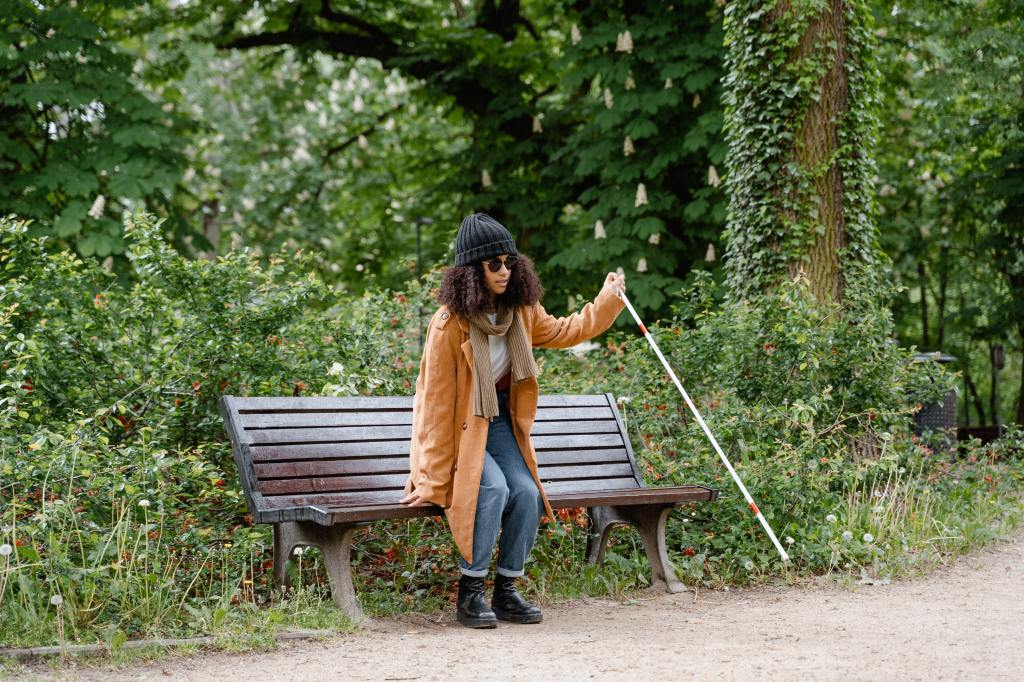
Accessibility in greenspaces isn’t just about ramps and railings. It’s about belonging. It’s about ensuring that everyone, regardless of ability, age, or background, can find joy, calm, and connection in the natural world. As Meewasin works toward creating a more inclusive valley, we’re being reminded that inclusion isn’t a checkbox—it’s a practice, one that grows stronger when communities are invited to shape it.

Listening First: Meewasin’s Accessibility Plan

Meewasin has made a public commitment to identify and remove barriers in how people access its facilities, trails, information, and programs. To make this commitment real, Meewasin is developing an Accessibility Plan—a living document that will evolve every three years as new needs, ideas, and technologies emerge.

But this plan isn’t being written behind closed doors. Meewasin is asking for voices—your voice. The Meewasin Accessibility Survey invites feedback from staff, visitors, community groups, partners, and local businesses to ensure the plan reflects the real experiences of those who use and love the valley.

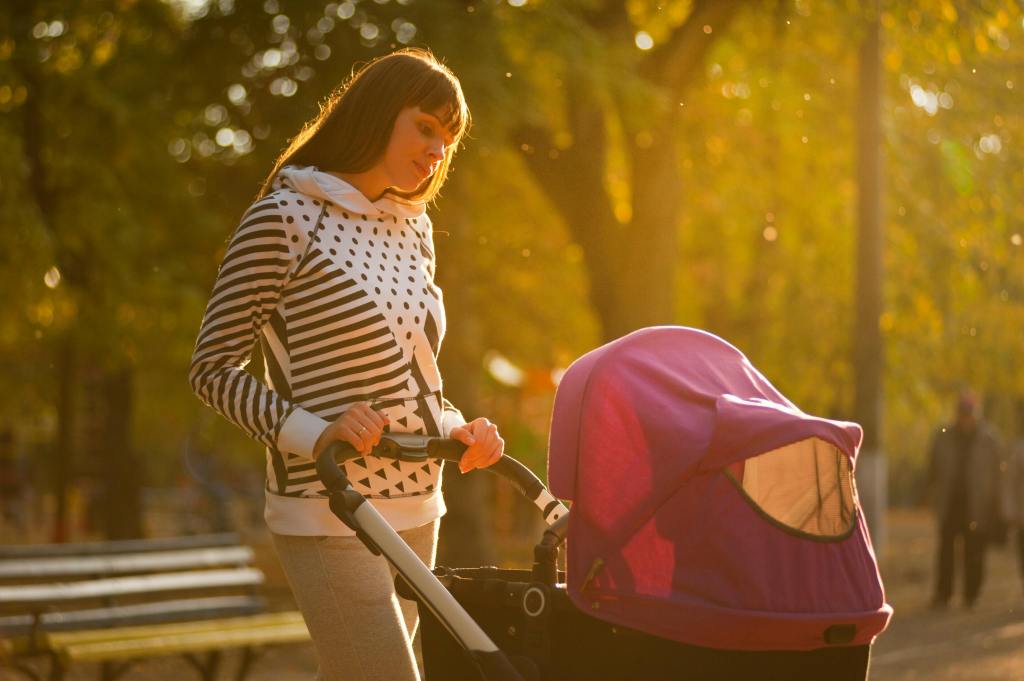
Your responses will directly shape the strategies that define how everyone experiences Meewasin’s landscapes—whether that’s a parent with a stroller, an elder using a walker, or a child who navigates the world differently.

👉 Take the Meewasin Accessibility Survey here.

A National Conversation on Inclusion

This conversation extends beyond Saskatoon. Earlier this year, the 2025 Canadian Inclusive Green Spaces Symposium, held right here in Saskatoon, gathered more than 150 leaders from across the country. The event sparked essential dialogue on how we can ensure everyone in Canada has access to safe, welcoming, and inclusive green spaces.

The Canadian Parks and Recreation Association (CPRA) is now compiling insights from that symposium—stories of success, collaboration, and the persistent work ahead. Their findings will be shared at the upcoming Forward Together Summit later this autumn, continuing the national conversation on how parks can advance wellbeing, sustainability, and community resilience.

Before then, you can join the next step of this dialogue at a CPRA webinar on November 20 at 1:00 p.m. EST (12:00 noon CST), where new research will be unveiled and participants will help shape the next chapter of inclusive park planning.
👉 Register for the Webinar

Accessibility as a Right, Not a Privilege

Here in Saskatoon, accessibility planning is being strengthened by the Accessible Saskatchewan Act, which calls on every municipality to develop its own accessibility plan. The City of Saskatoon recognizes that while much progress has been made to improve access and services, there is still room to grow.

Over the coming year, the City aims to develop an Accessibility Plan for #BarrierFreeYXE that truly reflects the lived experiences of all residents. The goal is to find, fix, and remove barriers so that everyone—especially people with accessibility needs—can participate fully in community life. This plan, required by December 3, 2025, will be a foundational step toward making Saskatoon a city where inclusion is not an afterthought but a guiding principle.

More information: Accessible Saskatchewan Act – Summary of Bill

The Path Ahead

As a disabled environmental advocate, we’ve often thought about how access to nature is a form of justice. When greenspaces are designed inclusively, they don’t just become more accessible—they become more human. They invite diversity, connection, and care. They remind us that nature isn’t exclusive terrain—it’s shared ground.

Imagine sitting in your car on a bright afternoon, the sound of birdsong drifting in from the trees just beyond reach. Your family steps out, their laughter carried by the wind as they head toward the path winding through the greenspace. But for you, that simple act—leaving the vehicle—is impossible. The trail isn’t accessible, and your wheelchair isn’t allowed. You watch as your children run ahead, their shoes splashing near the wetlands, their voices tumbling back toward you with stories of frogs, flowers, and freedom. They press their faces to the window, eager to tell you what they saw before darting off again with their dad or their auntie. You smile, because they are happy. But as you sit in the quiet that follows, tears come. You realize that even as a nature lover that this is one joy you’ll never fully share with them—one world from which you are quietly, systematically excluded. So you weep in silence. Accessibility isn’t just about ramps and pathways; it’s about belonging, and the heartbreak of being left behind in places meant for everyone. Your wheelchair isn’t allowed.

Meewasin’s call for input isn’t just about compliance; it’s about co-creation. It’s about reshaping what it means to belong in our natural spaces. And it’s about ensuring that every person—whether rolling, walking, or resting—can find themselves reflected in the landscape.

Accessibility isn’t a finish line. It’s a shared journey. And with every survey response, every conversation, every redesigned trail, we move one step closer to a future where everyone can come to nature, come to life.

Wheeling through a forest in a wheelchair with a friend

Addresses:

Part SE 23-36-6 – Richard St. Barbe Baker Afforestation Area – 241 Township Road 362-A

Part SE 23-36-6 – SW Off-Leash Recreation Area (Richard St. Barbe Baker Afforestation Area ) – 355 Township Road 362-A

S ½ 22-36-6 Richard St. Barbe Baker Afforestation Area (West of SW OLRA) – 467 Township Road 362-A

NE 21-36-6 “George Genereux” Afforestation Area – 133 Range Road 3063

Wikimapia Map: type in Richard St. Barbe Baker Afforestation Area or

Google Maps South West Off Leash area location pin at parking lot

Web page: https://stbarbebaker.wordpress.com

Where is the Richard St. Barbe Baker Afforestation Area? with map

Where is the George Genereux Urban Regional Park (Afforestation Area)?with map

Pinterest richardstbarbeb

Blogger: FriendsAfforestation

Tumblr friendsafforestation.tumblr.comFacebook Group Page: Users of the George Genereux Urban Regional Park

Facebook: StBarbeBaker Afforestation Area

Facebook for the non profit Charity Friends of the Saskatoon Afforestation Areas Inc. FriendsAreas

Facebook group page : Users of the St Barbe Baker Afforestation Area

Facebook: South West OLRA

Reddit: FriendsAfforestation

BlueSky Social

Mix: friendsareas

YouTube

Support via Zeffy

Please help protect / enhance your afforestation areas, please contact the Friends of the Saskatoon Afforestation Areas Inc. (e-mail / e-transfers )

Donate your old vehicle, here’s how!  

Support using Canada Helps

Support via a recycling bottle donation and Join the plastic-recycle challenge!

United Nations Decade on Ecosystem Restoration

““Be like a tree in pursuit of your cause. Stand firm, grip hard, thrust upward. Bend to the winds of heaven..”

Richard St. Barbe Baker

Embracing Inclusivity: Celebrating International Day of Sign Language

As September ushers in the vibrant hues of fall, it also brings a momentous occasion for global awareness and inclusion: International Day of Sign Language, observed annually on September 23. This year emphasize the value of integrating diverse knowledge systems, particularly in the context of environmental stewardship. In conjunction with International Day of Sign Language, National Forest Week (September 22-28) and Science Literacy Week (September 18-24) offers an opportunity to deepen our understanding of the natural world through inclusive and educational activities.

Understanding the Importance of Sign Language

International Day of Sign Language serves as a crucial reminder of the importance of inclusivity and accessibility for Deaf communities worldwide. Sign language is not merely a means of communication but a rich, expressive language with its own grammar, culture, and history. By celebrating this day, we acknowledge the contributions of Deaf individuals and advocate for a more inclusive society where everyone’s voice is heard and respected.

Celebrating with Purpose: Integrating Science and Sign Language

This year’s theme for National Forest Week, “Two-Eyed Seeing: Welcoming All Knowledge to Sustain Our Forests,” encourages us to value diverse perspectives and knowledge systems. This aligns beautifully with the goals of Science Literacy Week, which highlights the importance of scientific understanding and inquiry.

Here’s how you can celebrate International Day of Sign Language while engaging with National Forest Week and Science Literacy Week, incorporating activities from the Saskatchewan science curriculum for a well-rounded educational experience:

1. Sign Language Science Fair

Host a science fair that incorporates sign language into the presentation. Encourage students to research a scientific topic related to forest conservation, such as biodiversity, ecosystems, or climate change. Students can create posters or digital presentations that use sign language to explain their findings. This not only promotes scientific literacy but also fosters inclusivity by making information accessible to Deaf students and community members.

2. Nature Exploration with Sign Language

Organize a nature walk or field trip to explore local forests or natural areas. Prior to the excursion, teach students some basic sign language related to nature, such as “tree,” “leaf,” “bird,” and “water.” During the walk, use sign language to describe observations and encourage students to use these signs to communicate their discoveries. This activity aligns with the Saskatchewan science curriculum’s focus on environmental science and promotes interactive learning.

Did you know? International Sign Language (ISL), developed in the 1950s by the World Federation of the Deaf, facilitates global communication by breaking down linguistic barriers, fostering cross-cultural understanding, and creating opportunities for Deaf individuals to connect with others regardless of spoken languages or written translations.

3. Hands-On Science Activities

Incorporate hands-on science activities that align with the Saskatchewan science curriculum. For instance, students can create a model of a forest ecosystem using recycled materials, and present their models using sign language to describe different components, such as flora, fauna, and ecological interactions. This approach supports the curriculum’s emphasis on scientific inquiry and environmental stewardship while promoting inclusivity.

4. Interactive Workshops

Host workshops on September 22-28 that teach both sign language and scientific concepts. For younger students (Grades K-2), activities might include simple experiments like growing plants and learning the signs for various parts of the plant. For older students (Grades 3-8), workshops could delve deeper into topics like the role of forests in carbon sequestration or the impact of deforestation, using sign language to facilitate discussions and presentations.

5. Digital Sign Language Resources

Leverage digital resources to enhance learning and accessibility. Create or share videos that teach scientific concepts using sign language. For example, a video explaining the water cycle or forest ecosystems in sign language can be an effective educational tool. Ensure these resources are available to all students and encourage them to use sign language to discuss and share their learning.

6. Science Literacy Week Integration

During Science Literacy Week, integrate activities that promote both scientific understanding and sign language awareness. For instance, have students conduct experiments to explore concepts like plant growth or the water cycle, and incorporate sign language to explain their methods and results. This dual focus enhances both scientific literacy and inclusivity.

7. Community Engagement

Engage with local Deaf organizations or sign language interpreters to enrich your activities. Invite guest speakers to discuss the role of sign language in science communication and its importance in fostering an inclusive environment. Collaboration with the Deaf community can provide valuable insights and support for your educational efforts.

Conclusion

International Day of Sign Language, National Forest Week and Science Literacy Week provide a unique opportunity to celebrate diversity, inclusivity, and scientific understanding. By integrating sign language into your forest field trips, science activities, you not only honor the Deaf community but also enhance the educational experience for all students. Let’s embrace diverse knowledge systems and promote a more inclusive and accessible world.

Celebrate these important days with meaningful activities that bridge the gap between science and sign language, fostering a deeper appreciation for both our natural world and the rich tapestry of human communication.

For directions as to how to drive to “George Genereux” Urban Regional Park

For directions on how to drive to Richard St. Barbe Baker Afforestation Area

For more information:

Blairmore Sector Plan Report; planning for the Richard St. Barbe Baker Afforestation Area, George Genereux Urban Regional Park and West Swale and areas around them inside of Saskatoon city limits

NEW P4G District Official Community Plan

Richard St. Barbe Baker Afforestation Area is located in Saskatoon, Saskatchewan, Canada north of Cedar Villa Road, within city limits, in the furthest south west area of the city. 52° 06′ 106° 45′

Addresses:

Part SE 23-36-6 – Afforestation Area – 241 Township Road 362-A

Part SE 23-36-6 – SW Off-Leash Recreation Area (Richard St. Barbe Baker Afforestation Area ) – 355 Township Road 362-A

S ½ 22-36-6 Richard St. Barbe Baker Afforestation Area (West of SW OLRA) – 467 Township Road 362-A

NE 21-36-6 “George Genereux” Afforestation Area – 133 Range Road 3063

Wikimapia Map: type in Richard St. Barbe Baker Afforestation Area

Google Maps South West Off Leash area location pin at parking lot

Web page: https://stbarbebaker.wordpress.com

Where is the Richard St. Barbe Baker Afforestation Area? with map

Where is the George Genereux Urban Regional Park (Afforestation Area)?with map

Pinterest richardstbarbeb

Blogger: FriendsAfforestation

Tumblr friendsafforestation.tumblr.comFacebook Group Page: Users of the George Genereux Urban Regional Park

Facebook: StBarbeBaker Afforestation Area

Facebook for the non profit Charity Friends of the Saskatoon Afforestation Areas Inc. FriendsAreas

Facebook group page : Users of the St Barbe Baker Afforestation Area

Facebook: South West OLRA

Reddit: FriendsAfforestation

Twitter: St Barbe Baker Charity Twitter:FriendsAreas

Mix: friendsareas

YouTube

Please help protect / enhance your afforestation areas, please contact the Friends of the Saskatoon Afforestation Areas Inc. (e-mail / e-transfers )

Donate your old vehicle, here’s how!  

Support using Canada Helps

Support via a recycling bottle donation

United Nations Decade on Ecosystem Restoration

Richard St. Barbe Baker


For directions as to how to drive to “George Genereux” Urban Regional Park For directions on how to drive to Richard St. Barbe Baker Afforestation Area For more information: Blairmore
Sector Plan Report; planning for the Richard St. Barbe Baker
Afforestation Area, George Genereux Urban Regional Park and West Swale
and areas around them inside of Saskatoon city limits
NEW P4G District Official Community Plan Richard St. Barbe Baker Afforestation Area is located in Saskatoon,
Saskatchewan, Canada north of Cedar Villa Road, within city limits, in
the furthest south west area of the city. 52° 06′ 106° 45′ Addresses: Part SE 23-36-6 – Afforestation Area – 241 Township Road 362-A Part SE 23-36-6 – SW Off-Leash Recreation Area (Richard St. Barbe Baker Afforestation Area ) – 355 Township Road 362-A S ½ 22-36-6 Richard St. Barbe Baker Afforestation Area (West of SW OLRA) – 467 Township Road 362-A NE 21-36-6 “George Genereux” Afforestation Area – 133 Range Road 3063 Wikimapia Map: type in Richard St. Barbe Baker Afforestation Area Google Maps South West Off Leash area location pin at parking lot Web page: https://stbarbebaker.wordpress.com Where is the Richard St. Barbe Baker Afforestation Area? with map

Where is the George Genereux Urban Regional Park (Afforestation Area)?with map Pinterest richardstbarbeb Blogger: FriendsAfforestation Tumblr friendsafforestation.tumblr.comFacebook Group Page: Users of the George Genereux Urban Regional Park Facebook: StBarbeBaker Afforestation Area Facebook for the non profit Charity Friends of the Saskatoon Afforestation Areas Inc. FriendsAreas Facebook group page : Users of the St Barbe Baker Afforestation Area Facebook: South West OLRA Reddit: FriendsAfforestation Twitter: St Barbe Baker Charity Twitter:FriendsAreas Mix: friendsareas YouTube Please help protect / enhance your afforestation areas, please contact the Friends of the Saskatoon Afforestation Areas Inc. (e-mail / e-transfers ) Donate your old vehicle, here’s how!   Support using Canada Helps Support via a recycling bottle donation United Nations Decade on Ecosystem Restoration


““Be like a tree in pursuit of your cause. Stand firm, grip hard, thrust upward. Bend to the winds of heaven..”


Richard St. Barbe Baker


““Be like a tree in pursuit of your cause. Stand firm, grip hard, thrust upward. Bend to the winds of heaven..”

Saskatoon ParticipACTION Community Challenge

The City of Saskatoon joins the ParticipACTION Community Challenge https://www.saskatoon.ca/news-releases/city-saskatoon-joins-participaction-community-challenge Help Saskatoon be crowned Canada’s Most Active Community and win $100,000 to support local sport and physical activity initiatives!

Together We Move! Have you registered?

Afforestation ParticipACTION Community Challenge events

Register your organisation today!

Register as an individual!

Help Saskatoon be crowned Canada’s Most Active Community and win $100,000 to support local sport and physical activity initiatives!

For directions as to how to drive to “George Genereux” Urban Regional Park

For directions on how to drive to Richard St. Barbe Baker Afforestation Area

For more information:

Blairmore Sector Plan Report; planning for the Richard St. Barbe Baker Afforestation Area, George Genereux Urban Regional Park and West Swale and areas around them inside of Saskatoon city limits

NEW P4G District Official Community Plan

Richard St. Barbe Baker Afforestation Area is located in Saskatoon, Saskatchewan, Canada north of Cedar Villa Road, within city limits, in the furthest south west area of the city. 52° 06′ 106° 45′

Addresses:

Part SE 23-36-6 – Afforestation Area – 241 Township Road 362-A

Part SE 23-36-6 – SW Off-Leash Recreation Area (Richard St. Barbe Baker Afforestation Area ) – 355 Township Road 362-A

S ½ 22-36-6 Richard St. Barbe Baker Afforestation Area (West of SW OLRA) – 467 Township Road 362-A

NE 21-36-6 “George Genereux” Afforestation Area – 133 Range Road 3063

Wikimapia Map: type in Richard St. Barbe Baker Afforestation Area

Google Maps South West Off Leash area location pin at parking lot

Web page: https://stbarbebaker.wordpress.com

Where is the Richard St. Barbe Baker Afforestation Area? with map

Where is the George Genereux Urban Regional Park (Afforestation Area)?with map

Pinterest richardstbarbeb

Blogger: FriendsAfforestation

Tumblr friendsafforestation.tumblr.comFacebook Group Page: Users of the George Genereux Urban Regional Park

Facebook: StBarbeBaker Afforestation Area

Facebook for the non profit Charity Friends of the Saskatoon Afforestation Areas Inc. FriendsAreas

Facebook group page : Users of the St Barbe Baker Afforestation Area

Facebook: South West OLRA

Reddit: FriendsAfforestation

Twitter: St Barbe Baker Charity Twitter:FriendsAreas

Mix: friendsareas

YouTube

Please help protect / enhance your afforestation areas, please contact the Friends of the Saskatoon Afforestation Areas Inc. (e-mail / e-transfers )

Donate your old vehicle, here’s how!  

Support using Canada Helps

Support via a recycling bottle donation

United Nations Decade on Ecosystem Restoration

““Be like a tree in pursuit of your cause. Stand firm, grip hard, thrust upward. Bend to the winds of heaven..”

Richard St. Barbe Baker

Beyond Boundaries: Creating Inclusive Outdoor Spaces

As advocates for equitable access to nature and outdoor spaces, we are excited to share information about the upcoming third annual Canadian Congress on Disability Inclusion (CCDI), which will take place on May 23, 2024. 10:30 am ET to 5:20 ET (8:30 am CST to 3:20 pm CST Saskatoon) This event presents a unique opportunity to discuss accessibility and inclusion for all individuals, including those with disabilities. Please register here: https://www.canada.ca/en/employment-social-development/campaigns/canadian-congress-disability-inclusion.html.

At Friends of the Saskatoon Afforestation Areas, we believe that everyone in Saskatoon should have access to quality health and wellness opportunities in outdoor settings that help them grow and thrive—physically, emotionally, and socially. We are proud of everyone who promotes and delivers health, wellness, and physical activity opportunities throughout Saskatoon to equity-deserving groups, including Black, Indigenous, racialized, 2SLGBTQQIA+, persons with varying abilities, low-income populations, and newcomers to Canada.

It’s crucial to recognize that accessibility to nature and outdoor environments is not just a luxury but a fundamental human right. Unfortunately, many individuals, such as those with varying abilities, face barriers to accessing green spaces and enjoying the benefits of nature. For example, someone who became a paraplegic due to polio for the last 71 years should not be deprived of the opportunity to experience the beauty of forests and other natural landscapes and be confined to a life amid only greyscapes. Everyone deserves access to grasslands, wetlands, and forests, regardless of their abilities or backgrounds.

The CCDI provides a platform to address these important issues and work towards creating more inclusive and accessible communities and workplaces across Canada. This virtual event is free and open to the public, offering panel discussions, insights from thought leaders, and opportunities for collaboration.

We encourage you to join us at the CCDI on May 23, 2024, via Zoom or dial-in option. Registration is now open on CCDI’s website, where you can also find more information about the event and its objectives.

Together, let’s strive to build a more inclusive and accessible society where everyone can fully participate and enjoy the benefits of nature.

Photo of Richard St. Barbe Baker
Courtesy: University of Saskatchewan,
University Archives & Special Collections,
Richard St. Barbe Baker fonds, MG 71

For directions as to how to drive to “George Genereux” Urban Regional Park

For directions on how to drive to Richard St. Barbe Baker Afforestation Area

For more information:

Blairmore Sector Plan Report; planning for the Richard St. Barbe Baker Afforestation Area, George Genereux Urban Regional Park and West Swale and areas around them inside of Saskatoon city limits

NEW P4G District Official Community Plan

Richard St. Barbe Baker Afforestation Area is located in Saskatoon, Saskatchewan, Canada north of Cedar Villa Road, within city limits, in the furthest south west area of the city. 52° 06′ 106° 45′

Addresses:

Part SE 23-36-6 – Afforestation Area – 241 Township Road 362-A

Part SE 23-36-6 – SW Off-Leash Recreation Area (Richard St. Barbe Baker Afforestation Area ) – 355 Township Road 362-A

S ½ 22-36-6 Richard St. Barbe Baker Afforestation Area (West of SW OLRA) – 467 Township Road 362-A

NE 21-36-6 “George Genereux” Afforestation Area – 133 Range Road 3063

Wikimapia Map: type in Richard St. Barbe Baker Afforestation Area

Google Maps South West Off Leash area location pin at parking lot

Web page: https://stbarbebaker.wordpress.com

Where is the Richard St. Barbe Baker Afforestation Area? with map

Where is the George Genereux Urban Regional Park (Afforestation Area)?with map

Pinterest richardstbarbeb

Blogger: FriendsAfforestation

Tumblr friendsafforestation.tumblr.comFacebook Group Page: Users of the George Genereux Urban Regional Park

Facebook: StBarbeBaker Afforestation Area

Facebook for the non profit Charity Friends of the Saskatoon Afforestation Areas Inc. FriendsAreas

Facebook group page : Users of the St Barbe Baker Afforestation Area

Facebook: South West OLRA

Reddit: FriendsAfforestation

Twitter: St Barbe Baker Charity Twitter:FriendsAreas

Mix: friendsareas

YouTube

Please help protect / enhance your afforestation areas, please contact the Friends of the Saskatoon Afforestation Areas Inc. (e-mail / e-transfers )

Donate your old vehicle, here’s how!  

Support using Canada Helps

Support via a recycling bottle donation

United Nations Decade on Ecosystem Restoration

““Be like a tree in pursuit of your cause. Stand firm, grip hard, thrust upward. Bend to the winds of heaven..”

Richard St. Barbe Baker

Rethinking Tourism: Nature, Diversity, and Inclusivity at the Heart of World Tourism Day

World Tourism Day
27 Septemb
er

Introduction: As we celebrate World Tourism Day on September 27th, we find ourselves at a crossroads, pondering the future of tourism and the path we wish to embark upon. The theme for this year, “Rethinking Tourism,” urges us to place people at the center of our discussions. Where is tourism heading? Where do we want it to go? And how can we navigate this journey mindfully and sustainably?

Embracing Nature for Sustainable Tourism: In our quest to rethink tourism, we must embrace the One City concept, inclusivity, and diversity. Naturalized green spaces, such as the Richard St. Barbe Baker Afforestation Area and the George Genereux Urban Regional Park, provide ideal settings to connect with nature and foster a sense of inclusivity and diversity. Let us explore how being in nature, combined with environmental programming, can advance the World Tourism Day theme and propel us toward a more sustainable tourism model.

Activities and Action Plans for World Tourism Day: To engage the general public and promote the World Tourism Day theme of “Rethinking Tourism,” here are five activities that exemplify the principles of nature, diversity, and inclusivity, specifically at the Richard St. Barbe Baker Afforestation Area and the George Genereux Urban Regional Park:

  1. Guided Eco-Tours: Offer guided eco-tours led by knowledgeable local guides who can highlight the ecological significance, cultural heritage, and unique geological origins of these green spaces. These tours provide an opportunity for visitors to connect with nature, learn about the region’s history, and gain a deeper appreciation for the importance of conservation.
  2. Environmental Education Workshops: Organize interactive workshops focused on environmental sustainability, conservation practices, and the impacts of human activities on the natural world. These workshops empower participants to become environmentally conscious travelers, encouraging them to make informed decisions and reduce their ecological footprint.
  3. Community Engagement Programs: Develop community engagement initiatives that foster collaboration between visitors, local residents, and indigenous communities. By facilitating cultural exchanges, dialogue, and mutual understanding, we can create a sense of unity and respect for diverse cultures, fostering an enriching and immersive tourism experience.
  4. Accessibility and Inclusivity Initiatives: Ensure that these naturalized green spaces are accessible to all individuals, regardless of their physical abilities or backgrounds. Implement wheelchair-accessible paths, interpretive signage with diverse languages, and inclusive facilities to create an environment where everyone feels welcome and can actively participate in the activities offered.
  5. Storytelling and Interpretation: Promote the cultural heritage and legacy of individuals like Richard St. Barbe Baker, Dr. George Genereux, B.T. Chappell, and Police Sargeant Bruce Gordon, who have left indelible marks on the communities surrounding these green spaces. Share their stories and achievements to inspire visitors and highlight the importance of inclusivity, accessibility, and environmental stewardship.

The Significance of Man-Made Forests and Cultural Heritage: The Richard St. Barbe Baker Afforestation Area and the George Genereux Urban Regional Park span 192 hectares (474 acres) of man-made forests on the prairies, enriched by their unique geological origins in the Pleistocene era Glacial Spillway. These green spaces, which include the West Swale wetlands, contribute significantly to the World Tourism Day theme of “Rethinking Tourism.”

Within these natural havens, we find the heritage trail known as the Old Bone Trail, a testament to the region’s cultural history. The legacies of Richard St. Barbe Baker, Dr. George Genereux, B.T. Chappell, and Police Sargeant Bruce Gordon inspire us to embrace inclusivity, accessibility, and environmental conservation, while fostering a deeper connection with the land.

Advocating for Inclusivity and Equality: To truly embrace the World Tourism Day theme of “Rethinking Tourism,” we must strive for inclusivity and equality. By breaking down systemic barriers and providing interpretation services, multilingual resources, and tailored programming, we can ensure that all individuals, including persons with disabilities, Indigenous peoples, racialized groups, LGBTQI2S+ communities, low-income households, youth, seniors, and others, can enjoy and engage with these naturalized green spaces.

Conclusion: On this World Tourism Day, let us reimagine tourism as a force for positive change. By placing nature, diversity, and inclusivity at the forefront, we can create tourism experiences that promote sustainability, cultural understanding, and environmental stewardship. The Richard St. Barbe Baker Afforestation Area and the George Genereux Urban Regional Park stand as beacons of hope and inspiration, inviting us to embark on a journey of rediscovery, connection, and shared responsibility. Together, let us pave the way for a new era of tourism that nurtures both the human spirit and the natural world.

To express your interest in any of the above information or inquire further as supporter, volunteer or board member for the Friends of the Saskatoon Afforestation Areas Inc., please reach out to us at email: friendsafforestation@gmail.com. We meet virtually once a month, and host in person events at George Genereux Urban Regional park and Richard St. Barbe Baker Afforestation Area.

For directions as to how to drive to “George Genereux” Urban Regional Park
For directions on how to drive to Richard St. Barbe Baker Afforestation Area
For more information:
Blairmore Sector Plan Report; planning for the Richard St. Barbe Baker Afforestation Area, George Genereux Urban Regional Park and West Swale and areas around them inside of Saskatoon city limits
NEW P4G District Official Community Plan
Richard St. Barbe Baker Afforestation Area is located in Saskatoon, Saskatchewan, Canada north of Cedar Villa Road, within city limits, in the furthest south west area of the city. 52° 06′ 106° 45′
Addresses:
Part SE 23-36-6 – Afforestation Area – 241 Township Road 362-A
Part SE 23-36-6 – SW Off-Leash Recreation Area (Richard St. Barbe Baker Afforestation Area ) – 355 Township Road 362-A
S ½ 22-36-6 Richard St. Barbe Baker Afforestation Area (West of SW OLRA) – 467 Township Road 362-A
NE 21-36-6 “George Genereux” Afforestation Area – 133 Range Road 3063
Wikimapia Map: type in Richard St. Barbe Baker Afforestation Area
Google Maps South West Off Leash area location pin at parking lot
Web page: https://stbarbebaker.wordpress.com
Where is the Richard St. Barbe Baker Afforestation Area? with map
Where is the George Genereux Urban Regional Park (Afforestation Area)?with map
Pinterest richardstbarbeb
Blogger: FriendsAfforestation
Tumblr friendsafforestation.tumblr.comFacebook Group Page: Users of the George Genereux Urban Regional Park
Facebook: StBarbeBaker Afforestation Area
Facebook for the non profit Charity Friends of the Saskatoon Afforestation Areas Inc. FriendsAreas
Facebook group page : Users of the St Barbe Baker Afforestation Area
Facebook: South West OLRA
Reddit: FriendsAfforestation
Twitter: St Barbe Baker Charity Twitter:FriendsAreas
Mix: friendsareas
YouTube
Please help protect / enhance your afforestation areas, please contact the Friends of the Saskatoon Afforestation Areas Inc. (e-mail / e-transfers )Support the afforestation areas with your donation or membership ($20.00/year). Please donate by paypal or by using e-transfers Please and thank you! Your donation and membership is greatly appreciated. Members e-mail your contact information to be kept up to date!
Donations can be made through Paypal, Canada Helps, Contact Donate A Car Canada, SARCAN Drop & Go 106100594 for the Friends of the Saskatoon Afforestation Areas Inc.
United Nations Decade on Ecosystem Restoration
Use the UN Decade’s Visual Identity
Make it your own
Spread the word about the UN Decade
Let’s Bring Back Forests
Let’s Green Our Cities
“Be like a tree in pursuit of your cause. Stand firm, grip hard, thrust upward. Bend to the winds of heaven..”
Richard St. Barbe Baker

Celebrating International Day of Charity: Nurturing People, Planet, and Partnership

International Day of Charity
5 September

Introduction: On this International Day of Charity, we come together to recognize the power of compassion and solidarity in building inclusive and resilient societies. Charity, alongside volunteerism and philanthropy, creates social bonds and fosters a sense of shared responsibility. It not only addresses the most pressing challenges faced by humanity but also promotes the values of equality and respect. Today, we celebrate the transformative impact of charity in the six critical areas of people, planet, prosperity, peace, partnership, and protection of cultural and natural heritage. Join us as we explore how charity can make a difference in creating a sustainable and equitable world.

Nurturing People: Charity plays a crucial role in promoting the well-being of individuals and communities. From health care to education, it supplements public services and supports those in need who become more resilient with connections with nature. By advocating for inclusivity and breaking down systemic barriers, charity ensures that everyone has equal access to opportunities. Equity-deserving groups, including persons with disabilities, Indigenous peoples, and low-income households, among others, can enjoy the benefits of naturalized green spaces. Forests, nature, wetlands, and trees not only provide physical and mental health benefits but also foster a sense of belonging and connection to the environment.

Taking Action for the Planet: Charity embraces the United Nations Sustainable Development Goals (SDGs) to safeguard our planet. Through initiatives like the Green Skills for Youth: Towards a Sustainable World program, we empower young individuals to take environmental action. With a focus on life on land, life underwater, climate action, sustainable cities, and health and wellness, we inspire the next generation to become environmental stewards. Additionally, we advocate for the protection of habitats and species at risk, such as the endangered Red-Berried Elder and the imperiled Green Ash and American Elm. By nurturing our natural ecosystems, we ensure a sustainable future for all.

Fostering Partnership: Charity thrives on partnerships and collaboration. By working together, we can create meaningful change and address complex challenges. The Friends of the Saskatoon Afforestation Areas, a non-profit charity, exemplifies the power of partnership in preserving cultural and natural heritage. Inspired by visionaries like Richard St. Barbe Baker, B.T. Chappell, Bruce Gordon, and George Genereux, their initiatives, such as the Green Survival Program and the man-made forest on the prairies afforestation campaign, have left an indelible mark on Saskatoon’s landscape. Through these partnerships, we can protect our shared natural resources and ensure their accessibility for generations to come.

Promoting Peace and Resilience: Charity not only mitigates the effects of humanitarian crises but also promotes peace and resilience. By advocating for the rights of marginalized and underprivileged communities, charity becomes a powerful tool in conflict situations. It fosters dialogue, understanding, and empathy, leading to more peaceful coexistence. By addressing the needs of vulnerable groups, including refugees, newcomers, and victims of violence, we create inclusive societies where everyone can thrive.

Conclusion: As we celebrate International Day of Charity, let us remember the significance of compassion and generosity. Through charity, we can build inclusive and resilient societies that protect our planet and nurture our people. By focusing on the six critical areas of people, planet, prosperity, peace, partnership, and protection of cultural and natural heritage, we can create a more sustainable and equitable world. Let us embrace charity as a driving force for positive change and work together towards a brighter future for all.

To express your interest or inquire further as supporter, volunteer or board member, please reach out to us at email: friendsafforestation@gmail.com. We meet virtually once a month, and host in person events at George Genereux Urban Regional park and Richard St. Barbe Baker Afforestation Area.

For directions as to how to drive to “George Genereux” Urban Regional Park
For directions on how to drive to Richard St. Barbe Baker Afforestation Area
For more information:
Blairmore Sector Plan Report; planning for the Richard St. Barbe Baker Afforestation Area, George Genereux Urban Regional Park and West Swale and areas around them inside of Saskatoon city limits
NEW P4G District Official Community Plan
Richard St. Barbe Baker Afforestation Area is located in Saskatoon, Saskatchewan, Canada north of Cedar Villa Road, within city limits, in the furthest south west area of the city. 52° 06′ 106° 45′
Addresses:
Part SE 23-36-6 – Afforestation Area – 241 Township Road 362-A
Part SE 23-36-6 – SW Off-Leash Recreation Area (Richard St. Barbe Baker Afforestation Area ) – 355 Township Road 362-A
S ½ 22-36-6 Richard St. Barbe Baker Afforestation Area (West of SW OLRA) – 467 Township Road 362-A
NE 21-36-6 “George Genereux” Afforestation Area – 133 Range Road 3063
Wikimapia Map: type in Richard St. Barbe Baker Afforestation Area
Google Maps South West Off Leash area location pin at parking lot
Web page: https://stbarbebaker.wordpress.com
Where is the Richard St. Barbe Baker Afforestation Area? with map
Where is the George Genereux Urban Regional Park (Afforestation Area)?with map
Pinterest richardstbarbeb
Blogger: FriendsAfforestation
Tumblr friendsafforestation.tumblr.comFacebook Group Page: Users of the George Genereux Urban Regional Park
Facebook: StBarbeBaker Afforestation Area
Facebook for the non profit Charity Friends of the Saskatoon Afforestation Areas Inc. FriendsAreas
Facebook group page : Users of the St Barbe Baker Afforestation Area
Facebook: South West OLRA
Reddit: FriendsAfforestation
Twitter: St Barbe Baker Charity Twitter:FriendsAreas
Mix: friendsareas
YouTube
Please help protect / enhance your afforestation areas, please contact the Friends of the Saskatoon Afforestation Areas Inc. (e-mail / e-transfers )Support the afforestation areas with your donation or membership ($20.00/year). Please donate by paypal or by using e-transfers Please and thank you! Your donation and membership is greatly appreciated. Members e-mail your contact information to be kept up to date!
Donations can be made through Paypal, Canada Helps, Contact Donate A Car Canada, SARCAN Drop & Go 106100594 for the Friends of the Saskatoon Afforestation Areas Inc.
United Nations Decade on Ecosystem Restoration
Use the UN Decade’s Visual Identity
Make it your own
Spread the word about the UN Decade
Let’s Bring Back Forests
Let’s Green Our Cities
“Be like a tree in pursuit of your cause. Stand firm, grip hard, thrust upward. Bend to the winds of heaven..”
Richard St. Barbe Baker

Design a site like this with WordPress.com
Get started