

Saskatoon’s Wild Stats: How Earth Month and Citizen Science Are Turning Clicks into Conservation

It starts with a snap.
A beetle on a bike path. A flowering weed near a schoolyard. A mystery bird flitting through a suburban backyard. These fleeting encounters, photographed by citizens armed with smartphones, are revolutionizing science from the soil up—and Saskatoon is leading the charge.
Let’s talk numbers. Because Earth Month in Saskatoon isn’t just a feel-good calendar square anymore. It’s become a data goldmine, a real-time pulse check on biodiversity thanks to one powerful tool: iNaturalist.
In 2021, only five Saskatonians took part in the “Where’s Waldo” Nature Connect challenge. Just five. But they submitted 464 observations, which sparked 109 identifications and confirmed 144 species. Not bad for a pandemic year. Fast forward to April 2023, and participation exploded. The City Nature Challenge saw 1,154 observations of 309 species by 148 observers—almost a 30-fold increase in human engagement.
It’s not just quantity. It’s the quality of the science.
These community sightings feed directly into global biodiversity databases. The AI-powered computer vision on iNaturalist suggests identifications, but it’s the humans—like the 142 identifiers in 2025’s Earth Month survey—who validate and enrich the data. This combo of artificial intelligence and community intelligence creates a living map of life on the prairies.
And let’s not forget the 2023 June BioDiverCity Challenge. A jaw-dropping 2,130 observations. Seven. Hundred. Twenty-eight. Species. From fungi to foxes, lichens to ladybugs. That’s not just a list—it’s an ecological manifesto.
Then there’s the detective work: in 2025, Saskatoon citizen scientists weren’t just celebrating biodiversity—they were reporting the bad guys. Observations of noxious invasive species were shared with iMap Invasives SK, while sightings of species at risk were flagged to the Saskatchewan Conservation Data Centre. It’s like CSI: Nature.
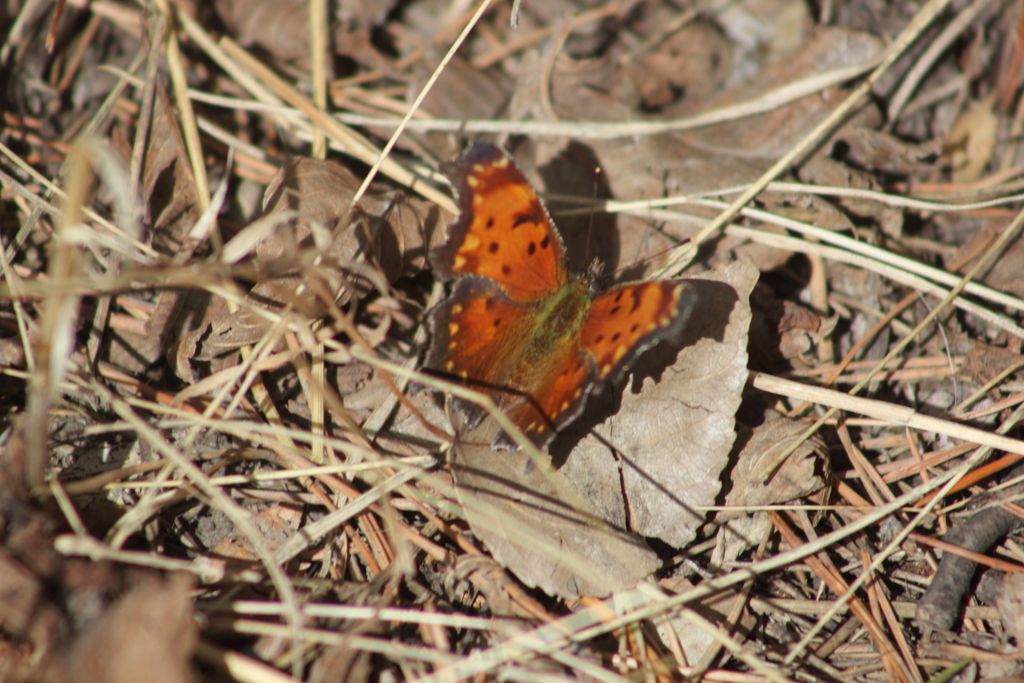
Even the species ranges are shifting. In 2025, local observers documented species scientists hadn’t seen in Saskatoon before—possible climate-related expansions that opened up conversations with researchers around the world. Talk about breaking news from a butterfly wing.
And here’s the kicker. While Saskatoon’s 2025 Earth Month stats clocked in at 881 observations and 301 species, it was powered by only 72 observers. That’s fewer people than a packed city bus—but look what they accomplished.
So next Earth Month, if someone tells you a single photo can’t make a difference, show them the numbers. Show them what happens when you empower regular people with a smartphone, a curious mind, and a few spare minutes.
Turns out, a snap really can change the world.


Biodiversity Blitz: Saskatoon’s Wild Side Gets a Standing Ovation
We came. We saw. We bio-blitzed.
The City Nature Challenge 2025 rolled through Saskatoon like a prairie storm—fast-moving, eye-opening, and, if you listened closely, filled with the sounds of citizen scientists shouting “I think that’s a tiger beetle!” while fumbling for their phones.
And now, as the data trickles in and the final identifications are confirmed, it’s time to put away the binoculars, un-mud the boots, and say two very important words:
Thank you.
Because this wasn’t just a weekend event. It was a symphony of collaboration—a grassroots crescendo of curiosity, care, and community. And if we’re applauding nature, we’d better be applauding the people who helped us find it.
Let’s start with the spark: Friends of the Saskatoon Afforestation Areas, the nonprofit environmental charity that took the wheel and drove CNC YXE 2025 straight into the hearts and minds of this city. These folks didn’t just sign up. They initiated the challenge. They were the ones in the trenches weeks—months—before the first warbler was spotted, crafting social media campaigns, issuing rallying cries, and putting pamphlets into the hands of teachers, trail-goers, and weekend wanderers.
Their mission? To turn every citizen into a scientist. And guess what? It worked.
They wrote educational articles. They distributed nature guides. They printed field sheets that turned families into field teams and schoolkids into species sleuths. Through workshops and social posts, press releases and posters, they did the thing that seems impossible in today’s digital chaos: they got people to look up from their screens and into the woods.
But they didn’t do it alone.
Enter the mighty partners of CNC YXE 2025. The Saskatoon Nature Society, with their deep field knowledge and uncanny ability to ID warblers from a single tweet. SaskPower, SaskTel, and SaskEnergy—thank you for plugging in to something bigger than the grid. Your support didn’t just keep the lights on; it lit up the entire nature-loving network.
Wild About Saskatoon brought the soul. You reminded us that “wild” is not something scary to be tamed—it’s something magical to be welcomed.
And the Saskatoon Public School Board—heroes of the future. You handed the next generation a magnifying glass and said, “Go explore.” That’s how naturalists are born. That’s how lifelong wonder begins.
And now let’s talk about the volunteers.
These are the people who kneel in the grass, who flip over leaves, who whisper to birds and squeal at spiders. The ones who stayed up late uploading observations, who battled bugs while logging beetles, who probably now dream in Latin species names. You are the reason this challenge was a success. You are the backbone of discovery.
And let’s not forget the identifiers—those generous, sharp-eyed naturalists around the world who turned our blurry caterpillar pics into solid science. Your keen insights and willingness to share your knowledge took this from “Hmm, what’s that?” to “Wow, it’s an Anopheles quadrimaculatus! And it’s a range expansion—we should flag it!”
That’s the magic. This wasn’t just about pretty flowers and charismatic critters. It was also about early detection. It was about spotting invasive species before they become ecological bullies. It was about mapping biodiversity—warts and all—and using that knowledge to protect what we love.
In total, hundreds of species were logged. Thousands of observations made. And perhaps most importantly, countless people fell in love with the natural world all over again.
Because when you stop to observe a beetle, you start to see the system. You start to see that even the smallest life has a role, a function, a place in the web. And that awareness? That’s the first step to stewardship.
So let’s raise a metaphorical glass (of native prairie tea, perhaps?) to everyone who showed up. To those who organized, to those who observed, and to those who identified. You made CNC YXE 2025 not just a scientific event—but a citywide celebration of curiosity.
And as for next year?
Let’s do it again. Bigger. Wilder. Even more connected. Because this isn’t just about logging species. It’s about remembering that we are part of something alive, something intricate, something beautiful—and that the story of Saskatoon’s wild side is still being written, one photo, one observation, one “Wow!” at a time.
Addresses:
Part SE 23-36-6 – Richard St. Barbe Baker Afforestation Area – 241 Township Road 362-A
Part SE 23-36-6 – SW Off-Leash Recreation Area (Richard St. Barbe Baker Afforestation Area ) – 355 Township Road 362-A
S ½ 22-36-6 Richard St. Barbe Baker Afforestation Area (West of SW OLRA) – 467 Township Road 362-A
NE 21-36-6 “George Genereux” Afforestation Area – 133 Range Road 3063
Wikimapia Map: type in Richard St. Barbe Baker Afforestation Area
Google Maps South West Off Leash area location pin at parking lot
Web page: https://stbarbebaker.wordpress.com
Where is the Richard St. Barbe Baker Afforestation Area? with map
Where is the George Genereux Urban Regional Park (Afforestation Area)?with map
Blogger: FriendsAfforestation
Tumblr friendsafforestation.tumblr.comFacebook Group Page: Users of the George Genereux Urban Regional Park
Facebook: StBarbeBaker Afforestation Area
Facebook for the non profit Charity Friends of the Saskatoon Afforestation Areas Inc. FriendsAreas
Facebook group page : Users of the St Barbe Baker Afforestation Area
Support via Zeffy
Please help protect / enhance your afforestation areas, please contact the Friends of the Saskatoon Afforestation Areas Inc. (e-mail / e-transfers )
Donate your old vehicle, here’s how!
Support using Canada Helps
Support via a recycling bottle donation and Join the plastic-recycle challenge!
United Nations Decade on Ecosystem Restoration
- Use the UN Decade’s Visual Identity
- Make it your own
- Spread the word about the UN Decade
- Let’s Bring Back Forests
- Let’s Green Our Cities
““Be like a tree in pursuit of your cause. Stand firm, grip hard, thrust upward. Bend to the winds of heaven..”
Richard St. Barbe Baker




 Forests of Memory. Forests of Learning. Forests for Life.