Richard St. Barbe Baker Afforestation Area. George Genereux Urban Regional Park. Humboldt Broncos Memorial Forest. Come to Nature. Come to Life. Friends of the Saskatoon Afforestationk Areas Inc. friendsareas.ca
American Crow Chappell Marsh. West Swale Wetlands. Richard St. Barbe Baker Afforestation Area. Saskatoon, SK, CA iNaturalist Observation with smart phone connecting with nature, supporting vital conservation research worldwide.SmartPhone nature Photo using the free iNaturalist app
Did you know that here in Saskatoon, on the very first day of the City Nature Challenge, in these early spring months with amazing temperatures, we already had 188 observations of organisms, spotted 94 different species, with the help of 30 identifiers and 21 keen observers? What an incredible start — and it’s all thanks to everyday heroes like you who are stepping outside and tuning into the world around them. What a great time to be outside connecting to nature!
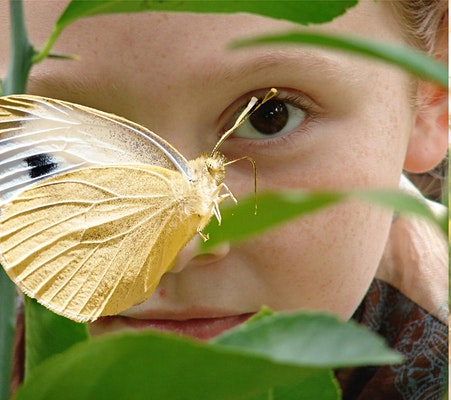
Now it’s your turn to join the adventure! 🌎✨ Download the free iNaturalist app and be part of this exciting global event. Every photo and sound you record — whether it’s the cheerful call of a Robin, the sweet song of a Meadowlark, a busy ant on the move, a fluttering butterfly, a playful squirrel, or the delicate shimmer of a spider web — helps scientists, conservationists, and our whole community understand and protect the biodiversity we treasure.
Be the voice for nature today, Sunday, and Monday (April 28)! Together, we can celebrate Saskatoon’s wild side and show the world just how vibrant our corner of the Earth truly is. 🌿📸🎶
We would like to extend our heartfelt thanks to our incredible supporters: SaskPower, SaskTel, SaskEnergy, the Saskatoon Nature Society, and Wild About Saskatoon. Your generosity and commitment to environmental stewardship make events like the City Nature Challenge possible. Together, we are fostering a stronger connection between people and the natural world, inspiring a new generation of nature lovers and citizen scientists. Thank you for helping us celebrate and protect the beauty that surrounds us!
Richard St. Barbe Baker Afforestation Area is located in Saskatoon, Saskatchewan, Canada north of Cedar Villa Road, within city limits, in the furthest south west area of the city. 52° 06′ 106° 45′
Addresses:
Part SE 23-36-6 – Richard St. Barbe Baker Afforestation Area – 241 Township Road 362-A
Part SE 23-36-6 – SW Off-Leash Recreation Area (Richard St. Barbe Baker Afforestation Area ) – 355 Township Road 362-A
S ½ 22-36-6 Richard St. Barbe Baker Afforestation Area (West of SW OLRA) – 467 Township Road 362-A
NE 21-36-6 “George Genereux” Afforestation Area – 133 Range Road 3063
Wikimapia Map: type in Richard St. Barbe Baker Afforestation Area
Google Maps South West Off Leash area location pin at parking lot
Imagine stepping into the lush expanse of the Richard St. Barbe Baker Afforestation Area or George Genereux Urban Regional Park, where a symphony of sounds greets you. Each sound tells a story, weaving together the intricate tapestry of life in this vibrant ecosystem.
Black Capped Chickadee. Richard St. Barbe Baker Afforestation Area. SAskatoon, Sk, CA
As you stroll along the winding paths, your ears first catch the distant rumble of the Canadian National Railway yards. Trains, with their rhythmic clattering and deep, resonant horns, serve as a constant reminder of the importance of railways in our community. These iron veins stretch across the country, facilitating economic growth and prosperity, connecting cities and enabling the flow of goods that enrich our lives. The trains’ steady presence, though distant, highlights the balance between human progress and natural serenity.
Downy Wwoodpecker Ddryobates pubescens
Closer to you, the natural chorus begins. A smart phone app named “Merlin” by Cornell Lab can be your guide in this sonic exploration. It allows forest visitors to identify the myriad bird calls that fill the air. The Black-capped Chickadee, with its distinctive “chick-a-dee-dee-dee” call, flits through the trees, while ducks and geese add their own melodic contributions to the forest’s soundscape. If you’re fortunate, you might even hear the rhythmic tapping of one of the four types of woodpeckers that call this forest home. Their drumming is a testament to their busy lives as tree doctors in their search for insects under the bark of trees. Did you know the red cap usually designates a “male woodpecker?” Discover the birds of the afforestation areas or with this pamphlet checklist.
“Nameless Scaria” Observer Roberto Sindaco Curator. Family Tetrigidae Pygmy Grasshopper. Citizen Science discovery and naming in Journal of Orthoptera Research
The forest itself speaks through the rustling leaves of trembling aspen trees. As the wind dances through their delicate leaves, a soothing rustle fills the air, adding a whispering undertone to the more assertive sounds around you. This gentle sound is a reminder of the ever-present, calming influence of nature.
American Red Squirrel (Tamiasciurus hudsonicus),American Red Squirrel Baby Courtesy Dan Leveille
Don’t overlook the American Red Squirrel, whose chatter provides a burst of energy to the forest soundscape. These squirrels are busy preparing for the winter, storing food in their “refrigerators” or middens at the base of spruce trees. Their animated noises, punctuated by sharp, high-pitched calls, reflect their industrious efforts and add a touch of lively chaos to the serene environment.
The sounds of the forest are a delightful mosaic of natural and artificial sources. From the trains’ distant growls to the intimate whispers of leaves and the lively chatter of squirrels, each sound contributes to a greater understanding of the physical properties of sound, such as pitch and loudness. The balance of these sounds reveals how different frequencies and volumes impact our perception of the environment.By exploring these sounds, we gain insights into how humans and animals detect and interpret auditory information. The sounds we hear shape our experience of the forest and inform our understanding of the interaction between natural habitats and human activities.
In reflecting on the impact of sound-related technologies, like the Merlin Bird ID app, we see how modern tools enhance our appreciation of natural sounds, allowing us to connect more deeply with our environment. This technology, while modern, integrates seamlessly with the timeless beauty of the forest, illustrating how advancements can coexist with and enrich our experiences of nature.
What will you hear in the afforestation areas?
Activity 1: Sound Exploration Walk
Activity: Take students on a walk through different environments within the Richard St. Barbe Baker Afforestation Area or George Genereux Urban Regional Park, such as the forest, forest clearing, meadow, wetlands, and shoreline. Have students use recording devices or their senses to capture and identify various sounds they hear in each location. Are more sounds heard overhead in the sky, in the tree canopy, in the forest undergrowth, along the path, in the grass, in the far distance?
Questions:
What different types of sounds did you hear in the forest compared to the meadow?
How did the sounds of the wetlands differ from those of the shoreline?
Which location had the loudest sounds, and why do you think that is?
How do the sounds in the forest change from daytime to nighttime?
What patterns or changes in sound did you notice as you moved from one environment to another?
Activity 2: Sound Characteristics Investigation
Activity: Have students investigate the characteristics of different sounds, such as why some sounds are louder or softer, and why they may sound different. Provide students with sound samples from various sources (e.g., train horns, bird calls, rustling leaves) and let them compare their volume, pitch, and tone. Before or after the trip to the afforestation area search for bird songs of the various bird species of the afforestation area on online platforms such as CornellLab All About Birds, Audubon, Bird-Sounds.net Why will one bird species have various bird song styles? Watch the MarshWatch webinars to learn about waterfowl calls, and frog sounds.
Questions:
Why do some sounds, like a train horn, seem louder than others, such as a cricket chirp, or bird call?
How does the pitch of a sound change depending on the source?
What makes the tone of a rustling leaf different from the tone of a woodpecker’s tapping?
How does the environment affect the way sounds travel and are heard?
What can you infer about the source of a sound based on its volume and pitch?
Activity 3: Cultural Sound Study
Activity: Explore how different cultures use sound. Discuss traditional uses of sound in various cultures and how they are similar or different from modern uses. Have students create a presentation or artwork based on their findings. Do any cultural sounds take inspiration from sounds from nature?
Questions:
How do different cultures use sound for communication or rituals?
What are some traditional instruments or methods used by Indigenous peoples to produce sound?
How do modern technologies compare with traditional methods of creating sound?
What role does sound play in celebrations or ceremonies in different cultures?
How can learning about cultural uses of sound help us understand its importance in our own lives?
Activity 4: Sound and Animals Simulation
Activity: Conduct a simulation or role play where students act out different animals and their use of sound in the wild. This could involve mimicking animal calls, explaining their purposes, and how these sounds help with survival, communication, or mating.
Questions:
How do different animals use sound to communicate or find food?
What types of sounds do predators and prey make, and why?
How might an animal’s hearing ability impact its survival?
How do animals use sound to navigate their environment?
What challenges might animals face if their natural sounds are disrupted by human activity?
If humans are present in the forest, what type of call did you hear? Would animals make an “alarm call” if humans were near? Why or why not?
Activity 5: Sound Composition Project
Activity: Have students create their own sound compositions using natural sounds from the afforestation areas or other sources. They should focus on elements such as rhythm, tempo, dynamics, and pitch to produce a piece that represents the environment. Can you incorporate sounds of nature with melodies from voice or instruments, with rhythms of foot tapping, or hand clapping?
Questions:
How did the different sounds you chose reflect the environment you were representing?
How can you use rhythm and tempo to represent the sounds of the forest?
What dynamics (loud and soft) did you use in your composition to convey different environments?
How did you incorporate high and low pitches into your sound composition?
What textures (layers of sounds) did you include to create a rich auditory experience?
Richard St. Barbe Baker Afforestation Area is located in Saskatoon, Saskatchewan, Canada north of Cedar Villa Road, within city limits, in the furthest south west area of the city. 52° 06′ 106° 45′
Addresses:
Part SE 23-36-6 – Afforestation Area – 241 Township Road 362-A
Part SE 23-36-6 – SW Off-Leash Recreation Area (Richard St. Barbe Baker Afforestation Area ) – 355 Township Road 362-A
S ½ 22-36-6 Richard St. Barbe Baker Afforestation Area (West of SW OLRA) – 467 Township Road 362-A
NE 21-36-6 “George Genereux” Afforestation Area – 133 Range Road 3063
Wikimapia Map: type in Richard St. Barbe Baker Afforestation Area
Google Maps South West Off Leash area location pin at parking lot
““Be like a tree in pursuit of your cause. Stand firm, grip hard, thrust upward. Bend to the winds of heaven..”
Richard St. Barbe Baker
The afforestation area, with its diverse and harmonious sounds, offers a unique opportunity to appreciate the intricate interplay between human-made and natural acoustics. It’s a reminder that every sound, whether the distant train horn or the rustling aspen leaves, is part of a grand, interconnected symphony.
Spring is in the air, and on April 26, 2024, nature enthusiasts and bird lovers alike will have their binoculars and smartphones ready for Audubon Day – a celebration that spreads the wings of opportunity to enjoy the beauty of birds and wildlife. This year, Audubon Day coincides with the kick-off of the 2024 City Nature Challenge, a four-day blitz to discover the diverse wildlife that calls the City of Saskatoon home by using the iNaturalist app on your smartphone.
City Nature Challenge CNCYXE Saskatoon area
Named after the renowned National Audubon Society, dedicated to protecting birds and their habitats, Audubon Day pays homage to John James Audubon, a French-American self-trained artist, naturalist, and ornithologist born on April 26, 1785. Audubon’s passion for art and ornithology culminated in his monumental work, “The Birds of America,” a color-plate book that remains one of the finest ornithological masterpieces ever created.
Audubon’s detailed illustrations showcased American birds in their natural habitats, and his extensive studies led to the identification of 25 new species. His legacy lives on in the National Audubon Society and in the scientific community, where dozens of species bear his name.
As we celebrate Audubon Day, let’s heed Audubon’s words: “The nature of the place—whether high or low, moist or dry, whether sloping north or south, or bearing tall trees or low shrubs—generally gives hint as to its inhabitants.” This April 26, let the hints lead you to the City Nature Challenge, where you can immerse yourself in the wonders of nature, birds, and wildlife across Saskatoon.
Encourage everyone to grab their binoculars, join the City Nature Challenge, and discover the hidden treasures of our city’s natural spaces. Whether you’re a seasoned birder or a curious beginner, Audubon Day is the perfect occasion to connect with the great outdoors and contribute to the collective effort of documenting Saskatoon’s biodiversity.
City Nature Challenge CNCYXE
In the spirit of Audubon’s legacy, let’s make this Audubon Day and City Nature Challenge a soaring success, embracing the joy of discovery and the marvels of our feathered friends and all our urban wildlife around us.
“Embrace the Flight of Discovery: Audubon Day and the City Nature Challenge Await!”
The City Nature Challenge unfolds in two stages:
April 26 – April 29, 2024: Anywhere in Saskatoon and Area Record Sounds, Snap pictures of wild plants, insects, birds, mushrooms and animals or signs of life which represent things that were once living or represent something that is living, like roadkill, scat, owl pellets, animal and bird tracks, snakeskins, bones, feathers, seashells and skeletons. Check out the four scheduled events, or start your own event 😉

April 30 – May 5, 2024: Identify the discovered species.
With thanks to our sponsors and supporters SaskPower, SaskTel, Saskatoon Nature Society, Wild About Saskatoon, Varsity View Community Association, Rosewood Varsity View Community Association, Nutana Varsity View Community Association, Montgomery Place Varsity View Community Association. City Nature Challenge Saskatoon CNC YXE 2024 led by Friends of the Saskatoon Afforestation Areas.
Richard St. Barbe Baker Afforestation Area is located in Saskatoon, Saskatchewan, Canada north of Cedar Villa Road, within city limits, in the furthest south west area of the city. 52° 06′ 106° 45′
Addresses:
Part SE 23-36-6 – Afforestation Area – 241 Township Road 362-A
Part SE 23-36-6 – SW Off-Leash Recreation Area (Richard St. Barbe Baker Afforestation Area ) – 355 Township Road 362-A
S ½ 22-36-6 Richard St. Barbe Baker Afforestation Area (West of SW OLRA) – 467 Township Road 362-A
NE 21-36-6 “George Genereux” Afforestation Area – 133 Range Road 3063
Wikimapia Map: type in Richard St. Barbe Baker Afforestation Area
Google Maps South West Off Leash area location pin at parking lot




 Forests of Memory. Forests of Learning. Forests for Life.