The Silent Architects: Listening to the Pulse of the Wood

By the Mycelial Collective

Beneath the canopy of our global forests, a slow-motion dialogue is taking place—a metabolic conversation between the standing giants of the timber world and the persistent, creeping network of the fungal kingdom. To the untrained eye, a mushroom is a mere ornament. But to those who walk the path of the Watu Wa Miti—the “People of the Trees”—it is a profound indicator of a landscape in transition.

The Ancestral Pledge

In 1922, Richard St. Barbe Baker and Chief Josiah Njonjo founded a movement in Kenya that would ripple across a century. The “Men of the Trees” (now Watu Wa Miti) understood a fundamental truth: our fate is intertwined with the sap and the spore. Their pledge—to plant ten trees a year and do one good deed daily—was more than a conservation effort; it was an acknowledgment of our role as stewards of a living, breathing respiratory system. Today, as we navigate an era of climate instability, the health of our forests depends on our ability to read the “language of the limb.”

The Polypore: Nature’s Hardened Wisdom

Look closely at the trunk of an aging oak or a weathered hemlock. You may see a woody shelf, hard as a horse’s hoof, jutting from the bark. These are the Polypores. Unlike the ephemeral meadow mushrooms with their delicate gills, these organisms possess millions of microscopic pores. When they take on this woody, hoof-like form, we call them conks.

These structures are not merely growing on the tree; they are growing with it. A conk like Fomes fomentarius (the Tinder Polypore) or Phellinus tremulae (Aspen Bracket) adds a new layer of spore tissue each season, mirroring the growth rings of the tree itself. If you find a conk with eight distinct layers, you are looking at a four-to-eight-year history of fungal respiration. It is a biological clock, ticking in the key of decomposition.

The Art of Decay

Among these architects is the Artist’s Conk (Ganoderma applanatum). Its creamy underside is a living canvas; a gentle scratch with a fingernail leaves a permanent brown line, preserved through the drying process. But the “art” goes deeper than the surface.

These fungi are saprophytes, the grand recyclers of the planet. They target the lignin—the very “rebar” of the tree’s structural concrete. While a white-rot fungus like the Artist’s Conk leaves the wood flexible but weakened, the Common Split Gill (Schizophyllum commune) thrives on the sun-scorched, drought-stressed limbs of trees already gasping for relief.

“A hollow or dull sound when knocking on a trunk is the tree’s way of whispering its internal secrets. It tells us that the mycelium has already moved into a tree wound, claiming the heartwood for the next generation of life.”

The Inevitable Transition

We must address the uncomfortable truth: once a polypore fruits, the mycelium has already occupied the fortress. Whether the infection began via a lightning strike, a pruning wound, stress on the root or a territorial woodpecker, the decay is a one-way street. There is no “cure” for wood-decay fungi.

In our human desire to “fix” nature, we often want to rip the conks off the bark. Do not destroy the evidence. Removing the fruiting body does nothing to stop the vegetative hyphae devouring the nutrients inside. In fact, if you tear a conk away during a humid rain, you may unwittingly help the fungus broadcast its spores to the rest of the grove.

Stewardship in the Mycelial Age

To care for our forests is not to wage war on fungi, but to mitigate the stress that invites them. Wood-decay fungi are opportunistic; they are the “undertakers” of the woods, summoned by wounds from machinery, fire, and drought.

To be Watu Wa Miti today means:

  1. Preventing Wounds: Protect the bark of your trees as you would your own skin.
  2. Mitigating Stress: Water during droughts and mulch to preserve soil health.
  3. Observing with Humility: Recognize that a “hazard tree” to a homeowner is a “wildlife skyscraper” to the ecosystem.

The polypore teaches us that death is simply a restructuring of energy. As the lignin breaks down, the nutrients stored from decades of sunshine and soil are released back into the web. We plant the trees, and the fungi ensure that no atom is ever wasted. In this sacred cycle, we find our place—not as masters of the forest, but as humble members of the Mycelial Collective.

To keep our forest healthy and safe, the City of Saskatoon Parks Dept. (led by Urban Forestry Supervisor Scott Kindrat) will be conducting essential tree maintenance in the RSBBA from June 9–11. Arborists will focus on removing trees marked with a painted dot—specifically those that are diseased or pose a risk of falling or fire. We appreciate your cooperation as we care for this natural space! Thank you.

Part SE 23-36-6 – Richard St. Barbe Baker Afforestation Area – 241 Township Road 362-A

Part SE 23-36-6 – SW Off-Leash Recreation Area (Richard St. Barbe Baker Afforestation Area ) – 355 Township Road 362-A

S ½ 22-36-6 Richard St. Barbe Baker Afforestation Area (West of SW OLRA) – 467 Township Road 362-A

NE 21-36-6 “George Genereux” Afforestation Area – 133 Range Road 3063

Wikimapia Map: type in Richard St. Barbe Baker Afforestation Area or

Google Maps South West Off Leash area location pin at parking lot

Web page: https://stbarbebaker.wordpress.com

Where is the Richard St. Barbe Baker Afforestation Area? with map

Where is the George Genereux Urban Regional Park (Afforestation Area)?with map

Pinterest richardstbarbeb

Blogger: FriendsAfforestation

Tumblr friendsafforestation.tumblr.comFacebook Group Page: Users of the George Genereux Urban Regional Park

Facebook: StBarbeBaker Afforestation Area

Facebook for the non profit Charity Friends of the Saskatoon Afforestation Areas Inc. FriendsAreas

Facebook group page : Users of the St Barbe Baker Afforestation Area

Facebook: South West OLRA

Reddit: FriendsAfforestation

BlueSky Social

Mix: friendsareas

YouTube

Support via Zeffy

Please help protect / enhance your afforestation areas, please contact the Friends of the Saskatoon Afforestation Areas Inc. (e-mail / e-transfers )

Donate your old vehicle, here’s how!  

Support using Canada Helps

Support via a recycling bottle donation and Join the plastic-recycle challenge!

United Nations Decade on Ecosystem Restoration

““Be like a tree in pursuit of your cause. Stand firm, grip hard, thrust upward. Bend to the winds of heaven..” Richard St. Barbe Baker

The Cathedral of the Night: Finding the Lost Cosmos in Saskatoon’s Southwest

As the sun dips below the horizon on Monday, April 13, a quiet transformation begins. For most of the modern world, this is the hour when the “second sun”—the relentless, amber hum of high-pressure sodium and LED glare—flickers to life, erasing the universe from view. But as we usher in International Dark Sky Week, there remains a sanctuary on the peri-urban fringes of Saskatoon where the ancient contract between humanity and the stars is still honored.

To find it, one must travel southwest, away from the city’s light-choked core, to the sprawling shadows of the Richard St. Barbe Baker Afforestation Area and George Genereux Urban Regional Park. Here, the urban grid dissolves into a silhouette of trees, and the sky ceases to be a gray ceiling; it becomes an abyss of wonder.

The Wild Architecture of the West Swale

In the stillness of these afforestation areas, the night is far from empty. It is a bustling, hidden metropolis. As the light fades over the West Swale wetlands, the “wild Saskatchewan nightlife” takes center stage. This is not the clatter of commerce, but the rhythmic pulse of an ecosystem that evolved over eons to function in the dark.

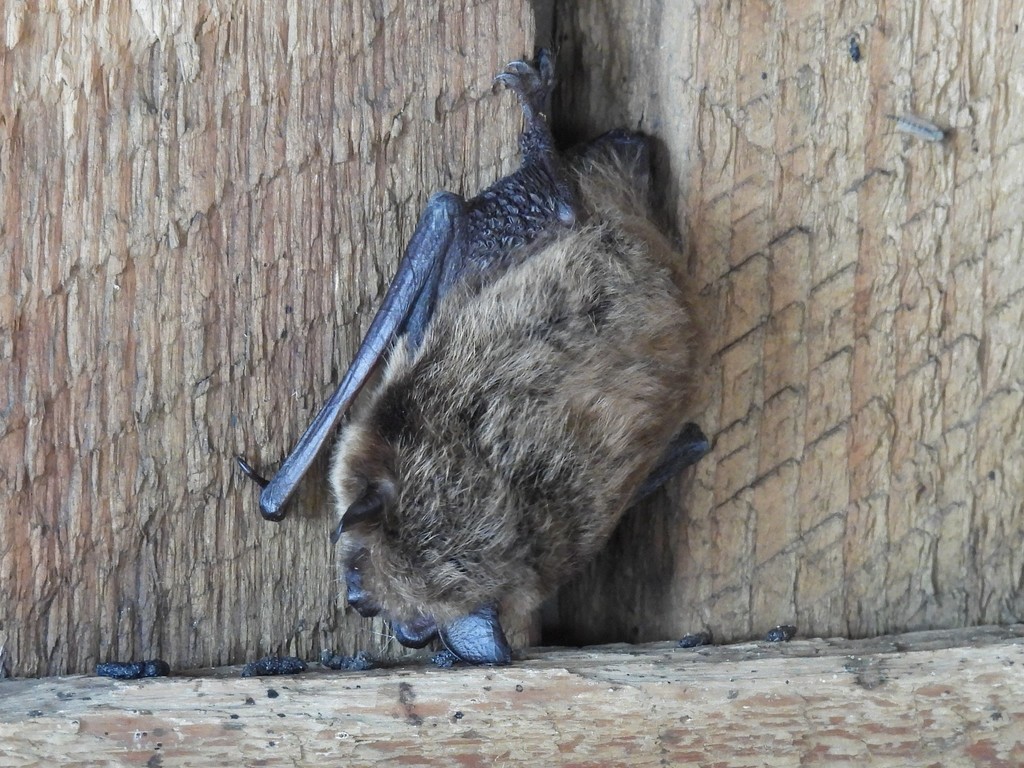
Out of the gallery of trees, the silhouettes of the night-fliers emerge. Among them are the Little Brown Myotis and the Northern Long-eared Bat, species now treading the precarious edge of the endangered list. These masters of echolocation are the sentinels of our night. To them, light pollution is not merely a nuisance; it is a barrier, a disruption of the predatory dance they have performed since the dawn of time. When we flood the night with artificial glare, we blind the nocturnal, turning their sanctuary into a gauntlet.

A Symphony in Shadow

The wetlands of the Swale act as a dark-mirror to the heavens. In the absence of city glow, the choir of the marsh reaches a crescendo, undisturbed by the biological confusion that artificial light brings to mating cycles and migration. This is the importance of International Dark Sky Week—it is a reminder that darkness is not the absence of life, but a requirement for it.

The Richard St. Barbe Baker and George Genereux lands are more than just parks; they are “star-grain” elevators, holding the precious resource of the cosmos for the next generation. Standing in the center of these woods, the Milky Way reveals itself not as a faint smudge, but as a frosted river of fire, casting soft shadows on the forest floor. It is a humbling reminder that we are citizens of a galaxy, not just residents of a municipality.

The Case for the Permanent Night

While April 13 marks the beginning of our celebration, the philosophy of the dark must be a year-round commitment. We have lived so long in the “electric cocoon” that we have forgotten the profound psychological and ecological necessity of a truly dark night. A dark sky preserves our health, guides the bird on its path, and grants the poet his muse.

As the wind whispers through the poplars of the southwest, let us recognize that darkness is an endangered species of its own. By shielding our lights and preserving the shadows of the West Swale, we aren’t just saving energy—we are reclaiming our place among the stars. This week, turn your eyes upward. The universe is waiting for you in the quiet, dark corners of Saskatoon.


“Darkness is as essential to our biological welfare, to our evolutionary heritage, as light itself.” — Inspired by the philosophy of the International Dark-Sky Association.

Part SE 23-36-6 – Richard St. Barbe Baker Afforestation Area – 241 Township Road 362-A

Part SE 23-36-6 – SW Off-Leash Recreation Area (Richard St. Barbe Baker Afforestation Area ) – 355 Township Road 362-A

S ½ 22-36-6 Richard St. Barbe Baker Afforestation Area (West of SW OLRA) – 467 Township Road 362-A

NE 21-36-6 “George Genereux” Afforestation Area – 133 Range Road 3063

Wikimapia Map: type in Richard St. Barbe Baker Afforestation Area or

Google Maps South West Off Leash area location pin at parking lot

Web page: https://stbarbebaker.wordpress.com

Where is the Richard St. Barbe Baker Afforestation Area? with map

Where is the George Genereux Urban Regional Park (Afforestation Area)?with map

Pinterest richardstbarbeb

Blogger: FriendsAfforestation

Tumblr friendsafforestation.tumblr.comFacebook Group Page: Users of the George Genereux Urban Regional Park

Facebook: StBarbeBaker Afforestation Area

Facebook for the non profit Charity Friends of the Saskatoon Afforestation Areas Inc. FriendsAreas

Facebook group page : Users of the St Barbe Baker Afforestation Area

Facebook: South West OLRA

Reddit: FriendsAfforestation

BlueSky Social

Mix: friendsareas

YouTube

Support via Zeffy

Please help protect / enhance your afforestation areas, please contact the Friends of the Saskatoon Afforestation Areas Inc. (e-mail / e-transfers )

Donate your old vehicle, here’s how!  

Support using Canada Helps

Support via a recycling bottle donation and Join the plastic-recycle challenge!

United Nations Decade on Ecosystem Restoration

““Be like a tree in pursuit of your cause. Stand firm, grip hard, thrust upward. Bend to the winds of heaven..”

Harmony in Nature’s Heart

Harmony in Nature’s Heart: Chronicles of the Saskatoon Afforestation Fellowship

In the year 2024, a game-changing opportunity arose, promising to amplify the punch of every donation aimed at keeping things green. “Make It Monthly 2024” hit the streets, a bonus donation scheme where CanadaHelps tosses in an extra twenty bucks for every new monthly donation of twenty or more. This move was all about keeping the momentum going, making sure this charity sticks to their vision with stability and long-term game plans. One of the players in the mix was the Friends of the Saskatoon Afforestation Areas, a bunch of naturalists aiming to keep nature in the black in Saskatoon.

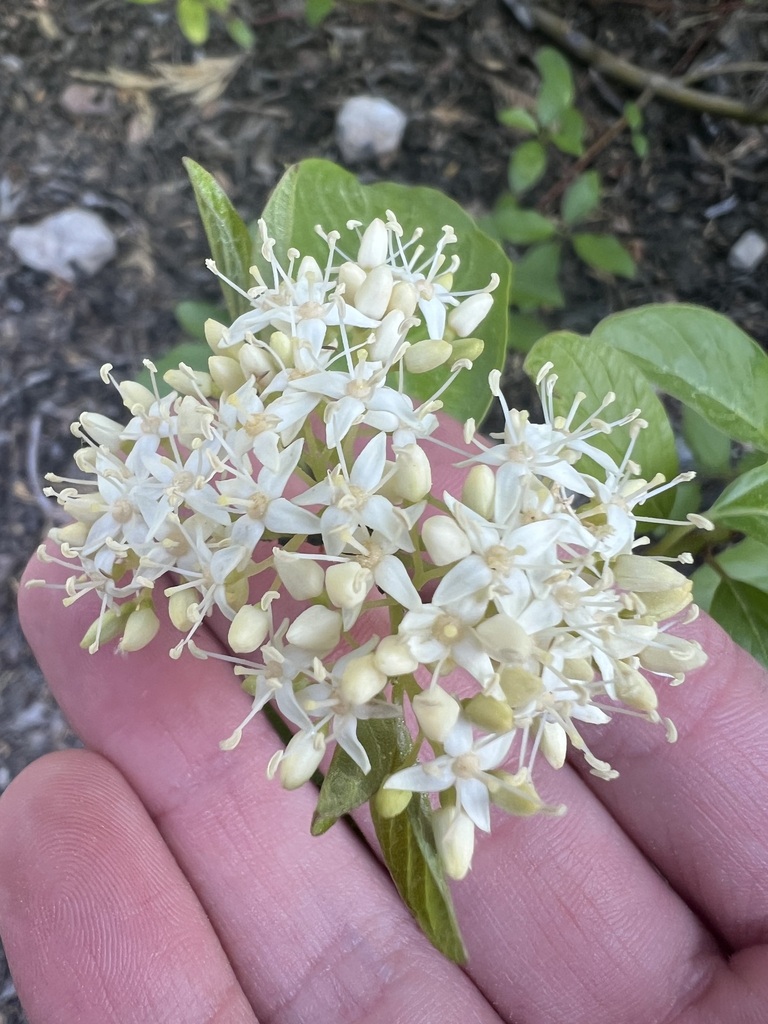
Red Osier Dogwood Cornus sericea flower

For these Friends, this was their bread and butter. With their hustle on the ground, they were all about sowing the seeds of tomorrow while keeping the locals happy. The “A Vision for a Sustainable Future GPS-PFG” gig was their main jam, focusing on a GPS Prairie Forest Guide (PFG) app that was meant to be the bomb, giving folks the lowdown on the local flora and fauna. It was all about connecting the dots between nature, traditional ecological knowledge, and playing it smart.

Another gig on the menu is the “Saskatoon City Nature Challenge CNCYXE2024,” getting folks to roll up their sleeves and pitch in on the biodiversity front through citizen science. It is all about getting out there and keeping tabs on the local critters and plants.

Then there is the “A forest of activity, a canopy of health, ParticipACTION Community Challenge,” giving the locals a kick in the pants to get outdoors and break a sweat. It is about health, happiness, and getting back in touch with what’s real.

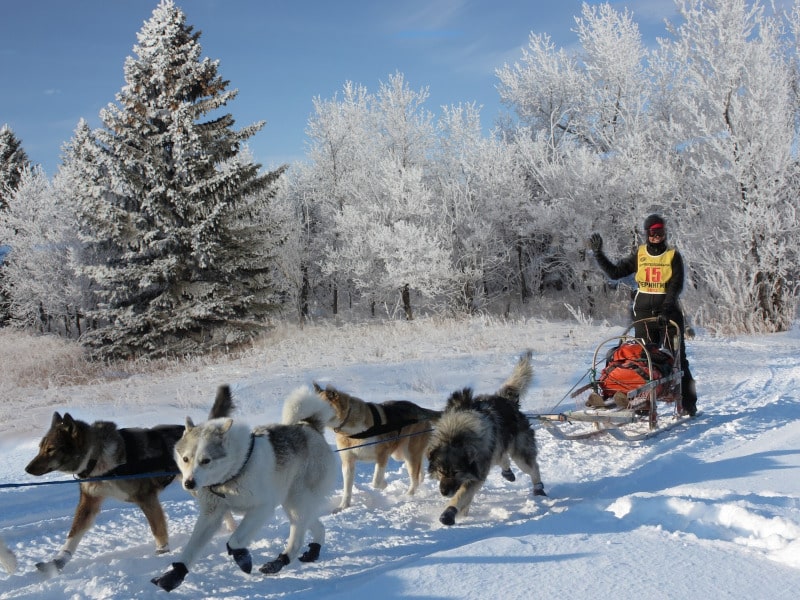
Now, for those looking for some thrills, the Friends of the Saskatoon Afforestation Areas and some local sled dog mushers had a proposition: Frozen Trails and Wagging Tails: Dog Sledding Delight at Richard St. Barbe Baker Afforestation Area. It was all about hitting the snowy trails and throwing a bone to nature in Saskatoon. They were all about making memories and soaking in the sights and sounds of WinterCity YXE. Your dough is what makes it all possible.

So, with each dime dropped and a little extra from CanadaHelps, the Friends of the Saskatoon Afforestation Areas could keep the wheels turning. They were doubling down on the green game, keeping the fires burning bright for a tomorrow that looked a little greener. “Make It Monthly 2024” and let’s double down on the good stuff. After all, a sustainable future starts with you.

For directions as to how to drive to “George Genereux” Urban Regional Park

For directions on how to drive to Richard St. Barbe Baker Afforestation Area

For more information:

Blairmore Sector Plan Report; planning for the Richard St. Barbe Baker Afforestation Area, George Genereux Urban Regional Park and West Swale and areas around them inside of Saskatoon city limits

NEW P4G District Official Community Plan

Richard St. Barbe Baker Afforestation Area is located in Saskatoon, Saskatchewan, Canada north of Cedar Villa Road, within city limits, in the furthest south west area of the city. 52° 06′ 106° 45′

Addresses:

Part SE 23-36-6 – Afforestation Area – 241 Township Road 362-A

Part SE 23-36-6 – SW Off-Leash Recreation Area (Richard St. Barbe Baker Afforestation Area ) – 355 Township Road 362-A

S ½ 22-36-6 Richard St. Barbe Baker Afforestation Area (West of SW OLRA) – 467 Township Road 362-A

NE 21-36-6 “George Genereux” Afforestation Area – 133 Range Road 3063

Wikimapia Map: type in Richard St. Barbe Baker Afforestation Area

Google Maps South West Off Leash area location pin at parking lot

Web page: https://stbarbebaker.wordpress.com

Where is the Richard St. Barbe Baker Afforestation Area? with map

Where is the George Genereux Urban Regional Park (Afforestation Area)?with map

Pinterest richardstbarbeb

Blogger: FriendsAfforestation

Tumblr friendsafforestation.tumblr.comFacebook Group Page: Users of the George Genereux Urban Regional Park

Facebook: StBarbeBaker Afforestation Area

Facebook for the non profit Charity Friends of the Saskatoon Afforestation Areas Inc. FriendsAreas

Facebook group page : Users of the St Barbe Baker Afforestation Area

Facebook: South West OLRA

Reddit: FriendsAfforestation

Twitter: St Barbe Baker Charity Twitter:FriendsAreas

Mix: friendsareas

YouTube

Please help protect / enhance your afforestation areas, please contact the Friends of the Saskatoon Afforestation Areas Inc. (e-mail / e-transfers )

Donate your old vehicle, here’s how!  

Support using Canada Helps

Support via a recycling bottle donation

United Nations Decade on Ecosystem Restoration

““Be like a tree in pursuit of your cause. Stand firm, grip hard, thrust upward. Bend to the winds of heaven..”

Richard St. Barbe Baker
Planting Seeds of Change: “Make It Monthly 2024”

In 2024, a remarkable opportunity emerged, promising to amplify the impact of every donation dedicated to sustainability. “Make It Monthly 2024” was launched, a bonus donation program where CanadaHelps pledged to contribute an additional $20 for each new monthly donation of $20 or more. * This initiative was designed to encourage continuous support, ensuring charities could pursue their missions with stability and long-term planning. Among the participating organizations is the Friends of the Saskatoon Afforestation Areas, a non-profit environmental charity dedicated to promoting environmental conservation, education, and community engagement in the Saskatoon region.

For the Friends of the Saskatoon Afforestation Areas, this opportunity was particularly vital. With their ongoing campaigns, they aimed to create a sustainable future while fostering community well-being. The “A Vision for a Sustainable Future GPS-PFG” initiative focused on the development, growth and vitality of a GPS Prairie Forest Guide (PFG), an interpretive app showcasing the rich biodiversity and heritage of the local afforestation areas. This app was poised to be a transformative tool, connecting users with nature, Indigenous knowledge, and sustainable practices.

Amplify Your Impact

Another campaign, the “Saskatoon City Nature Challenge CNCYXE2024,” aimed to involve the community in documenting local biodiversity through citizen science. This challenge encouraged people to explore their natural surroundings, contributing to a comprehensive database of local flora and fauna.

Uniting for Sustainability

Finally, the “A forest of activity, a canopy of health, ParticipACTION Community Challenge” is a call to action for the community to engage in physical activity and outdoor recreation. Through this initiative, the Friends of the Saskatoon Afforestation Areas sought to promote health, wellness, and a deeper connection with nature.

Embrace the Adventure: Frozen Trails and Wagging Tails!

The Friends of the Saskatoon Afforestation Areas and local dog-sled kennels invite you to Frozen Trails and Wagging Tails: Dog Sledding Delight at Richard St. Barbe Baker Afforestation Area. Glide through winter landscapes and support nature preservation in Saskatoon. Join us in creating unforgettable memories and celebrating nature’s splendor at WinterCity YXE. Your support makes this adventure possible. 🐾

Sustain the Future

With each donation and the bonus support from CanadaHelps, the Friends of the Saskatoon Afforestation Areas could continue their vital work. They could further their commitment to environmental sustainability, biodiversity conservation, and community engagement, ensuring a brighter, more sustainable future for all. “Make It Monthly 2024* and double the impact of your support!

A Sustainable Future Starts with You

For directions as to how to drive to “George Genereux” Urban Regional Park

For directions on how to drive to Richard St. Barbe Baker Afforestation Area

For more information:

Blairmore Sector Plan Report; planning for the Richard St. Barbe Baker Afforestation Area, George Genereux Urban Regional Park and West Swale and areas around them inside of Saskatoon city limits

NEW P4G District Official Community Plan

Richard St. Barbe Baker Afforestation Area is located in Saskatoon, Saskatchewan, Canada north of Cedar Villa Road, within city limits, in the furthest south west area of the city. 52° 06′ 106° 45′

Addresses:

Part SE 23-36-6 – Afforestation Area – 241 Township Road 362-A

Part SE 23-36-6 – SW Off-Leash Recreation Area (Richard St. Barbe Baker Afforestation Area ) – 355 Township Road 362-A

S ½ 22-36-6 Richard St. Barbe Baker Afforestation Area (West of SW OLRA) – 467 Township Road 362-A

NE 21-36-6 “George Genereux” Afforestation Area – 133 Range Road 3063

Wikimapia Map: type in Richard St. Barbe Baker Afforestation Area

Google Maps South West Off Leash area location pin at parking lot

Web page: https://stbarbebaker.wordpress.com

Where is the Richard St. Barbe Baker Afforestation Area? with map

Where is the George Genereux Urban Regional Park (Afforestation Area)?with map

Pinterest richardstbarbeb

Blogger: FriendsAfforestation

Tumblr friendsafforestation.tumblr.comFacebook Group Page: Users of the George Genereux Urban Regional Park

Facebook: StBarbeBaker Afforestation Area

Facebook for the non profit Charity Friends of the Saskatoon Afforestation Areas Inc. FriendsAreas

Facebook group page : Users of the St Barbe Baker Afforestation Area

Facebook: South West OLRA

Reddit: FriendsAfforestation

Twitter: St Barbe Baker Charity Twitter:FriendsAreas

Mix: friendsareas

YouTube

Please help protect / enhance your afforestation areas, please contact the Friends of the Saskatoon Afforestation Areas Inc. (e-mail / e-transfers )

Donate your old vehicle, here’s how!  

Support using Canada Helps

Support via a recycling bottle donation

United Nations Decade on Ecosystem Restoration

““Be like a tree in pursuit of your cause. Stand firm, grip hard, thrust upward. Bend to the winds of heaven..”

Richard St. Barbe Baker

Branching into 2024: Our New Year’s Eve in the Canopy

Hey Green Warriors!

As we welcome the New Year with open arms, let’s embark on a resolution that not only transforms our lives but also nurtures the planet we call home. This year, let’s pledge to contribute to the growth and well-being of our afforestation areas.

🌲 Resolution #1: Tree-mendous Growth Commit to protecting trees and forests everywhere! Let’s take root and grow into a forest of positive change. Take a pledge to protect trees everywhere, as Richard St. Barbe Baker forest scouts or “Watu wa miti” pledged to do. Watu wa miti translates loosely to Men of the trees or forest scouts.

🌿 Resolution #2: Nature Walks and Talks Explore the beauty of our afforestation areas. Dedicate time each month to take a leisurely stroll, connect with nature, and appreciate the thriving ecosystem around us. Share your discoveries and inspire others to do the same!

🍃 Resolution #3: Reduce, Reuse, Recycle Make conscious choices to minimize your ecological footprint. Aim to reduce single-use plastics, recycle diligently, and champion sustainable practices. Small steps collectively lead to a greener, cleaner future.

🦋 Resolution #4: Habitat Harmony Support local wildlife by observing and protecting habitats within afforestation zones. Document them on iNaturalist so we can all enjoy them together. Let’s harmonize our spaces, ensuring a thriving environment for all creatures, big and small.

💚 Resolution #5: Community Cultivation Encourage community involvement in nurturing our afforestation areas. Come out to a variety of events, workshops, or nature appreciation gatherings. Together, we can cultivate a sense of responsibility and shared stewardship.

Let’s make 2024 a year of growth, sustainability, and environmental stewardship. Our afforestation areas are not just a reflection of nature’s beauty—they are a testament to our commitment to a greener, healthier world.

Here’s to a leafy, lush, and love-filled New Year!

For more information:
Blairmore Sector Plan Report; planning for the Richard St. Barbe Baker Afforestation Area, George Genereux Urban Regional Park and West Swale and areas around them inside of Saskatoon city limits
NEW P4G District Official Community Plan
Richard St. Barbe Baker Afforestation Area is located in Saskatoon, Saskatchewan, Canada north of Cedar Villa Road, within city limits, in the furthest south west area of the city. 52° 06′ 106° 45′
Addresses:
Part SE 23-36-6 – Afforestation Area – 241 Township Road 362-A
Part SE 23-36-6 – SW Off-Leash Recreation Area (Richard St. Barbe Baker Afforestation Area ) – 355 Township Road 362-A
S ½ 22-36-6 Richard St. Barbe Baker Afforestation Area (West of SW OLRA) – 467 Township Road 362-A
NE 21-36-6 “George Genereux” Afforestation Area – 133 Range Road 3063
Wikimapia Map: type in Richard St. Barbe Baker Afforestation Area
Google Maps South West Off Leash area location pin at parking lot
Web page: https://stbarbebaker.wordpress.com
Where is the Richard St. Barbe Baker Afforestation Area? with map
Where is the George Genereux Urban Regional Park (Afforestation Area)?with map
Pinterest richardstbarbeb
Blogger: FriendsAfforestation
Tumblr friendsafforestation.tumblr.comFacebook Group Page: Users of the George Genereux Urban Regional Park
Facebook: StBarbeBaker Afforestation Area
Facebook for the non profit Charity Friends of the Saskatoon Afforestation Areas Inc. FriendsAreas
Facebook group page : Users of the St Barbe Baker Afforestation Area
Facebook: South West OLRA
Reddit: FriendsAfforestation
Twitter: St Barbe Baker Charity Twitter:FriendsAreas
Mix: friendsareas
YouTube
Please help protect / enhance your afforestation areas, please contact the Friends of the Saskatoon Afforestation Areas Inc. (e-mail / e-transfers )Support the afforestation areas with your donation or membership ($20.00/year). Please donate by paypal or by using e-transfers Please and thank you! Your donation and membership is greatly appreciated. Members e-mail your contact information to be kept up to date!
Donations can be made through Paypal, Canada Helps, Contact Donate A Car Canada, SARCAN Drop & Go 106100594 for the Friends of the Saskatoon Afforestation Areas Inc.
United Nations Decade on Ecosystem Restoration
Use the UN Decade’s Visual Identity
Make it your own
Spread the word about the UN Decade
Let’s Bring Back Forests
Let’s Green Our Cities
“Be like a tree in pursuit of your cause. Stand firm, grip hard, thrust upward. Bend to the winds of heaven..”
Richard St. Barbe Baker!

A Green Countdown: Welcoming the New Year in Our Afforestation Oasis!

Do you have personal hobbies? What do enjoy? What kinds of New Year’s resolutions will you set? Will you admire the beauty and significance of nature, biodiversity, and winter? If we were to indulge in some delightful outdoor activities in the Richard St. Barbe Baker Afforestation Area and George Genereux Urban Regional Park, here’s what they might look like:

  1. Bird Watching: Gazing up into the trees, marveling at the diverse avian residents.
  2. Nature Photography: Capturing the vibrant colors of autumn and the unique flora and fauna.
  3. Hiking Trails: Exploring the meandering trails, discovering hidden nooks.
  4. Meditation: Finding a peaceful spot and immersing myself in the tranquility of nature.
  5. Sketching: Attempting to capture the intricate details of the landscape.
  6. Picnicking: Enjoying a quiet picnic surrounded by the symphony of rustling leaves.
  7. Stargazing: Taking advantage of clear autumn nights for a celestial show.
  8. Wildlife Spotting: Observing the various critters that call these parks home.
  9. Tree Identification: Learning about the different tree species and their characteristics.
  10. Trail Running: Embracing the crisp air and challenging myself on the trails.
  11. Nature Journaling: Recording observations and reflections in a dedicated journal.
  12. Yoga: Practicing yoga amidst the natural serenity, connecting mind and body.
  13. Reading: Finding a cozy spot to lose myself in a good book surrounded by nature.
  14. Volunteering: Contributing to conservation efforts and park maintenance.
  15. Tree Hugging: Literally embracing the giants that have witnessed generations.
  16. Nature Sound Recording: Capturing the ambient sounds, from rustling leaves to bird songs.
  17. Geocaching: Combining the thrill of a treasure hunt with the beauty of nature.
  18. Botanical Studies: Examining the various plant species and their ecological roles with iNaturalist.
  19. Nature Education: Sharing knowledge and fostering appreciation for biodiversity. Try our activities out

We, at the Friends of the Saskatoon Afforestation Areas, do hope these ideas do inspire you and others to connect with these natural wonders, fostering a deeper appreciation for the beauty that surrounds us.

Leaf Your Worries Behind: This Year, We Grow for Tomorrow!

For more information:
Blairmore Sector Plan Report; planning for the Richard St. Barbe Baker Afforestation Area, George Genereux Urban Regional Park and West Swale and areas around them inside of Saskatoon city limits
NEW P4G District Official Community Plan
Richard St. Barbe Baker Afforestation Area is located in Saskatoon, Saskatchewan, Canada north of Cedar Villa Road, within city limits, in the furthest south west area of the city. 52° 06′ 106° 45′
Addresses:
Part SE 23-36-6 – Afforestation Area – 241 Township Road 362-A
Part SE 23-36-6 – SW Off-Leash Recreation Area (Richard St. Barbe Baker Afforestation Area ) – 355 Township Road 362-A
S ½ 22-36-6 Richard St. Barbe Baker Afforestation Area (West of SW OLRA) – 467 Township Road 362-A
NE 21-36-6 “George Genereux” Afforestation Area – 133 Range Road 3063
Wikimapia Map: type in Richard St. Barbe Baker Afforestation Area
Google Maps South West Off Leash area location pin at parking lot
Web page: https://stbarbebaker.wordpress.com
Where is the Richard St. Barbe Baker Afforestation Area? with map
Where is the George Genereux Urban Regional Park (Afforestation Area)?with map
Pinterest richardstbarbeb
Blogger: FriendsAfforestation
Tumblr friendsafforestation.tumblr.comFacebook Group Page: Users of the George Genereux Urban Regional Park
Facebook: StBarbeBaker Afforestation Area
Facebook for the non profit Charity Friends of the Saskatoon Afforestation Areas Inc. FriendsAreas
Facebook group page : Users of the St Barbe Baker Afforestation Area
Facebook: South West OLRA
Reddit: FriendsAfforestation
Twitter: St Barbe Baker Charity Twitter:FriendsAreas
Mix: friendsareas
YouTube
Please help protect / enhance your afforestation areas, please contact the Friends of the Saskatoon Afforestation Areas Inc. (e-mail / e-transfers )Support the afforestation areas with your donation or membership ($20.00/year). Please donate by paypal or by using e-transfers Please and thank you! Your donation and membership is greatly appreciated. Members e-mail your contact information to be kept up to date!
Donations can be made through Paypal, Canada Helps, Contact Donate A Car Canada, SARCAN Drop & Go 106100594 for the Friends of the Saskatoon Afforestation Areas Inc.
United Nations Decade on Ecosystem Restoration
Use the UN Decade’s Visual Identity
Make it your own
Spread the word about the UN Decade
Let’s Bring Back Forests
Let’s Green Our Cities
“Be like a tree in pursuit of your cause. Stand firm, grip hard, thrust upward. Bend to the winds of heaven..”
Richard St. Barbe Baker!

Participate in local Saskatoon National Forest Week events Today

As afforestation efforts continue to thrive in Canada, organizations like the Friends of the Saskatoon Afforestation Areas Inc. are actively contributing to the cause. Seeking a municipal proclamation for National Forest Week, celebrated on the third Wednesday of September, this organization’s initiatives align with Maple Leaf Day1. This year’s National Forest Week theme is “Canada’s Forests: Supporting Biological Diversity”123.

Tree planting and effective irrigation strategies are vital in spring to safeguard saplings from stressors like extreme heat, cold spells, and insufficient water. Waiting until late autumn risks exposing the trees to freezing temperatures that can harm their roots and hinder essential moisture absorption. Early fall offers benefits for tree planting, with reduced pest activity and cooler temperatures, creating an ideal environment for root growth. Cooler temperatures and shorter days prompt trees to allocate resources to their roots, further enhancing root development. This growth continues until the ground freezes in the fall, resulting in stronger, more developed root systems ready for growth in the following spring6.

Therefore, there are advantages to spring planting supporting tree canopy development, and advantages to autumnal planting supporting tree rooting development.

National Forest Week is an excellent opportunity to celebrate the incredible 193-million-acre National Forest System and all the benefits it provides to the public. People can participate in the celebration from home by sharing their photos, adventures, and appreciation for National Forests on social media with the hashtag NationalForestWeek. The National Forest Week Photo Contest is another way to get involved and capture what “Forest Mode” means to you for the chance to win great prizes4.

Afforestation is an essential aspect of sustainable forest management (SFM), which entails the stewardship and use of forests and forest lands in a way that maintains their biodiversity5. Reforestation is more than just planting trees, and many issues need attention.

Please support forests and biodiversity by signing up for an event today, or by planting a tree in your yard, or signing up for a tree planting event!

Sign up now for a wide variety of National Forest Week events happening in Saskatoon!

Find the list of Saskatoon events here http://friendsareas.ca/ Please email with additional National Forest Week events!

For directions as to how to drive to “George Genereux” Urban Regional Park
For directions on how to drive to Richard St. Barbe Baker Afforestation Area
For more information:
Blairmore Sector Plan Report; planning for the Richard St. Barbe Baker Afforestation Area, George Genereux Urban Regional Park and West Swale and areas around them inside of Saskatoon city limits
NEW P4G District Official Community Plan
Richard St. Barbe Baker Afforestation Area is located in Saskatoon, Saskatchewan, Canada north of Cedar Villa Road, within city limits, in the furthest south west area of the city. 52° 06′ 106° 45′
Addresses:
Part SE 23-36-6 – Afforestation Area – 241 Township Road 362-A
Part SE 23-36-6 – SW Off-Leash Recreation Area (Richard St. Barbe Baker Afforestation Area ) – 355 Township Road 362-A
S ½ 22-36-6 Richard St. Barbe Baker Afforestation Area (West of SW OLRA) – 467 Township Road 362-A
NE 21-36-6 “George Genereux” Afforestation Area – 133 Range Road 3063
Wikimapia Map: type in Richard St. Barbe Baker Afforestation Area
Google Maps South West Off Leash area location pin at parking lot
Web page: https://stbarbebaker.wordpress.com
Where is the Richard St. Barbe Baker Afforestation Area? with map
Where is the George Genereux Urban Regional Park (Afforestation Area)?with map
Pinterest richardstbarbeb
Blogger: FriendsAfforestation
Tumblr friendsafforestation.tumblr.comFacebook Group Page: Users of the George Genereux Urban Regional Park
Facebook: StBarbeBaker Afforestation Area
Facebook for the non profit Charity Friends of the Saskatoon Afforestation Areas Inc. FriendsAreas
Facebook group page : Users of the St Barbe Baker Afforestation Area
Facebook: South West OLRA
Reddit: FriendsAfforestation
Twitter: St Barbe Baker Charity Twitter:FriendsAreas
Mix: friendsareas
YouTube
Please help protect / enhance your afforestation areas, please contact the Friends of the Saskatoon Afforestation Areas Inc. (e-mail / e-transfers )Support the afforestation areas with your donation or membership ($20.00/year). Please donate by paypal or by using e-transfers Please and thank you! Your donation and membership is greatly appreciated. Members e-mail your contact information to be kept up to date!
Donations can be made through Paypal, Canada Helps, Contact Donate A Car Canada, SARCAN Drop & Go 106100594 for the Friends of the Saskatoon Afforestation Areas Inc.
United Nations Decade on Ecosystem Restoration
Use the UN Decade’s Visual Identity
Make it your own
Spread the word about the UN Decade
Let’s Bring Back Forests
Let’s Green Our Cities
“Be like a tree in pursuit of your cause. Stand firm, grip hard, thrust upward. Bend to the winds of heaven..”
Richard St. Barbe Baker

What is an afforestation area?

From water and earth we came, and the future of mankind on this planet will be determined by respectful or disrespectful treatment of these basic elements. ~Richard St. Barbe Baker


The present is full of opportunity. Never before in the history of the planet has mankind been given the privileges and opportunities that are at his disposal today. A great light has been raised and is penetrating the darkness of the world, but alas, too many with dust blinded eyes have yet to catch the vision. Some of us have. That is our privilege and our responsibility. ~Richard St. Barbe Baker.

What is an afforestation area?  Afforestation is the planting of trees upon land which have not contained trees previously.

Reforestation, on the other hand, is the reforestation of an existing forest which has been depleted usually because of deforestation.

Deforestation is the removal of a forest to make use of the land as farms, ranches, or neighbourhoods.

So in the case of the Richard St. Barbe Baker Afforestation Area, and the Afforestation Area Formerly known as George Genereux Park, the lands were part of  the aspen parkland biome. Aspen parkland refers to a very large area of transitional biome between prairie and boreal forest.  Aspen parkland consists of groves of aspen poplars and spruce interspersed with areas of prairie grasslands, also intersected by large stream and river valleys lined with aspen-spruce forests and dense shrubbery. This is the largest boreal-grassland transition zone in the world and is a zone of constant competition and tension as prairie and woodlands struggle to overtake each other within the parkland.

Because of afforestation, the area possesses a miraculous, and fully established mixed wood forest featuring both deciduous and evergreen trees.  It is common in the Saskatchewan eco-system to not behold a mixed forest of this stature unless one is north of the tree line or at Cypress Hills park, as both these areas are at a higher elevation.  To have a mature mixed forest with gorgeous canopy, full understorey, rich and vibrant semi-wilderness wildlife habitat corridor along with wetlands inclusive of Chappell Marsh with emergent fauna  is a true blessing and good fortune within the boundary limits of the City of Saskatoon.  This is a tribute to the City of Saskatoon parks department and the great insight of a great man, named Bert Wellman Saskatoon Director of Planning and Development who had a vision for a green belt to embrace and grace Saskatoon.

From water and earth we came, and the future of mankind on this planet will be determined by respectful or disrespectful treatment of these basic elements. ~Richard St. Barbe Baker
For directions as to how to drive to “George Genereux” Urban Regional Park

For directions on how to drive to Richard St. Barbe Baker Afforestation Area

For more information:

Blairmore Sector Plan Report; planning for the Richard St. Barbe Baker Afforestation Area,  George Genereux Urban Regional Park and West Swale and areas around them inside of Saskatoon city limits

P4G Saskatoon North Partnership for Growth The P4G consists of the Cities of Saskatoon, Warman, and Martensville, the Town of Osler and the Rural Municipality of Corman Park; planning for areas around the afforestation area and West Swale outside of Saskatoon city limits

Richard St. Barbe Baker Afforestation Area is located in Saskatoon, Saskatchewan, Canada north of Cedar Villa Road, within city limits, in the furthest south west area of the city. 52° 06′ 106° 45′
Addresses:
Part SE 23-36-6 – Afforestation Area – 241 Township Road 362-A
Part SW 23-36-6 – SW Off-Leash Recreation Area (Richard St. Barbe Baker Afforestation Area ) – 355 Township Road 362-A
S ½ 22-36-6 Richard St. Barbe Baker Afforestation Area (West of SW OLRA) – 467 Township Road 362-A
NE 21-36-6 “George Genereux” Afforestation Area – 133 Range Road 3063
Wikimapia Map: type in Richard St. Barbe Baker Afforestation Area
Google Maps South West Off Leash area location pin at parking lot
Web page: https://stbarbebaker.wordpress.com
Where is the Richard St. Barbe Baker Afforestation Area? with map
Where is the George Genereux Urban Regional Park (Afforestation Area)? with map

Pinterest richardstbarbeb

Facebook Group Page: Users of the George Genereux Urban Regional Park

Facebook: StBarbeBaker

Facebook group page : Users of the St Barbe Baker Afforestation Area

Facebook: South West OLRA

Twitter: StBarbeBaker

Please help protect / enhance /commemorate your afforestation areas, please contact the Friends of the Saskatoon Afforestation Areas Inc. (e-mail)

Support the afforestation areas with your donation or membership ($20.00/year).  Please donate by paypal using the e-mail friendsafforestation AT gmail.com, or by using e-transfers  Please and thank you!  Your donation and membership is greatly appreciated.  Members e-mail your contact information to be kept up to date!

QR Code FOR PAYPAL DONATIONS to the Friends of the Saskatoon Afforestation Areas Inc.
Paypal

Payment Options
Membership : $20.00 CAD – yearly
Membership with donation : $50.00 CAD
Membership with donation : $100.00 CAD

1./ Learn.

2./ Experience

3./ Do Something: ***

You Tube Video Richard St. Barbe Baker Afforestation Area

You Tube Video Richard St Barbe Baker presented by Paul Hanley

You Tube Video Richard St Barbe Baker Afforestation Area and West Swale wetlands

You Tube Video Richard St. Barbe Baker Afforestation Area – Saskatoon’s best kept secret.
 

The trees and vegetation, which cover the land surface of the Earth and delight the eye, are performing vital tasks incumbent upon the vegetable world in nature. Its presence is essential to earth as an organism. It is the first condition of all life; it it the ‘skin’ of the earth, for without it there can be no water, and therefore, no life.~Richard St. Barbe Baker


I believe in oneness of mankind and of all living things and in the interdependence of each and all. I believe that unless we play fair to the Earth, we cannot exist physically on this planet. Unless we play fair to our neighbour, we cannot exist socially or internationally. Unless we play fair to better self, there is no individuality and no leadership. ~Richard St. Barbe Baker.


Save

Save

Save

Save

Save

Save

Dream lofty dreams

Trees worked for millions of years to make it possible for man to come on this planet.

When speaking of the trees planted in the Richard St. Barbe Baker Afforestation Area, and those wooded areas with native growth, which tree is the loftiest of them all?

  • American Elm Ulmus americana a deciduous tree 20-25 meter (66 – 82 feet) tall.Green Ash Fraxinux pennsyvica a deciduous tree 12 m (39 feet) tall.
  • Balsam Poplar (Black Poplar) Populus Balsamifera deciduous tree reaching on occasion 25 m tall however usually 10-15 meters (33 – 39 feet).
  • Trembling Aspen Populus tremuloides a native deciduous tree usually 20 meters tall, but can reach 30 meters (98 feet) in height.
  • Siberian Elm Ulmus pumila. A deciduous tree. 10-20 meters (33 – 66 feet) in height.
  • Scots pine Pinus sylvestris L. coniferous tree up to 35 meters (115 feet) in height, though an exception may reach higher than 45 meters (148 feet).
  • Blue spruce, (green spruce, white spruce, Colorado spruce, or Colorado blue spruce), Picea pungens is a columnar evergreen conifer which may grow 23 meters (75 feet) in its native habitat, however when planted it usually grows to about 15 meters (49 feet) tall.
  • RSBBAA0050

At the moment the Balsam Poplar seems to be the tree reaching lofty heights at the Richard St. Barbe Baker Afforestation Area. Though statistically, the Scots pine can extend higher in its reach, the Scots pine is a slower growing tree than the Balsam Poplar. With the canopy of the Balsam poplar, this tree also has an impressive, and grand stature in this urban regional park with its extraordinary canopy of leaves. Towering above the caragana, snowberry bushes, and roes, the Balsam Poplar is a grand sight with its yellow leaves in the autumn. The Balsam poplar attracts moose, deer,and other ungulates, and it is true that the Richard St. Barbe Baker has become a nurturing environment for White tail deer and Mule deer. Bees also hover to the Balsam poplar using the resin obtained from the buds to waterproof their hives. The eco-system at the Richard St. Barbe Baker Afforestation area, is an amazing aspen parkland system set into the West Swale with picturesque wetlands. The planted trees of the afforestation area, and the geological features of the west Swale combine to prevent the surrounding city of Saskatoon and RM of Corman Park 344 land areas from excessive flooding during years and seasons with high water tables.
white-tailed-deer-934512

Dream lofty dreams, and as you dream, so you shall become. Your vision is the promise of what you shall one day be; your ideal is the prophecy of what you shall at last unveil. ~ James Allen

Trees worked for millions of years to make it possible for man to come on this planet. Yet man, who owns his presence on this Earth to trees, has been cutting, burning, greedily and recklessly. He has turned the forest into desert, until today we are faced not only with a timber famine, but with a food famine. ~ Richard St. Barbe Baker.

IMG_7515

For directions as to how to drive to “George Genereux” Urban Regional Park

For directions on how to drive to Richard St. Barbe Baker Afforestation Area

For more information:

Blairmore Sector Plan Report; planning for the Richard St. Barbe Baker Afforestation Area,  George Genereux Urban Regional Park and West Swale and areas around them inside of Saskatoon city limits

P4G Saskatoon North Partnership for Growth The P4G consists of the Cities of Saskatoon, Warman, and Martensville, the Town of Osler and the Rural Municipality of Corman Park; planning for areas around the afforestation area and West Swale outside of Saskatoon city limits

Richard St. Barbe Baker Afforestation Area is located in Saskatoon, Saskatchewan, Canada north of Cedar Villa Road, within city limits, in the furthest south west area of the city. 52° 06′ 106° 45′
Addresses:
Part SE 23-36-6 – Afforestation Area – 241 Township Road 362-A
Part SE 23-36-6 – SW Off-Leash Recreation Area (Richard St. Barbe Baker Afforestation Area ) – 355 Township Road 362-A
S ½ 22-36-6 Richard St. Barbe Baker Afforestation Area (West of SW OLRA) – 467 Township Road 362-A
NE 21-36-6 “George Genereux” Afforestation Area – 133 Range Road 3063
Wikimapia Map: type in Richard St. Barbe Baker Afforestation Area
Google Maps South West Off Leash area location pin at parking lot
Web page: https://stbarbebaker.wordpress.com
Where is the Richard St. Barbe Baker Afforestation Area? with map
Where is the George Genereux Urban Regional Park (Afforestation Area)? with map

Pinterest richardstbarbeb

Facebook Group Page: Users of the George Genereux Urban Regional Park

Facebook: StBarbeBaker

Facebook group page : Users of the St Barbe Baker Afforestation Area

Facebook: South West OLRA

Twitter: StBarbeBaker

Please help protect / enhance your afforestation areas, please contact the Friends of the Saskatoon Afforestation Areas Inc. (e-mail)

Support the afforestation areas with your donation or membership ($20.00/year).  Please donate by paypal using the e-mail friendsafforestation AT gmail.com, or by using e-transfers  Please and thank you!  Your donation and membership is greatly appreciated.  Members e-mail your contact information to be kept up to date!

QR Code FOR PAYPAL DONATIONS to the Friends of the Saskatoon Afforestation Areas Inc.
Paypal

Payment Options
Membership : $20.00 CAD – yearly
Membership with donation : $20.00 CAD -monthly
Membership with donation : $50.00 CAD
Membership with donation : $100.00 CAD

1./ Learn.

2./ Experience

3./ Do Something: ***

What was Richard St. Barbe Baker’s mission, that he imparted to the Watu Wa Miti, the very first forest scouts or forest guides?  To protect the native forest, plant ten native trees each year, and take care of trees everywhere.

“We stand in awe and wonder at the beauty of a single tree. Tall and graceful it stands, yet robust and sinewy with spreading arms decked with foliage that changes through the seasons, hour by hour, moment by moment as shadows pass or sunshine dapples the leaves. How much more deeply are we moved as we begin to appreciate the combined operations of the assembly of trees we call a forest.”~Richard St. Barbe Baker


Design a site like this with WordPress.com
Get started