The South Saskatchewan Watershed

The South Saskatchewan Watershed, Ecological Restoration, and the Legacy of the Clavet Memorial Healing Forest

Rooted in Memory, Shaped by Ice

The proposed Clavet Memorial Healing Forest, located near Clavet, Saskatchewan, occupies a remarkable place within the South Saskatchewan River watershed. Situated on land shaped by the retreat of the Laurentide Ice Sheet more than 12,000 years ago, the site stands at the intersection of geological history, ecological restoration, and community healing.

Research by geographer Larry Edwin Hodges documented that the area surrounding the Memorial Healing Forest was influenced by the margins of glacial ice, the formation of Glacial Lake Elstow, Lake Saskatoon I and II, and the development of the Clavet Moraine. Ancient meltwater channels, glacial lakes, and ice-front deposits helped create the rolling prairie landscape that exists today. The forest site lies within a landscape forged by immense environmental change—a place where glaciers retreated, waters shifted, and new ecosystems emerged.

Today, the Clavet Memorial Healing Forest seeks to continue that story of renewal.

The project honours the sixteen lives lost and thirteen people injured in the Humboldt Broncos tragedy of April 6, 2018, while simultaneously restoring a parcel of land to ecological health. The vision, “Rooted in Memory, Growing in Hope,” reflects the powerful relationship between remembrance and restoration.

The site lies within the South Saskatchewan River watershed, one of Canada’s most important freshwater systems. The watershed supports communities, agriculture, wildlife habitat, wetlands, groundwater recharge, recreation, and biodiversity across much of Alberta and Saskatchewan before eventually contributing to the Saskatchewan River system flowing toward Hudson Bay.

As we experience increasingly complex environmental changes, our ecosystems—the very foundation of healthy, productive societies—are changing in unprecedented ways. Climate change, biodiversity loss, habitat fragmentation, invasive species, and water quality pressures are affecting watersheds throughout Canada. These challenges reinforce the need for long-term investments in ecological restoration, monitoring, stewardship, and public education.

Restoration of abandoned or underutilized lands offers significant benefits for watersheds. Native trees, shrubs, grasses, and wetlands help slow runoff, reduce soil erosion, improve infiltration, increase groundwater recharge, filter pollutants, sequester carbon, and provide critical wildlife habitat. Healthy landscapes function as natural infrastructure, supporting the long-term resilience of watersheds and freshwater ecosystems.

The Clavet Memorial Healing Forest represents an opportunity to transform a previously undeveloped site into a living ecological asset. Through afforestation, native grassland restoration, citizen science initiatives, environmental education, and long-term stewardship, the project can contribute to the health of the South Saskatchewan watershed while creating a place of reflection, healing, and community connection.

The lessons learned from this restoration effort extend beyond Saskatchewan. Watersheds are interconnected systems, and while the South Saskatchewan River watershed and the Columbia River Basin are separate drainage basins divided by the Continental Divide, they share common environmental challenges and opportunities. Both watersheds originate in landscapes shaped by glaciers. Both depend upon healthy headwaters, wetlands, riparian areas, and resilient ecosystems. Both support communities, biodiversity, agriculture, and economic activity across vast regions.

The Columbia Basin, stretching from the Rocky Mountains through British Columbia and the northwestern United States, and the South Saskatchewan watershed, flowing eastward across the Canadian Prairies, demonstrate how upstream stewardship influences downstream outcomes. Although water from these basins ultimately reaches different oceans and seas, their management requires similar approaches based on watershed science, ecological restoration, climate adaptation, and collaborative stewardship.

This shared understanding highlights an important principle: restoring land anywhere within a watershed contributes to the broader health of freshwater systems. Whether in the Columbia Basin, the South Saskatchewan watershed, or watersheds across Canada, restoration projects strengthen ecological resilience and support the long-term protection of lakes, rivers, aquifers, wetlands, and groundwater resources.

The Clavet Memorial Healing Forest embodies this vision. It is more than a memorial. It is a living demonstration of how conservation, remembrance, and environmental stewardship can work together to create lasting benefits for people, wildlife, and water.

Just as glaciers once shaped this landscape and ancient lakes nurtured the emergence of new ecosystems, the Memorial Healing Forest offers an opportunity for renewal. Rooted in memory and shaped by ice, the forest will stand as a symbol of resilience, restoration, and hope for future generations, while contributing to the health of the South Saskatchewan watershed and the protection of Canada’s precious freshwater resources.

Rooted in Memory, Shaped by Ice: The Glacial History and Geological Legacy of the Clavet Memorial Healing Forest, Saskatchewan

Addresses:

Part SE 23-36-6 – Richard St. Barbe Baker Afforestation Area – 241 Township Road 362-A

Part SE 23-36-6 – SW Off-Leash Recreation Area (Richard St. Barbe Baker Afforestation Area ) – 355 Township Road 362-A

S ½ 22-36-6 Richard St. Barbe Baker Afforestation Area (West of SW OLRA) – 467 Township Road 362-A

NE 21-36-6 “George Genereux” Afforestation Area – 133 Range Road 3063

Coming soon the Clavet Memorial Healing Forest honouring the Humboldt Broncos

Wikimapia Map: type in Richard St. Barbe Baker Afforestation Area or

Google Maps South West Off Leash area location pin at parking lot

Web page: https://stbarbebaker.wordpress.com

Where is the Richard St. Barbe Baker Afforestation Area? with map

Where is the George Genereux Urban Regional Park (Afforestation Area)?with map

Pinterest richardstbarbeb

Blogger: FriendsAfforestation

Tumblr friendsafforestation.tumblr.comFacebook Group Page: Users of the George Genereux Urban Regional Park

Facebook: StBarbeBaker Afforestation Area

Facebook for the non profit Charity Friends of the Saskatoon Afforestation Areas Inc. FriendsAreas

Facebook group page : Users of the St Barbe Baker Afforestation Area

Facebook: South West OLRA

Reddit: FriendsAfforestation

BlueSky Social

Mix: friendsareas

YouTube

Support via Zeffy

Please help protect / enhance your afforestation areas, please contact the Friends of the Saskatoon Afforestation Areas Inc. (e-mail / e-transfers )

Donate your old vehicle, here’s how!  

Support using Canada Helps

Support via a recycling bottle donation and Join the plastic-recycle challenge!

United Nations Decade on Ecosystem Restoration

““Be like a tree in pursuit of your cause. Stand firm, grip hard, thrust upward. Bend to the winds of heaven..”Richard St. Barbe Baker
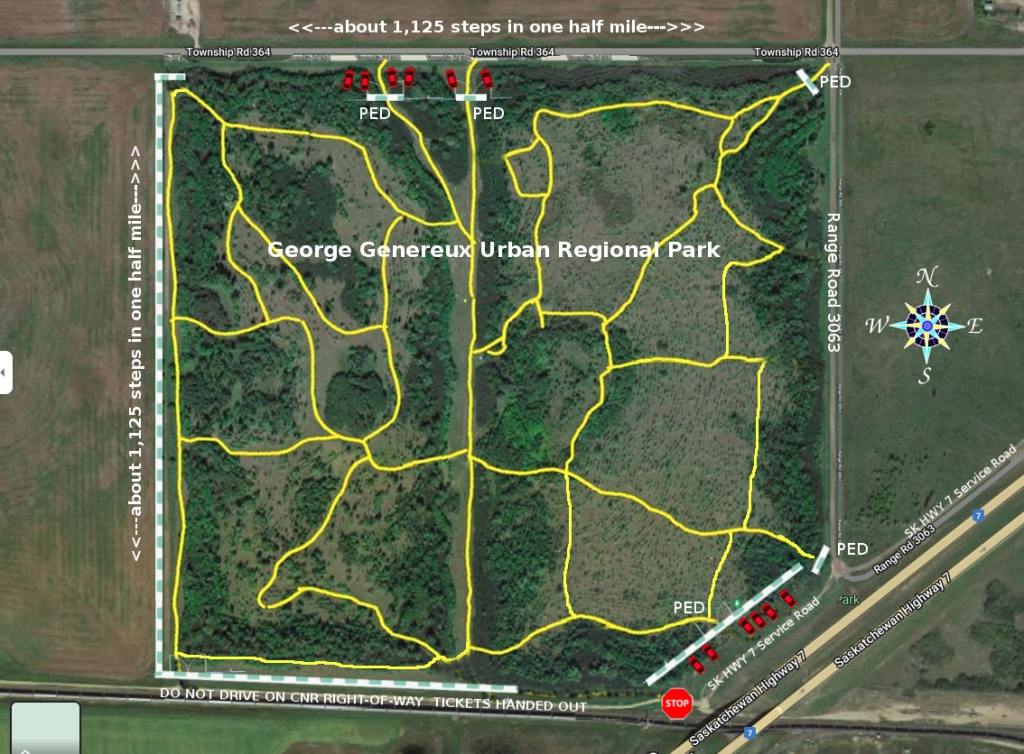
Update on the George Genereux Urban Regional Park Wildfire Area

Update on the George Genereux Urban Regional Park Wildfire Area

We received a follow-up report regarding the wildfire that occurred in George Genereux Urban Regional Park.

The Saskatoon Fire Department requested assistance from Urban Forestry staff to assess vegetation damage and determine whether any ongoing safety concerns remained within the affected area. Following a site inspection, an Urban Forestry supervisor reported that 44 small dead trees along the pathway were identified and marked with spray paint. The overall risk was assessed as low due to the area’s relatively low level of use, the low likelihood of tree failure, and the minimal potential for injury should a tree fall. While these trees should eventually be removed to prevent them from falling onto the pathway, they do not currently present an immediate hazard to the public.

As a result of this assessment, all identified safety concerns have now been addressed, and the area may continue to be used by the public. While some visible impacts from the wildfire remain, they do not pose a risk that would warrant restricting access to the site.

Visitors should be aware that tick populations remain very high in the area. The fire did not eliminate ticks, so appropriate precautions are strongly recommended, including wearing long clothing, staying on designated trails where possible, and conducting tick checks after visiting.

To help protect public health, natural areas, and reduce the risk of future wildfires, smoking and vaping are prohibited in all outdoor public spaces owned or operated by the City of Saskatoon under Smoking Control Bylaw No. 8286. This restriction applies to all tobacco products, cannabis products, and electronic cigarettes. Open fires, campfires, and any unauthorized flame-producing activities are also prohibited. Visitors are encouraged to respect these regulations to help safeguard forests, wetlands, wildlife habitat, and fellow park users.

The burned area also presents a valuable opportunity for ecological learning. Post-fire landscapes serve as living laboratories where environmental organizations such as the Friends of the Saskatoon Afforestation Areas can observe ecological succession and natural recovery processes firsthand. Over time, pioneering plants, insects, fungi, birds, and mammals gradually recolonize the site, demonstrating the resilience of natural ecosystems. Monitoring these changes can provide important information about biodiversity recovery, soil health, habitat restoration, carbon storage, and climate adaptation. Such areas also offer meaningful educational opportunities, helping visitors understand the role that fire can play in ecosystem renewal and fostering a deeper appreciation for the natural processes that shape and sustain healthy landscapes.

Previous posts about the grass fire.

Grass Fire Monitoring Continues Amid Extreme Dry Conditions

Grass and Brush Fire Response Underway

Understanding Wildfire Risk: The 30-30-30 Rule

When it comes to predicting how aggressively a wildfire will behave, Canadian firefighters and meteorologists look for a critical atmospheric tipping point known as the “crossover” effect. This danger zone is easily remembered by the 30-30-30 rule of thumb, which identifies the exact combination of weather conditions that cause small fires to rapidly explode out of control.

The rule states that wildfire danger reaches extreme levels when three specific conditions are met simultaneously:

  • Temperature: 30°C or higher.
  • Relative Humidity: 30% or lower.
  • Wind Speed: 30 km/h or faster.

Why This Combination is So Dangerous

When the air becomes that hot and dry, it acts like a sponge, rapidly evaporating moisture from forest vegetation, grass, and soil. This creates a massive amount of highly flammable fuel. Once you add sustained wind speeds of 30 km/h into the mix, a spark can instantly turn into an intense, fast-moving blaze. The wind not only supplies oxygen to the flames but also carries burning embers far ahead of the main fire line, igniting new flare-ups and making containment incredibly difficult for emergency crews.

When a region hits this “crossover” threshold, fire safety officials go on high alert, as any new ignition has the potential to become an unmanageable wildfire.

Addresses:

Part SE 23-36-6 – Richard St. Barbe Baker Afforestation Area – 241 Township Road 362-A

Part SE 23-36-6 – SW Off-Leash Recreation Area (Richard St. Barbe Baker Afforestation Area ) – 355 Township Road 362-A

S ½ 22-36-6 Richard St. Barbe Baker Afforestation Area (West of SW OLRA) – 467 Township Road 362-A

NE 21-36-6 “George Genereux” Afforestation Area – 133 Range Road 3063

Coming soon the Clavet Memorial Healing Forest honouring the Humboldt Broncos

Wikimapia Map: type in Richard St. Barbe Baker Afforestation Area or

Google Maps South West Off Leash area location pin at parking lot

Web page: https://stbarbebaker.wordpress.com

Where is the Richard St. Barbe Baker Afforestation Area? with map

Where is the George Genereux Urban Regional Park (Afforestation Area)?with map

Pinterest richardstbarbeb

Blogger: FriendsAfforestation

Tumblr friendsafforestation.tumblr.comFacebook Group Page: Users of the George Genereux Urban Regional Park

Facebook: StBarbeBaker Afforestation Area

Facebook for the non profit Charity Friends of the Saskatoon Afforestation Areas Inc. FriendsAreas

Facebook group page : Users of the St Barbe Baker Afforestation Area

Facebook: South West OLRA

Reddit: FriendsAfforestation

BlueSky Social

Mix: friendsareas

YouTube

Support via Zeffy

Please help protect / enhance your afforestation areas, please contact the Friends of the Saskatoon Afforestation Areas Inc. (e-mail / e-transfers )

Donate your old vehicle, here’s how!  

Support using Canada Helps

Support via a recycling bottle donation and Join the plastic-recycle challenge!

United Nations Decade on Ecosystem Restoration

““Be like a tree in pursuit of your cause. Stand firm, grip hard, thrust upward. Bend to the winds of heaven..”Richard St. Barbe Baker
A Seed of Change

🏆 RCE Saskatchewan’s 18th Annual Awards for Achievement in Education for Sustainable Development
https://saskrce.ca/recognition-event/

🌾 Ecological Grassland Restoration at RSBBAA – Chelsea Nyarko
From Master’s Thesis to Digital Movement: Reshaping the RSBBAA Through Global Education

The Friends of the Saskatoon Afforestation Areas Inc. is proud to celebrate the recognition of Ecological Grassland Restoration at RSBBAA, a transformative sustainability initiative led by Chelsea Nyarko and honoured through RCE Saskatchewan’s 18th Annual Awards for Achievement in Education for Sustainable Development.

This award recognizes a remarkable journey that began as a Master’s research project at the University of Saskatchewan’s School of Environment and Sustainability and evolved into a global educational movement connecting ecological restoration, citizen science, and the United Nations Sustainable Development Goals.

At the heart of the project lies the Richard St. Barbe Baker Afforestation Area (RSBBAA), a 133-hectare urban forest where approximately 33.5 hectares of grasslands were experiencing ecological decline. Invasive Smooth Brome, soil compaction, and habitat fragmentation had reduced biodiversity across utility corridors beneath SaskPower transmission lines.

Using satellite imagery, ecological assessment tools, and evidence-based restoration planning, Chelsea Nyarko developed a vision to transform these degraded grasslands into vibrant native prairie habitat—a “Pollinator Paradise” inspired by successful urban restoration projects such as Toronto’s Meadoway.

🌱 Turning Research into Action

What makes this project extraordinary is its ability to bridge academic research and public engagement.

Through collaboration with the Friends of the Saskatoon Afforestation Areas Inc., scientific findings were transformed into educational resources that make restoration science accessible to everyone—from students and educators to hikers, dog walkers, community volunteers, and nature enthusiasts around the world.

The project embraced three forms of learning:

🎓 Formal Education – University-based research and sustainability studies

🌿 Non-Formal Education – Community stewardship, guided tours, BioBlitzes, and public outreach

📱 Informal Education – Interactive YouTube videos, social media campaigns, quizzes, and digital learning experiences

This innovative “Bio-Coder” approach transformed ecological restoration into a global conversation.

🌾 Building a Digital Living Laboratory

By 2026, the project had generated a growing library of educational resources, including:

🎥 Grasslands Restoration Quiz: Protect, Restore, Thrive!
🎥 The Urban Grassland Restoration Quiz: Prairie Wisdom
🎥 Where Urban Life Meets Living Grasslands
🎥 Prairie Power: How Grasslands Help Our World
🎥 Prairie Birds Brain Challenge

As well as educational articles exploring:

🌼 Native prairie restoration
🌼 Pollinator conservation
🌼 Invasive species management
🌼 Rare species protection
🌼 Citizen science initiatives
🌼 Ecological stewardship

Participants learned how native species such as Blue Grama Grass, June Grass, and prairie wildflowers support pollinators, improve soil health, and build climate resilience.

🌎 Advancing the United Nations Sustainable Development Goals

The project demonstrates how local conservation action can create global impact by supporting:

✅ SDG 4 – Quality Education
✅ SDG 11 – Sustainable Cities and Communities
✅ SDG 13 – Climate Action
✅ SDG 15 – Life on Land
✅ SDG 17 – Partnerships for the Goals

Through education, restoration, collaboration, and community engagement, the project connects prairie grassland conservation with international sustainability objectives.

🌾 A Living Legacy

The restoration framework developed through Chelsea Nyarko’s research now serves as a foundation for ongoing ecological monitoring, guided tours, BioBlitzes, citizen science projects, and future restoration activities within the Richard St. Barbe Baker Afforestation Area.

Together, we are transforming prairie wisdom into lasting action.

🌾 Friends of the Saskatoon Afforestation Areas Inc.
🌾 Richard St. Barbe Baker Afforestation Area
🌾 Ecological Grassland Restoration Project

From Master’s Thesis to Digital Movement

Award Ceremony Grasslands and Slide Show

#RCESaskatchewan #EducationForSustainableDevelopment #ChelseaNyarko #GrasslandRestoration #PrairieRestoration #PollinatorParadise #BiodiversityConservation #CitizenScience #ClimateAction #SustainableCities #LifeOnLand #EnvironmentalEducation #UniversityOfSaskatchewan #PrairieGrasslands #NativePlants #PollinatorConservation #EcologicalRestoration #UrbanNature #Saskatoon #RichardStBarbeBaker.

Addresses:

Part SE 23-36-6 – Richard St. Barbe Baker Afforestation Area – 241 Township Road 362-A

Part SE 23-36-6 – SW Off-Leash Recreation Area (Richard St. Barbe Baker Afforestation Area ) – 355 Township Road 362-A

S ½ 22-36-6 Richard St. Barbe Baker Afforestation Area (West of SW OLRA) – 467 Township Road 362-A

NE 21-36-6 “George Genereux” Afforestation Area – 133 Range Road 3063

Wikimapia Map: type in Richard St. Barbe Baker Afforestation Area or

Google Maps South West Off Leash area location pin at parking lot

Web page: https://stbarbebaker.wordpress.com

Where is the Richard St. Barbe Baker Afforestation Area? with map

Where is the George Genereux Urban Regional Park (Afforestation Area)?with map

Pinterest richardstbarbeb

Blogger: FriendsAfforestation

Tumblr friendsafforestation.tumblr.comFacebook Group Page: Users of the George Genereux Urban Regional Park

Facebook: StBarbeBaker Afforestation Area

Facebook for the non profit Charity Friends of the Saskatoon Afforestation Areas Inc. FriendsAreas

Facebook group page : Users of the St Barbe Baker Afforestation Area

Facebook: South West OLRA

Reddit: FriendsAfforestation

BlueSky Social

Mix: friendsareas

YouTube

Support via Zeffy

Please help protect / enhance your afforestation areas, please contact the Friends of the Saskatoon Afforestation Areas Inc. (e-mail / e-transfers )

Donate your old vehicle, here’s how!  

Support using Canada Helps

Support via a recycling bottle donation and Join the plastic-recycle challenge!

United Nations Decade on Ecosystem Restoration

““Be like a tree in pursuit of your cause. Stand firm, grip hard, thrust upward. Bend to the winds of heaven..”

Trees with a Story

Trees with a Story: Celebrating Arbor Week and National Smile Day in Saskatoon’s Living Forests

By Friends of the Saskatoon Afforestation Areas Inc.

What makes you smile?

For some, it is a favourite song, a visit with friends, or a sunny spring day. For others, happiness can be found in the quiet rustle of leaves overhead, the flash of a bird’s wing, or the discovery of a wildflower along a forest trail.

This year, Arbor Week and National Smile Day come together on May 31, creating the perfect opportunity to celebrate one of Saskatoon’s greatest natural treasures: the Richard St. Barbe Baker Afforestation Area.

The event, Trees with a Story: An Arbor Week Celebration & Smile Day Walk, invites nature lovers, families, photographers, hikers, citizen scientists, and curious explorers to discover the fascinating stories hidden within Saskatoon’s urban forest.

Every Tree Has a Story

At first glance, a forest may appear to be simply a collection of trees.

Look closer.

Each tree represents a chapter in a much larger story—one of resilience, survival, biodiversity, and community stewardship.

Some species have called Saskatchewan home for thousands of years. Others arrived through human settlement and agricultural development. Some were deliberately planted during the Green Survival Program of 1972-73, while a few have become unwelcome invaders that threaten native ecosystems.

Together, they form a living library waiting to be explored.

Visitors on the walk will encounter towering American Elms and Green Ash trees, both species now listed on the International Union for Conservation of Nature (IUCN) Red List due to increasing threats across their native ranges.

Participants will also meet the ever-popular Trembling Aspen, whose shimmering leaves seem to dance in even the gentlest breeze, and the mighty Bur Oak, one of the prairie’s most enduring symbols of strength and longevity.

A Forest Born from Vision

The Richard St. Barbe Baker Afforestation Area and nearby George Genereux Urban Regional Park owe their existence to a remarkable vision that began more than fifty years ago.

In 1972 and 1973, thousands of trees were planted as part of Saskatchewan’s Green Survival Program, with species selection guided by the Prairie Farm Rehabilitation Administration.

The goal was practical: protect the landscape from erosion, improve environmental conditions, and establish shelterbelts capable of thriving in the prairie climate.

What emerged over the decades was something far greater.

Today, these former nursery lands have matured into thriving urban forests that support wildlife, improve air quality, sequester carbon, provide recreational opportunities, and serve as outdoor classrooms for environmental education.

No one planting those young saplings could have predicted the extraordinary biodiversity they would one day support.

Seeking Rare Treasures

One of the most exciting aspects of the Arbor Week walk is the possibility of discovering rare and unusual species.

Participants will learn about the Red-Berried Elder, an S2-ranked species considered rare in Saskatchewan. This beautiful shrub provides habitat and food for birds and pollinators while adding another layer of ecological richness to the forest.

Even more intriguing is the possibility of finding the elusive Smooth Rose, an S1-ranked species that has not yet been documented in the area but remains a tantalizing possibility for observant naturalists.

Every walk becomes a treasure hunt.

Every observation could become an important scientific record.

The $50 Linden Tree Mystery

Adding to the excitement is one of the forest’s most enduring mysteries.

In 1984, a Linden Tree was reportedly planted somewhere within the afforestation area.

Its exact location remains unknown.

To celebrate Arbor Week, organizers are offering a $50 prize to the first participant who locates the tree and records a verified observation using the iNaturalist platform during the event.

Will this be the year the mystery is finally solved?

Only the forest knows.

Citizen Science in Action

One of the most remarkable developments in conservation today is the rise of citizen science.

Participants are encouraged to bring smartphones equipped with the iNaturalist app and help document the biodiversity of the forest.

A photograph uploaded during the walk can contribute to global scientific databases, assist researchers, document rare species, or help track the spread of invasive plants.

Citizen science transforms visitors into researchers and casual observations into valuable scientific contributions.

It reminds us that environmental stewardship is not limited to scientists and academics.

Everyone can participate.

Everyone can contribute.

Watching the Watchlist

Not every species encountered on the walk belongs in the forest.

Participants will also learn how to identify highly invasive species such as European Buckthorn, a plant capable of outcompeting native vegetation and altering habitat conditions.

By documenting invasive species through platforms such as iNaturalist, community members become active partners in conservation and ecological restoration.

Protecting biodiversity begins with knowing what belongs—and what doesn’t.

A Smile for the Future

National Smile Day encourages us to celebrate the simple joys in life.

Few experiences are more uplifting than spending time among trees.

Research consistently shows that forests improve mental health, reduce stress, increase physical activity, and strengthen our connection to nature.

The Richard St. Barbe Baker Afforestation Area offers all of these benefits while providing critical habitat for birds, pollinators, mammals, and countless other species.

It is a place where children can discover nature, families can explore together, and adults can reconnect with the natural world.

Most importantly, it is a place that reminds us of our responsibility to future generations.

The people who planted these forests more than fifty years ago may never have imagined the impact their work would have today.

The question now becomes: What legacy will we leave?

Every tree planted matters.

Every species protected matters.

Every observation recorded matters.

Every smile shared in nature matters.

This Arbor Week and National Smile Day, join us for a walk through a forest filled with stories, discoveries, and inspiration.

Come for the trees.

Stay for the smiles.

And perhaps leave with a deeper appreciation for the living legacy growing right here in Saskatoon.

Event Details

📅 Sunday, May 31, 2026

🕑 2:00 PM

📍 Richard St. Barbe Baker Afforestation Area – Parking Area P2
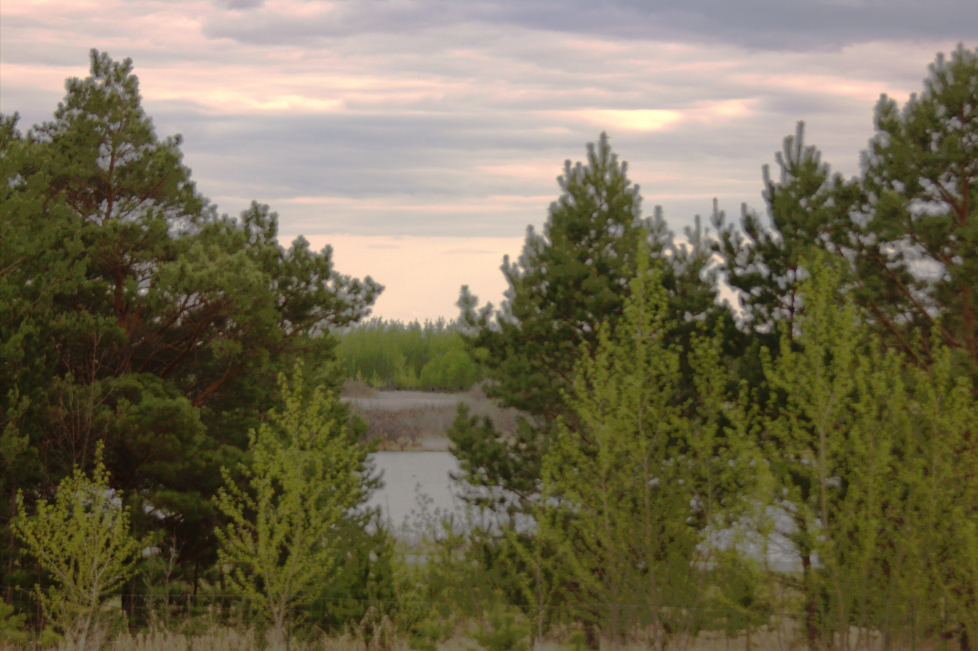
🥾 Bring comfortable walking shoes, a smartphone with iNaturalist, water, and your best Smile Day grin.

🌐 Learn more at friendsareas.ca

Because every tree has a story—and every visitor becomes part of it.

Addresses:

Part SE 23-36-6 – Richard St. Barbe Baker Afforestation Area – 241 Township Road 362-A

Part SE 23-36-6 – SW Off-Leash Recreation Area (Richard St. Barbe Baker Afforestation Area ) – 355 Township Road 362-A

S ½ 22-36-6 Richard St. Barbe Baker Afforestation Area (West of SW OLRA) – 467 Township Road 362-A

NE 21-36-6 “George Genereux” Afforestation Area – 133 Range Road 3063

Wikimapia Map: type in Richard St. Barbe Baker Afforestation Area or

Google Maps South West Off Leash area location pin at parking lot

Web page: https://stbarbebaker.wordpress.com

Where is the Richard St. Barbe Baker Afforestation Area? with map

Where is the George Genereux Urban Regional Park (Afforestation Area)?with map

Pinterest richardstbarbeb

Blogger: FriendsAfforestation

Tumblr friendsafforestation.tumblr.comFacebook Group Page: Users of the George Genereux Urban Regional Park

Facebook: StBarbeBaker Afforestation Area

Facebook for the non profit Charity Friends of the Saskatoon Afforestation Areas Inc. FriendsAreas

Facebook group page : Users of the St Barbe Baker Afforestation Area

Facebook: South West OLRA

Reddit: FriendsAfforestation

BlueSky Social

Mix: friendsareas

YouTube

Support via Zeffy

Please help protect / enhance your afforestation areas, please contact the Friends of the Saskatoon Afforestation Areas Inc. (e-mail / e-transfers )

Donate your old vehicle, here’s how!  

Support using Canada Helps

Support via a recycling bottle donation and Join the plastic-recycle challenge!

United Nations Decade on Ecosystem Restoration

““Be like a tree in pursuit of your cause. Stand firm, grip hard, thrust upward. Bend to the winds of heaven..”

World Biodiversity Day 2026

Acting Locally for Global Impact in Saskatoon’s Afforestation Areas

Today, May 22, marks World Biodiversity Day, a global celebration recognizing the extraordinary variety of life sustaining our planet. This year’s theme, “Acting Locally for Global Impact,” reminds us that meaningful environmental stewardship begins within our own communities, parks, wetlands, and forests.

In Saskatoon, the afforestation areas cared for and advocated by the Friends of the Saskatoon Afforestation Areas demonstrate how local conservation contributes directly toward global biodiversity goals. These urban forests are more than collections of trees; they are living ecosystems supporting birds, mammals, insects, pollinators, fungi, microorganisms, and native prairie biodiversity within Saskatchewan’s moist mixed grassland region.

West Swale and Richard St. Barbe Baker AFforestation Area wildlife Urban Forest Semi-Wilderness Area. Mountain Bluebird, White Tailed Deer Fawn. Barred Tiger Salamander or western tiger salamander. American Pelican, Mallard Duckling

The afforestation areas provide important ecological layers essential for healthy biodiversity. Towering canopy species such as native American Elm, Balsam Poplar, Manitoba Maple, Trembling Aspen, Bur Oak, Colorado Blue Spruce and White Spruce shelter birds and wildlife while stabilizing soils and moderating temperatures. Beneath them grow shrubs and understory plants including Saskatoon berry, chokecherry, red-osier dogwood, snowberry, buffaloberry, silverberry, gooseberries, currants, roses, and willow species which provide food, nesting habitat, pollen, nectar, and protection for pollinators, songbirds, mammals, and beneficial insects.

These forests also provide habitat corridors for wildlife including white-tailed deer, moose, rabbits, squirrels, owls, hawks, woodpeckers, migratory songbirds, and countless invertebrate species. Native flowering shrubs such as prairie rose, woods rose, silver buffaloberry, wolf willow, and western snowberry sustain pollinator populations critical to ecosystem resilience and agricultural health.

Biodiversity conservation also means understanding ecological challenges. Within the afforestation areas, introduced and invasive species such as European buckthorn require careful monitoring and community science participation. The Friends of the Saskatoon Afforestation Areas encourage the public to assist with observations through iNaturalist to help identify invasive species locations, monitor biodiversity, and contribute valuable ecological data supporting conservation efforts.

American Beaver, Porcupine, Red-winged Blackbird, Fawn, Mallard Ducks, Waxwing, Rabbit, Deer Chappell Marsh. West Swale Wetlands. Richard St. Barbe Baker Afforestation Area. Saskatoon, SK, CA

Several species found within the afforestation areas also carry conservation significance. American Elm and Green Ash are listed on the IUCN Red List because of threats from disease and environmental pressures. The Red-Berried Elder is ranked as a rare species within Saskatchewan. Every healthy urban forest supporting these species contributes to broader ecological resilience and conservation awareness.

Urban forests are increasingly recognized as essential climate adaptation infrastructure. Trees absorb carbon, reduce urban heat, improve air quality, retain stormwater, provide wildlife habitat, and contribute to mental and physical wellbeing for surrounding communities. In rapidly changing environments, afforestation areas become critical refuges not only for biodiversity, but also for people seeking connection with nature.

The Friends of the Saskatoon Afforestation Areas believe biodiversity protection begins with education, stewardship, and community participation. Every bird observation, invasive species report, pollinator garden, tree planting initiative, and conservation conversation helps strengthen environmental resilience locally while contributing to international biodiversity goals.

World Biodiversity Day reminds us that protecting ecosystems does not happen only within distant wilderness parks. It happens where communities choose to care for the landscapes around them. Saskatoon’s afforestation areas stand as living examples of how local environmental stewardship can create lasting global impact for biodiversity, climate resilience, and future generations.

Afforestation Area Addresses:

Part SE 23-36-6 – Richard St. Barbe Baker Afforestation Area – 241 Township Road 362-A

Part SE 23-36-6 – SW Off-Leash Recreation Area (Richard St. Barbe Baker Afforestation Area ) – 355 Township Road 362-A

S ½ 22-36-6 Richard St. Barbe Baker Afforestation Area (West of SW OLRA) – 467 Township Road 362-A

NE 21-36-6 “George Genereux” Afforestation Area – 133 Range Road 3063

Clavet Memorial Healing Forest honouring the Humboldt Broncos.

Wikimapia Map: type in Richard St. Barbe Baker Afforestation Area or

Google Maps South West Off Leash area location pin at parking lot

Web page: https://stbarbebaker.wordpress.com

Where is the Richard St. Barbe Baker Afforestation Area? with map

Where is the George Genereux Urban Regional Park (Afforestation Area)?with map

Pinterest richardstbarbeb

Blogger: FriendsAfforestation

Tumblr friendsafforestation.tumblr.comFacebook Group Page: Users of the George Genereux Urban Regional Park

Facebook: StBarbeBaker Afforestation Area

Facebook for the non profit Charity Friends of the Saskatoon Afforestation Areas Inc. FriendsAreas

Facebook group page : Users of the St Barbe Baker Afforestation Area

Facebook: South West OLRA

Reddit: FriendsAfforestation

BlueSky Social

Mix: friendsareas

YouTube

Support via Zeffy

Please help protect / enhance your afforestation areas, please contact the Friends of the Saskatoon Afforestation Areas Inc. (e-mail / e-transfers )

Donate your old vehicle, here’s how!  

Support using Canada Helps

Support via a recycling bottle donation and Join the plastic-recycle challenge!

United Nations Decade on Ecosystem Restoration

“Be like a tree in pursuit of your cause. Stand firm, grip hard, thrust upward. Bend to the winds of heaven..” – Richard St. Barbe Baker

THE SILENT COLLAPSE OF THE CANADIAN PRAIRIE

SPECIAL REPORT: PARLIAMENT HILL ENVIRONMENT WATCH

May 2026


THE SILENT COLLAPSE OF THE CANADIAN PRAIRIE

Why a Grassroots Charity in Saskatoon is Sounding the Alarm on Parliament Hill—and Why the Federal Budget is Canada’s Last Line of Defense.

If you close your eyes and picture a vanishing, critically endangered global ecosystem, your mind likely drifts to the smoke-choked canopies of the Amazon rainforest or the bleaching expanses of the Great Barrier Reef.

You probably do not picture Saskatchewan.

Yet, according to international conservation scientists, the North American temperate grasslands are quietly holding a devastating title: they are officially the most endangered ecosystem on planet Earth. While tropical deforestation dominates international headlines, Canada’s native prairies are disappearing at a much faster rate.

With the House of Commons Standing Committee on Finance wrapping up its Pre-Budget Consultations ahead of the upcoming Federal Budget, a crucial deadline looms. Non-profits, advocates, and policy experts have until 11:59 PM (EDT) on Friday, May 22, 2026, to submit environmental briefs.

Among the hundreds of stacks of economic forecasts and funding requests landing on the desks of Members of Parliament, one highly focused, evidence-based submission stands out. It comes from The Friends of the Saskatoon Afforestation Areas Inc.—a localized, community-based environmental charity that has achieved rare, prestigious accreditation through the United Nations Environment Programme (UNEP).

They are not just asking for money. They are bringing a legislative roadmap designed to fix a massive gap in Canada’s national biosecurity infrastructure.

“Without enforceable, coordinated national legislation for terrestrial biodiversity, the temperate grasslands—and the life they support—will continue to vanish in silence.”


A Patchwork Crisis: The Governance Gap

Canada has historically demonstrated spectacular leadership when protecting its blue infrastructure. We have robust, enforceable national frameworks for marine conservation, federally managed fisheries, and aquatic invasive species.

But when it comes to the land beneath our feet, Canada’s terrestrial ecosystems are governed by a disjointed, fragmented patchwork of provincial and territorial regulations. This lack of centralized federal authority has created dangerous regulatory blind spots during what biologists openly call the Earth’s Sixth Mass Extinction.

Consider the numbers: North American grassland bird populations have plummeted by more than 50% since 1970. This represents the sharpest, most catastrophic decline of any bird cohort on the continent. Concurrently, native pollinator populations are collapsing as native perennial ecosystems are systematically converted into shallow-rooted annual monoculture crops.

When native flora like milkweed vanishes, the specialized ecological relationships supporting species like the Monarch butterfly break completely. When foundational native flora like milkweed disappears, critical symbiotic networks—including the specialized relationships required by the Monarch butterfly—are severed. This destabilization systematically compromises other mutually dependent species throughout the ecosystem.

CANADIAN ECOSYSTEM PROTECTION GAP
┌───────────────────────────┬───────────────────────────┐
│ AQUATIC / MARINE │ TERRESTRIAL (LAND) │
├───────────────────────────┼───────────────────────────┤
│ ✔ Unified Federal Laws │ ✘ Fragmented Provincial │
│ ✔ Coordinated Enforcement │ ✘ Jurisdictional Silos │
│ ✔ Strong National Funding │ ✘ Inconsistent Standards │
└───────────────────────────┴───────────────────────────┘

The Ecological Super-Pest: Invading Wild Pigs

Compounding this loss of biodiversity is a terrifying biological threat: invasive wild pigs (Sus scrofa).

Wild pigs are widely considered by biologists to be among the world’s most destructive invasive mammals. Armed with an explosive reproductive rate, an uncontrolled wild pig population can double in size within a matter of months. Their aggressive nesting and rooting behaviors dig up wetlands, strip native grasslands, destroy agricultural crops, pollute sensitive waterways, and accelerate the spread of noxious weeds.

Currently, the fight against these animals is crippled by a lack of coordination. Because oversight is split across provincial borders, response strategies are dangerously contradictory.

For example, scientific experts—including Dr. Ryan Brook and the team at the Canadian Wild Pig Research Project based at the University of Saskatchewan—have consistently shown that uncoordinated recreational hunting actually worsens the crisis. When a hunter kills a single wild pig from a family group (known as a “sounder”), the surviving pigs scatter in panic, dispersing deeper into new territory and accelerating their geographic expansion.

Because Canada lacks a unified national eradication framework, one province’s casual hunting policies can directly undo the costly containment efforts of a neighboring province.


The One Health Imperative: Why This Matters to Every Canadian

The Friends of the Saskatoon Afforestation Areas Inc. emphasizes that this is not just an isolated environmental problem. It is a direct threat to public safety, economic stability, and human health—a concept known globally as the “One Health” approach.

Healthy, intact native grasslands function as vital climate stabilizers. Their deep, ancient root networks are highly efficient at sequestering carbon, retaining groundwater, resisting drought, and providing natural firebreaks.

As invasive species alter the landscape and native ecosystems degrade, that natural resilience against catastrophic wildfire is stripped away. The result? A dramatic escalation in fuel loads that directly threatens human settlements, mental health, increases disaster relief spending, and fills Canadian cities with toxic, dangerous smoke.

Aligned with UN Sustainable Development Goal 3 (Good Health and Well-being) and Goal 11 (Sustainable Cities and Communities), the group’s pre-budget submission argues that protecting grasslands is a fundamental pillar of disaster preparedness and human survival.


The Policy Blueprint: Two Concrete Recommendations

To bridge these gaps, the UNEP-accredited charity has delivered two clear, direct policy recommendations to the House of Commons Finance Committee in their submitted brief to address three topics :

  • National Terrestrial Biodiversity Protection for Threatened Species and Species at Risk in Canada
  • National Wild Pig Act and Coordinated Invasive Terrestrial Species Eradication Strategy
  • Protection at the Canadian National Level of the World’s Most Endangered Ecosystems: Temperate Grasslands

Recommendation 1:

That the Government of Canada implement a National Terrestrial Biodiversity Protection Framework in relation to endangered temperate grasslands, invasive terrestrial species management, threatened species and habitat protections and coordinated ecosystem restoration across Canada, and allocate dedicated federal funding to ensure effective implementation, long-term protection, and measurable restoration outcomes.

Recommendation 2: That the Government of Canada amend the existing federal invasive species framework by implementing a National Wild Pig Act in relation to invasive terrestrial species management and coordinated national eradication strategies, and provide dedicated federal funding to support implementation, enforcement, monitoring, and long-term eradication efforts.


From Aspirational Targets to Real Legislation

“We must move beyond aspirational targets,” states the brief. While global initiatives like the United Nations Decade on Ecosystem Restoration (2021–2030) offer a vital framework, international targets are meaningless without dedicated federal dollars and domestic legislative teeth.

The federal government has an immediate opportunity to act during this budget cycle. Treating our terrestrial ecosystems as essential national infrastructure is not a luxury—it is a clear investment in Canada’s resilience, biosecurity, and long-term climate safety.


HOW TO SUPPORT THIS CAUSE:

  • Submit a Brief: If you are part of an organization or a concerned citizen, you can voice your support directly on the House of Commons Finance Committee Pre-Budget Consultations Page. Submissions must be received before 11:59 PM (EDT) on Friday, May 22, 2026.
  • Engage Your Leaders: Share this brief with your local Member of Parliament (MP), provincial Senators, Parliamentary Secretaries, and Ministers holding portfolios in Environment, Climate Change, Agriculture, and Emergency Preparedness.
  • Learn More: Explore the nonprofit toolkits available through organizations like Imagine Canada to learn how community science and grassroots advocacy can drive national policy changes.

Bibliography

Brook, R. K. (2026). Canadian Wild Pig Research Project. University of Saskatchewan, Wildlife Ecology and Community Engagement Lab. https://www.wildpigs.ca/

Brook, R. K., et al. (2022). Invasive wild pigs in Canada: Ecology, impacts, and management. Canadian Journal of Animal Science, 102(4), 845–861.

Cardinale, B. J., et al. (2012). Biodiversity loss and its impact on humanity. Nature, 486(7401), 59–67.

Environment and Climate Change Canada. (2022). Invasive Alien Species Strategy for Canada. Government of Canada. https://www.canada.ca/

Environment and Climate Change Canada. (2025). Canadian Environmental Sustainability Indicators: Species at Risk. Government of Canada. https://www.canada.ca/

Government of Canada. (2024). Canadian Biodiversity Strategy and Action Plan. Government of Canada. https://www.canada.ca/

Intergovernmental Science-Policy Platform on Biodiversity and Ecosystem Services (IPBES). (2019). Global Assessment Report on Biodiversity and Ecosystem Services. United Nations.

Mayer, J. J., & Brisbin, I. L., Jr. (2009). Wild Pigs in the United States: Their History, Comparative Morphology, and Current Status. University of Georgia Press.

Pimentel, D., Zuniga, R., & Morrison, D. (2005). Update on the environmental and economic costs associated with alien-invasive species in the United States. Ecological Economics, 52(3), 273–288.

Ripple, W. J., et al. (2020). World scientists’ warning of a climate emergency. BioScience, 70(1), 8–12.

Samson, F., & Knopf, F. (1994). Prairie Conservation: Preserving North America’s Most Endangered Ecosystem. Island Press.

United Nations. (2021). UN Decade on Ecosystem Restoration 2021–2030. United Nations Environment Programme. https://www.decadeonrestoration.org/

University of Saskatchewan. (2026). Wildlife Ecology and Community Engagement Lab. University of Saskatchewan. https://wecelab.usask.ca/

Wild Pigs Canada. (2026). Mapping the Spread of Invasive Wild Pigs Across Canada. Wild Pigs Canada. https://www.wildpigs.ca/maps.php

World Wildlife Fund Canada. (2022). Living Planet Report Canada. WWF Canada. https://wwf.ca/

Afforestation Area Addresses:

Part SE 23-36-6 – Richard St. Barbe Baker Afforestation Area – 241 Township Road 362-A

Part SE 23-36-6 – SW Off-Leash Recreation Area (Richard St. Barbe Baker Afforestation Area ) – 355 Township Road 362-A

S ½ 22-36-6 Richard St. Barbe Baker Afforestation Area (West of SW OLRA) – 467 Township Road 362-A

NE 21-36-6 “George Genereux” Afforestation Area – 133 Range Road 3063

Clavet Memorial Healing Forest honouring the Humboldt Broncos.

Wikimapia Map: type in Richard St. Barbe Baker Afforestation Area or

Google Maps South West Off Leash area location pin at parking lot

Web page: https://stbarbebaker.wordpress.com

Where is the Richard St. Barbe Baker Afforestation Area? with map

Where is the George Genereux Urban Regional Park (Afforestation Area)?with map

Pinterest richardstbarbeb

Blogger: FriendsAfforestation

Tumblr friendsafforestation.tumblr.comFacebook Group Page: Users of the George Genereux Urban Regional Park

Facebook: StBarbeBaker Afforestation Area

Facebook for the non profit Charity Friends of the Saskatoon Afforestation Areas Inc. FriendsAreas

Facebook group page : Users of the St Barbe Baker Afforestation Area

Facebook: South West OLRA

Reddit: FriendsAfforestation

BlueSky Social

Mix: friendsareas

YouTube

Support via Zeffy

Please help protect / enhance your afforestation areas, please contact the Friends of the Saskatoon Afforestation Areas Inc. (e-mail / e-transfers )

Donate your old vehicle, here’s how!  

Support using Canada Helps

Support via a recycling bottle donation and Join the plastic-recycle challenge!

United Nations Decade on Ecosystem Restoration

“Be like a tree in pursuit of your cause. Stand firm, grip hard, thrust upward. Bend to the winds of heaven..” – Richard St. Barbe Baker

The Silent Architects: Listening to the Pulse of the Wood

By the Mycelial Collective

Beneath the canopy of our global forests, a slow-motion dialogue is taking place—a metabolic conversation between the standing giants of the timber world and the persistent, creeping network of the fungal kingdom. To the untrained eye, a mushroom is a mere ornament. But to those who walk the path of the Watu Wa Miti—the “People of the Trees”—it is a profound indicator of a landscape in transition.

The Ancestral Pledge

In 1922, Richard St. Barbe Baker and Chief Josiah Njonjo founded a movement in Kenya that would ripple across a century. The “Men of the Trees” (now Watu Wa Miti) understood a fundamental truth: our fate is intertwined with the sap and the spore. Their pledge—to plant ten trees a year and do one good deed daily—was more than a conservation effort; it was an acknowledgment of our role as stewards of a living, breathing respiratory system. Today, as we navigate an era of climate instability, the health of our forests depends on our ability to read the “language of the limb.”

The Polypore: Nature’s Hardened Wisdom

Look closely at the trunk of an aging oak or a weathered hemlock. You may see a woody shelf, hard as a horse’s hoof, jutting from the bark. These are the Polypores. Unlike the ephemeral meadow mushrooms with their delicate gills, these organisms possess millions of microscopic pores. When they take on this woody, hoof-like form, we call them conks.

These structures are not merely growing on the tree; they are growing with it. A conk like Fomes fomentarius (the Tinder Polypore) or Phellinus tremulae (Aspen Bracket) adds a new layer of spore tissue each season, mirroring the growth rings of the tree itself. If you find a conk with eight distinct layers, you are looking at a four-to-eight-year history of fungal respiration. It is a biological clock, ticking in the key of decomposition.

The Art of Decay

Among these architects is the Artist’s Conk (Ganoderma applanatum). Its creamy underside is a living canvas; a gentle scratch with a fingernail leaves a permanent brown line, preserved through the drying process. But the “art” goes deeper than the surface.

These fungi are saprophytes, the grand recyclers of the planet. They target the lignin—the very “rebar” of the tree’s structural concrete. While a white-rot fungus like the Artist’s Conk leaves the wood flexible but weakened, the Common Split Gill (Schizophyllum commune) thrives on the sun-scorched, drought-stressed limbs of trees already gasping for relief.

“A hollow or dull sound when knocking on a trunk is the tree’s way of whispering its internal secrets. It tells us that the mycelium has already moved into a tree wound, claiming the heartwood for the next generation of life.”

The Inevitable Transition

We must address the uncomfortable truth: once a polypore fruits, the mycelium has already occupied the fortress. Whether the infection began via a lightning strike, a pruning wound, stress on the root or a territorial woodpecker, the decay is a one-way street. There is no “cure” for wood-decay fungi.

In our human desire to “fix” nature, we often want to rip the conks off the bark. Do not destroy the evidence. Removing the fruiting body does nothing to stop the vegetative hyphae devouring the nutrients inside. In fact, if you tear a conk away during a humid rain, you may unwittingly help the fungus broadcast its spores to the rest of the grove.

Stewardship in the Mycelial Age

To care for our forests is not to wage war on fungi, but to mitigate the stress that invites them. Wood-decay fungi are opportunistic; they are the “undertakers” of the woods, summoned by wounds from machinery, fire, and drought.

To be Watu Wa Miti today means:

  1. Preventing Wounds: Protect the bark of your trees as you would your own skin.
  2. Mitigating Stress: Water during droughts and mulch to preserve soil health.
  3. Observing with Humility: Recognize that a “hazard tree” to a homeowner is a “wildlife skyscraper” to the ecosystem.

The polypore teaches us that death is simply a restructuring of energy. As the lignin breaks down, the nutrients stored from decades of sunshine and soil are released back into the web. We plant the trees, and the fungi ensure that no atom is ever wasted. In this sacred cycle, we find our place—not as masters of the forest, but as humble members of the Mycelial Collective.

To keep our forest healthy and safe, the City of Saskatoon Parks Dept. (led by Urban Forestry Supervisor Scott Kindrat) will be conducting essential tree maintenance in the RSBBA from June 9–11. Arborists will focus on removing trees marked with a painted dot—specifically those that are diseased or pose a risk of falling or fire. We appreciate your cooperation as we care for this natural space! Thank you.

Part SE 23-36-6 – Richard St. Barbe Baker Afforestation Area – 241 Township Road 362-A

Part SE 23-36-6 – SW Off-Leash Recreation Area (Richard St. Barbe Baker Afforestation Area ) – 355 Township Road 362-A

S ½ 22-36-6 Richard St. Barbe Baker Afforestation Area (West of SW OLRA) – 467 Township Road 362-A

NE 21-36-6 “George Genereux” Afforestation Area – 133 Range Road 3063

Wikimapia Map: type in Richard St. Barbe Baker Afforestation Area or

Google Maps South West Off Leash area location pin at parking lot

Web page: https://stbarbebaker.wordpress.com

Where is the Richard St. Barbe Baker Afforestation Area? with map

Where is the George Genereux Urban Regional Park (Afforestation Area)?with map

Pinterest richardstbarbeb

Blogger: FriendsAfforestation

Tumblr friendsafforestation.tumblr.comFacebook Group Page: Users of the George Genereux Urban Regional Park

Facebook: StBarbeBaker Afforestation Area

Facebook for the non profit Charity Friends of the Saskatoon Afforestation Areas Inc. FriendsAreas

Facebook group page : Users of the St Barbe Baker Afforestation Area

Facebook: South West OLRA

Reddit: FriendsAfforestation

BlueSky Social

Mix: friendsareas

YouTube

Support via Zeffy

Please help protect / enhance your afforestation areas, please contact the Friends of the Saskatoon Afforestation Areas Inc. (e-mail / e-transfers )

Donate your old vehicle, here’s how!  

Support using Canada Helps

Support via a recycling bottle donation and Join the plastic-recycle challenge!

United Nations Decade on Ecosystem Restoration

““Be like a tree in pursuit of your cause. Stand firm, grip hard, thrust upward. Bend to the winds of heaven..” Richard St. Barbe Baker

Saskatoon’s Canopy: The Heart of the City is Rooted in You

This is a story of growth, right in your own backyard. Tonight, the focus is on Saskatoon—not just the City of Bridges, but a city that is fighting to stay green. It’s a mission for the planet, and it’s happening at the curb outside your front door.”

“Now, let’s take a look at what’s happening in your neck of the woods! The City has released its Greener Together newsletter, and folks, you’re going to want to check those mailboxes. Whether it’s in your bill insert or that ‘Protect Your Urban Forest’ pamphlet, there is a lot of great stuff going on across the country—and by that, I mean right there on your boulevard and naturalized park spaces!” A brief summary is herewith attached.

“But there is a serious note tonight. A threat is looming. Dutch Elm Disease is hitting record highs, and we have to act now. From the pruning ban starting April 1st to the way you handle firewood, the stakes for our canopy have never been higher. Let’s get to the facts and see how you can help this forest thrive.”


Feature Article: Guardians of the Canopy

In Saskatoon, the trees are more than just a backdrop—they are a hardworking infrastructure. According to the City’s latest guide, “Protect Your Urban Forest,” these leafy giants do everything from cleaning our air and cooling our pavement to managing stormwater. But as the city grows, so does the responsibility of the residents who live under their shade.

The Golden Rules of Tree Care The City manages its trees, but it’s the “extra mile” from residents that helps them truly thrive. A little water during a prairie dry spell or keeping the base of a boulevard tree tidy can ensure these assets flourish for generations. However, there are strict “don’ts” to keep in mind: you may not prune, apply pesticides, or attach items to City trees without official approval.

Planning a Project? Check the Radius If you are planning to renovate or landscape, keep your measuring tape handy. Any construction within six meters of a City tree requires a Tree Permit. The good news? These permits are completely free and are usually processed within four business days. It’s a small step that ensures construction equipment doesn’t accidentally damage the root systems of our shared forest.

A Free Legacy Looking to add some shade to your street? The City is currently offering free boulevard trees to both homeowners and businesses. By requesting a tree, you aren’t just beautifying your property; you’re investing in the city’s long-term health.

The Fight Against Dutch Elm Disease (DED) The most urgent dispatch from the City involves our majestic Elms. DED cases are at an all-time high, and prevention is the only cure. Residents are urged to follow these critical steps:

  • The Pruning Ban: Never prune elm trees between April 1 and August 31.
  • Wood Disposal: Never store elm wood or branches. All elm wood must be taken to the landfill immediately.
  • Report It: If you see a tree that looks diseased or dead, request a professional inspection via the City’s website.

To stay updated on all sustainability efforts, residents can subscribe to the Greener Together newsletter here. Together, we can ensure the “City of Green” lives up to its name.

Part SE 23-36-6 – Richard St. Barbe Baker Afforestation Area – 241 Township Road 362-A

Part SE 23-36-6 – SW Off-Leash Recreation Area (Richard St. Barbe Baker Afforestation Area ) – 355 Township Road 362-A

S ½ 22-36-6 Richard St. Barbe Baker Afforestation Area (West of SW OLRA) – 467 Township Road 362-A

NE 21-36-6 “George Genereux” Afforestation Area – 133 Range Road 3063

Wikimapia Map: type in Richard St. Barbe Baker Afforestation Area or

Google Maps South West Off Leash area location pin at parking lot

Web page: https://stbarbebaker.wordpress.com

Where is the Richard St. Barbe Baker Afforestation Area? with map

Where is the George Genereux Urban Regional Park (Afforestation Area)?with map

Pinterest richardstbarbeb

Blogger: FriendsAfforestation

Tumblr friendsafforestation.tumblr.comFacebook Group Page: Users of the George Genereux Urban Regional Park

Facebook: StBarbeBaker Afforestation Area

Facebook for the non profit Charity Friends of the Saskatoon Afforestation Areas Inc. FriendsAreas

Facebook group page : Users of the St Barbe Baker Afforestation Area

Facebook: South West OLRA

Reddit: FriendsAfforestation

BlueSky Social

Mix: friendsareas

YouTube

Support via Zeffy

Please help protect / enhance your afforestation areas, please contact the Friends of the Saskatoon Afforestation Areas Inc. (e-mail / e-transfers )

Donate your old vehicle, here’s how!  

Support using Canada Helps

Support via a recycling bottle donation and Join the plastic-recycle challenge!

United Nations Decade on Ecosystem Restoration

““Be like a tree in pursuit of your cause. Stand firm, grip hard, thrust upward. Bend to the winds of heaven..”

Deep Time in the Hub City: The Cataclysmic Carving of the West Swale

This is a story about Time. Not the minutes and hours we use to schedule our lives, but Deep Time—the kind of time that moves mountains and carves provinces.

As we celebrate Geologists Day this April 5th, we aren’t just honoring a profession; we are honoring the detectives of the Earth. We are looking at the ground beneath our feet here in Saskatchewan and asking, “How did you get here?” To answer that, we have to look past the wheat fields and the living prairie and envision a world dominated by ice and cataclysm.

The Big Chill: Saskatchewan in the Pleistocene

To understand the Saskatchewan plains, you have to appreciate the Laurentide Ice Sheet. Imagine a slab of ice two miles thick sitting right where you are. It’s heavy, it’s grinding, and it’s moving. During the Pleistocene, this ice wasn’t just a static blanket; it was a sculptor’s chisel.

But the real magic happens not when the ice arrives, but when it leaves. When you melt a continental-sized ice cube, you don’t just get a puddle—you get a deluge. You get the kind of hydraulic power that can move house-sized boulders and rearrange the geography of a continent in a matter of weeks.

The Yorath Island Spillway: A Post-Glacial Firehose

Let’s talk about the Yorath Island Glacial Spillway.

There was a moment in our deep history when a massive proglacial lake—what geologists call Lake Saskatoon—was held back by a crumbling wall of ice. When that dam breached, the release of energy was staggering. This wasn’t a gentle stream; it was a high-pressure firehose of meltwater seeking the lowest path.

As this water tore south and east, it ripped through the glacial till, carving out more than one glacial spillway. This wasn’t a slow erosion over millions of years—this was a singular event. The water surged with such velocity -that of the Niagra Falls- that it scoured the landscape down to the bedrock in places, leaving behind the West Swale we see today – very visible on Satellite Maps. Yorath Island itself is a remnant, a “land-island” created by the sediment carried along by the sheer ferocity of these diverted currents.

The Legacy of the West Swale

When the water finally subsided and the great spillway went quiet, it left behind a masterpiece: the West Swale.

Today, the Swale looks like a peaceful string of wetlands and meadows, but to a geologist, it’s a “fossil” of that ancient flood. It is a long, linear depression—a scar on the face of the plains that marks where the Yorath Island Spillway once roared.

Because the spillway cut so deep, it exposed different layers of Earth’s history, creating a unique “micro-topography.” The West Swale isn’t just a ditch; it’s a catch-basin for biodiversity. The reason we have such rich wetlands and unique vegetation there today is directly tied to the catastrophic hydrology of 12,000 years ago. The Yorath Island soils aren’t from here—they are hitchhikers from the Canadian Shield brought south by the ice and dropped by the flood.

Why Earth Science Matters

Geologists Day reminds us that the “flat” Saskatchewan plains are anything but boring. Beneath the topsoil lies a high-stakes drama of tectonic shifts, glacial sieges, and massive floods.

When you stand on the edge of the West Swale this April, don’t just see the grass. See the Yorath Island Spillway in full roar. See the ice wall to the north. Feel the vibration of a billion tons of water reshaping the world.

The Earth is a book, and geology is the language we use to read it. There is so much more to reveal—so keep looking down, keep asking questions, and never take the ground beneath you for granted.

Happy Geologists Day!

Come to the Earth Cache MAKER MAGIC workshop

Part SE 23-36-6 – Richard St. Barbe Baker Afforestation Area – 241 Township Road 362-A

Part SE 23-36-6 – SW Off-Leash Recreation Area (Richard St. Barbe Baker Afforestation Area ) – 355 Township Road 362-A

S ½ 22-36-6 Richard St. Barbe Baker Afforestation Area (West of SW OLRA) – 467 Township Road 362-A

NE 21-36-6 “George Genereux” Afforestation Area – 133 Range Road 3063

Wikimapia Map: type in Richard St. Barbe Baker Afforestation Area or

Google Maps South West Off Leash area location pin at parking lot

Web page: https://stbarbebaker.wordpress.com

Where is the Richard St. Barbe Baker Afforestation Area? with map

Where is the George Genereux Urban Regional Park (Afforestation Area)?with map

Pinterest richardstbarbeb

Blogger: FriendsAfforestation

Tumblr friendsafforestation.tumblr.comFacebook Group Page: Users of the George Genereux Urban Regional Park

Facebook: StBarbeBaker Afforestation Area

Facebook for the non profit Charity Friends of the Saskatoon Afforestation Areas Inc. FriendsAreas

Facebook group page : Users of the St Barbe Baker Afforestation Area

Facebook: South West OLRA

Reddit: FriendsAfforestation

BlueSky Social

Mix: friendsareas

YouTube

Support via Zeffy

Please help protect / enhance your afforestation areas, please contact the Friends of the Saskatoon Afforestation Areas Inc. (e-mail / e-transfers )

Donate your old vehicle, here’s how!  

Support using Canada Helps

Support via a recycling bottle donation and Join the plastic-recycle challenge!

United Nations Decade on Ecosystem Restoration

““Be like a tree in pursuit of your cause. Stand firm, grip hard, thrust upward. Bend to the winds of heaven..”

The Long Haul: Where Water Flows, Equality Grows


The sky over the high plains is a bruised purple, the kind of color that promises rain but delivers only wind. In the dry reaches of the world, where the soil has the texture of powdered bone and the aquifers are retreating like a beaten army, the burden of thirst has a female face.

March 22 is United Nations World Water Day. The theme for 2026—“Water and Gender: Where Water Flows, Equality Grows”—is more than a slogan. It is a stark recognition of a geographic and social truth: the global water crisis is not a neutral predator. It picks its victims with a calculated eye for the vulnerable.

The Geography of Thirst

In fifty-three countries, the sun rises on a collective trek that defies modern logic. Women and girls spend 250 million hours every single day hauling water. They are the human pipelines, moving 40-pound plastic jerrycans across scrubland and broken basalt, their spines compressing under the weight of a resource that should be a right, not a penance.

When a girl is tethered to a well three miles from her hut, she is not in a classroom. When a woman is occupied with the logistics of basic survival, she is not in the workforce or the halls of local government. This is the “water-industrial complex” at its most cruel—not a high-tech failure of pipes and pumps, but a primitive failure of equity. We have mistaken “efficiency” for “conservation,” and in doing so, we have ignored the most efficient tool we have: the inclusion of women in water leadership.

The Dying Wetlands and the Human Toll

The tragedy is etched into the landscape. We see it in the shrinking fens and the suffocated bogs—those “wastelands” that were actually the Earth’s kidneys. As these ecosystems vanish, the water table drops, and the walk for the women grows longer. In the American West, in the sub-Saharan scrub, and in the parched villages of India, the story is the same: the land is being drained of its lifeblood, and the cost is being paid in the stifled potential of half the human race.

Sustainable Development Goal 6 (SDG 6)—the promise of safe water and sanitation for all by 2030—is currently a flickering lamp in a gale. We are not on track. We are moving with the lethargy of a silted river.

A New Map for 2030

To reach the 2030 goal, the “how” must change. We need a fundamental shift in our civic responsibility:

  • Stop the Binge: Our biggest drinking problem isn’t alcohol; it’s the senseless irrigation of non-native landscapes and industrial waste. Every gallon saved in a suburb is a gallon that stays in the global cycle.
  • Empower the Collectors: Women manage the water at the household level, yet they occupy fewer than one-fifth of the roles in the formal water sector. They must be the engineers, the policy-makers, and the voices at the head of the table.
  • Data over Guesswork: We must close the “data gap.” Without tracking how water scarcity specifically impacts women’s health and safety, our solutions will remain as shallow as a drought-stricken pond.

The lesson of 2026 is simple and bitingly real: we cannot fix the water if we do not fix the inequality. Where the water is allowed to flow freely, reliably, and near to home, the secondary crop is opportunity. Schools fill up. Health improves. The “long haul” finally ends.

On this World Water Day, let us recognize that the tap and the toilet are the most powerful tools for liberation ever invented. It is time to turn them on for everyone.


Supporting the West Swale wetlands within the Richard St. Barbe Baker Afforestation Area (RSBBAA) is a powerful way to put the “Water and Gender” theme into local action. These wetlands—specifically the northern end of Chappell Marsh—are critical “green infrastructure” that provide over $32,000 in annual ecosystem services to Saskatoon.

Here is how you can practically support this local treasure:

1. Become a “Bio-Coder” (Citizen Science)

Stewardship thrives on data. You can help protect the species that live in the West Swale by documenting what you see.

  • Use iNaturalist: Download the app and join the Saskatoon City Nature Challenge (happening April 24–27, 2026). Even a photo of a common frog or a “Lesser Yellowlegs” helps the Friends of the Saskatoon Afforestation Areas track the health of the ecosystem.
  • Report Species at Risk: The West Swale is home to over 60 species at risk. Reporting sightings of the Horned Grebe or Loggerhead Shrike ensures these areas receive the highest level of conservation priority.

2. Practice “Stealth Birding” and Respectful Visitation

The wetlands are “floating nurseries” for sensitive birds.

  • Stay on the Path: Walking through tall grass from May to August can crush the nests of ground-nesters like the Sprague’s Pipit.
  • Leash Your Dogs: Even a friendly swim can swamp a floating Grebe nest or disrupt the breeding cycle of the Western Tiger Salamander.

3. Join the “Friends” as a Volunteer or Leader

The Friends of the Saskatoon Afforestation Areas Inc. is the primary non-profit advocacy group for this land.

  • Board Opportunities: They are currently seeking board members and a Director of Municipal Affairs to monitor City Hall debates regarding the 480 acres of urban forest and swale.
  • Guided Tours: If you have a passion for nature, volunteer as an environmental tour guide for their “Woodlands and Wetlands” programs in May.
  • Plastic-Recycle Challenge: Support their conservation work by participating in their recycling bottle donation programs.

4. Advocate at City Hall

The West Swale is at the heart of the current National Urban Park debate (March 2026).

  • Monitor Boundaries: There is ongoing concern that new park boundaries might exclude portions of Richard St. Barbe Baker, George Genereux Urban Regional Forest the NorthEast swale to allow for neighborhood development.
  • Write to Council: Express your support for maintaining the 2023 consultative boundaries that include the full ecological reach of the Northeast, Small, and West Swales.

5. Education & Events

  • Jane’s Walk: Participate in the annual Jane’s Walk (May 3 at 3:00) to learn about the Yorath Island Glacial Spillway that formed the West Swale.
  • Junior Steward’s Quest: Encourage local schools to participate in field trips where students learn “pond dipping” and how to read the land.

Quick Contact for Support:

  • Website: friendsareas.ca
  • Email: friendsafforestation@gmail.com
  • Location: 241 Township Road 362-A (South West of Saskatoon).

“Species at Risk” to look out for during your next walk?

Resources for Action

  • Explore: World Water Day 2026 Activation Kit
  • Act: Support local water budgeting and gender-inclusive sanitation projects.
  • Learn: Read the 2026 UN World Water Development Report on water and gender equality.

Part SE 23-36-6 – Richard St. Barbe Baker Afforestation Area – 241 Township Road 362-A

Part SE 23-36-6 – SW Off-Leash Recreation Area (Richard St. Barbe Baker Afforestation Area ) – 355 Township Road 362-A

S ½ 22-36-6 Richard St. Barbe Baker Afforestation Area (West of SW OLRA) – 467 Township Road 362-A

NE 21-36-6 “George Genereux” Afforestation Area – 133 Range Road 3063

Wikimapia Map: type in Richard St. Barbe Baker Afforestation Area or

Google Maps South West Off Leash area location pin at parking lot

Web page: https://stbarbebaker.wordpress.com

Where is the Richard St. Barbe Baker Afforestation Area? with map

Where is the George Genereux Urban Regional Park (Afforestation Area)?with map

Pinterest richardstbarbeb

Blogger: FriendsAfforestation

Tumblr friendsafforestation.tumblr.comFacebook Group Page: Users of the George Genereux Urban Regional Park

Facebook: StBarbeBaker Afforestation Area

Facebook for the non profit Charity Friends of the Saskatoon Afforestation Areas Inc. FriendsAreas

Facebook group page : Users of the St Barbe Baker Afforestation Area

Facebook: South West OLRA

Reddit: FriendsAfforestation

BlueSky Social

Mix: friendsareas

YouTube

Support via Zeffy

Please help protect / enhance your afforestation areas, please contact the Friends of the Saskatoon Afforestation Areas Inc. (e-mail / e-transfers )

Donate your old vehicle, here’s how!  

Support using Canada Helps

Support via a recycling bottle donation and Join the plastic-recycle challenge!

United Nations Decade on Ecosystem Restoration

““Be like a tree in pursuit of your cause. Stand firm, grip hard, thrust upward. Bend to the winds of heaven..”

Design a site like this with WordPress.com
Get started