Sustainable Futures: How Understanding Ecosystems Shapes Conservation Effort

A Tale of Diversity and Discovery

Imagine a quiet morning in the Richard St. Barbe Baker Afforestation Area, or George Genereux Urban Regional Park where the first light of dawn filters through the towering evergreens and conifers that dominate the landscape. As the sun rises, it casts a golden glow over the lush woodland, wetland, and meadow ecosystems that form a unique tapestry of life. This serene setting is not just a collection of trees and plants but a dynamic living system where diverse organisms thrive and interact.

The Dance of the Ecosystems

In these remarkable places, the presence of evergreens and conifers has brought about a fascinating ecological phenomenon. These hardy trees, typically found in higher elevations and boreal forests, have created a special environment that merges with the moist mixed grasslands of the lower elevations around Saskatoon. This merging, known as an ecotone, creates a vibrant transition zone where the qualities of two different ecosystems blend.

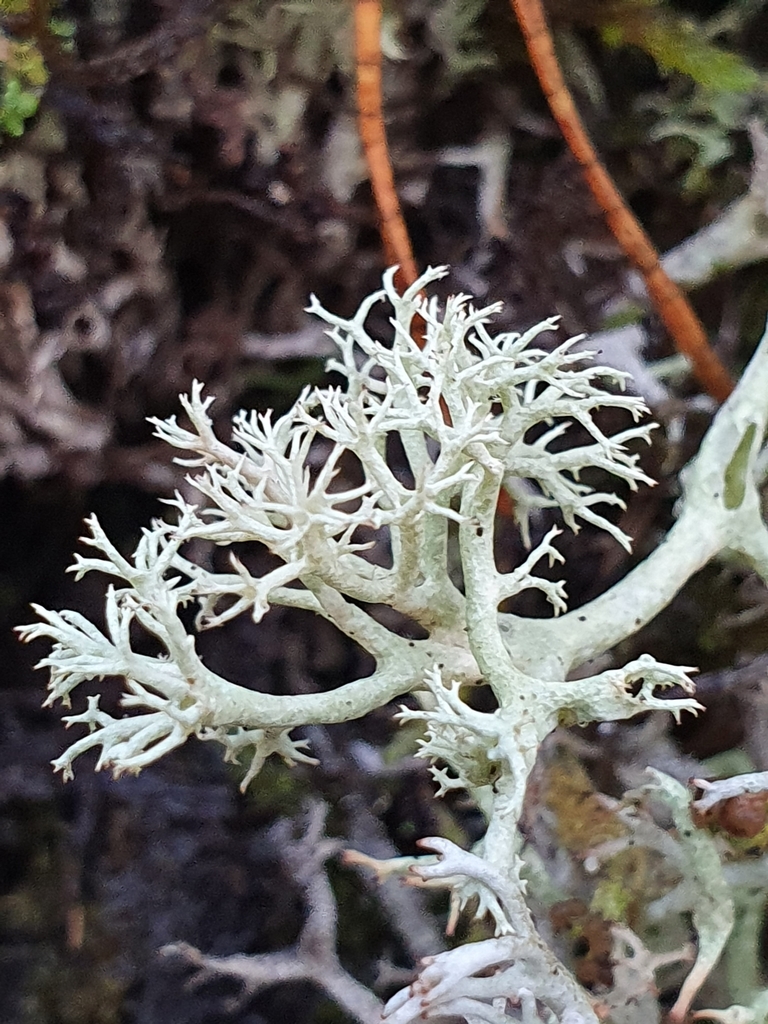
In the woodlands, the evergreen canopy shelters a rich diversity of plants and animals. The fallen needles from these conifers enrich the soil with a unique layer of organic matter, which in turn supports a community of fungi, mosses, and lichens. These microorganisms play a crucial role in breaking down organic material, making nutrients available for the diverse plant life that flourishes beneath the canopy.

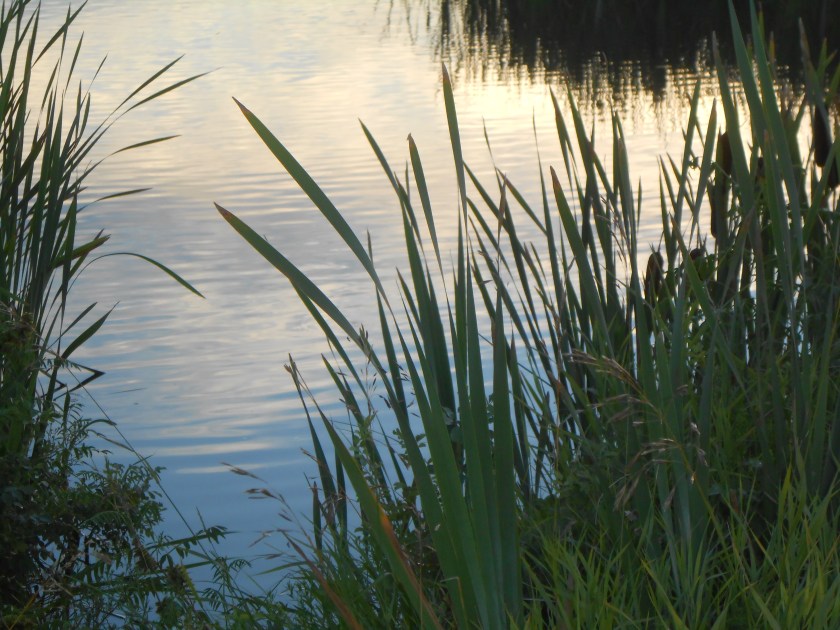
The wetlands of the west swale, with the deep waters of the permanent wetlands and the shallow waters of the temporary wetlands and abundant plant life, offer a stark contrast to the woodland. Here, reeds and cattails sway in the gentle breeze, providing a habitat for amphibians and insects. The constant presence of water creates a unique microclimate, which supports species adapted to wet conditions. Birds such as the herons and ducks find sanctuary in these wetlands, while insects like dragonflies and damselflies dart above the water, adding a splash of color to the landscape.

Further afield, the meadows bask in the open sunlight, where wildflowers and grasses create a carpet of color and life. This area supports a different set of species, including pollinators like bees and butterflies, as well as mammals such as deer and rabbits. The diversity of plant life in the meadows provides ample food and shelter, ensuring a thriving community of organisms.

A Tribute to Richard St. Barbe Baker

In this symphony of life, the legacy of Richard St. Barbe Baker, a pioneer in silviculture and a passionate advocate for trees, resonates deeply. Known as a “forest doctor,” Baker dedicated his life to studying and preserving forests around the world. His work led to the creation of the International Tree Foundation, an organization committed to reforestation and forest conservation.

Baker’s vision aligns with the principles of sustainable development. He understood that forests are not just collections of trees but complex ecosystems that support a myriad of life forms. His legacy continues to inspire those who work to preserve and enhance the diversity of living things.

Careers in Understanding Nature

The richness of the afforestation areas provides a living classroom for many careers dedicated to understanding and preserving biodiversity. Botanists study the various plant species and their roles in the ecosystem. Herpetologists focus on amphibians and reptiles, exploring their habitats and behaviors. Zoologists and wildlife biologists investigate the lives of mammals and birds, while entomologists delve into the world of insects.

Mycologists and lichenologists examine fungi and lichens, essential players in nutrient cycling. Dendrologists, who specialize in trees, study their growth patterns and ecological roles. Ornithologists observe and document the behavior and migration patterns of birds.

Bridging Knowledge Systems

As we embark on the International Decade of Sciences for Sustainable Development, there is an increasing emphasis on integrating Indigenous and Western knowledge systems. Indigenous peoples have long understood the interconnectedness of life, using traditional knowledge to manage and sustain their environments. This wisdom complements modern scientific approaches, providing a holistic view of ecological relationships.

Sustainable Development Goals and Conservation

Aligning with the United Nations Sustainable Development Goals, particularly Life Below Water and Life on Land, we recognize the importance of conserving and restoring natural habitats. Understanding the characteristics and behaviors of vertebrates and invertebrates helps us ensure that greenspaces, such as forests, grasslands, and wetlands, are preserved and managed sustainably.

By studying how individual organisms survive and adapt, we gain insights into the mechanisms that support biodiversity. This knowledge is essential for developing strategies to protect and enhance the natural world, ensuring that future generations can enjoy and benefit from its beauty and resources.

The Hidden World of Micro-Organisms

In the soil beneath our feet, a hidden world of micro-organisms plays a critical role in maintaining ecosystem health to understand noxious invasive species. Dr. Eric Lamb’s research into soil microbial communities reveals how these tiny organisms contribute to nutrient cycling and soil fertility. Their work underscores the importance of understanding and preserving the microbial world, which is vital for sustaining plant life and, by extension, the entire ecosystem.

As you explore the afforestation areas, take a moment to appreciate the intricate web of life that surrounds you. From the towering trees to the smallest microbes, each element plays a role in the grand tapestry of nature. By learning about and respecting this diversity, we can contribute to the ongoing preservation and enrichment of our natural world.

Activity 1: Ecotone Exploration

Objective: Understand the concept of an ecotone and how different ecosystems merge.

Instructions:

  1. Create a large poster or digital presentation of the Richard St. Barbe Baker Afforestation Area, including the woodland, wetland, and meadow ecosystems.
  2. Using images or drawings, identify and label key features of each ecosystem, and illustrate how they merge into an ecotone.
  3. Discuss how the presence of evergreens and conifers affects the soil and plant life in this transition zone.

Questions:

  1. What are the main characteristics of the woodland, wetland, and meadow ecosystems found in the afforestation area?
  2. How do evergreens and conifers influence the soil in the ecotone between the boreal forest and mixed grasslands?
  3. What types of plants and animals are adapted to the unique conditions of the ecotone?
  4. Why is the concept of an ecotone important for understanding biodiversity?
  5. How might the merging of different ecosystems in the afforestation area support a diverse range of species and over 60 species of concern?

Activity 2: Careers in Ecology

Objective: Explore various careers related to studying and preserving biodiversity.

Instructions:

  1. Research the careers of botanists, herpetologists, zoologists, wildlife biologists, entomologists, mycologists, lichenologists, dendrologists, and ornithologists. Have you ever taken part in the dendrochronology study conducted by Dr Colin Laroque in the Mistik Askiwin Dendrochronology Lab (MAD Lab) to work with the Canadian Light Source (CLS) Synchrotron?
  2. Create a brochure or presentation highlighting each career’s role, key responsibilities, and how they contribute to understanding ecosystems.
  3. Include information about Richard St. Barbe Baker’s career and its impact on forestry and conservation.

Questions:

  1. What are the main responsibilities of a botanist, and how do they contribute to our understanding of plant species –tree species / native wildflower plants?
  2. How do herpetologists study amphibians and reptiles, and why is this important for conservation? What amphibians and reptiles are present in the afforestation areas (this can be searched on iNaturalist using the “Explore” feature)
  3. What role do ornithologists play in studying bird behavior and migration? (E-bird resources are handy to determine birds of the afforestation areas)
  4. How did Richard St. Barbe Baker’s work influence modern forestry practices?
  5. Which career might you be interested in and why?

Activity 3: Indigenous and Western Knowledge Integration

Objective: Understand the integration of Indigenous and Western knowledge systems in environmental management.

Instructions:

  1. Investigate how Indigenous knowledge and Western scientific approaches complement each other in managing natural resources.
  2. Create a Venn diagram to compare and contrast Indigenous and Western knowledge systems related to ecosystem management.
  3. Discuss how both knowledge systems contribute to sustainable development goals.

Questions:

  1. What are some key principles of Indigenous knowledge related to environmental stewardship?
  2. How do Western scientific methods approach ecosystem management and conservation?
  3. In what ways can combining Indigenous and Western knowledge enhance the management of natural resources?
  4. How do these integrated approaches support the United Nations Sustainable Development Goals?
  5. Why is it important to respect and incorporate diverse knowledge systems in environmental conservation?

Activity 4: Investigating Micro-organisms

Objective: Explore the role of micro-organisms in soil health and ecosystem functioning.

Instructions:

  1. Research the types of micro-organisms found in soil and their roles in nutrient cycling and soil fertility.
  2. Conduct a simple soil experiment to observe micro-organisms using a microscope or soil sampling kit.
  3. Discuss the findings and their implications for ecosystem health and plant growth.

Questions:

  1. What types of micro-organisms are commonly found in soil, and what are their functions?
  2. How do micro-organisms contribute to nutrient cycling in the ecosystem?
  3. Why is it important to understand the role of micro-organisms in maintaining soil health?
  4. What might happen if soil micro-organisms were disrupted or removed?
  5. How can Dr. Eric Lamb and his lab’s research help us better manage soil health and plant life? National Forest Week event Sept 20

Activity 5: Survival Strategies of Local Species

Objective: Examine how local species adapt to their environments.

Instructions:

  1. Choose different vertebrates (mammals, birds, reptiles, amphibians, and fish) and invertebrates from the afforestation area.
  2. Research and present on how each species adapts to its specific habitat within the woodland, wetland, or meadow.
  3. Create a visual display or report showing these adaptations and their importance for survival.

Questions:

  1. How do the adaptations of a specific mammal help it survive in the woodland ecosystem? Would mammals adopt a naturalized “man-made forest” on the prairies, or only use trembling aspen bluffs or woodlands of the boreal forests north of the treeline?
  2. What special features allow birds in the wetland to thrive in their environment?
  3. How do amphibians adapt to the varying conditions of the wetland and meadow ecosystems?
  4. Why are certain plants or insects particularly suited to the meadow habitat?
  5. How do these survival strategies contribute to the overall health and balance of the ecosystem?
    For directions as to how to drive to “George Genereux” Urban Regional Park
    For directions on how to drive to Richard St. Barbe Baker Afforestation Area
    For more information:
    Blairmore Sector Plan Report; planning for the Richard St. Barbe Baker Afforestation Area, George Genereux Urban Regional Park and West Swale and areas around them inside of Saskatoon city limits
    NEW P4G District Official Community Plan
    Richard St. Barbe Baker Afforestation Area is located in Saskatoon, Saskatchewan, Canada north of Cedar Villa Road, within city limits, in the furthest south west area of the city. 52° 06′ 106° 45′
    Addresses:
    Part SE 23-36-6 – Afforestation Area – 241 Township Road 362-A
    Part SE 23-36-6 – SW Off-Leash Recreation Area (Richard St. Barbe Baker Afforestation Area ) – 355 Township Road 362-A
    S ½ 22-36-6 Richard St. Barbe Baker Afforestation Area (West of SW OLRA) – 467 Township Road 362-A
    NE 21-36-6 “George Genereux” Afforestation Area – 133 Range Road 3063
    Wikimapia Map: type in Richard St. Barbe Baker Afforestation Area
    Google Maps South West Off Leash area location pin at parking lot
    Web page: https://stbarbebaker.wordpress.com
    Where is the Richard St. Barbe Baker Afforestation Area? with map
    Where is the George Genereux Urban Regional Park (Afforestation Area)?with map
    Pinterest richardstbarbeb
    Blogger: FriendsAfforestation
    Tumblr friendsafforestation.tumblr.comFacebook Group Page: Users of the George Genereux Urban Regional Park
    Facebook: StBarbeBaker Afforestation Area
    Facebook for the non profit Charity Friends of the Saskatoon Afforestation Areas Inc. FriendsAreas
    Facebook group page : Users of the St Barbe Baker Afforestation Area
    Facebook: South West OLRA
    Reddit: FriendsAfforestation
    Twitter: St Barbe Baker Charity Twitter:FriendsAreas
    Mix: friendsareas
    YouTube
    Please help protect / enhance your afforestation areas, please contact the Friends of the Saskatoon Afforestation Areas Inc. (e-mail / e-transfers )
    Donate your old vehicle, here’s how!  
    Support using Canada Helps
    Support via a recycling bottle donation
    United Nations Decade on Ecosystem Restoration
    Use the UN Decade’s Visual Identity 
    Make it your own
    Spread the word about the UN Decade 
    Let’s Bring Back Forests
    Let’s Green Our Cities
    ““Be like a tree in pursuit of your cause. Stand firm, grip hard, thrust upward. Bend to the winds of heaven..”
    Richard St. Barbe Baker

Wetlands Curriculum

Do you want to explore the wetlands while you are out at Richard St. Barbe Baker Afforestation Area?  Here are some teacher and student curriculum resources.  Great for homeschoolers and families as well!

Government of Saskatchewan fact sheets and Sask H2O Stewardship and Conservation

Sask Rivers Public School Division Grade 2 water curriculum supports

Global Schools Program Sustainable Development SDG Activities Guides for the Classroom includes:

  • Quality Education and Inequality
  • Responsible Consumption
  • Clean Water and Sanitation

Canadian Water Resources Assocation Project Wet Instructional Resources

PCAP Become Water Wise teacher resources

Watersheds on Earth Teacher Grade 8 Resources

YPTE Water Cycle

Oldman Watershed Council [Oldman River in Alberta] Learning AT Home 2020 Websites, Games, Activities

Canadian Geographic Protect your Watershed

For directions as to how to drive to “George Genereux” Urban Regional Park

For directions on how to drive to Richard St. Barbe Baker Afforestation Area

For more information:

Blairmore Sector Plan Report; planning for the Richard St. Barbe Baker Afforestation Area, George Genereux Urban Regional Park and West Swale and areas around them inside of Saskatoon city limits

NEW P4G District Official Community Plan

Richard St. Barbe Baker Afforestation Area is located in Saskatoon, Saskatchewan, Canada north of Cedar Villa Road, within city limits, in the furthest south west area of the city. 52° 06′ 106° 45′

Addresses:

Part SE 23-36-6 – Afforestation Area – 241 Township Road 362-A

Part SE 23-36-6 – SW Off-Leash Recreation Area (Richard St. Barbe Baker Afforestation Area ) – 355 Township Road 362-A

S ½ 22-36-6 Richard St. Barbe Baker Afforestation Area (West of SW OLRA) – 467 Township Road 362-A

NE 21-36-6 “George Genereux” Afforestation Area – 133 Range Road 3063

Wikimapia Map: type in Richard St. Barbe Baker Afforestation Area

Google Maps South West Off Leash area location pin at parking lot

Web page: https://stbarbebaker.wordpress.com

Where is the Richard St. Barbe Baker Afforestation Area? with map

Where is the George Genereux Urban Regional Park (Afforestation Area)?with map

Pinterest richardstbarbeb

Blogger: FriendsAfforestation

Tumblr friendsafforestation.tumblr.comFacebook Group Page: Users of the George Genereux Urban Regional Park

Facebook: StBarbeBaker Afforestation Area

Facebook for the non profit Charity Friends of the Saskatoon Afforestation Areas Inc. FriendsAreas

Facebook group page : Users of the St Barbe Baker Afforestation Area

Facebook: South West OLRA

Reddit: FriendsAfforestation

Twitter: St Barbe Baker Charity Twitter:FriendsAreas

Mix: friendsareas

YouTube

Please help protect / enhance your afforestation areas, please contact the Friends of the Saskatoon Afforestation Areas Inc. (e-mail / e-transfers )

Donate your old vehicle, here’s how!  

Support using Canada Helps

Support via a recycling bottle donation

United Nations Decade on Ecosystem Restoration

““Be like a tree in pursuit of your cause. Stand firm, grip hard, thrust upward. Bend to the winds of heaven..”

Richard St. Barbe Baker

Little Known Facts About Edible Cattails – And Why They Matter

So, cattails and you, and why all parts of the cattail plant are amazing for a wild spring, summer or fall harvest. “The shoots or hearts, also known as “Cossack asparagaus,” are best harvested in spring or early summer, prior to the devlopment of the flower stalk” source So after harvesting the shoots, just rinse, soak in vinegar for 15-20 minutes and then rinse. <a href="http://&lt;!– wp:paragraph –> <p>So, cattails and you, and why all parts of the cattail plant are amazing for a wild spring, summer or fall harvest. "The shoots or hearts, also known as "Cossack asparagaus," are best harvested in spring or early summer, prior to the devlopment of the flower stalk"<a href="https://wildfoodgirl.com/2013/cold-hearted-cattail-salads/"&gt; source</a> So after harvesting the shoots, just rinse, soak in vinegar for 15-20 minutes and then rinse. </p> Cold Cattail and Tomato Salad is a great way to start out enjoying your Cattail harvest.

Remember to harvest your cattails alone, and without your puppy dog with you, as spring is nesting time for many waterfowl and animals. Humans are not the only animals who forage on cattails. “Wherever there are cattails, there’s food. The seeds, roots and shoots attract plant-eating animals, and predators that eat the cattail’s visitors. Ducks and Canada geese sometimes eat the tiny seeds, and geese dine on the plant’s new shoots and underwater roots…. Muskrats gnaw on the roots, and use the leaves to build a shelter, called a lodge, to keep themselves safe. It’s common to see red-winged blackbirds hanging around cattails. After the male finds a mate the birds use plants including cattail leaves to build their nest.” source

As you embark on the Cold Cattail and Tomato Salad, consider the nutritional benefits from Cattails, such as Manganese, Vitamin K, Magnesium, Iron, Vitamin B6 and Sodium. According to Health Benefits of Cattail, Uses And Its Side Effects, Cattails, help with mitigation of Anaemia, preventing cancer, controlling hypertension, reducing atherosclerosis risks, controlling diabetes, and is also a natural antiseptic.

Nature is the source of human subsistence but the transformation of nature into food is a cultural process that is not independent of power relations. The colonization of America comprised the systematic repression of indigenous ways of knowing and even after the elimination of political colonialism the relationship between European cultures and the others is still one of colonial domination. The colonial repression of different knowledges also affects the culinary epistemology that informs food preparation and consumption.

Xilkia Janer

Always be careful about safety when around water . So today, is another momentous day to celebrate Tourism Week In Canada. Pop out for a visit to the afforestation areas, enjoy the delightful spring weather, and enjoy this man-made forest on the prairies.

Send in a comment on how you succeed with your foraging adventure! Stay tuned throughout tourism week for more Cattail recipes for your outdoor foraging foray.

“All of these things are food for insects, for birds, for bears, deer, elk and moose, and if we compromise that by our foraging … it won’t be long before these things are no longer here,” … Julie Walker recommends people plant some of these species in their backyard gardens — or at least stop the war on weeds and let and nature take its course. Many native species have qualities that can benefit a home garden, like requiring little to no maintenance and being drought-resistant, she added. People can also forage on public lands, as long as they learn to recognize healthy populations of wild plant species.

Jessica Barrett. Edible Forest: Guided Walks teach which weeds and wild greens you can eat.

For directions as to how to drive to “George Genereux” Urban Regional Park
For directions on how to drive to Richard St. Barbe Baker Afforestation Area
For more information:
Blairmore Sector Plan Report; planning for the Richard St. Barbe Baker Afforestation Area, George Genereux Urban Regional Park and West Swale and areas around them inside of Saskatoon city limits
NEW P4G District Official Community Plan
Richard St. Barbe Baker Afforestation Area is located in Saskatoon, Saskatchewan, Canada north of Cedar Villa Road, within city limits, in the furthest south west area of the city. 52° 06′ 106° 45′
Addresses:
Part SE 23-36-6 – Afforestation Area – 241 Township Road 362-A
Part SE 23-36-6 – SW Off-Leash Recreation Area (Richard St. Barbe Baker Afforestation Area ) – 355 Township Road 362-A
S ½ 22-36-6 Richard St. Barbe Baker Afforestation Area (West of SW OLRA) – 467 Township Road 362-A
NE 21-36-6 “George Genereux” Afforestation Area – 133 Range Road 3063
Wikimapia Map: type in Richard St. Barbe Baker Afforestation Area
Google Maps South West Off Leash area location pin at parking lot
Web page: https://stbarbebaker.wordpress.com
Where is the Richard St. Barbe Baker Afforestation Area? with map
Where is the George Genereux Urban Regional Park (Afforestation Area)?with map
Pinterest richardstbarbeb
Blogger: FriendsAfforestation
Tumblr friendsafforestation.tumblr.comFacebook Group Page: Users of the George Genereux Urban Regional Park
Facebook: StBarbeBaker Afforestation Area
Facebook for the non profit Charity Friends of the Saskatoon Afforestation Areas Inc. FriendsAreas
Facebook group page : Users of the St Barbe Baker Afforestation Area
Facebook: South West OLRA
Reddit: FriendsAfforestation
Twitter: St Barbe Baker Charity Twitter:FriendsAreas
Mix: friendsareas

YouTube

Please help protect / enhance your afforestation areas, please contact the Friends of the Saskatoon Afforestation Areas Inc. (e-mail / e-transfers )Support the afforestation areas with your donation or membership ($20.00/year). Please donate by paypal using the e-mail friendsafforestation AT gmail.com, or by using e-transfers Please and thank you! Your donation and membership is greatly appreciated. Members e-mail your contact information to be kept up to date! Canada Helps

United Nations Decade on Ecosystem Restoration

““Be like a tree in pursuit of your cause. Stand firm, grip hard, thrust upward. Bend to the winds of heaven..”

Richard St. Barbe Baker

What is Cattail Foraging?

This Tourism Week across Canada we are running a series on cattail foraging! We agree with the Tourism Industry Association of Canada (TIAC), that “We encourage all Canadians this #TourismWeek, to take the pledge, and when you are able, plan and travel in Canada this year!

Enjoy this Fermented Cattail Heart recipe, the little cattail shoots taste so much like cucumbers, and with a bit of radishes and garlic added to the brine, they come out amazing!

If you cut your newly harvested spring cattail shoot recipes into 1/2 inch rounds, then you can cook them up like shallots to enjoy! Here is an amazing Shallot and Garlic butter recipe that converts to nicely to cattails from Epicurus.

This Tourism Week we encourage you to have a “staycation” at Richard St. Barbe Baker Afforestation Area or George Genereux Urban Regional Park in Saskatoon! In 326 acres, and 147.8 acres, there is lots of room to socially distance, and enjoy the mixed woodlands, meadows, wetlands and wildlife.

Stay tuned for more recipes during Tourism Week as we explore Cattail Nutrition and Cattail recipes. Did you know that the fresh spring cattail heads taste like corn on the cob?

A super easy recipe is to just barbecue your foraged cattail heads. Clean them first by rinsing, and soaking in vinegar, and then rinse off the vinegar. Next parboil them for a short while. Now you can brush a bit of olive oil on them and grill or barbecue them for a short while.

Also the pollen can be collected in paper bags, or by inserting the cattail head into a bottle? Just give the head a shake, while it is all wrapped up inside, and the pollen will be so easy to collect, and so healthy to add to any of your baking dishes, or to your rice pilaf or pasta dishes! Stay tuned for some more amazing cattail recipes!

Young cattails are loaded with nutrition, and according to specialty produce, cattails provide beta-carotene, niacin, riboflavin, thiamin, potassium, phosphorus, and Vitamin C.

Cattails are a great way to try your hand at foraging, they are everywhere and are easily identifiable.

Shawn Bailey

Alternatively, you can peel the fibers away, and eat the tender root. Parboil your root, and then grill with a sauce made from your favourite salad dressing!

Send us a comment on how you succeed with your foraging adventure! Stay tuned throughout tourism week for more Cattail recipes for your outdoor foraging foray. Remember to be safe around the water.

Avoid harvesting your cattails with your puppy dogs with you in the spring while waterfowl are nesting. “For waterfowl, other marsh birds, and small mammals, broadleaf cattail provides food and important nesting, brooding, and loafing habitat. Broadleaf cattail is extremely important to common muskrats. It provides a major food source and important nesting habitats and materials” FEIS source

Today, during Tourism Week across Canada! We agree with the Tourism Industry Association of Canada (TIAC), that “We encourage all Canadians this #TourismWeek, to take the pledge, and when you are able, plan and travel in Canada this year!“ Why not venture out to the Saskatoon Afforestation Areas, and enjoy Richard St. Barbe Baker Afforestation Area or George Genereux Urban Regional park. They are great places to socially distance in 326 acres and 147.8 acres respectively.

Typha latifolia, the common cattail, or one of its varieties, will be found all over the Northern Hemisphere. There is everything to like about this plant: it’s all edible (and tasty!), easy to identify, and easy to harvest. This makes it both a fine staple and an excellent survival food.

Fred Demara

Shall I not have intelligence with the earth? Am I not partly leaves and vegetable mold myself.

Henry David Thoreau

For directions as to how to drive to “George Genereux” Urban Regional Park
For directions on how to drive to Richard St. Barbe Baker Afforestation Area
For more information:
Blairmore Sector Plan Report; planning for the Richard St. Barbe Baker Afforestation Area, George Genereux Urban Regional Park and West Swale and areas around them inside of Saskatoon city limits
NEW P4G District Official Community Plan
Richard St. Barbe Baker Afforestation Area is located in Saskatoon, Saskatchewan, Canada north of Cedar Villa Road, within city limits, in the furthest south west area of the city. 52° 06′ 106° 45′
Addresses:
Part SE 23-36-6 – Afforestation Area – 241 Township Road 362-A
Part SE 23-36-6 – SW Off-Leash Recreation Area (Richard St. Barbe Baker Afforestation Area ) – 355 Township Road 362-A
S ½ 22-36-6 Richard St. Barbe Baker Afforestation Area (West of SW OLRA) – 467 Township Road 362-A
NE 21-36-6 “George Genereux” Afforestation Area – 133 Range Road 3063
Wikimapia Map: type in Richard St. Barbe Baker Afforestation Area
Google Maps South West Off Leash area location pin at parking lot
Web page: https://stbarbebaker.wordpress.com
Where is the Richard St. Barbe Baker Afforestation Area? with map
Where is the George Genereux Urban Regional Park (Afforestation Area)?with map
Pinterest richardstbarbeb
Blogger: FriendsAfforestation
Tumblr friendsafforestation.tumblr.comFacebook Group Page: Users of the George Genereux Urban Regional Park
Facebook: StBarbeBaker Afforestation Area
Facebook for the non profit Charity Friends of the Saskatoon Afforestation Areas Inc. FriendsAreas
Facebook group page : Users of the St Barbe Baker Afforestation Area
Facebook: South West OLRA
Reddit: FriendsAfforestation
Twitter: St Barbe Baker Charity Twitter:FriendsAreas
Mix: friendsareas

YouTube

Please help protect / enhance your afforestation areas, please contact the Friends of the Saskatoon Afforestation Areas Inc. (e-mail / e-transfers )Support the afforestation areas with your donation or membership ($20.00/year). Please donate by paypal using the e-mail friendsafforestation AT gmail.com, or by using e-transfers Please and thank you! Your donation and membership is greatly appreciated. Members e-mail your contact information to be kept up to date! Canada Helps

United Nations Decade on Ecosystem Restoration

““Be like a tree in pursuit of your cause. Stand firm, grip hard, thrust upward. Bend to the winds of heaven..”

Richard St. Barbe Baker

You Will Thank Us – Tips About Cattail Nutrition You Need To Know

There are truly amazing benefits to cattails. They are high in Manganese, Vitamin K, and Magnesium. The roots ground into powder to provide a high protein flour for your favourite recipe.

Manganese supports bone health, reduces blood sugar, aids in the formation of blood clots alongside of Vitamin K, and helps the body form superoxide dismutase, an anti-oxidant enzyme which may indeed reduce inflammation related to inflammatory bowel disease for instance according to Medical News Today.

Healthline reports that magnesium is essential to facilitate the biochemical reactions taking place in your body. These include energy creation, protein formation, prevent depression, gene maintenance, mitigates Type-2 diabetes, aids muscle movements, prevents migraines and aides in the regulation of your nervous system.

There is a very easy way to forage for your cattail roots according to Northern Woodlands is by baking the roots in the oven under a slow oven about 200 degrees Fahrenheit to let them dry overnight. Then place the roots into your coffee grinder or use your mortar and pestle to create a fine high-protein flour. This flour is wonderful to use as a gluten free thickener, or to make pancakes for instance. Just reach down, and remove the connecting rhizome between two cattail plants. The outside layer of the rhizome is spongy, and not great to eat. Just peel your rhizome like a banana peel separating the outer layer with your thumbnails, remove it and you should be left with core.

The Farmer’s almanac says that to “prepare a cattail root, clean it and trim away the smaller branching roots, leaving the large rhizome.” A great means to clean your cattail harvest is to rinse, then soak in vinegar for a few minutes, then rinse again.

There are two choices in using your newly harvested cattail roots.

You can bake the roots in the oven under a slow oven about 200 degrees Fahrenheit to let them dry overnight. Then place the roots into your coffee grinder or use your mortar and pestle to create a fine high-protein flour. This flour is wonderful to use as a gluten free thickener, or to make pancakes for instance.

Markus Rothkranz believes that God wants us all to be healthy and happy and so has given us free foods and medicines all over the planet. As he points out, there will be wild plants we can eat and others that will make us well, growing outside where we live and in our neighbourhoods.

Steve Andrews

Alternatively, you can peel the fibers away, and eat the tender root. Parboil your root, and then grill with a sauce made from your favourite salad dressing!

Send us a comment on how you succeed with your foraging adventure! Stay tuned throughout tourism week for more Cattail recipes for your outdoor foraging foray. Remember to be safe around the water. Try not to forage cattails with puppy dogs in tow during the spring nesting season. Audubon mentions that the Pied-billed Grebe “nests are unusual too – little platforms of plant material that float on water, hidden behind vegetation. …Martin Muller, an expert who loves unravelling the mysteries of Pied-billed Grebes: “Well, there’s the nest…there it is! We didn’t even see it because we were standing on the wrong side of the cattails, so if we step back a little bit…without the bird seeing…us directly staring at it, it’ll carry on.”

Today, during Tourism Week across Canada! We agree with the Tourism Industry Association of Canada (TIAC), that “We encourage all Canadians this #TourismWeek, to take the pledge, and when you are able, plan and travel in Canada this year!“ Why not venture out to the Saskatoon Afforestation Areas, and enjoy Richard St. Barbe Baker Afforestation Area or George Genereux Urban Regional park. They are great places to socially distance in 326 acres and 147.8 acres respectively.

Shall I not have intelligence with the earth? Am I not partly leaves and vegetable mold myself.

Henry David Thoreau

For directions as to how to drive to “George Genereux” Urban Regional Park
For directions on how to drive to Richard St. Barbe Baker Afforestation Area
For more information:
Blairmore Sector Plan Report; planning for the Richard St. Barbe Baker Afforestation Area, George Genereux Urban Regional Park and West Swale and areas around them inside of Saskatoon city limits
NEW P4G District Official Community Plan
Richard St. Barbe Baker Afforestation Area is located in Saskatoon, Saskatchewan, Canada north of Cedar Villa Road, within city limits, in the furthest south west area of the city. 52° 06′ 106° 45′
Addresses:
Part SE 23-36-6 – Afforestation Area – 241 Township Road 362-A
Part SE 23-36-6 – SW Off-Leash Recreation Area (Richard St. Barbe Baker Afforestation Area ) – 355 Township Road 362-A
S ½ 22-36-6 Richard St. Barbe Baker Afforestation Area (West of SW OLRA) – 467 Township Road 362-A
NE 21-36-6 “George Genereux” Afforestation Area – 133 Range Road 3063
Wikimapia Map: type in Richard St. Barbe Baker Afforestation Area
Google Maps South West Off Leash area location pin at parking lot
Web page: https://stbarbebaker.wordpress.com
Where is the Richard St. Barbe Baker Afforestation Area? with map
Where is the George Genereux Urban Regional Park (Afforestation Area)?with map
Pinterest richardstbarbeb
Blogger: FriendsAfforestation
Tumblr friendsafforestation.tumblr.comFacebook Group Page: Users of the George Genereux Urban Regional Park
Facebook: StBarbeBaker Afforestation Area
Facebook for the non profit Charity Friends of the Saskatoon Afforestation Areas Inc. FriendsAreas
Facebook group page : Users of the St Barbe Baker Afforestation Area
Facebook: South West OLRA
Reddit: FriendsAfforestation
Twitter: St Barbe Baker Charity Twitter:FriendsAreas
Mix: friendsareas

YouTube

Please help protect / enhance your afforestation areas, please contact the Friends of the Saskatoon Afforestation Areas Inc. (e-mail / e-transfers )Support the afforestation areas with your donation or membership ($20.00/year). Please donate by paypal using the e-mail friendsafforestation AT gmail.com, or by using e-transfers Please and thank you! Your donation and membership is greatly appreciated. Members e-mail your contact information to be kept up to date! Canada Helps

United Nations Decade on Ecosystem Restoration

““Be like a tree in pursuit of your cause. Stand firm, grip hard, thrust upward. Bend to the winds of heaven..”

Richard St. Barbe Baker

Many more people are becoming interested in foraging and are going out looking for free wild foods. This puts them in touch with nature and with ways of the hunter-gatherer our ancestors were long, long ago.

Steve Andrews

Everyone Loves Cattail Recipes for Tourism Week

Today, the Sunday of the long weekend of May marks the beginning of Tourism Week across Canada! We agree with the Tourism Industry Association of Canada (TIAC), that “We encourage all Canadians this #TourismWeek, to take the pledge, and when you are able, plan and travel in Canada this year!

To that point, we encourage you to have a “staycation” at Richard St. Barbe Baker Afforestation Area or George Genereux Urban Regional Park in Saskatoon! In 326 acres, and 147.8 acres, there is lots of room to socially distance, and enjoy the mixed woodlands, meadows, wetlands and wildlife.

For an activity, this spring, the spikes or stems are amazing to eat, as are the roots, and the pollen-covered cattails heads are also wonderful. Off the Grid News recommends that after harvesting your cattails, to rinse, them at home, and then soak in vinegar for 10-15 minutes, and then rinse again. The little shoots make a delightful spring vegetable to eat with your favourite dip!

Don’t forget to try the Marinated Cattail Hearts recipe. Right now is the best time to forage for your cattail leaf hearts. You may want to wander out to the wetlands with a pair of rubber boots on for the best and tastiest morsels. This delicious Marinated Cattail Hearts recipe makes a divine relish that is very delicious.

Send us a comment on how you succeed with your foraging adventure! Stay tuned throughout tourism week for more Cattail recipes for your outdoor foraging foray. Remember to be safe around the water. Try to forage for your cattails without puppy dogs in tow as spring is when waterfowl are nesting. Pied-billed Grebes, for instance, “build floating nests of cattails, grasses and other vegetation…..look for Pied-billed Grebes on small, quiet ponds and marshes where thick vegetation grows out of the water.” Cornell University All About Birds.

Foraging for food is a little like a mythic quest. You may think you know what you want and expend a lot of energy and dogged determination making lists and plans for obtaining it — losing a lot of sleep and garnering no small amount of heartache along the way — only to find it shimmering elsewhere, like a golden chalice, just out of reach.

Risa Nye

For directions as to how to drive to “George Genereux” Urban Regional Park
For directions on how to drive to Richard St. Barbe Baker Afforestation Area
For more information:
Blairmore Sector Plan Report; planning for the Richard St. Barbe Baker Afforestation Area, George Genereux Urban Regional Park and West Swale and areas around them inside of Saskatoon city limits
NEW P4G District Official Community Plan
Richard St. Barbe Baker Afforestation Area is located in Saskatoon, Saskatchewan, Canada north of Cedar Villa Road, within city limits, in the furthest south west area of the city. 52° 06′ 106° 45′
Addresses:
Part SE 23-36-6 – Afforestation Area – 241 Township Road 362-A
Part SE 23-36-6 – SW Off-Leash Recreation Area (Richard St. Barbe Baker Afforestation Area ) – 355 Township Road 362-A
S ½ 22-36-6 Richard St. Barbe Baker Afforestation Area (West of SW OLRA) – 467 Township Road 362-A
NE 21-36-6 “George Genereux” Afforestation Area – 133 Range Road 3063
Wikimapia Map: type in Richard St. Barbe Baker Afforestation Area
Google Maps South West Off Leash area location pin at parking lot
Web page: https://stbarbebaker.wordpress.com
Where is the Richard St. Barbe Baker Afforestation Area? with map
Where is the George Genereux Urban Regional Park (Afforestation Area)?with map
Pinterest richardstbarbeb
Blogger: FriendsAfforestation
Tumblr friendsafforestation.tumblr.comFacebook Group Page: Users of the George Genereux Urban Regional Park
Facebook: StBarbeBaker Afforestation Area
Facebook for the non profit Charity Friends of the Saskatoon Afforestation Areas Inc. FriendsAreas
Facebook group page : Users of the St Barbe Baker Afforestation Area
Facebook: South West OLRA
Reddit: FriendsAfforestation
Twitter: St Barbe Baker Charity Twitter:FriendsAreas
Mix: friendsareas

YouTube

Please help protect / enhance your afforestation areas, please contact the Friends of the Saskatoon Afforestation Areas Inc. (e-mail / e-transfers )Support the afforestation areas with your donation or membership ($20.00/year). Please donate by paypal using the e-mail friendsafforestation AT gmail.com, or by using e-transfers Please and thank you! Your donation and membership is greatly appreciated. Members e-mail your contact information to be kept up to date! Canada Helps

United Nations Decade on Ecosystem Restoration

““Be like a tree in pursuit of your cause. Stand firm, grip hard, thrust upward. Bend to the winds of heaven..”

Richard St. Barbe Baker

Earth was not built for six billion people all running around and being passionate about things. The world was built for about two million people foraging for roots and grubs.

Douglas Coupland
Design a site like this with WordPress.com
Get started