Protecting Saskatoon’s Elm Trees: A Community Call to Action

In the midst of Saskatoon’s natural beauty lies a hidden threat to one of its most iconic species: the American Elm. Revered for its majestic stature and graceful canopy, the American Elm (Ulmus Americana) faces a formidable adversary in the form of Dutch Elm Disease (DED). As guardians of Saskatoon’s urban forests, it is imperative that we unite in our efforts to protect these cherished trees in the afforestation areas from the devastating effects of DED.

The urgency of this mission is underscored during the Governance and Priorities Committee (GPC) meeting on Wednesday, May 15, 2024. Page 177 of the 2023 Service, Savings & Sustainability Monitoring and Response Plan revealed alarming statistics: the Parks Department detected four positive cases of DED in 2023, triggering the implementation of the Dutch Elm Disease Response Plan. This comprehensive plan involved the immediate removal and disposal of infected trees, as well as the initiation of elm wood sweeps in affected neighborhoods. Thank you for the prompt response by the city.

In response to this escalating threat, the City of Saskatoon launched a series of initiatives aimed at curbing the spread of DED which we are enormously grateful for. A Proper Elm Disposal Pilot program was introduced in 2023, offering free elm wood disposal for the month of October. The program aimed to address the barrier of cost associated with proper disposal, resulting in a significant uptake from residents. Based on its success, a program expansion is planned for 2024, further incentivizing prompt and proper disposal practices, stay tuned for further details.

One of the key components of the City’s efforts is the provision of free disposal of elm wood for Saskatoon residents. This initiative aims to encourage the prompt removal of elm wood, reducing the risk of disease transmission to healthy elm trees. Residents are reminded that an elm pruning ban is in place each year from April 1 until August 31. However, this new initiative allows for the free disposal of any elm wood that has been completely removed, previously cut, fallen, or intended as firewood.

Recognizing the importance of early detection and prevention, residents are urged to familiarize themselves with the symptoms of DED. American elm trees with DED may exhibit symptoms as early as June, with leaves wilting, turning yellow, curling, and ultimately turning brown. To report any suspicious symptoms, residents can contact Urban Biological Services 306-975-2890. or complete the online form.

Preventing the spread of DED requires collective action and unwavering dedication. Residents can contribute to this effort by adhering to essential guidelines, such as never storing elm wood, refraining from pruning elms during the provincial pruning ban, and reporting dead or dying elm trees to the City. By working together, we can protect Saskatoon’s urban forest and ensure the continued vitality of our beloved American Elm trees.

In conclusion, the imperative of following proper protocols for Elm management cannot be overstated. As stewards of Saskatoon’s natural heritage, it is incumbent upon us to take proactive measures to safeguard our urban forests for generations to come. Let us stand united in our commitment to protecting Saskatoon’s Elm trees and preserving the beauty of our cityscape.

Remember, our actions today will shape the future of our urban forest. Let’s stand united in our efforts to preserve Saskatoon’s Elm trees for generations to come.

For directions as to how to drive to “George Genereux” Urban Regional Park

For directions on how to drive to Richard St. Barbe Baker Afforestation Area

For more information:

Blairmore Sector Plan Report; planning for the Richard St. Barbe Baker Afforestation Area, George Genereux Urban Regional Park and West Swale and areas around them inside of Saskatoon city limits

NEW P4G District Official Community Plan

Richard St. Barbe Baker Afforestation Area is located in Saskatoon, Saskatchewan, Canada north of Cedar Villa Road, within city limits, in the furthest south west area of the city. 52° 06′ 106° 45′

Addresses:

Part SE 23-36-6 – Afforestation Area – 241 Township Road 362-A

Part SE 23-36-6 – SW Off-Leash Recreation Area (Richard St. Barbe Baker Afforestation Area ) – 355 Township Road 362-A

S ½ 22-36-6 Richard St. Barbe Baker Afforestation Area (West of SW OLRA) – 467 Township Road 362-A

NE 21-36-6 “George Genereux” Afforestation Area – 133 Range Road 3063

Wikimapia Map: type in Richard St. Barbe Baker Afforestation Area

Google Maps South West Off Leash area location pin at parking lot

Web page: https://stbarbebaker.wordpress.com

Where is the Richard St. Barbe Baker Afforestation Area? with map

Where is the George Genereux Urban Regional Park (Afforestation Area)?with map

Pinterest richardstbarbeb

Blogger: FriendsAfforestation

Tumblr friendsafforestation.tumblr.comFacebook Group Page: Users of the George Genereux Urban Regional Park

Facebook: StBarbeBaker Afforestation Area

Facebook for the non profit Charity Friends of the Saskatoon Afforestation Areas Inc. FriendsAreas

Facebook group page : Users of the St Barbe Baker Afforestation Area

Facebook: South West OLRA

Reddit: FriendsAfforestation

Twitter: St Barbe Baker Charity Twitter:FriendsAreas

Mix: friendsareas

YouTube

Please help protect / enhance your afforestation areas, please contact the Friends of the Saskatoon Afforestation Areas Inc. (e-mail / e-transfers )

Donate your old vehicle, here’s how!  

Support using Canada Helps

Support via a recycling bottle donation

United Nations Decade on Ecosystem Restoration

““Be like a tree in pursuit of your cause. Stand firm, grip hard, thrust upward. Bend to the winds of heaven..”

Richard St. Barbe Baker

Wings of Wonder

Wings of Wonder: Celebrating World Migratory Bird Day 2024

As we navigate the critical juncture of climate change and biodiversity loss, the call to action resounds louder than ever. One essential step in this conservation journey is the creation of a biodiversity inventory, a collective effort to illuminate the richness of our urban wildlife and fortify measures for their preservation.

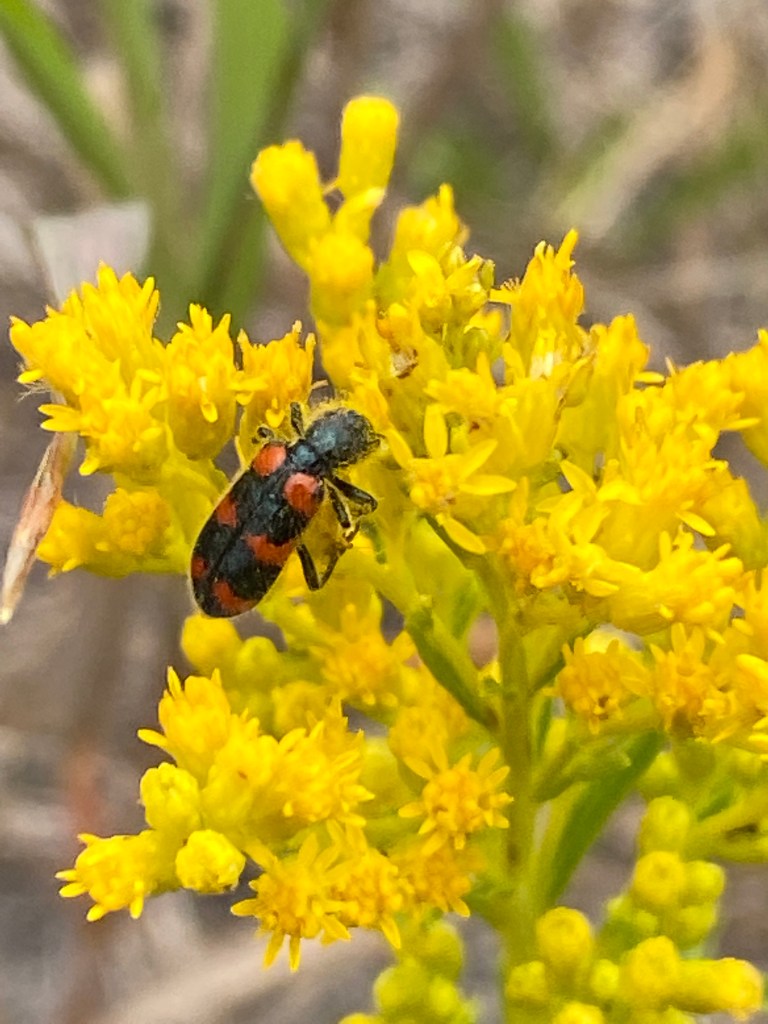
Red-blue Checkered Beetle Trichodes nuttalli on a Missouri Goldenrod Solidago missouriensis at the afforestation area

Insects to Insights: A Symphony of Migration

In the intricate tapestry of nature, insects emerge as the unsung heroes, serving as celestial sustenance for our bird population. Acknowledging their pivotal role, advocating for organic farming practices without pesticides and herbicides becomes paramount. But advocacy is not confined to words alone—it extends to the active documentation of our wildlife species.

"Nameless Scaria" Observer Roberto Sindaco Curator. Family Tetrigidae Pygmy Grasshopper. Citizen Science discovery and naming in Journal of Orthoptera Research
“Nameless Scaria” Observer Roberto Sindaco Curator. Family Tetrigidae Pygmy Grasshopper. Citizen Science discovery and naming in Journal of Orthoptera Research

Wings of Wonder, Voices of Conservation

Documentation, more than a mere record-keeping exercise, stands as a shield for species at risk. It acts as a sentinel, initiating early detection and rapid responses to the encroachment of invasive species. The process is dynamic, helping scientists decipher the ever-changing ranges of species and discerning the subtle shifts in the avian landscape.

Ranked S2 by SCDC Woodland Skipper Ochlodes sylvanoides

Nature’s Tapestry: Celebrate the Dance of Migration

In 2024, World Migratory Bird Day takes center stage with a focus on insects and their profound importance. The emergence of insects in spring becomes a beacon of life, intricately intertwined with the grand spectacle of bird migration. Understanding this symbiotic dance unlocks the mysteries of migration, revealing the delicate balance that sustains our feathered friends.

Grasshopper_SparrowSMALL CC2.0 dominic sheronY
Grasshopper_Sparrow CC2.0 dominic sheronY

Advocate, Document, Conserve: A Pledge for Wildlife

To actively partake in this celebration of avian marvels, mark your calendar for the Saskatoon City Nature Challenge—a vibrant, collective endeavor hosted on iNaturalist. This is a great way to get practiced up in observation just in time for the World Migratory Bird Day . The City Nature Challenge CNC YXE 2024 unfolds in two stages, inviting participants to immerse themselves in the wonders of nature:

  • April 26 – April 29, 2024: Capture images of wild plants, insects, birds, mushrooms, and more.
  • April 30 – May 5, 2024: Identify the discovered species.

The culmination of this nature odyssey will be unveiled on May 6, 2024, fostering a shared experience of discovery and renewal. So, step into the world of wings and wonder, join the City Nature Challenge events, and celebrate World Migratory Bird Day in the spirit of harmony and conservation.

With thanks to our sponsors and supporters SaskPower, SaskTel, Saskatoon Nature Society, Wild About Saskatoon, Varsity View Community Association, Rosewood Varsity View Community Association, Nutana Varsity View Community Association, Montgomery Place Varsity View Community Association. City Nature Challenge Saskatoon CNC YXE 2024 led by Friends of the Saskatoon Afforestation Areas.

Black Capped Chickadee a non-migratory bird species

For directions as to how to drive to “George Genereux” Urban Regional Park

For directions on how to drive to Richard St. Barbe Baker Afforestation Area

For more information:

Blairmore Sector Plan Report; planning for the Richard St. Barbe Baker Afforestation Area, George Genereux Urban Regional Park and West Swale and areas around them inside of Saskatoon city limits

NEW P4G District Official Community Plan

Richard St. Barbe Baker Afforestation Area is located in Saskatoon, Saskatchewan, Canada north of Cedar Villa Road, within city limits, in the furthest south west area of the city. 52° 06′ 106° 45′

Addresses:

Part SE 23-36-6 – Afforestation Area – 241 Township Road 362-A

Part SE 23-36-6 – SW Off-Leash Recreation Area (Richard St. Barbe Baker Afforestation Area ) – 355 Township Road 362-A

S ½ 22-36-6 Richard St. Barbe Baker Afforestation Area (West of SW OLRA) – 467 Township Road 362-A

NE 21-36-6 “George Genereux” Afforestation Area – 133 Range Road 3063

Wikimapia Map: type in Richard St. Barbe Baker Afforestation Area

Google Maps South West Off Leash area location pin at parking lot

Web page: https://stbarbebaker.wordpress.com

Where is the Richard St. Barbe Baker Afforestation Area? with map

Where is the George Genereux Urban Regional Park (Afforestation Area)?with map

Pinterest richardstbarbeb

Blogger: FriendsAfforestation

Tumblr friendsafforestation.tumblr.comFacebook Group Page: Users of the George Genereux Urban Regional Park

Facebook: StBarbeBaker Afforestation Area

Facebook for the non profit Charity Friends of the Saskatoon Afforestation Areas Inc. FriendsAreas

Facebook group page : Users of the St Barbe Baker Afforestation Area

Facebook: South West OLRA

Reddit: FriendsAfforestation

Twitter: St Barbe Baker Charity Twitter:FriendsAreas

Mix: friendsareas

YouTube

Please help protect / enhance your afforestation areas, please contact the Friends of the Saskatoon Afforestation Areas Inc. (e-mail / e-transfers )

Donate your old vehicle, here’s how!  

Support using Canada Helps

Support via a recycling bottle donation

United Nations Decade on Ecosystem Restoration

““Be like a tree in pursuit of your cause. Stand firm, grip hard, thrust upward. Bend to the winds of heaven..”

Richard St. Barbe Baker

Design a site like this with WordPress.com
Get started