When the Forest Burns Twice

When the Forest Burns Twice: A Call to Protect Saskatoon’s Afforestation Areas

After two devastating spring fires in Saskatoon’s afforestation areas, the temptation is to talk only about flames: ignition points, suppression efforts, acreage burned, and the cost of response. But if we stop there, we miss the deeper story. These greenspaces are not empty buffers between roads and neighbourhoods. They are living places that store carbon, slow wind, shelter birds and pollinators, hold memory, and offer residents a rare experience of urban nature within walking distance of home.

What burned was not just vegetation. What burned was part of a relationship between people and place.

The Lesson from Successful Greenspace Campaigns

Across cities and park systems around the world, the most effective no-smoking and no-open-fire campaigns share a common feature: they move beyond simple prohibition. Rules matter, but durable compliance comes when people understand why the rule exists and see themselves as participants in protecting a shared ecological commons.

nature trail landscape with warning sign

Public education campaigns such as Smokey Bear wildfire prevention messaging in North America have long emphasized personal responsibility for preventing human-caused fires. Many municipalities now pair bylaw enforcement with clear trailhead signage, seasonal fire-risk messaging, social marketing, and volunteer stewardship programs that normalize safer behaviour in parks and natural areas.

The research-backed pattern

  1. Visible norms: consistent trailhead signs, pavement markings, and reminders that make the expected behaviour obvious.
  2. Seasonal risk communication: escalating messages during dry, windy periods and fire bans.
  3. Stewardship and social ownership: volunteer ambassadors, community patrols, and “leave no trace” style education.
  4. Targeted enforcement: fines and inspections focused on high-risk behaviour rather than broad, low-visibility policing.
  5. Infrastructure support: safe smoking-disposal options outside greenspaces, ash receptacles where appropriate, and designated gathering areas away from combustible vegetation.

Why Afforestation Areas Need Special Protection

Afforestation areas can appear resilient because trees remain standing after a fire. Ecologically, however, repeated spring fires can create a dangerous cycle. Young seedlings are lost before they establish. Ground-layer vegetation that stabilizes soil and retains moisture is removed. Nesting habitat disappears. Invasive or fire-tolerant species may gain an advantage. Recovery becomes slower and more expensive after each subsequent burn.

In prairie cities, spring is often the worst possible time for human-caused ignition: cured grasses from the previous season, low humidity, wind, and abundant fine fuels can turn a cigarette butt or small flame into a fast-moving grass fire in minutes. Fire agencies across North America routinely identify discarded smoking materials, unattended recreational fires, and other human activities among the preventable causes of vegetation fires.

A Saskatoon Approach: From Compliance to Care

If the goal is simply issuing tickets, a bylaw campaign can be narrow. If the goal is protecting afforestation areas for decades, the campaign must be cultural.

A practical framework for Saskatoon could include:

ActionPurpose
Seasonal “No Smoking / No Open Fires” activationTemporary high-visibility signs, social media alerts, and trailhead notices during elevated fire danger.
Place-based messagingExplain what the area protects—bird habitat, pollinators, carbon storage, and neighbourhood resilience—not just what is prohibited.
Community stewardshipTrain volunteer trail ambassadors to educate visitors, report hazards, and reinforce norms without confrontation.
Safe alternativesProvide ash receptacles and smoking areas outside sensitive greenspaces so compliance is easier.
Targeted enforcement at high-risk timesFocus patrols during windy, dry periods and after major events rather than relying on sporadic enforcement.
Public reporting and feedbackShare fire-risk conditions, incidents prevented, and restoration progress so residents can see the impact of their actions.

The Message That Changes Behaviour

People rarely remember the exact wording of a bylaw. They remember a story about what is being protected.

A campaign that says only “No Smoking. No Fires. Fine Applies.” may achieve awareness. A campaign that says “One cigarette can erase years of restoration, destroy nesting habitat, and put neighbours and firefighters at risk. Protect this forest.” is more likely to create responsibility.

That distinction matters. Successful public-health and environmental campaigns—from seatbelts to wildfire prevention—work best when they connect individual actions to collective consequences and make the desired behaviour part of community identity.

“A greenspace is not protected by signage alone. It is protected when residents treat a cigarette, a camp stove, or an open flame as a decision that affects birds, trees, neighbours, firefighters, and future visitors. The bylaw draws the line; the community keeps it.”

After the Fires

Restoration crews can replant. Firefighters can extinguish. Ecologists can monitor recovery. But prevention is the only strategy that protects both the forest and the people who depend on it.

After two spring fires, Saskatoon has a choice. We can treat these events as isolated incidents, or we can use them to build a stronger culture of greenspace stewardship: no smoking in sensitive natural areas, no open fires where bylaws prohibit them, clear communication during high-risk periods, and a shared understanding that urban forests are infrastructure as surely as roads, water lines, and bridges.

The trees that remain standing after a fire are asking the same question the community should be asking: What will we do differently before the next spark?

saskatoon.ca

Addresses:

Part SE 23-36-6 – Richard St. Barbe Baker Afforestation Area – 241 Township Road 362-A

Part SE 23-36-6 – SW Off-Leash Recreation Area (Richard St. Barbe Baker Afforestation Area ) – 355 Township Road 362-A

S ½ 22-36-6 Richard St. Barbe Baker Afforestation Area (West of SW OLRA) – 467 Township Road 362-A

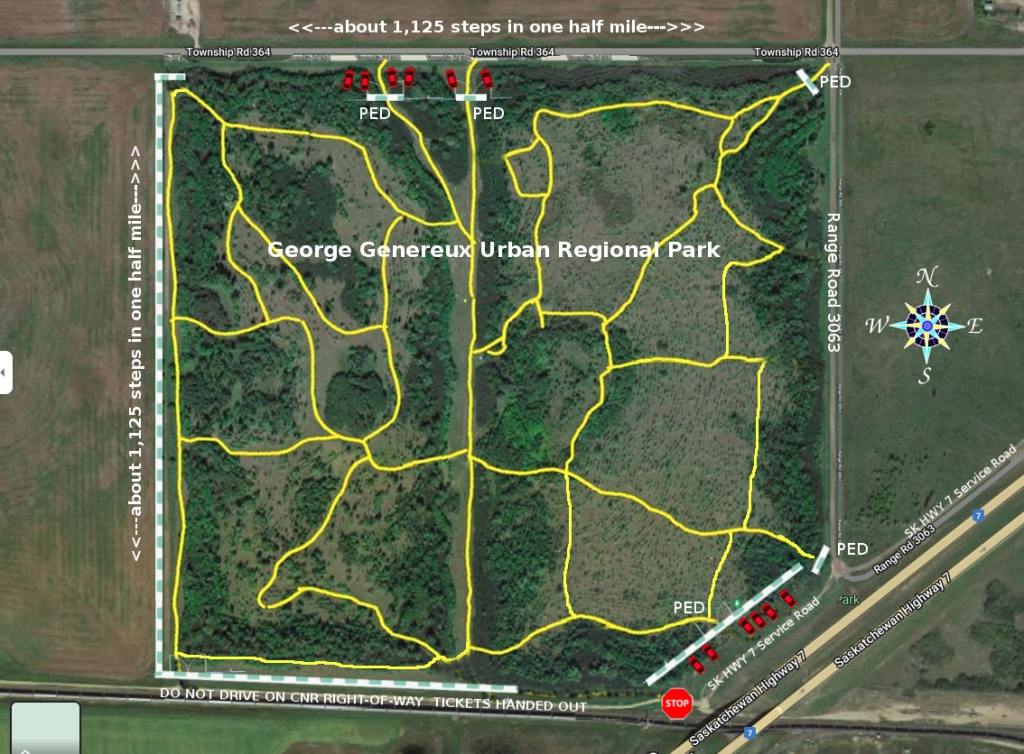
NE 21-36-6 “George Genereux” Afforestation Area – 133 Range Road 3063

Coming soon the Clavet Memorial Healing Forest honouring the Humboldt Broncos

Wikimapia Map: type in Richard St. Barbe Baker Afforestation Area or

Google Maps South West Off Leash area location pin at parking lot

Web page: https://stbarbebaker.wordpress.com

Where is the Richard St. Barbe Baker Afforestation Area? with map

Where is the George Genereux Urban Regional Park (Afforestation Area)?with map

Pinterest richardstbarbeb

Blogger: FriendsAfforestation

Tumblr friendsafforestation.tumblr.comFacebook Group Page: Users of the George Genereux Urban Regional Park

Facebook: StBarbeBaker Afforestation Area

Facebook for the non profit Charity Friends of the Saskatoon Afforestation Areas Inc. FriendsAreas

Facebook group page : Users of the St Barbe Baker Afforestation Area

Facebook: South West OLRA

Reddit: FriendsAfforestation

BlueSky Social

Mix: friendsareas

YouTube

Support via Zeffy

Please help protect / enhance your afforestation areas, please contact the Friends of the Saskatoon Afforestation Areas Inc. (e-mail / e-transfers )

Donate your old vehicle, here’s how!  

Support using Canada Helps

Support via a recycling bottle donation and Join the plastic-recycle challenge!

United Nations Decade on Ecosystem Restoration

““Be like a tree in pursuit of your cause. Stand firm, grip hard, thrust upward. Bend to the winds of heaven..”Richard St. Barbe Baker
The South Saskatchewan Watershed

The South Saskatchewan Watershed, Ecological Restoration, and the Legacy of the Clavet Memorial Healing Forest

Rooted in Memory, Shaped by Ice

The proposed Clavet Memorial Healing Forest, located near Clavet, Saskatchewan, occupies a remarkable place within the South Saskatchewan River watershed. Situated on land shaped by the retreat of the Laurentide Ice Sheet more than 12,000 years ago, the site stands at the intersection of geological history, ecological restoration, and community healing.

Research by geographer Larry Edwin Hodges documented that the area surrounding the Memorial Healing Forest was influenced by the margins of glacial ice, the formation of Glacial Lake Elstow, Lake Saskatoon I and II, and the development of the Clavet Moraine. Ancient meltwater channels, glacial lakes, and ice-front deposits helped create the rolling prairie landscape that exists today. The forest site lies within a landscape forged by immense environmental change—a place where glaciers retreated, waters shifted, and new ecosystems emerged.

Today, the Clavet Memorial Healing Forest seeks to continue that story of renewal.

The project honours the sixteen lives lost and thirteen people injured in the Humboldt Broncos tragedy of April 6, 2018, while simultaneously restoring a parcel of land to ecological health. The vision, “Rooted in Memory, Growing in Hope,” reflects the powerful relationship between remembrance and restoration.

The site lies within the South Saskatchewan River watershed, one of Canada’s most important freshwater systems. The watershed supports communities, agriculture, wildlife habitat, wetlands, groundwater recharge, recreation, and biodiversity across much of Alberta and Saskatchewan before eventually contributing to the Saskatchewan River system flowing toward Hudson Bay.

As we experience increasingly complex environmental changes, our ecosystems—the very foundation of healthy, productive societies—are changing in unprecedented ways. Climate change, biodiversity loss, habitat fragmentation, invasive species, and water quality pressures are affecting watersheds throughout Canada. These challenges reinforce the need for long-term investments in ecological restoration, monitoring, stewardship, and public education.

Restoration of abandoned or underutilized lands offers significant benefits for watersheds. Native trees, shrubs, grasses, and wetlands help slow runoff, reduce soil erosion, improve infiltration, increase groundwater recharge, filter pollutants, sequester carbon, and provide critical wildlife habitat. Healthy landscapes function as natural infrastructure, supporting the long-term resilience of watersheds and freshwater ecosystems.

The Clavet Memorial Healing Forest represents an opportunity to transform a previously undeveloped site into a living ecological asset. Through afforestation, native grassland restoration, citizen science initiatives, environmental education, and long-term stewardship, the project can contribute to the health of the South Saskatchewan watershed while creating a place of reflection, healing, and community connection.

The lessons learned from this restoration effort extend beyond Saskatchewan. Watersheds are interconnected systems, and while the South Saskatchewan River watershed and the Columbia River Basin are separate drainage basins divided by the Continental Divide, they share common environmental challenges and opportunities. Both watersheds originate in landscapes shaped by glaciers. Both depend upon healthy headwaters, wetlands, riparian areas, and resilient ecosystems. Both support communities, biodiversity, agriculture, and economic activity across vast regions.

The Columbia Basin, stretching from the Rocky Mountains through British Columbia and the northwestern United States, and the South Saskatchewan watershed, flowing eastward across the Canadian Prairies, demonstrate how upstream stewardship influences downstream outcomes. Although water from these basins ultimately reaches different oceans and seas, their management requires similar approaches based on watershed science, ecological restoration, climate adaptation, and collaborative stewardship.

This shared understanding highlights an important principle: restoring land anywhere within a watershed contributes to the broader health of freshwater systems. Whether in the Columbia Basin, the South Saskatchewan watershed, or watersheds across Canada, restoration projects strengthen ecological resilience and support the long-term protection of lakes, rivers, aquifers, wetlands, and groundwater resources.

The Clavet Memorial Healing Forest embodies this vision. It is more than a memorial. It is a living demonstration of how conservation, remembrance, and environmental stewardship can work together to create lasting benefits for people, wildlife, and water.

Just as glaciers once shaped this landscape and ancient lakes nurtured the emergence of new ecosystems, the Memorial Healing Forest offers an opportunity for renewal. Rooted in memory and shaped by ice, the forest will stand as a symbol of resilience, restoration, and hope for future generations, while contributing to the health of the South Saskatchewan watershed and the protection of Canada’s precious freshwater resources.

Rooted in Memory, Shaped by Ice: The Glacial History and Geological Legacy of the Clavet Memorial Healing Forest, Saskatchewan

Addresses:

Part SE 23-36-6 – Richard St. Barbe Baker Afforestation Area – 241 Township Road 362-A

Part SE 23-36-6 – SW Off-Leash Recreation Area (Richard St. Barbe Baker Afforestation Area ) – 355 Township Road 362-A

S ½ 22-36-6 Richard St. Barbe Baker Afforestation Area (West of SW OLRA) – 467 Township Road 362-A

NE 21-36-6 “George Genereux” Afforestation Area – 133 Range Road 3063

Coming soon the Clavet Memorial Healing Forest honouring the Humboldt Broncos

Wikimapia Map: type in Richard St. Barbe Baker Afforestation Area or

Google Maps South West Off Leash area location pin at parking lot

Web page: https://stbarbebaker.wordpress.com

Where is the Richard St. Barbe Baker Afforestation Area? with map

Where is the George Genereux Urban Regional Park (Afforestation Area)?with map

Pinterest richardstbarbeb

Blogger: FriendsAfforestation

Tumblr friendsafforestation.tumblr.comFacebook Group Page: Users of the George Genereux Urban Regional Park

Facebook: StBarbeBaker Afforestation Area

Facebook for the non profit Charity Friends of the Saskatoon Afforestation Areas Inc. FriendsAreas

Facebook group page : Users of the St Barbe Baker Afforestation Area

Facebook: South West OLRA

Reddit: FriendsAfforestation

BlueSky Social

Mix: friendsareas

YouTube

Support via Zeffy

Please help protect / enhance your afforestation areas, please contact the Friends of the Saskatoon Afforestation Areas Inc. (e-mail / e-transfers )

Donate your old vehicle, here’s how!  

Support using Canada Helps

Support via a recycling bottle donation and Join the plastic-recycle challenge!

United Nations Decade on Ecosystem Restoration

““Be like a tree in pursuit of your cause. Stand firm, grip hard, thrust upward. Bend to the winds of heaven..”Richard St. Barbe Baker

Update on the George Genereux Urban Regional Park Wildfire Area

Update on the George Genereux Urban Regional Park Wildfire Area

We received a follow-up report regarding the wildfire that occurred in George Genereux Urban Regional Park.

The Saskatoon Fire Department requested assistance from Urban Forestry staff to assess vegetation damage and determine whether any ongoing safety concerns remained within the affected area. Following a site inspection, an Urban Forestry supervisor reported that 44 small dead trees along the pathway were identified and marked with spray paint. The overall risk was assessed as low due to the area’s relatively low level of use, the low likelihood of tree failure, and the minimal potential for injury should a tree fall. While these trees should eventually be removed to prevent them from falling onto the pathway, they do not currently present an immediate hazard to the public.

As a result of this assessment, all identified safety concerns have now been addressed, and the area may continue to be used by the public. While some visible impacts from the wildfire remain, they do not pose a risk that would warrant restricting access to the site.

Visitors should be aware that tick populations remain very high in the area. The fire did not eliminate ticks, so appropriate precautions are strongly recommended, including wearing long clothing, staying on designated trails where possible, and conducting tick checks after visiting.

To help protect public health, natural areas, and reduce the risk of future wildfires, smoking and vaping are prohibited in all outdoor public spaces owned or operated by the City of Saskatoon under Smoking Control Bylaw No. 8286. This restriction applies to all tobacco products, cannabis products, and electronic cigarettes. Open fires, campfires, and any unauthorized flame-producing activities are also prohibited. Visitors are encouraged to respect these regulations to help safeguard forests, wetlands, wildlife habitat, and fellow park users.

The burned area also presents a valuable opportunity for ecological learning. Post-fire landscapes serve as living laboratories where environmental organizations such as the Friends of the Saskatoon Afforestation Areas can observe ecological succession and natural recovery processes firsthand. Over time, pioneering plants, insects, fungi, birds, and mammals gradually recolonize the site, demonstrating the resilience of natural ecosystems. Monitoring these changes can provide important information about biodiversity recovery, soil health, habitat restoration, carbon storage, and climate adaptation. Such areas also offer meaningful educational opportunities, helping visitors understand the role that fire can play in ecosystem renewal and fostering a deeper appreciation for the natural processes that shape and sustain healthy landscapes.

Previous posts about the grass fire.

Grass Fire Monitoring Continues Amid Extreme Dry Conditions

Grass and Brush Fire Response Underway

Understanding Wildfire Risk: The 30-30-30 Rule

When it comes to predicting how aggressively a wildfire will behave, Canadian firefighters and meteorologists look for a critical atmospheric tipping point known as the “crossover” effect. This danger zone is easily remembered by the 30-30-30 rule of thumb, which identifies the exact combination of weather conditions that cause small fires to rapidly explode out of control.

The rule states that wildfire danger reaches extreme levels when three specific conditions are met simultaneously:

  • Temperature: 30°C or higher.
  • Relative Humidity: 30% or lower.
  • Wind Speed: 30 km/h or faster.

Why This Combination is So Dangerous

When the air becomes that hot and dry, it acts like a sponge, rapidly evaporating moisture from forest vegetation, grass, and soil. This creates a massive amount of highly flammable fuel. Once you add sustained wind speeds of 30 km/h into the mix, a spark can instantly turn into an intense, fast-moving blaze. The wind not only supplies oxygen to the flames but also carries burning embers far ahead of the main fire line, igniting new flare-ups and making containment incredibly difficult for emergency crews.

When a region hits this “crossover” threshold, fire safety officials go on high alert, as any new ignition has the potential to become an unmanageable wildfire.

Addresses:

Part SE 23-36-6 – Richard St. Barbe Baker Afforestation Area – 241 Township Road 362-A

Part SE 23-36-6 – SW Off-Leash Recreation Area (Richard St. Barbe Baker Afforestation Area ) – 355 Township Road 362-A

S ½ 22-36-6 Richard St. Barbe Baker Afforestation Area (West of SW OLRA) – 467 Township Road 362-A

NE 21-36-6 “George Genereux” Afforestation Area – 133 Range Road 3063

Coming soon the Clavet Memorial Healing Forest honouring the Humboldt Broncos

Wikimapia Map: type in Richard St. Barbe Baker Afforestation Area or

Google Maps South West Off Leash area location pin at parking lot

Web page: https://stbarbebaker.wordpress.com

Where is the Richard St. Barbe Baker Afforestation Area? with map

Where is the George Genereux Urban Regional Park (Afforestation Area)?with map

Pinterest richardstbarbeb

Blogger: FriendsAfforestation

Tumblr friendsafforestation.tumblr.comFacebook Group Page: Users of the George Genereux Urban Regional Park

Facebook: StBarbeBaker Afforestation Area

Facebook for the non profit Charity Friends of the Saskatoon Afforestation Areas Inc. FriendsAreas

Facebook group page : Users of the St Barbe Baker Afforestation Area

Facebook: South West OLRA

Reddit: FriendsAfforestation

BlueSky Social

Mix: friendsareas

YouTube

Support via Zeffy

Please help protect / enhance your afforestation areas, please contact the Friends of the Saskatoon Afforestation Areas Inc. (e-mail / e-transfers )

Donate your old vehicle, here’s how!  

Support using Canada Helps

Support via a recycling bottle donation and Join the plastic-recycle challenge!

United Nations Decade on Ecosystem Restoration

““Be like a tree in pursuit of your cause. Stand firm, grip hard, thrust upward. Bend to the winds of heaven..”Richard St. Barbe Baker
A Seed of Change

🏆 RCE Saskatchewan’s 18th Annual Awards for Achievement in Education for Sustainable Development
https://saskrce.ca/recognition-event/

🌾 Ecological Grassland Restoration at RSBBAA – Chelsea Nyarko
From Master’s Thesis to Digital Movement: Reshaping the RSBBAA Through Global Education

The Friends of the Saskatoon Afforestation Areas Inc. is proud to celebrate the recognition of Ecological Grassland Restoration at RSBBAA, a transformative sustainability initiative led by Chelsea Nyarko and honoured through RCE Saskatchewan’s 18th Annual Awards for Achievement in Education for Sustainable Development.

This award recognizes a remarkable journey that began as a Master’s research project at the University of Saskatchewan’s School of Environment and Sustainability and evolved into a global educational movement connecting ecological restoration, citizen science, and the United Nations Sustainable Development Goals.

At the heart of the project lies the Richard St. Barbe Baker Afforestation Area (RSBBAA), a 133-hectare urban forest where approximately 33.5 hectares of grasslands were experiencing ecological decline. Invasive Smooth Brome, soil compaction, and habitat fragmentation had reduced biodiversity across utility corridors beneath SaskPower transmission lines.

Using satellite imagery, ecological assessment tools, and evidence-based restoration planning, Chelsea Nyarko developed a vision to transform these degraded grasslands into vibrant native prairie habitat—a “Pollinator Paradise” inspired by successful urban restoration projects such as Toronto’s Meadoway.

🌱 Turning Research into Action

What makes this project extraordinary is its ability to bridge academic research and public engagement.

Through collaboration with the Friends of the Saskatoon Afforestation Areas Inc., scientific findings were transformed into educational resources that make restoration science accessible to everyone—from students and educators to hikers, dog walkers, community volunteers, and nature enthusiasts around the world.

The project embraced three forms of learning:

🎓 Formal Education – University-based research and sustainability studies

🌿 Non-Formal Education – Community stewardship, guided tours, BioBlitzes, and public outreach

📱 Informal Education – Interactive YouTube videos, social media campaigns, quizzes, and digital learning experiences

This innovative “Bio-Coder” approach transformed ecological restoration into a global conversation.

🌾 Building a Digital Living Laboratory

By 2026, the project had generated a growing library of educational resources, including:

🎥 Grasslands Restoration Quiz: Protect, Restore, Thrive!
🎥 The Urban Grassland Restoration Quiz: Prairie Wisdom
🎥 Where Urban Life Meets Living Grasslands
🎥 Prairie Power: How Grasslands Help Our World
🎥 Prairie Birds Brain Challenge

As well as educational articles exploring:

🌼 Native prairie restoration
🌼 Pollinator conservation
🌼 Invasive species management
🌼 Rare species protection
🌼 Citizen science initiatives
🌼 Ecological stewardship

Participants learned how native species such as Blue Grama Grass, June Grass, and prairie wildflowers support pollinators, improve soil health, and build climate resilience.

🌎 Advancing the United Nations Sustainable Development Goals

The project demonstrates how local conservation action can create global impact by supporting:

✅ SDG 4 – Quality Education
✅ SDG 11 – Sustainable Cities and Communities
✅ SDG 13 – Climate Action
✅ SDG 15 – Life on Land
✅ SDG 17 – Partnerships for the Goals

Through education, restoration, collaboration, and community engagement, the project connects prairie grassland conservation with international sustainability objectives.

🌾 A Living Legacy

The restoration framework developed through Chelsea Nyarko’s research now serves as a foundation for ongoing ecological monitoring, guided tours, BioBlitzes, citizen science projects, and future restoration activities within the Richard St. Barbe Baker Afforestation Area.

Together, we are transforming prairie wisdom into lasting action.

🌾 Friends of the Saskatoon Afforestation Areas Inc.
🌾 Richard St. Barbe Baker Afforestation Area
🌾 Ecological Grassland Restoration Project

From Master’s Thesis to Digital Movement

Award Ceremony Grasslands and Slide Show

#RCESaskatchewan #EducationForSustainableDevelopment #ChelseaNyarko #GrasslandRestoration #PrairieRestoration #PollinatorParadise #BiodiversityConservation #CitizenScience #ClimateAction #SustainableCities #LifeOnLand #EnvironmentalEducation #UniversityOfSaskatchewan #PrairieGrasslands #NativePlants #PollinatorConservation #EcologicalRestoration #UrbanNature #Saskatoon #RichardStBarbeBaker.

Addresses:

Part SE 23-36-6 – Richard St. Barbe Baker Afforestation Area – 241 Township Road 362-A
Part SE 23-36-6 – SW Off-Leash Recreation Area (Richard St. Barbe Baker Afforestation Area ) – 355 Township Road 362-A

S ½ 22-36-6 Richard St. Barbe Baker Afforestation Area (West of SW OLRA) – 467 Township Road 362-A

NE 21-36-6 “George Genereux” Afforestation Area – 133 Range Road 3063

Wikimapia Map: type in Richard St. Barbe Baker Afforestation Area or
Google Maps South West Off Leash area location pin at parking lot

Web page: https://stbarbebaker.wordpress.com

Where is the Richard St. Barbe Baker Afforestation Area? with map

Where is the George Genereux Urban Regional Park (Afforestation Area)?with map

Pinterest richardstbarbeb

Blogger: FriendsAfforestation

Tumblr friendsafforestation.tumblr.comFacebook Group Page: Users of the George Genereux Urban Regional Park

Facebook: StBarbeBaker Afforestation Area

Facebook for the non profit Charity Friends of the Saskatoon Afforestation Areas Inc. FriendsAreas

Facebook group page : Users of the St Barbe Baker Afforestation Area

Facebook: South West OLRA

Reddit: FriendsAfforestation

BlueSky Social

Mix: friendsareas

YouTube

Support via Zeffy

Please help protect / enhance your afforestation areas, please contact the Friends of the Saskatoon Afforestation Areas Inc. (e-mail / e-transfers )

Donate your old vehicle, here’s how!  

Support using Canada Helps

Support via a recycling bottle donation and Join the plastic-recycle challenge!

United Nations Decade on Ecosystem Restoration

““Be like a tree in pursuit of your cause. Stand firm, grip hard, thrust upward. Bend to the winds of heaven..”

World Biodiversity Day 2026

Acting Locally for Global Impact in Saskatoon’s Afforestation Areas

Today, May 22, marks World Biodiversity Day, a global celebration recognizing the extraordinary variety of life sustaining our planet. This year’s theme, “Acting Locally for Global Impact,” reminds us that meaningful environmental stewardship begins within our own communities, parks, wetlands, and forests.

In Saskatoon, the afforestation areas cared for and advocated by the Friends of the Saskatoon Afforestation Areas demonstrate how local conservation contributes directly toward global biodiversity goals. These urban forests are more than collections of trees; they are living ecosystems supporting birds, mammals, insects, pollinators, fungi, microorganisms, and native prairie biodiversity within Saskatchewan’s moist mixed grassland region.

West Swale and Richard St. Barbe Baker AFforestation Area wildlife Urban Forest Semi-Wilderness Area. Mountain Bluebird, White Tailed Deer Fawn. Barred Tiger Salamander or western tiger salamander. American Pelican, Mallard Duckling

The afforestation areas provide important ecological layers essential for healthy biodiversity. Towering canopy species such as native American Elm, Balsam Poplar, Manitoba Maple, Trembling Aspen, Bur Oak, Colorado Blue Spruce and White Spruce shelter birds and wildlife while stabilizing soils and moderating temperatures. Beneath them grow shrubs and understory plants including Saskatoon berry, chokecherry, red-osier dogwood, snowberry, buffaloberry, silverberry, gooseberries, currants, roses, and willow species which provide food, nesting habitat, pollen, nectar, and protection for pollinators, songbirds, mammals, and beneficial insects.

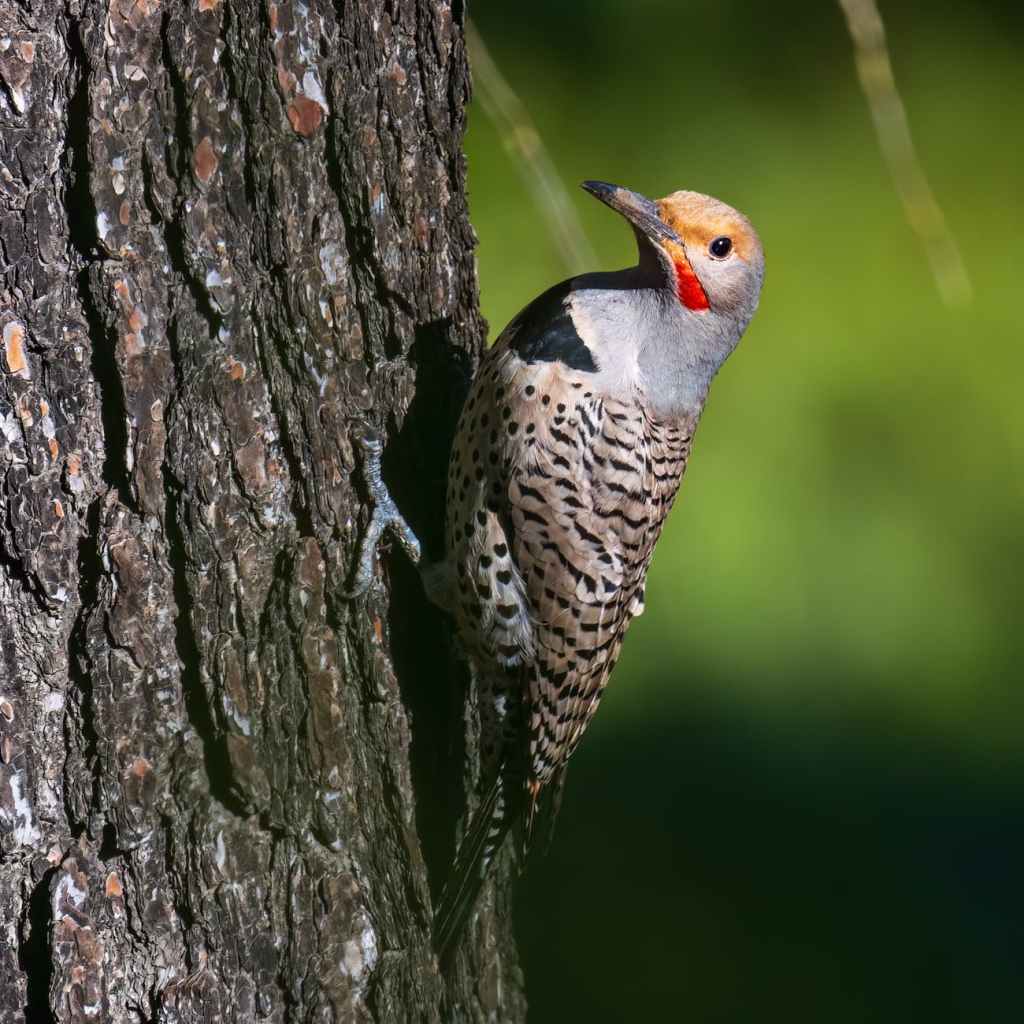
These forests also provide habitat corridors for wildlife including white-tailed deer, moose, rabbits, squirrels, owls, hawks, woodpeckers, migratory songbirds, and countless invertebrate species. Native flowering shrubs such as prairie rose, woods rose, silver buffaloberry, wolf willow, and western snowberry sustain pollinator populations critical to ecosystem resilience and agricultural health.

Biodiversity conservation also means understanding ecological challenges. Within the afforestation areas, introduced and invasive species such as European buckthorn require careful monitoring and community science participation. The Friends of the Saskatoon Afforestation Areas encourage the public to assist with observations through iNaturalist to help identify invasive species locations, monitor biodiversity, and contribute valuable ecological data supporting conservation efforts.

American Beaver, Porcupine, Red-winged Blackbird, Fawn, Mallard Ducks, Waxwing, Rabbit, Deer Chappell Marsh. West Swale Wetlands. Richard St. Barbe Baker Afforestation Area. Saskatoon, SK, CA

Several species found within the afforestation areas also carry conservation significance. American Elm and Green Ash are listed on the IUCN Red List because of threats from disease and environmental pressures. The Red-Berried Elder is ranked as a rare species within Saskatchewan. Every healthy urban forest supporting these species contributes to broader ecological resilience and conservation awareness.

Urban forests are increasingly recognized as essential climate adaptation infrastructure. Trees absorb carbon, reduce urban heat, improve air quality, retain stormwater, provide wildlife habitat, and contribute to mental and physical wellbeing for surrounding communities. In rapidly changing environments, afforestation areas become critical refuges not only for biodiversity, but also for people seeking connection with nature.

The Friends of the Saskatoon Afforestation Areas believe biodiversity protection begins with education, stewardship, and community participation. Every bird observation, invasive species report, pollinator garden, tree planting initiative, and conservation conversation helps strengthen environmental resilience locally while contributing to international biodiversity goals.

World Biodiversity Day reminds us that protecting ecosystems does not happen only within distant wilderness parks. It happens where communities choose to care for the landscapes around them. Saskatoon’s afforestation areas stand as living examples of how local environmental stewardship can create lasting global impact for biodiversity, climate resilience, and future generations.

Afforestation Area Addresses:

Part SE 23-36-6 – Richard St. Barbe Baker Afforestation Area – 241 Township Road 362-A

Part SE 23-36-6 – SW Off-Leash Recreation Area (Richard St. Barbe Baker Afforestation Area ) – 355 Township Road 362-A

S ½ 22-36-6 Richard St. Barbe Baker Afforestation Area (West of SW OLRA) – 467 Township Road 362-A

NE 21-36-6 “George Genereux” Afforestation Area – 133 Range Road 3063

Clavet Memorial Healing Forest honouring the Humboldt Broncos.

Wikimapia Map: type in Richard St. Barbe Baker Afforestation Area or

Google Maps South West Off Leash area location pin at parking lot

Web page: https://stbarbebaker.wordpress.com

Where is the Richard St. Barbe Baker Afforestation Area? with map

Where is the George Genereux Urban Regional Park (Afforestation Area)?with map

Pinterest richardstbarbeb

Blogger: FriendsAfforestation

Tumblr friendsafforestation.tumblr.comFacebook Group Page: Users of the George Genereux Urban Regional Park

Facebook: StBarbeBaker Afforestation Area

Facebook for the non profit Charity Friends of the Saskatoon Afforestation Areas Inc. FriendsAreas

Facebook group page : Users of the St Barbe Baker Afforestation Area

Facebook: South West OLRA

Reddit: FriendsAfforestation

BlueSky Social

Mix: friendsareas

YouTube

Support via Zeffy

Please help protect / enhance your afforestation areas, please contact the Friends of the Saskatoon Afforestation Areas Inc. (e-mail / e-transfers )

Donate your old vehicle, here’s how!  

Support using Canada Helps

Support via a recycling bottle donation and Join the plastic-recycle challenge!

United Nations Decade on Ecosystem Restoration

“Be like a tree in pursuit of your cause. Stand firm, grip hard, thrust upward. Bend to the winds of heaven..” – Richard St. Barbe Baker

The Role of Biodiversity in Ecosystem Resilience

Voices from the Afforestation Frontlines Presents: The Role of Biodiversity in Ecosystem Resilience


As the United Nations Environment Assembly (UNEA-7) calls the world to action under the theme “Advancing sustainable solutions for a resilient planet,” communities everywhere are stepping forward to meet the moment. Among them is a remarkable initiative from the Friends of the Saskatoon Afforestation Areas Inc., whose four-part webinar series—Voices from the Afforestation Frontlines – Advancing Sustainable Solutions for a Resilient Planet—is uniting global experts, grassroots leaders, and everyday citizens eager to build a more sustainable future.

On Thursday, November 20 at 6:00 PM EST, the series hosts its next installment: The Role of Biodiversity in Ecosystem Resilience, a free virtual event exploring one of the most foundational questions in environmental science today: How does biodiversity make ecosystems stronger, more stable, and better able to recover from disturbance?

At a time when the world grapples with climate change, biodiversity loss, and escalating pressures on land and water, this webinar offers clarity, direction, and a renewed sense of collective purpose.


Why Biodiversity Matters Now More Than Ever

The objective of the evening is clear and urgent:
To examine how diverse species and habitats contribute to ecosystem stability and recovery—and to understand why protecting biodiversity is essential for adapting to environmental change.

Healthy ecosystems depend on a tapestry of interconnected life. Forests recover from fire faster when they host a rich mix of plant species. Oceans adapt to warming when fish, coral, and microorganisms maintain functional diversity. Grasslands withstand drought when pollinators, predators, and soil organisms each play their part.

Biodiversity is resilience in action.
And safeguarding it is one of humanity’s most powerful tools for securing a livable planet.

This webinar aims to illuminate these interconnections while highlighting how conservation solutions must be as diverse as the ecosystems they aim to protect.


Master of Ceremonies: Wolf Gordon Clifton

Opening the event is Wolf Gordon Clifton, whose work bridges ethical human–animal relationships, animal welfare, and conservation. With a thoughtful and engaging presence, Clifton frames the evening with a reminder that biodiversity includes more than species counts—it includes the moral landscapes that shape how humans coexist with the natural world.


The Vision Behind the Series: Webinar Lead Frezer Yeheyis

Guiding the overarching vision of the webinar series is Frezer Yeheyis, Co-facilitator of the Women Major Group with UNEP, Public Advocacy and Volunteerism Director for Friends of the Saskatoon Afforestation Areas Inc., and Women 7 Advisor for the G7 Countries Summit.

Yeheyis—whose leadership blends public advocacy, global environmental policy, and community empowerment—has positioned the series as a vital connection between international dialogue and local action. Her direction ensures that each session elevates grassroots voices while aligning with the goals of UNEA-7.


Moderated by Dalia F. Márquez A.

The evening’s conversation will be moderated by Dalia F. Márquez A., CEO and Founder of Juventud Unida en Acción, a youth-led organization advancing environmental awareness, equitable community engagement, and sustainable action across borders.

Márquez brings deep experience in youth mobilization, environmental justice, and global collaboration—ensuring that diverse viewpoints are woven into a cohesive, compelling dialogue.


Meet the Distinguished Panelists

The webinar brings together seven experts whose collective knowledge spans science, policy, governance, finance, restoration, and community engagement—reflecting the multidimensional nature of biodiversity itself.

Carmen Capriles

Agronomist & Sustainable Development Specialist
With decades of experience in global climate policy and civil society advocacy, Capriles brings a grounded understanding of how biodiversity connects to food systems, sustainable land use, and climate justice.

Mirna Inés Fernández

Environmental Engineer, Third World Network Researcher & Co-founder, Global Youth Biodiversity Network
Fernández offers expertise at the nexus of biodiversity policy, global governance, and youth participation. Her work emphasizes education, equity, and the transformational power of informed communities.

Daniel Sawadogo

Political Scientist, Burkina Faso
With advanced studies in law and political sociology, Sawadogo examines biodiversity through the lens of governance, institutional resilience, and societal structures. His perspective underscores that ecosystems cannot thrive without stable, inclusive human systems.

Rebecca Self

Co-founder & Managing Director, Seawolf Sustainability Consulting
Self brings a finance and sustainability lens to the conversation, highlighting how economic systems, corporate responsibility, and innovative investment strategies influence biodiversity outcomes.

Julia Adamson

Environmental Advocate & Nonprofit Leader, Friends of the Saskatoon Afforestation Areas Inc.
Adamson’s work is rooted in urban forests, community stewardship, and the restoration of Saskatoon’s afforestation areas. She offers insights into how local conservation initiatives—powered by volunteers, education, and citizen science—strengthen ecological resilience.

Rosalyn Kilcollins

Former Instructor, Florida Master Naturalist Program & Coastal Environmental Specialist
With extensive experience in habitat restoration, coastal management, and citizen science, Kilcollins showcases how public education and hands-on ecological restoration enhance the resilience of both natural and human communities.


A Webinar that Connects Local Voices to Global Action

What sets this event apart is its commitment to bridging scales—linking global policy frameworks with the lived experiences of communities from the Canadian prairies to Latin America, Africa, and coastal regions of the United States.

The series itself was born from the recognition that the solutions needed to build a resilient planet must come from everywhere:
scientists and students, policymakers and volunteers, activists and educators, Indigenous knowledge holders and youth leaders.

Together, these voices reflect the spirit of UNEA-7: that resilience requires diversity—not only in nature, but in the people working to protect it.


Join the Conversation

The Role of Biodiversity in Ecosystem Resilience
Thursday, November 20
6:00 PM EST (GMT-5)
Virtual and free to attend

Whether you are a conservation professional, an educator, a student, or someone simply passionate about the natural world, this webinar invites you to explore biodiversity as the living foundation of planetary resilience.

From species interactions to policy frameworks, from grassroots restoration to financial innovation, this session promises a vibrant, holistic exploration of what it means to protect the web of life—and why doing so is essential for our shared future.


This November, tune in and add your voice to the frontlines of global conservation.
Because when biodiversity thrives, resilience follows.

Addresses:

Part SE 23-36-6 – Richard St. Barbe Baker Afforestation Area – 241 Township Road 362-A

Part SE 23-36-6 – SW Off-Leash Recreation Area (Richard St. Barbe Baker Afforestation Area ) – 355 Township Road 362-A

S ½ 22-36-6 Richard St. Barbe Baker Afforestation Area (West of SW OLRA) – 467 Township Road 362-A

NE 21-36-6 “George Genereux” Afforestation Area – 133 Range Road 3063

Wikimapia Map: type in Richard St. Barbe Baker Afforestation Area or

Google Maps South West Off Leash area location pin at parking lot

Web page: https://stbarbebaker.wordpress.com

Where is the Richard St. Barbe Baker Afforestation Area? with map

Where is the George Genereux Urban Regional Park (Afforestation Area)?with map

Pinterest richardstbarbeb

Blogger: FriendsAfforestation

Tumblr friendsafforestation.tumblr.comFacebook Group Page: Users of the George Genereux Urban Regional Park

Facebook: StBarbeBaker Afforestation Area

Facebook for the non profit Charity Friends of the Saskatoon Afforestation Areas Inc. FriendsAreas

Facebook group page : Users of the St Barbe Baker Afforestation Area

Facebook: South West OLRA

Reddit: FriendsAfforestation

BlueSky Social

Mix: friendsareas

YouTube

Support via Zeffy

Please help protect / enhance your afforestation areas, please contact the Friends of the Saskatoon Afforestation Areas Inc. (e-mail / e-transfers )

Donate your old vehicle, here’s how!  

Support using Canada Helps

Support via a recycling bottle donation and Join the plastic-recycle challenge!

United Nations Decade on Ecosystem Restoration

““Be like a tree in pursuit of your cause. Stand firm, grip hard, thrust upward. Bend to the winds of heaven..”

Design a site like this with WordPress.com
Get started