Richard St. Barbe Baker Afforestation Area. George Genereux Urban Regional Park. Humboldt Broncos Memorial Forest. Come to Nature. Come to Life. Friends of the Saskatoon Afforestationk Areas Inc. friendsareas.ca
In a world that grows louder with human industry and quieter with the fading calls of the wild, there are still voices—clear, compassionate, and resolute—rising to speak for those who cannot speak for themselves. Voices from the Afforestation Frontlines – Advancing Sustainable Solutions for a Resilient Planet gathers such voices from across the globe, reminding us that coexistence with the natural world is not merely a dream of idealists, but a necessity for our shared survival.
On Monday, November 3, at 10 AM EST, an extraordinary panel of international leaders will come together to discuss Sustainable Human–Animal Interactions—an urgent conversation about how we, as stewards of the Earth, might reimagine our relationship with both wild and domestic life in an age of ecological uncertainty.
Each speaker brings a story shaped by empathy and action:
🌍 Adeline Lerambert, Born Free Foundation, offers a vision of freedom rooted in compassion, where policy and advocacy serve the living beings behind the statistics.
🐘 Femke den Haas, Jakarta Animal Aid Network & Ellis Park Wildlife Sanctuary, brings courage from the field—rescuing, rehabilitating, and restoring dignity to those caught between human expansion and wilderness retreat.
🦒 Isaac Maina, Africa Network for Animal Welfare, bridges the worlds of people and wildlife, working to nurture coexistence that sustains communities and ecosystems alike.
🌳 Julia Adamson, Friends of the Saskatoon Afforestation Areas Inc., grounds the discussion in the living landscapes of urban nature—reminding us that even within city limits, forests breathe and teach us of resilience.
🥦 Dr. Kimmy Cushman, Plant Based Treaty, invites us to consider food systems as moral and ecological choices, pathways to planetary health that begin on our plates.
🐯 Pei F. Su, ACT Asia, advocates for education and cultural transformation, planting seeds of kindness in the next generation.
🕊 Tozie Zokufa, Coalition of African Animal Welfare Organizations, speaks for a continental movement toward justice—where compassion becomes policy and stewardship becomes identity.
🐾 Wolf Gordon Clifton, Animal People Inc., helps us see how science, journalism, and public discourse together shape the moral architecture of conservation.
🌱 Varda Mehrotra, Samayu and A Just World, challenges us to connect animal welfare with broader movements for equity, ethics, and planetary well-being.
Together, these thought-leaders remind us that sustainability is not only a matter of carbon or conservation—it is a question of relationship. The way we live with animals, wild or domestic, mirrors how we live with one another. Whether in the forests we replant, the cities we inhabit, or the choices we make at the table, every act of empathy echoes outward through the web of life.
This dialogue is not about opposition—between development and preservation, between human need and animal welfare—but about transformation. The transformation of systems, yes, but more profoundly, the transformation of the human heart.
As we stand at the edge of ecological tipping points, the path toward a resilient planet will not be forged through domination, but through understanding. The future will belong to those who listen—to the rustle of leaves, the whisper of wings, the wisdom of those who remember that we are all kin in this intricate, fragile web of being.
Living in Harmony with Moose: Safe Encounters and the Name the Moose Contest
The majestic moose (Alces alces) has long been an iconic symbol of the wild forests and wetlands of Saskatchewan. As these giant herbivores make their way through the woods of Richard St. Barbe Baker Afforestation Area (RSBBAA) and George Genereux Urban Regional Park, it’s important for residents and visitors to understand how to live harmoniously with these magnificent creatures. This year, we are excited to announce that a female moose has recently been spotted in the west side of RSBBAA, and a moose sighting recently on the east side of the park. Previously, a moose family even overwintered in George Genereux Park. With sightings becoming more common, it’s the perfect time to remind ourselves of the best ways to coexist with these wild animals while also participating in a fun and educational event: our Name the Moose contest!
Understanding Moose and Safe Interactions
Moose are typically solitary animals, known for their peaceful nature. However, they can become agitated or aggressive if they feel threatened, particularly during the spring when they are protective of their calves. The gestation period for moose is around 230 days, meaning that moose calves are usually born in late May or early June. This makes it especially important to give mother moose and their newborns plenty of space during this time. When you spot a moose in the wild, keep a respectful distance and observe from afar.
Moose can become aggressive if approached too closely, especially by dogs. Dog and moose interactions can be dangerous, as a moose will often perceive a dog as a threat to its young. Always keep dogs on a leash, especially in areas known to have moose activity, and avoid walking near them during the spring when they are most protective.
If you encounter a moose, remember to stay calm and slowly back away. Avoid sudden movements or loud noises that could startle the moose. Moose typically don’t chase humans but will defend themselves or their young if they feel cornered.
The Name the Moose Contest
To make things even more exciting, we’re asking for your help to name our local moose! This is a fun and engaging way for the community to connect with the wildlife in our parks and learn more about these incredible animals. Currently, the names that have been suggested for the female moose include:
Meadow
Shadow (She moved quietly through the bush in George Genereux like a shadow)
Melvin (Melvin the Moose!)
Nahale (meaning “forest” in Native American, for a beautiful baby boy)
You can participate by submitting your name suggestion or voting on the names you like best. To cast your vote, visit our Facebook page, where we’ll be asking for your input on which name should be chosen for our local moose.
For the Name the Moose contest, we will be asking these five questions:
What would be your advice for a moose encounter?
Have you ever encountered a moose anywhere?
Why was the person Richard St. Barbe Baker notable?
Why was the person George Genereux significant?
What wild animals have you seen in either Richard St. Barbe Baker Afforestation Area, or in George Genereux Urban Regional Park?
Join us for the grand finale of the Name the Moose Event at the upcoming Jane’s Walk:
Where: To support the likes on FB, During this event at the Richard St. Barbe Baker Afforestation Area (RSBBAA), we’ll be discussing moose behavior, habitat, and safety tips for living with these majestic creatures, and of course, we’ll add to the existing FB vote results and at the event or shortly thereafter announcing the results of the Name the Moose contest.
Tips for Safe Encounters
Keep Your Distance: Always stay at least 30 meters (roughly the length of three school buses) away from any moose you encounter. If you need to pass, retreat slowly and keep an obstacle, such as a tree or vehicle, between you and the moose.
Stay Calm: If you spot a moose while walking or biking, don’t approach it. Stay calm, and slowly back away. Moose are generally not aggressive but may defend themselves or their young if they feel threatened.
Leash Your Dog: Dogs can provoke moose, so always keep your dog on a leash. In some cases, moose have been known to charge when they perceive a dog as a threat to their calves.
Drive Cautiously: Moose can be hard to see, especially at dawn or dusk. If you’re driving in areas known for moose sightings, slow down and remain vigilant.
Avoid Feeding Moose: Feeding moose is illegal and can cause them to become reliant on humans for food. Never feed wildlife, and encourage others to do the same.
Protecting Moose Habitats
Moose rely on a variety of plants for food. In the warmer months, they feed on aquatic vegetation and shrubs, while in winter, they turn to woody browse, such as twigs and young trees. Understanding their food sources helps us appreciate their role in the ecosystem and the need for conservation.
Human expansion and climate change pose risks to moose populations. Warmer temperatures can alter the types of vegetation that thrive in moose habitats, which can impact their survival. Preserving forests and wetlands is essential to ensuring moose populations remain healthy and thrive.
How You Can Help
Report Sightings: If you see a moose in urban areas, especially near public spaces like playgrounds, contact local wildlife authorities.
Respect Their Space: Understand that moose are wild animals and need their space. Always observe from a distance to prevent any distress to the animal.
Support Conservation Efforts: Support organizations and initiatives dedicated to preserving moose habitats and educating the public on safe interactions.
Conclusion
Living in harmony with moose is about understanding their behavior, respecting their space, and taking steps to ensure safe encounters. As we celebrate the moose that have made their way to our urban parks, let’s remember that we are part of a shared environment, and together, we can help protect these magnificent animals. Don’t forget to join us at the Jane’s Walk on May 3, 2025, to continue the vote on the winning name for our local moose and learn more about these amazing creatures. Your participation matters, and together, we can make a difference!
For more information, please visit our Facebook page or contact us at friendsafforestation@gmail.com
Bull Moose brayingMooseMoose laying down during daytime
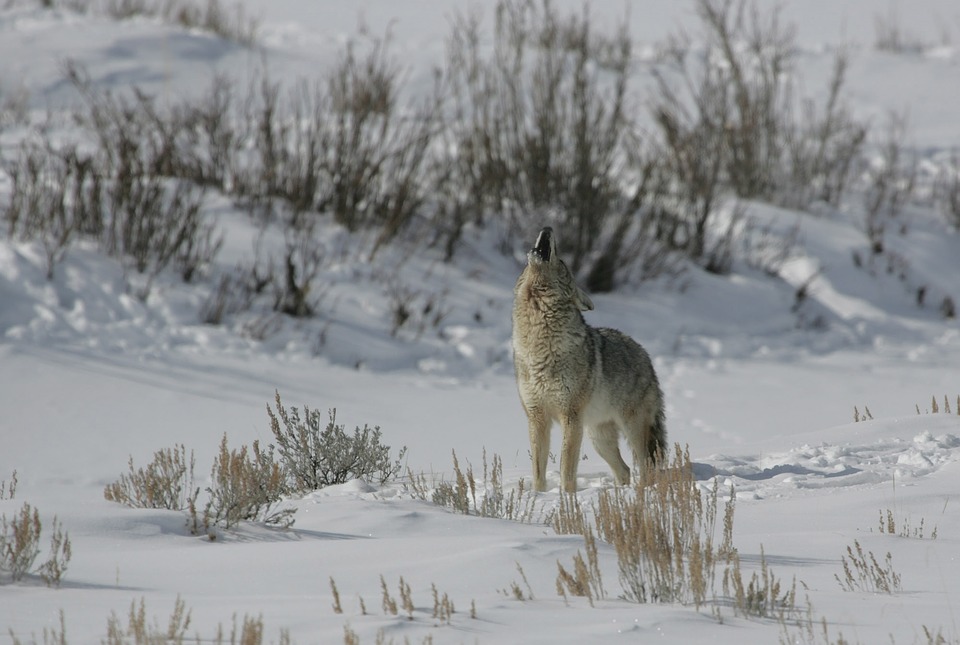
In our natural spaces like the Richard St. Barbe Baker Afforestation Area and the George Genereux Urban Regional Park, coexistence with wildlife, including coyotes, is essential for maintaining the delicate balance of our ecosystems. As we venture into these semi-wilderness habitats, understanding how to peacefully interact with coyotes becomes paramount.
Coyotes, like many wild animals, play a vital role in our ecosystems. They help control rodent populations, which can benefit farmers and gardeners, and they contribute to the overall health and diversity of our natural spaces. However, conflicts can arise when humans and coyotes inhabit the same areas.
During mating season, coyotes may become more protective of their territories and more aggressive towards perceived threats, including pets. It’s essential for pet owners to be vigilant during this time, keeping their animals on leashes and supervising them closely when outdoors.
Coyotes are Neighbors Too: Let’s Share the Space Safely
To promote harmonious coexistence with coyotes, it’s crucial to follow some key guidelines:
Be Big, Brave, and Loud: Maintain a healthy fear of humans in coyotes by making loud noises and waving arms if encountered.
Never Feed Coyotes: Feeding coyotes can lead to habituation and bold behavior. Avoid leaving food or pet waste accessible to them.
Ensure Pet Safety: Keep dogs on leashes and cats indoors, especially at night, to prevent conflicts with coyotes.
Spread Awareness: Educate neighbors and community members about the importance of coexisting with coyotes and share sightings to raise awareness.
Implement Preventative Measures: Minimize attractants like pet food, dog poop, water, and trash to reduce coyote visits to residential areas. (Scoop the Poop)
Supervise and Control Pets: Accompany pets on walks, adhere to leash laws, and provide secure enclosures for small animals.
Avoid Approaching Coyotes: Respect coyotes’ natural behaviors and boundaries, and do not approach them, their dens, or their pups.
Educate Children: Teach children about wildlife safety and how to respond to encounters with coyotes or other animals.
For a World Where Humans and Coyotes Roam Safely Together
By following these guidelines and fostering a culture of respect and understanding towards wildlife, we can create safer and healthier environments for both humans and coyotes alike. Let’s embrace the opportunity to coexist peacefully with these remarkable creatures and celebrate the biodiversity of our natural world.
Mass Audubon says, “Coyotes are wary animals who will avoid people at all costs,” and remember to never, never leave food out for coyotes, and this includes dropped dog treats, and dog feces. Scoop your poop!
Coyote as predator. Stock image – not a photograph taken at Richard St. Barbe Baker Afforestation Area, nor photographed at George Genereux Urban Regional Park. How to co-exist with coyotes in Saskatoon, SKCoyote as predator. Stock image – not a photograph taken at Richard St. Barbe Baker Afforestation Area, nor photographed at George Genereux Urban Regional Park. How to co-exist with coyotes in Saskatoon, SKKeep it Clean Keep it Green Scoop that Poop
Richard St. Barbe Baker Afforestation Area is located in Saskatoon, Saskatchewan, Canada north of Cedar Villa Road, within city limits, in the furthest south west area of the city. 52° 06′ 106° 45′
Addresses:
Part SE 23-36-6 – Afforestation Area – 241 Township Road 362-A
Part SE 23-36-6 – SW Off-Leash Recreation Area (Richard St. Barbe Baker Afforestation Area ) – 355 Township Road 362-A
S ½ 22-36-6 Richard St. Barbe Baker Afforestation Area (West of SW OLRA) – 467 Township Road 362-A
NE 21-36-6 “George Genereux” Afforestation Area – 133 Range Road 3063
Wikimapia Map: type in Richard St. Barbe Baker Afforestation Area
Google Maps South West Off Leash area location pin at parking lot
As April 7th approaches, Canadians prepare to honor one of their most iconic symbols—the beaver. While these industrious creatures may not be spotted in the Richard St. Barbe Baker Afforestation Area or the George Genereux Urban Regional Park, their significance to Canada’s identity and ecosystem cannot be overstated.
The beaver was officially recognized as an emblem of Canada in 1975, symbolizing the country’s sovereignty. However, its association with Canada predates this legislative act, deeply ingrained in the nation’s history and culture. Once abundant throughout Canada, the beaver faced extinction due to overhunting and habitat loss.
European settlers arriving in Canada brought with them a demand for beaver pelts, driven by the fashion trend of fur hats in the 16th and 17th centuries. At the onset of the 16th century, the beaver population had vanished from the region of the United Kingdom, despite its previous widespread presence across Britain. The Eurasian Beaver had been absent from Scotland for four centuries.The lucrative fur trade made beavers the main profit-making attraction, pushing their population to the brink of collapse by the mid-19th century.
Even amidst its decline, the beaver remained a symbol of Canadian identity, depicted on the nation’s first postage stamp by Sir Sandford Fleming. However, with an estimated 6 million beavers before the fur trade and a staggering 100,000 pelts shipped to Europe annually at its peak, conservation efforts became imperative to prevent the species’ extinction.
Today, thanks to dedicated conservation initiatives, the beaver population has rebounded across Canada. As we celebrate International Beaver Day, we recognize the importance of these creatures as ecosystem indicators. Though we believe that the beaver is absent from certain areas like the Richard St. Barbe Baker Afforestation Area and the George Genereux Urban Regional Park at the current time, their presence elsewhere in Saskatoon serves as a testament to the city’s biodiversity.
In commemorating International Beaver Day, let us also reflect on the broader significance of wetlands and rivers as vital habitats for biodiversity. Join us in celebrating nature in Saskatoon by participating in the City Nature Challenge from April 26 to 29 with four exciting events using the iNaturalist app. Explore the wonders of nature throughout our city’s natural landscape, but remember to exercise caution around water and use the buddy system for safety. With thanks to our sponsors and supporters SaskPower, SaskTel, Saskatoon Nature Society, Wild About Saskatoon, Varsity View Community Association, Rosewood Varsity View Community Association, Nutana Varsity View Community Association, Montgomery Place Varsity View Community Association. City Nature Challenge Saskatoon CNC YXE 2024 led by Friends of the Saskatoon Afforestation Areas.
As we honor the beaver and its resilience, let us reaffirm our commitment to preserving Canada’s natural heritage for future generations to enjoy. Together, we can ensure that these iconic symbols of our nation continue to thrive in their natural habitats, contributing to the rich tapestry of Canadian biodiversity.
American Beaver, Porcupine, Red-winged Blackbird, Fawn, Mallard Ducks, Waxwing, Rabbit, Deer Chappell Marsh. West Swale Wetlands. Richard St. Barbe Baker Afforestation Area. Saskatoon, SK, CA iNaturalist Observation with smart phone connecting with nature, supporting vital conservation research worldwide.American_Beaver Castor canadensis Adapted from image courtesy Steve CCxSA2-0
Richard St. Barbe Baker Afforestation Area is located in Saskatoon, Saskatchewan, Canada north of Cedar Villa Road, within city limits, in the furthest south west area of the city. 52° 06′ 106° 45′
Addresses:
Part SE 23-36-6 – Afforestation Area – 241 Township Road 362-A
Part SE 23-36-6 – SW Off-Leash Recreation Area (Richard St. Barbe Baker Afforestation Area ) – 355 Township Road 362-A
S ½ 22-36-6 Richard St. Barbe Baker Afforestation Area (West of SW OLRA) – 467 Township Road 362-A
NE 21-36-6 “George Genereux” Afforestation Area – 133 Range Road 3063
Wikimapia Map: type in Richard St. Barbe Baker Afforestation Area
Google Maps South West Off Leash area location pin at parking lot
The warmth of spring unfurls across the prairie lands, our avian friends embark on one of nature’s most awe-inspiring journeys – migration. However, amidst their majestic flights, many birds face an unexpected peril: collisions with windows. It’s a silent threat, but one that takes a heavy toll on our feathered companions.
Thankfully, communities across Canada are stepping up to mitigate this issue, and two initiatives stand out: the Calgary Urban Species Response Team and the Saskatoon City Nature Challenge.
The Calgary Urban Species Response Team, affectionately known as “CURST,” has launched a noble campaign to count bird window strikes during the crucial spring migration period, from April 1 to the end of May. They invite citizens to dim their lights and join their efforts. It’s a simple yet effective way to contribute to bird conservation.
But why stop there? In Saskatoon, another opportunity awaits. The Saskatoon City Nature Challenge (CNC YXE) beckons citizens to record bird strikes hitting windows through the iNaturalist app. This grassroots effort aims to turn the spotlight on an often-overlooked issue and empower individuals to become stewards of nature.
In the words of EcoFriendly West, the driving force behind these endeavors, it’s about being the voice for nature. It’s about taking action, joining hands, and making a difference.
So, why should we care about bird-window collisions? Beyond the immediate loss of precious avian life, these incidents have ripple effects across ecosystems. Birds play pivotal roles as pollinators, seed dispersers, and pest controllers. Their decline could disrupt delicate ecological balances, with far-reaching consequences for both flora and fauna.
Moreover, this issue hits close to home in Saskatchewan. Our province boasts a rich tapestry of bird species. Each window strike represents not just a statistic but a potential loss to our natural heritage.
However, there’s hope in collective action. By participating in initiatives like CURST and CNC YXE, we can turn the tide against bird-window collisions. Simple measures like applying decals to windows, installing bird-friendly glass, or dimming lights during migration periods can make a world of difference.
Ultimately, it’s about fostering a culture of coexistence between humans and wildlife. As stewards of this land, it’s our responsibility to ensure that future generations inherit a world where birds continue to grace our skies.
So, let’s heed the call of EcoFriendly West. Let’s turn out our lights, record bird strikes, and become the voice for nature. Together, we can make this a Saskatoon happening and pave the way for a brighter, bird-friendly future in Saskatchewan.
In the words of Rachel Carson, the pioneer of modern environmentalism, “In nature, nothing exists alone.” Let’s ensure that our feathered friends continue to thrive alongside us, enriching our lives with their beauty and grace.
City Nature Challenge – A Call to Action: April 26 – April 29, 2024, marks the City Nature Challenge—an opportunity to immerse oneself in nature and document its wonders. From wild plants to insects, birds, mushrooms, and more, participants capture the essence of living organisms and life remnants. With thanks to our sponsors and supporters SaskPower, SaskTel, Saskatoon Nature Society, Wild About Saskatoon, Varsity View Community Association, Rosewood Varsity View Community Association, Nutana Varsity View Community Association, SOS Trees, Montgomery Place Varsity View Community Association. City Nature Challenge Saskatoon CNC YXE 2024 led by Friends of the Saskatoon Afforestation Areas.
Nature’s Path to Wellness: Walk, Observe, Thrive on World Health Day.
Richard St. Barbe Baker Afforestation Area is located in Saskatoon, Saskatchewan, Canada north of Cedar Villa Road, within city limits, in the furthest south west area of the city. 52° 06′ 106° 45′
Addresses:
Part SE 23-36-6 – Afforestation Area – 241 Township Road 362-A
Part SE 23-36-6 – SW Off-Leash Recreation Area (Richard St. Barbe Baker Afforestation Area ) – 355 Township Road 362-A
S ½ 22-36-6 Richard St. Barbe Baker Afforestation Area (West of SW OLRA) – 467 Township Road 362-A
NE 21-36-6 “George Genereux” Afforestation Area – 133 Range Road 3063
Wikimapia Map: type in Richard St. Barbe Baker Afforestation Area
Google Maps South West Off Leash area location pin at parking lot
The Enigmatic Emergence: Plains Garter Snakes’ Spring Celebration
As winter’s icy grip loosens its hold on the land, and the first signs of spring appear, a remarkable phenomenon takes place in the heart of the prairies. The Plains Garter snakes, guardians of the underground, awaken from their slumber, heralding the arrival of a new season. However, the timing of their grand emergence remains shrouded in mystery, dependent on the capricious whims of weather. Each year, for around 10 glorious days, these serpentine creatures engage in a mesmerizing dance of celebration as they leave their hibernaculum. But predicting the exact moment of this event proves to be an elusive task, leaving nature enthusiasts and curious onlookers eagerly awaiting the spectacle.
Plains Garter Snake Thamnophis radix Harmless to Humans, can co-exist peacefully, and enjoy their helpful presence in the ecosystemPlains Garter Snake Thamnophis radix Harmless to Humans, can co-exist peacefully, and enjoy their helpful presence in the ecosystemPlains Garter Snake Thamnophis radix Harmless to Humans, can co-exist peacefully, and enjoy their helpful presence in the ecosystemPlains Garter Snake Thamnophis radix skin Garter snakes shed their skins in the spring or late summer, typically shedding two to three times a year. Their scales, made of keratin like human fingernails, require shedding as the snake grows, slithering along rocks and debris to facilitate the process. This shedding, or ecdysis, is vital for the snake’s growth and health, as it removes harmful parasites and prevents potential issues like blindness or loss of body parts if the skin doesn’t shed properly.
Plains Garter Snake Thamnophis radix Harmless to Humans, can co-exist peacefully, and enjoy their helpful presence in the ecosystem
A Weather-Dependent Reappearance
The emergence of Plains Garter snakes is intrinsically linked to the weather conditions prevailing during the transition from winter to spring. Clouds, cool temperatures, and rain can all play a role in influencing when these secretive snakes decide to venture above ground. Their appearance is not determined by a fixed calendar date but is rather dictated by the subtle nuances of nature’s rhythms. Mother Nature holds the reins, and her ever-changing moods dictate the timing of this captivating phenomenon.
Unveiling Nature’s Mystery: The Annual Dance of Plains Garter Snakes
Every spring, as temperatures begin to rise, a fascinating phenomenon takes place in the grasslands – the emergence of Plains Garter Snakes (Thamnophis radix). However, the timing of this spectacle remains an enigma, as expert herpetologist Dr. Amanda Bennett PhD from the Canadian Herpetological Society explains;
The exact emergence of these slithering serpents is dependent on various factors. The air temperature outside of their hibernaculum and the temperature gradient within it play crucial roles. These factors can fluctuate from year to year, influenced by the number of snakes inside, snowpack, moisture levels, and overall spring weather conditions.
Dr. Bennett suggests looking back at previous years to predict this year’s emergence. Analyzing weather patterns, the presence of snow, and temperatures in the weeks leading up to the event can provide valuable clues. She also mentions that the blooming of crocuses may not directly affect the snakes but can be an indicator of similar temperature changes, potentially helping as a guide.
Unlike some garter snake species known for communal hibernation, the Plains Garter Snakes may not gather in large numbers at a single site. Therefore, expectations of witnessing a massive spectacle, akin to other snake dens, such as the Red-sided Gartersnakes observed at Narcisse are not typical for Plains Garter Snakes
The idea of observing hatching is an interesting point raised by Dr. Bennett. Gartersnakes, about 70% of snakes lay eggs, while others don’t including the Plains Garter Snakes, who give birth to live young, and emergence from eggs would be attributed to other snake species.
As the emergence of these elusive snakes remains weather-dependent and hard to predict, their appearance adds a touch of mystery and wonder to the awe-inspiring cycles of nature. Mother Nature keeps her secrets well-guarded, and observing the Plains Garter Snakes’ springtime celebration reminds us of the marvels yet to be fully understood.
A Serpentine Celebration
When the right atmospheric conditions align, the Plains Garter snakes awaken from their winter hibernation sites, which lie hidden deep beneath the earth’s surface. As they emerge into the spring air, their dark, glistening bodies form a sinuous procession, weaving through the prairie grasses with grace and purpose. It is during this period that their celebration truly begins.
For one early morning emergence, these charming reptiles engage in a captivating cavort. Undulating movements create a symphony of serpentine choreography, as they explore their surroundings, seeking mates and nourishment. The air is filled with anticipation and delight, as nature enthusiasts and families make their way to witness this annual spectacle.
A Fickle Schedule: Mother’s Day Outing or Delayed Celebration
The Plains Garter snakes’ emergence, though a cherished tradition for many, remains enigmatic and fickle. Some years, they emerge just in time to make Mother’s Day a truly unique and unforgettable experience. Families gather, armed with curiosity and excitement, to celebrate nature’s wonders, sharing moments of joy as they watch the snakes bask in the warmth of the sun.
However, not all springs unfold in this timely fashion. Some years, the snakes decide to extend their underground sojourn, perhaps seeking the comfort of cooler and less turbulent conditions. The result? A delayed emergence that leaves eager spectators awaiting the snakes’ triumphant appearance with bated breath. At times with a particularly chilly spring, naturalists may see their appearance toward the end of May, as if teasing those who anxiously anticipated their arrival.
The Plains Garter Snakes: Guardians of the Grasslands
Beyond their beguiling spring rituals, the Plains Garter snakes play a vital role in the prairie ecosystem. As inconspicuous predators, they help maintain a delicate balance by controlling rodent populations, thereby supporting the biodiversity of the grasslands they call home.
Rest assured, the Plains Garter snake poses no threat to humans in the afforestation areas. Like all their garter snake counterparts, they are almost universally classified as harmless, as supported by Live Science. It is essential to treat them with respect to coexist harmoniously with these captivating organisms in the prairie landscape and wonder at their very existence.
Embracing the Mystery of Nature
While modern technology allows us to predict and plan many aspects of our lives, the emergence of Plains Garter snakes reminds us of nature’s untamed beauty and unpredictability. As they slither and celebrate amidst the prairie flora, these mysterious creatures invite us to embrace the wonder of the natural world and the joy of its unexpected surprises.
So, as spring approaches, we find ourselves peering eagerly at the sky, eagerly awaiting the subtle cues that signal the Plains Garter snakes’ emergence. A celebration like no other, their dance reminds us of the marvels that unfold beyond our control, beckoning us to marvel at the intricate tapestry of life. We are reminded to appreciate the fleeting moments of connection with the wild creatures that inhabit our world and to cherish the mysteries that nature presents.
As the Plains Garter snakes continue their graceful movements, their journey serves as a poignant reminder of the interconnectedness of all living beings. They remind us to observe and respect the delicate balance of ecosystems, for each creature has its place and purpose.
For those fortunate enough to witness their dance, the memories forged in the prairie grasses will forever be etched in their hearts. The sight of these enchanting serpents, the whispers of the wind, and the palpable sense of anticipation will create a lasting bond with the natural world.
In the quest to capture this mesmerizing spectacle on film, challenges arise. Dr. Amanda Bennett, an esteemed herpetologist, offers guidance, suggesting diligent monitoring of the hibernaculum and keen attention to the initial signs of emergence. With a combination of a precise weather forecast and vigilance, there is a glimmer of hope that a film crew may capture the essence of this celebration, immortalizing the Plains Garter snakes’ enchanting dance.
In the pursuit of knowledge, Dr. Bennett shares a valuable resource—an insightful link to a Master’s thesis on Plains Garter snakes in Alberta. This scholarly work sheds light on the natural history of these captivating creatures, drawing parallels between their behavior in different regions.
As the email from Dr. Bennett concludes, it leaves room for further inquiries and curiosity. The intricacies of the Plains Garter snakes’ emergence, their communal dynamics, and the potential for observing hatching remain intriguing mysteries waiting to be unraveled.
With gratitude for the guidance provided, nature enthusiasts and researchers alike embark on their quest to understand and preserve the enchanting legacy of the Plains Garter snakes. Their emergence stands as a testament to the resilience and beauty of the natural world, inspiring a deeper connection with the earth and all its inhabitants.
And so, as the days grow longer and the chill of winter dissipates, we eagerly await the elusive moment when the Plains Garter snakes emerge from their hidden abodes. The stage is set for a celebration like no other, where nature takes center stage and reminds us of the untamed magic that resides in the heart of the prairies.






 Forests of Memory. Forests of Learning. Forests for Life.