When the Forest Burns Twice

When the Forest Burns Twice: A Call to Protect Saskatoon’s Afforestation Areas

After two devastating spring fires in Saskatoon’s afforestation areas, the temptation is to talk only about flames: ignition points, suppression efforts, acreage burned, and the cost of response. But if we stop there, we miss the deeper story. These greenspaces are not empty buffers between roads and neighbourhoods. They are living places that store carbon, slow wind, shelter birds and pollinators, hold memory, and offer residents a rare experience of urban nature within walking distance of home.

What burned was not just vegetation. What burned was part of a relationship between people and place.

The Lesson from Successful Greenspace Campaigns

Across cities and park systems around the world, the most effective no-smoking and no-open-fire campaigns share a common feature: they move beyond simple prohibition. Rules matter, but durable compliance comes when people understand why the rule exists and see themselves as participants in protecting a shared ecological commons.

nature trail landscape with warning sign

Public education campaigns such as Smokey Bear wildfire prevention messaging in North America have long emphasized personal responsibility for preventing human-caused fires. Many municipalities now pair bylaw enforcement with clear trailhead signage, seasonal fire-risk messaging, social marketing, and volunteer stewardship programs that normalize safer behaviour in parks and natural areas.

The research-backed pattern

  1. Visible norms: consistent trailhead signs, pavement markings, and reminders that make the expected behaviour obvious.
  2. Seasonal risk communication: escalating messages during dry, windy periods and fire bans.
  3. Stewardship and social ownership: volunteer ambassadors, community patrols, and “leave no trace” style education.
  4. Targeted enforcement: fines and inspections focused on high-risk behaviour rather than broad, low-visibility policing.
  5. Infrastructure support: safe smoking-disposal options outside greenspaces, ash receptacles where appropriate, and designated gathering areas away from combustible vegetation.

Why Afforestation Areas Need Special Protection

Afforestation areas can appear resilient because trees remain standing after a fire. Ecologically, however, repeated spring fires can create a dangerous cycle. Young seedlings are lost before they establish. Ground-layer vegetation that stabilizes soil and retains moisture is removed. Nesting habitat disappears. Invasive or fire-tolerant species may gain an advantage. Recovery becomes slower and more expensive after each subsequent burn.

In prairie cities, spring is often the worst possible time for human-caused ignition: cured grasses from the previous season, low humidity, wind, and abundant fine fuels can turn a cigarette butt or small flame into a fast-moving grass fire in minutes. Fire agencies across North America routinely identify discarded smoking materials, unattended recreational fires, and other human activities among the preventable causes of vegetation fires.

A Saskatoon Approach: From Compliance to Care

If the goal is simply issuing tickets, a bylaw campaign can be narrow. If the goal is protecting afforestation areas for decades, the campaign must be cultural.

A practical framework for Saskatoon could include:

ActionPurpose
Seasonal “No Smoking / No Open Fires” activationTemporary high-visibility signs, social media alerts, and trailhead notices during elevated fire danger.
Place-based messagingExplain what the area protects—bird habitat, pollinators, carbon storage, and neighbourhood resilience—not just what is prohibited.
Community stewardshipTrain volunteer trail ambassadors to educate visitors, report hazards, and reinforce norms without confrontation.
Safe alternativesProvide ash receptacles and smoking areas outside sensitive greenspaces so compliance is easier.
Targeted enforcement at high-risk timesFocus patrols during windy, dry periods and after major events rather than relying on sporadic enforcement.
Public reporting and feedbackShare fire-risk conditions, incidents prevented, and restoration progress so residents can see the impact of their actions.

The Message That Changes Behaviour

People rarely remember the exact wording of a bylaw. They remember a story about what is being protected.

A campaign that says only “No Smoking. No Fires. Fine Applies.” may achieve awareness. A campaign that says “One cigarette can erase years of restoration, destroy nesting habitat, and put neighbours and firefighters at risk. Protect this forest.” is more likely to create responsibility.

That distinction matters. Successful public-health and environmental campaigns—from seatbelts to wildfire prevention—work best when they connect individual actions to collective consequences and make the desired behaviour part of community identity.

“A greenspace is not protected by signage alone. It is protected when residents treat a cigarette, a camp stove, or an open flame as a decision that affects birds, trees, neighbours, firefighters, and future visitors. The bylaw draws the line; the community keeps it.”

After the Fires

Restoration crews can replant. Firefighters can extinguish. Ecologists can monitor recovery. But prevention is the only strategy that protects both the forest and the people who depend on it.

After two spring fires, Saskatoon has a choice. We can treat these events as isolated incidents, or we can use them to build a stronger culture of greenspace stewardship: no smoking in sensitive natural areas, no open fires where bylaws prohibit them, clear communication during high-risk periods, and a shared understanding that urban forests are infrastructure as surely as roads, water lines, and bridges.

The trees that remain standing after a fire are asking the same question the community should be asking: What will we do differently before the next spark?

saskatoon.ca

Addresses:

Part SE 23-36-6 – Richard St. Barbe Baker Afforestation Area – 241 Township Road 362-A

Part SE 23-36-6 – SW Off-Leash Recreation Area (Richard St. Barbe Baker Afforestation Area ) – 355 Township Road 362-A

S ½ 22-36-6 Richard St. Barbe Baker Afforestation Area (West of SW OLRA) – 467 Township Road 362-A

NE 21-36-6 “George Genereux” Afforestation Area – 133 Range Road 3063

Coming soon the Clavet Memorial Healing Forest honouring the Humboldt Broncos

Wikimapia Map: type in Richard St. Barbe Baker Afforestation Area or

Google Maps South West Off Leash area location pin at parking lot

Web page: https://stbarbebaker.wordpress.com

Where is the Richard St. Barbe Baker Afforestation Area? with map

Where is the George Genereux Urban Regional Park (Afforestation Area)?with map

Pinterest richardstbarbeb

Blogger: FriendsAfforestation

Tumblr friendsafforestation.tumblr.comFacebook Group Page: Users of the George Genereux Urban Regional Park

Facebook: StBarbeBaker Afforestation Area

Facebook for the non profit Charity Friends of the Saskatoon Afforestation Areas Inc. FriendsAreas

Facebook group page : Users of the St Barbe Baker Afforestation Area

Facebook: South West OLRA

Reddit: FriendsAfforestation

BlueSky Social

Mix: friendsareas

YouTube

Support via Zeffy

Please help protect / enhance your afforestation areas, please contact the Friends of the Saskatoon Afforestation Areas Inc. (e-mail / e-transfers )

Donate your old vehicle, here’s how!  

Support using Canada Helps

Support via a recycling bottle donation and Join the plastic-recycle challenge!

United Nations Decade on Ecosystem Restoration

““Be like a tree in pursuit of your cause. Stand firm, grip hard, thrust upward. Bend to the winds of heaven..”Richard St. Barbe Baker
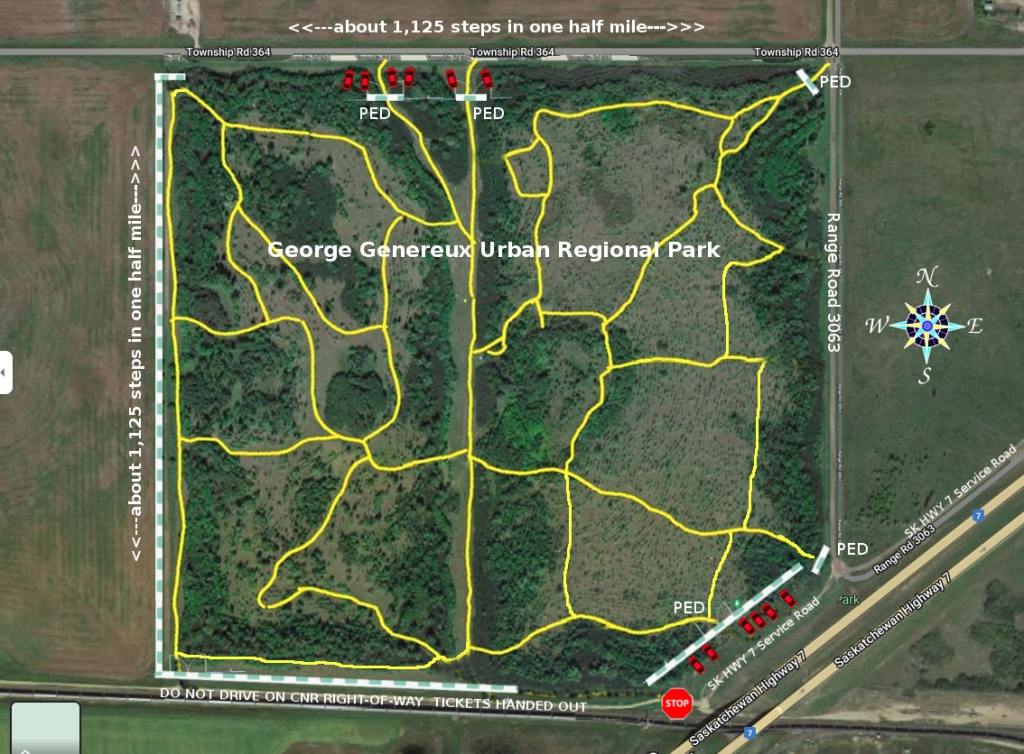
Update on the George Genereux Urban Regional Park Wildfire Area

Update on the George Genereux Urban Regional Park Wildfire Area

We received a follow-up report regarding the wildfire that occurred in George Genereux Urban Regional Park.

The Saskatoon Fire Department requested assistance from Urban Forestry staff to assess vegetation damage and determine whether any ongoing safety concerns remained within the affected area. Following a site inspection, an Urban Forestry supervisor reported that 44 small dead trees along the pathway were identified and marked with spray paint. The overall risk was assessed as low due to the area’s relatively low level of use, the low likelihood of tree failure, and the minimal potential for injury should a tree fall. While these trees should eventually be removed to prevent them from falling onto the pathway, they do not currently present an immediate hazard to the public.

As a result of this assessment, all identified safety concerns have now been addressed, and the area may continue to be used by the public. While some visible impacts from the wildfire remain, they do not pose a risk that would warrant restricting access to the site.

Visitors should be aware that tick populations remain very high in the area. The fire did not eliminate ticks, so appropriate precautions are strongly recommended, including wearing long clothing, staying on designated trails where possible, and conducting tick checks after visiting.

To help protect public health, natural areas, and reduce the risk of future wildfires, smoking and vaping are prohibited in all outdoor public spaces owned or operated by the City of Saskatoon under Smoking Control Bylaw No. 8286. This restriction applies to all tobacco products, cannabis products, and electronic cigarettes. Open fires, campfires, and any unauthorized flame-producing activities are also prohibited. Visitors are encouraged to respect these regulations to help safeguard forests, wetlands, wildlife habitat, and fellow park users.

The burned area also presents a valuable opportunity for ecological learning. Post-fire landscapes serve as living laboratories where environmental organizations such as the Friends of the Saskatoon Afforestation Areas can observe ecological succession and natural recovery processes firsthand. Over time, pioneering plants, insects, fungi, birds, and mammals gradually recolonize the site, demonstrating the resilience of natural ecosystems. Monitoring these changes can provide important information about biodiversity recovery, soil health, habitat restoration, carbon storage, and climate adaptation. Such areas also offer meaningful educational opportunities, helping visitors understand the role that fire can play in ecosystem renewal and fostering a deeper appreciation for the natural processes that shape and sustain healthy landscapes.

Previous posts about the grass fire.

Grass Fire Monitoring Continues Amid Extreme Dry Conditions

Grass and Brush Fire Response Underway

Understanding Wildfire Risk: The 30-30-30 Rule

When it comes to predicting how aggressively a wildfire will behave, Canadian firefighters and meteorologists look for a critical atmospheric tipping point known as the “crossover” effect. This danger zone is easily remembered by the 30-30-30 rule of thumb, which identifies the exact combination of weather conditions that cause small fires to rapidly explode out of control.

The rule states that wildfire danger reaches extreme levels when three specific conditions are met simultaneously:

  • Temperature: 30°C or higher.
  • Relative Humidity: 30% or lower.
  • Wind Speed: 30 km/h or faster.

Why This Combination is So Dangerous

When the air becomes that hot and dry, it acts like a sponge, rapidly evaporating moisture from forest vegetation, grass, and soil. This creates a massive amount of highly flammable fuel. Once you add sustained wind speeds of 30 km/h into the mix, a spark can instantly turn into an intense, fast-moving blaze. The wind not only supplies oxygen to the flames but also carries burning embers far ahead of the main fire line, igniting new flare-ups and making containment incredibly difficult for emergency crews.

When a region hits this “crossover” threshold, fire safety officials go on high alert, as any new ignition has the potential to become an unmanageable wildfire.

Addresses:

Part SE 23-36-6 – Richard St. Barbe Baker Afforestation Area – 241 Township Road 362-A

Part SE 23-36-6 – SW Off-Leash Recreation Area (Richard St. Barbe Baker Afforestation Area ) – 355 Township Road 362-A

S ½ 22-36-6 Richard St. Barbe Baker Afforestation Area (West of SW OLRA) – 467 Township Road 362-A

NE 21-36-6 “George Genereux” Afforestation Area – 133 Range Road 3063

Coming soon the Clavet Memorial Healing Forest honouring the Humboldt Broncos

Wikimapia Map: type in Richard St. Barbe Baker Afforestation Area or

Google Maps South West Off Leash area location pin at parking lot

Web page: https://stbarbebaker.wordpress.com

Where is the Richard St. Barbe Baker Afforestation Area? with map

Where is the George Genereux Urban Regional Park (Afforestation Area)?with map

Pinterest richardstbarbeb

Blogger: FriendsAfforestation

Tumblr friendsafforestation.tumblr.comFacebook Group Page: Users of the George Genereux Urban Regional Park

Facebook: StBarbeBaker Afforestation Area

Facebook for the non profit Charity Friends of the Saskatoon Afforestation Areas Inc. FriendsAreas

Facebook group page : Users of the St Barbe Baker Afforestation Area

Facebook: South West OLRA

Reddit: FriendsAfforestation

BlueSky Social

Mix: friendsareas

YouTube

Support via Zeffy

Please help protect / enhance your afforestation areas, please contact the Friends of the Saskatoon Afforestation Areas Inc. (e-mail / e-transfers )

Donate your old vehicle, here’s how!  

Support using Canada Helps

Support via a recycling bottle donation and Join the plastic-recycle challenge!

United Nations Decade on Ecosystem Restoration

““Be like a tree in pursuit of your cause. Stand firm, grip hard, thrust upward. Bend to the winds of heaven..”Richard St. Barbe Baker
A Seed of Change

🏆 RCE Saskatchewan’s 18th Annual Awards for Achievement in Education for Sustainable Development
https://saskrce.ca/recognition-event/

🌾 Ecological Grassland Restoration at RSBBAA – Chelsea Nyarko
From Master’s Thesis to Digital Movement: Reshaping the RSBBAA Through Global Education

The Friends of the Saskatoon Afforestation Areas Inc. is proud to celebrate the recognition of Ecological Grassland Restoration at RSBBAA, a transformative sustainability initiative led by Chelsea Nyarko and honoured through RCE Saskatchewan’s 18th Annual Awards for Achievement in Education for Sustainable Development.

This award recognizes a remarkable journey that began as a Master’s research project at the University of Saskatchewan’s School of Environment and Sustainability and evolved into a global educational movement connecting ecological restoration, citizen science, and the United Nations Sustainable Development Goals.

At the heart of the project lies the Richard St. Barbe Baker Afforestation Area (RSBBAA), a 133-hectare urban forest where approximately 33.5 hectares of grasslands were experiencing ecological decline. Invasive Smooth Brome, soil compaction, and habitat fragmentation had reduced biodiversity across utility corridors beneath SaskPower transmission lines.

Using satellite imagery, ecological assessment tools, and evidence-based restoration planning, Chelsea Nyarko developed a vision to transform these degraded grasslands into vibrant native prairie habitat—a “Pollinator Paradise” inspired by successful urban restoration projects such as Toronto’s Meadoway.

🌱 Turning Research into Action

What makes this project extraordinary is its ability to bridge academic research and public engagement.

Through collaboration with the Friends of the Saskatoon Afforestation Areas Inc., scientific findings were transformed into educational resources that make restoration science accessible to everyone—from students and educators to hikers, dog walkers, community volunteers, and nature enthusiasts around the world.

The project embraced three forms of learning:

🎓 Formal Education – University-based research and sustainability studies

🌿 Non-Formal Education – Community stewardship, guided tours, BioBlitzes, and public outreach

📱 Informal Education – Interactive YouTube videos, social media campaigns, quizzes, and digital learning experiences

This innovative “Bio-Coder” approach transformed ecological restoration into a global conversation.

🌾 Building a Digital Living Laboratory

By 2026, the project had generated a growing library of educational resources, including:

🎥 Grasslands Restoration Quiz: Protect, Restore, Thrive!
🎥 The Urban Grassland Restoration Quiz: Prairie Wisdom
🎥 Where Urban Life Meets Living Grasslands
🎥 Prairie Power: How Grasslands Help Our World
🎥 Prairie Birds Brain Challenge

As well as educational articles exploring:

🌼 Native prairie restoration
🌼 Pollinator conservation
🌼 Invasive species management
🌼 Rare species protection
🌼 Citizen science initiatives
🌼 Ecological stewardship

Participants learned how native species such as Blue Grama Grass, June Grass, and prairie wildflowers support pollinators, improve soil health, and build climate resilience.

🌎 Advancing the United Nations Sustainable Development Goals

The project demonstrates how local conservation action can create global impact by supporting:

✅ SDG 4 – Quality Education
✅ SDG 11 – Sustainable Cities and Communities
✅ SDG 13 – Climate Action
✅ SDG 15 – Life on Land
✅ SDG 17 – Partnerships for the Goals

Through education, restoration, collaboration, and community engagement, the project connects prairie grassland conservation with international sustainability objectives.

🌾 A Living Legacy

The restoration framework developed through Chelsea Nyarko’s research now serves as a foundation for ongoing ecological monitoring, guided tours, BioBlitzes, citizen science projects, and future restoration activities within the Richard St. Barbe Baker Afforestation Area.

Together, we are transforming prairie wisdom into lasting action.

🌾 Friends of the Saskatoon Afforestation Areas Inc.
🌾 Richard St. Barbe Baker Afforestation Area
🌾 Ecological Grassland Restoration Project

From Master’s Thesis to Digital Movement

Award Ceremony Grasslands and Slide Show

#RCESaskatchewan #EducationForSustainableDevelopment #ChelseaNyarko #GrasslandRestoration #PrairieRestoration #PollinatorParadise #BiodiversityConservation #CitizenScience #ClimateAction #SustainableCities #LifeOnLand #EnvironmentalEducation #UniversityOfSaskatchewan #PrairieGrasslands #NativePlants #PollinatorConservation #EcologicalRestoration #UrbanNature #Saskatoon #RichardStBarbeBaker.

Addresses:

Part SE 23-36-6 – Richard St. Barbe Baker Afforestation Area – 241 Township Road 362-A
Part SE 23-36-6 – SW Off-Leash Recreation Area (Richard St. Barbe Baker Afforestation Area ) – 355 Township Road 362-A

S ½ 22-36-6 Richard St. Barbe Baker Afforestation Area (West of SW OLRA) – 467 Township Road 362-A

NE 21-36-6 “George Genereux” Afforestation Area – 133 Range Road 3063

Wikimapia Map: type in Richard St. Barbe Baker Afforestation Area or

Google Maps South West Off Leash area location pin at parking lot

Web page: https://stbarbebaker.wordpress.com

Where is the Richard St. Barbe Baker Afforestation Area? with map

Where is the George Genereux Urban Regional Park (Afforestation Area)?with map

Pinterest richardstbarbeb

Blogger: FriendsAfforestation

Tumblr friendsafforestation.tumblr.comFacebook Group Page: Users of the George Genereux Urban Regional Park

Facebook: StBarbeBaker Afforestation Area

Facebook for the non profit Charity Friends of the Saskatoon Afforestation Areas Inc. FriendsAreas

Facebook group page : Users of the St Barbe Baker Afforestation Area

Facebook: South West OLRA

Reddit: FriendsAfforestation

BlueSky Social

Mix: friendsareas

YouTube

Support via Zeffy

Please help protect / enhance your afforestation areas, please contact the Friends of the Saskatoon Afforestation Areas Inc. (e-mail / e-transfers )

Donate your old vehicle, here’s how!  

Support using Canada Helps

Support via a recycling bottle donation and Join the plastic-recycle challenge!

United Nations Decade on Ecosystem Restoration

““Be like a tree in pursuit of your cause. Stand firm, grip hard, thrust upward. Bend to the winds of heaven..”

Trees with a Story

Trees with a Story: Celebrating Arbor Week and National Smile Day in Saskatoon’s Living Forests

By Friends of the Saskatoon Afforestation Areas Inc.

What makes you smile?

For some, it is a favourite song, a visit with friends, or a sunny spring day. For others, happiness can be found in the quiet rustle of leaves overhead, the flash of a bird’s wing, or the discovery of a wildflower along a forest trail.

This year, Arbor Week and National Smile Day come together on May 31, creating the perfect opportunity to celebrate one of Saskatoon’s greatest natural treasures: the Richard St. Barbe Baker Afforestation Area.

The event, Trees with a Story: An Arbor Week Celebration & Smile Day Walk, invites nature lovers, families, photographers, hikers, citizen scientists, and curious explorers to discover the fascinating stories hidden within Saskatoon’s urban forest.

Every Tree Has a Story

At first glance, a forest may appear to be simply a collection of trees.

Look closer.

Each tree represents a chapter in a much larger story—one of resilience, survival, biodiversity, and community stewardship.

Some species have called Saskatchewan home for thousands of years. Others arrived through human settlement and agricultural development. Some were deliberately planted during the Green Survival Program of 1972-73, while a few have become unwelcome invaders that threaten native ecosystems.

Together, they form a living library waiting to be explored.

Visitors on the walk will encounter towering American Elms and Green Ash trees, both species now listed on the International Union for Conservation of Nature (IUCN) Red List due to increasing threats across their native ranges.

Participants will also meet the ever-popular Trembling Aspen, whose shimmering leaves seem to dance in even the gentlest breeze, and the mighty Bur Oak, one of the prairie’s most enduring symbols of strength and longevity.

A Forest Born from Vision

The Richard St. Barbe Baker Afforestation Area and nearby George Genereux Urban Regional Park owe their existence to a remarkable vision that began more than fifty years ago.

In 1972 and 1973, thousands of trees were planted as part of Saskatchewan’s Green Survival Program, with species selection guided by the Prairie Farm Rehabilitation Administration.

The goal was practical: protect the landscape from erosion, improve environmental conditions, and establish shelterbelts capable of thriving in the prairie climate.

What emerged over the decades was something far greater.

Today, these former nursery lands have matured into thriving urban forests that support wildlife, improve air quality, sequester carbon, provide recreational opportunities, and serve as outdoor classrooms for environmental education.

No one planting those young saplings could have predicted the extraordinary biodiversity they would one day support.

Seeking Rare Treasures

One of the most exciting aspects of the Arbor Week walk is the possibility of discovering rare and unusual species.

Participants will learn about the Red-Berried Elder, an S2-ranked species considered rare in Saskatchewan. This beautiful shrub provides habitat and food for birds and pollinators while adding another layer of ecological richness to the forest.

Even more intriguing is the possibility of finding the elusive Smooth Rose, an S1-ranked species that has not yet been documented in the area but remains a tantalizing possibility for observant naturalists.

Every walk becomes a treasure hunt.

Every observation could become an important scientific record.

The $50 Linden Tree Mystery

Adding to the excitement is one of the forest’s most enduring mysteries.

In 1984, a Linden Tree was reportedly planted somewhere within the afforestation area.

Its exact location remains unknown.

To celebrate Arbor Week, organizers are offering a $50 prize to the first participant who locates the tree and records a verified observation using the iNaturalist platform during the event.

Will this be the year the mystery is finally solved?

Only the forest knows.

Citizen Science in Action

One of the most remarkable developments in conservation today is the rise of citizen science.

Participants are encouraged to bring smartphones equipped with the iNaturalist app and help document the biodiversity of the forest.

A photograph uploaded during the walk can contribute to global scientific databases, assist researchers, document rare species, or help track the spread of invasive plants.

Citizen science transforms visitors into researchers and casual observations into valuable scientific contributions.

It reminds us that environmental stewardship is not limited to scientists and academics.

Everyone can participate.

Everyone can contribute.

Watching the Watchlist

Not every species encountered on the walk belongs in the forest.

Participants will also learn how to identify highly invasive species such as European Buckthorn, a plant capable of outcompeting native vegetation and altering habitat conditions.

By documenting invasive species through platforms such as iNaturalist, community members become active partners in conservation and ecological restoration.

Protecting biodiversity begins with knowing what belongs—and what doesn’t.

A Smile for the Future

National Smile Day encourages us to celebrate the simple joys in life.

Few experiences are more uplifting than spending time among trees.

Research consistently shows that forests improve mental health, reduce stress, increase physical activity, and strengthen our connection to nature.

The Richard St. Barbe Baker Afforestation Area offers all of these benefits while providing critical habitat for birds, pollinators, mammals, and countless other species.

It is a place where children can discover nature, families can explore together, and adults can reconnect with the natural world.

Most importantly, it is a place that reminds us of our responsibility to future generations.

The people who planted these forests more than fifty years ago may never have imagined the impact their work would have today.

The question now becomes: What legacy will we leave?

Every tree planted matters.

Every species protected matters.

Every observation recorded matters.

Every smile shared in nature matters.

This Arbor Week and National Smile Day, join us for a walk through a forest filled with stories, discoveries, and inspiration.

Come for the trees.

Stay for the smiles.

And perhaps leave with a deeper appreciation for the living legacy growing right here in Saskatoon.

Event Details

📅 Sunday, May 31, 2026

🕑 2:00 PM

📍 Richard St. Barbe Baker Afforestation Area – Parking Area P2

🥾 Bring comfortable walking shoes, a smartphone with iNaturalist, water, and your best Smile Day grin.

🌐 Learn more at friendsareas.ca

Because every tree has a story—and every visitor becomes part of it.

Addresses:

Part SE 23-36-6 – Richard St. Barbe Baker Afforestation Area – 241 Township Road 362-A

Part SE 23-36-6 – SW Off-Leash Recreation Area (Richard St. Barbe Baker Afforestation Area ) – 355 Township Road 362-A

S ½ 22-36-6 Richard St. Barbe Baker Afforestation Area (West of SW OLRA) – 467 Township Road 362-A

NE 21-36-6 “George Genereux” Afforestation Area – 133 Range Road 3063

Wikimapia Map: type in Richard St. Barbe Baker Afforestation Area or

Google Maps South West Off Leash area location pin at parking lot

Web page: https://stbarbebaker.wordpress.com

Where is the Richard St. Barbe Baker Afforestation Area? with map

Where is the George Genereux Urban Regional Park (Afforestation Area)?with map

Pinterest richardstbarbeb

Blogger: FriendsAfforestation

Tumblr friendsafforestation.tumblr.comFacebook Group Page: Users of the George Genereux Urban Regional Park

Facebook: StBarbeBaker Afforestation Area

Facebook for the non profit Charity Friends of the Saskatoon Afforestation Areas Inc. FriendsAreas

Facebook group page : Users of the St Barbe Baker Afforestation Area

Facebook: South West OLRA

Reddit: FriendsAfforestation

BlueSky Social

Mix: friendsareas

YouTube

Support via Zeffy

Please help protect / enhance your afforestation areas, please contact the Friends of the Saskatoon Afforestation Areas Inc. (e-mail / e-transfers )

Donate your old vehicle, here’s how!  

Support using Canada Helps

Support via a recycling bottle donation and Join the plastic-recycle challenge!

United Nations Decade on Ecosystem Restoration

““Be like a tree in pursuit of your cause. Stand firm, grip hard, thrust upward. Bend to the winds of heaven..”

THE RESULTS ARE IN! City Nature Challenge CNC YXE 2026

FOR IMMEDIATE RELEASE
City Nature Challenge 2026: 
Saskatoon Takes on the Global Biodiversity Stage
THE RESULTS ARE IN!

CNC YXE 2026 Infographic

These are the statistics about how Saskatoon Fared April 24 – April 27, 2026

There were 12 endangered species observed!  
Threatened Species 12 species
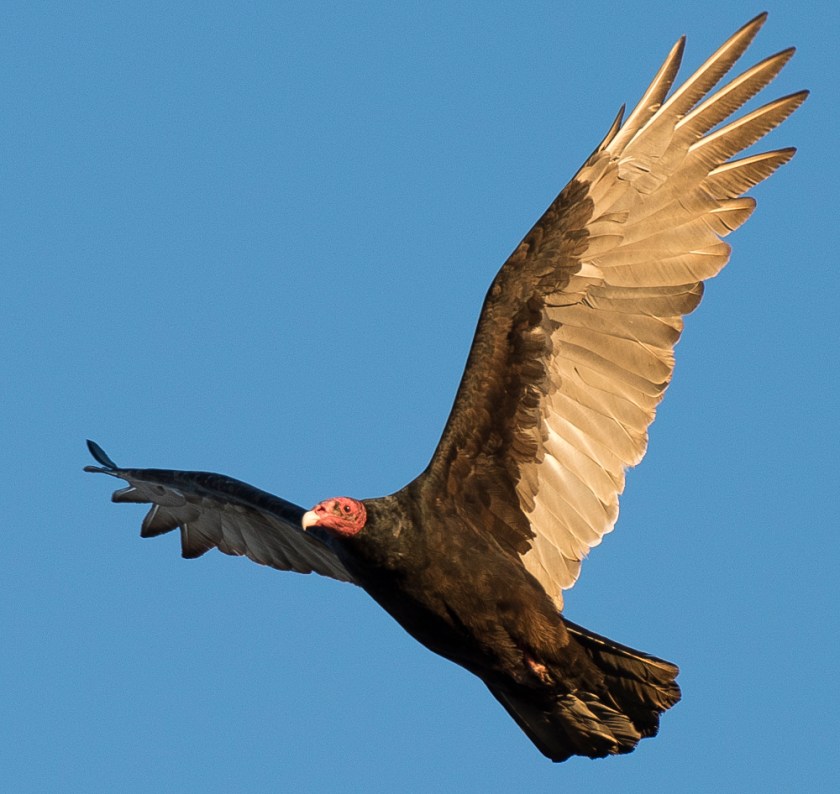
green ash Fraxinus pennsylvanica, Killdeer Charadrius vociferus,  Greater Yellowlegs Tringa melanoleuca  Common Grackle Quiscalus quiscula, Loggerhead Shrike Lanius ludovicianus,Osprey Pandion haliaetus,,American Tree Sparrow Spizelloides arborea,  Turkey Vulture Cathartes aura, Western Tiger Salamander Ambystoma mavortium,Goldenrod Gall Fly Eurosta solidaginis, Calligrapha verrucosa, Shiny Blue Bottle Fly Cynomya cadaverina

CNC YXE 2026 Infographic!

MOST OBSERVED SPECIES IN SASKATOON FOR THIS FOUR DAY STRETCH ….IN A SNOWSTORM NO LESS
Most Observed Species
ROBIN!  Turdus migratorius  64
yellow-rumped warbler  Setophaga coronata     43
dark-eyed junco Junco hyemalis  40
American crow Corvus brachyrhynchos   28
black-capped chickadee Poecile atricapillus    25
Canada goose Branta canadensis    23

By the numbers in Saskatoon, SK there were:

925📷 Observations          221🌿 Species          
          49👥 Observers          135🔍 Identifiers

For observing biodiversity and signs of life in a rare freak snowstorm, that was impressive!  Way to go Saskatoon, thank you.  

To compare to other Prairie Province cities:

Regina Saskatchewan
448📷 Observations          110🌿 Species  
          28👥 Observers          129🔍 Identifiers

Brandon Manitoba
653📷 Observations          147🌿 Species        
          18👥 Observers          92🔍 Identifiers

Winnipeg, Manitoba
1,796📷 Observations          375🌿 Species        
          95👥 Observers          241

Edmonton, Alberta
1,616📷 Observations          240🌿 Species  
          106👥 Observers          193🔍 Identifiers

Lethbridge, Alberta
1,296📷 Observations          301🌿 Species        
          40👥 Observers          199🔍 Identifiers

Red Deer Alberta results:
97📷 Observations          71🌿 Species      
10👥 Observers          28🔍 Identifiers

Calgary Alberta
4,986📷 Observations          474🌿 Species    
          152👥 Observers          335🔍 Identifiers

Visit citynaturestats.com to view the in-depth results and explore your city’s individual statistics.

World Wild Results:
City Nature Challenge 2026 Global Results!

  • Total # of species documented: 76,422+
  • Total # of observers: 106,354
  • Total # of identifiers: 27,641+
  • Total # of observations: 3,001,825
  • Rare, Endangered, or Threatened species: 5688+
  • Most Observed Plant: Common Dandelion, Taraxacum officinale
  • Most Observed Animal: Mallard, Ana platyrhynchos
  • Number of participating countries: 61
  • Number of participating cities: 754
  • Percentage of research grade observations: 40%

Afforestation Area Addresses:

Part SE 23-36-6 – Richard St. Barbe Baker Afforestation Area – 241 Township Road 362-A

Part SE 23-36-6 – SW Off-Leash Recreation Area (Richard St. Barbe Baker Afforestation Area ) – 355 Township Road 362-A

S ½ 22-36-6 Richard St. Barbe Baker Afforestation Area (West of SW OLRA) – 467 Township Road 362-A

NE 21-36-6 “George Genereux” Afforestation Area – 133 Range Road 3063

Clavet Memorial Healing Forest honouring the Humboldt Broncos.

Wikimapia Map: type in Richard St. Barbe Baker Afforestation Area or

Google Maps South West Off Leash area location pin at parking lot

Web page: https://stbarbebaker.wordpress.com

Where is the Richard St. Barbe Baker Afforestation Area? with map

Where is the George Genereux Urban Regional Park (Afforestation Area)?with map

Pinterest richardstbarbeb

Blogger: FriendsAfforestation

Tumblr friendsafforestation.tumblr.comFacebook Group Page: Users of the George Genereux Urban Regional Park

Facebook: StBarbeBaker Afforestation Area

Facebook for the non profit Charity Friends of the Saskatoon Afforestation Areas Inc. FriendsAreas

Facebook group page : Users of the St Barbe Baker Afforestation Area

Facebook: South West OLRA

Reddit: FriendsAfforestation

BlueSky Social

Mix: friendsareas

YouTube

Support via Zeffy

Please help protect / enhance your afforestation areas, please contact the Friends of the Saskatoon Afforestation Areas Inc. (e-mail / e-transfers )

Donate your old vehicle, here’s how!  

Support using Canada Helps

Support via a recycling bottle donation and Join the plastic-recycle challenge!

United Nations Decade on Ecosystem Restoration

“Be like a tree in pursuit of your cause. Stand firm, grip hard, thrust upward. Bend to the winds of heaven..” – Richard St. Barbe Baker

The Living Classroom: Teaching Children the Language of the Forest


There is a moment — quiet, almost imperceptible — when a child first notices the rustle of life beneath the canopy. A beetle turning over a fallen leaf, a chickadee flitting between branches, the sunlight filtering through layers of green. It is in that instant that understanding begins: a realization that the forest is not merely a collection of trees, but a living, breathing community of countless species, each bound to the others in a delicate web of life.

In Saskatoon’s afforestation areas, these lessons are being sown with care. The work of conservation here is not only about protecting trees or safeguarding species at risk, though these are noble aims. It is about nurturing a generation capable of seeing themselves as part of the natural world—a generation that understands that when one element of the ecosystem falters, all are affected.

Education programs and stewardship initiatives invite young minds to explore with curiosity and purpose. Children are learning that each tree is more than wood and leaves; it is a habitat, a refuge, a home. Beneath their feet lie networks of roots and fungi—silent communicators that sustain the forest community. Above, the canopy shelters the nests of birds, the dens of squirrels, and the cool breath of shade-loving plants.

Yet, these places are fragile. When children push over saplings or try to push over a tree or bang on tree trunks as they run through the forest, hit nests from trees, the harm may not be visible at first—but it is real. Each scar on bark opens a doorway for fungus, pathogens, and pests, weakening the very trees that sustain the forest’s life. And beyond the trees, there are plant species at risk—delicate forbs that struggle to survive beneath the shadow of human carelessness.

That is why stewardship must be taught not as restriction, but as relationship. There are wide open grass spaces for play, for laughter and movement. But through the forest, we walk gently. We stay on the trails, we listen before we touch, and we look before we act. Every step can be a step of respect—for the chickadee’s nest, the wild rose’s roots, the trembling aspen’s song.

In these forests, three tree species are at risk—a solemn reminder that even the giants among us need protection. Do you know which they are? It is a question worth pondering, for awareness is the first act of stewardship.

And so, through every classroom visit, every guided walk, and every act of citizen science, we are advancing stewardship initiatives that bridge science, citizen action, and sustainability. We are spreading education and awareness, encouraging greater care for these vital green spaces in Saskatoon.

Together, we are planting seeds—not only in the ground, but in young minds. Seeds of curiosity, care, and empathy. The impact of these efforts will ripple outward, as each child carries the memory of the forest into the wider world, fostering stewardship for decades to come.

For in the end, conservation is not merely about saving the trees—it is about saving our sense of belonging within the great, unfolding story of life on Earth. And that story continues, one child, one tree, one forest at a time.

Addresses:

Part SE 23-36-6 – Richard St. Barbe Baker Afforestation Area – 241 Township Road 362-A

Part SE 23-36-6 – SW Off-Leash Recreation Area (Richard St. Barbe Baker Afforestation Area ) – 355 Township Road 362-A

S ½ 22-36-6 Richard St. Barbe Baker Afforestation Area (West of SW OLRA) – 467 Township Road 362-A

NE 21-36-6 “George Genereux” Afforestation Area – 133 Range Road 3063

Wikimapia Map: type in Richard St. Barbe Baker Afforestation Area or

Google Maps South West Off Leash area location pin at parking lot

Web page: https://stbarbebaker.wordpress.com

Where is the Richard St. Barbe Baker Afforestation Area? with map

Where is the George Genereux Urban Regional Park (Afforestation Area)?with map

Pinterest richardstbarbeb

Blogger: FriendsAfforestation

Tumblr friendsafforestation.tumblr.comFacebook Group Page: Users of the George Genereux Urban Regional Park

Facebook: StBarbeBaker Afforestation Area

Facebook for the non profit Charity Friends of the Saskatoon Afforestation Areas Inc. FriendsAreas

Facebook group page : Users of the St Barbe Baker Afforestation Area

Facebook: South West OLRA

Reddit: FriendsAfforestation

BlueSky Social

Mix: friendsareas

YouTube

Support via Zeffy

Please help protect / enhance your afforestation areas, please contact the Friends of the Saskatoon Afforestation Areas Inc. (e-mail / e-transfers )

Donate your old vehicle, here’s how!  

Support using Canada Helps

Support via a recycling bottle donation and Join the plastic-recycle challenge!

United Nations Decade on Ecosystem Restoration

““Be like a tree in pursuit of your cause. Stand firm, grip hard, thrust upward. Bend to the winds of heaven..”

Richard St. Barbe Baker

Design a site like this with WordPress.com
Get started