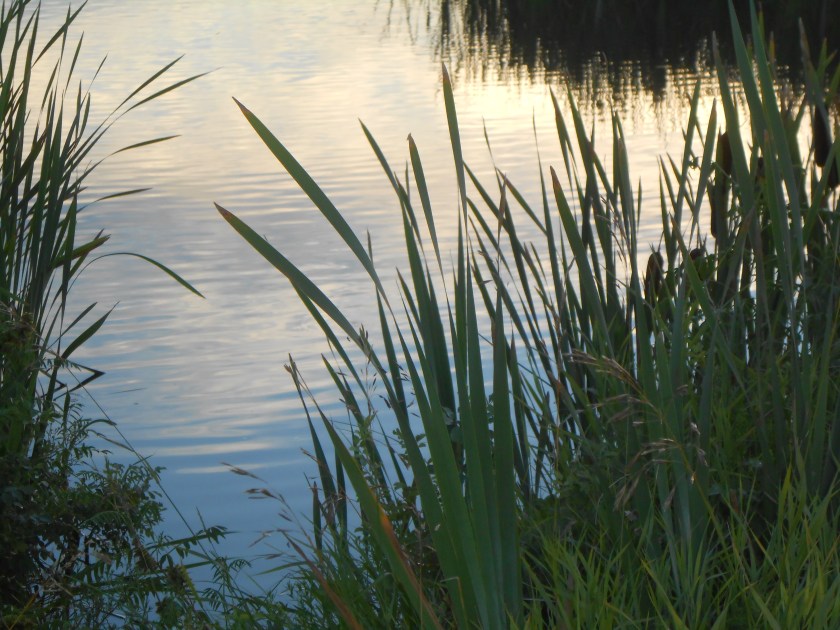
Embracing Autumn Equinox Day: Celebrating Seasonal Shifts with Indigenous Perspectives

As the sun crosses the equator on September 22nd, marking the Autumn Equinox, we witness a unique moment of balance when day and night are equal. This astronomical event is not just a transition into fall but an opportunity to reflect on the diverse ways different cultures perceive and celebrate the changing seasons. In particular, Indigenous Cree cultures offer a rich and nuanced understanding of the seasonal cycle, revealing a profound connection between people and nature.

Indigenous Cree Seasonal Perspectives

In many Cree communities, the year unfolds through six distinct seasons, each with its own rhythms and significance. This perspective contrasts with the conventional four-season model and highlights a deep-rooted relationship with the natural world.

  1. Pre-Spring (March and April): Known as the time when the moon is reflected on the ice, this period is a precursor to the rebirth of nature. March, or “otter month,” and April mark the gradual melting of ice and the promise of renewal.

  1. Spring (May and June): Spring, or “sīkwan,” is a time of awakening and growth. May is celebrated as the month of flowers, while June is recognized for the abundance of strawberries, symbolizing the bounty of nature’s resurgence.

  1. Summer (July and August): As the days stretch towards the summer solstice on June 21st, summer, or “nīpin,” brings forth the arrival of fruit and the maturing of young animals. July is the month of raspberries, and August witnesses young birds learning to fly.

  1. Autumn (September): September, or “takwākin,” is marked by the falling leaves and the breeding season of porcupines. The Autumn Equinox on September 21st signifies a time of balance before the daylight hours begin to wane, leading into the winter months.

  1. Pre-Winter (November and December): The transition into winter, or “mikiskāw,” is characterized by the return of snow and the preparation of animals for the colder months. November and December are times of trapping and utilizing every part of harvested animals.

  1. Winter (January and February): Winter, or “pipon,” sets in with full force. January is the longest month, and February, known as Groundhog Month, continues the deep winter phase until the days begin to lengthen again.

  2. Australian Aboriginal and Woodland Cree Seasonal Systems

Interestingly, this nuanced view of seasons is mirrored in other Indigenous cultures, such as the Noongar people of Australia, who celebrate six distinct seasons:

  • Birak (December – January)

  • Bunuru (February – March)

  • Djeran (April – May)Makuru (June – July)

  • Djilba (August – September)

  • Kambarang (October – November)

Similarly, the Woodland Cree recognize six seasons, reflecting a detailed observation of environmental changes:

  • Break Up (mithoskamin)

  • Spring (sīkwan)

  • Summer (nīpin)

  • Fall (takwākin)

  • Freeze-Up (mikiskāw)

  • Winter (pipon)
  • Activities and Reflections for the Equinox

To honor the Autumn Equinox and connect with these seasonal traditions, consider engaging in activities that celebrate the transition and reflect on the natural world:

  • K-2 Students: Take a walk to observe fall changes. Collect leaves, acorns, and seeds to create art projects like collages or crayon rubbings. If a walk isn’t possible, guide an imaginary forest journey, focusing on sensory experiences and changes.Grades 3-5: Investigate the causes of seasonal changes and their impact on daily life. Explore when the autumn equinox occurs in your area and discuss the seasonal adjustments families make.Grades 6-8: Research why leaves change color and create collages reflecting autumn hues. Additionally, test the myth of balancing an egg on the equinox, and analyze the results to understand the scientific principles behind it.

The Autumn Equinox serves as a potent reminder of the cyclical nature of our environment and the deep connections Indigenous cultures have with the seasons. By exploring these traditions and engaging with seasonal changes, we honor the profound wisdom embedded in diverse cultural perspectives and enrich our understanding of the natural world.

For directions as to how to drive to “George Genereux” Urban Regional Park

For directions on how to drive to Richard St. Barbe Baker Afforestation Area

For more information:

Blairmore Sector Plan Report; planning for the Richard St. Barbe Baker Afforestation Area, George Genereux Urban Regional Park and West Swale and areas around them inside of Saskatoon city limits

NEW P4G District Official Community Plan

Richard St. Barbe Baker Afforestation Area is located in Saskatoon, Saskatchewan, Canada north of Cedar Villa Road, within city limits, in the furthest south west area of the city. 52° 06′ 106° 45′

Addresses:

Part SE 23-36-6 – Afforestation Area – 241 Township Road 362-A

Part SE 23-36-6 – SW Off-Leash Recreation Area (Richard St. Barbe Baker Afforestation Area ) – 355 Township Road 362-A

S ½ 22-36-6 Richard St. Barbe Baker Afforestation Area (West of SW OLRA) – 467 Township Road 362-A

NE 21-36-6 “George Genereux” Afforestation Area – 133 Range Road 3063

Wikimapia Map: type in Richard St. Barbe Baker Afforestation Area

Google Maps South West Off Leash area location pin at parking lot

Web page: https://stbarbebaker.wordpress.com

Where is the Richard St. Barbe Baker Afforestation Area? with map

Where is the George Genereux Urban Regional Park (Afforestation Area)?with map

Pinterest richardstbarbeb

Blogger: FriendsAfforestation

Tumblr friendsafforestation.tumblr.comFacebook Group Page: Users of the George Genereux Urban Regional Park

Facebook: StBarbeBaker Afforestation Area

Facebook for the non profit Charity Friends of the Saskatoon Afforestation Areas Inc. FriendsAreas

Facebook group page : Users of the St Barbe Baker Afforestation Area

Facebook: South West OLRA

Reddit: FriendsAfforestation

Twitter: St Barbe Baker Charity Twitter:FriendsAreas

Mix: friendsareas

YouTube

Please help protect / enhance your afforestation areas, please contact the Friends of the Saskatoon Afforestation Areas Inc. (e-mail / e-transfers )

Donate your old vehicle, here’s how!  

Support using Canada Helps

Support via a recycling bottle donation

United Nations Decade on Ecosystem Restoration

““Be like a tree in pursuit of your cause. Stand firm, grip hard, thrust upward. Bend to the winds of heaven..”

Richard St. Barbe Baker

Ethnobotany park interpretation

In recent years, ethnobotany parks have become increasingly popular as a way to explore the relationship between plants, people and culture. At ethnobotany parks, visitors can explore the traditional knowledge of Indigenous peoples, learn about the traditional uses of plants and explore the connection between plants and culture.

The concept of ethnobotany park interpretation is based on the idea that visitors can learn about the environment and Indigenous cultures in a respectful and meaningful way. This type of interpretation allows for a deeper understanding of the connection between plants, people and culture, and provides a unique opportunity for reconciliation between cultures in the forest.

Ethnobotany park interpretation is a powerful and meaningful way to connect people with nature. Through interactive activities such as guided walks, talks, and demonstrations, visitors can learn about the traditional cultures of Indigenous peoples and the traditional uses of plants. Visitors can also gain a greater appreciation of the environment and the importance of preserving traditional knowledge and species at risk.

Ethnobotany park interpretation also provides a unique opportunity for reconciliation between cultures. By exploring the shared history and culture of Indigenous peoples, visitors can gain a better understanding of the Indigenous perspectives and their connection to the land. This type of interpretation can help to bridge gaps in understanding between cultures and encourage mutual respect and understanding.

Ethnobotany park interpretation is a powerful way to explore the connection between plants, people, and culture. By providing visitors with the opportunity to learn about the traditional cultures of Indigenous peoples, visitors can gain a deeper understanding of the environment and the importance of preserving traditional knowledge. Additionally, this type of interpretation can help to foster reconciliation between cultures and promote mutual respect and understanding for environmental protections and conservation.

The ideal candidate for this stage one contract position should have a degree in education or a related field and experience in outdoor and environmental education learning experiences. You should be comfortable working in a team environment and have an eye for detail. Additionally, you should be passionate about the Saskatoon Afforestation Areas, Richard St. Barbe Baker Afforestation Area and George Genereux Urban Regional Park, and the unique cultural and environmental heritage of the region.

If you are interested in this position and think you have the qualifications and experience necessary, we look forward to hearing from you. Please submit your application and any supporting documents to the Cultural and Environmental Heritage Prairie Forest Guide App team. friendsafforestation@gmail.com

Red-Winged Blackbird. West Swale Wetlands Chappell Marsh. Richard St. Barbe Baker Afforestation Area Saskatoon, SK

More Information is at KIJIJI on this position

More about this Contract position is posted at Sask Culture

This is STAGE ONE of the Call for Tender.

Please email friendsafforestation@gmail.com for clarification or for further details

For directions as to how to drive to “George Genereux” Urban Regional Park
For directions on how to drive to Richard St. Barbe Baker Afforestation Area
For more information:
Blairmore Sector Plan Report; planning for the Richard St. Barbe Baker Afforestation Area, George Genereux Urban Regional Park and West Swale and areas around them inside of Saskatoon city limits
NEW P4G District Official Community Plan
Richard St. Barbe Baker Afforestation Area is located in Saskatoon, Saskatchewan, Canada north of Cedar Villa Road, within city limits, in the furthest south west area of the city. 52° 06′ 106° 45′
Addresses:
Part SE 23-36-6 – Afforestation Area – 241 Township Road 362-A
Part SE 23-36-6 – SW Off-Leash Recreation Area (Richard St. Barbe Baker Afforestation Area ) – 355 Township Road 362-A
S ½ 22-36-6 Richard St. Barbe Baker Afforestation Area (West of SW OLRA) – 467 Township Road 362-A
NE 21-36-6 “George Genereux” Afforestation Area – 133 Range Road 3063
Wikimapia Map: type in Richard St. Barbe Baker Afforestation Area
Google Maps South West Off Leash area location pin at parking lot
Web page: https://stbarbebaker.wordpress.com
Where is the Richard St. Barbe Baker Afforestation Area? with map
Where is the George Genereux Urban Regional Park (Afforestation Area)?with map
Pinterest richardstbarbeb
Blogger: FriendsAfforestation
Tumblr friendsafforestation.tumblr.comFacebook Group Page: Users of the George Genereux Urban Regional Park
Facebook: StBarbeBaker Afforestation Area
Facebook for the non profit Charity Friends of the Saskatoon Afforestation Areas Inc. FriendsAreas
Facebook group page : Users of the St Barbe Baker Afforestation Area
Facebook: South West OLRA
Reddit: FriendsAfforestation
Twitter: St Barbe Baker Charity Twitter:FriendsAreas
Mix: friendsareas
YouTube
Please help protect / enhance your afforestation areas, please contact the Friends of the Saskatoon Afforestation Areas Inc. (e-mail / e-transfers )Support the afforestation areas with your donation or membership ($20.00/year). Please donate by paypal or by using e-transfers Please and thank you! Your donation and membership is greatly appreciated. Members e-mail your contact information to be kept up to date!
Donations can be made through Paypal, Canada Helps, Contact Donate A Car Canada, SARCAN Drop & Go 106100594 for the Friends of the Saskatoon Afforestation Areas Inc.
United Nations Decade on Ecosystem Restoration
Use the UN Decade’s Visual Identity
Make it your own
Spread the word about the UN Decade
Let’s Bring Back Forests
Let’s Green Our Cities
“Be like a tree in pursuit of your cause. Stand firm, grip hard, thrust upward. Bend to the winds of heaven..”
Richard St. Barbe Baker

The Old Bone Trail: Remembering The Legacy Of The Métis

The Old Bone Trail: Remembering The Legacy Of The Métis

The Old Bone Trail, a historic route that was once used by Métis people to transport bison bones from the Saskatoon area to the railway yards, is being highlighted for its role in preserving the memory and legacy of the Métis in Canada. The trail, which is still in use today, is part of the friends of the Saskatoon Afforestation Areas Inc. initiative, which seeks to bring awareness to the Indigenous and Métis history of the land.

The Métis first used the Old Bone Trail in the late 1800s to transport bison bones from the area to the railway yards. The bones were used for fertilizer, and the Métis were able to make a living from their work. The trail was an important part of the Métis’ economy and is still remembered today.

The Friends are now working to preserve the memory of the Old Bone Trail and the Métis who used it. They have created a digital wayfinding app that includes virtual markers that highlight the Indigenous and Métis history of the land. This app allows users to access information about the trail and its importance to the Métis people.

The Old Bone Trail is a reminder of the resilience and strength of the Métis people, who were able to make a living from their hard work and ingenuity. The Friends is working to ensure that the history of the Old Bone Trail and the Métis are not forgotten, and that the legacy of the Métis is preserved for future generations.

The Old Bone Trail is an important part of the Indigenous and Métis history of the land, and the Friends are working to ensure that it remains part of the landscape. Through their work, they are preserving the memory of the Métis and their contribution to the local economy. By using the digital wayfinding app, users can access information about the trail and its importance to the Métis people. The Old Bone Trail is an important part of the local history and it is important that it is remembered and preserved.

We’re looking for a Cultural and Environmental Heritage Writer – Editor to work with us to help protect these areas, which are laboratories in ecological succession and habitats for federally and provincially listed species at risk. As a Cultural and Environmental Heritage Writer – Editor, you’ll have the opportunity to help us communicate these important messages to a wider audience and ensure that these areas are protected for generations to come. Help to edit existing stories and write new ones exploring cultural richness of the Richard St. Barbe Baker Afforestation Area and the George Genereux Urban Regional Park.

Hoar Frost and Rime Ice covering the trees at the Richard St. Barbe Baker Afforestation Area, Saskatoon , SK , in the bright morning sunlight

More Information is at KIJIJI on this position

More about this Contract position is posted at Sask Culture

This is STAGE ONE of the Call for Tender.

Please email friendsafforestation@gmail.com for clarification or for further details

For directions as to how to drive to “George Genereux” Urban Regional Park
For directions on how to drive to Richard St. Barbe Baker Afforestation Area
For more information:
Blairmore Sector Plan Report; planning for the Richard St. Barbe Baker Afforestation Area, George Genereux Urban Regional Park and West Swale and areas around them inside of Saskatoon city limits
NEW P4G District Official Community Plan
Richard St. Barbe Baker Afforestation Area is located in Saskatoon, Saskatchewan, Canada north of Cedar Villa Road, within city limits, in the furthest south west area of the city. 52° 06′ 106° 45′
Addresses:
Part SE 23-36-6 – Afforestation Area – 241 Township Road 362-A
Part SE 23-36-6 – SW Off-Leash Recreation Area (Richard St. Barbe Baker Afforestation Area ) – 355 Township Road 362-A
S ½ 22-36-6 Richard St. Barbe Baker Afforestation Area (West of SW OLRA) – 467 Township Road 362-A
NE 21-36-6 “George Genereux” Afforestation Area – 133 Range Road 3063
Wikimapia Map: type in Richard St. Barbe Baker Afforestation Area
Google Maps South West Off Leash area location pin at parking lot
Web page: https://stbarbebaker.wordpress.com
Where is the Richard St. Barbe Baker Afforestation Area? with map
Where is the George Genereux Urban Regional Park (Afforestation Area)?with map
Pinterest richardstbarbeb
Blogger: FriendsAfforestation
Tumblr friendsafforestation.tumblr.comFacebook Group Page: Users of the George Genereux Urban Regional Park
Facebook: StBarbeBaker Afforestation Area
Facebook for the non profit Charity Friends of the Saskatoon Afforestation Areas Inc. FriendsAreas
Facebook group page : Users of the St Barbe Baker Afforestation Area
Facebook: South West OLRA
Reddit: FriendsAfforestation
Twitter: St Barbe Baker Charity Twitter:FriendsAreas
Mix: friendsareas
YouTube
Please help protect / enhance your afforestation areas, please contact the Friends of the Saskatoon Afforestation Areas Inc. (e-mail / e-transfers )Support the afforestation areas with your donation or membership ($20.00/year). Please donate by paypal or by using e-transfers Please and thank you! Your donation and membership is greatly appreciated. Members e-mail your contact information to be kept up to date!
Donations can be made through Paypal, Canada Helps, Contact Donate A Car Canada, SARCAN Drop & Go 106100594 for the Friends of the Saskatoon Afforestation Areas Inc.
United Nations Decade on Ecosystem Restoration
Use the UN Decade’s Visual Identity
Make it your own
Spread the word about the UN Decade
Let’s Bring Back Forests
Let’s Green Our Cities
“Be like a tree in pursuit of your cause. Stand firm, grip hard, thrust upward. Bend to the winds of heaven..”
Richard St. Barbe Baker

Significant Role- The Old Bone Trail

The Old Bone Trail is a 1.5 km walking trail that follows the route buffalo bones were taken to the rail yards in Saskatoon. The Métis people were responsible for bringing the bones to the yards, and passing through the Richard St. Barbe Baker Afforestation Area RSBBAA on the way. The Indigenous and Métis history of the land that is part of the afforestation areas is one aspect that needs to be included through virtual markers on the digital wayfinding app.


The Old Bone Trail was created historically and we now remember the significant role buffalo bones played in the development of Saskatoon. The bones were collected by Métis people, who drove the bones to the rail yards in Saskatoon, passing through the RSBBAA on the way. The bones were then shipped to the USA where they were used for fertilizer, resulting in the growth of the city of Saskatoon.

The trail is also designed to help people understand the Indigenous and Métis history of the land that is part of the afforestation areas. The digital wayfinding app includes virtual markers that tell the story of the land, the people, and the buffalo bones story belonging to the Old Bone Trail heritage. Through these markers, users can learn about the history of the land, and how it was used by the Métis people to collect the bones and bring them to the rail yards.

The Old Bone Trail is a unique and important part of Saskatoon’s history. It is not only a reminder of the important role buffalo bones played in the development of the city, but also an opportunity to learn about the Indigenous and Métis history of the land. With the help of the digital wayfinding app, users can gain a deeper understanding of the land, the people, and the buffalo bones that were brought to the rail yards in Saskatoon.

We’re looking for someone who is passionate about cultural and environmental heritage and has a proven track record of writing and editing existing engaging and informative content. You should have a good understanding of the issues surrounding naturalized areas, as well as a strong grasp of the English language. Knowledge of the United Nations Decade on Indigenous Languages (Treaty Six) and traditional ecological knowledge is an asset.

If you think you have what it takes to be a Cultural and Environmental Heritage Writer – Editor, please contact us today to learn more about stage one of this contract position at friendsafforestation@gmail.com. We look forward to hearing from you!

March 1 If March comes in like a lion, it will go out like a lamb

More Information is at KIJIJI on this position

More about this Contract position is posted at Sask Culture

This is STAGE ONE of the Call for Tender.

Please email friendsafforestation@gmail.com for clarification or for further details

For directions as to how to drive to “George Genereux” Urban Regional Park
For directions on how to drive to Richard St. Barbe Baker Afforestation Area
For more information:
Blairmore Sector Plan Report; planning for the Richard St. Barbe Baker Afforestation Area, George Genereux Urban Regional Park and West Swale and areas around them inside of Saskatoon city limits
NEW P4G District Official Community Plan
Richard St. Barbe Baker Afforestation Area is located in Saskatoon, Saskatchewan, Canada north of Cedar Villa Road, within city limits, in the furthest south west area of the city. 52° 06′ 106° 45′
Addresses:
Part SE 23-36-6 – Afforestation Area – 241 Township Road 362-A
Part SE 23-36-6 – SW Off-Leash Recreation Area (Richard St. Barbe Baker Afforestation Area ) – 355 Township Road 362-A
S ½ 22-36-6 Richard St. Barbe Baker Afforestation Area (West of SW OLRA) – 467 Township Road 362-A
NE 21-36-6 “George Genereux” Afforestation Area – 133 Range Road 3063
Wikimapia Map: type in Richard St. Barbe Baker Afforestation Area
Google Maps South West Off Leash area location pin at parking lot
Web page: https://stbarbebaker.wordpress.com
Where is the Richard St. Barbe Baker Afforestation Area? with map
Where is the George Genereux Urban Regional Park (Afforestation Area)?with map
Pinterest richardstbarbeb
Blogger: FriendsAfforestation
Tumblr friendsafforestation.tumblr.comFacebook Group Page: Users of the George Genereux Urban Regional Park
Facebook: StBarbeBaker Afforestation Area
Facebook for the non profit Charity Friends of the Saskatoon Afforestation Areas Inc. FriendsAreas
Facebook group page : Users of the St Barbe Baker Afforestation Area
Facebook: South West OLRA
Reddit: FriendsAfforestation
Twitter: St Barbe Baker Charity Twitter:FriendsAreas
Mix: friendsareas
YouTube
Please help protect / enhance your afforestation areas, please contact the Friends of the Saskatoon Afforestation Areas Inc. (e-mail / e-transfers )Support the afforestation areas with your donation or membership ($20.00/year). Please donate by paypal or by using e-transfers Please and thank you! Your donation and membership is greatly appreciated. Members e-mail your contact information to be kept up to date!
Donations can be made through Paypal, Canada Helps, Contact Donate A Car Canada, SARCAN Drop & Go 106100594 for the Friends of the Saskatoon Afforestation Areas Inc.
United Nations Decade on Ecosystem Restoration
Use the UN Decade’s Visual Identity
Make it your own
Spread the word about the UN Decade
Let’s Bring Back Forests
Let’s Green Our Cities
“Be like a tree in pursuit of your cause. Stand firm, grip hard, thrust upward. Bend to the winds of heaven..”
Richard St. Barbe Baker

Embracing New Models of Wayfinding

Indigenous Perspectives on the Land: Embracing New Models of Wayfinding Through Virtual Smartphone Prairie Forest Guide

In an effort to bridge the gap between Indigenous and non-Indigenous communities, a new virtual smartphone wayfinding prairie forest guide is exploring ways to incorporate Indigenous perspectives on the land. Through the inclusion of traditional ecological knowledge, ethnobotany, Indigenous heritage, and culture, as well as Indigenous languages, the guide is aiming to provide new models of how to relate to the land and help restore relationships between Indigenous and non-Indigenous communities.

The guide will feature a comprehensive view of the land, plants, and animals found in the prairie forest. It will provide detailed descriptions of the plants and animals, as well as their ecological and cultural significance, as these are essential elements of the Indigenous worldview. In addition, the guide will also include GPS maps and audio recordings that will allow users to learn more about the history and stories of the land, providing a more immersive experience.

In addition, the guide will offer a unique model of wayfinding that is based on Indigenous philosophy. This includes a focus on the relationship between humans, plants, and animals, as well as the interconnectedness of all life. It also includes concepts such as respect, reciprocity, and responsibility, emphasizing the importance of respecting the land and the creatures that inhabit it.

By offering this unique model of wayfinding, the guide hopes to create bridges between Indigenous and non-Indigenous communities by providing new ways to view and interact with the land. By embracing the Indigenous perspectives on the land, it is possible to create a more inclusive and respectful relationship with the land, which can help to restore and build relationships between Indigenous and non-Indigenous communities.

This is an exciting stage one contract position opportunity for an individual who is passionate about protecting these prairie forests, and who has a deep knowledge of the Indigenous and Métis communities of Saskatoon and area. If you are interested in applying, please send us your resume to friendsafforestation@gmail.com and a brief description of why you would be a good fit for this position.

We look forward to hearing from you!

More Information is at KIJIJI on this contract position

More about this Contract position is posted at Sask Culture

This is STAGE ONE of the Call for Tender.

Please email friendsafforestation@gmail.com for clarification or for further details

For directions as to how to drive to “George Genereux” Urban Regional Park
For directions on how to drive to Richard St. Barbe Baker Afforestation Area
For more information:
Blairmore Sector Plan Report; planning for the Richard St. Barbe Baker Afforestation Area, George Genereux Urban Regional Park and West Swale and areas around them inside of Saskatoon city limits
NEW P4G District Official Community Plan
Richard St. Barbe Baker Afforestation Area is located in Saskatoon, Saskatchewan, Canada north of Cedar Villa Road, within city limits, in the furthest south west area of the city. 52° 06′ 106° 45′
Addresses:
Part SE 23-36-6 – Afforestation Area – 241 Township Road 362-A
Part SE 23-36-6 – SW Off-Leash Recreation Area (Richard St. Barbe Baker Afforestation Area ) – 355 Township Road 362-A
S ½ 22-36-6 Richard St. Barbe Baker Afforestation Area (West of SW OLRA) – 467 Township Road 362-A
NE 21-36-6 “George Genereux” Afforestation Area – 133 Range Road 3063
Wikimapia Map: type in Richard St. Barbe Baker Afforestation Area
Google Maps South West Off Leash area location pin at parking lot
Web page: https://stbarbebaker.wordpress.com
Where is the Richard St. Barbe Baker Afforestation Area? with map
Where is the George Genereux Urban Regional Park (Afforestation Area)?with map
Pinterest richardstbarbeb
Blogger: FriendsAfforestation
Tumblr friendsafforestation.tumblr.comFacebook Group Page: Users of the George Genereux Urban Regional Park
Facebook: StBarbeBaker Afforestation Area
Facebook for the non profit Charity Friends of the Saskatoon Afforestation Areas Inc. FriendsAreas
Facebook group page : Users of the St Barbe Baker Afforestation Area
Facebook: South West OLRA
Reddit: FriendsAfforestation
Twitter: St Barbe Baker Charity Twitter:FriendsAreas
Mix: friendsareas
YouTube
Please help protect / enhance your afforestation areas, please contact the Friends of the Saskatoon Afforestation Areas Inc. (e-mail / e-transfers )Support the afforestation areas with your donation or membership ($20.00/year). Please donate by paypal or by using e-transfers Please and thank you! Your donation and membership is greatly appreciated. Members e-mail your contact information to be kept up to date!
Donations can be made through Paypal, Canada Helps, Contact Donate A Car Canada, SARCAN Drop & Go 106100594 for the Friends of the Saskatoon Afforestation Areas Inc.
United Nations Decade on Ecosystem Restoration
Use the UN Decade’s Visual Identity
Make it your own
Spread the word about the UN Decade
Let’s Bring Back Forests
Let’s Green Our Cities
“Be like a tree in pursuit of your cause. Stand firm, grip hard, thrust upward. Bend to the winds of heaven..”
Richard St. Barbe Baker

An invaluable resource

Indigenous Perspectives on the Land and Virtual Prairie Forest Guide

As technology continues to advance, the inclusion of Indigenous perspectives is becoming increasingly important for the development of virtual guides. This is especially true for the virtual smartphone wayfinding guide for the prairie forests of North America. Through the integration of traditional ecological knowledge and Indigenous heritage, this guide will provide an invaluable resource for all.

The prairie forests of North America, and in particular the Richard St. Barbe Baker Afforestation Area and the George Genereux Urban Regional Park, are home to a rich diversity of plants and animals. Through the integration of Indigenous philosophies, this virtual guide can provide a model for how to relate to the land and restore and build relationships between Indigenous and non-Indigenous communities. The inclusion of Indigenous perspectives will provide an invaluable resource for all those seeking to explore and appreciate the natural world.

By utilizing traditional ecological knowledge and ethnobotany, this virtual guide will provide an in-depth look into the prairie forests and the flora and fauna that inhabit them. Through the use of Indigenous languages, this guide will also provide a unique window into the heritage and culture of the Indigenous communities that have lived in the prairie forests for generations.

The virtual guide will also be an invaluable resource for those looking to explore the prairie forests, the Richard St. Barbe Baker Afforestation Area and the George Genereux Urban Regional Park. By providing GPS maps, descriptions, and photos of the flora and fauna, this virtual guide will make it easier for users to explore the prairie forests and appreciate all that they have to offer fostering environmental protection, conservation and guardianship.

By incorporating Indigenous perspectives into the virtual guide, this resource can be used to foster understanding and appreciation of the prairie forests and the Indigenous communities that have lived there for generations. Through the integration of traditional ecological knowledge, Indigenous heritage and culture, and Indigenous languages, this virtual guide will provide an invaluable resource for all who seek to explore and appreciate the natural world.

The ideal candidate for this stage one contract position -Cultural and Environmental Heritage Prairie Forest Guide App Editor / Content Writer- will have a degree in ecology, environmental studies, or a related field and will be knowledgeable about the prairie forest and its various plants, animals, and traditional uses to edit existing content and add missing interpretive stories. They must also have excellent communication skills, be organized and detail-oriented, and be comfortable working with a variety of software tools.

If you are interested in this opportunity and believe that you have the skills and experience necessary for success, please submit your resume and a cover letter explaining why you are the best person for the job to our email address friendsafforestation@gmail.com. We look forward to hearing from you!

Richard St. Barbe Baker Afforestation Area and West Swale Wetlands , Saskatoon, Saskatchewan

More Information is at KIJIJI on this position

More about this Contract position is posted at Sask Culture

This is STAGE ONE of the Call for Tender.

Please email friendsafforestation@gmail.com for clarification or for further details

For directions as to how to drive to “George Genereux” Urban Regional Park
For directions on how to drive to Richard St. Barbe Baker Afforestation Area
For more information:
Blairmore Sector Plan Report; planning for the Richard St. Barbe Baker Afforestation Area, George Genereux Urban Regional Park and West Swale and areas around them inside of Saskatoon city limits
NEW P4G District Official Community Plan
Richard St. Barbe Baker Afforestation Area is located in Saskatoon, Saskatchewan, Canada north of Cedar Villa Road, within city limits, in the furthest south west area of the city. 52° 06′ 106° 45′
Addresses:
Part SE 23-36-6 – Afforestation Area – 241 Township Road 362-A
Part SE 23-36-6 – SW Off-Leash Recreation Area (Richard St. Barbe Baker Afforestation Area ) – 355 Township Road 362-A
S ½ 22-36-6 Richard St. Barbe Baker Afforestation Area (West of SW OLRA) – 467 Township Road 362-A
NE 21-36-6 “George Genereux” Afforestation Area – 133 Range Road 3063
Wikimapia Map: type in Richard St. Barbe Baker Afforestation Area
Google Maps South West Off Leash area location pin at parking lot
Web page: https://stbarbebaker.wordpress.com
Where is the Richard St. Barbe Baker Afforestation Area? with map
Where is the George Genereux Urban Regional Park (Afforestation Area)?with map
Pinterest richardstbarbeb
Blogger: FriendsAfforestation
Tumblr friendsafforestation.tumblr.comFacebook Group Page: Users of the George Genereux Urban Regional Park
Facebook: StBarbeBaker Afforestation Area
Facebook for the non profit Charity Friends of the Saskatoon Afforestation Areas Inc. FriendsAreas
Facebook group page : Users of the St Barbe Baker Afforestation Area
Facebook: South West OLRA
Reddit: FriendsAfforestation
Twitter: St Barbe Baker Charity Twitter:FriendsAreas
Mix: friendsareas
YouTube
Please help protect / enhance your afforestation areas, please contact the Friends of the Saskatoon Afforestation Areas Inc. (e-mail / e-transfers )Support the afforestation areas with your donation or membership ($20.00/year). Please donate by paypal or by using e-transfers Please and thank you! Your donation and membership is greatly appreciated. Members e-mail your contact information to be kept up to date!
Donations can be made through Paypal, Canada Helps, Contact Donate A Car Canada, SARCAN Drop & Go 106100594 for the Friends of the Saskatoon Afforestation Areas Inc.
United Nations Decade on Ecosystem Restoration
Use the UN Decade’s Visual Identity
Make it your own
Spread the word about the UN Decade
Let’s Bring Back Forests
Let’s Green Our Cities
“Be like a tree in pursuit of your cause. Stand firm, grip hard, thrust upward. Bend to the winds of heaven..”
Richard St. Barbe Baker

The Sacredness of Water

The Sacredness of Water and Indigenous People’s Relationship with Nature

Water has long been seen as a source of spiritual and physical nourishment, and for Indigenous people, this has become an essential part of their heritage, connection to the land, and sense of identity. Water is seen as a symbol of life, as it is necessary for survival, and is an integral part of many Indigenous ceremonies and rituals.

The West Swale wetlands, in particular Chappell Marsh, has been an important location for many Indigenous people. It is a place of great spiritual significance, and is home to a diverse range of flora and fauna. It is also a popular tourist destination, and a place where local communities come to enjoy the natural beauty and tranquility of the area.

However, this relationship between Indigenous people and the land has been threatened by the human dimensions of water issues. Water contamination, overuse, and pollution have put a strain on the health of the wetlands and its inhabitants. Furthermore, the development of the wetlands for tourist and recreational activities has caused further disruption to the natural environment.

The human dimensions of water issues are not limited to the West Swale wetlands. Across Canada, Indigenous people are struggling to protect their sacred water sources from industrial and agricultural pollution, as well as residential development. This has had a devastating impact on the health and wellbeing of Indigenous people, and has caused a disconnection from the land that has been a part of their culture for centuries.

The sacredness of water and the importance of the relationship between Indigenous people and the land must be respected and honored. We must recognize the need for sustainable water management practices and the need to protect and conserve water sources, both in the West Swale wetlands and across Canada. We must also respect the spiritual significance of water for Indigenous people, and ensure that their connection to the land is preserved and celebrated. Only then can we begin to restore the balance between humans and nature.

Innovative App Editor – Writer for Cultural & Environmental Heritage Prairie Forest Guide. The ideal candidate for this position will have a deep understanding of Indigenous perspectives and cultures, as well as a passion for the environment and its protection. Experience in developing interpretive heritage stories and knowledge of life on land is a must. No technical coding required. We are looking for someone creative and innovative who can bring this project to life. If you are interested in this position, please submit your resume and cover letter to our website.

We look forward to hearing from you!

Image taken by Shweetha Gopinath, eco-photographer

More Information is at KIJIJI on this position

More about this Contract position is posted at Sask Culture

This is STAGE ONE of the Call for Tender.

Please email friendsafforestation@gmail.com for clarification or for further details

For directions as to how to drive to “George Genereux” Urban Regional Park
For directions on how to drive to Richard St. Barbe Baker Afforestation Area
For more information:
Blairmore Sector Plan Report; planning for the Richard St. Barbe Baker Afforestation Area, George Genereux Urban Regional Park and West Swale and areas around them inside of Saskatoon city limits
NEW P4G District Official Community Plan
Richard St. Barbe Baker Afforestation Area is located in Saskatoon, Saskatchewan, Canada north of Cedar Villa Road, within city limits, in the furthest south west area of the city. 52° 06′ 106° 45′
Addresses:
Part SE 23-36-6 – Afforestation Area – 241 Township Road 362-A
Part SE 23-36-6 – SW Off-Leash Recreation Area (Richard St. Barbe Baker Afforestation Area ) – 355 Township Road 362-A
S ½ 22-36-6 Richard St. Barbe Baker Afforestation Area (West of SW OLRA) – 467 Township Road 362-A
NE 21-36-6 “George Genereux” Afforestation Area – 133 Range Road 3063
Wikimapia Map: type in Richard St. Barbe Baker Afforestation Area
Google Maps South West Off Leash area location pin at parking lot
Web page: https://stbarbebaker.wordpress.com
Where is the Richard St. Barbe Baker Afforestation Area? with map
Where is the George Genereux Urban Regional Park (Afforestation Area)?with map
Pinterest richardstbarbeb
Blogger: FriendsAfforestation
Tumblr friendsafforestation.tumblr.comFacebook Group Page: Users of the George Genereux Urban Regional Park
Facebook: StBarbeBaker Afforestation Area
Facebook for the non profit Charity Friends of the Saskatoon Afforestation Areas Inc. FriendsAreas
Facebook group page : Users of the St Barbe Baker Afforestation Area
Facebook: South West OLRA
Reddit: FriendsAfforestation
Twitter: St Barbe Baker Charity Twitter:FriendsAreas
Mix: friendsareas
YouTube
Please help protect / enhance your afforestation areas, please contact the Friends of the Saskatoon Afforestation Areas Inc. (e-mail / e-transfers )Support the afforestation areas with your donation or membership ($20.00/year). Please donate by paypal or by using e-transfers Please and thank you! Your donation and membership is greatly appreciated. Members e-mail your contact information to be kept up to date!
Donations can be made through Paypal, Canada Helps, Contact Donate A Car Canada, SARCAN Drop & Go 106100594 for the Friends of the Saskatoon Afforestation Areas Inc.
United Nations Decade on Ecosystem Restoration
Use the UN Decade’s Visual Identity
Make it your own
Spread the word about the UN Decade
Let’s Bring Back Forests
Let’s Green Our Cities
“Be like a tree in pursuit of your cause. Stand firm, grip hard, thrust upward. Bend to the winds of heaven..”
Richard St. Barbe Baker

Wetlands Teachings

The Sacredness of Water and Indigenous People’s Relationship with Nature

Water is a precious, sacred resource that is essential to life. To Indigenous Peoples, water is not just a liquid, but rather a living entity that is connected to physical, spiritual, and cultural aspects of life. This relationship is deeply embedded in the culture of Indigenous Peoples, with many of their stories and teachings centered around water.

The West Swale wetlands, specifically Chappell Marsh, are home to many Indigenous Peoples, who have had a long and deep relationship with this area and the water that flows through it. In the traditional stories of the Indigenous Peoples, water is a powerful force that holds great spiritual significance. It is a symbol of life and brings healing, protection, and renewal.

This connection between Indigenous Peoples and the sacredness of water has profound implications for the human dimensions of water issues. For Indigenous Peoples, water is a source of life, and its protection is essential to their survival. For non-Indigenous park space users, including tourists and local communities, the issue of water and its sustainability is also of great importance.

The West Swale wetlands are vital to the health and well-being of both Indigenous Peoples and non-Indigenous park space users. By understanding and respecting the sacredness of water and the importance of its preservation, we can ensure that these wetlands are protected for future generations.

Water is a source of life, and the relationship between Indigenous Peoples and water is one that should be respected and cherished. In honoring this connection, we can ensure that the West Swale wetlands remain a vibrant and healthy ecosystem for all who inhabit it.

Cultural and Environmental Heritage Prairie Forest Guide app editor and writer environmental guardian. The ideal candidate should have:

  • An advanced knowledge of Traditional Ecological Knowledge and its application in afforestation areas
  • Experience creating and editing apps
  • Knowledge of dealing with invasive species, protecting species at risk, and using traditional and medicinal uses of plants
  • Excellent organizational and communication skills
  • Ability to work independently and as part of a team

If this sounds like the perfect opportunity for you, please send us your CV and a brief letter of interest outlining your experience and why you would be the perfect candidate for this role. Send to friendsafforestation@gmail.com.

We look forward to hearing from you!

Elm trees in the Snow showers on Saturday Nov 15 at Richard St. Barbe Baker Afforestation Area, Saskatoon, Saskatchewan

More Information is at KIJIJI on this position

More about this Contract position is posted at Sask Culture

This is STAGE ONE of the Call for Tender.

Please email friendsafforestation@gmail.com for clarification or for further details

For directions as to how to drive to “George Genereux” Urban Regional Park
For directions on how to drive to Richard St. Barbe Baker Afforestation Area
For more information:
Blairmore Sector Plan Report; planning for the Richard St. Barbe Baker Afforestation Area, George Genereux Urban Regional Park and West Swale and areas around them inside of Saskatoon city limits
NEW P4G District Official Community Plan
Richard St. Barbe Baker Afforestation Area is located in Saskatoon, Saskatchewan, Canada north of Cedar Villa Road, within city limits, in the furthest south west area of the city. 52° 06′ 106° 45′
Addresses:
Part SE 23-36-6 – Afforestation Area – 241 Township Road 362-A
Part SE 23-36-6 – SW Off-Leash Recreation Area (Richard St. Barbe Baker Afforestation Area ) – 355 Township Road 362-A
S ½ 22-36-6 Richard St. Barbe Baker Afforestation Area (West of SW OLRA) – 467 Township Road 362-A
NE 21-36-6 “George Genereux” Afforestation Area – 133 Range Road 3063
Wikimapia Map: type in Richard St. Barbe Baker Afforestation Area
Google Maps South West Off Leash area location pin at parking lot
Web page: https://stbarbebaker.wordpress.com
Where is the Richard St. Barbe Baker Afforestation Area? with map
Where is the George Genereux Urban Regional Park (Afforestation Area)?with map
Pinterest richardstbarbeb
Blogger: FriendsAfforestation
Tumblr friendsafforestation.tumblr.comFacebook Group Page: Users of the George Genereux Urban Regional Park
Facebook: StBarbeBaker Afforestation Area
Facebook for the non profit Charity Friends of the Saskatoon Afforestation Areas Inc. FriendsAreas
Facebook group page : Users of the St Barbe Baker Afforestation Area
Facebook: South West OLRA
Reddit: FriendsAfforestation
Twitter: St Barbe Baker Charity Twitter:FriendsAreas
Mix: friendsareas
YouTube
Please help protect / enhance your afforestation areas, please contact the Friends of the Saskatoon Afforestation Areas Inc. (e-mail / e-transfers )Support the afforestation areas with your donation or membership ($20.00/year). Please donate by paypal or by using e-transfers Please and thank you! Your donation and membership is greatly appreciated. Members e-mail your contact information to be kept up to date!
Donations can be made through Paypal, Canada Helps, Contact Donate A Car Canada, SARCAN Drop & Go 106100594 for the Friends of the Saskatoon Afforestation Areas Inc.
United Nations Decade on Ecosystem Restoration
Use the UN Decade’s Visual Identity
Make it your own
Spread the word about the UN Decade
Let’s Bring Back Forests
Let’s Green Our Cities
“Be like a tree in pursuit of your cause. Stand firm, grip hard, thrust upward. Bend to the winds of heaven..”
Richard St. Barbe Baker

Interpretation: How Knowing Local Botany and Ecology Can Help iNaturalist Sightings

Interpretation: How Knowing Local Botany and Ecology Can Help iNaturalist Sightings

In recent years, the practice of afforestation, or the planting of new forests and trees, has become increasingly popular in both rural and urban areas. As these forests grow, it is important to keep track of their growth and development, and this is where iNaturalist comes in.

iNaturalist is an online platform where people can log and share their observations of plants and animals in their local area. These observations can be used to inform local conservation efforts, and also to help scientists better understand the complex relationships between plants, animals, and their environment.

However, a key component of iNaturalist is interpretation: the ability to interpret the observations made on the platform. It is here that an understanding of the local botany and ecology can make a huge difference. By recognizing the species, and understanding how they interact with their environment, it is possible to gain insight into the processes that are taking place, and to better assess the health of the ecosystem.

When it comes to afforestation, this understanding is especially important. It is not enough to simply plant trees and wait; it is essential to monitor the progress of the new woodland and be alert to any changes or threats. By studying the local botany and ecology, it is possible to recognize and anticipate trends, and to take appropriate action.

This is where interpretation comes in. By getting to know the local species and the environment, it is possible to better assess the health of the afforestation area, and to identify any potential threats or opportunities. This is where iNaturalist can help: by logging sightings of plants and animals, it can provide invaluable data that can inform decision making and conservation efforts.

In conclusion, interpretation is a key component of iNaturalist, and an understanding of the local botany and ecology can help to make the most of it. By recognizing the species, and understanding their relationships with their environment, it is possible to gain insight into the processes taking place, and to better assess the health of the afforestation area. This can ultimately lead to improved conservation outcomes and better management of the local environment.

Cultural and Environmental Heritage Writer / Editor. This is a unique opportunity to be part of a project that will honour Indigenous cultures and help to preserve the environment for future generations. If you are looking for a position that combines your editing, writing and cultural knowledge with your passion for environmentalism, we encourage you to apply! Contact friendsafforestation@gmail.com

Goldenrod Gall Fly Eurosta solidaginis Conservation Status: imperiled (S2S4) in Saskatchewan, CA (NatureServe)

More Information is at KIJIJI on this position

More about this Contract position is posted at Sask Culture

This is STAGE ONE of the Call for Tender.

Please email friendsafforestation@gmail.com for clarification or for further details

For directions as to how to drive to “George Genereux” Urban Regional Park
For directions on how to drive to Richard St. Barbe Baker Afforestation Area
For more information:
Blairmore Sector Plan Report; planning for the Richard St. Barbe Baker Afforestation Area, George Genereux Urban Regional Park and West Swale and areas around them inside of Saskatoon city limits
NEW P4G District Official Community Plan
Richard St. Barbe Baker Afforestation Area is located in Saskatoon, Saskatchewan, Canada north of Cedar Villa Road, within city limits, in the furthest south west area of the city. 52° 06′ 106° 45′
Addresses:
Part SE 23-36-6 – Afforestation Area – 241 Township Road 362-A
Part SE 23-36-6 – SW Off-Leash Recreation Area (Richard St. Barbe Baker Afforestation Area ) – 355 Township Road 362-A
S ½ 22-36-6 Richard St. Barbe Baker Afforestation Area (West of SW OLRA) – 467 Township Road 362-A
NE 21-36-6 “George Genereux” Afforestation Area – 133 Range Road 3063
Wikimapia Map: type in Richard St. Barbe Baker Afforestation Area
Google Maps South West Off Leash area location pin at parking lot
Web page: https://stbarbebaker.wordpress.com
Where is the Richard St. Barbe Baker Afforestation Area? with map
Where is the George Genereux Urban Regional Park (Afforestation Area)?with map
Pinterest richardstbarbeb
Blogger: FriendsAfforestation
Tumblr friendsafforestation.tumblr.comFacebook Group Page: Users of the George Genereux Urban Regional Park
Facebook: StBarbeBaker Afforestation Area
Facebook for the non profit Charity Friends of the Saskatoon Afforestation Areas Inc. FriendsAreas
Facebook group page : Users of the St Barbe Baker Afforestation Area
Facebook: South West OLRA
Reddit: FriendsAfforestation
Twitter: St Barbe Baker Charity Twitter:FriendsAreas
Mix: friendsareas
YouTube
Please help protect / enhance your afforestation areas, please contact the Friends of the Saskatoon Afforestation Areas Inc. (e-mail / e-transfers )Support the afforestation areas with your donation or membership ($20.00/year). Please donate by paypal or by using e-transfers Please and thank you! Your donation and membership is greatly appreciated. Members e-mail your contact information to be kept up to date!
Donations can be made through Paypal, Canada Helps, Contact Donate A Car Canada, SARCAN Drop & Go 106100594 for the Friends of the Saskatoon Afforestation Areas Inc.
United Nations Decade on Ecosystem Restoration
Use the UN Decade’s Visual Identity
Make it your own
Spread the word about the UN Decade
Let’s Bring Back Forests
Let’s Green Our Cities
“Be like a tree in pursuit of your cause. Stand firm, grip hard, thrust upward. Bend to the winds of heaven..”
Richard St. Barbe Baker

Design a site like this with WordPress.com
Get started