

As September ushers in the vibrant hues of fall, it also brings a momentous occasion for global awareness and inclusion: International Day of Sign Language, observed annually on September 23. This year emphasize the value of integrating diverse knowledge systems, particularly in the context of environmental stewardship. In conjunction with International Day of Sign Language, National Forest Week (September 22-28) and Science Literacy Week (September 18-24) offers an opportunity to deepen our understanding of the natural world through inclusive and educational activities.
Understanding the Importance of Sign Language
International Day of Sign Language serves as a crucial reminder of the importance of inclusivity and accessibility for Deaf communities worldwide. Sign language is not merely a means of communication but a rich, expressive language with its own grammar, culture, and history. By celebrating this day, we acknowledge the contributions of Deaf individuals and advocate for a more inclusive society where everyone’s voice is heard and respected.
Celebrating with Purpose: Integrating Science and Sign Language
This year’s theme for National Forest Week, “Two-Eyed Seeing: Welcoming All Knowledge to Sustain Our Forests,” encourages us to value diverse perspectives and knowledge systems. This aligns beautifully with the goals of Science Literacy Week, which highlights the importance of scientific understanding and inquiry.


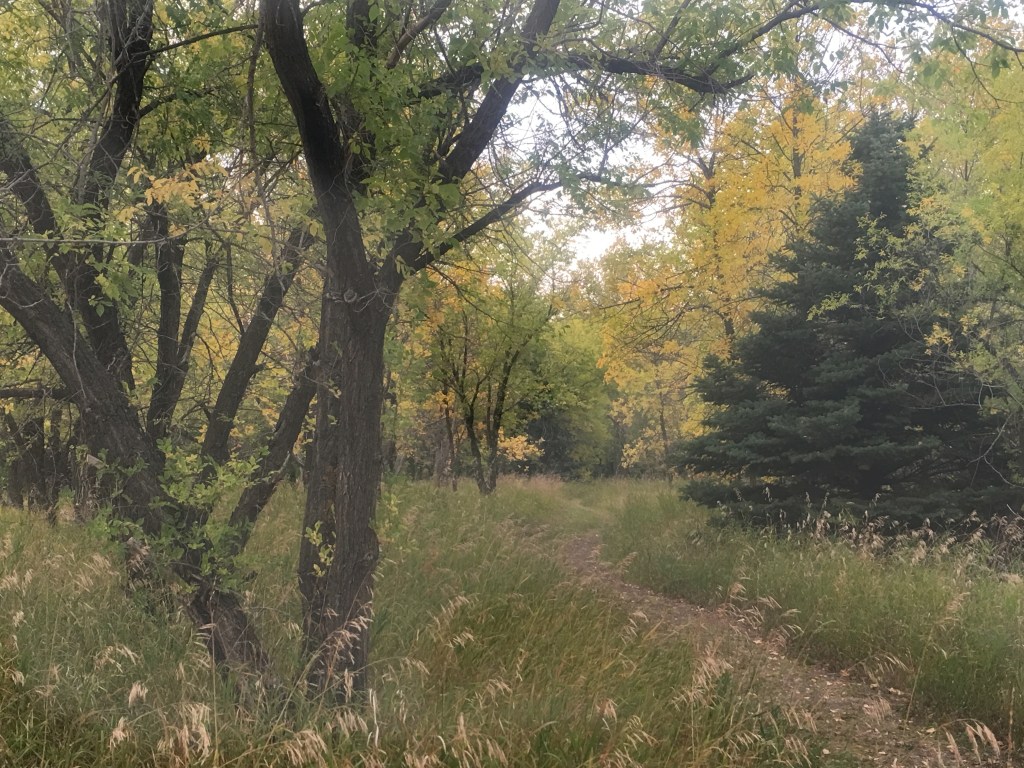
Here’s how you can celebrate International Day of Sign Language while engaging with National Forest Week and Science Literacy Week, incorporating activities from the Saskatchewan science curriculum for a well-rounded educational experience:
1. Sign Language Science Fair
Host a science fair that incorporates sign language into the presentation. Encourage students to research a scientific topic related to forest conservation, such as biodiversity, ecosystems, or climate change. Students can create posters or digital presentations that use sign language to explain their findings. This not only promotes scientific literacy but also fosters inclusivity by making information accessible to Deaf students and community members.
2. Nature Exploration with Sign Language
Organize a nature walk or field trip to explore local forests or natural areas. Prior to the excursion, teach students some basic sign language related to nature, such as “tree,” “leaf,” “bird,” and “water.” During the walk, use sign language to describe observations and encourage students to use these signs to communicate their discoveries. This activity aligns with the Saskatchewan science curriculum’s focus on environmental science and promotes interactive learning.
Did you know? International Sign Language (ISL), developed in the 1950s by the World Federation of the Deaf, facilitates global communication by breaking down linguistic barriers, fostering cross-cultural understanding, and creating opportunities for Deaf individuals to connect with others regardless of spoken languages or written translations.
3. Hands-On Science Activities
Incorporate hands-on science activities that align with the Saskatchewan science curriculum. For instance, students can create a model of a forest ecosystem using recycled materials, and present their models using sign language to describe different components, such as flora, fauna, and ecological interactions. This approach supports the curriculum’s emphasis on scientific inquiry and environmental stewardship while promoting inclusivity.
4. Interactive Workshops
Host workshops on September 22-28 that teach both sign language and scientific concepts. For younger students (Grades K-2), activities might include simple experiments like growing plants and learning the signs for various parts of the plant. For older students (Grades 3-8), workshops could delve deeper into topics like the role of forests in carbon sequestration or the impact of deforestation, using sign language to facilitate discussions and presentations.
5. Digital Sign Language Resources
Leverage digital resources to enhance learning and accessibility. Create or share videos that teach scientific concepts using sign language. For example, a video explaining the water cycle or forest ecosystems in sign language can be an effective educational tool. Ensure these resources are available to all students and encourage them to use sign language to discuss and share their learning.
6. Science Literacy Week Integration
During Science Literacy Week, integrate activities that promote both scientific understanding and sign language awareness. For instance, have students conduct experiments to explore concepts like plant growth or the water cycle, and incorporate sign language to explain their methods and results. This dual focus enhances both scientific literacy and inclusivity.
7. Community Engagement
Engage with local Deaf organizations or sign language interpreters to enrich your activities. Invite guest speakers to discuss the role of sign language in science communication and its importance in fostering an inclusive environment. Collaboration with the Deaf community can provide valuable insights and support for your educational efforts.


Conclusion
International Day of Sign Language, National Forest Week and Science Literacy Week provide a unique opportunity to celebrate diversity, inclusivity, and scientific understanding. By integrating sign language into your forest field trips, science activities, you not only honor the Deaf community but also enhance the educational experience for all students. Let’s embrace diverse knowledge systems and promote a more inclusive and accessible world.
Celebrate these important days with meaningful activities that bridge the gap between science and sign language, fostering a deeper appreciation for both our natural world and the rich tapestry of human communication.
For directions as to how to drive to “George Genereux” Urban Regional Park
For directions on how to drive to Richard St. Barbe Baker Afforestation Area
For more information:
NEW P4G District Official Community Plan
Richard St. Barbe Baker Afforestation Area is located in Saskatoon, Saskatchewan, Canada north of Cedar Villa Road, within city limits, in the furthest south west area of the city. 52° 06′ 106° 45′
Addresses:
Part SE 23-36-6 – Afforestation Area – 241 Township Road 362-A
Part SE 23-36-6 – SW Off-Leash Recreation Area (Richard St. Barbe Baker Afforestation Area ) – 355 Township Road 362-A
S ½ 22-36-6 Richard St. Barbe Baker Afforestation Area (West of SW OLRA) – 467 Township Road 362-A
NE 21-36-6 “George Genereux” Afforestation Area – 133 Range Road 3063
Wikimapia Map: type in Richard St. Barbe Baker Afforestation Area
Google Maps South West Off Leash area location pin at parking lot
Web page: https://stbarbebaker.wordpress.com
Where is the Richard St. Barbe Baker Afforestation Area? with map
Where is the George Genereux Urban Regional Park (Afforestation Area)?with map
Blogger: FriendsAfforestation
Tumblr friendsafforestation.tumblr.comFacebook Group Page: Users of the George Genereux Urban Regional Park
Facebook: StBarbeBaker Afforestation Area
Facebook for the non profit Charity Friends of the Saskatoon Afforestation Areas Inc. FriendsAreas
Facebook group page : Users of the St Barbe Baker Afforestation Area
Twitter: St Barbe Baker Charity Twitter:FriendsAreas
Please help protect / enhance your afforestation areas, please contact the Friends of the Saskatoon Afforestation Areas Inc. (e-mail / e-transfers )
Donate your old vehicle, here’s how!
Support using Canada Helps
Support via a recycling bottle donation
United Nations Decade on Ecosystem Restoration
- Use the UN Decade’s Visual Identity
- Make it your own
- Spread the word about the UN Decade
- Let’s Bring Back Forests
- Let’s Green Our Cities
Richard St. Barbe Baker
For directions as to how to drive to “George Genereux” Urban Regional Park For directions on how to drive to Richard St. Barbe Baker Afforestation Area For more information: Blairmore
Sector Plan Report; planning for the Richard St. Barbe Baker
Afforestation Area, George Genereux Urban Regional Park and West Swale
and areas around them inside of Saskatoon city limits NEW P4G District Official Community Plan Richard St. Barbe Baker Afforestation Area is located in Saskatoon,
Saskatchewan, Canada north of Cedar Villa Road, within city limits, in
the furthest south west area of the city. 52° 06′ 106° 45′ Addresses: Part SE 23-36-6 – Afforestation Area – 241 Township Road 362-A Part SE 23-36-6 – SW Off-Leash Recreation Area (Richard St. Barbe Baker Afforestation Area ) – 355 Township Road 362-A S ½ 22-36-6 Richard St. Barbe Baker Afforestation Area (West of SW OLRA) – 467 Township Road 362-A NE 21-36-6 “George Genereux” Afforestation Area – 133 Range Road 3063 Wikimapia Map: type in Richard St. Barbe Baker Afforestation Area Google Maps South West Off Leash area location pin at parking lot Web page: https://stbarbebaker.wordpress.com Where is the Richard St. Barbe Baker Afforestation Area? with map
Where is the George Genereux Urban Regional Park (Afforestation Area)?with map Pinterest richardstbarbeb Blogger: FriendsAfforestation Tumblr friendsafforestation.tumblr.comFacebook Group Page: Users of the George Genereux Urban Regional Park Facebook: StBarbeBaker Afforestation Area Facebook for the non profit Charity Friends of the Saskatoon Afforestation Areas Inc. FriendsAreas Facebook group page : Users of the St Barbe Baker Afforestation Area Facebook: South West OLRA Reddit: FriendsAfforestation Twitter: St Barbe Baker Charity Twitter:FriendsAreas Mix: friendsareas YouTube Please help protect / enhance your afforestation areas, please contact the Friends of the Saskatoon Afforestation Areas Inc. (e-mail / e-transfers ) Donate your old vehicle, here’s how! Support using Canada Helps Support via a recycling bottle donation United Nations Decade on Ecosystem Restoration
- Use the UN Decade’s Visual Identity Make it your ownSpread the word about the UN Decade Let’s Bring Back ForestsLet’s Green Our Cities
““Be like a tree in pursuit of your cause. Stand firm, grip hard, thrust upward. Bend to the winds of heaven..”
Richard St. Barbe Baker
““Be like a tree in pursuit of your cause. Stand firm, grip hard, thrust upward. Bend to the winds of heaven..”


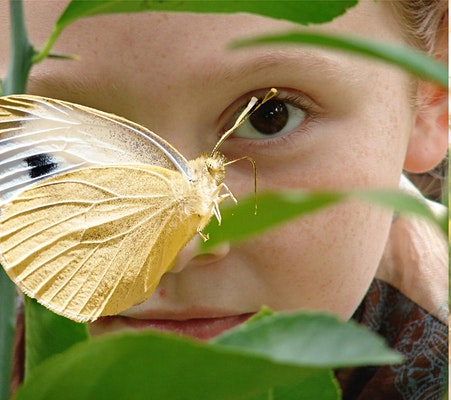

 Forests of Memory. Forests of Learning. Forests for Life.