

Ah, blue—the color of the sky, the ocean, and, surprisingly, the least common color in nature. So, have you ever stopped to wonder just how many organisms out there are actually blue? Well, here’s your chance to play detective! With Easter Break coinciding perfectly with the City Nature Challenge (April 25 – 28, 2025), why not head out into nature and celebrate both the 10th anniversary of the City Nature Challenge and the 55th birthday of Earth Month by hunting down some beautiful blue specimens?
What is the City Nature Challenge, anyway?
It’s a global event where people from cities around the world come together to record the biodiversity around them. Participants use the iNaturalist app to document as many wild organisms—plants, fungi, animals, and more—as they can, while contributing to valuable data that scientists can use for conservation and research. This is where the fun begins!
But here’s the twist—during the City Nature Challenge let us know what you find in nature with a focus on all things “blue”. It’s kind of like playing “I spy with my little eye, I see something blue” in nature…. And it doesn’t have to be a full-on blue creature or plant. As long as the primary color is blue, you’re good to go! Think about that gorgeous Blue-winged Teal, the rich blue of a dragonfly’s wings, or the striking blue feathers of a Blue Jay. Perhaps you’ll spot a butterfly from the blues subfamily, or even a stunning blue flower like the Easter Pasque flower. Can you picture it?
If you’re feeling excited, there’s also an iNaturalist project dedicated to all things blue! You can join the project here: Blue on iNaturalist, where you can track your findings and compare with what others have observed.
So, What Will You Find?
As you venture outdoors, consider how you can spot blue in your local landscape. Birds and arthropods are often the stars of the show when it comes to blue hues—perhaps a Northern Blue butterfly or the iridescent blue of a fly’s body. If you’re lucky, you might even spot a blue dragonfly skimming across a pond or a bluebird perched atop a tree.
But the challenge isn’t just about what you find, it’s about engaging with nature on a deeper level. Have you ever thought about how the rarity of blue might influence how we perceive the color in nature? Given its scarcity, every blue organism feels like a little treasure. And there’s something undeniably magical about spotting a creature in this rare hue. Whether it’s the splash of blue in a butterfly’s wings or the glint of blue feathers peeking through the trees, nature’s blues are worth celebrating.
How to Participate
Here’s the scoop:
- Observe as many wild organisms as possible from April 25 to 28. Head outdoors, camera in hand (or iPhone with the iNaturalist app), and begin documenting your blue sightings. You’ll record everything from birds and insects to flowers and fungi—all with a dash of blue!
- Upload your findings to iNaturalist and be part of a global database helping scientists track biodiversity.
- Identification Phase: From April 29 to May 4, 2025, help identify the species others have observed. Don’t worry if you’re not a botanist or entomologist—iNaturalist’s helpful AI can suggest species, and you can always learn from others!
In addition to the online component, there are four free in-person nature walks where you can explore local blue wildlife and contribute to the project. You can even join the City Nature Challenge community to track progress in Saskatoon and beyond!
What’s Blue in Saskatchewan?
In Saskatchewan, blue is a bit of a rarity, but that makes it all the more exciting when you spot it! Keep your eyes peeled for bluebirds fluttering across the prairies or blue dragonflies darting around wetlands. The sparkling wings of a blue damselfly or the cobalt feathers of a Blue Jay could appear on your adventures. You might even find a bluebell flower or another blue flower blooming in your backyard!
Blue organisms may not be as common as their red or green counterparts, but they’re a reminder of how incredibly diverse—and beautiful—nature truly is. And by participating in the City Nature Challenge, you’re not just observing; you’re helping protect this fragile biodiversity and connecting with your community in a meaningful way.
Join the Fun
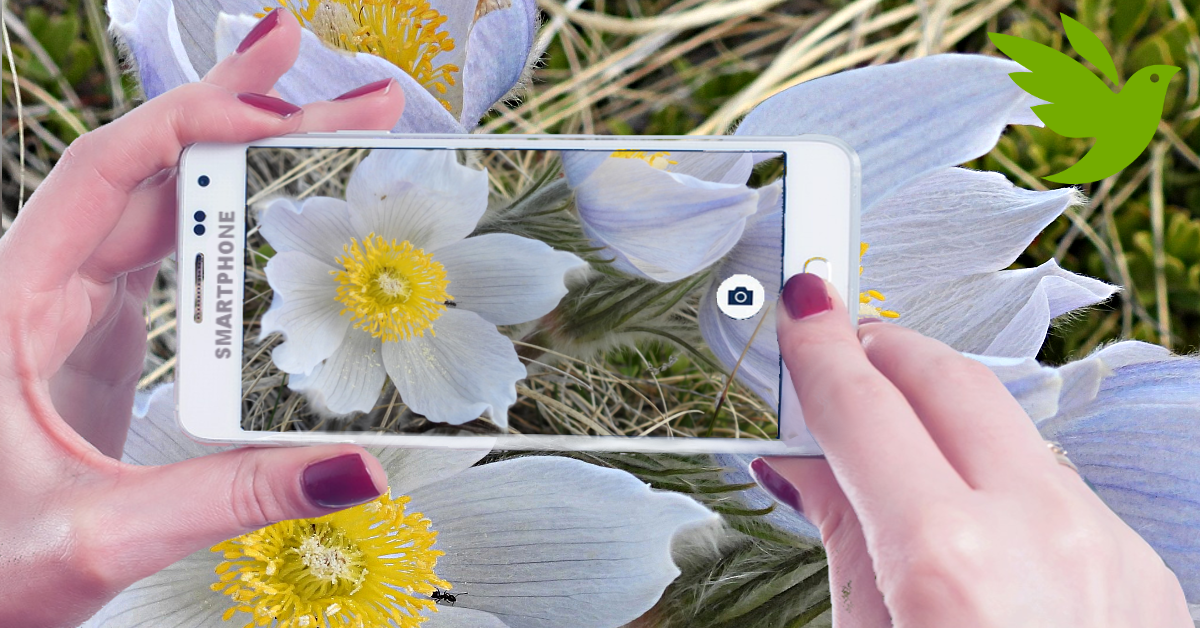
Are you ready to show us your blue? Don’t just sit there—grab your smartphone, create your iNaturalist account, and start looking for all the shades of blue in your backyard, at the park, or on a trail near you. Let’s see how many blue organisms we can find together this Easter break, all while celebrating the beauty of nature and the power of citizen science.
See you out there—let’s make this year’s City Nature Challenge the most colorful yet! 🌍💙 Come to Nature, Come to Life! …and there are free events!


or directions as to how to drive to “George Genereux” Urban Regional Park
For directions on how to drive to Richard St. Barbe Baker Afforestation Area
For more information:
NEW P4G District Official Community Plan
Richard St. Barbe Baker Afforestation Area is located in Saskatoon, Saskatchewan, Canada north of Cedar Villa Road, within city limits, in the furthest south west area of the city. 52° 06′ 106° 45′
Addresses:
Part SE 23-36-6 – Richard St. Barbe Baker Afforestation Area – 241 Township Road 362-A
Part SE 23-36-6 – SW Off-Leash Recreation Area (Richard St. Barbe Baker Afforestation Area ) – 355 Township Road 362-A
S ½ 22-36-6 Richard St. Barbe Baker Afforestation Area (West of SW OLRA) – 467 Township Road 362-A
NE 21-36-6 “George Genereux” Afforestation Area – 133 Range Road 3063
Wikimapia Map: type in Richard St. Barbe Baker Afforestation Area
Google Maps South West Off Leash area location pin at parking lot
Web page: https://stbarbebaker.wordpress.com
Where is the Richard St. Barbe Baker Afforestation Area? with map
Where is the George Genereux Urban Regional Park (Afforestation Area)?with map
Blogger: FriendsAfforestation
Tumblr friendsafforestation.tumblr.comFacebook Group Page: Users of the George Genereux Urban Regional Park
Facebook: StBarbeBaker Afforestation Area
Facebook for the non profit Charity Friends of the Saskatoon Afforestation Areas Inc. FriendsAreas
Facebook group page : Users of the St Barbe Baker Afforestation Area
Twitter: St Barbe Baker Charity Twitter:FriendsAreas
Support via Zeffy
Please help protect / enhance your afforestation areas, please contact the Friends of the Saskatoon Afforestation Areas Inc. (e-mail / e-transfers )
Donate your old vehicle, here’s how!
Support using Canada Helps
Support via a recycling bottle donation and Join the plastic-recycle challenge!
United Nations Decade on Ecosystem Restoration
- Use the UN Decade’s Visual Identity
- Make it your own
- Spread the word about the UN Decade
- Let’s Bring Back Forests
- Let’s Green Our Cities
““Be like a tree in pursuit of your cause. Stand firm, grip hard, thrust upward. Bend to the winds of heaven..”



 Forests of Memory. Forests of Learning. Forests for Life.