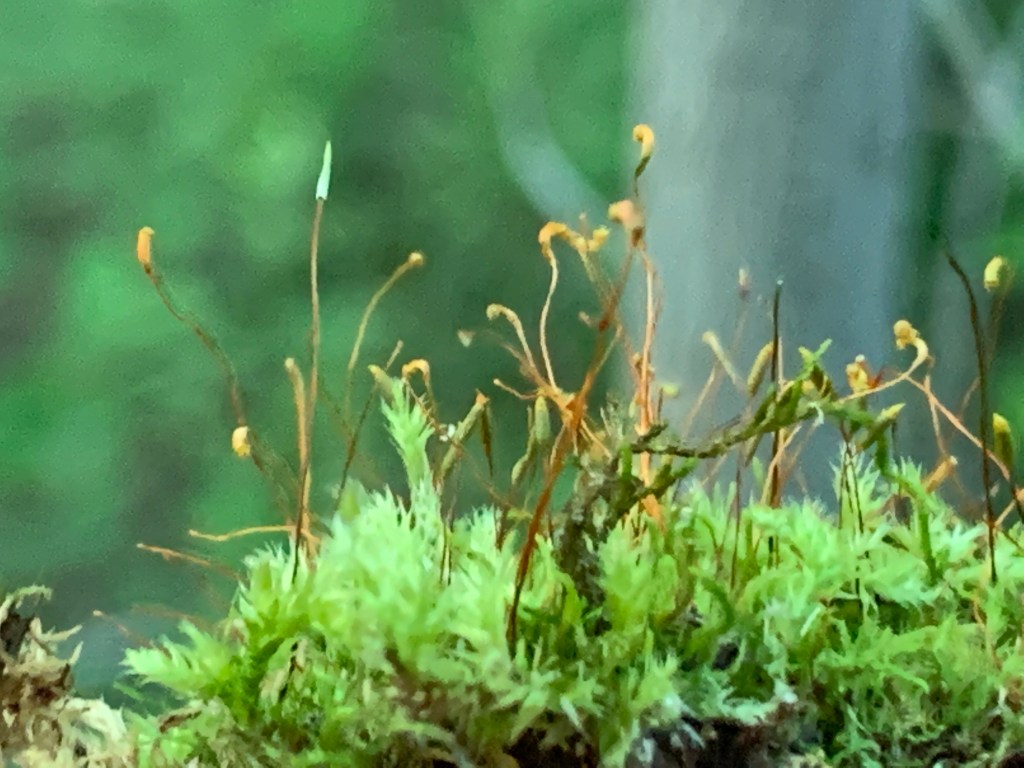
The Silent Architects: Listening to the Pulse of the Wood

By the Mycelial Collective

Beneath the canopy of our global forests, a slow-motion dialogue is taking place—a metabolic conversation between the standing giants of the timber world and the persistent, creeping network of the fungal kingdom. To the untrained eye, a mushroom is a mere ornament. But to those who walk the path of the Watu Wa Miti—the “People of the Trees”—it is a profound indicator of a landscape in transition.

The Ancestral Pledge

In 1922, Richard St. Barbe Baker and Chief Josiah Njonjo founded a movement in Kenya that would ripple across a century. The “Men of the Trees” (now Watu Wa Miti) understood a fundamental truth: our fate is intertwined with the sap and the spore. Their pledge—to plant ten trees a year and do one good deed daily—was more than a conservation effort; it was an acknowledgment of our role as stewards of a living, breathing respiratory system. Today, as we navigate an era of climate instability, the health of our forests depends on our ability to read the “language of the limb.”

The Polypore: Nature’s Hardened Wisdom

Look closely at the trunk of an aging oak or a weathered hemlock. You may see a woody shelf, hard as a horse’s hoof, jutting from the bark. These are the Polypores. Unlike the ephemeral meadow mushrooms with their delicate gills, these organisms possess millions of microscopic pores. When they take on this woody, hoof-like form, we call them conks.

These structures are not merely growing on the tree; they are growing with it. A conk like Fomes fomentarius (the Tinder Polypore) or Phellinus tremulae (Aspen Bracket) adds a new layer of spore tissue each season, mirroring the growth rings of the tree itself. If you find a conk with eight distinct layers, you are looking at a four-to-eight-year history of fungal respiration. It is a biological clock, ticking in the key of decomposition.

The Art of Decay

Among these architects is the Artist’s Conk (Ganoderma applanatum). Its creamy underside is a living canvas; a gentle scratch with a fingernail leaves a permanent brown line, preserved through the drying process. But the “art” goes deeper than the surface.

These fungi are saprophytes, the grand recyclers of the planet. They target the lignin—the very “rebar” of the tree’s structural concrete. While a white-rot fungus like the Artist’s Conk leaves the wood flexible but weakened, the Common Split Gill (Schizophyllum commune) thrives on the sun-scorched, drought-stressed limbs of trees already gasping for relief.

“A hollow or dull sound when knocking on a trunk is the tree’s way of whispering its internal secrets. It tells us that the mycelium has already moved into a tree wound, claiming the heartwood for the next generation of life.”

The Inevitable Transition

We must address the uncomfortable truth: once a polypore fruits, the mycelium has already occupied the fortress. Whether the infection began via a lightning strike, a pruning wound, stress on the root or a territorial woodpecker, the decay is a one-way street. There is no “cure” for wood-decay fungi.

In our human desire to “fix” nature, we often want to rip the conks off the bark. Do not destroy the evidence. Removing the fruiting body does nothing to stop the vegetative hyphae devouring the nutrients inside. In fact, if you tear a conk away during a humid rain, you may unwittingly help the fungus broadcast its spores to the rest of the grove.

Stewardship in the Mycelial Age

To care for our forests is not to wage war on fungi, but to mitigate the stress that invites them. Wood-decay fungi are opportunistic; they are the “undertakers” of the woods, summoned by wounds from machinery, fire, and drought.

To be Watu Wa Miti today means:

  1. Preventing Wounds: Protect the bark of your trees as you would your own skin.
  2. Mitigating Stress: Water during droughts and mulch to preserve soil health.
  3. Observing with Humility: Recognize that a “hazard tree” to a homeowner is a “wildlife skyscraper” to the ecosystem.

The polypore teaches us that death is simply a restructuring of energy. As the lignin breaks down, the nutrients stored from decades of sunshine and soil are released back into the web. We plant the trees, and the fungi ensure that no atom is ever wasted. In this sacred cycle, we find our place—not as masters of the forest, but as humble members of the Mycelial Collective.

To keep our forest healthy and safe, the City of Saskatoon Parks Dept. (led by Urban Forestry Supervisor Scott Kindrat) will be conducting essential tree maintenance in the RSBBA from June 9–11. Arborists will focus on removing trees marked with a painted dot—specifically those that are diseased or pose a risk of falling or fire. We appreciate your cooperation as we care for this natural space! Thank you.

Part SE 23-36-6 – Richard St. Barbe Baker Afforestation Area – 241 Township Road 362-A

Part SE 23-36-6 – SW Off-Leash Recreation Area (Richard St. Barbe Baker Afforestation Area ) – 355 Township Road 362-A

S ½ 22-36-6 Richard St. Barbe Baker Afforestation Area (West of SW OLRA) – 467 Township Road 362-A

NE 21-36-6 “George Genereux” Afforestation Area – 133 Range Road 3063

Wikimapia Map: type in Richard St. Barbe Baker Afforestation Area or

Google Maps South West Off Leash area location pin at parking lot

Web page: https://stbarbebaker.wordpress.com

Where is the Richard St. Barbe Baker Afforestation Area? with map

Where is the George Genereux Urban Regional Park (Afforestation Area)?with map

Pinterest richardstbarbeb

Blogger: FriendsAfforestation

Tumblr friendsafforestation.tumblr.comFacebook Group Page: Users of the George Genereux Urban Regional Park

Facebook: StBarbeBaker Afforestation Area

Facebook for the non profit Charity Friends of the Saskatoon Afforestation Areas Inc. FriendsAreas

Facebook group page : Users of the St Barbe Baker Afforestation Area

Facebook: South West OLRA

Reddit: FriendsAfforestation

BlueSky Social

Mix: friendsareas

YouTube

Support via Zeffy

Please help protect / enhance your afforestation areas, please contact the Friends of the Saskatoon Afforestation Areas Inc. (e-mail / e-transfers )

Donate your old vehicle, here’s how!  

Support using Canada Helps

Support via a recycling bottle donation and Join the plastic-recycle challenge!

United Nations Decade on Ecosystem Restoration

““Be like a tree in pursuit of your cause. Stand firm, grip hard, thrust upward. Bend to the winds of heaven..” Richard St. Barbe Baker

The Cathedral of the Night: Finding the Lost Cosmos in Saskatoon’s Southwest

As the sun dips below the horizon on Monday, April 13, a quiet transformation begins. For most of the modern world, this is the hour when the “second sun”—the relentless, amber hum of high-pressure sodium and LED glare—flickers to life, erasing the universe from view. But as we usher in International Dark Sky Week, there remains a sanctuary on the peri-urban fringes of Saskatoon where the ancient contract between humanity and the stars is still honored.

To find it, one must travel southwest, away from the city’s light-choked core, to the sprawling shadows of the Richard St. Barbe Baker Afforestation Area and George Genereux Urban Regional Park. Here, the urban grid dissolves into a silhouette of trees, and the sky ceases to be a gray ceiling; it becomes an abyss of wonder.

The Wild Architecture of the West Swale

In the stillness of these afforestation areas, the night is far from empty. It is a bustling, hidden metropolis. As the light fades over the West Swale wetlands, the “wild Saskatchewan nightlife” takes center stage. This is not the clatter of commerce, but the rhythmic pulse of an ecosystem that evolved over eons to function in the dark.

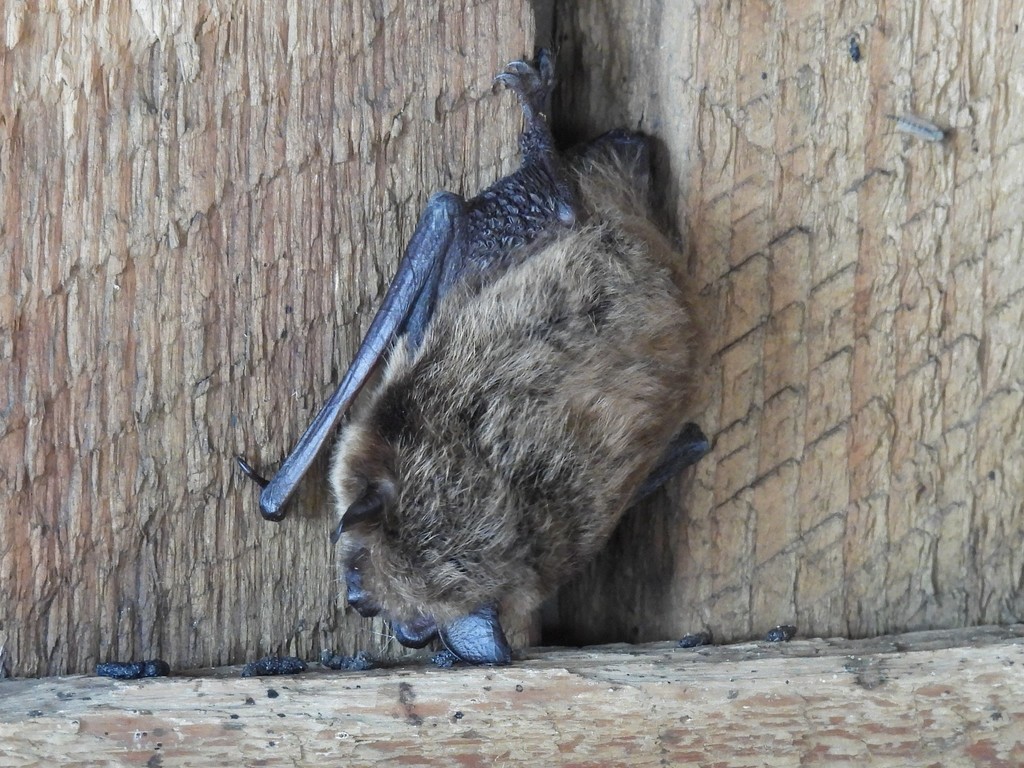
Out of the gallery of trees, the silhouettes of the night-fliers emerge. Among them are the Little Brown Myotis and the Northern Long-eared Bat, species now treading the precarious edge of the endangered list. These masters of echolocation are the sentinels of our night. To them, light pollution is not merely a nuisance; it is a barrier, a disruption of the predatory dance they have performed since the dawn of time. When we flood the night with artificial glare, we blind the nocturnal, turning their sanctuary into a gauntlet.

A Symphony in Shadow

The wetlands of the Swale act as a dark-mirror to the heavens. In the absence of city glow, the choir of the marsh reaches a crescendo, undisturbed by the biological confusion that artificial light brings to mating cycles and migration. This is the importance of International Dark Sky Week—it is a reminder that darkness is not the absence of life, but a requirement for it.

The Richard St. Barbe Baker and George Genereux lands are more than just parks; they are “star-grain” elevators, holding the precious resource of the cosmos for the next generation. Standing in the center of these woods, the Milky Way reveals itself not as a faint smudge, but as a frosted river of fire, casting soft shadows on the forest floor. It is a humbling reminder that we are citizens of a galaxy, not just residents of a municipality.

The Case for the Permanent Night

While April 13 marks the beginning of our celebration, the philosophy of the dark must be a year-round commitment. We have lived so long in the “electric cocoon” that we have forgotten the profound psychological and ecological necessity of a truly dark night. A dark sky preserves our health, guides the bird on its path, and grants the poet his muse.

As the wind whispers through the poplars of the southwest, let us recognize that darkness is an endangered species of its own. By shielding our lights and preserving the shadows of the West Swale, we aren’t just saving energy—we are reclaiming our place among the stars. This week, turn your eyes upward. The universe is waiting for you in the quiet, dark corners of Saskatoon.


“Darkness is as essential to our biological welfare, to our evolutionary heritage, as light itself.” — Inspired by the philosophy of the International Dark-Sky Association.

Part SE 23-36-6 – Richard St. Barbe Baker Afforestation Area – 241 Township Road 362-A

Part SE 23-36-6 – SW Off-Leash Recreation Area (Richard St. Barbe Baker Afforestation Area ) – 355 Township Road 362-A

S ½ 22-36-6 Richard St. Barbe Baker Afforestation Area (West of SW OLRA) – 467 Township Road 362-A

NE 21-36-6 “George Genereux” Afforestation Area – 133 Range Road 3063

Wikimapia Map: type in Richard St. Barbe Baker Afforestation Area or

Google Maps South West Off Leash area location pin at parking lot

Web page: https://stbarbebaker.wordpress.com

Where is the Richard St. Barbe Baker Afforestation Area? with map

Where is the George Genereux Urban Regional Park (Afforestation Area)?with map

Pinterest richardstbarbeb

Blogger: FriendsAfforestation

Tumblr friendsafforestation.tumblr.comFacebook Group Page: Users of the George Genereux Urban Regional Park

Facebook: StBarbeBaker Afforestation Area

Facebook for the non profit Charity Friends of the Saskatoon Afforestation Areas Inc. FriendsAreas

Facebook group page : Users of the St Barbe Baker Afforestation Area

Facebook: South West OLRA

Reddit: FriendsAfforestation

BlueSky Social

Mix: friendsareas

YouTube

Support via Zeffy

Please help protect / enhance your afforestation areas, please contact the Friends of the Saskatoon Afforestation Areas Inc. (e-mail / e-transfers )

Donate your old vehicle, here’s how!  

Support using Canada Helps

Support via a recycling bottle donation and Join the plastic-recycle challenge!

United Nations Decade on Ecosystem Restoration

““Be like a tree in pursuit of your cause. Stand firm, grip hard, thrust upward. Bend to the winds of heaven..”

Still Waters Run Deep: Wetlands and the Quiet Work of Survival


Out in the long grass of August, where the sun presses its heat into the soil like a branding iron and the wind moves with the low groan of age, Saskatchewan’s wetlands are still doing their quiet work.

They’ve done it for centuries — long before we gave names to their function, long before we cut fences through the marsh, or tried to drain their bellies for crops and cattle. And still, they stay. Not for us, exactly, but with us.

This year, from August 9 to 17, Saskatchewan marks the third annual Wetlands Appreciation Week, carrying the theme: Thriving Together: Wetlands and Communities — a phrase that rings both as a hope and a reminder.

A Landscape of Memory

Consider the West Swale, where the bones of ancient ice carved their story into the land. What we now call a wetland — rich with cattail, bulrush, muskrat, and frog-song — was once a glacial spillway. A restless, roaring channel creating Yorath Island, born from meltwater in the last ice age. That ghost river’s path now hosts Chappell Marsh, a jewel in the crown of the Swale. It is a place where time seems suspended in reed and reflection, and the land’s memory lies just beneath the surface.

Wetlands like this one are more than soggy ground. They’re lungs. They’re sponges. They’re cradle and coffin for countless species. And in a time when climate’s heartbeat grows erratic, these places are also something else — carbon vaults.

The Burden They Carry

Scientists will tell you that wetlands sequester carbon — that they hold it close in deep, anaerobic soils, preventing its release into the warming sky. But the way a farmer in the Qu’Appelle Valley might say it is this: “They soak up more than water.” They soak up heat, drought, and hunger. They shelter birds on thousand-mile migrations and buffer towns from spring floods that no one expected.

But what they give, they do not give without limit.

For every wetland that disappears under gravel or concrete or corrugated pipe, a thread unravels in the cloth of community. Not just for the waterfowl or salamanders or insects that lose a home, but for us — the people who live by water without noticing how it holds us upright.

A Quiet Celebration

So what does it mean to celebrate something that asks nothing for itself?

During Wetlands Appreciation Week, across Saskatchewan, please walk around a wetlands, download iNaturalist and Merlin and take part in citizen science efforts, and moments of shared learning. Communities will come together to listen — not to speeches, necessarily, but to the low thrum of the dragonfly, the dry rustle of sedge, the plop of a frog startled by a passing footstep. Children may build bug hotels. Elders may share stories of when beaver dams meant trouble, or salvation. All of it, a small way of saying: we’re still here. We still see you.

Thriving, Together

The wetlands of Saskatchewan don’t scream. They don’t split open the ground like wildfire or send towering clouds to warn us of their power. Instead, they keep holding on — thick with duckweed, water lilies, and the cool breath of patience.

And if we are to thrive together, as this year’s theme reminds us, then we must not look away from the places that ask so little and give so much. We must remember that resilience is quiet, and that the land remembers everything — the spillways, the droughts, the glacial whisper, and whether we chose to notice.

So go. Walk into the marsh. Watch the heron lift its slow wings into the heat. Breathe. And say thank you — softly, so the cattails can carry it.

Addresses:

Part SE 23-36-6 – Richard St. Barbe Baker Afforestation Area – 241 Township Road 362-A

Part SE 23-36-6 – SW Off-Leash Recreation Area (Richard St. Barbe Baker Afforestation Area ) – 355 Township Road 362-A

S ½ 22-36-6 Richard St. Barbe Baker Afforestation Area (West of SW OLRA) – 467 Township Road 362-A

NE 21-36-6 “George Genereux” Afforestation Area – 133 Range Road 3063

Wikimapia Map: type in Richard St. Barbe Baker Afforestation Area

Google Maps South West Off Leash area location pin at parking lot

Web page: https://stbarbebaker.wordpress.com

Where is the Richard St. Barbe Baker Afforestation Area? with map

Where is the George Genereux Urban Regional Park (Afforestation Area)?with map

Pinterest richardstbarbeb

Blogger: FriendsAfforestation

Tumblr friendsafforestation.tumblr.comFacebook Group Page: Users of the George Genereux Urban Regional Park

Facebook: StBarbeBaker Afforestation Area

Facebook for the non profit Charity Friends of the Saskatoon Afforestation Areas Inc. FriendsAreas

Facebook group page : Users of the St Barbe Baker Afforestation Area

Facebook: South West OLRA

Reddit: FriendsAfforestation

BlueSky Social

Mix: friendsareas

YouTube

Support via Zeffy

Please help protect / enhance your afforestation areas, please contact the Friends of the Saskatoon Afforestation Areas Inc. (e-mail / e-transfers )

Donate your old vehicle, here’s how!  

Support using Canada Helps

Support via a recycling bottle donation and Join the plastic-recycle challenge!

United Nations Decade on Ecosystem Restoration

““Be like a tree in pursuit of your cause. Stand firm, grip hard, thrust upward. Bend to the winds of heaven..”

Richard St. Barbe Baker
The Identification Phase Has Begun: Let the Fun Begin!

It’s Tuesday, April 29, and do you know what that means? It’s the first day of the Identification Phase (April 29 – May 4, 2025) of the City Nature Challenge (CNC) YXE 2025! Exciting, isn’t it? After days of exploring, observing, and snapping photos of everything from tiny insects to towering trees, it’s time to roll up our sleeves and dive into the next step. This phase is all about connecting virtually with the vast diversity of life around us, helping identify species from the comfort of your own computer. Trust me, it’s just as fun as the nature hikes themselves!

Now that the observation phase is over (though you can still upload until May 4, 2025), it’s time to embrace the hilarity and joy of iNaturalist’s identification process. The community in Saskatoon has shared some wonderfully quirky, funny, and downright charming photos and sound recordings of the wild creatures and plants they’ve encountered on their outdoor adventures. And you’re invited to join in the fun! Grab your cup of tea, open the iNaturalist app on your computer, and start identifying the species. You’ll be greeted by a variety of mysterious and amusing observations that will make you chuckle and appreciate the wonders of nature even more.

What’s in Store in Phase 2: Identification

You know what makes the identification phase so exciting? It’s the endless array of surprises. From a dog-like squirrel looking a bit too smug to an unusually blurry picture of a bird that you swear could be from another galaxy, the phase is filled with quirky observations and unexpected moments. But beyond the laughs, identifying these species is a crucial step in documenting the biodiversity of our city.

Here are just a few hilarious and fun observations you might encounter while identifying species:

  • The Insect with a Dramatic Pose – You’ve found what seems to be a harmless grasshopper, but wait… this one has positioned itself in a dramatic stance. Is it auditioning for a Broadway show? Who knows, but it’s definitely got character.
  • The “Mysterious” Blob – A blob on the ground that looks suspiciously like a piece of discarded candy, but as you zoom in, you realize it’s actually a species of fungi. Nature always has a way of keeping us guessing!
  • The Comedic Critter Sounds – Sometimes, the most entertaining moments come from the audio recordings that users share. You’ll hear everything from what seems like a squirrel arguing with itself to the haunting trill of a frog that sounds like it’s giving a TED Talk.
  • The Overly Enthusiastic Bumblebee – That bumblebee buzzing around the same flower, refusing to leave, may be doing its best impersonation of an enthusiastic intern trying to impress the queen bee. It’s these small details that make observing nature so delightful.
  • The “Mystery Plant” That Looks Like a Different Kind of Plant – A picture of what’s clearly a plant… but is it a thistle, a sunflower, or something new altogether? Sometimes you’re left scratching your head, but that’s the magic of iNaturalist! With the app’s computer vision helping, the guesswork can often lead to some fun revelations.

The iNaturalist Adventure: Fun, Learning, and a Sense of Community

One of the best things about being part of this identification phase is the sense of community it creates. As you identify plants, animals, fungi, and more, you’re not just participating in an individual activity—you’re joining a global movement. The City Nature Challenge connects nature lovers, citizen scientists, and experts from all over the world. And you? You’re right at the heart of it, making a difference in local biodiversity documentation!

And you can also offer a welcome message to those starting out on iNaturalist! How amazing is that to be an ambassador of good will and good cheer!

Every time you hit “Agree” on an identification at the highest level of your expertise, or offer your own expertise to help others, you’re contributing to an invaluable global database that can be used for science, conservation, and education. And, it is OK, to suggest plant, grasses, mammal or animal as the highest level, as that is a huge help! As you identify these species, you’ll feel a sense of accomplishment when an observation is marked as “Research Grade”—a badge of honor!

And hey, it’s also about the laughs. If you haven’t yet, check out the iNaturalist community’s responses to some of the strangest and most amusing nature observations. You’ll be amazed by the creativity, humor, and camaraderie shared among users as they share their knowledge and experiences in the identification process.

A Little Help from AI

Not sure what you’re looking at? Don’t worry! iNaturalist has a fantastic computer vision feature that helps suggest possible species based on your observations. Sometimes it’s spot-on, sometimes it’s hilariously off—one time it thought a photo of a tree was a bat! But either way, it’s a fun tool to experiment with. Don’t be afraid to add your own guesses if you think you know the species, the genus, or if you just want to say “lepidoptera” – an order of winged insects which includes butterflies and moths – each time you see a caterpillar. Then, you will get to meet those experts! And remember, there’s no wrong way to learn.

Ready to Help?

You don’t need to be an expert to contribute. iNaturalist’s platform is built for everyone. Whether you’re identifying a common backyard plant or something rarer, there’s always an opportunity to learn something new. And if you’re familiar with a particular species, you can bring your expertise to the table, helping those who are just getting started. Plus, it’s always exciting when an expert comes in to confirm the final species ID, adding an extra layer of excitement and credibility to the discovery.

What’s Next?

We’re wrapping up the City Nature Challenge on May 4, 2025, with the Identification Phase running until then. Global results will be announced soon after, on May 5, 2025, but for now, there’s plenty of time to get involved. Open iNaturalist, and dive into the world of discoveries! You’ll help expand the scientific understanding of local wildlife, all while having fun and getting a few laughs along the way.

So, if you haven’t already, sign into iNaturalist on your computer the same way as signing into your smart phone app and start identifying! The discoveries you make might surprise you, and who knows—you might just find the next celebrity squirrel or dramatic mushroom posing for its close-up! Hints and tips video

Let’s Identify, Have Fun, and Celebrate Nature

With the City Nature Challenge well underway, this phase is a fantastic opportunity to celebrate Earth Month and contribute to a global citizen science project. Whether you’re identifying plants, animals, or fungi, every click brings us closer to understanding our natural world. And hey, who doesn’t love sharing a laugh along the way?

Ready to get started? Grab your laptop, sign into iNaturalist, and let the nature fun continue! Let’s make the world of nature just a little bit more fun and exciting.

Frequently used Responses

Frequently Asked Questions

How I Make Identifications

Identification Etiquette on iNaturalist –

Identification for beginners

For directions as to how to drive to “George Genereux” Urban Regional Park

For directions on how to drive to Richard St. Barbe Baker Afforestation Area

For more information:

Blairmore Sector Plan Report; planning for the Richard St. Barbe Baker Afforestation Area, George Genereux Urban Regional Park and West Swale and areas around them inside of Saskatoon city limits

NEW P4G District Official Community Plan

Richard St. Barbe Baker Afforestation Area is located in Saskatoon, Saskatchewan, Canada north of Cedar Villa Road, within city limits, in the furthest south west area of the city. 52° 06′ 106° 45′

Addresses:

Part SE 23-36-6 – Richard St. Barbe Baker Afforestation Area – 241 Township Road 362-A

Part SE 23-36-6 – SW Off-Leash Recreation Area (Richard St. Barbe Baker Afforestation Area ) – 355 Township Road 362-A

S ½ 22-36-6 Richard St. Barbe Baker Afforestation Area (West of SW OLRA) – 467 Township Road 362-A

NE 21-36-6 “George Genereux” Afforestation Area – 133 Range Road 3063

Wikimapia Map: type in Richard St. Barbe Baker Afforestation Area

Google Maps South West Off Leash area location pin at parking lot

Web page: https://stbarbebaker.wordpress.com

Where is the Richard St. Barbe Baker Afforestation Area? with map

Where is the George Genereux Urban Regional Park (Afforestation Area)?with map

Pinterest richardstbarbeb

Blogger: FriendsAfforestation

Tumblr friendsafforestation.tumblr.comFacebook Group Page: Users of the George Genereux Urban Regional Park

Facebook: StBarbeBaker Afforestation Area

Facebook for the non profit Charity Friends of the Saskatoon Afforestation Areas Inc. FriendsAreas

Facebook group page : Users of the St Barbe Baker Afforestation Area

Facebook: South West OLRA

Reddit: FriendsAfforestation

BlueSky Social

Mix: friendsareas

YouTube

Support via Zeffy

Please help protect / enhance your afforestation areas, please contact the Friends of the Saskatoon Afforestation Areas Inc. (e-mail / e-transfers )

Donate your old vehicle, here’s how!  

Support using Canada Helps

Support via a recycling bottle donation and Join the plastic-recycle challenge!

United Nations Decade on Ecosystem Restoration

““Be like a tree in pursuit of your cause. Stand firm, grip hard, thrust upward. Bend to the winds of heaven..”

Richard St. Barbe Baker

A Close Call: Fire, Forests, and the Power of Vigilance

Last night, just as the sun dipped behind the horizon, the west side of Richard St. Barbe Baker Afforestation Area lit up — not from the golden hues of a prairie sunset, but from the angry, orange glow of a raging fire. In the heart of our springtime renewal, police and fire crews raced to the scene. Thanks to their quick action — and a police helicopter overhead guiding fire trucks through the quickest routes to the fire location just to the north of Cedar Villa Estates, and west of the wetlands — a disaster was narrowly averted.

Fires which start during the day — a careless spark, a smouldering cigarette butt, a moment of negligence and carelessness in these dry, windy spring conditions — but by nightfall, they can grow into roaring infernos. This was the case last evening just before midnight. The proximity of the fire to the SaskPower Right of Way posed an additional grave threat: high-voltage transmission lines carrying critical electricity from the Queen Elizabeth Power Station run through this area. If these lines had been compromised, the resulting power outages could have devastated nearby communities, affecting homes, hospitals, emergency services, and businesses across Saskatoon and beyond. Imagine an entire evening, even days, without power — no lights, no heating, no communications — all from a fire that might have started with a single careless action.

At this time, thankfully, no personal injuries were reported, no first responders were injured or lost their lives, no property was damaged. We owe an enormous debt of gratitude to our first responders for their swift, brave work. Yet this close call is a stark reminder: stewardship of our natural areas is not just about protecting plants and animals. It is about protecting the people, the communities, and the very lifelines that sustain us.

Spring, for all its beauty, carries hidden dangers. Dry grasses, leftover debris, and brisk seasonal winds turn greenspaces into tinderboxes. Cedar Villa Estates lies just a stone’s throw from the afforestation area, and nearby CNR rail tracks haul cargo essential to daily life as well as flammable materials. A single spark in these conditions can endanger homes, ecosystems, and livelihoods in a flash. It’s a stark reminder that fires can escalate beyond our control faster than we ever imagine – and there are no fire departments across the street from the forest- so we all must remain careful and vigilant.

In this dry spring with brisk prairie winds, we ask everyone who visits the afforestation areas to be vigilant stewards of the land. Protect the rich biodiversity, human users, the songbirds, the fox kits, the wildflowers, and the wetlands teeming with unseen life. Did you know, over 62 species at risk call this place home — from tiny pollinators to majestic hawks. If you see suspicious activity, report it. If you spot a fire, call 911 immediately.

And while you’re outside helping to protect nature, why not celebrate it, too? Take part in the City Nature Challenge — download the free iNaturalist app and snap photos of any living organism you spot. Together, we can nurture and safeguard the wild heart of Saskatoon.

Stay safe, stay watchful, and thank you for being part of the solution.

Addresses:

Part SE 23-36-6 – Richard St. Barbe Baker Afforestation Area – 241 Township Road 362-A

Part SE 23-36-6 – SW Off-Leash Recreation Area (Richard St. Barbe Baker Afforestation Area ) – 355 Township Road 362-A

S ½ 22-36-6 Richard St. Barbe Baker Afforestation Area (West of SW OLRA) – 467 Township Road 362-A

NE 21-36-6 “George Genereux” Afforestation Area – 133 Range Road 3063

Wikimapia Map: type in Richard St. Barbe Baker Afforestation Area

Google Maps South West Off Leash area location pin at parking lot

Web page: https://stbarbebaker.wordpress.com

Where is the Richard St. Barbe Baker Afforestation Area? with map

Where is the George Genereux Urban Regional Park (Afforestation Area)?with map

Pinterest richardstbarbeb

Blogger: FriendsAfforestation

Tumblr friendsafforestation.tumblr.comFacebook Group Page: Users of the George Genereux Urban Regional Park

Facebook: StBarbeBaker Afforestation Area

Facebook for the non profit Charity Friends of the Saskatoon Afforestation Areas Inc. FriendsAreas

Facebook group page : Users of the St Barbe Baker Afforestation Area

Facebook: South West OLRA

Reddit: FriendsAfforestation

BlueSky Social

Mix: friendsareas

YouTube

Support via Zeffy

Please help protect / enhance your afforestation areas, please contact the Friends of the Saskatoon Afforestation Areas Inc. (e-mail / e-transfers )

Donate your old vehicle, here’s how!  

Support using Canada Helps

Support via a recycling bottle donation and Join the plastic-recycle challenge!

United Nations Decade on Ecosystem Restoration

““Be like a tree in pursuit of your cause. Stand firm, grip hard, thrust upward. Bend to the winds of heaven..”

Richard St. Barbe Baker

Don’t Let the City Nature Challenge End Without You: Get Out, Observe, and Have Fun!

Today is Sunday, April 27 – the third day of the City Nature Challenge (CNC YXE) in Saskatoon! Don’t despair just yet, though; there’s still time to get involved in the fun. The great news? You don’t need to be an expert in nature or even know the difference between a squirrel and a chipmunk (we’ve all been there). All you need is your curiosity, your smartphone, and the iNaturalist app, which is your perfect companion for this fantastic outdoor adventure!

The City Nature Challenge is in full swing, and there’s no better way to spend the final day of Easter break (April 19–April 27) than with a nature hike in your own neighborhood. Whether you’re a beginner or a seasoned nature observer, the CNC is for everyone. And, if you’re looking for one last outdoor event to close out your weekend, the last scheduled event for today awaits you! But even if you can’t make it, it’s still the perfect day to get outside, take a walk, and discover the quirky, hilarious, and downright delightful surprises nature has to offer.

So, what should you keep an eye out for? Let me take you through a list of some of the wackiest, most amusing iNaturalist nature hike ideas that will add some serious fun to your outdoor adventure. These are just a few of the things you might come across as you stroll through the wonders of our local ecosystems:

1. The Most Unlikely Places to Find Wildlife:
You’ll be amazed at where critters can show up – a frog in a tree stump, a bird hiding in a bush, or even a snail taking a nap under a park bench. Nature doesn’t play by the rules!

2. Bizarre Plant Behavior:
Plants can be downright hilarious when you stop to watch them! Ever caught a sunflower turning its head to follow the sun like it’s checking in on an old friend? Or seen a plant that looks like it’s dancing in the breeze? That’s nature showing off its quirkiest side.

3. The Microbe Chronicles:
Okay, so you might not see these tiny creatures with your naked eye, but don’t let that stop you! They are all around you, living in the dirt, on tree trunks, and in the water. With a little imagination, the world of microbes is nothing short of magical.

4. Wild Things Found in the Oddest Places:
Maybe you’ll spot a bird perched on top of a fence post or a raccoon peeking out of an abandoned building. These are the creatures that make you think, “How did you even get there?” Nature knows no boundaries when it comes to location.

Are these not the most entertaining, unexpected, and inspiring observations you can make? The City Nature Challenge encourages you to look at the world through fresh eyes. Every rock, every leaf, and every inch of your environment holds potential for discovery and laughter.

Remember, the purpose of the CNC isn’t just to observe – it’s also to contribute to a global project that connects people to nature, to each other, and to science. By downloading the iNaturalist app, you become part of a worldwide community dedicated to documenting biodiversity. Plus, it’s a great way to keep track of all those funny moments that happen during your outdoor explorations.

While students are wrapping up their Easter Break (a glorious 9-day stretch of nature-filled fun from April 19 to April 27), the City Nature Challenge presents an incredible opportunity for all of us to connect with the great outdoors, discover wild organisms, and take part in citizen science. Whether you’re participating in one of today’s events or just taking a casual hike, your observations can contribute valuable data to the global effort to track biodiversity.

But wait, there’s more!

Let’s not forget that 2025 marks the 10th anniversary of the City Nature Challenge AND the 55th birthday of Earth Month. That’s two monumental reasons to get involved and show the planet some love while having a great time! The spirit of these celebrations is all about embracing the unexpected, celebrating the joy of discovery, and marveling at the oddities and wonders nature has to offer.

It’s a race against time, but there’s no need to rush – you can upload your observations to iNaturalist until May 4, 2025. So, if you’re out for one last nature walk or observing wildlife in your backyard, just snap your photos and start identifying those species. If you’re unsure about what you’ve spotted, no worries! iNaturalist’s AI-powered identification tool will give you suggestions, and the iNaturalist community will help refine your observations.

Not only will you be part of an amazing global movement, but you might also discover some hilarious and heartwarming stories about the organisms you encounter. Trust me, there’s nothing quite like the joy of seeing a chipmunk nibble on an acorn or a ladybug take a leisurely stroll across a leaf.

So, why not make the most of today and dive into one last adventure before the weekend ends? Whether you’re joining a City Nature Challenge event or simply venturing out on your own, there’s always something new to learn and laugh about in the great outdoors.

Download the iNaturalist app, open your eyes to the world around you, and let the fun begin!

Happy observing, and see you out there!

Come to Nature, Come to Life! …and there are still free events to attend – Sunday afternoon, and Monday evening!

For directions as to how to drive to “George Genereux” Urban Regional Park

For directions on how to drive to Richard St. Barbe Baker Afforestation Area

For more information:

Blairmore Sector Plan Report; planning for the Richard St. Barbe Baker Afforestation Area, George Genereux Urban Regional Park and West Swale and areas around them inside of Saskatoon city limits

NEW P4G District Official Community Plan

Richard St. Barbe Baker Afforestation Area is located in Saskatoon, Saskatchewan, Canada north of Cedar Villa Road, within city limits, in the furthest south west area of the city. 52° 06′ 106° 45′

Addresses:

Part SE 23-36-6 – Richard St. Barbe Baker Afforestation Area – 241 Township Road 362-A

Part SE 23-36-6 – SW Off-Leash Recreation Area (Richard St. Barbe Baker Afforestation Area ) – 355 Township Road 362-A

S ½ 22-36-6 Richard St. Barbe Baker Afforestation Area (West of SW OLRA) – 467 Township Road 362-A

NE 21-36-6 “George Genereux” Afforestation Area – 133 Range Road 3063

Wikimapia Map: type in Richard St. Barbe Baker Afforestation Area

Google Maps South West Off Leash area location pin at parking lot

Web page: https://stbarbebaker.wordpress.com

Where is the Richard St. Barbe Baker Afforestation Area? with map

Where is the George Genereux Urban Regional Park (Afforestation Area)?with map

Pinterest richardstbarbeb

Blogger: FriendsAfforestation

Tumblr friendsafforestation.tumblr.comFacebook Group Page: Users of the George Genereux Urban Regional Park

Facebook: StBarbeBaker Afforestation Area

Facebook for the non profit Charity Friends of the Saskatoon Afforestation Areas Inc. FriendsAreas

Facebook group page : Users of the St Barbe Baker Afforestation Area

Facebook: South West OLRA

Reddit: FriendsAfforestation

BlueSky Social

Mix: friendsareas

YouTube

Support via Zeffy

Please help protect / enhance your afforestation areas, please contact the Friends of the Saskatoon Afforestation Areas Inc. (e-mail / e-transfers )

Donate your old vehicle, here’s how!  

Support using Canada Helps

Support via a recycling bottle donation and Join the plastic-recycle challenge!

United Nations Decade on Ecosystem Restoration

““Be like a tree in pursuit of your cause. Stand firm, grip hard, thrust upward. Bend to the winds of heaven..”

Richard St. Barbe Baker

Seeing Red: Colorfully Attired Organisms in the City Nature Challenge!

Picture this: You’re standing in a field, playing the classic “I spy with my little eye” game, and there it is—something red. Maybe it’s a flash of fiery color in the sky. Or a little critter with a crimson touch. Red, it turns out, is everywhere in nature, and when you’re out in the wild, there’s a lot more to this color than just its appearance.

Red is often linked to boldness and danger, but also to beauty, vibrancy, and sometimes a touch of mystery. When you think of red in nature, what comes to mind? Perhaps it’s a male woodpecker, rocking a bright red tuft atop its head. Or maybe it’s the lady beetle, decked out in its signature scarlet shell. How about the red and blue checkered beetle? It’s like a walking party on six legs. And we can’t forget the endless sea of red flowers—petals as rich as rubies, filling the air with a scent of spring and hope.

But hold on, there’s something even more mind-blowing waiting for you—have you ever seen the slime molds of Saskatchewan? If you’re picturing an otherworldly, gooey creature, you’re absolutely right. These slime molds are living pieces of art, with fiery red hues that are impossible to miss!

Now, here’s where it gets even cooler. As we gear up for the 2025 City Nature Challenge, you might just want to channel your inner explorer and keep an eye out for red organisms as you roam the wild. In fact, there’s a special project on iNaturalist that might just spark your interest: the Red List Project.

What’s the Red List, you ask? Well, it’s a collection of species that are in conservation concern, species you’ll want to keep a special eye on as you walk through the natural world. By participating in this project, you’re not only admiring the vibrant reds that nature has to offer, but you’re also contributing to global efforts to protect these at-risk organisms (which may or may not be red). It’s a simple way to make a huge difference while enjoying the color-filled adventure that nature always provides!

The City Nature Challenge (CNC) is more than just a chance to spy some red—it’s an event that motivates people to connect with nature and engage in citizen science. From April 25–28, 2025, you’ll be able to head outdoors, snap pics of any wild creatures, and upload them to iNaturalist (or Seek) to help catalog biodiversity across the city. This isn’t just about spotting creatures with red markings; it’s about gathering valuable data that can be used to help protect our planet’s biodiversity.

So, how can you get involved? First, create an iNaturalist account and download the app. Whether you’re using iNaturalist or the Seek app, you’ll be able to easily log your observations and help identify species in your area. After all, the CNC isn’t just about observing; it’s also about identification, and everyone—yes, even you!—can contribute to the global database of biodiversity.

While you’re out there, make sure to join in on the red fun by looking for those red-clad critters and plants. Whether it’s a brilliant red flower or a beetle with an eye-popping red shell, your observations are valuable. You’ll be amazed at how many red organisms are hiding right under your nose, waiting for you to discover them.

The City Nature Challenge isn’t just about observing wildlife; it’s about connecting with others, building community, and learning together. It’s about making science accessible to everyone and having fun while doing it. Plus, you’ll get to track your progress and see how your city stacks up against others in this global event. Don’t worry, there’s no need to be overly competitive (unless you want to)—this is about having a blast with some friendly competition!

As for the Red List Project, every organism you record helps build awareness and create a safety net for endangered species. It’s a fantastic way to contribute to conservation efforts while also diving deep into the beauty of nature.

So, next time you’re outdoors, remember to keep an eye out for red. It’s everywhere! Whether you’re spotting a crimson beetle or a blooming red tulip, every red observation you make is a step toward understanding and protecting the world around us.

Happy red seeking, fellow nature enthusiasts, and don’t forget to share your finds with the City Nature Challenge! Come to Nature, Come to Life! …and there are free events!

For directions as to how to drive to “George Genereux” Urban Regional Park

For directions on how to drive to Richard St. Barbe Baker Afforestation Area

For more information:

Blairmore Sector Plan Report; planning for the Richard St. Barbe Baker Afforestation Area, George Genereux Urban Regional Park and West Swale and areas around them inside of Saskatoon city limits

NEW P4G District Official Community Plan

Richard St. Barbe Baker Afforestation Area is located in Saskatoon, Saskatchewan, Canada north of Cedar Villa Road, within city limits, in the furthest south west area of the city. 52° 06′ 106° 45′

Addresses:

Part SE 23-36-6 – Richard St. Barbe Baker Afforestation Area – 241 Township Road 362-A

Part SE 23-36-6 – SW Off-Leash Recreation Area (Richard St. Barbe Baker Afforestation Area ) – 355 Township Road 362-A

S ½ 22-36-6 Richard St. Barbe Baker Afforestation Area (West of SW OLRA) – 467 Township Road 362-A

NE 21-36-6 “George Genereux” Afforestation Area – 133 Range Road 3063

Wikimapia Map: type in Richard St. Barbe Baker Afforestation Area

Google Maps South West Off Leash area location pin at parking lot

Web page: https://stbarbebaker.wordpress.com

Where is the Richard St. Barbe Baker Afforestation Area? with map

Where is the George Genereux Urban Regional Park (Afforestation Area)?with map

Pinterest richardstbarbeb

Blogger: FriendsAfforestation

Tumblr friendsafforestation.tumblr.comFacebook Group Page: Users of the George Genereux Urban Regional Park

Facebook: StBarbeBaker Afforestation Area

Facebook for the non profit Charity Friends of the Saskatoon Afforestation Areas Inc. FriendsAreas

Facebook group page : Users of the St Barbe Baker Afforestation Area

Facebook: South West OLRA

Reddit: FriendsAfforestation

Twitter: St Barbe Baker Charity Twitter:FriendsAreas

Mix: friendsareas

YouTube

Support via Zeffy

Please help protect / enhance your afforestation areas, please contact the Friends of the Saskatoon Afforestation Areas Inc. (e-mail / e-transfers )

Donate your old vehicle, here’s how!  

Support using Canada Helps

Support via a recycling bottle donation and Join the plastic-recycle challenge!

United Nations Decade on Ecosystem Restoration

““Be like a tree in pursuit of your cause. Stand firm, grip hard, thrust upward. Bend to the winds of heaven..”

Living in Harmony with Moose: Safe Encounters and the Name the Moose Contest

Living in Harmony with Moose: Safe Encounters and the Name the Moose Contest

The majestic moose (Alces alces) has long been an iconic symbol of the wild forests and wetlands of Saskatchewan. As these giant herbivores make their way through the woods of Richard St. Barbe Baker Afforestation Area (RSBBAA) and George Genereux Urban Regional Park, it’s important for residents and visitors to understand how to live harmoniously with these magnificent creatures. This year, we are excited to announce that a female moose has recently been spotted in the west side of RSBBAA, and a moose sighting recently on the east side of the park. Previously, a moose family even overwintered in George Genereux Park. With sightings becoming more common, it’s the perfect time to remind ourselves of the best ways to coexist with these wild animals while also participating in a fun and educational event: our Name the Moose contest!

Understanding Moose and Safe Interactions

Moose are typically solitary animals, known for their peaceful nature. However, they can become agitated or aggressive if they feel threatened, particularly during the spring when they are protective of their calves. The gestation period for moose is around 230 days, meaning that moose calves are usually born in late May or early June. This makes it especially important to give mother moose and their newborns plenty of space during this time. When you spot a moose in the wild, keep a respectful distance and observe from afar.

Moose can become aggressive if approached too closely, especially by dogs. Dog and moose interactions can be dangerous, as a moose will often perceive a dog as a threat to its young. Always keep dogs on a leash, especially in areas known to have moose activity, and avoid walking near them during the spring when they are most protective.

If you encounter a moose, remember to stay calm and slowly back away. Avoid sudden movements or loud noises that could startle the moose. Moose typically don’t chase humans but will defend themselves or their young if they feel cornered.

The Name the Moose Contest

To make things even more exciting, we’re asking for your help to name our local moose! This is a fun and engaging way for the community to connect with the wildlife in our parks and learn more about these incredible animals. Currently, the names that have been suggested for the female moose include:

  • Meadow
  • Shadow (She moved quietly through the bush in George Genereux like a shadow)
  • Melvin (Melvin the Moose!)
  • Nahale (meaning “forest” in Native American, for a beautiful baby boy)
  • Majestic!
  • Maggie

If we have inadvertently missed any Moose names, please email, or post on FB here

You can participate by submitting your name suggestion or voting on the names you like best. To cast your vote, visit our Facebook page, where we’ll be asking for your input on which name should be chosen for our local moose.

For the Name the Moose contest, we will be asking these five questions:

What would be your advice for a moose encounter?

Have you ever encountered a moose anywhere?

Why was the person Richard St. Barbe Baker notable?

Why was the person George Genereux significant?

What wild animals have you seen in either Richard St. Barbe Baker Afforestation Area, or in George Genereux Urban Regional Park?

Join us for the grand finale of the Name the Moose Event at the upcoming Jane’s Walk:

  • When: Saturday, May 3, 2025, at 1:00 PM
  • Where: To support the likes on FB, During this event at the Richard St. Barbe Baker Afforestation Area (RSBBAA), we’ll be discussing moose behavior, habitat, and safety tips for living with these majestic creatures, and of course, we’ll add to the existing FB vote results and at the event or shortly thereafter announcing the results of the Name the Moose contest.

Tips for Safe Encounters

  • Keep Your Distance: Always stay at least 30 meters (roughly the length of three school buses) away from any moose you encounter. If you need to pass, retreat slowly and keep an obstacle, such as a tree or vehicle, between you and the moose.
  • Stay Calm: If you spot a moose while walking or biking, don’t approach it. Stay calm, and slowly back away. Moose are generally not aggressive but may defend themselves or their young if they feel threatened.
  • Leash Your Dog: Dogs can provoke moose, so always keep your dog on a leash. In some cases, moose have been known to charge when they perceive a dog as a threat to their calves.
  • Drive Cautiously: Moose can be hard to see, especially at dawn or dusk. If you’re driving in areas known for moose sightings, slow down and remain vigilant.
  • Avoid Feeding Moose: Feeding moose is illegal and can cause them to become reliant on humans for food. Never feed wildlife, and encourage others to do the same.

Protecting Moose Habitats

Moose rely on a variety of plants for food. In the warmer months, they feed on aquatic vegetation and shrubs, while in winter, they turn to woody browse, such as twigs and young trees. Understanding their food sources helps us appreciate their role in the ecosystem and the need for conservation.

Human expansion and climate change pose risks to moose populations. Warmer temperatures can alter the types of vegetation that thrive in moose habitats, which can impact their survival. Preserving forests and wetlands is essential to ensuring moose populations remain healthy and thrive.

How You Can Help

  • Report Sightings: If you see a moose in urban areas, especially near public spaces like playgrounds, contact local wildlife authorities.
  • Respect Their Space: Understand that moose are wild animals and need their space. Always observe from a distance to prevent any distress to the animal.
  • Support Conservation Efforts: Support organizations and initiatives dedicated to preserving moose habitats and educating the public on safe interactions.

Conclusion

Living in harmony with moose is about understanding their behavior, respecting their space, and taking steps to ensure safe encounters. As we celebrate the moose that have made their way to our urban parks, let’s remember that we are part of a shared environment, and together, we can help protect these magnificent animals. Don’t forget to join us at the Jane’s Walk on May 3, 2025, to continue the vote on the winning name for our local moose and learn more about these amazing creatures. Your participation matters, and together, we can make a difference!

For more information, please visit our Facebook page or contact us at friendsafforestation@gmail.com

Design a site like this with WordPress.com
Get started