The Silent Architects: Listening to the Pulse of the Wood

By the Mycelial Collective

Beneath the canopy of our global forests, a slow-motion dialogue is taking place—a metabolic conversation between the standing giants of the timber world and the persistent, creeping network of the fungal kingdom. To the untrained eye, a mushroom is a mere ornament. But to those who walk the path of the Watu Wa Miti—the “People of the Trees”—it is a profound indicator of a landscape in transition.

The Ancestral Pledge

In 1922, Richard St. Barbe Baker and Chief Josiah Njonjo founded a movement in Kenya that would ripple across a century. The “Men of the Trees” (now Watu Wa Miti) understood a fundamental truth: our fate is intertwined with the sap and the spore. Their pledge—to plant ten trees a year and do one good deed daily—was more than a conservation effort; it was an acknowledgment of our role as stewards of a living, breathing respiratory system. Today, as we navigate an era of climate instability, the health of our forests depends on our ability to read the “language of the limb.”

The Polypore: Nature’s Hardened Wisdom

Look closely at the trunk of an aging oak or a weathered hemlock. You may see a woody shelf, hard as a horse’s hoof, jutting from the bark. These are the Polypores. Unlike the ephemeral meadow mushrooms with their delicate gills, these organisms possess millions of microscopic pores. When they take on this woody, hoof-like form, we call them conks.

These structures are not merely growing on the tree; they are growing with it. A conk like Fomes fomentarius (the Tinder Polypore) or Phellinus tremulae (Aspen Bracket) adds a new layer of spore tissue each season, mirroring the growth rings of the tree itself. If you find a conk with eight distinct layers, you are looking at a four-to-eight-year history of fungal respiration. It is a biological clock, ticking in the key of decomposition.

The Art of Decay

Among these architects is the Artist’s Conk (Ganoderma applanatum). Its creamy underside is a living canvas; a gentle scratch with a fingernail leaves a permanent brown line, preserved through the drying process. But the “art” goes deeper than the surface.

These fungi are saprophytes, the grand recyclers of the planet. They target the lignin—the very “rebar” of the tree’s structural concrete. While a white-rot fungus like the Artist’s Conk leaves the wood flexible but weakened, the Common Split Gill (Schizophyllum commune) thrives on the sun-scorched, drought-stressed limbs of trees already gasping for relief.

“A hollow or dull sound when knocking on a trunk is the tree’s way of whispering its internal secrets. It tells us that the mycelium has already moved into a tree wound, claiming the heartwood for the next generation of life.”

The Inevitable Transition

We must address the uncomfortable truth: once a polypore fruits, the mycelium has already occupied the fortress. Whether the infection began via a lightning strike, a pruning wound, stress on the root or a territorial woodpecker, the decay is a one-way street. There is no “cure” for wood-decay fungi.

In our human desire to “fix” nature, we often want to rip the conks off the bark. Do not destroy the evidence. Removing the fruiting body does nothing to stop the vegetative hyphae devouring the nutrients inside. In fact, if you tear a conk away during a humid rain, you may unwittingly help the fungus broadcast its spores to the rest of the grove.

Stewardship in the Mycelial Age

To care for our forests is not to wage war on fungi, but to mitigate the stress that invites them. Wood-decay fungi are opportunistic; they are the “undertakers” of the woods, summoned by wounds from machinery, fire, and drought.

To be Watu Wa Miti today means:

  1. Preventing Wounds: Protect the bark of your trees as you would your own skin.
  2. Mitigating Stress: Water during droughts and mulch to preserve soil health.
  3. Observing with Humility: Recognize that a “hazard tree” to a homeowner is a “wildlife skyscraper” to the ecosystem.

The polypore teaches us that death is simply a restructuring of energy. As the lignin breaks down, the nutrients stored from decades of sunshine and soil are released back into the web. We plant the trees, and the fungi ensure that no atom is ever wasted. In this sacred cycle, we find our place—not as masters of the forest, but as humble members of the Mycelial Collective.

To keep our forest healthy and safe, the City of Saskatoon Parks Dept. (led by Urban Forestry Supervisor Scott Kindrat) will be conducting essential tree maintenance in the RSBBA from June 9–11. Arborists will focus on removing trees marked with a painted dot—specifically those that are diseased or pose a risk of falling or fire. We appreciate your cooperation as we care for this natural space! Thank you.

Part SE 23-36-6 – Richard St. Barbe Baker Afforestation Area – 241 Township Road 362-A

Part SE 23-36-6 – SW Off-Leash Recreation Area (Richard St. Barbe Baker Afforestation Area ) – 355 Township Road 362-A

S ½ 22-36-6 Richard St. Barbe Baker Afforestation Area (West of SW OLRA) – 467 Township Road 362-A

NE 21-36-6 “George Genereux” Afforestation Area – 133 Range Road 3063

Wikimapia Map: type in Richard St. Barbe Baker Afforestation Area or

Google Maps South West Off Leash area location pin at parking lot

Web page: https://stbarbebaker.wordpress.com

Where is the Richard St. Barbe Baker Afforestation Area? with map

Where is the George Genereux Urban Regional Park (Afforestation Area)?with map

Pinterest richardstbarbeb

Blogger: FriendsAfforestation

Tumblr friendsafforestation.tumblr.comFacebook Group Page: Users of the George Genereux Urban Regional Park

Facebook: StBarbeBaker Afforestation Area

Facebook for the non profit Charity Friends of the Saskatoon Afforestation Areas Inc. FriendsAreas

Facebook group page : Users of the St Barbe Baker Afforestation Area

Facebook: South West OLRA

Reddit: FriendsAfforestation

BlueSky Social

Mix: friendsareas

YouTube

Support via Zeffy

Please help protect / enhance your afforestation areas, please contact the Friends of the Saskatoon Afforestation Areas Inc. (e-mail / e-transfers )

Donate your old vehicle, here’s how!  

Support using Canada Helps

Support via a recycling bottle donation and Join the plastic-recycle challenge!

United Nations Decade on Ecosystem Restoration

““Be like a tree in pursuit of your cause. Stand firm, grip hard, thrust upward. Bend to the winds of heaven..” Richard St. Barbe Baker

The Cathedral of the Night: Finding the Lost Cosmos in Saskatoon’s Southwest

As the sun dips below the horizon on Monday, April 13, a quiet transformation begins. For most of the modern world, this is the hour when the “second sun”—the relentless, amber hum of high-pressure sodium and LED glare—flickers to life, erasing the universe from view. But as we usher in International Dark Sky Week, there remains a sanctuary on the peri-urban fringes of Saskatoon where the ancient contract between humanity and the stars is still honored.

To find it, one must travel southwest, away from the city’s light-choked core, to the sprawling shadows of the Richard St. Barbe Baker Afforestation Area and George Genereux Urban Regional Park. Here, the urban grid dissolves into a silhouette of trees, and the sky ceases to be a gray ceiling; it becomes an abyss of wonder.

The Wild Architecture of the West Swale

In the stillness of these afforestation areas, the night is far from empty. It is a bustling, hidden metropolis. As the light fades over the West Swale wetlands, the “wild Saskatchewan nightlife” takes center stage. This is not the clatter of commerce, but the rhythmic pulse of an ecosystem that evolved over eons to function in the dark.

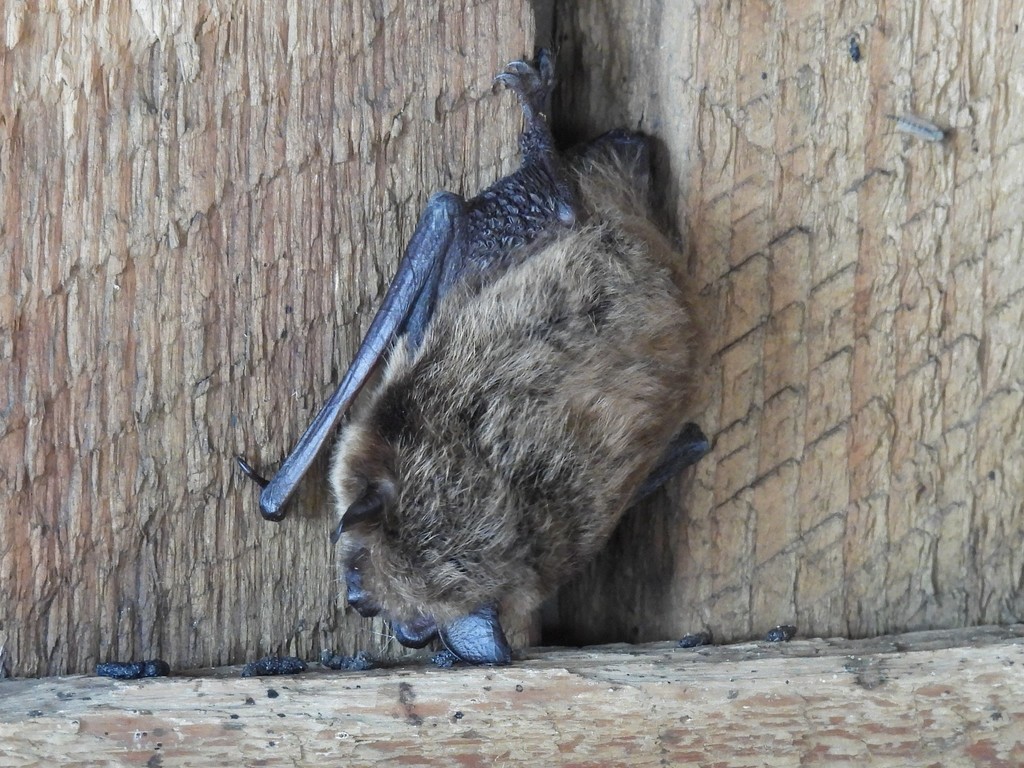
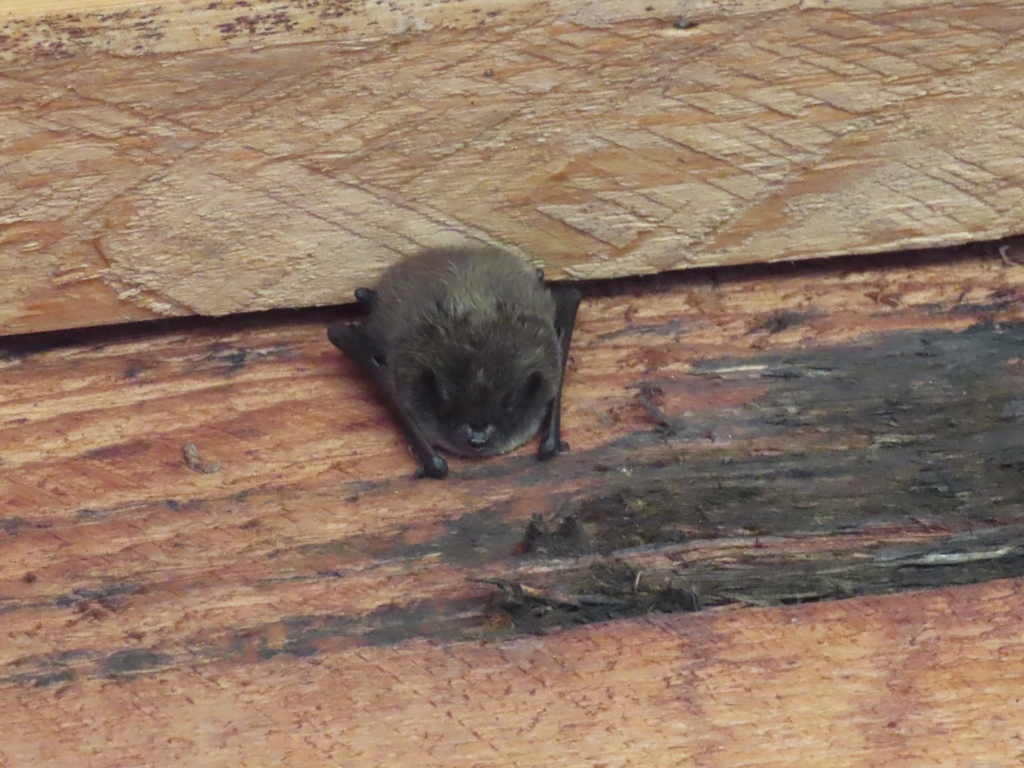
Out of the gallery of trees, the silhouettes of the night-fliers emerge. Among them are the Little Brown Myotis and the Northern Long-eared Bat, species now treading the precarious edge of the endangered list. These masters of echolocation are the sentinels of our night. To them, light pollution is not merely a nuisance; it is a barrier, a disruption of the predatory dance they have performed since the dawn of time. When we flood the night with artificial glare, we blind the nocturnal, turning their sanctuary into a gauntlet.

A Symphony in Shadow

The wetlands of the Swale act as a dark-mirror to the heavens. In the absence of city glow, the choir of the marsh reaches a crescendo, undisturbed by the biological confusion that artificial light brings to mating cycles and migration. This is the importance of International Dark Sky Week—it is a reminder that darkness is not the absence of life, but a requirement for it.

The Richard St. Barbe Baker and George Genereux lands are more than just parks; they are “star-grain” elevators, holding the precious resource of the cosmos for the next generation. Standing in the center of these woods, the Milky Way reveals itself not as a faint smudge, but as a frosted river of fire, casting soft shadows on the forest floor. It is a humbling reminder that we are citizens of a galaxy, not just residents of a municipality.

The Case for the Permanent Night

While April 13 marks the beginning of our celebration, the philosophy of the dark must be a year-round commitment. We have lived so long in the “electric cocoon” that we have forgotten the profound psychological and ecological necessity of a truly dark night. A dark sky preserves our health, guides the bird on its path, and grants the poet his muse.

As the wind whispers through the poplars of the southwest, let us recognize that darkness is an endangered species of its own. By shielding our lights and preserving the shadows of the West Swale, we aren’t just saving energy—we are reclaiming our place among the stars. This week, turn your eyes upward. The universe is waiting for you in the quiet, dark corners of Saskatoon.


“Darkness is as essential to our biological welfare, to our evolutionary heritage, as light itself.” — Inspired by the philosophy of the International Dark-Sky Association.

Part SE 23-36-6 – Richard St. Barbe Baker Afforestation Area – 241 Township Road 362-A

Part SE 23-36-6 – SW Off-Leash Recreation Area (Richard St. Barbe Baker Afforestation Area ) – 355 Township Road 362-A

S ½ 22-36-6 Richard St. Barbe Baker Afforestation Area (West of SW OLRA) – 467 Township Road 362-A

NE 21-36-6 “George Genereux” Afforestation Area – 133 Range Road 3063

Wikimapia Map: type in Richard St. Barbe Baker Afforestation Area or

Google Maps South West Off Leash area location pin at parking lot

Web page: https://stbarbebaker.wordpress.com

Where is the Richard St. Barbe Baker Afforestation Area? with map

Where is the George Genereux Urban Regional Park (Afforestation Area)?with map

Pinterest richardstbarbeb

Blogger: FriendsAfforestation

Tumblr friendsafforestation.tumblr.comFacebook Group Page: Users of the George Genereux Urban Regional Park

Facebook: StBarbeBaker Afforestation Area

Facebook for the non profit Charity Friends of the Saskatoon Afforestation Areas Inc. FriendsAreas

Facebook group page : Users of the St Barbe Baker Afforestation Area

Facebook: South West OLRA

Reddit: FriendsAfforestation

BlueSky Social

Mix: friendsareas

YouTube

Support via Zeffy

Please help protect / enhance your afforestation areas, please contact the Friends of the Saskatoon Afforestation Areas Inc. (e-mail / e-transfers )

Donate your old vehicle, here’s how!  

Support using Canada Helps

Support via a recycling bottle donation and Join the plastic-recycle challenge!

United Nations Decade on Ecosystem Restoration

““Be like a tree in pursuit of your cause. Stand firm, grip hard, thrust upward. Bend to the winds of heaven..”

Exploring the Vibrant Habitats of the Afforestation Areas

Imagine stepping into the Richard St. Barbe Baker Afforestation Area or George Genereux Urban Regional Park, a lush tapestry of life where every element of the forest plays a crucial role in the grand ecosystem. This planted forest inside this naturalizing greenspace is not just a serene retreat but a dynamic community where plants, animals, and humans interweave their lives in a delicate balance.

As you walk through the forest, observe how the towering trees, such as the stately goldenrods and various spruces and pines, form the backbone of this habitat. Their broad canopies provide essential shelter and food sources for many forest inhabitants. The fallen leaves and decomposing wood create a rich layer of nutrients in the soil, supporting a hidden network of fungi, insects, and microorganisms that contribute to the forest’s food web.

Look closely, and you might spot the graceful movement or presence of a white-tailed or mule deer that had been navigating through the underbrush. These deer are adept at utilizing the forest’s resources, feeding on tender shoots and leaves while avoiding predators. Their presence is a testament to the forest’s health, reflecting the balance of the habitat that supports a variety of species.

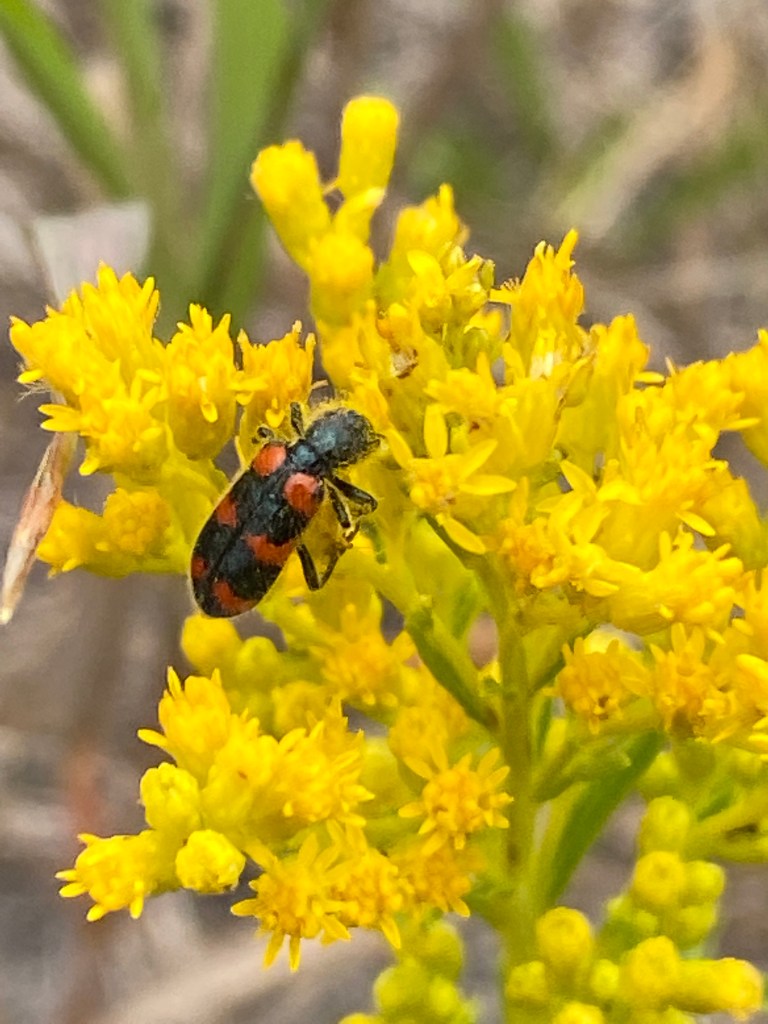
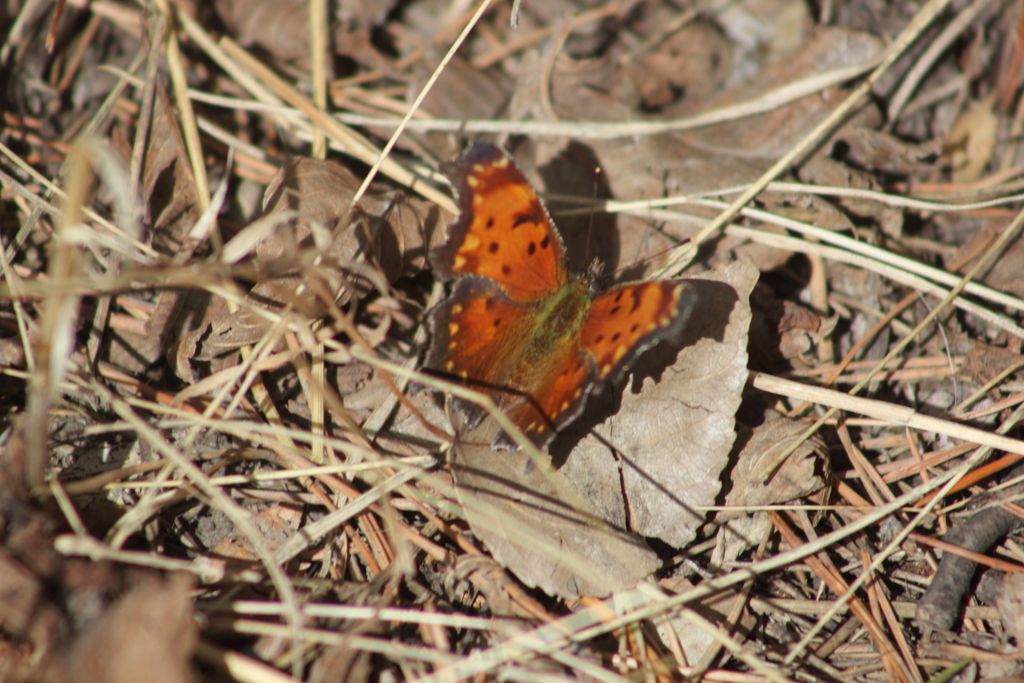
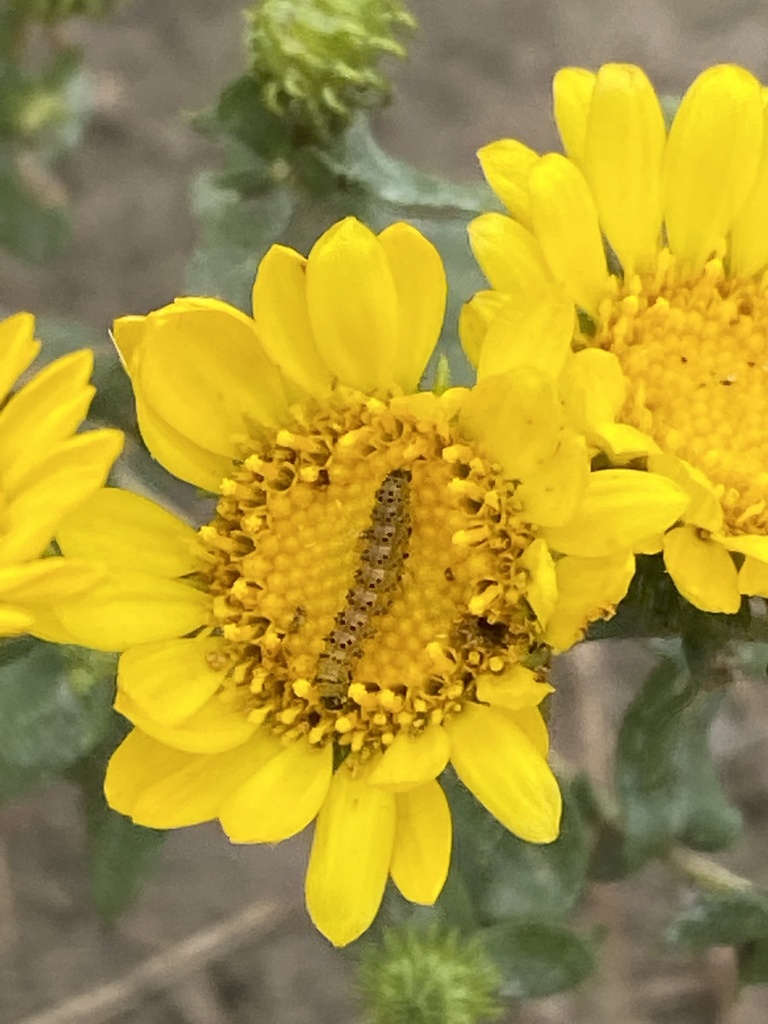
In the air, watch for the delicate flutter of native bumblebees, butterflies and moths, which play a vital role in pollination. Their presence, alongside the busy activity of dragonflies and damselflies skimming across the wetlands of Chappell Marsh, highlights the forest’s role as a sanctuary for pollinators. These insects are crucial for the reproduction of many plant species, demonstrating the intricate interdependence within the forest community.

Did you know that you can tell time by the biennial flower Evening Primrose? Full opening of this beautiful yellow flower takes less than 20 minutes to receive its moth hosts overnight, and by noon, the flower has closed up again. It’s nick name is “beautiful of the night.” Dandelions will reverse this process to save energy, closing up at night, and opening fully in the early morning hours of the day. What are the habitats of flowers and flora of the afforestation areas- meadow or forest, wetlands or shoreline edges, sunny or shady areas?

Do you think all birds build their nests in the branches of trees? Some birds, like the Great Horned Owl, actually don’t make their own nests and instead use nests created by other birds. Additionally, some birds nest on the ground, in tree cavities made by woodpeckers, or along water and shoreline edges. Why would the different bird species choose a variety of habitats for the safety of their young, wouldn’t tree branches be safest?

What about snowshoe hares and jackrabbits? Do they live in underground burrows like Bugs Bunny, or do they create nests for their young? As lagomorphs (which include rabbits and hares) are at the bottom of the food chain, how do they ensure their safety and find shelter?

Consider the Lepidoptera family, which includes butterflies and moths. Where do they lay their eggs in the spring? Do their larvae have specific habitats, and where do the adults live? How many Lepidoptera migrate to escape the cold winter, how many and which lepidoptera have no mouth parts having short lifespans and only live to lay eggs, and which species in Saskatchewan overwinter here to start a family in the spring? Why are butterflies diurnal, flying in the daytime, and moths are nocturnal waking up when the butterflies go to sleep. Where do Lepidoptera sleep?

Finally, dragonflies and damselflies, which are both part of the Odonata order, rely heavily on wetlands and aquatic plants. What makes these habitats so important for Odonata, and what type of habitat do adult Odonata prefer?

Human activities, however, can disrupt this delicate balance. One key practice to help preserve the integrity of this natural space is “staying on trails.” Walking only on designated paths protects the forest’s sensitive areas from unnecessary damage. When visitors stray off-trail, they can inadvertently trample delicate vegetation, compact soil, and disturb wildlife habitats. This can lead to erosion, reduced plant regeneration, and increased stress on animal communities that rely on a stable environment.

By staying on established trails, you minimize your impact on the ecosystem, allowing the forest to maintain its natural processes and beauty. Trails are carefully planned to avoid areas of high ecological sensitivity and to provide access while preserving the surrounding habitat. They also help concentrate foot traffic, reducing the spread of invasive plant species that could otherwise take hold in disturbed areas.

Human activities, such as littering, pose additional threats to wildlife. Plastic bags and containers can be mistaken for food by animals, leading to harmful consequences. To protect this valuable habitat for future visitors, it’s essential to follow the principle of “Pack it in, Pack it out, Leave no trace.” Be part of the Clean Green Community Scene! By disposing of waste responsibly and minimizing our impact, we help ensure that the forest remains a thriving sanctuary for all its inhabitants.

For those keen to delve deeper into the intricate web of life within the afforestation area, other resources are available. “Exploring the Wildwoods of Saskatoon: The Ecology of a Planted Forest” in English or French by Norman Lipinski offers insights into the food webs and food chains that sustain the forest’s ecosystem. Meanwhile, “Richard St. Barbe Baker Stories with Place-Based Nature Activities Through the Seasons” by Elizabeth Bekolay provides engaging activities and a comprehensive wildlife listing, enriching your understanding of the forest’s dynamic community.

For a closer look at the diverse organisms that make the afforestation area their home, including over 60 species at risk, visit the wildlife resource page. Here, you can explore the rich biodiversity and learn about the various tree species and wildlife that thrive in this unique environment.

As you journey through the Richard St. Barbe Baker Afforestation Area, take a moment to appreciate the intricate relationships between plants, animals, and humans. Each species, from the towering trees to the smallest insects, plays a role in maintaining the health of the habitat. By respecting the trails and protecting this natural treasure, we ensure that future generations can also experience the wonder of this vibrant forest community.

1. Habitat Exploration Project:

  • Activity: Investigate the populations of plants and animals in various habitats such as grassland meadows, forests, wetlands, and riparian edges of Chappell Marsh. Create a poster or presentation showcasing the different species found in each habitat and their roles.
  • Objective: Understand the variety of life in different habitats and how each species contributes to its ecosystem.

2. Indigenous Worldview Simulation:

  • Activity: Use the Medicine Wheel or Circle of Life concept to role-play how plants and animals interact and depend on each other within an ecosystem. Have students act out different roles (e.g., predator, prey, producer, consumer) and demonstrate their interdependence.
  • Objective: Explore Indigenous perspectives on the interconnectedness of life and understand how different species rely on each other.

3. Food Chain Classification Activity:

  • Activity: Classify various plants and animals, including humans, based on their roles in food chains (e.g., producer, herbivore, omnivore, predator). Create a food chain diagram using the classified organisms.
  • Objective: Learn about the different roles organisms play in food chains and understand how energy flows through ecosystems.

4. Food Web Construction:

  • Activity: Construct a visual representation of a specific food web within a chosen habitat (e.g., forest, wetland). Include multiple interconnected food chains and show how different organisms are linked.
  • Objective: Analyze how food webs represent complex interactions between different food chains and species.

5. Impact of Human Activities Role Play:

  • Activity: Role-play scenarios where students act as forest visitors who either follow or ignore guidelines like staying on trails and packing out trash. Discuss the potential impact of their actions on the forest ecosystem and its inhabitants.
  • Objective: Understand the effects of human activities on ecosystems and learn how to protect natural environments.

Related Questions

Objective: Understand the consequences of human actions on ecosystems and learn ways to reduce environmental harm.

What types of plants and animals live in grassland meadows, forests, wetlands, and riparian edges of Chappell Marsh, and how do they contribute to their habitats?

Objective: Identify and describe the species in different habitats and their roles.

How does the Medicine Wheel or Circle of Life concept illustrate the interdependence of plants and animals in an ecosystem?

Objective: Explore Indigenous views on the interconnectedness of life.

What are the different roles of organisms in a food chain, and how do they interact with one another?

Objective: Classify organisms based on their roles and understand their interactions in food chains.

How does a food web differ from a food chain, and what does it reveal about the relationships between different species in an ecosystem?

Objective: Analyze the complexity of food webs and their representation of multiple food chains.

What are the effects of human activities, such as trampling vegetation or littering, on forest ecosystems, and how can we minimize these impacts?

For directions as to how to drive to “George Genereux” Urban Regional Park

For directions on how to drive to Richard St. Barbe Baker Afforestation Area

For more information:

Blairmore Sector Plan Report; planning for the Richard St. Barbe Baker Afforestation Area, George Genereux Urban Regional Park and West Swale and areas around them inside of Saskatoon city limits

NEW P4G District Official Community Plan

Richard St. Barbe Baker Afforestation Area is located in Saskatoon, Saskatchewan, Canada north of Cedar Villa Road, within city limits, in the furthest south west area of the city. 52° 06′ 106° 45′

Addresses:

Part SE 23-36-6 – Afforestation Area – 241 Township Road 362-A

Part SE 23-36-6 – SW Off-Leash Recreation Area (Richard St. Barbe Baker Afforestation Area ) – 355 Township Road 362-A

S ½ 22-36-6 Richard St. Barbe Baker Afforestation Area (West of SW OLRA) – 467 Township Road 362-A

NE 21-36-6 “George Genereux” Afforestation Area – 133 Range Road 3063

Wikimapia Map: type in Richard St. Barbe Baker Afforestation Area

Google Maps South West Off Leash area location pin at parking lot

Web page: https://stbarbebaker.wordpress.com

Where is the Richard St. Barbe Baker Afforestation Area? with map

Where is the George Genereux Urban Regional Park (Afforestation Area)?with map

Pinterest richardstbarbeb

Blogger: FriendsAfforestation

Tumblr friendsafforestation.tumblr.comFacebook Group Page: Users of the George Genereux Urban Regional Park

Facebook: StBarbeBaker Afforestation Area

Facebook for the non profit Charity Friends of the Saskatoon Afforestation Areas Inc. FriendsAreas

Facebook group page : Users of the St Barbe Baker Afforestation Area

Facebook: South West OLRA

Reddit: FriendsAfforestation

Twitter: St Barbe Baker Charity Twitter:FriendsAreas

Mix: friendsareas

YouTube

Please help protect / enhance your afforestation areas, please contact the Friends of the Saskatoon Afforestation Areas Inc. (e-mail / e-transfers )

Donate your old vehicle, here’s how!  

Support using Canada Helps

Support via a recycling bottle donation

United Nations Decade on Ecosystem Restoration

““Be like a tree in pursuit of your cause. Stand firm, grip hard, thrust upward. Bend to the winds of heaven..”

Richard St. Barbe Baker
Design a site like this with WordPress.com
Get started