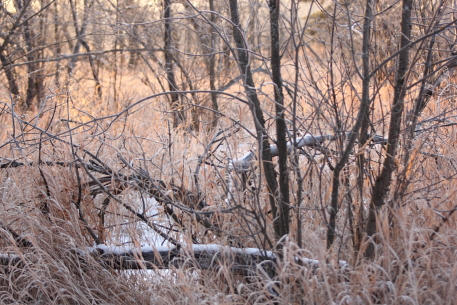
Update on the George Genereux Urban Regional Park Wildfire Area

Update on the George Genereux Urban Regional Park Wildfire Area

We received a follow-up report regarding the wildfire that occurred in George Genereux Urban Regional Park.

The Saskatoon Fire Department requested assistance from Urban Forestry staff to assess vegetation damage and determine whether any ongoing safety concerns remained within the affected area. Following a site inspection, an Urban Forestry supervisor reported that 44 small dead trees along the pathway were identified and marked with spray paint. The overall risk was assessed as low due to the area’s relatively low level of use, the low likelihood of tree failure, and the minimal potential for injury should a tree fall. While these trees should eventually be removed to prevent them from falling onto the pathway, they do not currently present an immediate hazard to the public.

As a result of this assessment, all identified safety concerns have now been addressed, and the area may continue to be used by the public. While some visible impacts from the wildfire remain, they do not pose a risk that would warrant restricting access to the site.

Visitors should be aware that tick populations remain very high in the area. The fire did not eliminate ticks, so appropriate precautions are strongly recommended, including wearing long clothing, staying on designated trails where possible, and conducting tick checks after visiting.

To help protect public health, natural areas, and reduce the risk of future wildfires, smoking and vaping are prohibited in all outdoor public spaces owned or operated by the City of Saskatoon under Smoking Control Bylaw No. 8286. This restriction applies to all tobacco products, cannabis products, and electronic cigarettes. Open fires, campfires, and any unauthorized flame-producing activities are also prohibited. Visitors are encouraged to respect these regulations to help safeguard forests, wetlands, wildlife habitat, and fellow park users.

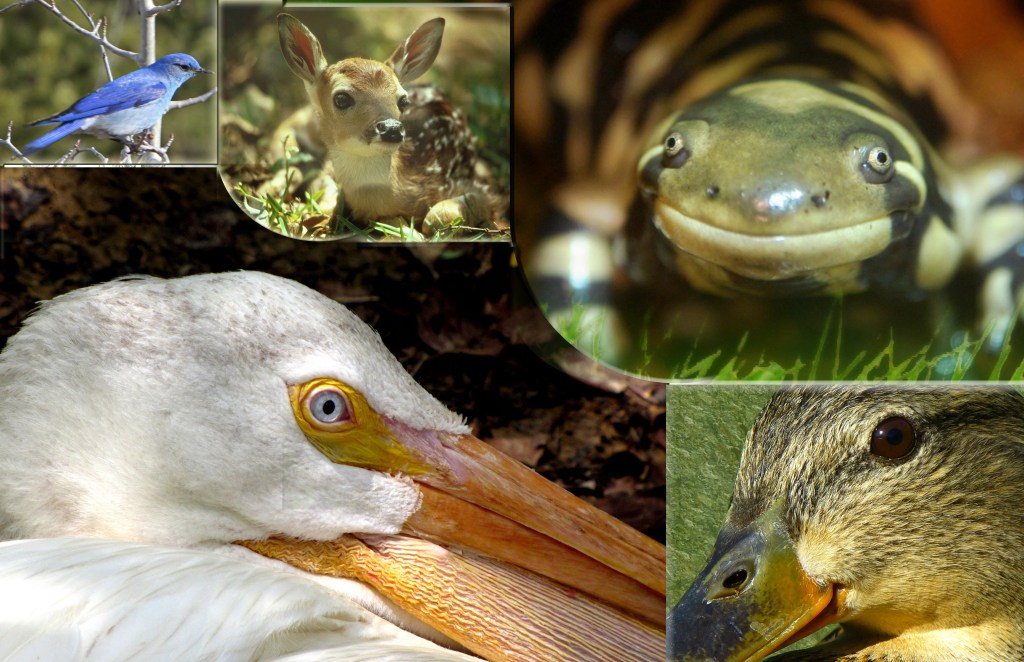
The burned area also presents a valuable opportunity for ecological learning. Post-fire landscapes serve as living laboratories where environmental organizations such as the Friends of the Saskatoon Afforestation Areas can observe ecological succession and natural recovery processes firsthand. Over time, pioneering plants, insects, fungi, birds, and mammals gradually recolonize the site, demonstrating the resilience of natural ecosystems. Monitoring these changes can provide important information about biodiversity recovery, soil health, habitat restoration, carbon storage, and climate adaptation. Such areas also offer meaningful educational opportunities, helping visitors understand the role that fire can play in ecosystem renewal and fostering a deeper appreciation for the natural processes that shape and sustain healthy landscapes.

Previous posts about the grass fire.

Grass Fire Monitoring Continues Amid Extreme Dry Conditions

Grass and Brush Fire Response Underway

Understanding Wildfire Risk: The 30-30-30 Rule

When it comes to predicting how aggressively a wildfire will behave, Canadian firefighters and meteorologists look for a critical atmospheric tipping point known as the “crossover” effect. This danger zone is easily remembered by the 30-30-30 rule of thumb, which identifies the exact combination of weather conditions that cause small fires to rapidly explode out of control.

The rule states that wildfire danger reaches extreme levels when three specific conditions are met simultaneously:

  • Temperature: 30°C or higher.
  • Relative Humidity: 30% or lower.
  • Wind Speed: 30 km/h or faster.

Why This Combination is So Dangerous

When the air becomes that hot and dry, it acts like a sponge, rapidly evaporating moisture from forest vegetation, grass, and soil. This creates a massive amount of highly flammable fuel. Once you add sustained wind speeds of 30 km/h into the mix, a spark can instantly turn into an intense, fast-moving blaze. The wind not only supplies oxygen to the flames but also carries burning embers far ahead of the main fire line, igniting new flare-ups and making containment incredibly difficult for emergency crews.

When a region hits this “crossover” threshold, fire safety officials go on high alert, as any new ignition has the potential to become an unmanageable wildfire.
Addresses:

Part SE 23-36-6 – Richard St. Barbe Baker Afforestation Area – 241 Township Road 362-A

Part SE 23-36-6 – SW Off-Leash Recreation Area (Richard St. Barbe Baker Afforestation Area ) – 355 Township Road 362-A

S ½ 22-36-6 Richard St. Barbe Baker Afforestation Area (West of SW OLRA) – 467 Township Road 362-A

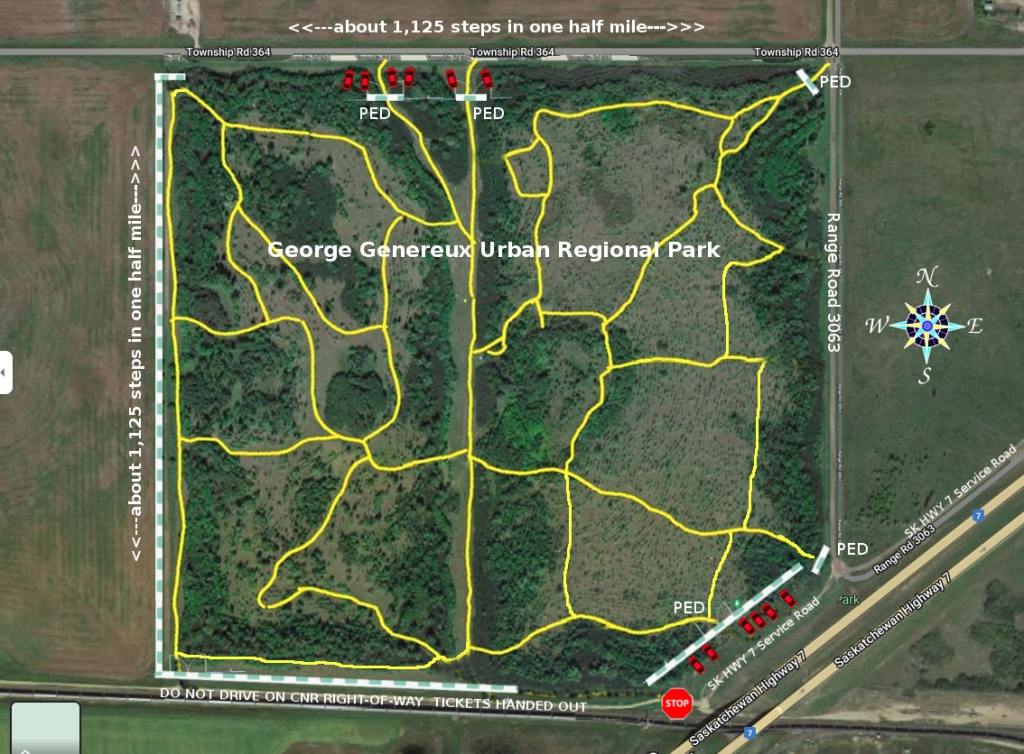
NE 21-36-6 “George Genereux” Afforestation Area – 133 Range Road 3063

Coming soon the Clavet Memorial Healing Forest honouring the Humboldt Broncos

Wikimapia Map: type in Richard St. Barbe Baker Afforestation Area or

Google Maps South West Off Leash area location pin at parking lot

Web page: https://stbarbebaker.wordpress.com

Where is the Richard St. Barbe Baker Afforestation Area? with map

Where is the George Genereux Urban Regional Park (Afforestation Area)?with map

Pinterest richardstbarbeb

Blogger: FriendsAfforestation

Tumblr friendsafforestation.tumblr.comFacebook Group Page: Users of the George Genereux Urban Regional Park

Facebook: StBarbeBaker Afforestation Area

Facebook for the non profit Charity Friends of the Saskatoon Afforestation Areas Inc. FriendsAreas

Facebook group page : Users of the St Barbe Baker Afforestation Area

Facebook: South West OLRA

Reddit: FriendsAfforestation

BlueSky Social

Mix: friendsareas

YouTube

Support via Zeffy

Please help protect / enhance your afforestation areas, please contact the Friends of the Saskatoon Afforestation Areas Inc. (e-mail / e-transfers )

Donate your old vehicle, here’s how!  

Support using Canada Helps

Support via a recycling bottle donation and Join the plastic-recycle challenge!

United Nations Decade on Ecosystem Restoration

““Be like a tree in pursuit of your cause. Stand firm, grip hard, thrust upward. Bend to the winds of heaven..”Richard St. Barbe Baker

Moose Sightings in Saskatoon: Why Reporting Matters

Mother Moose and Baby Calf Roam Saskatoon’s Urban Forests

Saskatoon Residents Asked to Report Moose (large animal) Sightings in Urban Green Spaces

Residents enjoying walks through the forest trails of the Richard St. Barbe Baker Afforestation Area or the nearby Southwest Off Leash Recreation Area may be fortunate enough to witness an extraordinary wildlife encounter: a mother moose browsing quietly beside her calf. These majestic animals remind us that Saskatoon’s naturalized green spaces continue to provide important habitat and travel corridors for wildlife.

Recently, sightings of a cow moose and calf have raised community interest and concern. Saskatchewan conservation professionals emphasize that public reporting plays a vital role in monitoring wildlife movement within urban areas. Officials make management decisions based largely upon the number, timing, and location of reported sightings.

If you observe moose within Saskatoon city limits, residents are encouraged to contact the Saskatchewan Ministry of Environment TIPPS reporting line. In Saskatoon, sightings may be reported by calling 306-933-6240. Across Saskatchewan, the provincial TIPPS line can also be reached toll free at 1-800-567-4224.

Reporting is especially important if the animals remain in the afforestation area or the Southwest Off Leash Dog Park over multiple days. If the only sighting occurred yesterday, May 20, the animals may already have moved beyond the area. However, repeated sightings help conservation officers determine whether the moose are temporarily passing through or establishing a more regular presence nearby.

Wildlife specialists note there may be two possible explanations for the behaviour being observed. One scenario is that the younger moose may actually be last year’s calf. Cow moose often encourage yearlings to separate in spring as they prepare for a new season and new territory. Alternatively, if the calf was born this year, it will usually remain closely beside its mother throughout its early development.

Park visitors should continue exercising caution around all wildlife. Moose, especially mothers with calves, can become defensive if approached too closely. Dogs should remain leashed, and observers should always maintain a respectful distance while allowing wildlife clear space to move away naturally.

Urban forests such as the Richard St. Barbe Baker Afforestation Area provide valuable ecological refuge not only for birds and pollinators, but also for large mammals seeking food, shelter, and safe movement corridors. Community cooperation and timely reporting help conservation professionals protect both public safety and wildlife wellbeing.

Residents are encouraged to stay alert, enjoy wildlife responsibly, and report ongoing sightings so Saskatchewan conservation officers can continue monitoring the situation carefully.

Walking – Cycling Safely Among Moose

Afforestation Area Addresses:

Part SE 23-36-6 – Richard St. Barbe Baker Afforestation Area – 241 Township Road 362-A

Part SE 23-36-6 – SW Off-Leash Recreation Area (Richard St. Barbe Baker Afforestation Area ) – 355 Township Road 362-A

S ½ 22-36-6 Richard St. Barbe Baker Afforestation Area (West of SW OLRA) – 467 Township Road 362-A

NE 21-36-6 “George Genereux” Afforestation Area – 133 Range Road 3063

Clavet Memorial Healing Forest honouring the Humboldt Broncos.

Wikimapia Map: type in Richard St. Barbe Baker Afforestation Area or

Google Maps South West Off Leash area location pin at parking lot

Web page: https://stbarbebaker.wordpress.com

Where is the Richard St. Barbe Baker Afforestation Area? with map
Where is the George Genereux Urban Regional Park (Afforestation Area)?with map

Pinterest richardstbarbeb

Blogger: FriendsAfforestation

Tumblr friendsafforestation.tumblr.comFacebook Group Page: Users of the George Genereux Urban Regional Park

Facebook: StBarbeBaker Afforestation Area

Facebook for the non profit Charity Friends of the Saskatoon Afforestation Areas Inc. FriendsAreas

Facebook group page : Users of the St Barbe Baker Afforestation Area

Facebook: South West OLRA

Reddit: FriendsAfforestation

BlueSky Social

Mix: friendsareas

YouTube

Support via Zeffy

Please help protect / enhance your afforestation areas, please contact the Friends of the Saskatoon Afforestation Areas Inc. (e-mail / e-transfers )

Donate your old vehicle, here’s how!  

Support using Canada Helps

Support via a recycling bottle donation and Join the plastic-recycle challenge!

United Nations Decade on Ecosystem Restoration

“Be like a tree in pursuit of your cause. Stand firm, grip hard, thrust upward. Bend to the winds of heaven..” – Richard St. Barbe Baker

Walking – Cycling Safely Among Moose

Sharing the Forest: Walking / Cycling Safely Among Moose in Urban Parks

There is something unforgettable about walking quietly through a forested park and suddenly noticing movement among the trees. A tall mother moose lifts her head from a willow thicket while her calf browses nearby, both perfectly at home in the woodland habitat they have adopted. In many Canadian communities, including parks and naturalized urban forests, moose are becoming more familiar sights as protected green spaces provide shelter, water, and abundant vegetation.

Moose are browsers, meaning they feed on leaves, twigs, aquatic plants, and shrubs rather than grazing on grasses. Wetlands, ponds, and wooded corridors offer ideal habitat, especially where willow, poplar, and dogwood grow naturally. A mother moose with a calf often seeks quieter forested areas away from roads and disturbances, where dense vegetation provides protection and food.

For park visitors, these encounters can feel magical. Watching a calf learning to browse beside its mother reminds us that urban forests are not simply recreational spaces for people; they are living ecosystems supporting wildlife. Yet experts caution that moose, especially females with calves, deserve both admiration and respect.

Wildlife agencies note that cow moose are highly protective during calving season and may charge if they perceive a threat. Moose can weigh over 700 kilograms and move surprisingly quickly despite their size. Unlike deer, moose often stand their ground rather than flee.

Precautions for Park Visitors

When walking in a park where moose live, several precautions help keep both people and wildlife safe:

  • Stay well back and observe quietly from a distance.
  • Never approach a calf, even if it appears alone; the mother is usually nearby.
  • Avoid getting between a mother and her calf.
  • Keep dogs leashed and far away, since moose may view dogs as predators similar to wolves.
  • Watch for warning signs such as pinned ears, raised neck hair, stomping, or head swaying.
  • If a moose appears agitated, slowly back away and place trees or large objects between yourself and the animal.
  • Never feed wildlife or attempt selfies or close photographs.
  • Moose Sightings in the Saskatoon Afforestation Areas: Why Reporting Matters

Parks agencies generally recommend remaining at least 25 metres away from moose, though greater distances are often safer around calves.

Morning and evening walks may increase the likelihood of encounters, especially near ponds, streams, or willow-rich habitats. Cyclists and joggers should slow down on wooded trails because sudden appearances can startle wildlife. Moose often blend remarkably well into forest vegetation despite their enormous size.

Perhaps the greatest lesson from sharing parks with moose is humility. These forests were wildlife habitats long before trails, benches, or paved pathways appeared. Seeing a mother moose and calf peacefully browsing among trembling aspens and willow shrubs is a reminder that successful conservation allows wild creatures to coexist alongside human communities.

When visitors respect boundaries and give wildlife space, parks remain safe for people while continuing to provide sanctuary for the animals that call the forest home.

Last sighted west of the SW OLRA, and east of the wetlands near the aspen bluff at or near GPS 52°06’04.7″N 106°45’53.3″W between the ancient abandoned portion of the Car Mart Road grade and the ancient and abandoned railway line grade. The latest update, is that there may be two different adult moose in the forest.

National Park Service. “Moose Safety.” Denali National Park and Preserve, U.S. Department of the Interior, https://www.nps.gov/dena/planyourvisit/wildlife-safety.htm. Accessed 21 May 2026.

National Park Service. “Moose Safety.” Kenai Fjords National Park, U.S. Department of the Interior, https://www.nps.gov/kefj/planyourvisit/moose-safety.htm. Accessed 21 May 2026.

Northern Moose Alliance. “Moose Safety and Viewing Etiquette.” Northern Moose Alliance, https://moosealliance.org/moose-safety-and-viewing-etiquette/. Accessed 21 May 2026.

Parks Canada. “Moose Safety.” Kouchibouguac National Park, Government of Canada, https://parks.canada.ca/pn-np/nb/kouchibouguac/visit/securite-safety/faune-wildlife/orignal-moose. Accessed 21 May 2026.

Afforestation Area Addresses:

Part SE 23-36-6 – Richard St. Barbe Baker Afforestation Area – 241 Township Road 362-A
Part SE 23-36-6 – SW Off-Leash Recreation Area (Richard St. Barbe Baker Afforestation Area ) – 355 Township Road 362-A
S ½ 22-36-6 Richard St. Barbe Baker Afforestation Area (West of SW OLRA) – 467 Township Road 362-A

NE 21-36-6 “George Genereux” Afforestation Area – 133 Range Road 3063

Clavet Memorial Healing Forest honouring the Humboldt Broncos.

Wikimapia Map: type in Richard St. Barbe Baker Afforestation Area or

Google Maps South West Off Leash area location pin at parking lot

Web page: https://stbarbebaker.wordpress.com

Where is the Richard St. Barbe Baker Afforestation Area? with map

Where is the George Genereux Urban Regional Park (Afforestation Area)?with map

Pinterest richardstbarbeb

Blogger: FriendsAfforestation

Tumblr friendsafforestation.tumblr.comFacebook Group Page: Users of the George Genereux Urban Regional Park

Facebook: StBarbeBaker Afforestation Area

Facebook for the non profit Charity Friends of the Saskatoon Afforestation Areas Inc. FriendsAreas

Facebook group page : Users of the St Barbe Baker Afforestation Area

Facebook: South West OLRA

Reddit: FriendsAfforestation

BlueSky Social

Mix: friendsareas

YouTube

Support via Zeffy

Please help protect / enhance your afforestation areas, please contact the Friends of the Saskatoon Afforestation Areas Inc. (e-mail / e-transfers )

Donate your old vehicle, here’s how!  

Support using Canada Helps

Support via a recycling bottle donation and Join the plastic-recycle challenge!

United Nations Decade on Ecosystem Restoration

“Be like a tree in pursuit of your cause. Stand firm, grip hard, thrust upward. Bend to the winds of heaven..” – Richard St. Barbe Baker

Finding Winter’s Quiet Magic

There are winter days—rare, special days—when the world looks as though it has stopped just long enough to take a deep breath. Days when every branch is edged with hoar frost, shining like silver lace; when the air smells of pine and something faintly hopeful; when you feel as though you’ve stepped straight through the pages of a Christmas card into a land where snow always falls softly and nothing is ever in a rush.

The Richard St. Barbe Baker Afforestation Area is one of those extraordinary places. Tucked into the heart of Saskatoon’s WinterCity spirit, it becomes a forest of quiet marvels once winter settles in. Here, the trees stand still and proud in their sparkling coats, and the only chatter comes from the tiny, cheerful birds who don’t seem to mind the cold one bit.

In the hush of snow, the fairytale begins.

Walk slowly—winter likes you better when you take your time.


You might spot a Red-breasted Nuthatch darting between the evergreens with the energy of someone late for a very tiny appointment. A White-breasted Nuthatch might shuffle up a trunk like a small, determined mountaineer. The Black-capped Chickadees hop about like living ornaments, their calls ringing through the stillness like little bells. And if you’re lucky, a Pileated Woodpecker might hammer away with the gusto of a craftsman working on a secret project. Above the treetops, Pine Siskins flit like golden sparks, and flocks of Bohemian Waxwings wander the winter sky in soft, swirling clouds.

It’s enough to make you forget the cold entirely.

If you bring a picnic, winter becomes even friendlier. Find a bench, settle your thermos between your hands, and watch the feeders sway gently as the birds come and go. There is something wonderfully grounding about sipping hot chocolate while snow gathers in the quiet corners of the forest. Everything feels calmer. The world feels kinder.

This isn’t simply a walk—it’s a moment of reconnection.


A reminder that nature isn’t a place set aside for special occasions; it is a patient companion, always ready to steady us. In winter, it teaches us the art of paying attention. Every breath of crisp air, every crunch of snow underfoot, every upward glance through frost-framed branches whispers the same thing:
Slow down. Look closely. There is wonder everywhere.

“Where hoar frost sparkles, winter wonder begins.”

Saskatoon’s Winter Spirit

Across northern cities like Saskatoon, people have begun reimagining winter—not as a long stretch to be endured, but as a season full of possibility. Instead of huddling away until spring, we ARE finding ways to make the colder months lively, inviting, and joyful. The idea is to spotlight winter’s charm so everyone can come outside and enjoy it.

Walk gently—winter is listening.

Here in Saskatoon, this approach is gathered under the umbrella of WintercityYXE—a shared community effort that celebrates everything that makes the city feel alive in winter. Let us embrace the season with enthusiasm! The goal is simple: build a city where winter feels welcoming, safe, and accessible for all.

“Nature slows. Wonder grows.”

A Season to Share

As you wander through the frost-bright forest, you may find yourself thinking about how easy it is to overlook these simple, extraordinary moments. A bird’s sudden flutter. The glow of low winter sun. The hush that settles on the world after snowfall. These small things become anchors—reminders of the beauty we live alongside and the responsibility we share in caring for it.

So come.
Come to the trees.
Come to the quiet.
Come to the winter that waits patiently for you to notice just how magical it can be.

Let the frost, the birds, the branches, and the stillness settle softly into your heart. Share this space. Protect it. Cherish it.

A fairytale carved from snow and silence

The Friends of the Saskatoon Afforestation Areas welcome you to explore more at friendsareas.ca.
Your winter adventure is waiting—ready to take root, just like the trees.


Addresses:

Part SE 23-36-6 – Richard St. Barbe Baker Afforestation Area – 241 Township Road 362-A

Part SE 23-36-6 – SW Off-Leash Recreation Area (Richard St. Barbe Baker Afforestation Area ) – 355 Township Road 362-A

S ½ 22-36-6 Richard St. Barbe Baker Afforestation Area (West of SW OLRA) – 467 Township Road 362-A

NE 21-36-6 “George Genereux” Afforestation Area – 133 Range Road 3063

Wikimapia Map: type in Richard St. Barbe Baker Afforestation Area or

Google Maps South West Off Leash area location pin at parking lot

Web page: https://stbarbebaker.wordpress.com

Where is the Richard St. Barbe Baker Afforestation Area? with map

Where is the George Genereux Urban Regional Park (Afforestation Area)?with map

Pinterest richardstbarbeb

Blogger: FriendsAfforestation

Tumblr friendsafforestation.tumblr.comFacebook Group Page: Users of the George Genereux Urban Regional Park

Facebook: StBarbeBaker Afforestation Area

Facebook for the non profit Charity Friends of the Saskatoon Afforestation Areas Inc. FriendsAreas

Facebook group page : Users of the St Barbe Baker Afforestation Area

Facebook: South West OLRA

Reddit: FriendsAfforestation

BlueSky Social

Mix: friendsareas

YouTube

Support via Zeffy

Please help protect / enhance your afforestation areas, please contact the Friends of the Saskatoon Afforestation Areas Inc. (e-mail / e-transfers )

Donate your old vehicle, here’s how!  

Support using Canada Helps

Support via a recycling bottle donation and Join the plastic-recycle challenge!

United Nations Decade on Ecosystem Restoration

““Be like a tree in pursuit of your cause. Stand firm, grip hard, thrust upward. Bend to the winds of heaven..”

The Living Classroom: Teaching Children the Language of the Forest


There is a moment — quiet, almost imperceptible — when a child first notices the rustle of life beneath the canopy. A beetle turning over a fallen leaf, a chickadee flitting between branches, the sunlight filtering through layers of green. It is in that instant that understanding begins: a realization that the forest is not merely a collection of trees, but a living, breathing community of countless species, each bound to the others in a delicate web of life.

In Saskatoon’s afforestation areas, these lessons are being sown with care. The work of conservation here is not only about protecting trees or safeguarding species at risk, though these are noble aims. It is about nurturing a generation capable of seeing themselves as part of the natural world—a generation that understands that when one element of the ecosystem falters, all are affected.

Education programs and stewardship initiatives invite young minds to explore with curiosity and purpose. Children are learning that each tree is more than wood and leaves; it is a habitat, a refuge, a home. Beneath their feet lie networks of roots and fungi—silent communicators that sustain the forest community. Above, the canopy shelters the nests of birds, the dens of squirrels, and the cool breath of shade-loving plants.

Yet, these places are fragile. When children push over saplings or try to push over a tree or bang on tree trunks as they run through the forest, hit nests from trees, the harm may not be visible at first—but it is real. Each scar on bark opens a doorway for fungus, pathogens, and pests, weakening the very trees that sustain the forest’s life. And beyond the trees, there are plant species at risk—delicate forbs that struggle to survive beneath the shadow of human carelessness.

That is why stewardship must be taught not as restriction, but as relationship. There are wide open grass spaces for play, for laughter and movement. But through the forest, we walk gently. We stay on the trails, we listen before we touch, and we look before we act. Every step can be a step of respect—for the chickadee’s nest, the wild rose’s roots, the trembling aspen’s song.

In these forests, three tree species are at risk—a solemn reminder that even the giants among us need protection. Do you know which they are? It is a question worth pondering, for awareness is the first act of stewardship.

And so, through every classroom visit, every guided walk, and every act of citizen science, we are advancing stewardship initiatives that bridge science, citizen action, and sustainability. We are spreading education and awareness, encouraging greater care for these vital green spaces in Saskatoon.

Together, we are planting seeds—not only in the ground, but in young minds. Seeds of curiosity, care, and empathy. The impact of these efforts will ripple outward, as each child carries the memory of the forest into the wider world, fostering stewardship for decades to come.

For in the end, conservation is not merely about saving the trees—it is about saving our sense of belonging within the great, unfolding story of life on Earth. And that story continues, one child, one tree, one forest at a time.

Addresses:

Part SE 23-36-6 – Richard St. Barbe Baker Afforestation Area – 241 Township Road 362-A

Part SE 23-36-6 – SW Off-Leash Recreation Area (Richard St. Barbe Baker Afforestation Area ) – 355 Township Road 362-A

S ½ 22-36-6 Richard St. Barbe Baker Afforestation Area (West of SW OLRA) – 467 Township Road 362-A

NE 21-36-6 “George Genereux” Afforestation Area – 133 Range Road 3063

Wikimapia Map: type in Richard St. Barbe Baker Afforestation Area or

Google Maps South West Off Leash area location pin at parking lot

Web page: https://stbarbebaker.wordpress.com

Where is the Richard St. Barbe Baker Afforestation Area? with map

Where is the George Genereux Urban Regional Park (Afforestation Area)?with map

Pinterest richardstbarbeb

Blogger: FriendsAfforestation

Tumblr friendsafforestation.tumblr.comFacebook Group Page: Users of the George Genereux Urban Regional Park

Facebook: StBarbeBaker Afforestation Area

Facebook for the non profit Charity Friends of the Saskatoon Afforestation Areas Inc. FriendsAreas

Facebook group page : Users of the St Barbe Baker Afforestation Area

Facebook: South West OLRA

Reddit: FriendsAfforestation

BlueSky Social

Mix: friendsareas

YouTube

Support via Zeffy

Please help protect / enhance your afforestation areas, please contact the Friends of the Saskatoon Afforestation Areas Inc. (e-mail / e-transfers )

Donate your old vehicle, here’s how!  

Support using Canada Helps

Support via a recycling bottle donation and Join the plastic-recycle challenge!

United Nations Decade on Ecosystem Restoration

““Be like a tree in pursuit of your cause. Stand firm, grip hard, thrust upward. Bend to the winds of heaven..”

Richard St. Barbe Baker

Dog Sledding Through the Saskatoon Winter

Dog Sledding Through the Saskatoon Winter: A Journey Into History and Adventure

Tune in Monday December 30, 2024 around 7:30 a.m. to hear the Friends of the Saskatoon Afforestation Area interview with Jeremy Dodge, Anchor CTV News Saskatoon CTV Morning Live airs weekday mornings 6:00 am – 9:00 am.

There’s something magical about the Saskatoon winter. The air, biting and crisp, wraps itself around you like a secret waiting to be discovered. The quiet of the snow-covered forest, the beauty of frost on the trees, and the exhilarating rush of a dog sled ride. This January, the Friends of the Saskatoon Afforestation Area invite you to experience it all, with the Frozen Trails and Wagging Tails: Dog Sledding Delight event. And you can get a sneak peek of this unforgettable adventure on Monday, December 30, 2024, at 7:30 a.m., when Jeremy Dodge, the anchor of CTV Morning Live, sits down to interview Julia Adamson and Rahul Shekar of the Friends of the Saskatoon Afforestation Area. Stay tuned to your television, or the CTV News Website.

Jeremy’s interview will focus on the unique history of dog sledding, an integral part of First Nations and Métis culture. For those of us more accustomed to the land of urban convenience, there’s something enchanting about connecting to the past through the sound of sled runners gliding over snow, and the sight of sled dogs working in perfect harmony with their mushers.

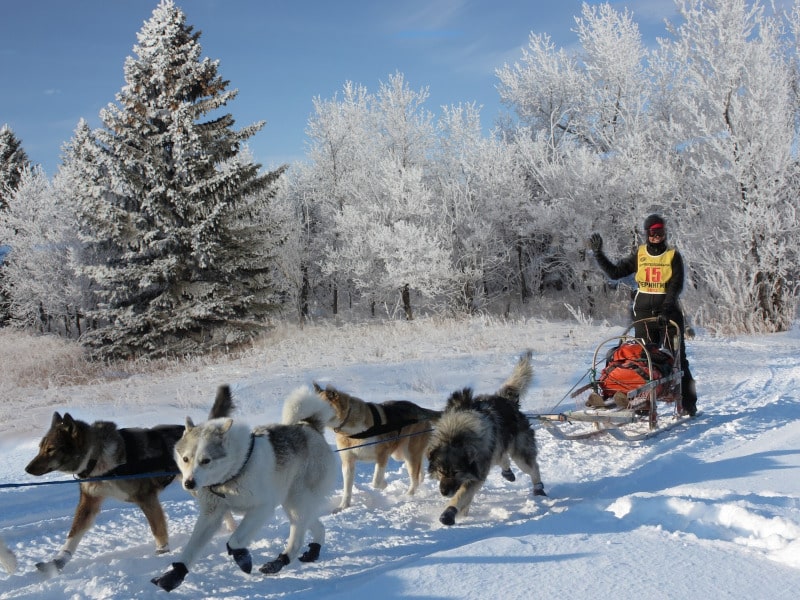
The event, taking place on January 4, 2025, will introduce participants to two passionate mushers, Dan Kirkup from Battle River Kennel and Garrick Schmidt from Eagle Ridge Kennel. Garrick’s kennel, Métis owned and operated, adds an extra layer of significance to the day, linking the rich culture of dog sledding with the modern-day preservation efforts of the region. These men, who could easily be mistaken for Santa’s most enthusiastic helpers, have dedicated their lives to working with dogs—dogs that are more than just athletes—they are family.

Dan and Garrick share a genuine love for their dogs, and the joy is infectious. The dogs, some of which can hardly contain their excitement before a race, show just how much they thrive on the run. Watching them in action, it’s easy to forget the chill in the air as you’re swept away by the energy and enthusiasm of these incredible canine athletes.

But it’s not just the dogs who will steal your heart. The event is designed to give you a deeper connection to Saskatoon’s wilderness and the rich history of the land. You’ll enjoy a 10-minute sled ride through the pristine forest, with expert guides sharing their knowledge of the forest’s beauty and its cultural significance. The experience promises winter fun, heartwarming moments, and stunning views.

Of course, as with all great adventures, this is a limited-capacity event, so pre-registration is a must. The last thing you want is to miss out on an afternoon of frosty fun because someone else beat you to it! Head over to the Friends of the Saskatoon Afforestation Area website at friendsareas.ca to reserve your spot.

For those unfamiliar with the area, the event location is easily accessible. Drive along Circle Drive toward the City’s landfill, passing the Civic Operations Centre, Bus Barns, and Snowdump area. Then turn right (north) off onto Valley Road and follow Township Road 362-A (Cedar Villa Road). Continue west until you reach the forest and signs for the South West Off-Leash Recreation Area. From there, the adventure awaits. Please come out ahead of time and explore all the parking areas of this Richard St. Barbe Baker Afforestation Area.

The Frozen Trails and Wagging Tails event is made possible thanks to the generous sponsorship of the City of Saskatoon and the YXE WinterCity Grant. This collaboration celebrates not just winter sports but the importance of preserving our natural spaces and connecting with history in meaningful ways.

So, mark your calendar for January 4, 2025. Tune in to CTV Morning Live on December 30, 2024, to learn more about this extraordinary event. It’s more than just dog sledding. It’s an experience that will stay with you long after the snow melts. And who knows? It might just inspire you to put on your warmest coat, grab your mittens, and start planning your next winter adventure.

For directions as to how to drive to “George Genereux” Urban Regional Park

For directions on how to drive to Richard St. Barbe Baker Afforestation Area

For more information:

Blairmore Sector Plan Report; planning for the Richard St. Barbe Baker Afforestation Area, George Genereux Urban Regional Park and West Swale and areas around them inside of Saskatoon city limits

NEW P4G District Official Community Plan

Richard St. Barbe Baker Afforestation Area is located in Saskatoon, Saskatchewan, Canada north of Cedar Villa Road, within city limits, in the furthest south west area of the city. 52° 06′ 106° 45′

Addresses:

Part SE 23-36-6 – Afforestation Area – 241 Township Road 362-A

Part SE 23-36-6 – SW Off-Leash Recreation Area (Richard St. Barbe Baker Afforestation Area ) – 355 Township Road 362-A

S ½ 22-36-6 Richard St. Barbe Baker Afforestation Area (West of SW OLRA) – 467 Township Road 362-A

NE 21-36-6 “George Genereux” Afforestation Area – 133 Range Road 3063

Wikimapia Map: type in Richard St. Barbe Baker Afforestation Area

Google Maps South West Off Leash area location pin at parking lot

Web page: https://stbarbebaker.wordpress.com

Where is the Richard St. Barbe Baker Afforestation Area? with map

Where is the George Genereux Urban Regional Park (Afforestation Area)?with map

Pinterest richardstbarbeb

Blogger: FriendsAfforestation

Tumblr friendsafforestation.tumblr.comFacebook Group Page: Users of the George Genereux Urban Regional Park

Facebook: StBarbeBaker Afforestation Area

Facebook for the non profit Charity Friends of the Saskatoon Afforestation Areas Inc. FriendsAreas

Facebook group page : Users of the St Barbe Baker Afforestation Area

Facebook: South West OLRA

Reddit: FriendsAfforestation

Twitter: St Barbe Baker Charity Twitter:FriendsAreas

Mix: friendsareas

YouTube

Support via Zeffy

Please help protect / enhance your afforestation areas, please contact the Friends of the Saskatoon Afforestation Areas Inc. (e-mail / e-transfers )

Donate your old vehicle, here’s how!  

Support using Canada Helps

Support via a recycling bottle donation and Join the plastic-recycle challenge!

United Nations Decade on Ecosystem Restoration

““Be like a tree in pursuit of your cause. Stand firm, grip hard, thrust upward. Bend to the winds of heaven..”

Richard St. Barbe Baker

Gratitude for Community Spirit

Gratitude for Community Spirit:

A Collective Effort to Keep Our Trails Clear and Accessible

Snow Clearing at Richard St. Barbe Baker Afforestation Area, Saskatoon, SK

In the heart of winter, when snow blankets the ground and the trails are buried under a thick layer of ice and snow, it’s easy to forget the hard work that goes into maintaining our outdoor spaces. But thanks to the tireless volunteers and community partners, the Winter Trail Network in Saskatoon, the trails through the Richard St. Barbe Baker Afforestation Area, continues to be a cherished resource for everyone to enjoy.

One of the dedicated groups to keep these trails clear is the FatLanders FatTire Brigade (FFTB). Their hard work and commitment to preserving the 18 km of the Winter Trail Network – a shared pathway through the forest – is truly a labor of love. With each passing winter storm, the FFTB volunteers brave the cold to ensure that the trails are safe and passable for all who enjoy them. Their efforts allow skiers, walkers, and bicycle enthusiasts alike to embrace the outdoors, even in the most challenging of weather conditions.

But the effort to maintain these trails doesn’t stop with volunteers alone. The City of Saskatoon also plays a crucial role in ensuring that our recreation areas remain accessible throughout the winter months. We extend our heartfelt thanks to the city’s Parks Division for clearing the parking area, P2, at the South West Off Leash Recreation Area (SW OLRA), as well as the trails that run through the SW OLRA itself. Their work ensures that visitors have a safe place to park and access the trails, creating an environment where people can enjoy the natural beauty of the area without worrying about navigating snowy obstacles.

Additionally, we are incredibly grateful to the neighboring farmer who volunteers his time to clear the western parking area, P1, during the winter months. Armed with his front-end loader, he steps in to keep this vital access point open and safe, helping ensure that the parking area remains usable for trail users. It’s a generous gesture that truly reflects the sense of community spirit in the area.

Another community partner deserving of recognition is the Canadian National Railway (CNR), which takes on the responsibility of clearing the Saskatchewan Highway 7 service road by George Genereux Urban Regional Park. Their winter maintenance helps ensure that those visiting this area have a clear, safe route to access the park and its trails, further contributing to the area’s accessibility and the overall community spirit.

While these efforts are vital to maintaining the trails and access points, the community’s commitment extends beyond just clearing snow and maintaining pathways. The dog walking community plays an essential role in ensuring the area remains clean and safe for all users. We are especially grateful to individuals like Chris, Liz and others, who tirelessly volunteer their time to scoop the poop and encourage others to do the same. Their dedication is an invaluable part of keeping our public spaces clean and reducing the risk of spreading disease. Additionally, a heartfelt thank you goes out to all the dog walkers who take the time to clean up after their dogs, a small but significant action that helps maintain the cleanliness of the area and makes it a more pleasant environment for everyone.

The volunteers of the Friends of the Saskatoon Afforestation Areas also deserve special mention for their ongoing efforts to keep the trails clear of litter. These dedicated individuals walk the trails, collecting trash and cigarette butts that might otherwise harm the forest and its wildlife. Their vigilance helps protect the natural beauty of the afforestation area, preventing harmful substances like cigarette butts from poisoning the environment. With dogs often roaming and sniffing along the trails, the volunteers’ efforts to remove these hazards are critical to safeguarding the health of both wildlife and pets.

Did you know?

The toxic dose of nicotine for pets is just 0.5 to 1 mg per pound of body weight, while the lethal dose is 4 mg per pound. And here’s a startling fact: cigarette butts can contain 2-8 mg of nicotine, which is enough to pose a serious risk to animals who may ingest them. Always be mindful to clean up after smoking in public spaces to protect our pets and wildlife and abide by the etiquette of the City of Saskatoon “No Smoking” Bylaw No. 8286 for city spaces!

When it comes to the Richard St. Barbe Baker Afforestation Area, the collaboration between volunteers, the City of Saskatoon, neighboring farmers, and organizations like CNR is a testament to what can be achieved when we all come together. This collective effort ensures that the forest trails remain a welcoming space for people of all ages to explore and enjoy WinterCity YXE, whether they are looking to get outside for a peaceful walk in the woods, enjoy a cross-country ski session, pop out snowshoing, engage in the Christmas Bird Count between December 14 to January 5 every season or take a winter bicycle ride.

As we reflect on these generous contributions, we are reminded of the incredible sense of community that exists in Saskatoon and its surrounding areas. It’s thanks to these efforts that we are able to enjoy the beauty and tranquility of the Richard St. Barbe Baker Afforestation Area during the winter months. For all the volunteers, city workers, farmers, and organizations involved, we offer our deepest thanks.

Winter in Saskatoon is made brighter and more accessible through the collective efforts of this amazing community. It is a spirit we are truly thankful for and one that makes our trails – and our city – a better place to live.

For directions as to how to drive to “George Genereux” Urban Regional Park

For directions on how to drive to Richard St. Barbe Baker Afforestation Area

For more information:

Blairmore Sector Plan Report; planning for the Richard St. Barbe Baker Afforestation Area, George Genereux Urban Regional Park and West Swale and areas around them inside of Saskatoon city limits

NEW P4G District Official Community Plan

Richard St. Barbe Baker Afforestation Area is located in Saskatoon, Saskatchewan, Canada north of Cedar Villa Road, within city limits, in the furthest south west area of the city. 52° 06′ 106° 45′

Addresses:

Part SE 23-36-6 – Afforestation Area – 241 Township Road 362-A

Part SE 23-36-6 – SW Off-Leash Recreation Area (Richard St. Barbe Baker Afforestation Area ) – 355 Township Road 362-A

S ½ 22-36-6 Richard St. Barbe Baker Afforestation Area (West of SW OLRA) – 467 Township Road 362-A

NE 21-36-6 “George Genereux” Afforestation Area – 133 Range Road 3063

Wikimapia Map: type in Richard St. Barbe Baker Afforestation Area

Google Maps South West Off Leash area location pin at parking lot

Web page: https://stbarbebaker.wordpress.com

Where is the Richard St. Barbe Baker Afforestation Area? with map

Where is the George Genereux Urban Regional Park (Afforestation Area)?with map

Pinterest richardstbarbeb

Blogger: FriendsAfforestation

Tumblr friendsafforestation.tumblr.comFacebook Group Page: Users of the George Genereux Urban Regional Park

Facebook: StBarbeBaker Afforestation Area

Facebook for the non profit Charity Friends of the Saskatoon Afforestation Areas Inc. FriendsAreas

Facebook group page : Users of the St Barbe Baker Afforestation Area

Facebook: South West OLRA

Reddit: FriendsAfforestation

Twitter: St Barbe Baker Charity Twitter:FriendsAreas

Mix: friendsareas

YouTube

Support via Zeffy

Please help protect / enhance your afforestation areas, please contact the Friends of the Saskatoon Afforestation Areas Inc. (e-mail / e-transfers )

Donate your old vehicle, here’s how!  

Support using Canada Helps

Support via a recycling bottle donation and Join the plastic-recycle challenge!

United Nations Decade on Ecosystem Restoration

““Be like a tree in pursuit of your cause. Stand firm, grip hard, thrust upward. Bend to the winds of heaven..”

Richard St. Barbe Baker

Design a site like this with WordPress.com
Get started