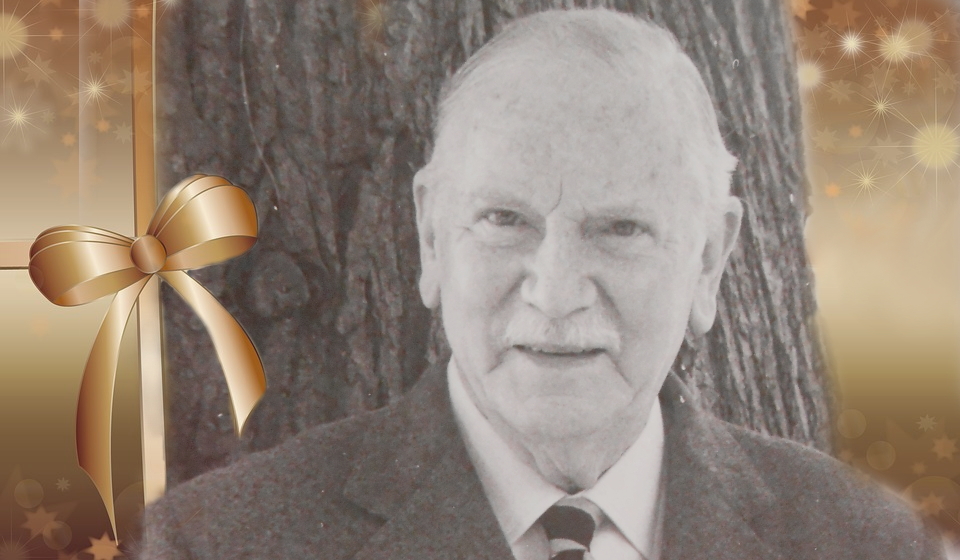
Gratitude in Action; Roger’s TV

Gratitude in Action: Connecting with Nature and Community for the City Nature Challenge 2025

Tune into Rogers tv on “Community Shorts”, which repeats several times daily throughout the week or click; City Nature Challenge Saskatoon 2025 / UNEP accreditation Rogers tv Community Shorts

As spring begins to stir, bringing with it the promise of renewal and growth, we find ourselves reflecting on the importance of connection—both to the land and to each other. It is in moments of collective effort, rooted in shared purpose, that we find the true essence of community. In this spirit, we would like to extend our deepest thanks to those whose contributions have made the City Nature Challenge Saskatoon 2025 a reality.

At the heart of this effort is a singular, transformative opportunity: to connect with nature during the Spring Easter Break, to explore the wilds of Saskatoon, and to document the diversity of life that surrounds us. But the true beauty of this initiative, as we are discovering, lies not just in the act of observation, but in the stories woven by those who have come together in support.

First, we extend our gratitude to Eric Steiner, Producer at Rogers TV, whose tireless dedication and expertise have brought the City Nature Challenge into the homes of so many. By airing this important event, Eric has provided a unique platform to share the importance of preserving our natural world, while also offering viewers an accessible and meaningful way to connect with the wildlife around them. In a world where many find themselves increasingly disconnected from nature, Eric’s work is a reminder of how the media can serve as a bridge—linking us to the earth in ways we never thought possible.

Our thanks also go to Rahul (CPHR, MCIPD), whose insightful words and passion for the environment highlighted the importance of the Friends of the Saskatoon Afforestation Areas and their work. Rahul eloquently spoke to the need for urban greenspaces and how they play an essential role in building vibrant, sustainable communities. His advocacy for local environmental groups brings into focus how the preservation of natural spaces is not just a matter of conservation, but a deeply human endeavor that enhances our well-being, our health, and our futures.

It is, however, the Friends of the Saskatoon Afforestation Areas themselves who deserve the greatest thanks. The organization has been the guiding force behind the City Nature Challenge in Saskatoon. Frezer’s work as Co-Facilitator of the Women Major Group for the United Nations Environment Programme (UNEP) has garnered significant recognition, including the recent announcement that the Friends of the Saskatoon Afforestation Areas have achieved UNEP accreditation. This monumental achievement speaks not only to Frezer’s tireless advocacy but to the global recognition of the group’s ongoing efforts to protect and sustain the environment.

The City Nature Challenge stands as a testament to the power of grassroots action, a powerful reminder that from the smallest steps we take in our own neighborhoods, the ripples of change can spread across the globe. It embodies our collective ability to contribute to the United Nations Sustainable Development Goals. Through this initiative, we take a stand for SDG Life on Land, championing the protection of our ecosystems and the wildlife that depend on them. We advocate for SDG Life Below Water, recognizing the vast, often invisible world beneath the surface that sustains us all. It is also a call to action for SDG Sustainable Communities, showing that the health of our cities and towns is deeply intertwined with the health of our natural environment. And, ultimately, it fuels SDG Climate Action, reminding us that every effort to protect the planet, however small, is a step toward mitigating the climate crisis. Through the City Nature Challenge, we witness firsthand how local action has the power to shape a more sustainable future for all.

The Friends of the Saskatoon Afforestation Areas leadership has also extended to the creation of the YouTube feature community short for the City Nature Challenge Saskatoon 2025, a collaboration with Rogers TV’s Community Shorts initiative. Through this, we are able to celebrate the beauty of our local greenspaces—whether it’s the Richard St. Barbe Baker Afforestation Area or George Genereux Park—while also contributing to the broader, global mission of understanding, appreciating and protecting biodiversity. The Friends role in bringing this project to fruition is a testament to the power of passion, persistence, and community.

The City Nature Challenge, taking place from April 25 to 28, 2025, is not just an event—it is an invitation. An invitation to step outside, to explore, to learn, and to participate in the larger global conversation about biodiversity. Using the iNaturalist app, participants will be able to document their findings, contributing to the rich tapestry of knowledge that is informing global conservation efforts. The opportunity to engage with nature and to witness its beauty firsthand is one that many of us take for granted, but as we have seen through the leadership of those mentioned above, such moments are precious.

As we look ahead to this exciting event, we are reminded of the simple but profound truth that nature, in all its wild, unpredictable beauty, connects us. It binds us to the earth and to one another, and it inspires us to protect what is fragile and fleeting.

We are truly thankful to all who have made this event possible, from Eric Steiner at Rogers TV to Rahul’s impactful words and Frezer’s leadership. Together, we are creating a legacy that will endure for generations to come—one rooted in gratitude, community, and a shared commitment to the land we call home.

Event details and directions to the Richard St. Barbe Baker Afforestation Area and George Genereux Park can be found at friendsareas.ca. The iNaturalist app used to document organisms and signs of life through photo or sound recordings can be downloaded free from the App Store or Google Play.

As we approach the City Nature Challenge Saskatoon 2025, let us remember that it is through our collective action and shared responsibility that we can truly make a difference. Let us honor the natural world, not just for its beauty, but for the deep connection it fosters among us all.

For directions as to how to drive to “George Genereux” Urban Regional Park

For directions on how to drive to Richard St. Barbe Baker Afforestation Area

For more information:

Blairmore Sector Plan Report; planning for the Richard St. Barbe Baker Afforestation Area, George Genereux Urban Regional Park and West Swale and areas around them inside of Saskatoon city limits

NEW P4G District Official Community Plan

Richard St. Barbe Baker Afforestation Area is located in Saskatoon, Saskatchewan, Canada north of Cedar Villa Road, within city limits, in the furthest south west area of the city. 52° 06′ 106° 45′

Addresses:

Part SE 23-36-6 – Richard St. Barbe Baker Afforestation Area – 241 Township Road 362-A

Part SE 23-36-6 – SW Off-Leash Recreation Area (Richard St. Barbe Baker Afforestation Area ) – 355 Township Road 362-A

S ½ 22-36-6 Richard St. Barbe Baker Afforestation Area (West of SW OLRA) – 467 Township Road 362-A

NE 21-36-6 “George Genereux” Afforestation Area – 133 Range Road 3063

Wikimapia Map: type in Richard St. Barbe Baker Afforestation Area

Google Maps South West Off Leash area location pin at parking lot

Web page: https://stbarbebaker.wordpress.com

Where is the Richard St. Barbe Baker Afforestation Area? with map

Where is the George Genereux Urban Regional Park (Afforestation Area)?with map

Pinterest richardstbarbeb

Blogger: FriendsAfforestation

Tumblr friendsafforestation.tumblr.comFacebook Group Page: Users of the George Genereux Urban Regional Park

Facebook: StBarbeBaker Afforestation Area

Facebook for the non profit Charity Friends of the Saskatoon Afforestation Areas Inc. FriendsAreas

Facebook group page : Users of the St Barbe Baker Afforestation Area

Facebook: South West OLRA

Reddit: FriendsAfforestation

BlueSky Social

Mix: friendsareas

YouTube

Support via Zeffy

Please help protect / enhance your afforestation areas, please contact the Friends of the Saskatoon Afforestation Areas Inc. (e-mail / e-transfers )

Donate your old vehicle, here’s how!  

Support using Canada Helps

Support via a recycling bottle donation and Join the plastic-recycle challenge!

United Nations Decade on Ecosystem Restoration

““Be like a tree in pursuit of your cause. Stand firm, grip hard, thrust upward. Bend to the winds of heaven..”

Richard St. Barbe Baker

Embracing Inclusivity: Celebrating International Day of Sign Language

As September ushers in the vibrant hues of fall, it also brings a momentous occasion for global awareness and inclusion: International Day of Sign Language, observed annually on September 23. This year emphasize the value of integrating diverse knowledge systems, particularly in the context of environmental stewardship. In conjunction with International Day of Sign Language, National Forest Week (September 22-28) and Science Literacy Week (September 18-24) offers an opportunity to deepen our understanding of the natural world through inclusive and educational activities.

Understanding the Importance of Sign Language

International Day of Sign Language serves as a crucial reminder of the importance of inclusivity and accessibility for Deaf communities worldwide. Sign language is not merely a means of communication but a rich, expressive language with its own grammar, culture, and history. By celebrating this day, we acknowledge the contributions of Deaf individuals and advocate for a more inclusive society where everyone’s voice is heard and respected.

Celebrating with Purpose: Integrating Science and Sign Language

This year’s theme for National Forest Week, “Two-Eyed Seeing: Welcoming All Knowledge to Sustain Our Forests,” encourages us to value diverse perspectives and knowledge systems. This aligns beautifully with the goals of Science Literacy Week, which highlights the importance of scientific understanding and inquiry.

Here’s how you can celebrate International Day of Sign Language while engaging with National Forest Week and Science Literacy Week, incorporating activities from the Saskatchewan science curriculum for a well-rounded educational experience:

1. Sign Language Science Fair

Host a science fair that incorporates sign language into the presentation. Encourage students to research a scientific topic related to forest conservation, such as biodiversity, ecosystems, or climate change. Students can create posters or digital presentations that use sign language to explain their findings. This not only promotes scientific literacy but also fosters inclusivity by making information accessible to Deaf students and community members.

2. Nature Exploration with Sign Language

Organize a nature walk or field trip to explore local forests or natural areas. Prior to the excursion, teach students some basic sign language related to nature, such as “tree,” “leaf,” “bird,” and “water.” During the walk, use sign language to describe observations and encourage students to use these signs to communicate their discoveries. This activity aligns with the Saskatchewan science curriculum’s focus on environmental science and promotes interactive learning.

Did you know? International Sign Language (ISL), developed in the 1950s by the World Federation of the Deaf, facilitates global communication by breaking down linguistic barriers, fostering cross-cultural understanding, and creating opportunities for Deaf individuals to connect with others regardless of spoken languages or written translations.

3. Hands-On Science Activities

Incorporate hands-on science activities that align with the Saskatchewan science curriculum. For instance, students can create a model of a forest ecosystem using recycled materials, and present their models using sign language to describe different components, such as flora, fauna, and ecological interactions. This approach supports the curriculum’s emphasis on scientific inquiry and environmental stewardship while promoting inclusivity.

4. Interactive Workshops

Host workshops on September 22-28 that teach both sign language and scientific concepts. For younger students (Grades K-2), activities might include simple experiments like growing plants and learning the signs for various parts of the plant. For older students (Grades 3-8), workshops could delve deeper into topics like the role of forests in carbon sequestration or the impact of deforestation, using sign language to facilitate discussions and presentations.

5. Digital Sign Language Resources

Leverage digital resources to enhance learning and accessibility. Create or share videos that teach scientific concepts using sign language. For example, a video explaining the water cycle or forest ecosystems in sign language can be an effective educational tool. Ensure these resources are available to all students and encourage them to use sign language to discuss and share their learning.

6. Science Literacy Week Integration

During Science Literacy Week, integrate activities that promote both scientific understanding and sign language awareness. For instance, have students conduct experiments to explore concepts like plant growth or the water cycle, and incorporate sign language to explain their methods and results. This dual focus enhances both scientific literacy and inclusivity.

7. Community Engagement

Engage with local Deaf organizations or sign language interpreters to enrich your activities. Invite guest speakers to discuss the role of sign language in science communication and its importance in fostering an inclusive environment. Collaboration with the Deaf community can provide valuable insights and support for your educational efforts.

Conclusion

International Day of Sign Language, National Forest Week and Science Literacy Week provide a unique opportunity to celebrate diversity, inclusivity, and scientific understanding. By integrating sign language into your forest field trips, science activities, you not only honor the Deaf community but also enhance the educational experience for all students. Let’s embrace diverse knowledge systems and promote a more inclusive and accessible world.

Celebrate these important days with meaningful activities that bridge the gap between science and sign language, fostering a deeper appreciation for both our natural world and the rich tapestry of human communication.

For directions as to how to drive to “George Genereux” Urban Regional Park

For directions on how to drive to Richard St. Barbe Baker Afforestation Area

For more information:

Blairmore Sector Plan Report; planning for the Richard St. Barbe Baker Afforestation Area, George Genereux Urban Regional Park and West Swale and areas around them inside of Saskatoon city limits

NEW P4G District Official Community Plan

Richard St. Barbe Baker Afforestation Area is located in Saskatoon, Saskatchewan, Canada north of Cedar Villa Road, within city limits, in the furthest south west area of the city. 52° 06′ 106° 45′

Addresses:

Part SE 23-36-6 – Afforestation Area – 241 Township Road 362-A

Part SE 23-36-6 – SW Off-Leash Recreation Area (Richard St. Barbe Baker Afforestation Area ) – 355 Township Road 362-A

S ½ 22-36-6 Richard St. Barbe Baker Afforestation Area (West of SW OLRA) – 467 Township Road 362-A

NE 21-36-6 “George Genereux” Afforestation Area – 133 Range Road 3063

Wikimapia Map: type in Richard St. Barbe Baker Afforestation Area

Google Maps South West Off Leash area location pin at parking lot

Web page: https://stbarbebaker.wordpress.com

Where is the Richard St. Barbe Baker Afforestation Area? with map

Where is the George Genereux Urban Regional Park (Afforestation Area)?with map

Pinterest richardstbarbeb

Blogger: FriendsAfforestation

Tumblr friendsafforestation.tumblr.comFacebook Group Page: Users of the George Genereux Urban Regional Park

Facebook: StBarbeBaker Afforestation Area

Facebook for the non profit Charity Friends of the Saskatoon Afforestation Areas Inc. FriendsAreas

Facebook group page : Users of the St Barbe Baker Afforestation Area

Facebook: South West OLRA

Reddit: FriendsAfforestation

Twitter: St Barbe Baker Charity Twitter:FriendsAreas

Mix: friendsareas

YouTube

Please help protect / enhance your afforestation areas, please contact the Friends of the Saskatoon Afforestation Areas Inc. (e-mail / e-transfers )

Donate your old vehicle, here’s how!  

Support using Canada Helps

Support via a recycling bottle donation

United Nations Decade on Ecosystem Restoration

Richard St. Barbe Baker


For directions as to how to drive to “George Genereux” Urban Regional Park For directions on how to drive to Richard St. Barbe Baker Afforestation Area For more information: Blairmore
Sector Plan Report; planning for the Richard St. Barbe Baker
Afforestation Area, George Genereux Urban Regional Park and West Swale
and areas around them inside of Saskatoon city limits
NEW P4G District Official Community Plan Richard St. Barbe Baker Afforestation Area is located in Saskatoon,
Saskatchewan, Canada north of Cedar Villa Road, within city limits, in
the furthest south west area of the city. 52° 06′ 106° 45′ Addresses: Part SE 23-36-6 – Afforestation Area – 241 Township Road 362-A Part SE 23-36-6 – SW Off-Leash Recreation Area (Richard St. Barbe Baker Afforestation Area ) – 355 Township Road 362-A S ½ 22-36-6 Richard St. Barbe Baker Afforestation Area (West of SW OLRA) – 467 Township Road 362-A NE 21-36-6 “George Genereux” Afforestation Area – 133 Range Road 3063 Wikimapia Map: type in Richard St. Barbe Baker Afforestation Area Google Maps South West Off Leash area location pin at parking lot Web page: https://stbarbebaker.wordpress.com Where is the Richard St. Barbe Baker Afforestation Area? with map

Where is the George Genereux Urban Regional Park (Afforestation Area)?with map Pinterest richardstbarbeb Blogger: FriendsAfforestation Tumblr friendsafforestation.tumblr.comFacebook Group Page: Users of the George Genereux Urban Regional Park Facebook: StBarbeBaker Afforestation Area Facebook for the non profit Charity Friends of the Saskatoon Afforestation Areas Inc. FriendsAreas Facebook group page : Users of the St Barbe Baker Afforestation Area Facebook: South West OLRA Reddit: FriendsAfforestation Twitter: St Barbe Baker Charity Twitter:FriendsAreas Mix: friendsareas YouTube Please help protect / enhance your afforestation areas, please contact the Friends of the Saskatoon Afforestation Areas Inc. (e-mail / e-transfers ) Donate your old vehicle, here’s how!   Support using Canada Helps Support via a recycling bottle donation United Nations Decade on Ecosystem Restoration


““Be like a tree in pursuit of your cause. Stand firm, grip hard, thrust upward. Bend to the winds of heaven..”


Richard St. Barbe Baker


““Be like a tree in pursuit of your cause. Stand firm, grip hard, thrust upward. Bend to the winds of heaven..”

Reflecting on Baker’s Holistic Approach

As the world increasingly recognizes the importance of conservation and sustainable living, the legacy of Richard St. Barbe Baker stands out as a pioneering beacon. Often heralded as the first global conservationist, Baker’s visionary work in environmental stewardship is intrinsically linked to his commitment to vegetarianism. As we approach World Vegetarian Day on October 1, it’s fitting to reflect on his remarkable contributions and the broader implications of his lifestyle choices for today’s world.

The Visionary Green Pioneer

Born in 1889 in the tranquil English countryside, Richard St. Barbe Baker was a man ahead of his time. While many conservationists focus on protecting specific natural areas, Baker’s scope was global. His profound belief in the interconnectedness of all life led him to establish the Men of the Trees organization in 1922 now known as the International Tree Foundation. His mission was simple yet ambitious: to combat deforestation and promote global reforestation. Baker traveled the world, from the arid landscapes of Africa to the dense forests of South America, planting trees and advocating for the cause.

Baker’s work was revolutionary. At a time when environmental issues were often dismissed or overlooked, he spoke about the urgent need for a global approach to conservation. His efforts helped to plant millions of trees and inspired a generation of environmentalists. In 1950, the United Nations recognized his contributions by making him the International Forester of the Year, underscoring the global impact of his endeavors.

The Vegetarian Connection

Baker’s environmental philosophy extended beyond trees and forests. He was also a staunch advocate of vegetarianism, believing that a plant-based diet was integral to both personal health and environmental sustainability. His commitment to vegetarianism was not merely a personal choice but a reflection of his broader ethical and ecological beliefs.

In his view, reducing meat consumption was a key strategy to alleviate the strain on natural resources. He understood that the agricultural industry, particularly livestock farming, was a significant contributor to deforestation, water depletion, and greenhouse gas emissions. By choosing a vegetarian lifestyle, Baker aimed to set an example of how individual choices could positively impact the planet.

World Vegetarian Day: A Tribute to a Visionary

World Vegetarian Day, observed on October 1 each year, serves as a global reminder of the benefits of a plant-based lifestyle. The day was established by the North American Vegetarian Society in 1977 to promote the ethical, environmental, and health benefits of vegetarianism. This annual event is a tribute to the pioneers like Baker who championed a diet that aligns with the principles of conservation and sustainability.

As we celebrate World Vegetarian Day, it’s an opportunity to reflect on how dietary choices intersect with environmental conservation. Baker’s legacy underscores the profound impact that individual decisions can have on the health of our planet. By adopting a vegetarian or plant-based diet, we can contribute to reducing our ecological footprint and fostering a more sustainable world.

Continuing the Legacy

Richard St. Barbe Baker’s legacy is not just in the trees he planted or the lands he helped preserve, but in the enduring message of global responsibility and conscious living. His life’s work demonstrates that true environmental stewardship encompasses a holistic approach, one that includes mindful choices about what we eat.

As we honor World Vegetarian Day, let’s remember Baker’s vision and consider how we can integrate his values into our own lives. Whether through reducing meat consumption, supporting reforestation efforts, or simply advocating for more sustainable practices, we have the power to continue his legacy and make a meaningful difference.

Richard St. Barbe Baker may have lived in a different era, but his message is as relevant today as ever. On October 1, as we celebrate World Vegetarian Day, let’s not only acknowledge the benefits of a plant-based diet but also commit to the broader mission of preserving our planet for future generations—a mission that Baker so passionately championed.

For more information on how to get involved in global conservation efforts and celebrate World Vegetarian Day, visit https://www.friendsareas.ca/

“The world’s problem, is not a population explosion, but animal explosion. We’ve got to decide whether we are going to feed animals or humans. To feed animals is a roundabout way of getting food. It takes 18 times more land to feed people on beef than on vegetables, nuts fruits and grains.” Richard St. Barbe Baker.

For directions as to how to drive to “George Genereux” Urban Regional Park

For directions on how to drive to Richard St. Barbe Baker Afforestation Area

For more information:

Blairmore Sector Plan Report; planning for the Richard St. Barbe Baker Afforestation Area, George Genereux Urban Regional Park and West Swale and areas around them inside of Saskatoon city limits

NEW P4G District Official Community Plan

Richard St. Barbe Baker Afforestation Area is located in Saskatoon, Saskatchewan, Canada north of Cedar Villa Road, within city limits, in the furthest south west area of the city. 52° 06′ 106° 45′

Addresses:

Part SE 23-36-6 – Afforestation Area – 241 Township Road 362-A

Part SE 23-36-6 – SW Off-Leash Recreation Area (Richard St. Barbe Baker Afforestation Area ) – 355 Township Road 362-A

S ½ 22-36-6 Richard St. Barbe Baker Afforestation Area (West of SW OLRA) – 467 Township Road 362-A

NE 21-36-6 “George Genereux” Afforestation Area – 133 Range Road 3063

Wikimapia Map: type in Richard St. Barbe Baker Afforestation Area

Google Maps South West Off Leash area location pin at parking lot

Web page: https://stbarbebaker.wordpress.com

Where is the Richard St. Barbe Baker Afforestation Area? with map

Where is the George Genereux Urban Regional Park (Afforestation Area)?with map

Pinterest richardstbarbeb

Blogger: FriendsAfforestation

Tumblr friendsafforestation.tumblr.comFacebook Group Page: Users of the George Genereux Urban Regional Park

Facebook: StBarbeBaker Afforestation Area

Facebook for the non profit Charity Friends of the Saskatoon Afforestation Areas Inc. FriendsAreas

Facebook group page : Users of the St Barbe Baker Afforestation Area

Facebook: South West OLRA

Reddit: FriendsAfforestation

Twitter: St Barbe Baker Charity Twitter:FriendsAreas

Mix: friendsareas

YouTube

Please help protect / enhance your afforestation areas, please contact the Friends of the Saskatoon Afforestation Areas Inc. (e-mail / e-transfers )

Donate your old vehicle, here’s how!  

Support using Canada Helps

Support via a recycling bottle donation

United Nations Decade on Ecosystem Restoration

““Be like a tree in pursuit of your cause. Stand firm, grip hard, thrust upward. Bend to the winds of heaven..”

Richard St. Barbe Baker
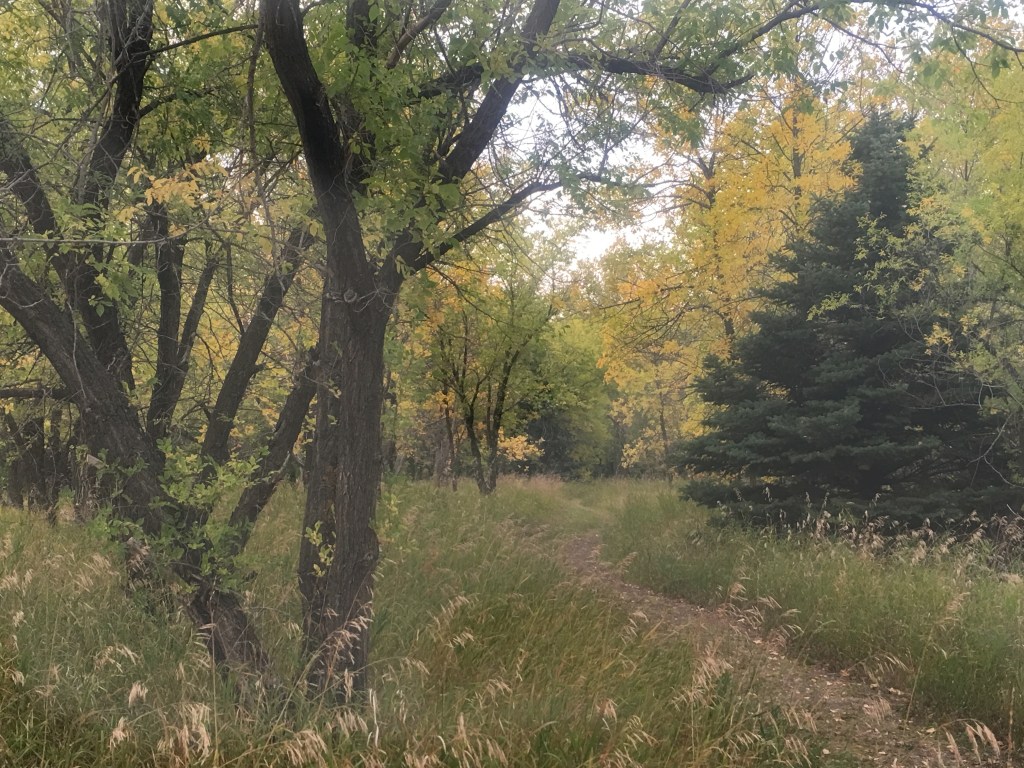
Embracing the Canopy: International Day of Forests 2024

In the heart of nature’s vast tapestry, every rustle of leaves, every whispering breeze, and every towering tree beckons us to explore the wonders of our planet’s lifeblood—forests. March 21st marks the International Day of Forests, an occasion when the world collectively turns its gaze towards these majestic realms that provide sustenance for both the Earth and the human spirit.

The 2024 theme, “Forests and Education – Learn to Love Forests,” resonates deeply with the timeless teachings of environmentalist Richard St. Barbe Baker. As a founder of the International Tree Foundation, Baker dedicated his life to fostering a love for forests and the essential lessons they impart. His books and radio podcasts stand testament to his commitment to imparting wisdom about the symbiotic relationship between humanity and the forest.

Forests are not merely a collection of trees; they are living, breathing entities that sustain life on Earth. This International Day of Forests serves as a platform to educate, inspire, and ignite a passion for these irreplaceable ecosystems.

Baker’s Legacy: The Forest as a Classroom

Richard St. Barbe Baker believed that forests were the greatest teachers, offering profound lessons in sustainability, interconnectedness, and reverence for all living things. His teachings in the International Tree Foundation emphasized the importance of not merely existing within the forest but learning from it, embracing its wisdom, and nurturing a love that transcends generations. At the Friends of the Saskatoon Afforestation Areas we echo the teachings of Richard St. Barbe Baker, namesake of the Richard ST. Barbe Baker Afforestation Area, check out our freely available educational materials today!

The Classroom Beyond Walls

Forests are an expansive classroom where each rustle of leaves tells a story of biodiversity, and every branch holds a lesson in resilience. The International Day of Forests challenges us to step into this classroom with open hearts and curious minds, ready to Learn to Love Forests. Contact the Friends of the Saskatoon Afforestation Areas for an opportunity to tour the forests together embracing biodiversity or attend an event already scheduled.

Education for a Sustainable Future

The theme underscores the vital role of education in nurturing a harmonious relationship between humanity and the environment. It beckons us to understand the intricate web of life within forests, appreciate their role in climate regulation, and learn the art of sustainable coexistence.

Slogan for 2024: “Forests and Education – Learn to Love Forests”

This resonant slogan echoes St. Barbe Baker’s call to action. It’s a melody that invites us to immerse ourselves in the wisdom of the forest, recognizing that our love for these ecosystems is not just an emotion but a responsibility. By learning from the forest, we gain the knowledge needed to protect, preserve, and pass on the legacy of these irreplaceable treasures.

Celebrating with Action

As we celebrate the International Day of Forests, let us not only revel in the beauty of trees but also commit to being stewards of the forest. Plant a tree, educate a community, or embark on a journey to explore the untold stories within the forest’s embrace. It’s a collective effort, a global symphony of love and learning for our planet’s lungs—our forests.

In the spirit of Richard St. Barbe Baker’s timeless teachings, let us pledge to be lifelong learners in the grand classroom of the forest. As we do so, we honor not only the International Day of Forests but also the legacy of a man who believed that in learning to love forests, we learn to love life itself.

For directions as to how to drive to “George Genereux” Urban Regional Park

For directions on how to drive to Richard St. Barbe Baker Afforestation Area

For more information:

Blairmore Sector Plan Report; planning for the Richard St. Barbe Baker Afforestation Area, George Genereux Urban Regional Park and West Swale and areas around them inside of Saskatoon city limits

NEW P4G District Official Community Plan

Richard St. Barbe Baker Afforestation Area is located in Saskatoon, Saskatchewan, Canada north of Cedar Villa Road, within city limits, in the furthest south west area of the city. 52° 06′ 106° 45′

Addresses:

Part SE 23-36-6 – Afforestation Area – 241 Township Road 362-A

Part SE 23-36-6 – SW Off-Leash Recreation Area (Richard St. Barbe Baker Afforestation Area ) – 355 Township Road 362-A

S ½ 22-36-6 Richard St. Barbe Baker Afforestation Area (West of SW OLRA) – 467 Township Road 362-A

NE 21-36-6 “George Genereux” Afforestation Area – 133 Range Road 3063

Wikimapia Map: type in Richard St. Barbe Baker Afforestation Area

Google Maps South West Off Leash area location pin at parking lot

Web page: https://stbarbebaker.wordpress.com

Where is the Richard St. Barbe Baker Afforestation Area? with map

Where is the George Genereux Urban Regional Park (Afforestation Area)?with map

Pinterest richardstbarbeb

Blogger: FriendsAfforestation

Tumblr friendsafforestation.tumblr.comFacebook Group Page: Users of the George Genereux Urban Regional Park

Facebook: StBarbeBaker Afforestation Area

Facebook for the non profit Charity Friends of the Saskatoon Afforestation Areas Inc. FriendsAreas

Facebook group page : Users of the St Barbe Baker Afforestation Area

Facebook: South West OLRA

Reddit: FriendsAfforestation

Twitter: St Barbe Baker Charity Twitter:FriendsAreas

Mix: friendsareas

YouTube

Please help protect / enhance your afforestation areas, please contact the Friends of the Saskatoon Afforestation Areas Inc. (e-mail / e-transfers )

Donate your old vehicle, here’s how!  

Support using Canada Helps

Support via a recycling bottle donation

United Nations Decade on Ecosystem Restoration

““Be like a tree in pursuit of your cause. Stand firm, grip hard, thrust upward. Bend to the winds of heaven..”

Richard St. Barbe Baker

Design a site like this with WordPress.com
Get started