Trees with a Story

Trees with a Story: Celebrating Arbor Week and National Smile Day in Saskatoon’s Living Forests

By Friends of the Saskatoon Afforestation Areas Inc.

What makes you smile?

For some, it is a favourite song, a visit with friends, or a sunny spring day. For others, happiness can be found in the quiet rustle of leaves overhead, the flash of a bird’s wing, or the discovery of a wildflower along a forest trail.

This year, Arbor Week and National Smile Day come together on May 31, creating the perfect opportunity to celebrate one of Saskatoon’s greatest natural treasures: the Richard St. Barbe Baker Afforestation Area.

The event, Trees with a Story: An Arbor Week Celebration & Smile Day Walk, invites nature lovers, families, photographers, hikers, citizen scientists, and curious explorers to discover the fascinating stories hidden within Saskatoon’s urban forest.

Every Tree Has a Story

At first glance, a forest may appear to be simply a collection of trees.

Look closer.

Each tree represents a chapter in a much larger story—one of resilience, survival, biodiversity, and community stewardship.

Some species have called Saskatchewan home for thousands of years. Others arrived through human settlement and agricultural development. Some were deliberately planted during the Green Survival Program of 1972-73, while a few have become unwelcome invaders that threaten native ecosystems.

Together, they form a living library waiting to be explored.

Visitors on the walk will encounter towering American Elms and Green Ash trees, both species now listed on the International Union for Conservation of Nature (IUCN) Red List due to increasing threats across their native ranges.

Participants will also meet the ever-popular Trembling Aspen, whose shimmering leaves seem to dance in even the gentlest breeze, and the mighty Bur Oak, one of the prairie’s most enduring symbols of strength and longevity.

A Forest Born from Vision

The Richard St. Barbe Baker Afforestation Area and nearby George Genereux Urban Regional Park owe their existence to a remarkable vision that began more than fifty years ago.

In 1972 and 1973, thousands of trees were planted as part of Saskatchewan’s Green Survival Program, with species selection guided by the Prairie Farm Rehabilitation Administration.

The goal was practical: protect the landscape from erosion, improve environmental conditions, and establish shelterbelts capable of thriving in the prairie climate.

What emerged over the decades was something far greater.

Today, these former nursery lands have matured into thriving urban forests that support wildlife, improve air quality, sequester carbon, provide recreational opportunities, and serve as outdoor classrooms for environmental education.

No one planting those young saplings could have predicted the extraordinary biodiversity they would one day support.

Seeking Rare Treasures

One of the most exciting aspects of the Arbor Week walk is the possibility of discovering rare and unusual species.

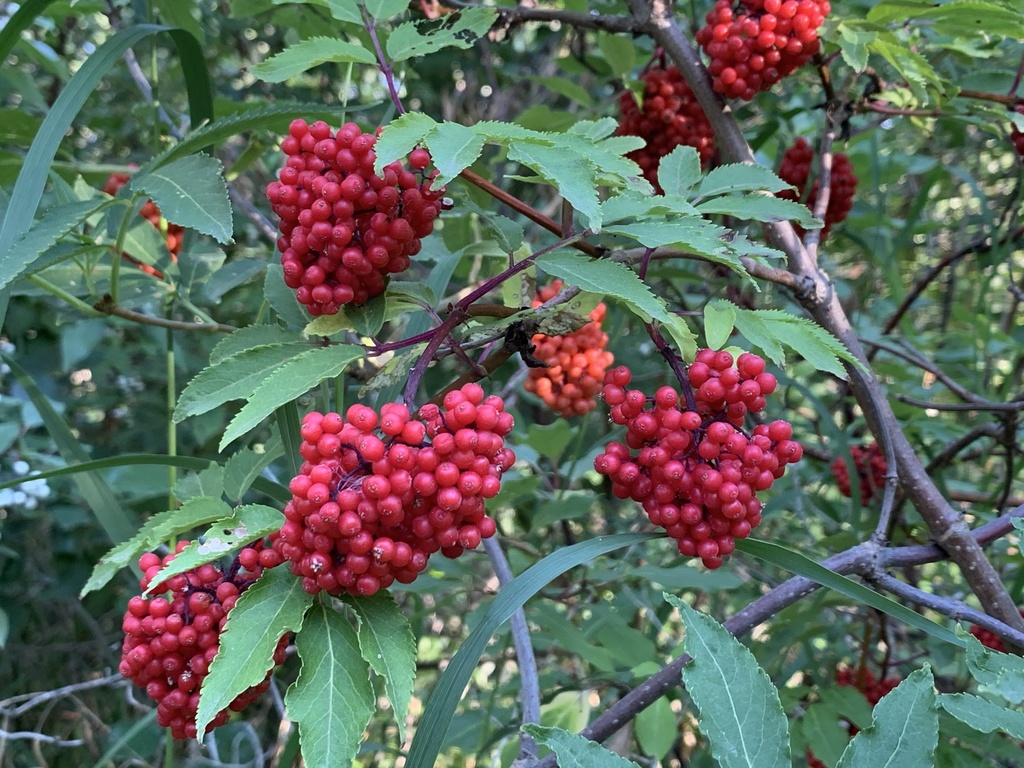
Participants will learn about the Red-Berried Elder, an S2-ranked species considered rare in Saskatchewan. This beautiful shrub provides habitat and food for birds and pollinators while adding another layer of ecological richness to the forest.

Even more intriguing is the possibility of finding the elusive Smooth Rose, an S1-ranked species that has not yet been documented in the area but remains a tantalizing possibility for observant naturalists.

Every walk becomes a treasure hunt.

Every observation could become an important scientific record.

The $50 Linden Tree Mystery

Adding to the excitement is one of the forest’s most enduring mysteries.

In 1984, a Linden Tree was reportedly planted somewhere within the afforestation area.

Its exact location remains unknown.

To celebrate Arbor Week, organizers are offering a $50 prize to the first participant who locates the tree and records a verified observation using the iNaturalist platform during the event.

Will this be the year the mystery is finally solved?

Only the forest knows.

Citizen Science in Action

One of the most remarkable developments in conservation today is the rise of citizen science.

Participants are encouraged to bring smartphones equipped with the iNaturalist app and help document the biodiversity of the forest.

A photograph uploaded during the walk can contribute to global scientific databases, assist researchers, document rare species, or help track the spread of invasive plants.

Citizen science transforms visitors into researchers and casual observations into valuable scientific contributions.

It reminds us that environmental stewardship is not limited to scientists and academics.

Everyone can participate.

Everyone can contribute.

Watching the Watchlist

Not every species encountered on the walk belongs in the forest.

Participants will also learn how to identify highly invasive species such as European Buckthorn, a plant capable of outcompeting native vegetation and altering habitat conditions.

By documenting invasive species through platforms such as iNaturalist, community members become active partners in conservation and ecological restoration.

Protecting biodiversity begins with knowing what belongs—and what doesn’t.

A Smile for the Future

National Smile Day encourages us to celebrate the simple joys in life.

Few experiences are more uplifting than spending time among trees.

Research consistently shows that forests improve mental health, reduce stress, increase physical activity, and strengthen our connection to nature.

The Richard St. Barbe Baker Afforestation Area offers all of these benefits while providing critical habitat for birds, pollinators, mammals, and countless other species.

It is a place where children can discover nature, families can explore together, and adults can reconnect with the natural world.

Most importantly, it is a place that reminds us of our responsibility to future generations.

The people who planted these forests more than fifty years ago may never have imagined the impact their work would have today.

The question now becomes: What legacy will we leave?

Every tree planted matters.

Every species protected matters.

Every observation recorded matters.

Every smile shared in nature matters.

This Arbor Week and National Smile Day, join us for a walk through a forest filled with stories, discoveries, and inspiration.

Come for the trees.

Stay for the smiles.

And perhaps leave with a deeper appreciation for the living legacy growing right here in Saskatoon.

Event Details

📅 Sunday, May 31, 2026

🕑 2:00 PM

📍 Richard St. Barbe Baker Afforestation Area – Parking Area P2

🥾 Bring comfortable walking shoes, a smartphone with iNaturalist, water, and your best Smile Day grin.

🌐 Learn more at friendsareas.ca

Because every tree has a story—and every visitor becomes part of it.

Addresses:

Part SE 23-36-6 – Richard St. Barbe Baker Afforestation Area – 241 Township Road 362-A

Part SE 23-36-6 – SW Off-Leash Recreation Area (Richard St. Barbe Baker Afforestation Area ) – 355 Township Road 362-A

S ½ 22-36-6 Richard St. Barbe Baker Afforestation Area (West of SW OLRA) – 467 Township Road 362-A

NE 21-36-6 “George Genereux” Afforestation Area – 133 Range Road 3063

Wikimapia Map: type in Richard St. Barbe Baker Afforestation Area or

Google Maps South West Off Leash area location pin at parking lot

Web page: https://stbarbebaker.wordpress.com

Where is the Richard St. Barbe Baker Afforestation Area? with map

Where is the George Genereux Urban Regional Park (Afforestation Area)?with map

Pinterest richardstbarbeb

Blogger: FriendsAfforestation

Tumblr friendsafforestation.tumblr.comFacebook Group Page: Users of the George Genereux Urban Regional Park

Facebook: StBarbeBaker Afforestation Area

Facebook for the non profit Charity Friends of the Saskatoon Afforestation Areas Inc. FriendsAreas

Facebook group page : Users of the St Barbe Baker Afforestation Area

Facebook: South West OLRA

Reddit: FriendsAfforestation

BlueSky Social

Mix: friendsareas

YouTube

Support via Zeffy

Please help protect / enhance your afforestation areas, please contact the Friends of the Saskatoon Afforestation Areas Inc. (e-mail / e-transfers )

Donate your old vehicle, here’s how!  

Support using Canada Helps

Support via a recycling bottle donation and Join the plastic-recycle challenge!

United Nations Decade on Ecosystem Restoration

““Be like a tree in pursuit of your cause. Stand firm, grip hard, thrust upward. Bend to the winds of heaven..”

World Biodiversity Day 2026

Acting Locally for Global Impact in Saskatoon’s Afforestation Areas

Today, May 22, marks World Biodiversity Day, a global celebration recognizing the extraordinary variety of life sustaining our planet. This year’s theme, “Acting Locally for Global Impact,” reminds us that meaningful environmental stewardship begins within our own communities, parks, wetlands, and forests.

In Saskatoon, the afforestation areas cared for and advocated by the Friends of the Saskatoon Afforestation Areas demonstrate how local conservation contributes directly toward global biodiversity goals. These urban forests are more than collections of trees; they are living ecosystems supporting birds, mammals, insects, pollinators, fungi, microorganisms, and native prairie biodiversity within Saskatchewan’s moist mixed grassland region.

West Swale and Richard St. Barbe Baker AFforestation Area wildlife Urban Forest Semi-Wilderness Area. Mountain Bluebird, White Tailed Deer Fawn. Barred Tiger Salamander or western tiger salamander. American Pelican, Mallard Duckling

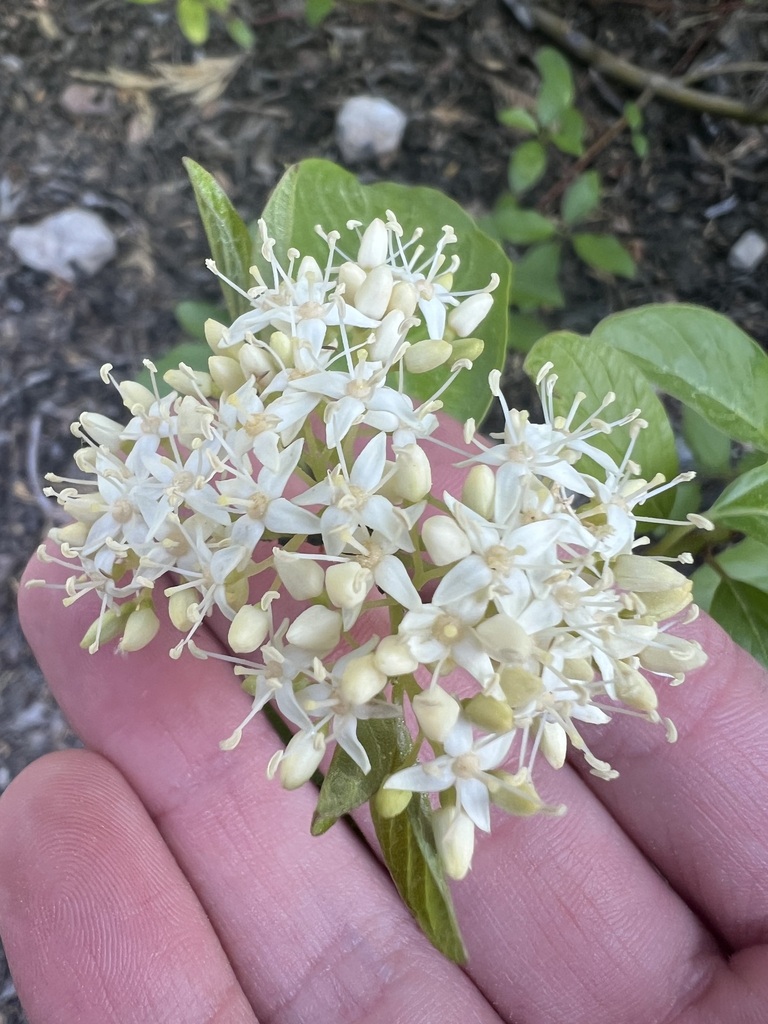
The afforestation areas provide important ecological layers essential for healthy biodiversity. Towering canopy species such as native American Elm, Balsam Poplar, Manitoba Maple, Trembling Aspen, Bur Oak, Colorado Blue Spruce and White Spruce shelter birds and wildlife while stabilizing soils and moderating temperatures. Beneath them grow shrubs and understory plants including Saskatoon berry, chokecherry, red-osier dogwood, snowberry, buffaloberry, silverberry, gooseberries, currants, roses, and willow species which provide food, nesting habitat, pollen, nectar, and protection for pollinators, songbirds, mammals, and beneficial insects.

These forests also provide habitat corridors for wildlife including white-tailed deer, moose, rabbits, squirrels, owls, hawks, woodpeckers, migratory songbirds, and countless invertebrate species. Native flowering shrubs such as prairie rose, woods rose, silver buffaloberry, wolf willow, and western snowberry sustain pollinator populations critical to ecosystem resilience and agricultural health.

Biodiversity conservation also means understanding ecological challenges. Within the afforestation areas, introduced and invasive species such as European buckthorn require careful monitoring and community science participation. The Friends of the Saskatoon Afforestation Areas encourage the public to assist with observations through iNaturalist to help identify invasive species locations, monitor biodiversity, and contribute valuable ecological data supporting conservation efforts.

American Beaver, Porcupine, Red-winged Blackbird, Fawn, Mallard Ducks, Waxwing, Rabbit, Deer Chappell Marsh. West Swale Wetlands. Richard St. Barbe Baker Afforestation Area. Saskatoon, SK, CA

Several species found within the afforestation areas also carry conservation significance. American Elm and Green Ash are listed on the IUCN Red List because of threats from disease and environmental pressures. The Red-Berried Elder is ranked as a rare species within Saskatchewan. Every healthy urban forest supporting these species contributes to broader ecological resilience and conservation awareness.

Urban forests are increasingly recognized as essential climate adaptation infrastructure. Trees absorb carbon, reduce urban heat, improve air quality, retain stormwater, provide wildlife habitat, and contribute to mental and physical wellbeing for surrounding communities. In rapidly changing environments, afforestation areas become critical refuges not only for biodiversity, but also for people seeking connection with nature.

The Friends of the Saskatoon Afforestation Areas believe biodiversity protection begins with education, stewardship, and community participation. Every bird observation, invasive species report, pollinator garden, tree planting initiative, and conservation conversation helps strengthen environmental resilience locally while contributing to international biodiversity goals.

World Biodiversity Day reminds us that protecting ecosystems does not happen only within distant wilderness parks. It happens where communities choose to care for the landscapes around them. Saskatoon’s afforestation areas stand as living examples of how local environmental stewardship can create lasting global impact for biodiversity, climate resilience, and future generations.

Afforestation Area Addresses:

Part SE 23-36-6 – Richard St. Barbe Baker Afforestation Area – 241 Township Road 362-A

Part SE 23-36-6 – SW Off-Leash Recreation Area (Richard St. Barbe Baker Afforestation Area ) – 355 Township Road 362-A

S ½ 22-36-6 Richard St. Barbe Baker Afforestation Area (West of SW OLRA) – 467 Township Road 362-A

NE 21-36-6 “George Genereux” Afforestation Area – 133 Range Road 3063

Clavet Memorial Healing Forest honouring the Humboldt Broncos.

Wikimapia Map: type in Richard St. Barbe Baker Afforestation Area or

Google Maps South West Off Leash area location pin at parking lot

Web page: https://stbarbebaker.wordpress.com

Where is the Richard St. Barbe Baker Afforestation Area? with map

Where is the George Genereux Urban Regional Park (Afforestation Area)?with map

Pinterest richardstbarbeb

Blogger: FriendsAfforestation

Tumblr friendsafforestation.tumblr.comFacebook Group Page: Users of the George Genereux Urban Regional Park

Facebook: StBarbeBaker Afforestation Area

Facebook for the non profit Charity Friends of the Saskatoon Afforestation Areas Inc. FriendsAreas

Facebook group page : Users of the St Barbe Baker Afforestation Area

Facebook: South West OLRA

Reddit: FriendsAfforestation

BlueSky Social

Mix: friendsareas

YouTube

Support via Zeffy

Please help protect / enhance your afforestation areas, please contact the Friends of the Saskatoon Afforestation Areas Inc. (e-mail / e-transfers )

Donate your old vehicle, here’s how!  

Support using Canada Helps

Support via a recycling bottle donation and Join the plastic-recycle challenge!

United Nations Decade on Ecosystem Restoration

“Be like a tree in pursuit of your cause. Stand firm, grip hard, thrust upward. Bend to the winds of heaven..” – Richard St. Barbe Baker

THE RESULTS ARE IN! City Nature Challenge CNC YXE 2026

FOR IMMEDIATE RELEASE
City Nature Challenge 2026: 
Saskatoon Takes on the Global Biodiversity Stage
THE RESULTS ARE IN!

CNC YXE 2026 Infographic

These are the statistics about how Saskatoon Fared April 24 – April 27, 2026

There were 12 endangered species observed!  
Threatened Species 12 species
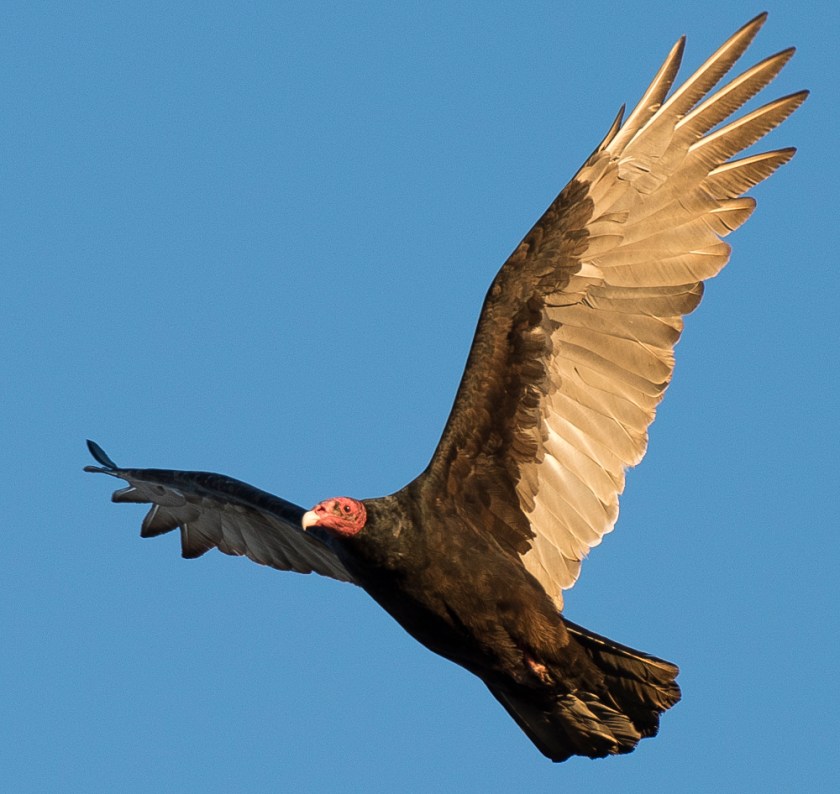
green ash Fraxinus pennsylvanica, Killdeer Charadrius vociferus,  Greater Yellowlegs Tringa melanoleuca  Common Grackle Quiscalus quiscula, Loggerhead Shrike Lanius ludovicianus,Osprey Pandion haliaetus,,American Tree Sparrow Spizelloides arborea,  Turkey Vulture Cathartes aura, Western Tiger Salamander Ambystoma mavortium,Goldenrod Gall Fly Eurosta solidaginis, Calligrapha verrucosa, Shiny Blue Bottle Fly Cynomya cadaverina

CNC YXE 2026 Infographic!

MOST OBSERVED SPECIES IN SASKATOON FOR THIS FOUR DAY STRETCH ….IN A SNOWSTORM NO LESS
Most Observed Species
ROBIN!  Turdus migratorius  64
yellow-rumped warbler  Setophaga coronata     43
dark-eyed junco Junco hyemalis  40
American crow Corvus brachyrhynchos   28
black-capped chickadee Poecile atricapillus    25
Canada goose Branta canadensis    23

By the numbers in Saskatoon, SK there were:

925📷 Observations          221🌿 Species          
          49👥 Observers          135🔍 Identifiers

For observing biodiversity and signs of life in a rare freak snowstorm, that was impressive!  Way to go Saskatoon, thank you.  

To compare to other Prairie Province cities:

Regina Saskatchewan
448📷 Observations          110🌿 Species  
          28👥 Observers          129🔍 Identifiers

Brandon Manitoba
653📷 Observations          147🌿 Species        
          18👥 Observers          92🔍 Identifiers

Winnipeg, Manitoba
1,796📷 Observations          375🌿 Species        
          95👥 Observers          241

Edmonton, Alberta
1,616📷 Observations          240🌿 Species  
          106👥 Observers          193🔍 Identifiers

Lethbridge, Alberta
1,296📷 Observations          301🌿 Species        
          40👥 Observers          199🔍 Identifiers

Red Deer Alberta results:
97📷 Observations          71🌿 Species      
10👥 Observers          28🔍 Identifiers

Calgary Alberta
4,986📷 Observations          474🌿 Species    
          152👥 Observers          335🔍 Identifiers

Visit citynaturestats.com to view the in-depth results and explore your city’s individual statistics.

World Wild Results:
City Nature Challenge 2026 Global Results!

  • Total # of species documented: 76,422+
  • Total # of observers: 106,354
  • Total # of identifiers: 27,641+
  • Total # of observations: 3,001,825
  • Rare, Endangered, or Threatened species: 5688+
  • Most Observed Plant: Common Dandelion, Taraxacum officinale
  • Most Observed Animal: Mallard, Ana platyrhynchos
  • Number of participating countries: 61
  • Number of participating cities: 754
  • Percentage of research grade observations: 40%

Afforestation Area Addresses:

Part SE 23-36-6 – Richard St. Barbe Baker Afforestation Area – 241 Township Road 362-A

Part SE 23-36-6 – SW Off-Leash Recreation Area (Richard St. Barbe Baker Afforestation Area ) – 355 Township Road 362-A

S ½ 22-36-6 Richard St. Barbe Baker Afforestation Area (West of SW OLRA) – 467 Township Road 362-A

NE 21-36-6 “George Genereux” Afforestation Area – 133 Range Road 3063

Clavet Memorial Healing Forest honouring the Humboldt Broncos.

Wikimapia Map: type in Richard St. Barbe Baker Afforestation Area or

Google Maps South West Off Leash area location pin at parking lot

Web page: https://stbarbebaker.wordpress.com

Where is the Richard St. Barbe Baker Afforestation Area? with map

Where is the George Genereux Urban Regional Park (Afforestation Area)?with map

Pinterest richardstbarbeb

Blogger: FriendsAfforestation

Tumblr friendsafforestation.tumblr.comFacebook Group Page: Users of the George Genereux Urban Regional Park

Facebook: StBarbeBaker Afforestation Area

Facebook for the non profit Charity Friends of the Saskatoon Afforestation Areas Inc. FriendsAreas

Facebook group page : Users of the St Barbe Baker Afforestation Area

Facebook: South West OLRA

Reddit: FriendsAfforestation

BlueSky Social

Mix: friendsareas

YouTube

Support via Zeffy

Please help protect / enhance your afforestation areas, please contact the Friends of the Saskatoon Afforestation Areas Inc. (e-mail / e-transfers )

Donate your old vehicle, here’s how!  

Support using Canada Helps

Support via a recycling bottle donation and Join the plastic-recycle challenge!

United Nations Decade on Ecosystem Restoration

“Be like a tree in pursuit of your cause. Stand firm, grip hard, thrust upward. Bend to the winds of heaven..” – Richard St. Barbe Baker

Earth’s Mirror: Reflecting Soil Health in Leaf and Bloom

The plants found in the Richard St. Barbe Baker Afforestation Area and George Genereux Urban Regional Park are a mix of rugged prairie natives and hardy introduced species. Because these areas were originally part of afforestation efforts, the soil often has to support both deep-rooted trees and shallow-rooted wildflowers.

Here is a breakdown of the soil requirements for the key groups you listed, categorized by their “soil appetite.”


1. The Nitrogen Fixers (Improve Soil Quality)

These plants are unique because they “make their own fertilizer” by taking nitrogen from the air and putting it into the soil. They thrive in low-nitrogen areas where other plants struggle.

  • Wild Licorice, Alfalfa, Caragana, Sweetclover, American Vetch: * Soil: They prefer loamy to sandy soil.
    • Nutrients: They are heavy users of Phosphorus and Potassium but don’t need Nitrogen added to the soil.
    • Condition: They are very tolerant of alkaline (high pH) soils, which are common in Saskatoon.

2. The Heavy Hitters (Trees and Large Shrubs)

These species define the “Afforestation” look and require specific textures to keep their massive structures stable.

  • Pines & Spruces (Scots Pine, Blue Spruce, White Spruce):
    • Soil: Prefer sandy to loamy textures.
    • Condition: They actually prefer slightly acidic soil (which they help create with their needles), but local varieties are adapted to our alkaline Saskatoon dirt. They need well-drained spots; they hate “wet feet.”
  • Green Ash, Elms, Bur Oak, Box Elder (Manitoba Maple):
    • Soil: These are “clay-tolerant.” They can handle the heavy, sticky B Horizon clay.
    • Nutrients: They need high levels of Nitrogen to grow their large leaf canopies.
  • Saskatoon, Chokecherry, Buffaloberry:
    • Soil: Very adaptable, but they fruit best in loamy soil rich in organic matter (O and A horizons).

3. The Moisture Seekers (Wetland & Swale Plants)

If you find these, you are likely near the West Swale or a low-lying depression where water collects.

  • Red Osier Dogwood & Bebb’s Willow:
    • Soil: Clay or Silty Clay. * Condition: They need high moisture and can survive in “anaerobic” (low oxygen) soil where water sits for long periods.
  • Yellow Lady’s Slipper (Orchid):
    • Soil: Requires a very specific moist, loamy soil with high organic content and a relationship with soil fungi.

4. The Prairie Survivors (Tough Wildflowers & Grasses)

These plants are adapted to the “C Horizon”—the raw glacial till left behind by the ice age.

  • Goldenrods, Asters, Yarrow, Fleabane:
    • Soil: Sandy to Loamy.
    • Nutrients: They are low-demand plants. Too much nitrogen actually makes them “leggy” and weak. They thrive on the natural mineral balance of the prairies.
  • Needle-and-Thread Grass & Prairie Junegrass:
    • Soil: Sandy. They need the air pockets found in coarse sand to keep their roots healthy.
      Summary Table: Soil “Wishlist”
Plant GroupTexture PreferencePrimary Nutrient NeedpH Preference
Nitrogen Fixers (Alfalfa/Caragana)Sandy/LoamyPhosphorus (P)Alkaline (High pH)
Conifers (Pine/Spruce)Well-drained SandPotassium (K)Slightly Acidic
Deciduous Trees (Ash/Elm)Heavy Clay/LoamNitrogen (N)Neutral to Alkaline
Wildflowers (Asters/Goldenrod)Gritty Sand/SiltLow NutrientsNeutral
Wetland Shrubs (Willow/Dogwood)Heavy ClayHigh MoistureNeutral

Why this matters for the Citizen Scientists:

When you use iNaturalist to record these plants, look at the soil around them. When you examine the soil, realize that the plants around you are also helping you to “read” the soil characteristics. If you see Silver Buffaloberry, you are likely in a spot with high Nitrogen-fixing potential. If you see Blue Spruce, the soil is likely better drained. The plants are essentially “living labels” for the soil types beneath your feet!

Which of these plants are you most excited to hunt for during your walk and exploration?

Why this matters for Naturalists:

When you use iNaturalist to record these plants, look at the soil around them. If you see Silver Buffaloberry, you are likely in a spot with high Nitrogen-fixing potential. If you see Blue Spruce, the soil is likely better drained. The plants are essentially “living labels” for the soil types beneath your feet!

Which of these plants are you most excited to hunt for during the walk?

Living Labels: What Wildflowers Tell Us About the Earth

Plant NameSoil TexturepH PreferenceKey Nutrients / Conditions
Nitrogen Fixers
Wild Licorice, Alfalfa, Caragana, Sweetclover, VetchSandy to LoamAlkaline (pH 7.0+)Phosphorus (P); Fixes its own Nitrogen (N).
Silver BuffaloberrySandy/GravellyNeutral to AlkalineFixes Nitrogen; very drought tolerant.
Siberian PeashrubLoamy/SandyVery AdaptableHigh Potassium (K) for winter hardiness.
Conifers (Evergreens)
Scots Pine, White/Blue SpruceSandy/Well-drainedSlightly Acidic to NeutralNeeds Potassium; sensitive to high salt.
Deciduous Trees
Green Ash, American ElmClay to LoamNeutral to AlkalineHigh Nitrogen for leaf growth; clay tolerant.
Siberian ElmSandy to ClayVery AdaptableExtremely hardy; tolerates poor, dry soils.
Quaking Aspen, Bur OakLoamyNeutralHigh Organic Matter (Humus); needs deep soil.
Box Elder (Manitoba Maple)Moist LoamNeutral to AlkalineLoves Nitrogen; tolerates seasonal flooding.
Fruit-Bearing Shrubs
Saskatoon, Chokecherry, SilverberryLoamy to SandyNeutralNeeds Phosphorus for flowering and fruiting.
Red Osier Dogwood, WillowsClay/Heavy SiltNeutralHigh Moisture; tolerates wet, heavy clay.
Western Snowberry, RosesLoamyNeutral to AlkalineAdaptable; thrives in the A Horizon.
Wildflowers & Forbs
Goldenrods, Asters, Fleabane, YarrowSandy to LoamNeutral to AlkalineLow nutrient needs; thrives in mineral-rich soil.
Sunflowers (Helianthus)LoamyNeutralHigh Nitrogen and Potassium seekers.
Yellow Lady’s Slipper (Orchid)Rich LoamNeutralNeeds Mycorrhizal fungi and high organic matter.
Grasses & Others
Smooth Brome, Crested WheatgrassLoamy to ClayNeutral to AlkalineHigh Nitrogen response; very competitive.
Little Bluestem, Needle-and-ThreadSandyNeutralRequires high Pore Space (oxygen) in soil.
Mosses (Feather/Tamarisk)Organic SurfaceSlightly AcidicRequires a stable O Horizon (leaf litter).

Key Takeaways for being out in the forest

  • The “Nitrogen Factory”: Notice how many of your listed plants (Alfalfa, Caragana, Buffaloberry, Vetch) are Nitrogen fixers. These plants are working to “build” the soil with high nitrogen.
  • Alkalinity: Most of these species are selected for their ability to handle Calcium Carbonate (Lime) in the soil, which is a hallmark of the Saskatoon “C Horizon.”
  • Texture Matters: You will find the Willows and Dogwoods in the low spots (more clay/water) and the Pines and Needle Grass on the higher, sandier ridges.

By identifying the plant, you are essentially identifying the “hidden” chemistry of the soil beneath it.

Think of it as a two-way conversation between the earth and the sky: by identifying a plant, you are essentially reading a “chemical map” of the hidden soil layers beneath it. Conversely, by exploring the soil’s texture, and color and therefore its mineral content, you can predict exactly which species are best adapted to thrive there, turning a simple patch of dirt into a prediction for the entire habitat.


The Symbiotic Connection

Here are two ways to look at that relationship:

  • Plants as Bio-Indicators: If you see Silver Buffaloberry or Caragana, the “hidden chemistry” is a lack of nitrogen; these plants act as the soil’s natural fertilization team. If you see Red Osier Dogwood, the soil is whispering that it is heavy, wet, and oxygen-poor.
  • Soil as a Habitat Blueprint: When you dig a small pit and find a gritty, pale C Horizon, you’ve discovered a site where only drought-tolerant “pioneer” species like Needle-and-Thread Grass can survive. The soil’s high lime content acts as a gatekeeper, choosing the specific residents of the Richard St. Barbe Baker Afforestation Area.
  • City Nature Challenge Events Apr 24, 2026 – Apr 27, 2026
  • CNCYXE 2026
  • City Nature Challenge Project on iNaturalist

Part SE 23-36-6 – Richard St. Barbe Baker Afforestation Area – 241 Township Road 362-A

Part SE 23-36-6 – SW Off-Leash Recreation Area (Richard St. Barbe Baker Afforestation Area ) – 355 Township Road 362-A

S ½ 22-36-6 Richard St. Barbe Baker Afforestation Area (West of SW OLRA) – 467 Township Road 362-A

NE 21-36-6 “George Genereux” Afforestation Area – 133 Range Road 3063

Wikimapia Map: type in Richard St. Barbe Baker Afforestation Area or

Google Maps South West Off Leash area location pin at parking lot

Web page: https://stbarbebaker.wordpress.com

Where is the Richard St. Barbe Baker Afforestation Area? with map

Where is the George Genereux Urban Regional Park (Afforestation Area)?with map

Pinterest richardstbarbeb

Blogger: FriendsAfforestation

Tumblr friendsafforestation.tumblr.comFacebook Group Page: Users of the George Genereux Urban Regional Park

Facebook: StBarbeBaker Afforestation Area

Facebook for the non profit Charity Friends of the Saskatoon Afforestation Areas Inc. FriendsAreas

Facebook group page : Users of the St Barbe Baker Afforestation Area

Facebook: South West OLRA

Reddit: FriendsAfforestation

BlueSky Social

Mix: friendsareas

YouTube

Support via Zeffy

Please help protect / enhance your afforestation areas, please contact the Friends of the Saskatoon Afforestation Areas Inc. (e-mail / e-transfers )

Donate your old vehicle, here’s how!  

Support using Canada Helps

Support via a recycling bottle donation and Join the plastic-recycle challenge!

United Nations Decade on Ecosystem Restoration

““Be like a tree in pursuit of your cause. Stand firm, grip hard, thrust upward. Bend to the winds of heaven..”

Biodiversity Blitz: Saskatoon’s Wild Side Gets a Standing Ovation

It’s official—the numbers are in, and Saskatoon, you’ve outdone yourselves.

As the sun rose and fell over four days of nature-inspired curiosity, a wave of boots hit the ground, lenses zoomed in on wings and petals, and a chorus of chirps, buzzes, and croaks filled the air. The City Nature Challenge 2025—our region’s own biodiversity bonanza—delivered a brilliant snapshot of life on the land, in the skies, and beneath our feet.

Let’s talk numbers, because they tell a wild story. 72 observers made 874 observations of 300 unique species, backed by the sharp eyes of 139 identifiers from around the globe. That’s not just a headcount—it’s a celebration of the diversity we live among every single day.

A Bite from the Unexpected

Among the many highlights, one encounter raised eyebrows and perhaps pulses. Melissa Clawson, a sharp-eyed vector ecologist with a soft spot for mosquitoes, identified a game-changing moment: the Anopheles quadrimaculatus, also known as the North American Malaria Mosquito. Yes, you read that right—a species with a storied past in disease transmission made its presence known in Saskatoon. This find could mark a noteworthy range expansion for the species, and it’s a powerful example of how citizen science can uncover emerging ecological stories.

Familiar Faces, Prairie Darlings

Not all our finds were ominous. Some brought pure delight that spring has arrived. Take Pulsatilla nuttalliana, the Prairie Pasqueflower, with its violet blooms ushering in spring like a prairie poet laureate. Or the ever-endearing Turdus migratorius, the American Robin, whose cheerful call reminded us that even our most common neighbours are essential threads in this ecological quilt.

Quietly at Risk

But this year’s challenge did more than entertain—it informed. Several species documented during the blitz are species at risk, painting a more sobering but essential portrait of our shared responsibilities.

  • The Twice-stabbed Lady Beetle (Chilocorus stigma)—a striking, tiny beetle with a superhero name—was spotted twice. A beneficial predator of scale insects, its numbers have been in decline elsewhere.
  • The Togwotee Harvestman (Togwoteeus biceps)—rare, reclusive, and just plain weird—was observed twice as well, a haunting reminder of how much we still don’t know about the understory.
  • The Horned Grebe (Podiceps auritus), whose red eyes and slick profile belie its vulnerability, surfaced in local waters.
  • Spring Cankerworm Moths (Paleacrita vernata) made a strong showing, their understated appearance belying their ecological role—and, in some areas, their precarious future.
  • Turkey Vultures (Cathartes aura) and Pileated Woodpeckers (Dryocopus pileatus)—those iconic silhouettes—remind us of the success of conservation efforts, and the thin line they walk.
  • And let’s not forget the Red-tailed Mining Bee (Andrena erythrogaster), a pollinator whose presence is as hopeful as it is vital.

Even flora had their moment. Rough Fescue (Festuca hallii), a hallmark of healthy native grassland, stood proud. American Elm (Ulmus americana) and Green Ash (Fraxinus pennsylvanica), which face threats from disease and invasive pests, were also logged. Their inclusion in the dataset is a quiet plea for protection.

Behind the Scenes

Of course, none of this would have been possible without the army of community scientists and nature nerds—armed with smartphones, hand lenses, and a love for the wild. But let’s shine a spotlight on those who made the whole thing happen.

The Friends of the Saskatoon Afforestation Areas, a nonprofit environmental charity, didn’t just participate—they launched this year’s CNC YXE 2025 campaign. From designing educational pamphlets and creating social media buzz to rallying the public and coordinating the effort, their tireless organizing made this event sing. Their voice echoed across Saskatoon—”come see what’s out there!”—and people listened.

And it wasn’t just them. Heartfelt thanks are also due to Sask Power, SaskTel, SaskEnergy, the Saskatoon Nature Society, the Saskatoon Public School Board, and Wild About Saskatoon. Your support turned curiosity into community, and data points into stories. You and all the countless volunteers and citizen scientists helped make sure that each photo snapped, each bird spotted, each beetle discovered, added up to something much larger—a moment of connection between a city and its natural surroundings.

So here’s to the moss-covered, the many-legged, the winged, and the wild. Saskatoon, you showed your true colours this year—and they’re vibrant, rare, and absolutely worth protecting.

Let’s do it again next year.

Addresses:

Part SE 23-36-6 – Richard St. Barbe Baker Afforestation Area – 241 Township Road 362-A

Part SE 23-36-6 – SW Off-Leash Recreation Area (Richard St. Barbe Baker Afforestation Area ) – 355 Township Road 362-A

S ½ 22-36-6 Richard St. Barbe Baker Afforestation Area (West of SW OLRA) – 467 Township Road 362-A

NE 21-36-6 “George Genereux” Afforestation Area – 133 Range Road 3063

Wikimapia Map: type in Richard St. Barbe Baker Afforestation Area

Google Maps South West Off Leash area location pin at parking lot

Web page: https://stbarbebaker.wordpress.com

Where is the Richard St. Barbe Baker Afforestation Area? with map

Where is the George Genereux Urban Regional Park (Afforestation Area)?with map

Pinterest richardstbarbeb

Blogger: FriendsAfforestation

Tumblr friendsafforestation.tumblr.comFacebook Group Page: Users of the George Genereux Urban Regional Park

Facebook: StBarbeBaker Afforestation Area

Facebook for the non profit Charity Friends of the Saskatoon Afforestation Areas Inc. FriendsAreas

Facebook group page : Users of the St Barbe Baker Afforestation Area

Facebook: South West OLRA

Reddit: FriendsAfforestation

BlueSky Social

Mix: friendsareas

YouTube

Support via Zeffy

Please help protect / enhance your afforestation areas, please contact the Friends of the Saskatoon Afforestation Areas Inc. (e-mail / e-transfers )

Donate your old vehicle, here’s how!  

Support using Canada Helps

Support via a recycling bottle donation and Join the plastic-recycle challenge!

United Nations Decade on Ecosystem Restoration

““Be like a tree in pursuit of your cause. Stand firm, grip hard, thrust upward. Bend to the winds of heaven..”

Richard St. Barbe Baker

The Sixth Silent Mass Extinction: A Call to Action

The Holocene extinction, often referred to as the sixth silent mass extinction, is a crisis unfolding before our eyes. Over the past few decades, we’ve witnessed a dramatic decline in wildlife populations, with many species teetering on the brink of extinction. This phenomenon has been likened to a “silent” event because the loss is gradual yet profound, affecting ecosystems and biodiversity globally.

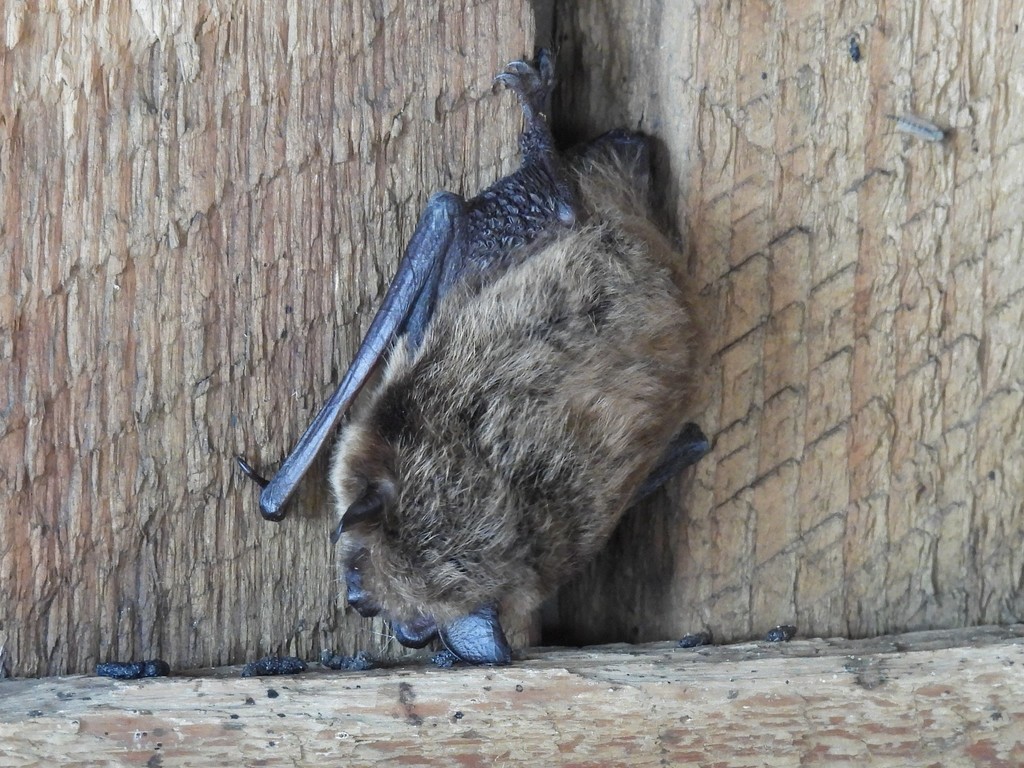
Current State of Species at Risk: In North America, and referencing the Saskatoon Afforestation Areas Richard St. Barbe Baker Afforestation Area and George Genereux Urban Regional Park, several species are emblematic of this crisis. (62 species of concern in the afforestation areas) For example, the Little Brown Bat (Myotis lucifugus) faces significant threats from white-nose syndrome, a fungal disease devastating bat populations. The Western Tiger Salamander (Ambystoma mavortium) is endangered in Canada, primarily due to habitat loss and pollution. Among birds, the American Kestrel (Falco sparverius) and the American White Pelican (Pelecanus erythrorhynchos) are vulnerable, with populations declining due to habitat degradation and environmental changes.

Conservation Efforts: Efforts to mitigate these losses are underway. In Canada, species such as the Baird’s Sparrow (Centronyx bairdii) and the Pine Grosbeak (Pinicola enucleator) are monitored under the Canadian Species at Risk Act to prevent further declines. The IUCN Red List also highlights critical threats to species like the Green Ash (Fraxinus pennsylvanica), urging conservation actions to protect these vital plants.

The Broader Impact: The extinction crisis affects not only charismatic megafauna but also vital ecological functions. Insects like the Goldenrod Gall Fly (Eurosta solidaginis) and birds like the Horned Grebe (Podiceps auritus) play crucial roles in ecosystems, from pollination to decomposition. Their decline can disrupt food webs, impact plant reproduction, and alter nutrient cycles.

A Path Forward: Despite the grim statistics, conservation actions have proven effective. Success stories of species recovery, supported by frameworks like the CBD’s Global Biodiversity Framework and the UNFCCC’s Paris Agreement, underscore the potential for positive change. These global commitments aim to curb biodiversity loss and restore ecosystems, demonstrating that collective action can make a difference.

The message is clear: preserving biodiversity is integral to sustaining life on Earth. As we face the potential collapse of ecological systems, our actions today will determine the future of countless species and the health of our planet. It’s a wake-up call that demands urgent and coordinated efforts to ensure that the sixth extinction does not become an irreversible reality.

Bibliography

http://www.friendsareas.ca

For directions as to how to drive to “George Genereux” Urban Regional Park

For directions on how to drive to Richard St. Barbe Baker Afforestation Area

For more information:

Blairmore Sector Plan Report; planning for the Richard St. Barbe Baker Afforestation Area, George Genereux Urban Regional Park and West Swale and areas around them inside of Saskatoon city limits

NEW P4G District Official Community Plan

Richard St. Barbe Baker Afforestation Area is located in Saskatoon, Saskatchewan, Canada north of Cedar Villa Road, within city limits, in the furthest south west area of the city. 52° 06′ 106° 45′

Addresses:

Part SE 23-36-6 – Afforestation Area – 241 Township Road 362-A

Part SE 23-36-6 – SW Off-Leash Recreation Area (Richard St. Barbe Baker Afforestation Area ) – 355 Township Road 362-A

S ½ 22-36-6 Richard St. Barbe Baker Afforestation Area (West of SW OLRA) – 467 Township Road 362-A

NE 21-36-6 “George Genereux” Afforestation Area – 133 Range Road 3063

Wikimapia Map: type in Richard St. Barbe Baker Afforestation Area

Google Maps South West Off Leash area location pin at parking lot

Web page: https://stbarbebaker.wordpress.com

Where is the Richard St. Barbe Baker Afforestation Area? with map

Where is the George Genereux Urban Regional Park (Afforestation Area)?with map

Pinterest richardstbarbeb

Blogger: FriendsAfforestation

Tumblr friendsafforestation.tumblr.comFacebook Group Page: Users of the George Genereux Urban Regional Park

Facebook: StBarbeBaker Afforestation Area

Facebook for the non profit Charity Friends of the Saskatoon Afforestation Areas Inc. FriendsAreas

Facebook group page : Users of the St Barbe Baker Afforestation Area

Facebook: South West OLRA

Reddit: FriendsAfforestation

Twitter: St Barbe Baker Charity Twitter:FriendsAreas

Mix: friendsareas

YouTube

Please help protect / enhance your afforestation areas, please contact the Friends of the Saskatoon Afforestation Areas Inc. (e-mail / e-transfers )

Donate your old vehicle, here’s how!  

Support using Canada Helps

Support via a recycling bottle donation

United Nations Decade on Ecosystem Restoration

““Be like a tree in pursuit of your cause. Stand firm, grip hard, thrust upward. Bend to the winds of heaven..”

Richard St. Barbe Baker

The Ash Tree & Our Health

It is a hard time for trees – climate change making this wetter, wilder and warmer and those remaining forests trying to stabilize the water table and local weather conditions. On top of climate change there is Dutch Elm Disease and this emerald ash borer beetles.  Now when we need trees more than ever

Robert White, a local ecologist, brings our attention to the widespread loss of millions of ash trees in US counties due to the emerald ash borer, an invasive forest pest—has been linked to increased mortality related to cardiovascular and lower-respiratory diseases. The Relationship Between Trees and Human Health Evidence from the Spread of the Emerald Ash Borer article is in Volume 44, Issue 2 of the American Journal of Preventative Medicine [AJPM].

For directions as to how to drive to “George Genereux” Urban Regional Park

For directions on how to drive to Richard St. Barbe Baker Afforestation Area

For more information:

Canada Helps

Blairmore Sector Plan Report; planning for the Richard St. Barbe Baker Afforestation Area,  George Genereux Urban Regional Park and West Swale and areas around them inside of Saskatoon city limits

P4G District Official Community Plan Sept 24, 2020 public hearing

[Draft] P4G Saskatoon North Partnership for Growth The P4G consists of the Cities of Saskatoon, Warman, and Martensville, the Town of Osler and the Rural Municipality of Corman Park; planning for areas around the afforestation area and West Swale outside of Saskatoon city limits

Richard St. Barbe Baker Afforestation Area is located in Saskatoon, Saskatchewan, Canada north of Cedar Villa Road, within city limits, in the furthest south west area of the city. 52° 06′ 106° 45′
Addresses:
Part SE 23-36-6 – Afforestation Area – 241 Township Road 362-A
Part SW 23-36-6 – SW Off-Leash Recreation Area (Richard St. Barbe Baker Afforestation Area ) – 355 Township Road 362-A
S ½ 22-36-6 Richard St. Barbe Baker Afforestation Area (West of SW OLRA) – 467 Township Road 362-A
NE 21-36-6 “George Genereux” Afforestation Area – 133 Range Road 3063
Wikimapia Map: type in Richard St. Barbe Baker Afforestation Area
Google Maps South West Off Leash area location pin at parking lot
Web page: https://stbarbebaker.wordpress.com
Where is the Richard St. Barbe Baker Afforestation Area? with map
Where is the George Genereux Urban Regional Park (Afforestation Area)? with map

Pinterest richardstbarbeb

Facebook Group Page: Users of the George Genereux Urban Regional Park

Facebook: StBarbeBaker

Facebook group page : Users of the St Barbe Baker Afforestation Area

Facebook: South West OLRA

Instagram: St.BarbeBaker

Twitter: StBarbeBaker

You Tube Richard St. Barbe Baker Afforestation Area

You Tube George Genereux Urban Regional Park

Please help protect / enhance /commemorate your afforestation areas, please contact the Friends of the Saskatoon Afforestation Areas Inc. (e-mail / e-transfers)

Canada Helps

1./ Learn.

2./ Experience

3./ Do Something: ***

We must find time to stop and thank the people who make a difference in our lives. John F. Kennedy

From the bottom of my heart, I thank you, and appreciate all you have done. Your generosity has given me new hope! Catherine Pulsifer

Virtual Tour of George Genereux Urban Regional Park, a movie


Virtual Tour of George Genereux Urban Regional Park, Saskatoon,

a winter movie on You Tube


History of “George Genereux” Urban Regional Park

133 Range Road 3063, Saskatoon, SK ( NE 21-36-6 W3)

Greenbelts were the brainchild of Ebenezer Howard, Rexford Tugwell and Benton McKaye. These greenbelts were pioneered to control urban growth.

Saskatoon had its own green belt envisioned by Bert Wellman, Saskatoon Planning Department, who literally got out of his office, and walked around Saskatoon’s perimeter in 1960 choosing high spots of land for scenic beauty according to Bill Delainey Saskatoon Historian and local history room librarian.Together with City Planner, Bill Graham, Wellman worked on parkways and planted trees for the Circle Drive Parkway at these sites purchased in 1960. The afforestation areas -Richard St. Barbe Baker Afforestation Area and George Genereux Urban Regional Park as well as several green spaces are a part of this concept, and have been incorporated into the Circle Drive plan as is evident around Gordie Howe Bridge completing the southern portion of Circle Drive in Saskatoon.

Green Survival: War Against Ecology Abuse is what Kathy Cronkite, Staff Reporter for the Saskatoon Star Phoenix called it on May 10, 1972.

The City of Saskatoon Parks and Recreation Board planted 200,000 trees on 600 acres of land as a tree nursery program in 1972 as part of the Green Survival Program sponsored in North America by the Canadian Nursery Trades Association and the American Association of Nurserymen. In total 355 acres of afforestation areas were planted that year. In 1973, 355  additional acres are planted. Originally 2,300 acres were envisioned.  Though, originally established as a tree nursery, George Genereux Urban Regional Park has trees too large to transplant at the current moment of time.

Future residential areas were examined, and the areas for public reserve allocated. The intent was to plant these future areas of open space so that when the subdivision was developed, the  Blairmore Suburban Development Area (SDA), there would be mature trees already established.

In 1972, A. L. Ligtemoet, Assistant Parks Superintendent sets before council that these
afforestation areas be kept in perpetuity ~ this is approved by city council.

George Genereux Urban Regional Park, Richard St. Barbe Baker Afforestation Area, and the third afforestation area south of Diefenbaker Park received plantings of drought resistant trees; black or balsam poplar also known as the balm of Gilead (Populus balsamifera), American Elm (Ulmus americana), Colorado blue spruce ( Picea pungens), Sibernain Elm (Ulmus pumila),  Scotch Pine or Scots Pine (Pinus sylvestris), Willow, Manitoba Maple (Acer negundo), Green  Ash (Fraxinus pennsylvanica), and the Siberian peashrub or caragana (Caragana arborescens) Tree planting selections recommended by the P.F.R.A. Tree nursery at Indian Head, SK

The rows were planted by weaving in and out, deviating from the centre line by as much as  forty feet, producing a natural forest effect. “We’re stabilizing the sand with a series of spiral shelters – rows of trees planted in semicircles to catch the winds and create vortices of air,”  explains Richard St. Barbe Baker. “The same thing would be valuable on the Canadian prairies where straight  shelter belts cause snow to accumulate.” Star Weekly Toronto, On January 15 1972

In 1979, the parcel of land at NE 21-36-6 was named “George Genereux” Urban Regional Park – 133 Range Road 3063 and is now part of the Blairmore Suburban Development Area

The George Genereux Afforestation Area, besides providing flood mitigation control, and being an amazing carbon sink for the rising greenhouse gases, features an amazing geological history.  The West Swale, is an amazing geological remnant of the Pleistocene Yorath Island Spillway. The West Swale is a low-lying depression created by repeated glaciations and the melting of the last bit of glacial ice. When the glacial lake dam failed, a huge outburst flood (GLOF) occured The dam can consist of glacier ice or a terminal moraine. Failure can happen due to erosion, a buildup of water pressure, an avalanche of rock or heavy snow, an earthquake or cryoseism, volcanic eruptions under the ice, or if a large enough portion of a glacier breaks off and massively displaces the waters in a glacial lake at its base. Peak flows as high as 15,000 cubic metres per second. The northern flow of water in the Glacial North Saskatchewan River Valley was halted by ice, creating Glacial Rice Lake settling into the lowlands west of Grandora. Glacial Rice Lake drained by channels into the South Saskatchewan Valley According to Larry Edwin Hodgins, “The Moon Lake Channel, a major spillway connecting the North Saskatchewan River basin with the South Saskatchewan, and a smaller parallel channel, Yorath Island Channel, also cross the Cory plain….but they are clearly not South Saskatchewan channels.” and the area of the South Saskatchewan may have increased by 140% and 194%

George Genereux (March 1 1935- April 10, 1989) was a seventeen year old high school student in 1952 when he won the Olympic Games Gold Medal for trap-shooting at the Summer Olympc Games held in Helsinki, Finland with 192 out of 200. This was Canada’s first gold medal at the olympics since 1932. Further to this honour, Genereux was bestowed the Lou Marsh Trophy for being Canada’s outstanding amateur athlete of the year, making him the youngest person in history to receive this honour. The City of Saskatoon declared Genereux “Citizen of the Year” in 1952. Canada honoured him as male athlete of 1952. Genereux was installed in the Canada Sports Hall of Fame (1955), Saskatchewan Sports Hall of Fame on October 31 of 1966, inducted into the Saskatoon Sports Hall of Fame 1986 and the Trapshooting Hall of Fame (1986).

Genereux went on to trap shooting events across Canada and the United States. At the age of 13 Genereux won the Midwestern International Handicap Honours, then he acquired 3 successive Manitoba – Saskatchewan junior titles. (source) Genereux won the Junior Championship of North America at the Grand American Handicap, held in Vandalia, Ohio in 1951. During this event, Genereux broke 199 clay pigeons out of 200. Genereux also placed second in the Oslo, Norway World Championships, 1952.

Genereux, attended the University of Saskatchewan to earn his Arts and Sciences degree, then he went on the McGill University to study Medicine graduated 1960. Dr. George Genereux was for years a Professor of Radiology at the Royal University Hospital, Saskatoon.

The biography submitted to City Council stated that “It is considered appropriate to select in his honour this particular tract of semi-wilderness with its favorable habitat for wildlife of many kinds.” “If you can’t help yourself, you should use your God-given talents to help others,’ spoke George Genereux

Plans Around George Genereux Urban Regional Park Area

At the current moment, plans are made for the area surrounding George Genereux Urban Regional Park.  Check out the maps on these three proposals. The Saskatoon Provincial Freeway is being designed in the area west of Saskatchewan Highway 7.  The city of Saskatoon long range planners are designing the Blairmore Sector within city limits to the north of George Genereux Urban Regional Park.  The P4G planners are allocating land use outside city limits in the immediate vicinity of George Genereux Urban Regional Park.

Click here to see maps of the freeway route at the bottom of this story. On mobile? Click here

Provincial Government About the Saskatoon Freeway Project

Provincial Government Saskatoon Freeway

Saskatoon Freeway Presentation When fully developed, the Saskatoon Freeway will provide a high speed, free flow bypass route around Saskatoon for provincial traffic, as well as allowing for another commuter route for the growing city. The key benefits of the freeway include improved safety, improved traffic flow and reduced travel times.

CBC news Province establishes route for Saskatoon Freeway

CBC news Committee being formed to plan Saskatoon Freeway

CBC news Province picks preferred route for Saskatoon Freeway

CBC news Full route mapped out for proposed $2B Saskatoon freeway Bypass project not expected to start for years with no price tag attached
The bypass that one day is expected to route trucks around Saskatoon and reduce traffic in the city is essentially finalized.


For directions as to how to drive to “George Genereux” Urban Regional Park

For directions on how to drive to Richard St. Barbe Baker Afforestation Area

For more information:

Blairmore Sector Plan Report; planning for the Richard St. Barbe Baker Afforestation Area,  George Genereux Urban Regional Park and West Swale and areas around them inside of Saskatoon city limits

P4G Saskatoon North Partnership for Growth The P4G consists of the Cities of Saskatoon, Warman, and Martensville, the Town of Osler and the Rural Municipality of Corman Park; planning for areas around the afforestation area and West Swale outside of Saskatoon city limits

Richard St. Barbe Baker Afforestation Area is located in Saskatoon, Saskatchewan, Canada north of Cedar Villa Road, within city limits, in the furthest south west area of the city. 52° 06′ 106° 45′
Addresses:
Part SE 23-36-6 – Afforestation Area – 241 Township Road 362-A
Part SE 23-36-6 – SW Off-Leash Recreation Area (Richard St. Barbe Baker Afforestation Area ) – 355 Township Road 362-A
S ½ 22-36-6 Richard St. Barbe Baker Afforestation Area (West of SW OLRA) – 467 Township Road 362-A
NE 21-36-6 “George Genereux” Afforestation Area – 133 Range Road 3063
Wikimapia Map: type in Richard St. Barbe Baker Afforestation Area
Google Maps South West Off Leash area location pin at parking lot
Web page: https://stbarbebaker.wordpress.com
Where is the Richard St. Barbe Baker Afforestation Area? with map
Where is the George Genereux Urban Regional Park (Afforestation Area)? with map

Pinterest richardstbarbeb

Facebook Group Page: Users of the George Genereux Urban Regional Park

Facebook: StBarbeBaker

Facebook group page : Users of the St Barbe Baker Afforestation Area

Facebook: South West OLRA

Twitter: StBarbeBaker

Please help protect / enhance your afforestation areas, please contact the Friends of the Saskatoon Afforestation Areas Inc. (e-mail)

Support the afforestation areas with your donation or membership ($20.00/year).  Please donate by paypal using the e-mail friendsafforestation AT gmail.com, or by using e-transfers  Please and thank you!  Your donation and membership is greatly appreciated.  Members e-mail your contact information to be kept up to date!

QR Code FOR PAYPAL DONATIONS to the Friends of the Saskatoon Afforestation Areas Inc.
Paypal

Payment Options
Membership : $20.00 CAD – yearly
Membership with donation : $50.00 CAD
Membership with donation : $100.00 CAD

1./ Learn.

2./ Experience

3./ Do Something: ***


“The science of forestry arose from the recognition of a universal need. It embodies the spirit of service to mankind in attempting to provide a means of supplying forever a necessity of life and, in addition, ministering to man’s aesthetic tastes and recreational interests. Besides, the spiritual side of human nature needs the refreshing inspiration which comes from trees and woodlands. If a nation saves its trees, the trees will save the nation. And nations as well as tribes may be brought together in this great movement, based on the ideal of beautifying the world by the cultivation of one of God’s loveliest creatures – the tree.” ~ Richard St. Barbe Baker.

“I believed that God has lent us the Earth. It belongs as much to those who come after us as to us, and it ill behooves us by anything we do or neglect, to deprive them of benefits which are in our power to bequeath.” Richard St. Barbe Baker

Design a site like this with WordPress.com
Get started