Richard St. Barbe Baker Afforestation Area. George Genereux Urban Regional Park. Humboldt Broncos Memorial Forest. Come to Nature. Come to Life. Friends of the Saskatoon Afforestationk Areas Inc. friendsareas.ca
This is a story of growth, right in your own backyard. Tonight, the focus is on Saskatoon—not just the City of Bridges, but a city that is fighting to stay green. It’s a mission for the planet, and it’s happening at the curb outside your front door.”
“Now, let’s take a look at what’s happening in your neck of the woods! The City has released its Greener Together newsletter, and folks, you’re going to want to check those mailboxes. Whether it’s in your bill insert or that ‘Protect Your Urban Forest’ pamphlet, there is a lot of great stuff going on across the country—and by that, I mean right there on your boulevard and naturalized park spaces!” A brief summary is herewith attached.
“But there is a serious note tonight. A threat is looming. Dutch Elm Disease is hitting record highs, and we have to act now. From the pruning ban starting April 1st to the way you handle firewood, the stakes for our canopy have never been higher. Let’s get to the facts and see how you can help this forest thrive.”
Feature Article: Guardians of the Canopy
In Saskatoon, the trees are more than just a backdrop—they are a hardworking infrastructure. According to the City’s latest guide, “Protect Your Urban Forest,” these leafy giants do everything from cleaning our air and cooling our pavement to managing stormwater. But as the city grows, so does the responsibility of the residents who live under their shade.
The Golden Rules of Tree Care The City manages its trees, but it’s the “extra mile” from residents that helps them truly thrive. A little water during a prairie dry spell or keeping the base of a boulevard tree tidy can ensure these assets flourish for generations. However, there are strict “don’ts” to keep in mind: you may not prune, apply pesticides, or attach items to City trees without official approval.
Planning a Project? Check the Radius If you are planning to renovate or landscape, keep your measuring tape handy. Any construction within six meters of a City tree requires a Tree Permit. The good news? These permits are completely free and are usually processed within four business days. It’s a small step that ensures construction equipment doesn’t accidentally damage the root systems of our shared forest.
A Free Legacy Looking to add some shade to your street? The City is currently offering free boulevard trees to both homeowners and businesses. By requesting a tree, you aren’t just beautifying your property; you’re investing in the city’s long-term health.
The Fight Against Dutch Elm Disease (DED) The most urgent dispatch from the City involves our majestic Elms. DED cases are at an all-time high, and prevention is the only cure. Residents are urged to follow these critical steps:
The Pruning Ban: Never prune elm trees between April 1 and August 31.
Wood Disposal: Never store elm wood or branches. All elm wood must be taken to the landfill immediately.
Report It: If you see a tree that looks diseased or dead, request a professional inspection via the City’s website.
On this third day of March, when the nations of the world pause to honour wild creatures and untamed forests, we are reminded that humanity does not stand apart from Nature, but within her sacred circle. United Nations World Wildlife Day is not merely a date upon the calendar; it is a summons to conscience.
The theme for 2026 — Medicinal and Aromatic Plants: Conserving Health, Heritage and Livelihoods — calls us back to an ancient truth: the forest is our first pharmacy, our oldest teacher, and our enduring provider. Long before laboratories and dispensaries, it was the leaf, the bark, the root, and the resin that soothed fever, calmed the spirit, and restored vitality. The fragrance of cedar, the healing balm of spruce and balsam poplar, the quiet strength of herbs gathered with reverence — these are gifts woven into the story of humankind.
Yet what we harvest must be guarded with gratitude. The reckless axe and the careless flame silence more than birdsong; they extinguish remedies not yet discovered and wisdom not yet recorded. Each medicinal plant lost to destruction is a library burned, a heritage erased, a livelihood diminished.
The preservation of wildlife — plant and animal alike — is therefore not sentimentalism. It is sound stewardship. Forests regulate the waters, shelter the soil, call the rains, and cradle biodiversity. In their shade dwell species known and unknown, each bearing a thread in the intricate tapestry of life. To protect them is to protect ourselves.
In the lifetime of Richard St. Barbe Baker, he saw barren lands restored by trees planted with faith and fellowship. Baker learned that when communities unite — young and old, rural and urban — the desert can bloom again. Reforestation is not only an act of ecology; it is an act of hope. It affirms that humanity may yet choose guardianship over greed.
So let this World Wildlife Day be more than ceremony. Let it be covenant. Plant trees whose leaves may heal future generations. Safeguard the aromatic herbs whose oils carry culture and craft across centuries. Support livelihoods that gather from the wild without despoiling it. Teach children that the forest is not a warehouse of commodities but a cathedral of living wonders and homes to our brethern in the wild.
When we conserve medicinal and aromatic plants, we conserve health. When we honour traditional knowledge, we conserve heritage. When we sustain ecosystems wisely, we conserve livelihoods. And in doing so, we rediscover a deeper truth — that the well-being of people and planet is indivisible.
May we walk gently upon the Earth, tending her green mantle with reverence, so that the wild may flourish and humanity may endure in harmony beneath the sheltering trees.
Baker was recognized as the first inaugural Honorary Life Member of the World Wildlife Fund (WWF) for his global efforts in reforestation. An amazing testimonial to wildlife worldwide.
Part SE 23-36-6 – Richard St. Barbe Baker Afforestation Area – 241 Township Road 362-A
Part SE 23-36-6 – SW Off-Leash Recreation Area (Richard St. Barbe Baker Afforestation Area ) – 355 Township Road 362-A
S ½ 22-36-6 Richard St. Barbe Baker Afforestation Area (West of SW OLRA) – 467 Township Road 362-A
NE 21-36-6 “George Genereux” Afforestation Area – 133 Range Road 3063
Wikimapia Map: type in Richard St. Barbe Baker Afforestation Area or
Google Maps South West Off Leash area location pin at parking lot
From the Niger Delta to Nairobi: How One Young Changemaker seeks to bring Local Sustainability to the Global Stage
OLYMPUS DIGITAL CAMERA
In a world grappling with climate crises, waste overload, and biodiversity loss, the loudest voices aren’t always the most powerful. Sometimes, change begins with a single voice rising from the grassroots—steady, humble, and fiercely determined to be heard.
Meet Prince Sobere George, a Nigerian-Canadian climate advocate, circular economy pioneer, and recent graduate of the University of Saskatchewan’s School of Environment and Sustainability (SENS). From childhood in the oil-slicked communities of the Niger Delta to receiving a Saskatchewan sustainability award from the Lieutenant Governor, Prince’s story is a vivid tapestry of trauma transformed into action.
This December, he hopes to bring his story—and the lessons it holds—to the world stage at the United Nations Environment Assembly (UNEA-7) in Nairobi, Kenya.
But this journey isn’t just about attending another global summit. It’s about reshaping the conversation from the ground up.
A Life Shaped by the Land
Prince’s early memories include the harsh reality of oil spills devastating once-lush wetlands in Nigeria’s Niger Delta. Instead of being silenced by despair, he found purpose. His journey led him to Canada, where he earned a master’s degree in Regenerative Sustainability at USask, focusing on circular economy and environmental justice.
He launched SewGeorge Classic Couture, a circular fashion brand that turns textile waste into patchwork art and memory-preserving garments. In Saskatoon, he worked with the Saskatchewan Waste Reduction Council, engaging over 3,000 residents in community education. He also co-authored the City of Saskatoon’s Sustainable Sourcing Guide—making low-impact purchasing more accessible to municipalities and citizens alike.
His advocacy didn’t stop there. As Vice-Chair of the Friends of the Saskatoon Afforestation Areas Inc.—a nonprofit that stewards 326 acres of planted urban forest—Prince helps lead initiatives in land-based learning, biodiversity protection, and Indigenous-led climate solutions on Treaty 6 Territory.
Why UNEA-7?
The United Nations Environment Assembly is the world’s highest decision-making body on environmental matters. This year’s theme, “Advancing sustainable solutions for a resilient planet”, echoes Prince’s own philosophy: sustainability must be practical, inclusive, and deeply rooted in lived experience.
“Too often, people from the grassroots are left out of global policy,” Prince says. “But we have solutions that work—ones grounded in community, equity, and innovation. At UNEA-7, I want to show the world how a kid from the Niger Delta can spark change in Saskatoon, and how both places are connected by climate justice.”
With support from Friends of the Saskatoon Afforestation Areas, Prince and his team aims not only to attend UNEA-7 but to launch a global International Webinar Series in the lead-up to the event. This series will amplify voices from frontline communities—youth, Indigenous leaders, civic scientists, and waste innovators—from Canada, Nigeria, and beyond.
Inauguration during Canada’s National Forest Week (September 21–28) and Maple Leaf Day, the webinars will bridge continents and generations, building a coalition of changemakers around biodiversity, urban forests, ethical land use, and climate literacy.
How You Can Help
Prince’s trip is not funded by any large institution. As a recent graduate and volunteer leader, he’s relying on community support to make this vision real.
Donations help cover:
✈️ Travel and accommodation in Nairobi
📹 Technical support for the webinar series
📚 Presentation materials and community outreach
🌍 A voice at the policy table that centers lived experience and equity
Even small contributions have big impact:
$25 Funds advocacy and participation in UN-led dialogues.
$50 Provides materials for community engagement
$100 Contributes to International webinar hosting and virtual outreach tools.
$250 Offsets international travel, hotel accommodation and registration costs
Monthly gifts of $10–$45 sustain the webinar legacy and future participation in global events
With every dollar, donors aren’t just funding a trip—they’re investing in a future where local knowledge informs international action.
A Global Movement Rooted in Community
For the Friends of the Saskatoon Afforestation Areas, this initiative is a natural extension of their mission. As a small but mighty nonprofit, their strength lies in empowering “ordinary people” to do extraordinary things—restoring forests, building connections, and speaking up for a greener tomorrow.
“Prince represents what we believe in,” says Julia Adamson chair FSAAI, “a world where lived experience is valued, where youth lead with vision, and where community solutions matter.”
With enough support, this project could change how environmental decisions are made—ensuring the people who live with the consequences are also shaping the solutions.
From the Ground to the Globe
Prince puts it best:
“Change starts in our backyards. Whether it’s afforestation in Saskatoon, waste education in Nigeria, or sewing old clothes into something beautiful—this is what global sustainability looks like.”
This December, with your help, that vision will be heard in Nairobi.
Now is the time to shape Saskatoon’s climate future—together. The City is updating its climate action strategies, and your voice matters. From smoky skies to summer heatwaves and flash floods, we’re all feeling the impacts of a changing climate. This short, 9-minute survey is your chance to share how climate change is affecting you and what actions you believe the City should prioritize. Whether you’re an individual, business owner, or community advocate, your feedback will directly influence how Saskatoon tackles carbon pollution, adapts to new realities, and builds a healthier, more resilient city. Let’s take action—not just for today, but for future generations. Complete the survey by August 29, 2025, and you’ll also have a chance to win a $50 gift card!
As we face what scientists now call the Sixth Mass Extinction—a biodiversity crisis driven by climate change, habitat destruction, overexploitation, and pollution—the need for decisive action has never been more urgent! This era of silent species loss demands a comprehensive, multi‑sector response—one that cannot wait for governments alone to lead.
🌱 Individual Actions Matter
Every person has the power to make a difference—by choosing to adopt low‑carbon habits, shifting diets to plant‑based, reducing plastic waste, supporting biodiversity-friendly consumption, and advocating for conservation. These daily choices ripple outward when we share stories, mobilize social media, volunteer locally, or engage with youth climate education programs .
💼 Businesses Must Act Responsibly
Major corporations account for the vast majority of emissions. Embedding sustainability into core operations—reducing resource-intensive practices, investing in nature-positive supply chains, and supporting ecosystem conservation—is critical. Consumers and investors alike are demanding transparent, accountable business practices that protect biodiversity and the climate .
🏛 Civic Engagement & Policy Drive Systemic Change
Real, lasting progress requires strong public policies—protecting critical habitats, expanding conservation areas, enforcing anti-poaching laws, reporting on the SK TIPPS line, and supporting nature-based climate solutions. Instruments like citizens’ assemblies for BioBlitzes on iNaturalist and municipal climate plans offer democratic, science-informed pathways that empower regular people to shape climate and biodiversity strategy.
Why All Three Are Vital Together
The extinction crisis is tightly linked with climate breakdown: species loss weakens ecosystems, reducing nature’s ability to regulate carbon, water, and soil. In turn, climate change accelerates habitat changes, invasive species spread, and mass die-offs. Tackling one without the other limits our ability to survive and thrive .
Individuals plant seeds of change—literally and figuratively.
Businesses scale sustainable solutions or perpetuate harm.
Civic efforts provide the structure, accountability, and policy muscle for transformation.
When people, companies, and communities unite—through grassroots actions, responsible investment, voting, local advocacy and global solidarity—they form a powerful line of defense against extinction and climate collapse .
Final Thought
In an era where species vanish in silence and ecosystems unravel, every choice matters. Every voice counts.Every local action echoes globally. This is our chance—to stand for life, to protect the delicate web of biodiversity, and to shape a just, regenerative world.
Addresses:
Part SE 23-36-6 – Richard St. Barbe Baker Afforestation Area – 241 Township Road 362-A
Part SE 23-36-6 – SW Off-Leash Recreation Area (Richard St. Barbe Baker Afforestation Area ) – 355 Township Road 362-A
S ½ 22-36-6 Richard St. Barbe Baker Afforestation Area (West of SW OLRA) – 467 Township Road 362-A
NE 21-36-6 “George Genereux” Afforestation Area – 133 Range Road 3063
Wikimapia Map: type in Richard St. Barbe Baker Afforestation Area
Google Maps South West Off Leash area location pin at parking lot
Tree Planting Song: In Movement and Meaning As taught in the Forest Schools and sung beneath open skies
“Be like a tree in pursuit of your cause.” Action: Stand firmly upon the Earth in Tadasana (Mountain Pose), feet hip-width apart, grounding through the soles like roots spreading deep into the soil. Bring your hands together before your chest in Anjali Mudra (Prayer Pose). This is your alignment with purpose, your stillness before growth. Close your eyes, breathe deeply. You are the seed.
“Stand firm, grip hard, thrust upward.” Action: Spread your toes, gripping the Earth. Feel your roots go down, down, down into the deep womb of the Earth. Then inhale, raise your arms slowly outward and then overhead in Urdhva Hastasana (Upward Mountain Pose or Volcano Pose). Let your palms meet above your head. Reach upward as if growing to the sun. Your spine becomes the trunk; your fingers, the tips of branches piercing the sky. Hold this powerful ascent with courage in your chest.
“Bend to the winds of heaven.” Action: Keep your arms raised and sway gently from side to side in Mountain Pose Raised Arms Hips Sway Flow. Be supple, resilient. Feel the breeze of heaven play upon your leaves. The wind is change, and you, noble tree, must bend but never break. Like the Trembling Aspen and the Saskatoon, your strength lies in your flexibility.
“And learn tranquility.” Action: Circle your arms down and around in a wide arc, as though drawing down sunlight and starlight. Bring your hands once more to your heart in Anjali Mudra. Bow your head slightly. In stillness you find peace. In rootedness, wisdom. In reverence, a bond with all life.
And then, as the wind stills and the Earth listens, the Watu Wa Miti, the Forest Scouts, speak their Threefold Promise aloud:
“I promise to plant ten trees each year, To protect trees everywhere, And to perform one good deed every day.”
These words are not only spoken—they are lived by us all. This is the pledge of all of us who are the children of the world who walk softly upon the Earth, hands soiled with hope, hearts tuned to the rhythms of the forest.
Let us all rise, hand in hand across nations and lands, under one sky. Let our branches intertwine in peace. For as St. Barbe said, “The Green Front marches forward.” Let us go forth as trees in the wind—firm in our roots, wide in our embrace.
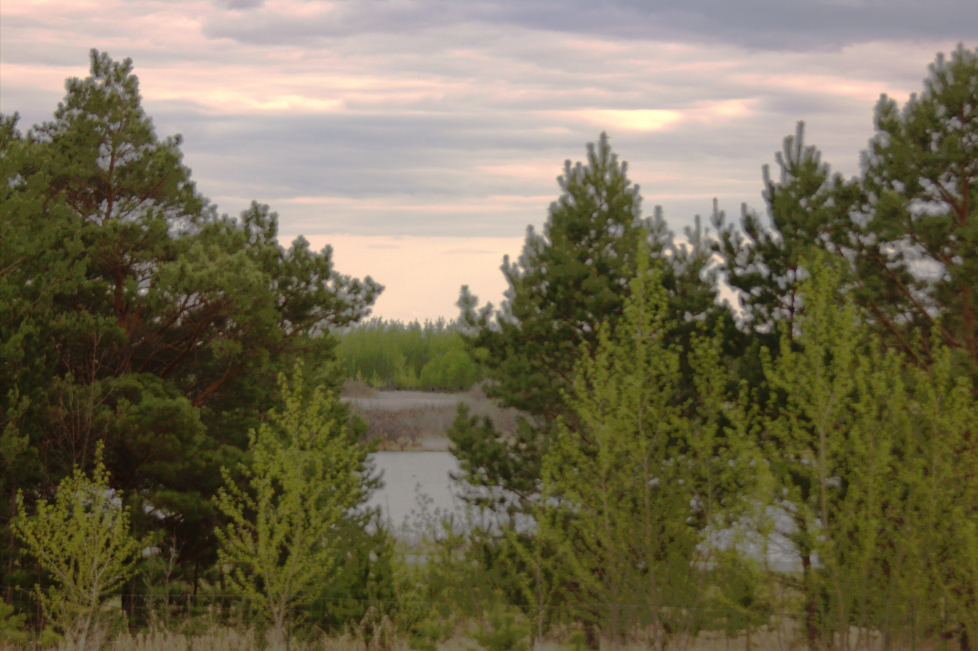
Richard St. Barbe Baker Afforestation Area is located in Saskatoon, Saskatchewan, Canada north of Cedar Villa Road, within city limits, in the furthest south west area of the city. 52° 06′ 106° 45′
Addresses:
Part SE 23-36-6 – Afforestation Area – 241 Township Road 362-A
Part SE 23-36-6 – SW Off-Leash Recreation Area (Richard St. Barbe Baker Afforestation Area ) – 355 Township Road 362-A
S ½ 22-36-6 Richard St. Barbe Baker Afforestation Area (West of SW OLRA) – 467 Township Road 362-A
NE 21-36-6 “George Genereux” Afforestation Area – 133 Range Road 3063
Wikimapia Map: type in Richard St. Barbe Baker Afforestation Area
Google Maps South West Off Leash area location pin at parking lot
Seeds of Renewal: How Young People Are Restoring Our Earth, One Community at a Time
Across the world, young people are rising like green shoots after a spring rain—driven by passion, purpose, and a deep understanding that the health of our ecosystems is inseparable from the well-being of their communities. In Saskatoon and São Paulo, Nairobi and Nunavut, youth are not just dreaming of a better future—they are actively restoring it, with hands in the soil, eyes on justice, and hearts aligned with both tradition and innovation.
Thu, May 22, 2025 International Day for Biological Diversity the theme “Harmony with nature and sustainable development”
Local Roots, Global Vision
Young people are uniquely equipped to lead locally driven restoration efforts because they often inherit intimate knowledge of place. In many cases, they are the ones returning to ancestral practices of stewardship, listening to Elders, and blending traditional ecological knowledge with modern science. Whether it’s planting native trees in an urban prairie, rewilding schoolyards, or rehabilitating wetlands once used for stormwater runoff, youth understand that real change starts where they live—and that respecting nature, culture, and community needsis not optional but essential.
They see that restoration isn’t just ecological—it’s cultural renewal, too. It means making space for Indigenous land practices, for community-led decision-making, for equity in environmental care. When youth lead, they often bring everyone to the table.
What’s Driving Ecosystem Degradation?
Despite this energy and hope, we face deep-rooted challenges. The root causes of ecosystem degradation are interwoven and complex, but five key drivers stand out:
Unsustainable Land Use – Clearcutting forests, draining wetlands, overgrazing grasslands, and sprawling urbanization break ecological processes and fragment habitats.
Pollution – Industrial, agricultural, and plastic pollution choke soils, poison water, and unbalance microbial life critical to ecosystem health.
Climate Change – Rising temperatures, altered precipitation, and extreme weather stress ecosystems already weakened by other pressures.
Loss of Biodiversity – The disappearance of keystone species unravels entire ecological webs.
Economic and Policy Failures – Short-term profits and weak environmental governance often override the long-term health of ecosystems.
The Solutions: Education, Technology, and Policy
To reverse degradation, we must deploy the tools of the present and the wisdom of the past.
Education gives rise to ecological literacy. When students learn how watersheds function, how prairie roots hold carbon, or why native bees matter, they grow into informed stewards.
Technology, from AI-powered mapping of invasive species to low-cost soil sensors and citizen science platforms like iNaturalist, empowers young people to monitor, measure, and act with precision and scale.
Policy plays the vital role of institutionalizing change. Youth climate activists are demanding—and drafting—policies that protect natural areas, fund restoration projects, and ensure that environmental justice is enshrined in law.
Toward Regeneration
The path forward must be regenerative. It must involve co-creation, where youth work alongside scientists, city planners, farmers, and traditional knowledge holders. It must invest in green jobs that allow youth to restore ecosystems while building livelihoods. And it must acknowledge that healing the Earth is inseparable from healing our relationships with one another.
On this path, young people are not waiting to be invited. They are already leading.
As one youth environmentalist recently said, “We are not just planting trees. We are planting futures.”
We appreciate your support all year long – and now PayPal is making it easy for you to think of us this holiday season. Set us as your favourite charity, and every time you make an online purchase with PayPal, you’ll have the opportunity to donate $1 to our cause. It’s an easy and convenient way to have a big impact. Visit our profile page on PayPal to set us as your favourite charity. [CHARITY PROFILE PAGE URL paypal.com/ca/fundraiser/charity/3956075]. Thanks for your support!
Set it, click it, donate it – make a lasting impact with just $1
Photo by Hannah Nelson on Pexels.comPhoto by Chu Chup Hinh on Pexels.comBaby Carriage Walk through the forest
Richard St. Barbe Baker Afforestation Area is located in Saskatoon, Saskatchewan, Canada north of Cedar Villa Road, within city limits, in the furthest south west area of the city. 52° 06′ 106° 45′
Addresses:
Part SE 23-36-6 – Richard St. Barbe Baker Afforestation Area – 241 Township Road 362-A
Part SE 23-36-6 – SW Off-Leash Recreation Area (Richard St. Barbe Baker Afforestation Area ) – 355 Township Road 362-A
S ½ 22-36-6 Richard St. Barbe Baker Afforestation Area (West of SW OLRA) – 467 Township Road 362-A
NE 21-36-6 “George Genereux” Afforestation Area – 133 Range Road 3063
Wikimapia Map: type in Richard St. Barbe Baker Afforestation Area
Google Maps South West Off Leash area location pin at parking lot
As we gather to celebrate International Women’s Day on March 8, 2025, it is a perfect moment to reflect on the profound, lasting impact of women who have shaped the environmental movement. These women have not only led with passion but have forged new paths in the fight for our planet’s health, justice, and sustainability. From the deepest forests to the vast oceans, they’ve shown us what it means to truly care for the Earth. Let us raise our glasses to them and honor the work they’ve done for all of us.
Wangari Maathai planting trees in Kenya Africa1982)
Rachel Carson: In 1962, Rachel Carson wrote a book that would change the world: Silent Spring. Carson was a biologist, a writer, and an advocate for the natural world who alerted the public to the dangers of pesticides like DDT, a chemical that was harming wildlife, polluting ecosystems, and even threatening human health. Her work sparked the environmental movement that we know today, reminding us of the delicate interconnection between humans and nature. Rachel showed us that it is not enough to just enjoy nature—we must also protect it.
Wangari Maathai: When Wangari Maathai founded the Green Belt Movement in Kenya in 1977, she did more than plant trees—she planted seeds of hope. By encouraging women to plant trees in deforested areas, she not only worked to restore the environment but empowered women to take leadership roles in their communities. Maathai became the first African woman to win the Nobel Peace Prize in 2004, showing the world that environmental justice and human rights go hand in hand.
Vandana Shiva: Vandana Shiva, an Indian environmentalist and activist, has dedicated her life to protecting biodiversity and promoting sustainable farming practices. Through her advocacy for seed sovereignty and her fierce opposition to genetically modified crops, she has become a powerful voice for farmers and communities around the globe. Her work calls us to rethink our relationship with the land and to value local, organic agriculture as the key to nourishing people and preserving the planet.
Greta Thunberg: Greta Thunberg, the Swedish teenager who began striking outside her school in 2018 to demand climate action, has become the face of the global youth-led climate movement. Her powerful speeches at international forums like the UN have rallied millions of young people to take action, reminding us all of the urgency of addressing climate change. With unyielding determination, Greta has made it clear that the planet’s future cannot wait, and it is the younger generation who will bear the brunt of inaction.
Sylvia Earle: When it comes to the oceans, Sylvia Earle is a pioneer. A marine biologist, explorer, and advocate, she has spent her career diving into the depths of the world’s seas to discover and protect the delicate ecosystems within. In 1970, she led the first all-female team of aquanauts on the Tektite II mission, and since then, she has led efforts to establish marine protected areas. As the founder of Mission Blue, Sylvia has worked tirelessly to raise awareness about ocean conservation and has inspired a generation to become stewards of the sea.
Jane Goodall: For decades, Jane Goodall has studied chimpanzees in their natural habitats, forever altering our understanding of animal behavior and intelligence. Her groundbreaking work at Gombe Stream National Park in Tanzania showed the world that humans are not as different from other species as we once believed. A staunch advocate for conservation, Goodall’s Roots & Shoots program has empowered young people around the world to take action in their local communities, making a lasting impact on wildlife protection and environmental education.
Winona LaDuke: In the fight to preserve the land, Winona LaDuke, an Ojibwe environmentalist and activist, has been a fearless leader. Her work focuses on protecting Indigenous lands, advocating for sustainable farming, and challenging corporate control of natural resources. Through her work with organizations like the White Earth Land Recovery Project, LaDuke has led efforts to re-establish tribal sovereignty and fight the devastating impacts of resource extraction on Indigenous communities.
Isatou Ceesay: In the Gambia, Isatou Ceesay has transformed her community by tackling the issue of plastic waste. Known as the “Queen of Recycling,” Isatou created a program that teaches women in rural Gambia to turn discarded plastic bags into woven handbags. This initiative not only addresses the growing problem of plastic pollution but also empowers women economically and socially. Isatou has shown us that waste can be transformed into opportunity, and one woman’s vision can make a world of difference.
In addition to these trailblazers, there are numerous inspiring women who are making remarkable strides in their own communities, bringing fresh perspectives to the environmental movement.
Aubrey-Anne Laliberte-Pewapisconias, a passionate advocate for Indigenous rights and environmental justice, has been working with local communities to combat climate change and support sustainable practices. Her work emphasizes the connection between traditional Indigenous knowledge and modern environmental science, demonstrating how ancient practices can be pivotal in the fight for a more sustainable future.
Dr. Kaminskyj, a biology professor at the University of Saskatchewan, is advancing our understanding of the intricate relationships between fungi and ecosystems, helping to build solutions for combating climate change and environmental degradation. Her work in environmental microbiology is a testament to how every aspect of nature, no matter how small, contributes to the health of the planet.
Candace Savage, the distinctive voice of Western Canada, has long been a force in environmental education, literature, and activism. Through her writing, she brings to life the natural world of the Canadian prairies, emphasizing the importance of conservation and sustainable practices in a rapidly changing world. Her perspective is not just one of environmentalism, but of the deep interconnectedness of people and the land.
Elizabeth Bekolay, A local nature-based educator, naturalist, and writer in our own community has inspired countless individuals through guided nature walks, storytelling, and an unshakeable belief in the power of direct interaction with the natural world. With a deep love for the land and a firm commitment to fostering environmental stewardship, she’s been instrumental in helping others understand the importance of local ecosystems and how we can all play a role in their protection.
Each of these women has contributed something extraordinary to the health of our planet. Whether through groundbreaking scientific research, community-driven grassroots movements, or unyielding advocacy, they have made indelible marks on the landscape of environmental change.
The women highlighted in this piece represent just a small fraction of the countless remarkable women who have shaped and continue to shape the environmental movement. From grassroots organizers to leading scientists, the list of women who have made significant contributions to environmental protection, climate action, and sustainability is vast and diverse. We deeply regret that this story cannot encompass every woman whose work deserves recognition and admiration. Their efforts inspire us to keep pushing forward, and we encourage you to seek out and learn about even more incredible women in the field who have dedicated their lives to making the planet a better place for all.
This International Women’s Day, let us not only celebrate their achievements but also honor their legacy by continuing the fight for a healthier, more sustainable world. The work of these great women has only just begun, and now it is our turn to ensure their efforts are carried forward.
Richard St. Barbe Baker Afforestation Area is located in Saskatoon, Saskatchewan, Canada north of Cedar Villa Road, within city limits, in the furthest south west area of the city. 52° 06′ 106° 45′
Addresses:
Part SE 23-36-6 – Richard St. Barbe Baker Afforestation Area – 241 Township Road 362-A
Part SE 23-36-6 – SW Off-Leash Recreation Area (Richard St. Barbe Baker Afforestation Area ) – 355 Township Road 362-A
S ½ 22-36-6 Richard St. Barbe Baker Afforestation Area (West of SW OLRA) – 467 Township Road 362-A
NE 21-36-6 “George Genereux” Afforestation Area – 133 Range Road 3063
Wikimapia Map: type in Richard St. Barbe Baker Afforestation Area
Google Maps South West Off Leash area location pin at parking lot
🌍 Legacy of Leadership: Advancing Sustainability for a Resilient Planet 🌱
🗓️ Date: February 23, 2025 | 2:00 PM 📍 Location: The Spot, Market Mall, Saskatoon
As we commemorate Black History Month, we are excited to present an event that blends history, nature, and a vision for a sustainable future. Legacy of Leadership: Advancing Sustainability for a Resilient Planet brings together two visionary speakers to elevate important conversations around climate action, environmental justice, and sustainability.
🌿 Why We Should Listen to the Plants! 🌿 Prakash Venglat, Researcher Plants have been Earth’s silent witnesses for millions of years. While we rely on them for sustenance, medicine, and materials, we rarely stop to listen. Prakash Venglat will delve into the untold stories that plants have to tell—stories of survival, resilience, and adaptation. Discover how listening to nature’s wisdom can guide us toward more sustainable practices.
🌎 How Canada Can Address Climate Change and Achieve Sustainability 🌎 Jason MacLean, Faculty Member Jason MacLean will guide us through Canada’s critical role in global climate action. How can we meet our commitments under the UN Paris Climate Agreement? What legal and policy barriers stand in the way of our environmental future? This talk is a must for anyone invested in understanding how Canada can shape a more sustainable tomorrow.
Wangari Maathai: A Visionary for Environmental Change and PeaceChief Josiah Njonjo: A Champion for the Environment and Co-Founder of Men of the TreesSDG 15 Life on LandSDG 13 Climate ActionUN SDG Goal 10 Reduced Inequalities
💬 The Intersection of Black History and Climate Action 💬 In Saskatoon, we take time this month to reflect on the contributions of Black communities to global sustainability efforts. This event will highlight the powerful voices of Black leaders in the environmental movement, from Wangari Maathai and her partnership with Richard St. Barbe Baker, to Chief Josiah Njonjo co founder of the International Tree Foundation. This is an opportunity to learn about the critical work being done to fight environmental racism and bring climate justice to those most affected.
🌱 Join us as we reflect on our collective legacy and take actionable steps toward a resilient planet. 🌱
👥 Mark your calendars, invite your friends, and get ready for an afternoon of engaging discussions and meaningful change!
Richard St. Barbe Baker Afforestation Area is located in Saskatoon, Saskatchewan, Canada north of Cedar Villa Road, within city limits, in the furthest south west area of the city. 52° 06′ 106° 45′
Addresses:
Part SE 23-36-6 – Richard St. Barbe Baker Afforestation Area – 241 Township Road 362-A
Part SE 23-36-6 – SW Off-Leash Recreation Area (Richard St. Barbe Baker Afforestation Area ) – 355 Township Road 362-A
S ½ 22-36-6 Richard St. Barbe Baker Afforestation Area (West of SW OLRA) – 467 Township Road 362-A
NE 21-36-6 “George Genereux” Afforestation Area – 133 Range Road 3063
Wikimapia Map: type in Richard St. Barbe Baker Afforestation Area
Google Maps South West Off Leash area location pin at parking lot
Legacy of Leadership: Advancing Sustainability for a Resilient Planet Exploring the Power of Plants and the Path to Sustainability in Canada February 23, 2025 | 2:00 pm | The Spot, Market Mall, Saskatoon
As the world grapples with the growing impacts of climate change, sustainability has become more than just a buzzword—it is a call to action. On February 23, 2025, the Friends of the Saskatoon Afforestation Areas Inc. invite you to a pivotal event, Legacy of Leadership: Advancing Sustainability for a Resilient Planet, where two distinguished speakers will engage with critical topics that connect nature, science, and policy to inspire positive change.
This event will feature Prakash Venglat, a researcher whose work unearths the powerful and often overlooked world of plants, and Dr. Jason MacLean, a faculty member at the University of Saskatchewan, who will explore Canada’s climate policy and sustainability challenges.
SDG 13 Climate ActionSDG 15 Life on LandThe Urban forest and climate change
Why We Should Listen to the Plants Plants have been on Earth far longer than humans. Yet, as we increasingly depend on them for food, medicine, and the materials that sustain our modern lives, we rarely stop to truly listen to them. In this talk, Prakash Venglat will lead an exploration into the hidden resilience of plants. Despite their immobile nature, plants are constantly responding to their environment with remarkable developmental plasticity—adapting, surviving, and thriving in ways that we can learn from. Plants have their own stories of overcoming stress, adapting to environmental challenges, and finding ingenious solutions to ensure their survival. Venglat’s discussion will delve into how understanding plant behavior can provide new perspectives on resilience, adaptability, and the urgent need to rethink our relationship with the natural world.
The Resilience of Plants is not just a biological curiosity; it is a model for us as humans. By observing how plants survive and evolve, we gain insights into building a sustainable future where adaptability, resilience, and collaboration with nature are at the core of our environmental ethos.
How Canada Can Address Climate Change and Achieve Sustainability Canada is at a critical juncture in its journey toward sustainability. The commitments made under the UN Paris Climate Change Agreement and the Sustainable Development Goals (SDGs) present both a moral obligation and a challenging reality. What obstacles lie ahead in achieving these commitments, and what opportunities can Canada seize to move towards a sustainable and resilient future?
Dr. Jason MacLean, a leading academic in environmental law and policy, will outline the current landscape of Canadian climate policy and offer a nuanced understanding of the law and policy barriers that hinder progress. Dr. MacLean will also identify key opportunities for change, from the role of policy in shaping green industries to the importance of aligning environmental law with global sustainability targets. His expertise will provide a roadmap for policymakers, activists, and citizens to navigate the complex path ahead—one that balances Canada’s environmental obligations with the drive for economic and social equity.
In an era of unprecedented environmental disruption, Dr. MacLean’s insights will help frame the conversation around Canada’s responsibility to act—showing us not just how we can meet our climate goals, but why it is imperative that we do so. His discussion will focus on the practical steps needed to ensure a future where sustainability is not merely aspirational, but a lived reality for all Canadians.
A Call for Collaboration and Action This event is more than just an opportunity to listen to experts. It is a call to action—an invitation to engage with some of the most pressing environmental issues of our time. Whether through listening to the wisdom of plants or confronting the challenges of climate policy, we are reminded that the path to sustainability is a collective effort. Prakash Venglat and Dr. Jason MacLean each bring a unique perspective that will inspire new ideas and spark meaningful discussions about how we, as individuals and communities, can contribute to a resilient planet.
As global citizens, it is our responsibility to learn from the past, act in the present, and plan for the future. The Legacy of Leadership event will highlight the profound interconnection between the health of our ecosystems and the policies we choose to implement. By coming together in conversation and collaboration, we can ensure that the actions we take today lead to a sustainable, thriving world tomorrow.
Join Us Date: February 23, 2025 Time: 2:00 pm Location: The Spot, Market Mall, Saskatoon
This event is brought to you by the Friends of the Saskatoon Afforestation Areas Inc., an organization dedicated to the preservation and protection of Saskatoon’s vital green spaces Richard St. Barbe Baker Afforestation Areas and George Genereux Urban Regional Park.
Don’t miss the chance to engage with the ideas and experts that will shape the future of our planet. Register now at [friendsareas.ca] to secure your spot!
Richard St. Barbe Baker Afforestation Area is located in Saskatoon, Saskatchewan, Canada north of Cedar Villa Road, within city limits, in the furthest south west area of the city. 52° 06′ 106° 45′
Addresses:
Part SE 23-36-6 – Richard St. Barbe Baker Afforestation Area – 241 Township Road 362-A
Part SE 23-36-6 – SW Off-Leash Recreation Area (Richard St. Barbe Baker Afforestation Area ) – 355 Township Road 362-A
S ½ 22-36-6 Richard St. Barbe Baker Afforestation Area (West of SW OLRA) – 467 Township Road 362-A
NE 21-36-6 “George Genereux” Afforestation Area – 133 Range Road 3063
Wikimapia Map: type in Richard St. Barbe Baker Afforestation Area
Google Maps South West Off Leash area location pin at parking lot









 Forests of Memory. Forests of Learning. Forests for Life.