Richard St. Barbe Baker Afforestation Area. George Genereux Urban Regional Park. Humboldt Broncos Memorial Forest. Come to Nature. Come to Life. Friends of the Saskatoon Afforestationk Areas Inc. friendsareas.ca
Celebrating Leadership, Inclusion, and Nature on International Day of Persons with Disabilities
Today, December 3, on International Day of Persons with Disabilities, we proudly celebrate the leadership, resilience, and contributions of persons with disabilities. The theme for 2024, “Amplifying the leadership of persons with disabilities for an inclusive and sustainable future,” calls us all to ensure that every individual, regardless of ability, is included and empowered to lead in their communities.
At Friends of the Saskatoon Afforestation Areas, we are committed to diversity, inclusion and accessibility our green space. With the new crusher dust trail at Richard St. Barbe Baker Afforestation Area, we commend the city for taking a significant step toward ensuring that everyone, including persons with disabilities, can experience the peace, healing, and beauty of nature. This smooth and sturdy trail makes it easier for individuals walking or using wheels wheelchairs, walkers, cycles or strollers to explore our forests and connect with the environment.
The benefits of spending time outdoors are numerous—improved mental health, reduced stress, and a sense of belonging to nature. We believe everyone deserves the opportunity to enjoy these benefits, which is why we are committed to making our green spaces more inclusive.
Today, we celebrate the leadership of persons with disabilities, raise awareness of their rights, and honor their achievements. Together, we can build an inclusive and sustainable future for all.
Wheeling through a forest in a wheelchair with a friendWalking with a white cane through a forestBaby Carriage Walk through the forestWalking with a white cane in the forest
Richard St. Barbe Baker Afforestation Area is located in Saskatoon, Saskatchewan, Canada north of Cedar Villa Road, within city limits, in the furthest south west area of the city. 52° 06′ 106° 45′
Addresses:
Part SE 23-36-6 – Afforestation Area – 241 Township Road 362-A
Part SE 23-36-6 – SW Off-Leash Recreation Area (Richard St. Barbe Baker Afforestation Area ) – 355 Township Road 362-A
S ½ 22-36-6 Richard St. Barbe Baker Afforestation Area (West of SW OLRA) – 467 Township Road 362-A
NE 21-36-6 “George Genereux” Afforestation Area – 133 Range Road 3063
Wikimapia Map: type in Richard St. Barbe Baker Afforestation Area
Google Maps South West Off Leash area location pin at parking lot
Imagine a quiet morning in the Richard St. Barbe Baker Afforestation Area, or George Genereux Urban Regional Park where the first light of dawn filters through the towering evergreens and conifers that dominate the landscape. As the sun rises, it casts a golden glow over the lush woodland, wetland, and meadow ecosystems that form a unique tapestry of life. This serene setting is not just a collection of trees and plants but a dynamic living system where diverse organisms thrive and interact.
The Dance of the Ecosystems
In these remarkable places, the presence of evergreens and conifers has brought about a fascinating ecological phenomenon. These hardy trees, typically found in higher elevations and boreal forests, have created a special environment that merges with the moist mixed grasslands of the lower elevations around Saskatoon. This merging, known as an ecotone, creates a vibrant transition zone where the qualities of two different ecosystems blend.
In the woodlands, the evergreen canopy shelters a rich diversity of plants and animals. The fallen needles from these conifers enrich the soil with a unique layer of organic matter, which in turn supports a community of fungi, mosses, and lichens. These microorganisms play a crucial role in breaking down organic material, making nutrients available for the diverse plant life that flourishes beneath the canopy.
The wetlands of the west swale, with the deep waters of the permanent wetlands and the shallow waters of the temporary wetlands and abundant plant life, offer a stark contrast to the woodland. Here, reeds and cattails sway in the gentle breeze, providing a habitat for amphibians and insects. The constant presence of water creates a unique microclimate, which supports species adapted to wet conditions. Birds such as the herons and ducks find sanctuary in these wetlands, while insects like dragonflies and damselflies dart above the water, adding a splash of color to the landscape.
Further afield, the meadows bask in the open sunlight, where wildflowers and grasses create a carpet of color and life. This area supports a different set of species, including pollinators like bees and butterflies, as well as mammals such as deer and rabbits. The diversity of plant life in the meadows provides ample food and shelter, ensuring a thriving community of organisms.
A Tribute to Richard St. Barbe Baker
In this symphony of life, the legacy of Richard St. Barbe Baker, a pioneer in silviculture and a passionate advocate for trees, resonates deeply. Known as a “forest doctor,” Baker dedicated his life to studying and preserving forests around the world. His work led to the creation of the International Tree Foundation, an organization committed to reforestation and forest conservation.
Baker’s vision aligns with the principles of sustainable development. He understood that forests are not just collections of trees but complex ecosystems that support a myriad of life forms. His legacy continues to inspire those who work to preserve and enhance the diversity of living things.
Careers in Understanding Nature
The richness of the afforestation areas provides a living classroom for many careers dedicated to understanding and preserving biodiversity. Botanists study the various plant species and their roles in the ecosystem. Herpetologists focus on amphibians and reptiles, exploring their habitats and behaviors. Zoologists and wildlife biologists investigate the lives of mammals and birds, while entomologists delve into the world of insects.
Mycologists and lichenologists examine fungi and lichens, essential players in nutrient cycling. Dendrologists, who specialize in trees, study their growth patterns and ecological roles. Ornithologists observe and document the behavior and migration patterns of birds.
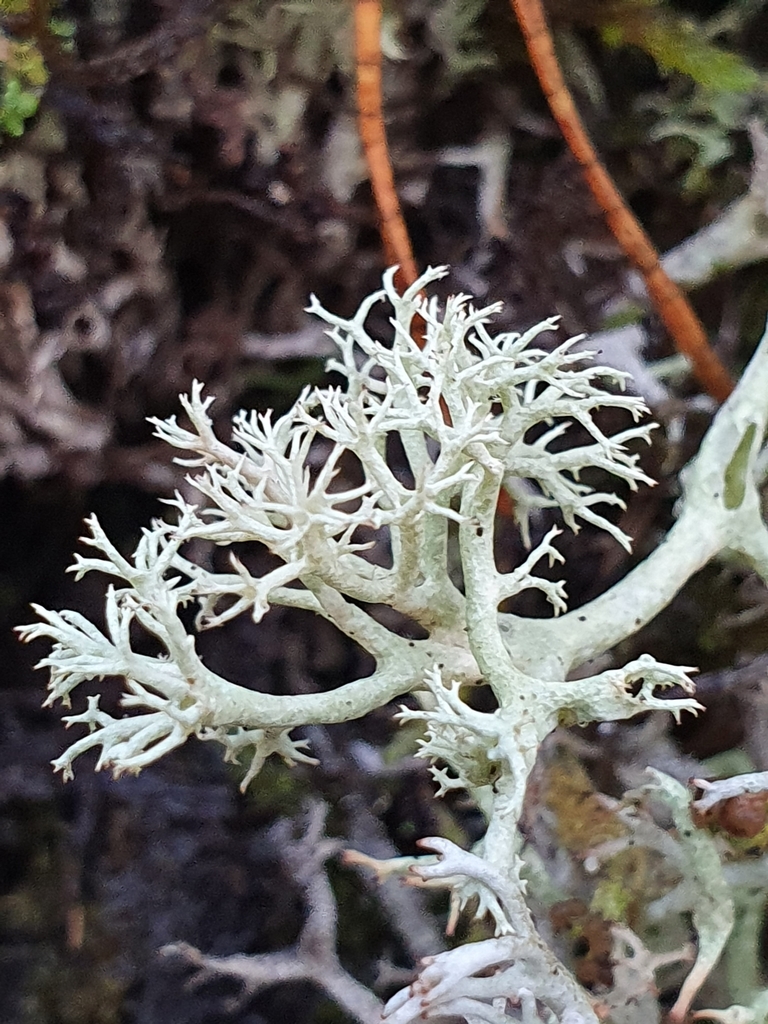
Lichen City Nature Challenge CNCYXELichenLichen
Bridging Knowledge Systems
As we embark on the International Decade of Sciences for Sustainable Development, there is an increasing emphasis on integrating Indigenous and Western knowledge systems. Indigenous peoples have long understood the interconnectedness of life, using traditional knowledge to manage and sustain their environments. This wisdom complements modern scientific approaches, providing a holistic view of ecological relationships.
Sustainable Development Goals and Conservation
Aligning with the United Nations Sustainable Development Goals, particularly Life Below Water and Life on Land, we recognize the importance of conserving and restoring natural habitats. Understanding the characteristics and behaviors of vertebrates and invertebrates helps us ensure that greenspaces, such as forests, grasslands, and wetlands, are preserved and managed sustainably.
By studying how individual organisms survive and adapt, we gain insights into the mechanisms that support biodiversity. This knowledge is essential for developing strategies to protect and enhance the natural world, ensuring that future generations can enjoy and benefit from its beauty and resources.
The Hidden World of Micro-Organisms
In the soil beneath our feet, a hidden world of micro-organisms plays a critical role in maintaining ecosystem health to understand noxious invasive species. Dr. Eric Lamb’s research into soil microbial communities reveals how these tiny organisms contribute to nutrient cycling and soil fertility. Their work underscores the importance of understanding and preserving the microbial world, which is vital for sustaining plant life and, by extension, the entire ecosystem.
As you explore the afforestation areas, take a moment to appreciate the intricate web of life that surrounds you. From the towering trees to the smallest microbes, each element plays a role in the grand tapestry of nature. By learning about and respecting this diversity, we can contribute to the ongoing preservation and enrichment of our natural world.
Activity 1: Ecotone Exploration
Objective: Understand the concept of an ecotone and how different ecosystems merge.
Instructions:
Create a large poster or digital presentation of the Richard St. Barbe Baker Afforestation Area, including the woodland, wetland, and meadow ecosystems.
Using images or drawings, identify and label key features of each ecosystem, and illustrate how they merge into an ecotone.
Discuss how the presence of evergreens and conifers affects the soil and plant life in this transition zone.
Questions:
What are the main characteristics of the woodland, wetland, and meadow ecosystems found in the afforestation area?
How do evergreens and conifers influence the soil in the ecotone between the boreal forest and mixed grasslands?
What types of plants and animals are adapted to the unique conditions of the ecotone?
Why is the concept of an ecotone important for understanding biodiversity?
Objective: Explore various careers related to studying and preserving biodiversity.
Instructions:
Research the careers of botanists, herpetologists, zoologists, wildlife biologists, entomologists, mycologists, lichenologists, dendrologists, and ornithologists. Have you ever taken part in the dendrochronology study conducted by Dr Colin Laroque in the Mistik Askiwin Dendrochronology Lab (MAD Lab) to work with the Canadian Light Source (CLS) Synchrotron?
Create a brochure or presentation highlighting each career’s role, key responsibilities, and how they contribute to understanding ecosystems.
Include information about Richard St. Barbe Baker’s career and its impact on forestry and conservation.
Questions:
What are the main responsibilities of a botanist, and how do they contribute to our understanding of plant species –tree species / native wildflower plants?
How do herpetologists study amphibians and reptiles, and why is this important for conservation? What amphibians and reptiles are present in the afforestation areas (this can be searched on iNaturalist using the “Explore” feature)
What role do ornithologists play in studying bird behavior and migration? (E-bird resources are handy to determine birds of the afforestation areas)
Objective: Examine how local species adapt to their environments.
Instructions:
Choose different vertebrates (mammals, birds, reptiles, amphibians, and fish) and invertebrates from the afforestation area.
Research and present on how each species adapts to its specific habitat within the woodland, wetland, or meadow.
Create a visual display or report showing these adaptations and their importance for survival.
Questions:
How do the adaptations of a specific mammal help it survive in the woodland ecosystem? Would mammals adopt a naturalized “man-made forest” on the prairies, or only use trembling aspen bluffs or woodlands of the boreal forests north of the treeline?
What special features allow birds in the wetland to thrive in their environment?
How do amphibians adapt to the varying conditions of the wetland and meadow ecosystems?
Why are certain plants or insects particularly suited to the meadow habitat?
Honoring Varsity View Community Association: A Beacon of Support for the City Nature Challenge
Introduction: In the heart of Saskatoon lies the vibrant neighborhood of Varsity View, where community spirit thrives amidst lush greenspaces and a rich history of environmental stewardship. At the forefront of this community stands the Varsity View Community Association, a beacon of support and collaboration in championing initiatives that celebrate and protect our natural heritage. Among these endeavors, their partnership with the Friends of the Saskatoon Afforestation Areas in promoting the City Nature Challenge shines brightly as a testament to their dedication to environmental education and community engagement.
A Legacy of Environmental Championship: The roots of Varsity View run deep with a legacy of environmental championship, as evidenced by the planting of 1500 spruce trees in President Murray Park under the supervision of Wyndham Winkler Ashley, a pioneer in Saskatoon’s Parks Board. Ashley’s tireless efforts in tree planting and community service have left an indelible mark on the neighborhood, shaping its landscape and fostering a culture of environmental consciousness that endures to this day.
Greenspaces and Community Centers: Varsity View boasts four breathtaking greenspaces—Raoul Wallenberg Park, Cumberland Park, Albert Park, and President Murray Park—each offering residents a serene escape into nature’s embrace. These oases of greenery serve as invaluable sanctuaries for both wildlife and community gatherings, reflecting Varsity View’s commitment to enjoying and celebrating its natural surroundings.
Additionally, the community’s rich tapestry is woven with essential amenities, including the municipal heritage site the Albert Community Centre, Kinsmen Children’s Centre, and Luthercare Communities, which provide vital support and services to residents of all ages.
Historical Significance and Urban Development: The historical significance of Varsity View is palpable, with landmarks like the iconic Bottomley House—a municipal heritage property—and the revered Albert School, which played a pivotal role in city sports and education for decades. The neighborhood’s evolution, spurred by the establishment of the University of Saskatchewan in 1907, reflects a harmonious blend of tradition and progress, with each street and structure bearing witness to the passage of time.
A Thank You to Varsity View Community Association: In light of their unwavering support and collaboration with the Friends of the Saskatoon Afforestation Areas, we extend our deepest gratitude to the Varsity View Community Association. Your commitment to networking and spreading the word about the City Nature Challenge has been instrumental in inspiring residents to connect with and appreciate the natural wonders of our city. Your tireless efforts in organizing events, coordinating programs, and celebrating outdoor spaces exemplify the true spirit of community stewardship and serve as an inspiration to us all.
Conclusion: As we celebrate the beauty and diversity of nature through the City Nature Challenge, let us also take a moment to acknowledge and honor the invaluable contributions of the Varsity View Community Association. Together, we can continue to nurture and protect our natural heritage for generations to come, ensuring that Varsity View remains a vibrant and thriving community where nature and community flourish hand in hand.
President Murray, (1866-1945). Walter Charles Murray, the inaugural President of the University of Saskatchewan from 1908 to 1937, was a visionary leader and educator who shaped the institution’s educational policies and ethos, leaving a lasting legacy that continues to influence the university’s trajectory. Known for his resourcefulness and skills in negotiation, Murray was actively involved in local, provincial, and national organizations, contributing to a greater understanding between native-born Canadians and settlers of European origin. His legacy lives on as a driving force in shaping the educational policies and community spirit of the University of Saskatchewan.
Saskatoon Public Library ImageWyndham Winkler Ashley (1882-1967), a passionate environmentalist, member of the Saskatoon and Saskatchewan Horticultural societies and charter member of the Saskatoon Parks Board for 45 years, dedicated his life to planting trees, beautifying the city’s streets, and promoting community service. Did you know? W.W. Ashley sent out approximately 2,000 packages of seeds each year for 12 years, helping to establish shelter belts across the province and contributing to the greening of Saskatchewan’s landscape. Ashley’s efforts not only beautified our cities but also played a crucial role in environmental conservation.
With thanks to our sponsors and supporters SaskPower, SaskTel, Saskatoon Nature Society, Wild About Saskatoon, Caswell Hill Community Association, SOS Trees Inc., Rosewood Varsity View Community Association, Nutana Varsity View Community Association, Montgomery Place Varsity View Community Association. City Nature Challenge Saskatoon CNC YXE 2024 led by Friends of the Saskatoon Afforestation Areas. Reach if you would like to sponsor the City Nature Challenge, or share the City Nature Challenge information as a collaborator!
Saskatoon and area will compete for the title of the most Biodiverse City. We need your help. The goals are to engage the public in the collection of biodiversity data, with three awards each year for the cities and areas that 1/ makes the most observations, 2/ find the most species, and 3/ engage the most people. We’re so excited to have this fun friendly competition with a chance to place Saskatoon and Area on the World Stage for the City Nature Challenge 2024! Find out more friendsareas.ca
Richard St. Barbe Baker Afforestation Area is located in Saskatoon, Saskatchewan, Canada north of Cedar Villa Road, within city limits, in the furthest south west area of the city. 52° 06′ 106° 45′
Addresses:
Part SE 23-36-6 – Afforestation Area – 241 Township Road 362-A
Part SE 23-36-6 – SW Off-Leash Recreation Area (Richard St. Barbe Baker Afforestation Area ) – 355 Township Road 362-A
S ½ 22-36-6 Richard St. Barbe Baker Afforestation Area (West of SW OLRA) – 467 Township Road 362-A
NE 21-36-6 “George Genereux” Afforestation Area – 133 Range Road 3063
Wikimapia Map: type in Richard St. Barbe Baker Afforestation Area
Google Maps South West Off Leash area location pin at parking lot
Montgomery Place: Where Remembrance and Environmentalism Meet
The Montgomery Place Community Association has been a steadfast ally in the preservation of history and the promotion of community engagement. In a gesture of kindness and support, they have offered to help spread awareness about the Saskatoon City Nature Challenge CNC YXE 2024 through their Facebook page, website, and a poster in their newsletter!
The Montgomery Place neighborhood, situated near the Richard St. Barbe Baker Afforestation Area and the George Genereux Urban Regional Park, has a rich history. Founded post-World War II, it serves as a poignant example of the Veterans Land Act subdivision, showcasing the benefits provided to veterans through government assistance. This community has adopted these greenspaces into their Local Area Plan, emphasizing their commitment to the preservation of natural environments.
Montgomery Place’s designation as a National Historic Site is a testament to its significance in illustrating the Veterans Land Act communities established after the Second World War. The community remains deeply connected to its origins, with street names, signage, memorials, and Remembrance Day services honoring the sacrifices made by veterans.
The Montgomery Place Community Association’s support for the City Nature Challenge reflects their dedication to the environment and community engagement. Their commitment to preserving history and fostering a sense of community underscores their pivotal role in honoring Canada’s military heritage and contributing to the local community’s vitality and identity.
The City Nature Challenge is an annual event that encourages people around the world to explore and document the biodiversity in their cities. By participating, individuals contribute valuable data to the global scientific community, helping researchers better understand and protect urban ecosystems.
Montgomery Place’s willingness to assist in promoting the City Nature Challenge underscores their dedication to fostering community engagement and environmental awareness. Their support is a testament to the power of collaboration and the importance of local institutions in driving positive change.
Thank you, Montgomery Place Community Association, for your ongoing support of community initiatives like the City Nature Challenge. Your generosity in sharing information about this event demonstrates your commitment to environmental awareness and community engagement. We are grateful for your efforts to make a positive impact on our community and the world.
Montgomery Place: Where Every Step is a Tribute to the Past and a Promise to the Future
With thanks to our sponsors and supporters SaskPower, SaskTel, Saskatoon Nature Society, Wild About Saskatoon, Caswell Hill Community Association, SOS Trees Inc., Rosewood Varsity View Community Association, Nutana Varsity View Community Association, Montgomery Place Varsity View Community Association. City Nature Challenge Saskatoon CNC YXE 2024 led by Friends of the Saskatoon Afforestation Areas. Reach if you would like to sponsor the City Nature Challenge, or share the City Nature Challenge information as a collaborator!
Saskatoon and area will compete for the title of the most Biodiverse City. We need your help. The goals are to engage the public in the collection of biodiversity data, with three awards each year for the cities and areas that 1/ makes the most observations, 2/ find the most species, and 3/ engage the most people. We’re so excited to have this fun friendly competition with a chance to place Saskatoon and Area on the World Stage for the City Nature Challenge 2024! Find out more friendsareas.ca
Richard St. Barbe Baker Afforestation Area is located in Saskatoon, Saskatchewan, Canada north of Cedar Villa Road, within city limits, in the furthest south west area of the city. 52° 06′ 106° 45′
Addresses:
Part SE 23-36-6 – Afforestation Area – 241 Township Road 362-A
Part SE 23-36-6 – SW Off-Leash Recreation Area (Richard St. Barbe Baker Afforestation Area ) – 355 Township Road 362-A
S ½ 22-36-6 Richard St. Barbe Baker Afforestation Area (West of SW OLRA) – 467 Township Road 362-A
NE 21-36-6 “George Genereux” Afforestation Area – 133 Range Road 3063
Wikimapia Map: type in Richard St. Barbe Baker Afforestation Area
Google Maps South West Off Leash area location pin at parking lot
December 4th marks Wildlife Conservation Day, a day dedicated to raising awareness about the importance of protecting our planet’s diverse flora and fauna. In Saskatoon, there’s a unique tapestry of biodiversity thriving in the Richard St. Barbe Baker Afforestation Area, George Genereux Urban Regional Park, and the West Swale Wetlands. Did you know that these greenspaces are home to 50 endangered species? Let’s explore the significance of these areas and the crucial role they play in the conservation of at-risk species.
The Rich Biodiversity of Saskatoon’s Greenspaces:
Saskatoon’s greenspaces, including the Richard St. Barbe Baker Afforestation Area, George Genereux Urban Regional Park, and the West Swale Wetlands, boast an incredible array of flora and fauna. However, among the thriving life, there are species facing the risk of extinction or extirpation.
Species at Risk Conservation Plans:
Committee on the Status of Endangered Wildlife in Canada (COSEWIC) outlines conservation plans for these species. The federal Species at Risk Act (SARA) plays a pivotal role in protecting these vulnerable species, providing a framework for the recovery of wildlife species at risk.
The Turn in Poachers and Polluters (TIPP) Hotline:
The Saskatchewan Government’s Turn in Poachers and Polluters (TIPP) hotline is a crucial tool in the fight against illegal activities that harm wildlife and the environment. With rewards of up to $2,000 for information leading to a conviction, citizens play a key role in safeguarding these precious habitats.
10 Ways to Celebrate Wildlife Conservation Day in Saskatoon at the Afforestation Areas:
Educational Hikes: Explore the greenspaces by coming out to guided hikes to learn about the local flora and fauna.
Tree Planting Events: Contribute to afforestation efforts by participating in tree planting activities across Saskatchewan.
Bird Watching: Saskatoon’s greenspaces are a haven for birdwatchers. Grab your binoculars and spot local and migratory birds.
Wildlife Photography: Capture the beauty of nature through photography and share it on a free smartphone app such as iNaturalist to raise awareness.
Volunteer for Cleanups: Bring out a trash bag when you walk in the forests, or even join community cleanup events to preserve the integrity of these greenspaces.
Educational Workshops: Attend workshops on wildlife conservation and habitat protection.
Native Plant Gardening: Create native plant gardens at your home to support local ecosystems and pollinators.
Art in Nature: Express your appreciation for wildlife through art installations and displays.
Family Nature Days: Organize family-friendly events to instill a love for nature in the younger generation.
Community Advocacy: Participate in local conservation groups such as the Friends of the Saskatoon Afforestation Areas Inc. to advocate for the protection of greenspaces.
Critical Species in Saskatoon’s Greenspaces:
Among the endangered species, the Red-Berried Elder, Green Ash, American Elm, Turkey Vulture, Northern Small Yellow Lady’s Slipper, Western Yellowjacket, Goldenrod Gall Fly, Woodland Skipper, Silver-spotted Skipper, American White Pelican, Canada Warbler, Semipalmated Sandpiper, Pine Grosbeak, Barred Tiger Salamander, Horned Grebe, Bank Swallow, Baird’s Sparrow, Grasshopper Sparrow, Western Grebe, Bobolink, Red-necked Phalarope, Lesser Yellowlegs, and the Whooping Crane find sanctuary in Saskatoon’s afforestation area greenspaces – Richard St. Barbe Baker Afforestation Area and the George Genereux Urban Regional Park.
On Wildlife Conservation Day, let us renew our commitment to protecting these vital habitats and ensuring that the diverse species calling them home continue to thrive for generations to come.
Please help protect / enhance your afforestation areas, please contact the Friends of the Saskatoon Afforestation Areas Inc. (e-mail)
Support the afforestation areas with your donation or membership ($20.00/year). Please donate by paypal using the e-mail friendsafforestation AT gmail.com, or by using e-transfers Please and thank you! Your donation and membership is greatly appreciated. Members e-mail your contact information to be kept up to date!
Multis e gentibus vires (From Many Peoples Strength)
Has any one of us ever really seen a Tree? When we become aware of trees we may each glimpse of them to moments of spiritual vision and, identifying ourselves with the trees, become conscious of the rising of the sap; the upward thrust of life, leaf burgeoning, their consciousness of the changing seasons; we may share their passionately boisterous exuberance of life in the height of the storm, and their tranquility when at rest; with them we will enjoy the glad murmur of the ripening seed clusters when after weeks of drought the steady warm rain brings relief to thirst; and we will know that these creatures, our elder brethern, are intimately related to us in their love and hunger for life. We may even catch their enthusiasm and aspire heavenwards while still rooted in our Mother Earth and in communion with our fellow man and, tree-wise, strive to make the Earth more fruitful again.~Richard St. Barbe Baker
This Giving Tuesday, let’s join hands to nurture the green heart of Saskatoon! We invite you to be a beacon of change by supporting the Friends of the Saskatoon Afforestation Areas, a non-profit environmental charity dedicated to the preservation and education of our precious natural spaces.About Us: Our mission is rooted in the stewardship of two remarkable areas – the 132 ha Richard St. Barbe Baker Afforestation Area and the 60 ha George Genereux Urban Regional Park. These green gems are not just parks; they are living classrooms, breathing ecosystems, and vibrant spaces for our community to connect with nature.Your Impact: This Giving Tuesday, your support will directly contribute to the transformation of our community. The funds raised will fuel our environmental eco-heritage education initiatives, fostering a deeper understanding and appreciation for the natural world.Upcoming Events:
Nutrien WinterShines Dog Sledding Extravaganza (February 2024): Immerse yourself in the magic of winter as we organize dog sledding events during Nutrien WinterShines. It’s not just about the thrill; it’s about experiencing the beauty of our Afforestation Areas in a unique way.
2. Citizen Science Biodiversity Nature Inventory (April 26-29, 2024): Be a part of something extraordinary! Join us in an exhilarating citizen science initiative using the iNaturalist app. Together, we’ll create a comprehensive biodiversity inventory, documenting the richness of life in our green spaces.
Ways to Give:
Donate Financially: Your monetary contribution will directly support our educational programs, event organization, and the overall maintenance of these vital areas. Every dollar counts!
2. Volunteer Your Time: Join our community of passionate individuals dedicated to preserving our natural heritage. Volunteer for events, workshops, or lend a hand in the ongoing conservation efforts3
3. Spread the Word: Share our mission with your friends, family, and social networks. The more people who know about our cause, the greater impact we can make.
Giving Tuesday, November 28, 2023: On this global day of generosity, let’s come together to make a difference. Your contribution will empower us to continue creating positive environmental change, leaving a lasting legacy for future generations.
Every Act of Generosity Counts: Whether you can give financially, volunteer your time, or simply spread the word, your contribution matters. Every act of generosity, no matter how big or small, has the power to transform our community.Join us in cultivating a greener, more sustainable future for Saskatoon. Together, we can make a lasting impact on our environment and inspire a sense of eco-responsibility in every citizen.Visit our donation page on Giving Tuesday, and let’s create a legacy of environmental stewardship!
🌿🌿Thank you for being a champion of nature and a supporter of Friends of the Saskatoon Afforestation Areas. Together, we can sow the seeds of change and watch our community bloom.With gratitude, Friends of the Saskatoon Afforestation Areas
A Victory for Saskatoon’s greenspaces: Green Network Project: A $34 Million Game-Changer
Date: October 1, 2023
Saskatoon, SK – In a groundbreaking move for the city’s environmental advocates, the federal government announced on September 28, 2023, a generous infusion of $20 million in funding for Saskatoon’s Green Network. This funding comes through Infrastructure Canada’s Natural Infrastructure Fund (NIF), providing a substantial boost to the city’s Green Infrastructure Strategy Implementation Plan, known as Green Pathways.
This monumental investment will fuel the Green Network Project, a comprehensive initiative bundling together over 20 strategic endeavors, with a total value exceeding $34 million in Saskatoon! The project aims to breathe new life into various natural infrastructure elements across the city, spanning parks, urban forests, and other natural areas.
At the heart of this development is the commitment to enhancing Saskatoon’s urban environment and elevating the quality of life for its residents. The Green Network Project aligns seamlessly with the Green Infrastructure Strategy’s vision, a 10-year plan dedicated to amplifying the quantity and quality of natural infrastructure in Saskatoon.
The success of Saskatoon’s NIF application is a testament to the city’s dedication to sustainability and underscores the potential for transformative change. Residents and conservationists alike are invited to celebrate this victory by tuning into the Standing Policy Committee on Environment, Utilities, and Corporate Services (SPC on EUC) meeting on October 3, 2023.
The excitement doesn’t stop there. The Green Network Project will specifically focus on revitalizing the Richard St. Barbe Baker Afforestation Area and the Small Swale. This aligns seamlessly with the pilot master plan outlined in the report “Pathways for an Integrated Green Network,” released in June 2022. The report, outlines a strategic approach to protect, manage, and restore natural assets and ecosystems within the Green Network.
This funding injection not only promises the preservation of green spaces but also supports community-driven activities, including recreation, education, cultural uses, and food production. The comprehensive nature of the Green Network Project ensures a harmonious blend of conservation and community engagement.
The Friends of the Saskatoon Afforestation Areas, tirelessly advocate for the Richard St. Barbe Baker Afforestation Area and George Genereux Urban Regional Park, applaud this development. The pilot master plans for the Small Swale and Richard St. Barbe Baker Afforestation Area within the Green Network Project is particularly thrilling for supporters of greenspaces and biodiversity.
As Saskatoon stands on the cusp of a transformative era for its green spaces, the anticipation for the October 3rd PSC on EUCS meeting is palpable. The city’s Green Network is set to flourish, creating a legacy of sustainable, vibrant spaces for generations to come. This injection of funds promises not only revitalization of green spaces but also the creation of a sustainable and vibrant Saskatoon for generations to come. Stay tuned for more updates as Saskatoon’s Green Pathways unfolds before our eyes. Stay engaged, stay green, and let’s build a better Saskatoon together.
As advocates for the Richard St. Barbe Baker Afforestation Area and George Genereux Urban Regional Park, the Friends of the Saskatoon Afforestation Areas applaud this momentous leap forward. It is a testament to the collaborative efforts of the community, the city, and now, the federal government. Congratulations to the City of Saskatoon YXE Green Infrastructure Strategy (Sustainabitility Department)!
As the air turns crisper and the leaves start to reveal their stunning autumn hues, nature enthusiasts and conservationists alike prepare to embrace the beauty and significance of National Forest Week. A cherished annual event across Canada, National Forest Week is a time to celebrate the ecological marvels of our forests and highlight their critical role in supporting biodiversity. This year, the theme “Canada’s Forests Supporting Biological Diversity” takes center stage, inviting us all to delve deeper into the intricate web of life that our forests nurture.
From September 17-23, 2023, National Forest Week promises a series of exciting events that will immerse attendees in the enchanting world of trees, wildlife, and the ecosystems they sustain. Let’s take a sneak peek at some of the remarkable events to look forward to:
As one of the first events the week has a beginning captivating wonder, the event promises an immersive journey through the changing seasons at Patterson Arboretum. Nature enthusiasts will have the chance to witness the captivating transition from summer’s lush green to the vibrant hues of autumn. A celebration of the cycles of life, this event invites attendees to appreciate the profound transformations that unfold in the natural world.
Join the City of Saskatoon’s YXE Green Infrastructure Strategy team for a virtual open house dedicated to the management plan of the Richard St. Barbe Baker Afforestation Area. Learn about the strategic steps being taken to ensure the preservation and sustainable management of this precious woodland. Engage with experts, ask questions, and discover the collaborative efforts that go into safeguarding our forested spaces.
Hosted by the Friends of the Saskatoon Afforestation Areas Inc., this event is a call to action for individuals committed to nurturing a sustainable planet. Join like-minded participants as you explore innovative practices, share insights, and ignite change for a greener future. This virtual gathering is a unique opportunity to connect, learn, and contribute to the global effort of preserving our natural heritage.
National Forest Week continues its captivating journey with an event that focuses on fostering good relations within our afforestation areas. Hosted by the Friends of the Saskatoon Afforestation Areas Inc., and enriched by the insightful interpretation of Tammy Adair, this gathering is a chance to delve into the deep connection between people and nature. Miyo-wāhkōhtowin, which translates to “good relations” in Cree, reflects the harmonious coexistence we strive for with the environment. Attendees will explore indigenous perspectives, traditional knowledge, and the importance of conservation practices that honor the land.
Nature’s secrets are waiting to be discovered in this immersive tree exploration event at the Richard St. Barbe Baker Afforestation Area. Led by the Friends of the Saskatoon Afforestation Areas Inc., attendees will have the chance to engage with the diverse trees that call this area home. Learn about their unique characteristics, their ecological roles, and the stories they hold within their ancient trunks.
National Forest Week serves as a poignant reminder of the invaluable role that forests play in maintaining our planet’s health and biodiversity. It’s a time to reconnect with nature, deepen our understanding of the ecosystems around us, and actively contribute to their conservation. So mark your calendars, register for these enriching events, and let the magic of the forest inspire you to champion a more sustainable and biodiverse world.
Subtitle: A Tribute to the YXE Green Infrastructure Strategy and Friends of the Saskatoon Afforestation Areas
Introduction: On this special day of Saskatchewan pride, Saskatchewan Day Monday August 7, let us take a moment to appreciate the wonders of this province’s biodiversity, clean air, and the remarkable efforts of the YXE Green Infrastructure Strategy department in the City of Saskatoon. Their unwavering commitment to developing a pilot master plan for the Richard St. Barbe Baker Afforestation Area and the Small Swale serves as a beacon of hope for the future of naturalized areas. With the potential for expansion to include the George Genereux Urban Regional Park and other greenspaces, this master plan stands as a testament to the city’s dedication to preserving the natural heritage that makes Saskatchewan truly remarkable.
Great Blue Heron Ardea herodias
Preserving Nature’s Gifts: We must extend our heartfelt gratitude to the non-profit environmental charity, Friends of the Saskatoon Afforestation Areas. Their tireless efforts in the preservation and conservation of the Richard St. Barbe Baker Afforestation Area and George Genereux Urban Regional Park have allowed these greenspaces to thrive and flourish. Through the creation of two captivating films, “Legacy of Saskatoon’s Secret Forest” and “Wildwoods of Saskatoon,” accompanied by informative workbook packages, they have shared the wonders of these man-made forests on the prairies, igniting a love for nature and the importance of conservation in the hearts of many.
Protecting Against Trespass and Dumping: The support of the Government of Canada has also been instrumental in preserving these natural havens. With the erection of barriers, new fencing, and park signage at the Richard St. Barbe Baker Afforestation Area and George Genereux Urban Regional Park, illegal trespass and dumping have been curbed, ensuring the sanctity of these precious green spaces. Such initiatives are crucial in safeguarding the environment and fostering a sense of responsibility and respect among visitors and residents alike.
Prairie Grasslands and Wetlands: Beyond and within the city limits of Saskatoon, the province of Saskatchewan boasts a rich tapestry of native prairie grasslands, wetlands, and local biodiversity. These natural wonders are a testament to the resilience and beauty of the prairies, providing vital habitats for countless species. On this Saskatchewan Day, let us cherish and honor these landscapes, recognizing their significance in sustaining life and enriching our connection to the land.
A Hopeful Future: As we celebrate Saskatchewan Day, we embrace the marvels of this province and express gratitude for those who champion its preservation. The YXE Green Infrastructure Strategy, Friends of the Saskatoon Afforestation Areas, and all those who dedicate themselves to environmental conservation inspire hope for the future. Through their collective efforts, we can ensure that Saskatchewan’s biodiversity continues to thrive for generations to come.
Conclusion: On this Saskatchewan Day, let us stand in awe of the natural wonders that surround us. The YXE Green Infrastructure Strategy, along with the dedicated work of Friends of the Saskatoon Afforestation Areas, and all green groups exemplify the importance of preserving and protecting our cherished greenspaces. May their efforts serve as an inspiration for communities across Saskatchewan and beyond, as we strive to cultivate a future where biodiversity, clean air, and the wonders of nature are cherished and celebrated.
Subtitle: Celebrating Global Stewards and Saskatchewan’s Rich Greenspaces
Introduction: In the heart of the prairie, where the sky stretches wide and the wind whispers stories, lies a tale of triumph and resilience. On World Nature Conservation Day, July 28, we pay homage to the global conservationists who have dedicated their lives to nurturing our fragile planet. In particular, we celebrate the invaluable efforts of those who have left their mark on the greenspaces of Saskatchewan, where the man-made forests of the Richard St. Barbe Baker Afforestation Area and the sanctuary of George Genereux Urban Regional Park stand tall. These treasures, protected by the non-profit environmental charity Friends of the Saskatoon Afforestation Areas, exemplify the unwavering spirit of conservation.
Chapter 1: Wings of Change – The City of Saskatoon Greenspaces In the heart of Saskatoon, a prairie jewel adorned with urban landscapes, we find a harmony between the bustling city and the vibrant greenspaces that provide solace for both humans and wildlife. The City of Saskatoon, YXE Green Infrastructure Strategy, recognizing the importance of preserving these natural havens, has embraced a vision of sustainability and environmental stewardship. Through the dedicated work of conservationists, these greenspaces have become sanctuaries that harbor biodiversity and inspire a deep connection to the land. From the picturesque Meewasin Valley to the sprawling Cranberry Flats, the City’s greenspaces offer refuge and respite, serving as a testament to the power of conservation within an urban setting.
Chapter 2: The Man-Made Forests – Richard St. Barbe Baker Afforestation Area Nestled on the outskirts of Saskatoon, the Richard St. Barbe Baker Afforestation Area stands as a testament to the transformative power of human intervention in the prairie landscape. Named after the visionary conservationist Richard St. Barbe Baker, this man-made forest is a living testament to the resiliency of nature. Friends of the Saskatoon Afforestation Areas, an environmental charity driven by a passion for preserving natural heritage, have tirelessly protected and nurtured this unique gem. Within these verdant woodlands, a rich tapestry of biodiversity thrives, offering shelter to countless species and a sanctuary for weary souls seeking solace in the embrace of nature.
Chapter 3: A Haven for Avian Wonders – George Genereux Urban Regional Park In the heart of Saskatchewan’s prairie mosaic, George Genereux Urban Regional Park serves as a vital sanctuary for both human and avian alike. This protected space, lovingly cared for by Friends of the Saskatoon Afforestation Areas, holds a special place in the hearts of bird enthusiasts. Here, the prairie winds carry the songs of meadowlarks and the graceful flight of raptors paints the sky. This urban oasis stands as a testament to the importance of preserving natural habitats in our increasingly urbanized world. It reminds us that even in the midst of concrete and steel, the vibrant pulse of nature can still be felt.
Chapter 4: Resounding Wings – Celebrating Global Conservationists in Saskatchewan As we honor World Nature Conservation Day, we cannot overlook the invaluable contributions of global conservationists who have left an indelible mark on the prairies of Saskatchewan. From the pioneering efforts of Richard St. Barbe Baker to the tireless work of organizations like Friends of the Saskatoon Afforestation Areas, these passionate individuals and groups have ignited a flame of conservation that continues to burn brightly. Their dedication to protecting greenspaces, preserving biodiversity, and fostering a deep connection between humans and the natural world serves as an inspiration for us all.
Conclusion: On this World Nature Conservation Day, let us remember the collective responsibility we share as custodians of our planet. As the winds whisper through the prairies and the birds take flight, we are reminded of the delicate balance between humans and nature. Through the remarkable conservation efforts of global stewards, the City of Saskatoon greenspaces, the Richard St. Barbe Baker Afforestation Area, and the George Genereux Urban Regional Park stand as symbols of hope and resilience. Let us celebrate and emulate the dedication of these conservationists, for their work not only protects our natural heritage but also kindles a flame of inspiration for generations to come.
References:
City of Saskatoon Greenspaces YXE Green Infrastructure Strategy














 Forests of Memory. Forests of Learning. Forests for Life.
