Update on the George Genereux Urban Regional Park Wildfire Area

Update on the George Genereux Urban Regional Park Wildfire Area

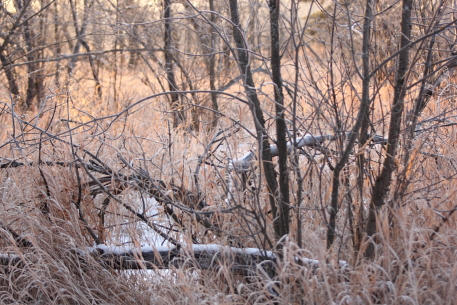
We received a follow-up report regarding the wildfire that occurred in George Genereux Urban Regional Park.

The Saskatoon Fire Department requested assistance from Urban Forestry staff to assess vegetation damage and determine whether any ongoing safety concerns remained within the affected area. Following a site inspection, an Urban Forestry supervisor reported that 44 small dead trees along the pathway were identified and marked with spray paint. The overall risk was assessed as low due to the area’s relatively low level of use, the low likelihood of tree failure, and the minimal potential for injury should a tree fall. While these trees should eventually be removed to prevent them from falling onto the pathway, they do not currently present an immediate hazard to the public.

As a result of this assessment, all identified safety concerns have now been addressed, and the area may continue to be used by the public. While some visible impacts from the wildfire remain, they do not pose a risk that would warrant restricting access to the site.

Visitors should be aware that tick populations remain very high in the area. The fire did not eliminate ticks, so appropriate precautions are strongly recommended, including wearing long clothing, staying on designated trails where possible, and conducting tick checks after visiting.

To help protect public health, natural areas, and reduce the risk of future wildfires, smoking and vaping are prohibited in all outdoor public spaces owned or operated by the City of Saskatoon under Smoking Control Bylaw No. 8286. This restriction applies to all tobacco products, cannabis products, and electronic cigarettes. Open fires, campfires, and any unauthorized flame-producing activities are also prohibited. Visitors are encouraged to respect these regulations to help safeguard forests, wetlands, wildlife habitat, and fellow park users.

The burned area also presents a valuable opportunity for ecological learning. Post-fire landscapes serve as living laboratories where environmental organizations such as the Friends of the Saskatoon Afforestation Areas can observe ecological succession and natural recovery processes firsthand. Over time, pioneering plants, insects, fungi, birds, and mammals gradually recolonize the site, demonstrating the resilience of natural ecosystems. Monitoring these changes can provide important information about biodiversity recovery, soil health, habitat restoration, carbon storage, and climate adaptation. Such areas also offer meaningful educational opportunities, helping visitors understand the role that fire can play in ecosystem renewal and fostering a deeper appreciation for the natural processes that shape and sustain healthy landscapes.

Previous posts about the grass fire.

Grass Fire Monitoring Continues Amid Extreme Dry Conditions

Grass and Brush Fire Response Underway

Understanding Wildfire Risk: The 30-30-30 Rule

When it comes to predicting how aggressively a wildfire will behave, Canadian firefighters and meteorologists look for a critical atmospheric tipping point known as the “crossover” effect. This danger zone is easily remembered by the 30-30-30 rule of thumb, which identifies the exact combination of weather conditions that cause small fires to rapidly explode out of control.

The rule states that wildfire danger reaches extreme levels when three specific conditions are met simultaneously:

  • Temperature: 30°C or higher.
  • Relative Humidity: 30% or lower.
  • Wind Speed: 30 km/h or faster.

Why This Combination is So Dangerous

When the air becomes that hot and dry, it acts like a sponge, rapidly evaporating moisture from forest vegetation, grass, and soil. This creates a massive amount of highly flammable fuel. Once you add sustained wind speeds of 30 km/h into the mix, a spark can instantly turn into an intense, fast-moving blaze. The wind not only supplies oxygen to the flames but also carries burning embers far ahead of the main fire line, igniting new flare-ups and making containment incredibly difficult for emergency crews.

When a region hits this “crossover” threshold, fire safety officials go on high alert, as any new ignition has the potential to become an unmanageable wildfire.
Addresses:

Part SE 23-36-6 – Richard St. Barbe Baker Afforestation Area – 241 Township Road 362-A

Part SE 23-36-6 – SW Off-Leash Recreation Area (Richard St. Barbe Baker Afforestation Area ) – 355 Township Road 362-A

S ½ 22-36-6 Richard St. Barbe Baker Afforestation Area (West of SW OLRA) – 467 Township Road 362-A

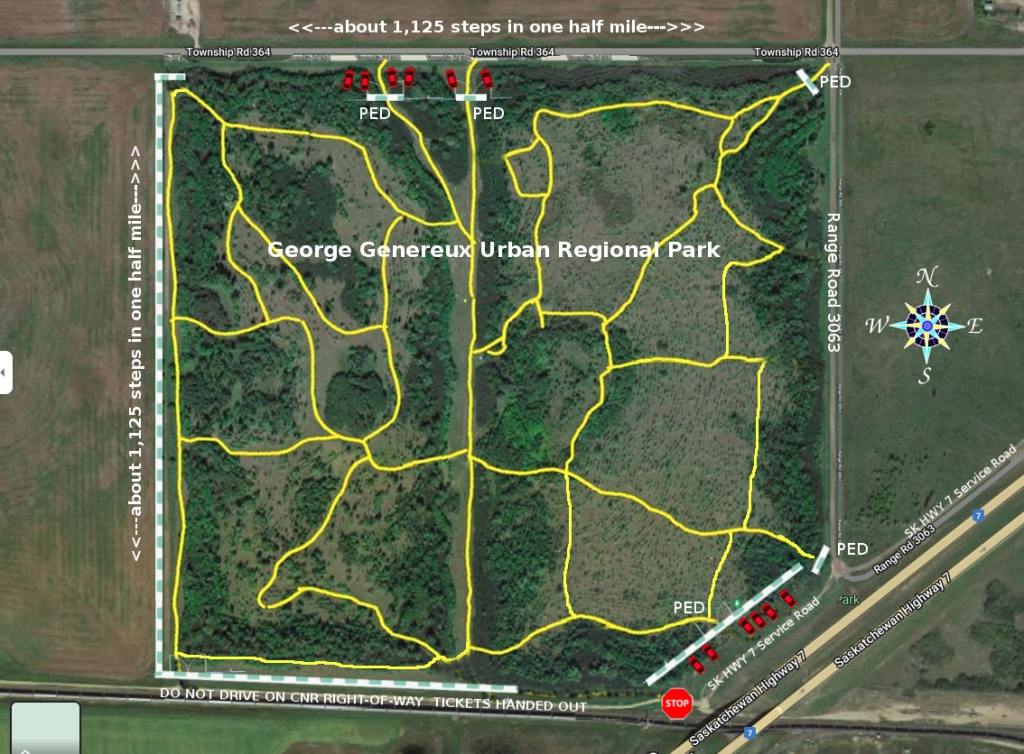
NE 21-36-6 “George Genereux” Afforestation Area – 133 Range Road 3063

Coming soon the Clavet Memorial Healing Forest honouring the Humboldt Broncos

Wikimapia Map: type in Richard St. Barbe Baker Afforestation Area or

Google Maps South West Off Leash area location pin at parking lot

Web page: https://stbarbebaker.wordpress.com

Where is the Richard St. Barbe Baker Afforestation Area? with map

Where is the George Genereux Urban Regional Park (Afforestation Area)?with map

Pinterest richardstbarbeb

Blogger: FriendsAfforestation

Tumblr friendsafforestation.tumblr.comFacebook Group Page: Users of the George Genereux Urban Regional Park

Facebook: StBarbeBaker Afforestation Area

Facebook for the non profit Charity Friends of the Saskatoon Afforestation Areas Inc. FriendsAreas

Facebook group page : Users of the St Barbe Baker Afforestation Area

Facebook: South West OLRA

Reddit: FriendsAfforestation

BlueSky Social

Mix: friendsareas

YouTube

Support via Zeffy

Please help protect / enhance your afforestation areas, please contact the Friends of the Saskatoon Afforestation Areas Inc. (e-mail / e-transfers )

Donate your old vehicle, here’s how!  

Support using Canada Helps

Support via a recycling bottle donation and Join the plastic-recycle challenge!

United Nations Decade on Ecosystem Restoration

““Be like a tree in pursuit of your cause. Stand firm, grip hard, thrust upward. Bend to the winds of heaven..”Richard St. Barbe Baker

Grass and Brush Fire Response Underway

Grass and Brush Fire Response Underway Near George Genereux Urban Regional Park

Residents are being asked to avoid the entire area surrounding George Genereux Urban Regional Park on Tuesday, May 26, as the Saskatoon Fire Department responds to a grass and brush fire located along the western edge of the park near the CNR rail corridor. George Genereux Urban Regional Park IS CLOSED till further notice stay tuned to the City of Saskatoon. Re-opened June 4, 2026

Emergency crews are actively working to contain the fire and protect surrounding green spaces, infrastructure, and nearby habitats. Smoke may be visible from surrounding neighbourhoods as firefighters manage hot spots and prevent the flames from spreading through dry grasses and brush.

The 148-acre urban regional park is an important naturalized area within Saskatoon’s west side, providing habitat for birds, pollinators, small mammals, and native vegetation. During dry spring conditions, grasslands and brush areas can become highly vulnerable to fast-moving fires, especially during windy weather or periods of low moisture.

Members of the public are encouraged to stay clear of the area while emergency operations continue. Avoiding the site helps ensure public safety and allows firefighters unobstructed access to trails, service roads, and fire response zones.

Grass and brush fires can spread rapidly through naturalized urban areas due to dry vegetation, accumulated plant litter, and changing wind conditions. Firefighters often work quickly to create containment lines, extinguish smouldering vegetation, and monitor surrounding areas for flare-ups.

Urban naturalized parks play an important ecological role by supporting biodiversity, improving air quality, reducing stormwater runoff, and providing opportunities for recreation and environmental education. Protecting these spaces during wildfire or brush fire events is important not only for public safety, but also for maintaining healthy urban ecosystems.

Residents are reminded to use caution during dry conditions by properly disposing of cigarettes, not smoking nor vaping in city greenspace park areas, avoiding open flames near grasslands, and reporting signs of smoke or fire immediately to emergency services and DO NOT use George Genereux Urban Regional Park until notice is given by the City of Saskatoon please.

Further updates regarding trail access or reopening of the area may become available following fire suppression and safety assessments by local authorities.

A sincere note of thanks and appreciation is extended to the members of the Saskatoon Fire Department for their rapid response, professionalism, and dedicated efforts in protecting both public safety and the natural environment during this grass and brush fire incident. Their work safeguarding Saskatoon’s communities, green spaces, wildlife habitat, and urban ecosystems is deeply appreciated.

The 30-30-30 Rule: A Formula for Wildfire Danger

In wildfire management, a critical environmental threshold called “crossover” indicates when fire behavior transitions from manageable to extreme. This high-risk state occurs when three weather elements hit the number 30 at the same time:

  • Heat: Temperatures reach 30°C or above.
  • Dryness: Relative humidity drops to 30% or lower.
  • Wind: Sustained wind speeds hit 30 km/h or faster.

The Bottom Line: When these conditions align, forests and grasslands dry out rapidly, allowing fires to ignite instantly, spread at terrifying speeds, and easily bypass containment lines.

Saskatoon firefighters battle grassland fire Tuesday

Addresses:

Part SE 23-36-6 – Richard St. Barbe Baker Afforestation Area – 241 Township Road 362-A

Part SE 23-36-6 – SW Off-Leash Recreation Area (Richard St. Barbe Baker Afforestation Area ) – 355 Township Road 362-A

S ½ 22-36-6 Richard St. Barbe Baker Afforestation Area (West of SW OLRA) – 467 Township Road 362-A
NE 21-36-6 “George Genereux” Afforestation Area – 133 Range Road 3063

Wikimapia Map: type in Richard St. Barbe Baker Afforestation Area or

Google Maps South West Off Leash area location pin at parking lot

Web page: https://stbarbebaker.wordpress.com

Where is the Richard St. Barbe Baker Afforestation Area? with map

Where is the George Genereux Urban Regional Park (Afforestation Area)?with map

Pinterest richardstbarbeb

Blogger: FriendsAfforestation

Tumblr friendsafforestation.tumblr.comFacebook Group Page: Users of the George Genereux Urban Regional Park

Facebook: StBarbeBaker Afforestation Area

Facebook for the non profit Charity Friends of the Saskatoon Afforestation Areas Inc. FriendsAreas

Facebook group page : Users of the St Barbe Baker Afforestation Area

Facebook: South West OLRA

Reddit: FriendsAfforestation

BlueSky Social

Mix: friendsareas

YouTube

Support via Zeffy

Please help protect / enhance your afforestation areas, please contact the Friends of the Saskatoon Afforestation Areas Inc. (e-mail / e-transfers )

Donate your old vehicle, here’s how!  

Support using Canada Helps

Support via a recycling bottle donation and Join the plastic-recycle challenge!

United Nations Decade on Ecosystem Restoration

““Be like a tree in pursuit of your cause. Stand firm, grip hard, thrust upward. Bend to the winds of heaven..”

The Language of Conks: What Shelf Fungi Teach Us About Caring for Trees and Forests

In the hush of an old woodland, where trembling aspens flicker like coins of light and spruce roots braid themselves through centuries of memory, there is another kingdom quietly at work beneath the bark. It is neither plant nor animal, but something older in spirit and stranger in form — the fungal realm. To kneel beside a weathered trunk and notice a shelf fungus protruding from its side is to glimpse the forest speaking in another language.

These woody shelves, called polypores, are the fruiting bodies of immense underground and internal fungal networks. The name “polypore” refers to the tiny pores beneath the cap, replacing the delicate gills of other mushrooms. When these fungi harden into woody, hoof-shaped structures, arborists and foragers alike call them conks. They are the visible punctuation marks of a hidden process: decomposition, renewal, and the recycling of life itself.

The forest does not waste.

A conk may seem lifeless at first glance — gray as stone, ridged with age, fixed immovably to the trunk. Yet within it are millions of spores waiting for the right wind, the right wound, the right moment. Like rings in a tree, many shelf fungi add a fresh layer of spore-producing tissue each growing season. Some years produce two flushes of growth, making time itself difficult to measure precisely. One conk with eight visible layers may be four years old, or perhaps eight. Fungi, like forests, resist human impatience.

Among the most recognizable is Fomes fomentarius, the tinder conk, hard and gray, shaped uncannily like the hoof of a horse. Nearby may grow Ganoderma applanatum, known as artist’s conk because its creamy white underside bruises dark when touched, preserving every line like charcoal on parchment. A child can sketch a bird upon it with a fingertip, and the forest will keep the drawing for years.

These organisms are not invaders in the simple sense. They are recyclers, chemists, undertakers, and midwives of succession. Roughly 1,700 species of wood-rotting polypores have been documented in North America alone, each evolved to unlock the dense architecture of wood. Trees build themselves from sunlight, water, minerals, and carbon dioxide. Fungi dismantle those structures molecule by molecule, returning nutrients to soil and life to the ecosystem.

Without fungi, forests would choke upon their own dead.

Yet their appearance on a living tree often tells a more sobering story. Shelf fungi are usually dead-wood dependent organisms, thriving on weakened, wounded, scarred or dying tissue. Most wood decay begins when airborne spores enter exposed wood through injury. A broken limb. A careless pruning cut. A scar from construction equipment. Fire, lightning, drought, sunscald, insects boring into bark — all become doorways.

The fungus does not create the weakness alone. Often, it merely answers an invitation.

A stressed tree becomes vulnerable. Heat waves, compacted soils, severed roots, and prolonged drought leave trees physiologically exhausted, less able to compartmentalize decay. The fungal mycelium moves silently through sapwood and heartwood, digesting lignin — the very compound that gives wood its strength. What appears externally as a single shelf may conceal columns of internal decay extending metres above and below the fruiting body.

Knock on such a trunk with your knuckles or a sounding hammer and the tree may answer with a hollow resonance, a wooden echo hinting at unseen rot within.

And still, the forest persists.

Woodpeckers arrive next. Sapsuckers drill neat rows into stressed bark to drink rising sap. Beetles tunnel through softened wood. Mosses gather moisture in fissures. Cavities become homes for owls, chickadees, squirrels, and raccoons. What humans call decay, ecosystems call opportunity.

A wildlife tree is not a failed tree. It is a standing community.

This understanding lies at the heart of wise forestry and compassionate arboriculture. Too often, those appreciating our urban forests treat trees as isolated ornaments rather than members of a living network. We prune aggressively, wound roots, compact soil, and sterilize deadwood from greenspaces as though death itself were untidy. Yet forests thrive through cycles of growth, injury, decomposition, and renewal.

The great mycologist-naturalists remind us to look deeper. Paul Stamets writes of fungi as Earth’s neurological network, threading intelligence through ecosystems. Merlin Sheldrake invites us to see forests not as collections of individuals but as entangled conversations. David Arora teaches us to approach mushrooms with curiosity, humility, and delight — to kneel in the leaf litter and truly observe.

And observation changes stewardship.

If we wish to care for our trees and forests, we must first stop imagining ourselves outside of them.

The Kenyan initiative Watu Wa Miti — “People of the Trees” — understood this profoundly. Founded in 1922 by Richard St. Barbe Baker alongside Chief Josiah Njonjo, the movement began with a deceptively simple pledge: plant ten trees every year, protect trees everywhere, and perform one good deed daily. It was not merely a forestry campaign. It was a moral philosophy rooted in reciprocity.

To care for forests is to care for future shade we may never sit beneath.

Modern arborists know there is no true cure once aggressive wood-decay fungi establish themselves deeply within a tree. Species such as Phellinus tremulae (Aspen Bracket) and Schizophyllum commune (Common Split Gill) colonize stressed wood and produce characteristic fruiting bodies that reveal internal decline already underway. By the time conks appear, the hidden mycelial network may have occupied large portions of the trunk or roots.

The task, then, is prevention and respect.

Protect roots from compaction. Avoid unnecessary wounds. Prune properly and sparingly. Water young trees deeply during drought. Preserve diverse forests rather than monocultures. Leave some deadwood in naturalized areas so fungal and insect communities can continue nutrient cycling. Understand that fungi are not enemies to eradicate, but indicators of ecological imbalance and participants in renewal.

And perhaps most importantly: do not destroy the evidence.

Removing a conk from a tree does not remove the fungus within. The visible mushroom is merely the reproductive structure, while the true organism — the mycelium — permeates the wood invisibly. Tearing off fruiting bodies may reduce spore dispersal, but it does not halt decay. In damp weather, such disturbance may even aid spore spread.

The forest is subtler than our attempts to control it.

To walk among trees is to walk among beings engaged in constant transformation. A fallen birch nourishes fungi. Fungi nourish soil. Soil nourishes seedlings. Seedlings become forests. Forests shape climate, hold water, soften wind, cool cities, and shelter life.

Every conk on a trunk is both warning and wisdom.

It tells us that trees are mortal. That wounds matter. That ecosystems recycle grief into fertility. And that caring for forests means more than planting trees — it means protecting relationships: between roots and rain, fungi and woodpeckers, insects and bark, people and the living earth.

If we listen closely enough, even a silent shelf fungus can teach us how to belong to the forest again.

Thank you to Scott Kindrachuk, Supervisor with Urban Forestry in the City of Saskatoon Parks Department. From June 9–11, arborists will be working in the Richard St. Barbe Baker Afforestation Area to professionally remove selected standing dead trees identified as potential falling hazards, fire risks, or disease concerns. These trees will be marked with a spray-painted dot prior to the commencement of work.

Part SE 23-36-6 – Richard St. Barbe Baker Afforestation Area – 241 Township Road 362-A

Part SE 23-36-6 – SW Off-Leash Recreation Area (Richard St. Barbe Baker Afforestation Area ) – 355 Township Road 362-A

S ½ 22-36-6 Richard St. Barbe Baker Afforestation Area (West of SW OLRA) – 467 Township Road 362-A

NE 21-36-6 “George Genereux” Afforestation Area – 133 Range Road 3063

Wikimapia Map: type in Richard St. Barbe Baker Afforestation Area or

Google Maps South West Off Leash area location pin at parking lot

Web page: https://stbarbebaker.wordpress.com

Where is the Richard St. Barbe Baker Afforestation Area? with map

Where is the George Genereux Urban Regional Park (Afforestation Area)?with map

Pinterest richardstbarbeb

Blogger: FriendsAfforestation

Tumblr friendsafforestation.tumblr.comFacebook Group Page: Users of the George Genereux Urban Regional Park

Facebook: StBarbeBaker Afforestation Area

Facebook for the non profit Charity Friends of the Saskatoon Afforestation Areas Inc. FriendsAreas

Facebook group page : Users of the St Barbe Baker Afforestation Area

Facebook: South West OLRA

Reddit: FriendsAfforestation

BlueSky Social

Mix: friendsareas

YouTube

Support via Zeffy

Please help protect / enhance your afforestation areas, please contact the Friends of the Saskatoon Afforestation Areas Inc. (e-mail / e-transfers )

Donate your old vehicle, here’s how!  

Support using Canada Helps

Support via a recycling bottle donation and Join the plastic-recycle challenge!

United Nations Decade on Ecosystem Restoration

““Be like a tree in pursuit of your cause. Stand firm, grip hard, thrust upward. Bend to the winds of heaven..” Richard St. Barbe Baker

World Biodiversity Day 2026

Acting Locally for Global Impact in Saskatoon’s Afforestation Areas

Today, May 22, marks World Biodiversity Day, a global celebration recognizing the extraordinary variety of life sustaining our planet. This year’s theme, “Acting Locally for Global Impact,” reminds us that meaningful environmental stewardship begins within our own communities, parks, wetlands, and forests.

In Saskatoon, the afforestation areas cared for and advocated by the Friends of the Saskatoon Afforestation Areas demonstrate how local conservation contributes directly toward global biodiversity goals. These urban forests are more than collections of trees; they are living ecosystems supporting birds, mammals, insects, pollinators, fungi, microorganisms, and native prairie biodiversity within Saskatchewan’s moist mixed grassland region.

West Swale and Richard St. Barbe Baker AFforestation Area wildlife Urban Forest Semi-Wilderness Area. Mountain Bluebird, White Tailed Deer Fawn. Barred Tiger Salamander or western tiger salamander. American Pelican, Mallard Duckling

The afforestation areas provide important ecological layers essential for healthy biodiversity. Towering canopy species such as native American Elm, Balsam Poplar, Manitoba Maple, Trembling Aspen, Bur Oak, Colorado Blue Spruce and White Spruce shelter birds and wildlife while stabilizing soils and moderating temperatures. Beneath them grow shrubs and understory plants including Saskatoon berry, chokecherry, red-osier dogwood, snowberry, buffaloberry, silverberry, gooseberries, currants, roses, and willow species which provide food, nesting habitat, pollen, nectar, and protection for pollinators, songbirds, mammals, and beneficial insects.

These forests also provide habitat corridors for wildlife including white-tailed deer, moose, rabbits, squirrels, owls, hawks, woodpeckers, migratory songbirds, and countless invertebrate species. Native flowering shrubs such as prairie rose, woods rose, silver buffaloberry, wolf willow, and western snowberry sustain pollinator populations critical to ecosystem resilience and agricultural health.

Biodiversity conservation also means understanding ecological challenges. Within the afforestation areas, introduced and invasive species such as European buckthorn require careful monitoring and community science participation. The Friends of the Saskatoon Afforestation Areas encourage the public to assist with observations through iNaturalist to help identify invasive species locations, monitor biodiversity, and contribute valuable ecological data supporting conservation efforts.

American Beaver, Porcupine, Red-winged Blackbird, Fawn, Mallard Ducks, Waxwing, Rabbit, Deer Chappell Marsh. West Swale Wetlands. Richard St. Barbe Baker Afforestation Area. Saskatoon, SK, CA

Several species found within the afforestation areas also carry conservation significance. American Elm and Green Ash are listed on the IUCN Red List because of threats from disease and environmental pressures. The Red-Berried Elder is ranked as a rare species within Saskatchewan. Every healthy urban forest supporting these species contributes to broader ecological resilience and conservation awareness.

Urban forests are increasingly recognized as essential climate adaptation infrastructure. Trees absorb carbon, reduce urban heat, improve air quality, retain stormwater, provide wildlife habitat, and contribute to mental and physical wellbeing for surrounding communities. In rapidly changing environments, afforestation areas become critical refuges not only for biodiversity, but also for people seeking connection with nature.

The Friends of the Saskatoon Afforestation Areas believe biodiversity protection begins with education, stewardship, and community participation. Every bird observation, invasive species report, pollinator garden, tree planting initiative, and conservation conversation helps strengthen environmental resilience locally while contributing to international biodiversity goals.

World Biodiversity Day reminds us that protecting ecosystems does not happen only within distant wilderness parks. It happens where communities choose to care for the landscapes around them. Saskatoon’s afforestation areas stand as living examples of how local environmental stewardship can create lasting global impact for biodiversity, climate resilience, and future generations.

Afforestation Area Addresses:

Part SE 23-36-6 – Richard St. Barbe Baker Afforestation Area – 241 Township Road 362-A

Part SE 23-36-6 – SW Off-Leash Recreation Area (Richard St. Barbe Baker Afforestation Area ) – 355 Township Road 362-A

S ½ 22-36-6 Richard St. Barbe Baker Afforestation Area (West of SW OLRA) – 467 Township Road 362-A

NE 21-36-6 “George Genereux” Afforestation Area – 133 Range Road 3063

Clavet Memorial Healing Forest honouring the Humboldt Broncos.

Wikimapia Map: type in Richard St. Barbe Baker Afforestation Area or

Google Maps South West Off Leash area location pin at parking lot

Web page: https://stbarbebaker.wordpress.com

Where is the Richard St. Barbe Baker Afforestation Area? with map

Where is the George Genereux Urban Regional Park (Afforestation Area)?with map

Pinterest richardstbarbeb

Blogger: FriendsAfforestation

Tumblr friendsafforestation.tumblr.comFacebook Group Page: Users of the George Genereux Urban Regional Park

Facebook: StBarbeBaker Afforestation Area

Facebook for the non profit Charity Friends of the Saskatoon Afforestation Areas Inc. FriendsAreas

Facebook group page : Users of the St Barbe Baker Afforestation Area

Facebook: South West OLRA

Reddit: FriendsAfforestation

BlueSky Social

Mix: friendsareas

YouTube

Support via Zeffy

Please help protect / enhance your afforestation areas, please contact the Friends of the Saskatoon Afforestation Areas Inc. (e-mail / e-transfers )

Donate your old vehicle, here’s how!  

Support using Canada Helps

Support via a recycling bottle donation and Join the plastic-recycle challenge!

United Nations Decade on Ecosystem Restoration

“Be like a tree in pursuit of your cause. Stand firm, grip hard, thrust upward. Bend to the winds of heaven..” – Richard St. Barbe Baker

THE RESULTS ARE IN! City Nature Challenge CNC YXE 2026

FOR IMMEDIATE RELEASE
City Nature Challenge 2026: 
Saskatoon Takes on the Global Biodiversity Stage
THE RESULTS ARE IN!

CNC YXE 2026 Infographic

These are the statistics about how Saskatoon Fared April 24 – April 27, 2026

There were 12 endangered species observed!  
Threatened Species 12 species
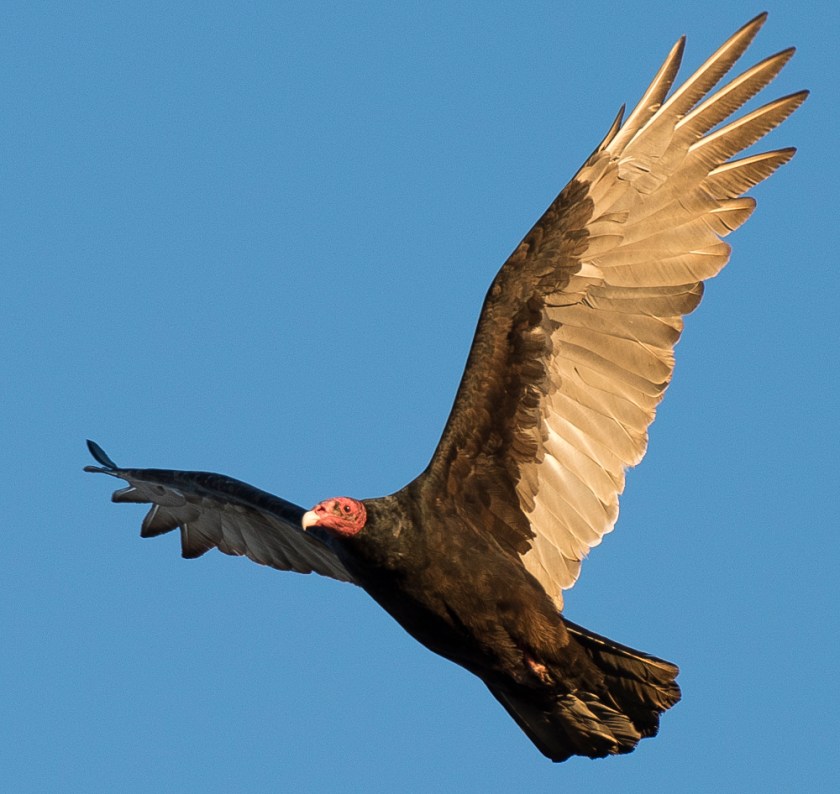
green ash Fraxinus pennsylvanica, Killdeer Charadrius vociferus,  Greater Yellowlegs Tringa melanoleuca  Common Grackle Quiscalus quiscula, Loggerhead Shrike Lanius ludovicianus,Osprey Pandion haliaetus,,American Tree Sparrow Spizelloides arborea,  Turkey Vulture Cathartes aura, Western Tiger Salamander Ambystoma mavortium,Goldenrod Gall Fly Eurosta solidaginis, Calligrapha verrucosa, Shiny Blue Bottle Fly Cynomya cadaverina

CNC YXE 2026 Infographic!

MOST OBSERVED SPECIES IN SASKATOON FOR THIS FOUR DAY STRETCH ….IN A SNOWSTORM NO LESS
Most Observed Species
ROBIN!  Turdus migratorius  64
yellow-rumped warbler  Setophaga coronata     43
dark-eyed junco Junco hyemalis  40
American crow Corvus brachyrhynchos   28
black-capped chickadee Poecile atricapillus    25
Canada goose Branta canadensis    23

By the numbers in Saskatoon, SK there were:

925📷 Observations          221🌿 Species          
          49👥 Observers          135🔍 Identifiers

For observing biodiversity and signs of life in a rare freak snowstorm, that was impressive!  Way to go Saskatoon, thank you.  

To compare to other Prairie Province cities:

Regina Saskatchewan
448📷 Observations          110🌿 Species  
          28👥 Observers          129🔍 Identifiers

Brandon Manitoba
653📷 Observations          147🌿 Species        
          18👥 Observers          92🔍 Identifiers

Winnipeg, Manitoba
1,796📷 Observations          375🌿 Species        
          95👥 Observers          241

Edmonton, Alberta
1,616📷 Observations          240🌿 Species  
          106👥 Observers          193🔍 Identifiers

Lethbridge, Alberta
1,296📷 Observations          301🌿 Species        
          40👥 Observers          199🔍 Identifiers

Red Deer Alberta results:
97📷 Observations          71🌿 Species      
10👥 Observers          28🔍 Identifiers

Calgary Alberta
4,986📷 Observations          474🌿 Species    
          152👥 Observers          335🔍 Identifiers

Visit citynaturestats.com to view the in-depth results and explore your city’s individual statistics.

World Wild Results:
City Nature Challenge 2026 Global Results!

  • Total # of species documented: 76,422+
  • Total # of observers: 106,354
  • Total # of identifiers: 27,641+
  • Total # of observations: 3,001,825
  • Rare, Endangered, or Threatened species: 5688+
  • Most Observed Plant: Common Dandelion, Taraxacum officinale
  • Most Observed Animal: Mallard, Ana platyrhynchos
  • Number of participating countries: 61
  • Number of participating cities: 754
  • Percentage of research grade observations: 40%

Afforestation Area Addresses:

Part SE 23-36-6 – Richard St. Barbe Baker Afforestation Area – 241 Township Road 362-A

Part SE 23-36-6 – SW Off-Leash Recreation Area (Richard St. Barbe Baker Afforestation Area ) – 355 Township Road 362-A

S ½ 22-36-6 Richard St. Barbe Baker Afforestation Area (West of SW OLRA) – 467 Township Road 362-A

NE 21-36-6 “George Genereux” Afforestation Area – 133 Range Road 3063

Clavet Memorial Healing Forest honouring the Humboldt Broncos.

Wikimapia Map: type in Richard St. Barbe Baker Afforestation Area or

Google Maps South West Off Leash area location pin at parking lot

Web page: https://stbarbebaker.wordpress.com

Where is the Richard St. Barbe Baker Afforestation Area? with map

Where is the George Genereux Urban Regional Park (Afforestation Area)?with map

Pinterest richardstbarbeb

Blogger: FriendsAfforestation

Tumblr friendsafforestation.tumblr.comFacebook Group Page: Users of the George Genereux Urban Regional Park

Facebook: StBarbeBaker Afforestation Area

Facebook for the non profit Charity Friends of the Saskatoon Afforestation Areas Inc. FriendsAreas

Facebook group page : Users of the St Barbe Baker Afforestation Area

Facebook: South West OLRA

Reddit: FriendsAfforestation

BlueSky Social

Mix: friendsareas

YouTube

Support via Zeffy

Please help protect / enhance your afforestation areas, please contact the Friends of the Saskatoon Afforestation Areas Inc. (e-mail / e-transfers )

Donate your old vehicle, here’s how!  

Support using Canada Helps

Support via a recycling bottle donation and Join the plastic-recycle challenge!

United Nations Decade on Ecosystem Restoration

“Be like a tree in pursuit of your cause. Stand firm, grip hard, thrust upward. Bend to the winds of heaven..” – Richard St. Barbe Baker

The Role of Biodiversity in Ecosystem Resilience

Voices from the Afforestation Frontlines Presents: The Role of Biodiversity in Ecosystem Resilience


As the United Nations Environment Assembly (UNEA-7) calls the world to action under the theme “Advancing sustainable solutions for a resilient planet,” communities everywhere are stepping forward to meet the moment. Among them is a remarkable initiative from the Friends of the Saskatoon Afforestation Areas Inc., whose four-part webinar series—Voices from the Afforestation Frontlines – Advancing Sustainable Solutions for a Resilient Planet—is uniting global experts, grassroots leaders, and everyday citizens eager to build a more sustainable future.

On Thursday, November 20 at 6:00 PM EST, the series hosts its next installment: The Role of Biodiversity in Ecosystem Resilience, a free virtual event exploring one of the most foundational questions in environmental science today: How does biodiversity make ecosystems stronger, more stable, and better able to recover from disturbance?

At a time when the world grapples with climate change, biodiversity loss, and escalating pressures on land and water, this webinar offers clarity, direction, and a renewed sense of collective purpose.


Why Biodiversity Matters Now More Than Ever

The objective of the evening is clear and urgent:
To examine how diverse species and habitats contribute to ecosystem stability and recovery—and to understand why protecting biodiversity is essential for adapting to environmental change.

Healthy ecosystems depend on a tapestry of interconnected life. Forests recover from fire faster when they host a rich mix of plant species. Oceans adapt to warming when fish, coral, and microorganisms maintain functional diversity. Grasslands withstand drought when pollinators, predators, and soil organisms each play their part.

Biodiversity is resilience in action.
And safeguarding it is one of humanity’s most powerful tools for securing a livable planet.

This webinar aims to illuminate these interconnections while highlighting how conservation solutions must be as diverse as the ecosystems they aim to protect.


Master of Ceremonies: Wolf Gordon Clifton

Opening the event is Wolf Gordon Clifton, whose work bridges ethical human–animal relationships, animal welfare, and conservation. With a thoughtful and engaging presence, Clifton frames the evening with a reminder that biodiversity includes more than species counts—it includes the moral landscapes that shape how humans coexist with the natural world.


The Vision Behind the Series: Webinar Lead Frezer Yeheyis

Guiding the overarching vision of the webinar series is Frezer Yeheyis, Co-facilitator of the Women Major Group with UNEP, Public Advocacy and Volunteerism Director for Friends of the Saskatoon Afforestation Areas Inc., and Women 7 Advisor for the G7 Countries Summit.

Yeheyis—whose leadership blends public advocacy, global environmental policy, and community empowerment—has positioned the series as a vital connection between international dialogue and local action. Her direction ensures that each session elevates grassroots voices while aligning with the goals of UNEA-7.


Moderated by Dalia F. Márquez A.

The evening’s conversation will be moderated by Dalia F. Márquez A., CEO and Founder of Juventud Unida en Acción, a youth-led organization advancing environmental awareness, equitable community engagement, and sustainable action across borders.

Márquez brings deep experience in youth mobilization, environmental justice, and global collaboration—ensuring that diverse viewpoints are woven into a cohesive, compelling dialogue.


Meet the Distinguished Panelists

The webinar brings together seven experts whose collective knowledge spans science, policy, governance, finance, restoration, and community engagement—reflecting the multidimensional nature of biodiversity itself.

Carmen Capriles

Agronomist & Sustainable Development Specialist
With decades of experience in global climate policy and civil society advocacy, Capriles brings a grounded understanding of how biodiversity connects to food systems, sustainable land use, and climate justice.

Mirna Inés Fernández

Environmental Engineer, Third World Network Researcher & Co-founder, Global Youth Biodiversity Network
Fernández offers expertise at the nexus of biodiversity policy, global governance, and youth participation. Her work emphasizes education, equity, and the transformational power of informed communities.

Daniel Sawadogo

Political Scientist, Burkina Faso
With advanced studies in law and political sociology, Sawadogo examines biodiversity through the lens of governance, institutional resilience, and societal structures. His perspective underscores that ecosystems cannot thrive without stable, inclusive human systems.

Rebecca Self

Co-founder & Managing Director, Seawolf Sustainability Consulting
Self brings a finance and sustainability lens to the conversation, highlighting how economic systems, corporate responsibility, and innovative investment strategies influence biodiversity outcomes.

Julia Adamson

Environmental Advocate & Nonprofit Leader, Friends of the Saskatoon Afforestation Areas Inc.
Adamson’s work is rooted in urban forests, community stewardship, and the restoration of Saskatoon’s afforestation areas. She offers insights into how local conservation initiatives—powered by volunteers, education, and citizen science—strengthen ecological resilience.

Rosalyn Kilcollins

Former Instructor, Florida Master Naturalist Program & Coastal Environmental Specialist
With extensive experience in habitat restoration, coastal management, and citizen science, Kilcollins showcases how public education and hands-on ecological restoration enhance the resilience of both natural and human communities.


A Webinar that Connects Local Voices to Global Action

What sets this event apart is its commitment to bridging scales—linking global policy frameworks with the lived experiences of communities from the Canadian prairies to Latin America, Africa, and coastal regions of the United States.

The series itself was born from the recognition that the solutions needed to build a resilient planet must come from everywhere:
scientists and students, policymakers and volunteers, activists and educators, Indigenous knowledge holders and youth leaders.

Together, these voices reflect the spirit of UNEA-7: that resilience requires diversity—not only in nature, but in the people working to protect it.


Join the Conversation

The Role of Biodiversity in Ecosystem Resilience
Thursday, November 20
6:00 PM EST (GMT-5)
Virtual and free to attend

Whether you are a conservation professional, an educator, a student, or someone simply passionate about the natural world, this webinar invites you to explore biodiversity as the living foundation of planetary resilience.

From species interactions to policy frameworks, from grassroots restoration to financial innovation, this session promises a vibrant, holistic exploration of what it means to protect the web of life—and why doing so is essential for our shared future.


This November, tune in and add your voice to the frontlines of global conservation.
Because when biodiversity thrives, resilience follows.

Addresses:

Part SE 23-36-6 – Richard St. Barbe Baker Afforestation Area – 241 Township Road 362-A

Part SE 23-36-6 – SW Off-Leash Recreation Area (Richard St. Barbe Baker Afforestation Area ) – 355 Township Road 362-A

S ½ 22-36-6 Richard St. Barbe Baker Afforestation Area (West of SW OLRA) – 467 Township Road 362-A

NE 21-36-6 “George Genereux” Afforestation Area – 133 Range Road 3063

Wikimapia Map: type in Richard St. Barbe Baker Afforestation Area or

Google Maps South West Off Leash area location pin at parking lot

Web page: https://stbarbebaker.wordpress.com

Where is the Richard St. Barbe Baker Afforestation Area? with map

Where is the George Genereux Urban Regional Park (Afforestation Area)?with map

Pinterest richardstbarbeb

Blogger: FriendsAfforestation

Tumblr friendsafforestation.tumblr.comFacebook Group Page: Users of the George Genereux Urban Regional Park

Facebook: StBarbeBaker Afforestation Area

Facebook for the non profit Charity Friends of the Saskatoon Afforestation Areas Inc. FriendsAreas

Facebook group page : Users of the St Barbe Baker Afforestation Area

Facebook: South West OLRA

Reddit: FriendsAfforestation

BlueSky Social

Mix: friendsareas

YouTube

Support via Zeffy

Please help protect / enhance your afforestation areas, please contact the Friends of the Saskatoon Afforestation Areas Inc. (e-mail / e-transfers )

Donate your old vehicle, here’s how!  

Support using Canada Helps

Support via a recycling bottle donation and Join the plastic-recycle challenge!

United Nations Decade on Ecosystem Restoration

““Be like a tree in pursuit of your cause. Stand firm, grip hard, thrust upward. Bend to the winds of heaven..”

The Living Classroom: Teaching Children the Language of the Forest


There is a moment — quiet, almost imperceptible — when a child first notices the rustle of life beneath the canopy. A beetle turning over a fallen leaf, a chickadee flitting between branches, the sunlight filtering through layers of green. It is in that instant that understanding begins: a realization that the forest is not merely a collection of trees, but a living, breathing community of countless species, each bound to the others in a delicate web of life.

In Saskatoon’s afforestation areas, these lessons are being sown with care. The work of conservation here is not only about protecting trees or safeguarding species at risk, though these are noble aims. It is about nurturing a generation capable of seeing themselves as part of the natural world—a generation that understands that when one element of the ecosystem falters, all are affected.

Education programs and stewardship initiatives invite young minds to explore with curiosity and purpose. Children are learning that each tree is more than wood and leaves; it is a habitat, a refuge, a home. Beneath their feet lie networks of roots and fungi—silent communicators that sustain the forest community. Above, the canopy shelters the nests of birds, the dens of squirrels, and the cool breath of shade-loving plants.

Yet, these places are fragile. When children push over saplings or try to push over a tree or bang on tree trunks as they run through the forest, hit nests from trees, the harm may not be visible at first—but it is real. Each scar on bark opens a doorway for fungus, pathogens, and pests, weakening the very trees that sustain the forest’s life. And beyond the trees, there are plant species at risk—delicate forbs that struggle to survive beneath the shadow of human carelessness.

That is why stewardship must be taught not as restriction, but as relationship. There are wide open grass spaces for play, for laughter and movement. But through the forest, we walk gently. We stay on the trails, we listen before we touch, and we look before we act. Every step can be a step of respect—for the chickadee’s nest, the wild rose’s roots, the trembling aspen’s song.

In these forests, three tree species are at risk—a solemn reminder that even the giants among us need protection. Do you know which they are? It is a question worth pondering, for awareness is the first act of stewardship.

And so, through every classroom visit, every guided walk, and every act of citizen science, we are advancing stewardship initiatives that bridge science, citizen action, and sustainability. We are spreading education and awareness, encouraging greater care for these vital green spaces in Saskatoon.

Together, we are planting seeds—not only in the ground, but in young minds. Seeds of curiosity, care, and empathy. The impact of these efforts will ripple outward, as each child carries the memory of the forest into the wider world, fostering stewardship for decades to come.

For in the end, conservation is not merely about saving the trees—it is about saving our sense of belonging within the great, unfolding story of life on Earth. And that story continues, one child, one tree, one forest at a time.

Addresses:

Part SE 23-36-6 – Richard St. Barbe Baker Afforestation Area – 241 Township Road 362-A

Part SE 23-36-6 – SW Off-Leash Recreation Area (Richard St. Barbe Baker Afforestation Area ) – 355 Township Road 362-A

S ½ 22-36-6 Richard St. Barbe Baker Afforestation Area (West of SW OLRA) – 467 Township Road 362-A

NE 21-36-6 “George Genereux” Afforestation Area – 133 Range Road 3063

Wikimapia Map: type in Richard St. Barbe Baker Afforestation Area or

Google Maps South West Off Leash area location pin at parking lot

Web page: https://stbarbebaker.wordpress.com

Where is the Richard St. Barbe Baker Afforestation Area? with map

Where is the George Genereux Urban Regional Park (Afforestation Area)?with map

Pinterest richardstbarbeb

Blogger: FriendsAfforestation

Tumblr friendsafforestation.tumblr.comFacebook Group Page: Users of the George Genereux Urban Regional Park

Facebook: StBarbeBaker Afforestation Area

Facebook for the non profit Charity Friends of the Saskatoon Afforestation Areas Inc. FriendsAreas

Facebook group page : Users of the St Barbe Baker Afforestation Area

Facebook: South West OLRA

Reddit: FriendsAfforestation

BlueSky Social

Mix: friendsareas

YouTube

Support via Zeffy

Please help protect / enhance your afforestation areas, please contact the Friends of the Saskatoon Afforestation Areas Inc. (e-mail / e-transfers )

Donate your old vehicle, here’s how!  

Support using Canada Helps

Support via a recycling bottle donation and Join the plastic-recycle challenge!

United Nations Decade on Ecosystem Restoration

““Be like a tree in pursuit of your cause. Stand firm, grip hard, thrust upward. Bend to the winds of heaven..”

Richard St. Barbe Baker

Design a site like this with WordPress.com
Get started