Richard St. Barbe Baker Afforestation Area. George Genereux Urban Regional Park. Humboldt Broncos Memorial Forest. Come to Nature. Come to Life. Friends of the Saskatoon Afforestationk Areas Inc. friendsareas.ca
Out in the long grass of August, where the sun presses its heat into the soil like a branding iron and the wind moves with the low groan of age, Saskatchewan’s wetlands are still doing their quiet work.
They’ve done it for centuries — long before we gave names to their function, long before we cut fences through the marsh, or tried to drain their bellies for crops and cattle. And still, they stay. Not for us, exactly, but with us.
This year, from August 9 to 17, Saskatchewan marks the third annual Wetlands Appreciation Week, carrying the theme: Thriving Together: Wetlands and Communities — a phrase that rings both as a hope and a reminder.
A Landscape of Memory
Consider the West Swale, where the bones of ancient ice carved their story into the land. What we now call a wetland — rich with cattail, bulrush, muskrat, and frog-song — was once a glacial spillway. A restless, roaring channel creating Yorath Island, born from meltwater in the last ice age. That ghost river’s path now hosts Chappell Marsh, a jewel in the crown of the Swale. It is a place where time seems suspended in reed and reflection, and the land’s memory lies just beneath the surface.
Wetlands like this one are more than soggy ground. They’re lungs. They’re sponges. They’re cradle and coffin for countless species. And in a time when climate’s heartbeat grows erratic, these places are also something else — carbon vaults.
The Burden They Carry
Scientists will tell you that wetlands sequester carbon — that they hold it close in deep, anaerobic soils, preventing its release into the warming sky. But the way a farmer in the Qu’Appelle Valley might say it is this: “They soak up more than water.” They soak up heat, drought, and hunger. They shelter birds on thousand-mile migrations and buffer towns from spring floods that no one expected.
But what they give, they do not give without limit.
For every wetland that disappears under gravel or concrete or corrugated pipe, a thread unravels in the cloth of community. Not just for the waterfowl or salamanders or insects that lose a home, but for us — the people who live by water without noticing how it holds us upright.
A Quiet Celebration
So what does it mean to celebrate something that asks nothing for itself?
During Wetlands Appreciation Week, across Saskatchewan, please walk around a wetlands, download iNaturalist and Merlin and take part in citizen science efforts, and moments of shared learning. Communities will come together to listen — not to speeches, necessarily, but to the low thrum of the dragonfly, the dry rustle of sedge, the plop of a frog startled by a passing footstep. Children may build bug hotels. Elders may share stories of when beaver dams meant trouble, or salvation. All of it, a small way of saying: we’re still here. We still see you.
Thriving, Together
The wetlands of Saskatchewan don’t scream. They don’t split open the ground like wildfire or send towering clouds to warn us of their power. Instead, they keep holding on — thick with duckweed, water lilies, and the cool breath of patience.
And if we are to thrive together, as this year’s theme reminds us, then we must not look away from the places that ask so little and give so much. We must remember that resilience is quiet, and that the land remembers everything — the spillways, the droughts, the glacial whisper, and whether we chose to notice.
So go. Walk into the marsh. Watch the heron lift its slow wings into the heat. Breathe. And say thank you — softly, so the cattails can carry it.
Addresses:
Part SE 23-36-6 – Richard St. Barbe Baker Afforestation Area – 241 Township Road 362-A
Part SE 23-36-6 – SW Off-Leash Recreation Area (Richard St. Barbe Baker Afforestation Area ) – 355 Township Road 362-A
S ½ 22-36-6 Richard St. Barbe Baker Afforestation Area (West of SW OLRA) – 467 Township Road 362-A
NE 21-36-6 “George Genereux” Afforestation Area – 133 Range Road 3063
Wikimapia Map: type in Richard St. Barbe Baker Afforestation Area
Google Maps South West Off Leash area location pin at parking lot
Saskatoon’s Wild Stats: How Earth Month and Citizen Science Are Turning Clicks into Conservation
It starts with a snap.
A beetle on a bike path. A flowering weed near a schoolyard. A mystery bird flitting through a suburban backyard. These fleeting encounters, photographed by citizens armed with smartphones, are revolutionizing science from the soil up—and Saskatoon is leading the charge.
Let’s talk numbers. Because Earth Month in Saskatoon isn’t just a feel-good calendar square anymore. It’s become a data goldmine, a real-time pulse check on biodiversity thanks to one powerful tool: iNaturalist.
In 2021, only five Saskatonians took part in the “Where’s Waldo” Nature Connect challenge. Just five. But they submitted 464 observations, which sparked 109 identifications and confirmed 144 species. Not bad for a pandemic year. Fast forward to April 2023, and participation exploded. The City Nature Challenge saw 1,154 observations of 309 species by 148 observers—almost a 30-fold increase in human engagement.
It’s not just quantity. It’s the quality of the science.
These community sightings feed directly into global biodiversity databases. The AI-powered computer vision on iNaturalist suggests identifications, but it’s the humans—like the 142 identifiers in 2025’s Earth Month survey—who validate and enrich the data. This combo of artificial intelligence and community intelligence creates a living map of life on the prairies.
And let’s not forget the 2023 June BioDiverCity Challenge. A jaw-dropping 2,130 observations. Seven. Hundred. Twenty-eight. Species. From fungi to foxes, lichens to ladybugs. That’s not just a list—it’s an ecological manifesto.
Then there’s the detective work: in 2025, Saskatoon citizen scientists weren’t just celebrating biodiversity—they were reporting the bad guys. Observations of noxious invasive species were shared with iMap Invasives SK, while sightings of species at risk were flagged to the Saskatchewan Conservation Data Centre. It’s like CSI: Nature.
Even the species ranges are shifting. In 2025, local observers documented species scientists hadn’t seen in Saskatoon before—possible climate-related expansions that opened up conversations with researchers around the world. Talk about breaking news from a butterfly wing.
And here’s the kicker. While Saskatoon’s 2025 Earth Month stats clocked in at 881 observations and 301 species, it was powered by only 72 observers. That’s fewer people than a packed city bus—but look what they accomplished.
So next Earth Month, if someone tells you a single photo can’t make a difference, show them the numbers. Show them what happens when you empower regular people with a smartphone, a curious mind, and a few spare minutes.
Turns out, a snap really can change the world.
Biodiversity Blitz: Saskatoon’s Wild Side Gets a Standing Ovation
We came. We saw. We bio-blitzed.
The City Nature Challenge 2025 rolled through Saskatoon like a prairie storm—fast-moving, eye-opening, and, if you listened closely, filled with the sounds of citizen scientists shouting “I think that’s a tiger beetle!” while fumbling for their phones.
And now, as the data trickles in and the final identifications are confirmed, it’s time to put away the binoculars, un-mud the boots, and say two very important words:
Thank you.
Because this wasn’t just a weekend event. It was a symphony of collaboration—a grassroots crescendo of curiosity, care, and community. And if we’re applauding nature, we’d better be applauding the people who helped us find it.
Let’s start with the spark: Friends of the Saskatoon Afforestation Areas, the nonprofit environmental charity that took the wheel and drove CNC YXE 2025 straight into the hearts and minds of this city. These folks didn’t just sign up. They initiated the challenge. They were the ones in the trenches weeks—months—before the first warbler was spotted, crafting social media campaigns, issuing rallying cries, and putting pamphlets into the hands of teachers, trail-goers, and weekend wanderers.
Their mission? To turn every citizen into a scientist. And guess what? It worked.
They wrote educational articles. They distributed nature guides. They printed field sheets that turned families into field teams and schoolkids into species sleuths. Through workshops and social posts, press releases and posters, they did the thing that seems impossible in today’s digital chaos: they got people to look up from their screens and into the woods.
But they didn’t do it alone.
Enter the mighty partners of CNC YXE 2025. The Saskatoon Nature Society, with their deep field knowledge and uncanny ability to ID warblers from a single tweet. SaskPower, SaskTel, and SaskEnergy—thank you for plugging in to something bigger than the grid. Your support didn’t just keep the lights on; it lit up the entire nature-loving network.
Wild About Saskatoon brought the soul. You reminded us that “wild” is not something scary to be tamed—it’s something magical to be welcomed.
And the Saskatoon Public School Board—heroes of the future. You handed the next generation a magnifying glass and said, “Go explore.” That’s how naturalists are born. That’s how lifelong wonder begins.
And now let’s talk about the volunteers.
These are the people who kneel in the grass, who flip over leaves, who whisper to birds and squeal at spiders. The ones who stayed up late uploading observations, who battled bugs while logging beetles, who probably now dream in Latin species names. You are the reason this challenge was a success. You are the backbone of discovery.
And let’s not forget the identifiers—those generous, sharp-eyed naturalists around the world who turned our blurry caterpillar pics into solid science. Your keen insights and willingness to share your knowledge took this from “Hmm, what’s that?” to “Wow, it’s an Anopheles quadrimaculatus! And it’s a range expansion—we should flag it!”
That’s the magic. This wasn’t just about pretty flowers and charismatic critters. It was also about early detection. It was about spotting invasive species before they become ecological bullies. It was about mapping biodiversity—warts and all—and using that knowledge to protect what we love.
In total, hundreds of species were logged. Thousands of observations made. And perhaps most importantly, countless people fell in love with the natural world all over again.
Because when you stop to observe a beetle, you start to see the system. You start to see that even the smallest life has a role, a function, a place in the web. And that awareness? That’s the first step to stewardship.
So let’s raise a metaphorical glass (of native prairie tea, perhaps?) to everyone who showed up. To those who organized, to those who observed, and to those who identified. You made CNC YXE 2025 not just a scientific event—but a citywide celebration of curiosity.
And as for next year?
Let’s do it again. Bigger. Wilder. Even more connected. Because this isn’t just about logging species. It’s about remembering that we are part of something alive, something intricate, something beautiful—and that the story of Saskatoon’s wild side is still being written, one photo, one observation, one “Wow!” at a time.
Addresses:
Part SE 23-36-6 – Richard St. Barbe Baker Afforestation Area – 241 Township Road 362-A
Part SE 23-36-6 – SW Off-Leash Recreation Area (Richard St. Barbe Baker Afforestation Area ) – 355 Township Road 362-A
S ½ 22-36-6 Richard St. Barbe Baker Afforestation Area (West of SW OLRA) – 467 Township Road 362-A
NE 21-36-6 “George Genereux” Afforestation Area – 133 Range Road 3063
Wikimapia Map: type in Richard St. Barbe Baker Afforestation Area
Google Maps South West Off Leash area location pin at parking lot
Your Voice, Your Future: Why Voting on April 28 Matters More Than Ever Tomorrow, April 28, Canadians across the country have an important opportunity: Election Day. As citizens, our most direct way to shape public policy, community priorities, and the future we wish to see is through the ballot box. This election is not just a routine event—it is a pivotal moment in a world facing complex challenges that require clear leadership and committed public engagement.
How to Vote on Election Day: Voting is straightforward:
Elections are moments of accountability. They also are opportunities to advocate for the issues that matter most. Among these, the triple threat to biodiversity—climate change, habitat loss, and pollution—has become an increasingly urgent concern. Many Canadians are paying close attention to how political parties are addressing sustainability. Party platforms this election cycle have reflected this growing awareness, with key proposals aimed at protecting ecosystems, investing in clean energy, and conserving vital natural spaces. Understanding how parties prioritize environmental sustainability is crucial as we vote for leaders who will guide Canada through these challenges.
After Election Day, our work does not end. Democracy thrives when citizens stay engaged. Let’s continue pushing for action that protects both our natural world and our communities. Let’s ensure that public safety and environmental stewardship remain top priorities for the new government.
Make your voice heard. Make your vote count. See you at the polls on Monday, April 28.
Thank you for your continued dedication to building a better future for all Canadians.
The 17 United Nations Sustainable Development Goals People walking and talking in the forest
Addresses:
Part SE 23-36-6 – Richard St. Barbe Baker Afforestation Area – 241 Township Road 362-A
Part SE 23-36-6 – SW Off-Leash Recreation Area (Richard St. Barbe Baker Afforestation Area ) – 355 Township Road 362-A
S ½ 22-36-6 Richard St. Barbe Baker Afforestation Area (West of SW OLRA) – 467 Township Road 362-A
NE 21-36-6 “George Genereux” Afforestation Area – 133 Range Road 3063
Wikimapia Map: type in Richard St. Barbe Baker Afforestation Area
Google Maps South West Off Leash area location pin at parking lot
In the stillness of a bustling city, where the hum of human activity drowns out the more delicate sounds of nature, it’s easy to forget that the world around us is teeming with life. But even here, in what seems like an urban wilderness, nature’s invisible threads are quietly holding everything together. Yet, as the shadow of human progress continues to spread across the land, we are witnessing what some have called the silent extinction of species—an ongoing loss of life that echoes through every corner of our ecosystems. Insects, often overlooked and dismissed as insignificant, are among the most affected in this vast tapestry of decline.
City Nature Challenge CNCYXE City Nature Challenge CNCYXE Saskatoon area versus YQRCNC Regina and area in a mini SK challenge The CNC ‘City Nature Challenge,’ CNCYXE2023 Natoona pimatshihk dans la vil in the Michif LanguageCity Nature Challenge #CNCYXE
Naturalists know that every living thing on this planet is intricately connected, and the loss of one will ripple through the entire web of life.” This is the essence of biodiversity: the understanding that species do not exist in isolation. When one vanishes, it triggers a chain reaction that reverberates across the ecosystem. And it is this interconnectedness that we are losing, often without even noticing.
The decline of insects is perhaps one of the most concerning aspects of this global extinction event. Insects are “bird food on wings.” Insects, with their humble and often unnoticed roles, are vital to the survival of countless species—especially birds. Consider this: 96 percent of bird species would not survive without insects. A single clutch of four to six chickadee chicks requires between 6,000 to 9,000 insects to feed and sustain them. Without insects, the delicate balance of our ecosystems would unravel.
Yet, as we bulldoze through habitats, turning parking lots, housing developments, and shopping centers into concrete jungles, we fail to recognize that these once-thriving natural spaces were home to a multitude of creatures. “At some point,” as entomologist Droege says, “if you go back far enough, that was great natural habitat.” Our cities, towns, and suburbs are, in many ways, built on the remnants of what once was—habitats teeming with life. And now, as the pace of development accelerates, we’re losing what little remains.
The numbers are staggering. During this insect apocalypse, with over 40% of insect species are in decline, with a third already endangered. The rate of their extinction is now eight times faster than that of mammals, birds, and reptiles. And if we don’t change the way we approach food production, insects—those small but mighty creatures—could vanish entirely within a few decades.
This, of course, is part of a larger pattern. The Holocene extinction—or Anthropocene extinction, as it is increasingly known—spans not only insects but also mammals, birds, amphibians, and even fungi. Human activities, from deforestation to industrial farming to the burning of fossil fuels, have set in motion an extinction event that is unlike anything the Earth has seen before. In just the past 100 to 200 years, biodiversity loss has reached such alarming levels that we now stand on the precipice of what some scientists call the sixth mass extinction.
And yet, there is still so much we don’t know. In Saskatchewan, for example, there is a critical lack of data on the fungi species that call this province home. Organizations like SARA, COSEWIC, and the SCDC have not been able to categorize many of these species, leaving them vulnerable and unprotected. This gap in knowledge means that the very species that could help mitigate the impacts of this extinction event—by supporting ecosystems, maintaining soil health, and cycling nutrients—are at risk of disappearing unnoticed. This is where you come in. Citizen scientists, like you, can help fill this knowledge gap by documenting fungi, insects, and other species that are crucial to our understanding of the natural world.
As Richard St. Barbe Baker, a visionary in the fight to conserve the world’s forests, once said, “ This generation may either be the last to exist in any semblance of a civilised world or that it will be the first to have the vision, the bearing and the greatness to say, ‘I will have nothing to do with this destruction of life, I will play no part in this devastation of the land, I am determined to live and work for peaceful construction for I am morally responsible for the world of today and the generations of tomorrow.’ “ The extinction of species is not inevitable—it is a consequence of human action. But through awareness, collaboration, and a deeper connection to nature, we can begin to reverse the damage we have caused.
Together, we can become stewards of the land, safeguarding the intricate web of life that sustains us all. Every small action—whether it’s planting a tree, documenting an insect, or protecting a patch of wild grass—contributes to a larger movement of conservation and recovery. Did you know that the temperate grasslands here in the Saskatoon ecoregion are “the most endangered ecosystem” worldwide? The fate of the species, and of the ecosystems that support them, lies in our hands. Will we continue down the path of destruction, or will we choose to protect and restore the natural world for future generations? The choice is ours, and the time to act is now. What can I do?
The Extinction of Experience: How Citizen Science is Reviving Our Connection to Nature
In today’s bustling cities, the nature that surrounds us often goes unnoticed, hidden in plain sight. As urban life continues to evolve, the green spaces that once provided a close connection to nature are now overlooked or ignored. Parks, gardens, vacant lots, and even the cracks in the pavement host ecosystems rich with life—yet many residents are “blind” to the biodiversity thriving right under their noses. This disconnection from the natural world is not just an oversight; it’s a trend that experts call “the extinction of experience,” where our fading relationship with nature reduces both our appreciation and our desire to protect it.
To reverse this trend and engage urban dwellers in conservation efforts, there are opportunities to participate in activities like the City Nature Challenge and bioblitzes. A bioblitz is a community-driven event where people come together to observe and document as many species as possible within a specific area and time frame. It’s an invaluable tool for collecting data on biodiversity, as it brings people into direct contact with nature and encourages them to share their observations, often through free apps like iNaturalist.
Engaging with iNaturalist allows anyone to document and share sightings of local flora, fauna, fungi, and even signs of life such as tracks, scat, or nests. This not only enhances our awareness of the biodiversity around us but also helps scientists track the presence and health of different species. Early detection of invasive species, which threaten local ecosystems, is another crucial reason why participating in these citizen science activities matters. Invasive species can spread rapidly, disrupting native habitats, but by identifying them early, we can respond before they become a significant problem.
The power of citizen science is simple yet profound: you cannot protect what you don’t know. Every observation, whether of an insect or an urban “weed,” contributes valuable data to conservation efforts, allowing scientists and local authorities to monitor ecosystems, identify species at risk, and formulate strategies to protect them. Participating in bioblitzes and the City Nature Challenge provides a hands-on opportunity to reconnect with the natural world while contributing to efforts to conserve it.
As we rediscover and engage with the biodiversity around us, we can begin to restore our connection to nature and work together to protect the species that share our urban spaces. By fostering this sense of community and stewardship, we help ensure that our cities remain vibrant, sustainable, and full of life for generations to come.
With heartfelt gratitude and appreciation, we are pleased to share that the City Nature Challenge in Saskatoon is hosted by the Friends of the Saskatoon Afforestation Areas Inc., with generous sponsorship from SaskPower and SaskTel. Thank you for your invaluable support in making this event possible!
Richard St. Barbe Baker Afforestation Area is located in Saskatoon, Saskatchewan, Canada north of Cedar Villa Road, within city limits, in the furthest south west area of the city. 52° 06′ 106° 45′
Addresses:
Part SE 23-36-6 – Richard St. Barbe Baker Afforestation Area – 241 Township Road 362-A
Part SE 23-36-6 – SW Off-Leash Recreation Area (Richard St. Barbe Baker Afforestation Area ) – 355 Township Road 362-A
S ½ 22-36-6 Richard St. Barbe Baker Afforestation Area (West of SW OLRA) – 467 Township Road 362-A
NE 21-36-6 “George Genereux” Afforestation Area – 133 Range Road 3063
Wikimapia Map: type in Richard St. Barbe Baker Afforestation Area
Google Maps South West Off Leash area location pin at parking lot
In the quiet spaces of our cities, amid the concrete and steel, a great tragedy unfolds—one that is often unnoticed by the busy lives of urban dwellers. The Earth, once abundant with vibrant ecosystems, has now entered the sixth mass extinction event in its history, a period of unparalleled loss of biodiversity driven by human activities. The warning signs are all around us, and yet, they often remain invisible to those of us who have lost touch with the natural world.
SDG 15 Life on LandCity Nature Challenge CNCYXE City Nature Challenge CNCYXESDG 13 Climate Action
The planet is in crisis. Current anthropogenic trends—chiefly climate change and the relentless transformation of natural landscapes through deforestation, urban sprawl, and industrial agriculture—are accelerating the extinction of species at an unprecedented rate. Climate and land-use changes are now pushing more than one million species of plants and animals to the brink of extinction, with a shocking prediction that over a tenth of these species could be lost by the end of this century. This is not a distant threat; it is happening right now, before our eyes.
The extinction rate is staggering. It is between 1,000 and 10,000 times higher than the natural extinction rates that would occur without human influence. This means that the loss of species today is far outpacing anything seen in the history of life on Earth. And yet, many of us are unaware of the magnitude of this loss. More than 500 species of land animals are already on the brink of extinction, and one-third of amphibians, those remarkable creatures that bridge the gap between land and water, are at risk of disappearing forever.
This is not just a loss of individual species. It is a catastrophic disruption of ecosystems—the complex, interwoven networks of life that sustain everything from the air we breathe to the food we eat. Naturalists so eloquently remind us, The loss of one species can trigger a cascade of other losses, creating an irreversible collapse of ecosystems. With every insect lost, with every plant species that disappears, the web of life becomes more fragile, and the chances of recovery grow ever more distant.
As the planet’s biodiversity shrinks, it is not just nature that suffers. Humans, too, will bear the consequences of this destruction. The health and well-being of our communities are deeply connected to the health of the natural world. From the insects that pollinate our crops to the forests that cleanse the air, nature provides countless services that are essential for our survival. As species disappear, so too does our access to these vital resources. This is why, as the rate of extinction accelerates, it becomes more critical than ever for us to reconnect with the world around us and become active participants in its conservation.
The loss of biodiversity is not an inevitable fate. It is the result of human choices, and therefore, it is within our power to reverse this course. Richard St. Barbe Baker, a man whose life’s work was devoted to the preservation of forests, once said, “..today it is the duty of every thinking being to live, and to serve not only his own day and generation, but also generations unborn by helping to restore and maintain the green glory of the forests of the earth.” The time to act is now. If we do not change our relationship with the land, we risk losing the very foundation of life on Earth.
The urgent need for action is clear, and it is up to each of us to play our part in safeguarding the planet’s future. Whether by planting trees, documenting species through citizen science, or advocating for conservation policies, every effort counts. The Earth is in the midst of an extinction event, but there is still time to make a difference. We must be the stewards of the land, the guardians of biodiversity, and the defenders of the species that share this world with us. The path to recovery starts with understanding, with awareness, and with action—and it begins now.
What can we do?
To help reverse this trend and protect our urban biodiversity, it’s essential that we start paying closer attention to the nature around us. Participating in citizen science is a great way to reconnect with our local ecosystems and help safeguard the species that are at risk. One of the best ways to get involved is by participating in bioblitzes—events where groups of people come together to document as many species as possible within a certain area over a short period of time.
The City Nature Challenge (CNC) is one such event, where people across different cities use the free iNaturalist app to record observations of plants, animals, fungi, and other organisms. It’s a fun and engaging way to observe the biodiversity in your city, and it allows you to contribute valuable data for scientists, conservationists, and urban planners who are working to monitor and protect our natural spaces. By participating year round or for this four day weekend challenge April 25 – April 28, 2025, you not only discover the hidden biodiversity around you, but you also help with early detection of invasive species, which is crucial for preventing their spread.
Bioblitzes like the CNC, through the use of apps like iNaturalist, allow citizens to become active contributors to scientific research. Every observation, whether it’s a rare species or even a sign of life like animal tracks, plays an important role in documenting biodiversity. As the saying goes, “You cannot protect what you don’t know,” and by recording and sharing observations of the species around us, we help researchers and conservationists understand what species are thriving and which ones are at risk.
By engaging in activities like the City Nature Challenge or participating in a local bioblitz, we become part of the solution. Through these simple yet impactful actions, urban residents can help identify and protect the species that contribute to the health and resilience of our cities’ ecosystems. As we deepen our understanding of urban biodiversity, we strengthen our collective responsibility to conserve the natural world, ensuring that it remains vibrant and thriving for generations to come.
With heartfelt gratitude and appreciation, we are pleased to share that the City Nature Challenge CNC YXE in Saskatoon is hosted by the Friends of the Saskatoon Afforestation Areas Inc., with generous sponsorship from SaskPower and SaskTel. Thank you for your invaluable support in making this event possible!
Richard St. Barbe Baker Afforestation Area is located in Saskatoon, Saskatchewan, Canada north of Cedar Villa Road, within city limits, in the furthest south west area of the city. 52° 06′ 106° 45′
Addresses:
Part SE 23-36-6 – Richard St. Barbe Baker Afforestation Area – 241 Township Road 362-A
Part SE 23-36-6 – SW Off-Leash Recreation Area (Richard St. Barbe Baker Afforestation Area ) – 355 Township Road 362-A
S ½ 22-36-6 Richard St. Barbe Baker Afforestation Area (West of SW OLRA) – 467 Township Road 362-A
NE 21-36-6 “George Genereux” Afforestation Area – 133 Range Road 3063
Wikimapia Map: type in Richard St. Barbe Baker Afforestation Area
Google Maps South West Off Leash area location pin at parking lot
Feeding wild birds is a beloved activity for many, especially during the harsh winter months when natural food sources are scarce. However, as our feathered friends flock to feeders, it’s essential to consider the broader environmental impact of this well-meaning gesture.
Black Oil Sunflower Seeds for Bird Seed
Birds, especially in colder climates, face challenges finding food during winter. Grasses are covered by snow, berries are few, and insects are hard to find. Bird feeders provide an invaluable lifeline, offering black oil sunflower seeds, suet, and other high-energy foods such as peanuts that help sustain them through the colder months.
Yet, new research has uncovered a surprising downside to feeding birds. A study led by Northern Arizona University alumnus Andrew Abraham reveals that backyard feeders are contributing to ecological shifts by introducing excess nutrients into local environments. Bird food, often rich in fats and proteins, contains high levels of phosphorus. While phosphorus is vital for plant and animal life, excess phosphorus can disrupt ecosystems, contributing to issues like eutrophication, where algae growth disrupts water ecosystems and harms aquatic life.
When birds feed and travel, they disperse these nutrients into the local environment, which can affect plant and animal life in unintended ways. While feeders are certainly beneficial in providing food, overfeeding or providing low-quality food can exacerbate environmental problems in the long run.
So, what should you feed birds to strike a balance? Black oil sunflower seeds, for example, are an excellent choice. These seeds are easy for birds to crack open, provide essential nutrients, and are much less likely to introduce unwanted weeds or chemicals into the environment. Avoid mixtures of grains and corn that might not meet the birds’ nutritional needs, and instead, opt for clean, healthy seeds.
Feeding wild birds not only supports these beautiful creatures during tough winter months but can also play a role in protecting vital ecosystems, such as the temperate grasslands. Choosing the right bird seed can have a profound impact on grassland conservation efforts. The International Union for the Conservation of Nature (IUCN) has recognized temperate grasslands as the world’s most endangered ecosystem, primarily due to habitat loss and fragmentation. By selecting bird seed that promotes the health of native bird species, such as black-oil sunflower seeds, we can support the biodiversity of these ecosystems. These grasslands are home to numerous bird species, including grassland-dependent species, whose survival is intertwined with the health of their environment. By avoiding seeds that may introduce invasive species or disrupt local habitats, bird feeders can become a tool for grassroots conservation, enhancing not just bird populations but also supporting the fragile ecosystems that sustain them.
Feeding birds is not only about providing for our local wildlife but also about fostering a healthy and balanced ecosystem. Regular cleaning of feeders is also essential to prevent disease spread and ensure that we’re providing a safe haven for these beautiful creatures.
As we enjoy the sights of birds flitting around our feeders, let’s remember that the best way to help them thrive is by making informed, eco-friendly choices. Care for the birds, care for the planet—it’s a simple yet impactful balance that benefits both.
Richard St. Barbe Baker Afforestation Area is located in Saskatoon, Saskatchewan, Canada north of Cedar Villa Road, within city limits, in the furthest south west area of the city. 52° 06′ 106° 45′
Addresses:
Part SE 23-36-6 – Richard St. Barbe Baker Afforestation Area – 241 Township Road 362-A
Part SE 23-36-6 – SW Off-Leash Recreation Area (Richard St. Barbe Baker Afforestation Area ) – 355 Township Road 362-A
S ½ 22-36-6 Richard St. Barbe Baker Afforestation Area (West of SW OLRA) – 467 Township Road 362-A
NE 21-36-6 “George Genereux” Afforestation Area – 133 Range Road 3063
Wikimapia Map: type in Richard St. Barbe Baker Afforestation Area
Google Maps South West Off Leash area location pin at parking lot
In an act of rare urgency, the Government of Canada has extended the deadline for 2024 charitable donations to February 28, 2025, in response to a disruption caused by the four-week Canada Post service stoppage. The change, announced by Finance Minister Dominic LeBlanc and National Revenue Minister Élisabeth Brière, provides a critical lifeline to charities—many of which depend on year-end donations to fuel their missions and deliver essential services.
For charities like the Friends of the Saskatoon Afforestation Areas, this extension means more time to ensure that generous contributions are properly processed, helping fund the restoration of urban forests and critical ecological work that contributes to both local and global sustainability goals. The holiday season is a pivotal time for these organizations, and this extension guarantees that donors’ contributions will continue to support efforts in biodiversity conservation, sustainable land use, and community well-being.
Come to Nature Come to Life
But the issues go far beyond logistical delays. Canada’s charities, are integral to the fabric of society—helping to address health increasingly, environmental protection. With an accelerating biodiversity crisis and ecosystems on the brink of collapse, the need for sustainable practices is now urgent. Temperate grasslands—home to irreplaceable species—are among the world’s most endangered ecosystems, and the afforestation areas in Canada are no exception. These crucial habitats are shrinking as cities sprawl outward, threatening biodiversity and climate stability.
Saskatoon, a city on the cusp of major population growth, faces the impending challenge of preserving natural habitats amidst the expansion of urban areas. By 2060, the metro population is expected to reach 1 million, increasing pressure on the city’s green spaces, including its cherished afforestation areas.
This extension of the donation deadline is not just an administrative decision; it’s a recognition that protecting nature isn’t merely about conservation—it’s about survival. Canada’s commitment to supporting these charities aligns with global momentum toward “Nature-based Solutions” (NbS)—approaches that restore degraded ecosystems, protect vital habitats, and mitigate the effects of climate change. From wetland preservation to urban tree restoration, these NbS are gaining traction in global policy conversations, and Canada’s charities are at the forefront of this movement.
As urban areas expand, wetlands are disappearing at a rate three times faster than forests. The coming decade will see the world’s cities swell, further encroaching on biodiversity-rich regions. But with the right support, the Friends of the Saskatoon Afforestation Areas can turn the tide. Through education, collaboration, and advocacy, these initiatives offer hope for the future of both the planet and the communities that depend on it.
The need to support these efforts is clearer than ever. As the world faces unprecedented ecological decline, Canadian charities remain crucial agents of change. This extension is a reminder that, together, we have the power to protect the ecosystems that sustain life on Earth. Join us in supporting nature-based solutions and safeguarding the future. Time is running out.
Thank you for your ongoing commitment to our shared vision of a greener tomorrow. 🌱🌟 —
Richard St. Barbe Baker Afforestation Area is located in Saskatoon, Saskatchewan, Canada north of Cedar Villa Road, within city limits, in the furthest south west area of the city. 52° 06′ 106° 45′
Addresses:
Part SE 23-36-6 – Richard St. Barbe Baker Afforestation Area – 241 Township Road 362-A
Part SE 23-36-6 – SW Off-Leash Recreation Area (Richard St. Barbe Baker Afforestation Area ) – 355 Township Road 362-A
S ½ 22-36-6 Richard St. Barbe Baker Afforestation Area (West of SW OLRA) – 467 Township Road 362-A
NE 21-36-6 “George Genereux” Afforestation Area – 133 Range Road 3063
Wikimapia Map: type in Richard St. Barbe Baker Afforestation Area
Google Maps South West Off Leash area location pin at parking lot
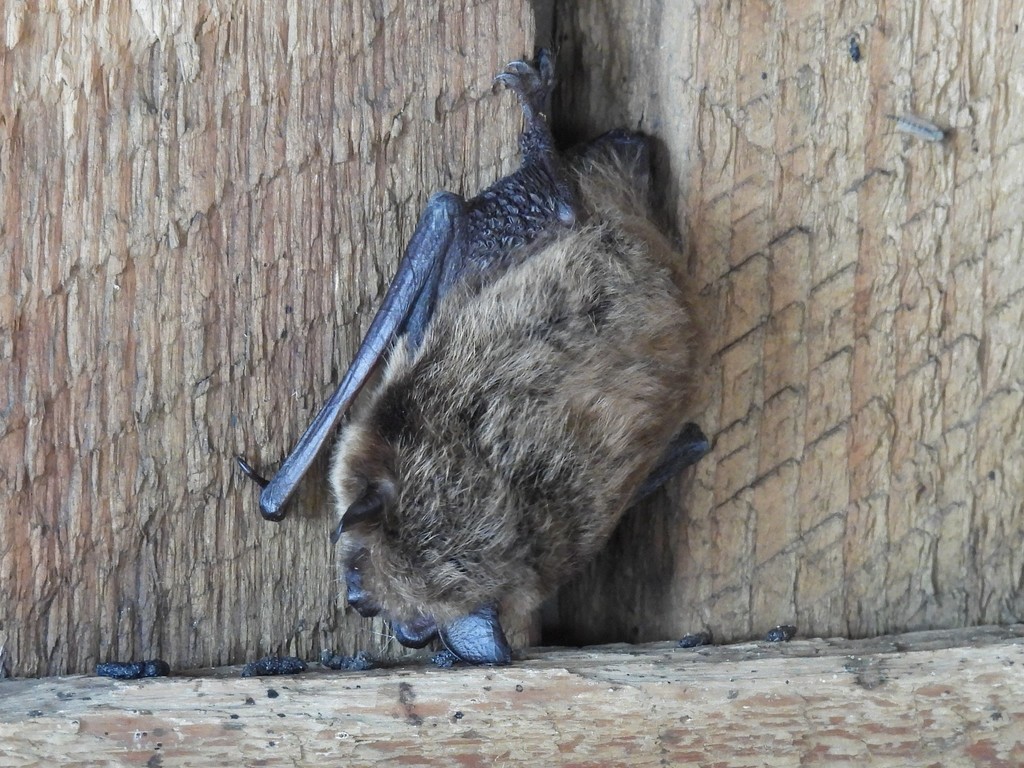
Little Brown Bat Myotis lucifugusFraxinus_pennsylvanica Green Ash Baird’s Sparrow (Ammodramus bairdii)Goldenrod Gall Fly Eurosta solidaginisHorned Grebe Podiceps Auritus
The Holocene extinction, often referred to as the sixth silent mass extinction, is a crisis unfolding before our eyes. Over the past few decades, we’ve witnessed a dramatic decline in wildlife populations, with many species teetering on the brink of extinction. This phenomenon has been likened to a “silent” event because the loss is gradual yet profound, affecting ecosystems and biodiversity globally.
Current State of Species at Risk: In North America, and referencing the Saskatoon Afforestation Areas Richard St. Barbe Baker Afforestation Area and George Genereux Urban Regional Park, several species are emblematic of this crisis. (62 species of concern in the afforestation areas) For example, the Little Brown Bat (Myotis lucifugus) faces significant threats from white-nose syndrome, a fungal disease devastating bat populations. The Western Tiger Salamander (Ambystoma mavortium) is endangered in Canada, primarily due to habitat loss and pollution. Among birds, the American Kestrel (Falco sparverius) and the American White Pelican (Pelecanus erythrorhynchos) are vulnerable, with populations declining due to habitat degradation and environmental changes.
Conservation Efforts: Efforts to mitigate these losses are underway. In Canada, species such as the Baird’s Sparrow (Centronyx bairdii) and the Pine Grosbeak (Pinicola enucleator) are monitored under the Canadian Species at Risk Act to prevent further declines. The IUCN Red List also highlights critical threats to species like the Green Ash (Fraxinus pennsylvanica), urging conservation actions to protect these vital plants.
The Broader Impact: The extinction crisis affects not only charismatic megafauna but also vital ecological functions. Insects like the Goldenrod Gall Fly (Eurosta solidaginis) and birds like the Horned Grebe (Podiceps auritus) play crucial roles in ecosystems, from pollination to decomposition. Their decline can disrupt food webs, impact plant reproduction, and alter nutrient cycles.
A Path Forward: Despite the grim statistics, conservation actions have proven effective. Success stories of species recovery, supported by frameworks like the CBD’s Global Biodiversity Framework and the UNFCCC’s Paris Agreement, underscore the potential for positive change. These global commitments aim to curb biodiversity loss and restore ecosystems, demonstrating that collective action can make a difference.
The message is clear: preserving biodiversity is integral to sustaining life on Earth. As we face the potential collapse of ecological systems, our actions today will determine the future of countless species and the health of our planet. It’s a wake-up call that demands urgent and coordinated efforts to ensure that the sixth extinction does not become an irreversible reality.
Richard St. Barbe Baker Afforestation Area is located in Saskatoon, Saskatchewan, Canada north of Cedar Villa Road, within city limits, in the furthest south west area of the city. 52° 06′ 106° 45′
Addresses:
Part SE 23-36-6 – Afforestation Area – 241 Township Road 362-A
Part SE 23-36-6 – SW Off-Leash Recreation Area (Richard St. Barbe Baker Afforestation Area ) – 355 Township Road 362-A
S ½ 22-36-6 Richard St. Barbe Baker Afforestation Area (West of SW OLRA) – 467 Township Road 362-A
NE 21-36-6 “George Genereux” Afforestation Area – 133 Range Road 3063
Wikimapia Map: type in Richard St. Barbe Baker Afforestation Area
Google Maps South West Off Leash area location pin at parking lot
In a triumphant display of nature’s resilience, the Richard St. Barbe Baker Afforestation Area has welcomed a stunning newcomer to its diverse ecosystem – the Prairie Pasqueflower (Pulsatilla nuttalliana). This remarkable discovery marks a significant milestone for the area, igniting a wave of excitement and wonder among nature enthusiasts. Perhaps a first in its sighting at this location in decades.
The Prairie Pasqueflower, known for its delicate beauty and rarity, is a botanical gem rarely seen in gardens due to its challenging cultivation requirements. Often mistaken for its European cousin, Pulsatilla vulgaris, this native North American species holds its own unique charm and significance.
Seedlings of the Prairie Pasqueflower are notoriously difficult to transplant, requiring optimal conditions for growth. With an affinity for well-drained soils along with a unique mycorrhizal symbiotic association between a fungus and a plant which is produced with 30 years of uncultivated land and winter snow cover, these resilient blooms thrive in moist to dry environments with a neutral to slightly alkaline pH. Their presence serves as a poignant reminder of the importance of preserving native prairies and their delicate ecosystems.
Historically, the Prairie Pasqueflower has been revered by settlers for its resemblance to the real crocuses found in their homelands, earning it the moniker “prairie crocus.” Additionally known as prairie smoke, cutleaf anemone, windflower, and gosling plant, this versatile flower holds a special place in the hearts of those who cherish the natural heritage of the American prairies. Did you know that, the Blackfoot referred to this flower as Napi, meaning “old man,” drawn by the resemblance of the grey, silky achene seeds of the Prairie Pasqueflower to the grey hair of an elder.
However, the journey of the Prairie Pasqueflower hasn’t been without challenges. Exotic species and invasive plants pose a threat to its survival, highlighting the importance of conservation efforts in protecting its native habitat. The decline of native prairies due to urban development, agriculture, and resource extraction further underscores the urgency of preserving these invaluable green spaces.
Urban areas, despite their limited land cover, hold potential in the conservation of the Prairie Pasqueflower. As human populations continue to grow, the significance of protecting and restoring urban green spaces becomes increasingly evident. Studies have shown a positive correlation between the distance from city centers and the frequency of occurrences of Pulsatilla patens, emphasizing the importance of preserving natural habitats on the outskirts of urban areas.
As we celebrate the arrival of the Prairie Pasqueflower at the Richard St. Barbe Baker Afforestation Area, let us reaffirm our commitment to safeguarding the rich biodiversity of our natural landscapes. Together, through education, conservation, and community engagement, we can ensure that future generations have the privilege of experiencing the beauty and wonder of native flora like the Prairie Pasqueflower. Let this remarkable bloom inspire us to protect and cherish the precious ecosystems that sustain life on our planet.
(Another Layer of Protection for Richard St. Barbe Baker Afforestation Area!)
This study explores the spatial distribution and habitat preferences of the Prairie Pasqueflower in urban landscapes, shedding light on its ecological significance and conservation needs.
Wildeman, R.L. and Steeves, T.A. “Genetic considerations in the management of Pulsatilla patens (Ranunculaceae).” Canadian Journal of Botany, vol. 60, no. 4, 1982, pp. 485-491.
This article discusses genetic factors influencing the management and conservation of Pulsatilla patens, providing valuable insights into its reproductive biology and population dynamics.
This resource offers comprehensive information on the Prairie Pasqueflower, including its habitat requirements, cultural significance, and conservation status, sourced from reputable botanical databases.
This publication provides an overview of the Prairie Pasqueflower’s morphology, distribution, and ecological role, offering valuable insights into its natural history and conservation implications.
NatureServe Explorer provides detailed species information, including distribution maps, conservation status assessments, and ecological characteristics, contributing to our understanding of the Prairie Pasqueflower’s conservation needs.
Join the #CityNatureChallenge from April 26 to April 29! Document Saskatoon and area’s nature in the free @iNaturalist app by taking photos of wild plants and animals—and help contribute to the world’s largest citizen science event. More at FriendsAreas.ca/events
With thanks to our sponsors and supporters SaskPower, SaskTel, Saskatoon Nature Society, Wild About Saskatoon, Caswell Hill Community Association, SOS Trees Inc., Rosewood Varsity View Community Association, Nutana Varsity View Community Association, Montgomery Place Varsity View Community Association. City Nature Challenge Saskatoon CNC YXE 2024 led by Friends of the Saskatoon Afforestation Areas. Reach if you would like to sponsor the City Nature Challenge, or share the City Nature Challenge information as a collaborator!
Richard St. Barbe Baker Afforestation Area is located in Saskatoon, Saskatchewan, Canada north of Cedar Villa Road, within city limits, in the furthest south west area of the city. 52° 06′ 106° 45′
Addresses:
Part SE 23-36-6 – Afforestation Area – 241 Township Road 362-A
Part SE 23-36-6 – SW Off-Leash Recreation Area (Richard St. Barbe Baker Afforestation Area ) – 355 Township Road 362-A
S ½ 22-36-6 Richard St. Barbe Baker Afforestation Area (West of SW OLRA) – 467 Township Road 362-A
NE 21-36-6 “George Genereux” Afforestation Area – 133 Range Road 3063
Wikimapia Map: type in Richard St. Barbe Baker Afforestation Area
Google Maps South West Off Leash area location pin at parking lot
As April 7th approaches, Canadians prepare to honor one of their most iconic symbols—the beaver. While these industrious creatures may not be spotted in the Richard St. Barbe Baker Afforestation Area or the George Genereux Urban Regional Park, their significance to Canada’s identity and ecosystem cannot be overstated.
The beaver was officially recognized as an emblem of Canada in 1975, symbolizing the country’s sovereignty. However, its association with Canada predates this legislative act, deeply ingrained in the nation’s history and culture. Once abundant throughout Canada, the beaver faced extinction due to overhunting and habitat loss.
European settlers arriving in Canada brought with them a demand for beaver pelts, driven by the fashion trend of fur hats in the 16th and 17th centuries. At the onset of the 16th century, the beaver population had vanished from the region of the United Kingdom, despite its previous widespread presence across Britain. The Eurasian Beaver had been absent from Scotland for four centuries.The lucrative fur trade made beavers the main profit-making attraction, pushing their population to the brink of collapse by the mid-19th century.
Even amidst its decline, the beaver remained a symbol of Canadian identity, depicted on the nation’s first postage stamp by Sir Sandford Fleming. However, with an estimated 6 million beavers before the fur trade and a staggering 100,000 pelts shipped to Europe annually at its peak, conservation efforts became imperative to prevent the species’ extinction.
Today, thanks to dedicated conservation initiatives, the beaver population has rebounded across Canada. As we celebrate International Beaver Day, we recognize the importance of these creatures as ecosystem indicators. Though we believe that the beaver is absent from certain areas like the Richard St. Barbe Baker Afforestation Area and the George Genereux Urban Regional Park at the current time, their presence elsewhere in Saskatoon serves as a testament to the city’s biodiversity.
In commemorating International Beaver Day, let us also reflect on the broader significance of wetlands and rivers as vital habitats for biodiversity. Join us in celebrating nature in Saskatoon by participating in the City Nature Challenge from April 26 to 29 with four exciting events using the iNaturalist app. Explore the wonders of nature throughout our city’s natural landscape, but remember to exercise caution around water and use the buddy system for safety. With thanks to our sponsors and supporters SaskPower, SaskTel, Saskatoon Nature Society, Wild About Saskatoon, Varsity View Community Association, Rosewood Varsity View Community Association, Nutana Varsity View Community Association, Montgomery Place Varsity View Community Association. City Nature Challenge Saskatoon CNC YXE 2024 led by Friends of the Saskatoon Afforestation Areas.
As we honor the beaver and its resilience, let us reaffirm our commitment to preserving Canada’s natural heritage for future generations to enjoy. Together, we can ensure that these iconic symbols of our nation continue to thrive in their natural habitats, contributing to the rich tapestry of Canadian biodiversity.
American Beaver, Porcupine, Red-winged Blackbird, Fawn, Mallard Ducks, Waxwing, Rabbit, Deer Chappell Marsh. West Swale Wetlands. Richard St. Barbe Baker Afforestation Area. Saskatoon, SK, CA iNaturalist Observation with smart phone connecting with nature, supporting vital conservation research worldwide.American_Beaver Castor canadensis Adapted from image courtesy Steve CCxSA2-0
Richard St. Barbe Baker Afforestation Area is located in Saskatoon, Saskatchewan, Canada north of Cedar Villa Road, within city limits, in the furthest south west area of the city. 52° 06′ 106° 45′
Addresses:
Part SE 23-36-6 – Afforestation Area – 241 Township Road 362-A
Part SE 23-36-6 – SW Off-Leash Recreation Area (Richard St. Barbe Baker Afforestation Area ) – 355 Township Road 362-A
S ½ 22-36-6 Richard St. Barbe Baker Afforestation Area (West of SW OLRA) – 467 Township Road 362-A
NE 21-36-6 “George Genereux” Afforestation Area – 133 Range Road 3063
Wikimapia Map: type in Richard St. Barbe Baker Afforestation Area
Google Maps South West Off Leash area location pin at parking lot











 Forests of Memory. Forests of Learning. Forests for Life.