Exploring Unity and Reconciliation: Miyo-wāhkōhtowin / Good Relations Project Tour

Join us today at 1:30 PM at Richard St. Barbe Baker Afforestation Area meet up at parking area P2 (The South West OLRA) for an immersive journey of unity and enlightenment as we embark on the Miyo-wāhkōhtowin / Good Relations Project QR Tour. This transformative experience offers a unique opportunity to bridge cultures through the land, fostering deeper connections and understanding between Indigenous and non-Indigenous communities. The walk will take about 1.5 hours and be along a trail about 1.5 km in length

Guided by the philosophy of Two-Eyed Seeing, we embark on a collaborative adventure that blends Indigenous traditional wisdom with mainstream scientific perspectives. Through this lens, we aim to embrace the teachings of the land and unite in a reconciliation journey that honors the past, celebrates the present, and embraces the future.

The Miyo-wāhkōhtowin / Good Relations Project QR Tour is more than just a walk through nature; it’s a commitment to mend and nurture relationships while honoring the healing power of reconnecting with the land. As Friends of Saskatoon Afforestation Areas Inc., we are deeply committed to the Truth and Reconciliation Calls to Action, and this tour reflects our dedication to honoring Indigenous knowledge and fostering meaningful dialogue.

During the tour, participants will have the opportunity to explore the historically significant Richard St. Barbe Baker Afforestation Area and George Genereux Urban Regional Park. These culturally sacred spaces serve as the backdrop for our journey of understanding and appreciation.

As we walk, we’ll engage in discussions about the ecological and cultural significance of the land, guided by the insights of Elders and survivors. Through storytelling and reflection, we’ll gain a deeper understanding of the interconnectedness of all living beings and our responsibility to protect and preserve our natural environment.

The Miyo-wāhkōhtowin / Good Relations Project Tour is part of a broader initiative to bridge the gap between Indigenous and settler communities, integrating Indigenous knowledge and languages into our urban forest spaces. It’s a step towards building respectful and inclusive relationships that honor the land and its teachings.

Join us today at 1:30 PM Saturday March 30 at Richard St. Barbe Baker Afforestation Area for this transformative journey of unity and reconciliation. Together, let’s embrace the wisdom of the land and work towards a future of harmony and understanding.

Read More Benefits to involving diverse cultural perspectives in projects

Sask Culture Engage Project creates understanding about Indigenous teachings from the land

#MiyoWāhkōhtowin #GoodRelations #ReconciliationJourney #TwoEyedSeeing #IndigenousWisdom #CulturalHeritage #TruthAndReconciliation #AfforestationAreas #Saskatoon #Unity #Respect #Nature #CommunityEngagement #HealingJourney

For directions as to how to drive to “George Genereux” Urban Regional Park

For directions on how to drive to Richard St. Barbe Baker Afforestation Area

For more information:

Blairmore Sector Plan Report; planning for the Richard St. Barbe Baker Afforestation Area, George Genereux Urban Regional Park and West Swale and areas around them inside of Saskatoon city limits

NEW P4G District Official Community Plan

Richard St. Barbe Baker Afforestation Area is located in Saskatoon, Saskatchewan, Canada north of Cedar Villa Road, within city limits, in the furthest south west area of the city. 52° 06′ 106° 45′

Addresses:

Part SE 23-36-6 – Afforestation Area – 241 Township Road 362-A

Part SE 23-36-6 – SW Off-Leash Recreation Area (Richard St. Barbe Baker Afforestation Area ) – 355 Township Road 362-A

S ½ 22-36-6 Richard St. Barbe Baker Afforestation Area (West of SW OLRA) – 467 Township Road 362-A

NE 21-36-6 “George Genereux” Afforestation Area – 133 Range Road 3063

Wikimapia Map: type in Richard St. Barbe Baker Afforestation Area

Google Maps South West Off Leash area location pin at parking lot

Web page: https://stbarbebaker.wordpress.com

Where is the Richard St. Barbe Baker Afforestation Area? with map

Where is the George Genereux Urban Regional Park (Afforestation Area)?with map

Pinterest richardstbarbeb

Blogger: FriendsAfforestation

Tumblr friendsafforestation.tumblr.comFacebook Group Page: Users of the George Genereux Urban Regional Park

Facebook: StBarbeBaker Afforestation Area

Facebook for the non profit Charity Friends of the Saskatoon Afforestation Areas Inc. FriendsAreas

Facebook group page : Users of the St Barbe Baker Afforestation Area

Facebook: South West OLRA

Reddit: FriendsAfforestation

Twitter: St Barbe Baker Charity Twitter:FriendsAreas

Mix: friendsareas

YouTube

Please help protect / enhance your afforestation areas, please contact the Friends of the Saskatoon Afforestation Areas Inc. (e-mail / e-transfers )

Donate your old vehicle, here’s how!  

Support using Canada Helps

Support via a recycling bottle donation

United Nations Decade on Ecosystem Restoration

““Be like a tree in pursuit of your cause. Stand firm, grip hard, thrust upward. Bend to the winds of heaven..”

Richard St. Barbe Baker

Mittens in the Canopy: A Gift of Warmth

Imagine strolling through the serene afforestation areas and discovering mittens gently swaying in the branches like ornaments of compassion. For those facing the chill without adequate warmth, each mitten becomes a precious gift, a token of community care that transcends the winter frost.


Winter Traditions Around the World: A Tapestry of Warmth

As we celebrate Mitten Tree Day, December 6, let’s reflect on the diverse winter traditions observed globally. From Scandinavian mitten knitting to the vibrant patterns of Native American mittens, cultures worldwide have woven unique stories of winter warmth. How does your family’s cultural heritage embrace coziness during the cold season?


Indigenous Wisdom: Staying Warm Through Generations

Consider the ingenious ways indigenous peoples have stayed warm over the winter months. From expertly crafted animal hide mittens to layered garments designed for extreme cold, their wisdom in navigating winter challenges offers valuable insights.


Ten Facts About Mittens Worldwide: Unveiling the Warmth Within

  1. Scandinavian Elegance: Scandinavian mittens boast intricate patterns and rich colors, reflecting the region’s cultural heritage.
  2. Russian Warmth: Russian mittens often feature bold geometric designs, showcasing the country’s artistic flair.
  3. Inuit Craftsmanship: Inuit mittens, crafted from sealskin, demonstrate exceptional insulation properties, vital for Arctic climates.
  4. Navajo Symbolism: Navajo mittens incorporate symbolic motifs, conveying stories and cultural significance.
  5. Fair Isle Finesse: Fair Isle mittens, hailing from Scotland, are known for their intricate stranded colorwork.
  6. Peruvian Heritage: Peruvian mittens often showcase vibrant colors and intricate Andean patterns.
  7. Baltic Tradition: Baltic mittens, adorned with motifs like the Tree of Life, reflect regional symbolism.
  8. Japanese Simplicity: Japanese mittens exude simplicity and elegance, often crafted from natural fibers.
  9. Nordic Resilience: Nordic mittens traditionally use durable materials like sheep’s wool for enduring warmth.
  10. Himalayan Craftsmanship: Himalayan mittens, hand-knitted with care, reflect the craftsmanship of mountain communities.

Conclusion: A Forest of Kindness

As we gather on Mitten Tree Day to embellish the afforestation areas with mittens, let’s revel in the shared warmth of our diverse traditions. The trees become a canvas for our collective compassion, a testament to the power of community care. So, join in this act of winter kindness, hang a mitten or two, and let the afforestation areas bloom into a forest of warmth for all to enjoy.

In the spirit of Mitten Tree Day, the Friends of the Saskatoon Afforestation Areas ask you to consider contributing to the community warmth by bringing mittens to the afforestation areas or discovering ways to support those in need during the winter season.

For more information:

Blairmore Sector Plan Report; planning for the Richard St. Barbe Baker Afforestation Area,  George Genereux Urban Regional Park and West Swale and areas around them inside of Saskatoon city limits

P4G Saskatoon North Partnership for Growth The P4G consists of the Cities of Saskatoon, Warman, and Martensville, the Town of Osler and the Rural Municipality of Corman Park; planning for areas around the afforestation area and West Swale outside of Saskatoon city limits

Richard St. Barbe Baker Afforestation Area is located in Saskatoon, Saskatchewan, Canada north of Cedar Villa Road, within city limits, in the furthest south west area of the city. 52° 06′ 106° 45′
Addresses:
Part SE 23-36-6 – Afforestation Area – 241 Township Road 362-A
Part SE 23-36-6 – SW Off-Leash Recreation Area (Richard St. Barbe Baker Afforestation Area ) – 355 Township Road 362-A
S ½ 22-36-6 Richard St. Barbe Baker Afforestation Area (West of SW OLRA) – 467 Township Road 362-A
NE 21-36-6 “George Genereux” Afforestation Area – 133 Range Road 3063
Wikimapia Map: type in Richard St. Barbe Baker Afforestation Area
Google Maps South West Off Leash area location pin at parking lot
Web page: https://stbarbebaker.wordpress.com
Where is the Richard St. Barbe Baker Afforestation Area? with map
Where is the George Genereux Urban Regional Park (Afforestation Area)? with map

Pinterest richardstbarbeb

Facebook Group Page: Users of the George Genereux Urban Regional Park

Facebook: StBarbeBaker

Facebook group page : Users of the St Barbe Baker Afforestation Area

Facebook: South West OLRA

Twitter: StBarbeBaker

Please help protect / enhance your afforestation areas, please contact the Friends of the Saskatoon Afforestation Areas Inc. (e-mail)

Support the afforestation areas with your donation or membership ($20.00/year).  Please donate by paypal using the e-mail friendsafforestation AT gmail.com, or by using e-transfers  Please and thank you!  Your donation and membership is greatly appreciated.  Members e-mail your contact information to be kept up to date!

QR Code FOR PAYPAL DONATIONS to the Friends of the Saskatoon Afforestation Areas Inc.
Paypal
Payment Options
Membership : $20.00 CAD – yearly
Membership with donation : $50.00 CAD
Membership with donation : $100.00 CAD

1./ Learn.

2./ Experience

3./ Do Something: ***

The Province of Saskatchewan Motto:

Multis e gentibus vires (From Many Peoples Strength)

Has any one of us ever really seen a Tree? When we become aware of trees we may each glimpse of them to moments of spiritual vision and, identifying ourselves with the trees, become conscious of the rising of the sap; the upward thrust of life, leaf burgeoning, their consciousness of the changing seasons; we may share their passionately boisterous exuberance of life in the height of the storm, and their tranquility when at rest; with them we will enjoy the glad murmur of the ripening seed clusters when after weeks of drought the steady warm rain brings relief to thirst; and we will know that these creatures, our elder brethern, are intimately related to us in their love and hunger for life. We may even catch their enthusiasm and aspire heavenwards while still rooted in our Mother Earth and in communion with our fellow man and, tree-wise, strive to make the Earth more fruitful again.~Richard St. Barbe Baker

Planting Seeds of Kindness: Richard St. Barbe Baker’s Legacy on World Kindness Day


Introduction: A Legacy of Kindness in the Dance of the Trees

On November 13th, as the world unites to celebrate World Kindness Day, it’s not just about individual acts of benevolence; it’s about creating a ripple effect of compassion that touches lives far and wide. Richard St. Barbe Baker, a visionary environmentalist, exemplified this ethos through a unique act of kindness intertwined with nature—the Dance of the Trees.


The Dance of the Trees: A Pioneering Act of Kindness

In the early 1920s, Kenya witnessed environmental devastation due to slash-and-burn farming and colonial farming methods. St. Barbe Baker, deeply moved by the destruction, envisioned a plan to restore the native forests. What set him apart was his approach—he turned to the indigenous people for assistance. Holding meetings with Kikuyu chiefs and elders, he urged them to counter destructive farming methods by planting trees. Inspired by ceremonial dances, St. Barbe devised a ceremonial tree-planting dance to encourage the youth to be part of the solution.


A Unique Collaboration: Indigenous Wisdom and Environmental Action

St. Barbe’s approach was revolutionary; he consulted with the native Africans, learning the Kikuyu tribe’s history, language, and customs. Recognizing the importance of dance in Kikuyu culture, he organized the Dance of the Trees, where volunteers took an oath to protect and plant trees, becoming the first Men of the Trees. St. Barbe’s actions reflected an uncommon attitude by a colonial officer—he immersed himself in the culture, earning the respect and collaboration of the indigenous people.


Facing the Desert: A Man-Made Catastrophe

St. Barbe witnessed the dire consequences of desertification in Africa, a man-made catastrophe exacerbated by colonial farming methods. He observed the Indigenous population abandoning traditional activities and refusing to bear children due to the encroachment of the desert. Faced with this crisis, St. Barbe knew that a collective effort was needed to reverse the devastating effects on both the land and its people.


Twahamwe: “We are all working together as one man.”

St. Barbe’s vision resonated beyond the Kikuyu tribe. Soon, other tribes joined in with the motto “twahamwe,” signifying unity—“We are all working together as one man.” This collective spirit became the driving force behind the Men of the Trees, an organization that, to this day, continues its mission as the International Tree Foundation.


A Promise of Kindness: The Oath of the Forest Scouts

Richard St. Barbe Baker encouraged all who joined the Men of the Trees, known as the Watu Wa Miti or forest guides, to make a solemn promise. The forest scouts took an oath to “plant ten trees a year, take care of trees everywhere, and do one good deed every day.” This oath encapsulates the essence of kindness—caring for the environment and making a positive impact on the world.


Conclusion: Spreading Kindness Like the Leaves of a Tree

As we celebrate World Kindness Day, let us draw inspiration from Richard St. Barbe Baker’s legacy—the Dance of the Trees, a unique act of kindness that harmonized with nature. The Men of the Trees, now the International Tree Foundation, continues to carry forward St. Barbe’s vision of unity, environmental stewardship, and kindness. On this day, let us all be forest scouts, pledging to plant the seeds of kindness, nurture them with care, and watch as they grow into a forest of compassion that spreads its branches around the world.

For more information:
Blairmore Sector Plan Report; planning for the Richard St. Barbe Baker Afforestation Area, George Genereux Urban Regional Park and West Swale and areas around them inside of Saskatoon city limits
NEW P4G District Official Community Plan
Richard St. Barbe Baker Afforestation Area is located in Saskatoon, Saskatchewan, Canada north of Cedar Villa Road, within city limits, in the furthest south west area of the city. 52° 06′ 106° 45′
Addresses:
Part SE 23-36-6 – Afforestation Area – 241 Township Road 362-A
Part SE 23-36-6 – SW Off-Leash Recreation Area (Richard St. Barbe Baker Afforestation Area ) – 355 Township Road 362-A
S ½ 22-36-6 Richard St. Barbe Baker Afforestation Area (West of SW OLRA) – 467 Township Road 362-A
NE 21-36-6 “George Genereux” Afforestation Area – 133 Range Road 3063
Wikimapia Map: type in Richard St. Barbe Baker Afforestation Area
Google Maps South West Off Leash area location pin at parking lot
Web page: https://stbarbebaker.wordpress.com
Where is the Richard St. Barbe Baker Afforestation Area? with map
Where is the George Genereux Urban Regional Park (Afforestation Area)?with map
Pinterest richardstbarbeb
Blogger: FriendsAfforestation
Tumblr friendsafforestation.tumblr.comFacebook Group Page: Users of the George Genereux Urban Regional Park
Facebook: StBarbeBaker Afforestation Area
Facebook for the non profit Charity Friends of the Saskatoon Afforestation Areas Inc. FriendsAreas
Facebook group page : Users of the St Barbe Baker Afforestation Area
Facebook: South West OLRA
Reddit: FriendsAfforestation
Twitter: St Barbe Baker Charity Twitter:FriendsAreas
Mix: friendsareas
YouTube
Please help protect / enhance your afforestation areas, please contact the Friends of the Saskatoon Afforestation Areas Inc. (e-mail / e-transfers )Support the afforestation areas with your donation or membership ($20.00/year). Please donate by paypal or by using e-transfers Please and thank you! Your donation and membership is greatly appreciated. Members e-mail your contact information to be kept up to date!
Donations can be made through Paypal, Canada Helps, Contact Donate A Car Canada, SARCAN Drop & Go 106100594 for the Friends of the Saskatoon Afforestation Areas Inc.
United Nations Decade on Ecosystem Restoration
Use the UN Decade’s Visual Identity
Make it your own
Spread the word about the UN Decade
Let’s Bring Back Forests
Let’s Green Our Cities
“Be like a tree in pursuit of your cause. Stand firm, grip hard, thrust upward. Bend to the winds of heaven..”
Richard St. Barbe Baker

Finding Solace in Nature on Orange Shirt Day

Orange Shirt Day is a time for Canadians to come together in honour of Indigenous Residential Schools and to promote awareness of Indigenous cultures. This year, why not take it one step further by exploring the Richard St. Barbe Baker Afforestation Area and George Genereux Urban Regional Park? These two parks offer a unique opportunity to learn about local Indigenous histories, cultures and perspectives, while also providing a reflective space to contemplate the importance of truth and reconciliation in our communities. Join the Friends of the Saskatoon Afforestation Areas to help support Indigenous healing and reconciliation this Orange Shirt Day. In this article, we’ll discuss how we can honor the legacy of Indigenous Residential Schools and promote awareness of Indigenous cultures through these two parks.

Honoring the truth and reconciliation commission’s calls to action

This Orange Shirt Day, let us take a moment to reflect on the truth and reconciliation commission’s calls to action: recognize the importance of acknowledging the history and legacy of residential schools; support Indigenous peoples in their path to healing and reconciliation; learn about and celebrate the cultures and contributions of Indigenous peoples; promote awareness of the history, cultures, languages, traditions, and values of First Nations, Métis and Inuit; advocate for reconciliation in our communities. Let us make this day an opportunity for us all to act upon these points so that we can move forward together towards a path towards peace.

Exploring the Richard St. Barbe Baker afforestation area

The Richard St. Barbe Baker Afforestation Area is an important place to recognize and honour the legacy of Indigenous Residential Schools and promote awareness of Indigenous cultures.

This area offers many ways to explore its history, ecology, and culture. Visitors can take a walk along one of its trails to discover more about the plants and animals that inhabit it, or listen to stories from local elders or Indigenous knowledge keepers who have connected with this space for generations.

The Friends of the Saskatoon Afforestation Areas (FSAA) also play an important role in ensuring that this area remains a place for truth and reconciliation. . Additionally, FSAA works with local Indigenous communities on educational initiatives such as greenspace tradition from and indigenous lens on traditional plant and animals species which connect people with their ancestral knowledge while promoting environmental stewardship within this special area.

The Richard St Barbe Baker Afforestation Area provides visitors with a unique opportunity to learn about local Indigenous histories while connecting with nature through activities such as bird watching or snowshoeing in winter months – all taking place within a 326 acre oasis just minutes away from downtown Saskatoon’s core! Additionally, appreciate the views of the Chappell Marsh West Swale Wetlands are visible from several lookout points. With so many ways to explore this unique greenspace park while honouring our past through truth and reconciliation initiatives – it’s no wonder why Orange Shirt day is quickly becoming one of Saskatchewan’s most celebrated days!

Discovering the George Genereux urban regional park

Explore the wonders of George Genereux Urban Regional Park in Saskatoon and discover a place with significant cultural meaning. This 148 acre park is home to many species of birds, mammals, reptiles, and amphibians that can be seen on trails perfect for walking or biking.

Help to learn about this area. Do you think that it was once inhabited by Metis people who used it as an important gathering place for trading goods and celebrating their traditions? Let us know. This would make it a special spot for local Metis communities to connect with their heritage when visiting.

If you’re looking for a more immersive experience, take advantage of guided tours which offer an opportunity to learn about traditional plant species while connecting with ancestral knowledge from local elders or Indigenous knowledge keepers organized by Friends of the Saskatoon Afforestation Areas (FSAA). These tours help support Indigenous healing and reconciliation through environmental stewardship initiatives.

For those seeking to further show their support for truth and reconciliation, Orange Shirt Day provides an ideal occasion to visit George Genereux Urban Regional Park while reflecting on how we can all contribute towards Indigenous healing efforts in our own communities. FSAA encourages visitors to join them in helping protect and be stewards of natural ecosystems or learning about local histories, cultures, and perspectives from elders or knowledge keepers in your area.

Connecting with indigenous histories and cultural practices

Visiting the Richard St. Barbe Baker Afforestation Area and George Genereux Urban Regional Park on Orange Shirt Day is an ideal time to gain a deeper understanding of Indigenous histories, cultures, and perspectives. One way to explore this further is through reading books written by Anishinaabe author Waaseyaa’sin Christine Sy, which detail her own experiences with the Canadian Indian Residential School System and its effects on generations of First Nations people. Attending events at either park such as ceremonies or celebrations is also valuable for connecting with Elders and Knowledge Keepers who can share their stories and teachings with attendees.

The most meaningful way to learn about local Indigenous history is by having direct conversations with an Elder or Knowledge Keeper in either park – these conversations provide invaluable insight into traditional knowledge systems that have been passed down throughout generations before us. Additionally, it gives us all a chance to ask questions about any part of our shared history that we may not yet fully understand.

At this important juncture in Canada’s history, we must each contribute our efforts towards truth and reconciliation in our communities today! Join Friends of the Saskatoon Afforestation Areas (FSAA)to help support this meaningful work towards healing and reconciliation between Indigenous Peoples and settlers alike. Visiting both parks on Orange Shirt Day provides us all with the perfect opportunity to do just that – let’s use it wisely!

Creating a reflective moment in nature on Orange Shirt Day

On Orange Shirt Day, people can take the time to connect with nature and reflect on the legacy of Indigenous Residential Schools. Visiting parks such as Richard St. Barbe Baker Afforestation Area or George Genereux Urban Regional Park is a great way to gain an appreciation for nature and create a calming atmosphere in which to contemplate this significant history.

Traditional activities like singing, drumming, and writing down thoughts about residential schools and reconciliation can be powerful ways to remember those who suffered during these times while also providing spiritual healing and connection with the land. Crafting cards or posters featuring positive messages of hope for the future of reconciliation is another beneficial step towards truth and reconciliation in our communities. Symbols from traditional Indigenous art including dreamcatchers, medicine wheels, drumming circles, or feathers are all excellent ways to express emotion surrounding this important day. Writing stories or poems that focus on themes related to truth and reconciliation can further contribute towards understanding of these issues.

Orange Shirt Day serves as an opportunity to pay tribute by appreciating the natural beauty around us while reflecting on how we can all contribute towards Indigenous healing efforts in our own communities. Creating meaningful moments in nature is an ideal way to remember the legacy of residential schools and honour those affected by them today.

For directions as to how to drive to “George Genereux” Urban Regional Park
For directions on how to drive to Richard St. Barbe Baker Afforestation Area
For more information:
Blairmore Sector Plan Report; planning for the Richard St. Barbe Baker Afforestation Area, George Genereux Urban Regional Park and West Swale and areas around them inside of Saskatoon city limits
NEW P4G District Official Community Plan
Richard St. Barbe Baker Afforestation Area is located in Saskatoon, Saskatchewan, Canada north of Cedar Villa Road, within city limits, in the furthest south west area of the city. 52° 06′ 106° 45′
Addresses:
Part SE 23-36-6 – Afforestation Area – 241 Township Road 362-A
Part SE 23-36-6 – SW Off-Leash Recreation Area (Richard St. Barbe Baker Afforestation Area ) – 355 Township Road 362-A
S ½ 22-36-6 Richard St. Barbe Baker Afforestation Area (West of SW OLRA) – 467 Township Road 362-A
NE 21-36-6 “George Genereux” Afforestation Area – 133 Range Road 3063
Wikimapia Map: type in Richard St. Barbe Baker Afforestation Area
Google Maps South West Off Leash area location pin at parking lot
Web page: https://stbarbebaker.wordpress.com
Where is the Richard St. Barbe Baker Afforestation Area? with map
Where is the George Genereux Urban Regional Park (Afforestation Area)?with map
Pinterest richardstbarbeb
Blogger: FriendsAfforestation
Tumblr friendsafforestation.tumblr.comFacebook Group Page: Users of the George Genereux Urban Regional Park
Facebook: StBarbeBaker Afforestation Area
Facebook for the non profit Charity Friends of the Saskatoon Afforestation Areas Inc. FriendsAreas
Facebook group page : Users of the St Barbe Baker Afforestation Area
Facebook: South West OLRA
Reddit: FriendsAfforestation
Twitter: St Barbe Baker Charity Twitter:FriendsAreas
Mix: friendsareas
YouTube
Please help protect / enhance your afforestation areas, please contact the Friends of the Saskatoon Afforestation Areas Inc. (e-mail / e-transfers )Support the afforestation areas with your donation or membership ($20.00/year). Please donate by paypal or by using e-transfers Please and thank you! Your donation and membership is greatly appreciated. Members e-mail your contact information to be kept up to date!
Donations can be made through Paypal, Canada Helps, Contact Donate A Car Canada, SARCAN Drop & Go 106100594 for the Friends of the Saskatoon Afforestation Areas Inc.
United Nations Decade on Ecosystem Restoration
Use the UN Decade’s Visual Identity
Make it your own
Spread the word about the UN Decade
Let’s Bring Back Forests
Let’s Green Our Cities
“Be like a tree in pursuit of your cause. Stand firm, grip hard, thrust upward. Bend to the winds of heaven..”
Richard St. Barbe Baker

Nature’s Call: Answer as a Steward

Ode to the Seekers of a Greener World

Come, ye passionate souls of Earth’s embrace,
Seekers of change, stewards of nature’s grace!
In this poetic realm, I implore you all,
To heed the call, join our noble board’s call.

As a board member, duties you shall bear,
Guiding our nonprofit with heartfelt care.
Strategic planning, policies to mold,
Championing causes that make Earth’s heart bold.

But fear not, for in this endeavor you find,
A multitude of benefits, generous and kind.
Unleash your spirit, unleash your might,
In this voyage, your purpose takes flight.

Plan events that echo through the ages,
Awakening minds, igniting sparks on life’s stages.
From fair booths to tours, we’ll spread the word,
Igniting passion for the green gems unheard.

Volunteer! Let your actions pave the way,
For the change we seek, day after day.
Grant writer, your words shall flow like a stream,
Securing resources, fulfilling our dream.

Serve on the board, a beacon of light,
Collaborate with a team, both bold and bright.
Together, we’ll foster equity and equality,
Breaking systemic barriers with fervent humility.

Our afforestation areas, hidden gems they’ll be,
Richard St. Barbe Baker, George Genereux, wild and free.
Unveiling their geology, history, and heritage,
They’ll no longer be secrets, but cherished on the pilgrimage

Inclusive and inviting, these green spaces will bloom,
For equity-deserving groups, dispelling all gloom.
Persons with disabilities, indigenous kin,
Racialized communities, let the healing begin.

LGBTQI2S+ voices, let them rise,
Immigrants, refugees, welcome under open skies.
Low-income households, youth with dreams in their sight,
Seniors, mental illness warriors, emerge into light.

Victims of violence, seekers of solace and peace,
Persons with low literacy, let knowledge’s power increase.
Forests, wetlands, and trees, nature’s embrace,
Nourish bodies and minds, healing’s gentle grace.

Let 192 hectares, a sanctuary of green,
Become a haven for all, where solace is seen.
Though summer keeps us apart, September’s light will shine,
Our Annual General Meeting, a gathering divine.

Advocate for species at risk, they need your voice,
Red-Berried Elder, Green Ash, and the American Elm, their choice.
Turkey Vulture soars, seeking protection’s aid,
While Small Yellow Lady’s Slipper in delicate beauty fades.

Western Yellowjacket, Goldenrod Gall Fly,
Woodland Skipper, Silver-spotted in the sky,
American White Pelican, Canada Warbler’s song,
Semipalmated Sandpiper, Pine Grosbeak strong.

Barred Tiger Salamander, a symbol of Earth’s plight,
Horned Grebe, Bank Swallow, Baird’s Sparrow’s flight,
Grasshopper Sparrow and Western Grebe, hear their call,
Bobolink’s melody, Red-necked Phalarope’s dance enthral.

Lesser Yellowlegs, a fragile beauty so rare,
And the Whooping Crane, endangered, their wings flare.
Together, let’s protect these species, one and all,
In their existence, Earth’s wonders forever enthralled.

So heed the call, join our noble quest,
Together, we shall weave nature’s tale, blessed.
In the realm of William Wordsworth’s kin,
Join our board, let the steward in you begin!

Answer Nature’s Call: Become a Volunteer Today!

Green Skills for Youth: Let’s Shape the Future!

Please engage in our Green Skills For Youth packages;

Richard St. Barbe Baker Stories Place based activities

Exploring the Wildwoods of Saskatoon: The Ecology of a Planted Forest

Living Legacy

To express your interest or inquire further about the non profit environmental charity as supporter, volunteer or to become a board member, please reach out to us at email: friendsafforestation@gmail.com.

For directions as to how to drive to “George Genereux” Urban Regional Park
For directions on how to drive to Richard St. Barbe Baker Afforestation Area
For more information:
Blairmore Sector Plan Report; planning for the Richard St. Barbe Baker Afforestation Area, George Genereux Urban Regional Park and West Swale and areas around them inside of Saskatoon city limits
NEW P4G District Official Community Plan
Richard St. Barbe Baker Afforestation Area is located in Saskatoon, Saskatchewan, Canada north of Cedar Villa Road, within city limits, in the furthest south west area of the city. 52° 06′ 106° 45′
Addresses:
Part SE 23-36-6 – Afforestation Area – 241 Township Road 362-A
Part SE 23-36-6 – SW Off-Leash Recreation Area (Richard St. Barbe Baker Afforestation Area ) – 355 Township Road 362-A
S ½ 22-36-6 Richard St. Barbe Baker Afforestation Area (West of SW OLRA) – 467 Township Road 362-A
NE 21-36-6 “George Genereux” Afforestation Area – 133 Range Road 3063
Wikimapia Map: type in Richard St. Barbe Baker Afforestation Area
Google Maps South West Off Leash area location pin at parking lot
Web page: https://stbarbebaker.wordpress.com
Where is the Richard St. Barbe Baker Afforestation Area? with map
Where is the George Genereux Urban Regional Park (Afforestation Area)?with map
Pinterest richardstbarbeb
Blogger: FriendsAfforestation
Tumblr friendsafforestation.tumblr.comFacebook Group Page: Users of the George Genereux Urban Regional Park
Facebook: StBarbeBaker Afforestation Area
Facebook for the non profit Charity Friends of the Saskatoon Afforestation Areas Inc. FriendsAreas
Facebook group page : Users of the St Barbe Baker Afforestation Area
Facebook: South West OLRA
Reddit: FriendsAfforestation
Twitter: St Barbe Baker Charity Twitter:FriendsAreas
Mix: friendsareas
YouTube
Please help protect / enhance your afforestation areas, please contact the Friends of the Saskatoon Afforestation Areas Inc. (e-mail / e-transfers )Support the afforestation areas with your donation or membership ($20.00/year). Please donate by paypal or by using e-transfers Please and thank you! Your donation and membership is greatly appreciated. Members e-mail your contact information to be kept up to date!
Donations can be made through Paypal, Canada Helps, Contact Donate A Car Canada, SARCAN Drop & Go 106100594 for the Friends of the Saskatoon Afforestation Areas Inc.
United Nations Decade on Ecosystem Restoration
Use the UN Decade’s Visual Identity
Make it your own
Spread the word about the UN Decade
Let’s Bring Back Forests
Let’s Green Our Cities
“Be like a tree in pursuit of your cause. Stand firm, grip hard, thrust upward. Bend to the winds of heaven..”
Richard St. Barbe Baker

Nurturing Nature: Exploring Traditional Ecological Ways of Knowing During National Indigenous History Month

Introduction: June celebrates National Indigenous History Month in Canada, a time to honor the rich history, heritage, resilience, and diversity of First Nations, Inuit, and Métis peoples. This year, let us delve into a topic that intertwines the environment, Indigenous cultures, and the invaluable wisdom of traditional ecological ways of knowing. Join us on a journey that celebrates the deep connection Indigenous communities have with the natural world and highlights the importance of preserving their traditional knowledge for a sustainable future.

The Roots of Traditional Ecological Ways of Knowing: For Indigenous peoples, the environment is not simply a resource to be exploited but a cherished relative with whom they share an inseparable bond. Traditional ecological knowledge, passed down through generations, encompasses a deep understanding of ecosystems, biodiversity, and the interdependence of all living beings. Drawing on their intimate connection with the land, Indigenous communities have developed profound insights and sustainable practices that are increasingly recognized as invaluable in modern environmental discourse.

Unveiling Indigenous Wisdom: During National Indigenous History Month, we have the opportunity to delve into the rich tapestry of traditional ecological ways of knowing. From the Cree concept of “wâhkôhtowin” (kinship) to the Inuit philosophy of “silatuniq” (working together for a common purpose), Indigenous cultures offer profound perspectives on sustainable living. Through their reverence for nature, Indigenous communities teach us the importance of reciprocity, stewardship, and the delicate balance between human activities and the natural world.

Indigenous Ecological Practices in Action: Many Indigenous communities across Canada are leading the way in embracing traditional ecological ways of knowing to protect and restore the environment. From land-based education programs that merge scientific knowledge with Indigenous teachings to community-led initiatives promoting sustainable resource management, these efforts demonstrate the practicality and efficacy of traditional practices. By incorporating Indigenous wisdom into mainstream environmental efforts, we can foster a more holistic and inclusive approach to conservation.

Preserving and Revitalizing Traditional Knowledge: National Indigenous History Month also serves as a reminder of the ongoing efforts to safeguard and revitalize traditional ecological knowledge. With language revitalization programs, cultural centers, and partnerships between Indigenous and non-Indigenous organizations, there is a growing movement to preserve this invaluable wisdom for future generations. By recognizing the intellectual property rights and sovereignty of Indigenous communities, we can create space for their voices to be heard and their knowledge to be respected.

Building Bridges and Fostering Collaboration: The journey towards environmental sustainability requires collaboration and inclusivity. National Indigenous History Month provides an opportunity to build bridges between Indigenous and non-Indigenous communities, fostering dialogue, understanding, and joint efforts in addressing environmental challenges. By integrating traditional ecological ways of knowing with scientific research, policy-making, and conservation practices, we can create a more comprehensive and effective approach to environmental stewardship.

Conclusion: As we immerse ourselves and reflect on the month of June, National Indigenous History Month, let us celebrate the rich history, heritage, resilience, and diversity of First Nations, Inuit, and Métis peoples. By exploring traditional ecological ways of knowing, we honor the Indigenous communities’ deep connection to the environment and their invaluable wisdom. Through collaboration, respect, and the recognition of Indigenous knowledge, we can forge a path towards a sustainable future—one that embraces the harmonious relationship between humanity and nature.

For directions as to how to drive to “George Genereux” Urban Regional Park
For directions on how to drive to Richard St. Barbe Baker Afforestation Area
For more information:
Blairmore Sector Plan Report; planning for the Richard St. Barbe Baker Afforestation Area, George Genereux Urban Regional Park and West Swale and areas around them inside of Saskatoon city limits
NEW P4G District Official Community Plan
Richard St. Barbe Baker Afforestation Area is located in Saskatoon, Saskatchewan, Canada north of Cedar Villa Road, within city limits, in the furthest south west area of the city. 52° 06′ 106° 45′
Addresses:
Part SE 23-36-6 – Afforestation Area – 241 Township Road 362-A
Part SE 23-36-6 – SW Off-Leash Recreation Area (Richard St. Barbe Baker Afforestation Area ) – 355 Township Road 362-A
S ½ 22-36-6 Richard St. Barbe Baker Afforestation Area (West of SW OLRA) – 467 Township Road 362-A
NE 21-36-6 “George Genereux” Afforestation Area – 133 Range Road 3063
Wikimapia Map: type in Richard St. Barbe Baker Afforestation Area
Google Maps South West Off Leash area location pin at parking lot
Web page: https://stbarbebaker.wordpress.com
Where is the Richard St. Barbe Baker Afforestation Area? with map
Where is the George Genereux Urban Regional Park (Afforestation Area)?with map
Pinterest richardstbarbeb
Blogger: FriendsAfforestation
Tumblr friendsafforestation.tumblr.comFacebook Group Page: Users of the George Genereux Urban Regional Park
Facebook: StBarbeBaker Afforestation Area
Facebook for the non profit Charity Friends of the Saskatoon Afforestation Areas Inc. FriendsAreas
Facebook group page : Users of the St Barbe Baker Afforestation Area
Facebook: South West OLRA
Reddit: FriendsAfforestation
Twitter: St Barbe Baker Charity Twitter:FriendsAreas
Mix: friendsareas
YouTube
Please help protect / enhance your afforestation areas, please contact the Friends of the Saskatoon Afforestation Areas Inc. (e-mail / e-transfers )Support the afforestation areas with your donation or membership ($20.00/year). Please donate by paypal or by using e-transfers Please and thank you! Your donation and membership is greatly appreciated. Members e-mail your contact information to be kept up to date!
Donations can be made through Paypal, Canada Helps, Contact Donate A Car Canada, SARCAN Drop & Go 106100594 for the Friends of the Saskatoon Afforestation Areas Inc.
United Nations Decade on Ecosystem Restoration
Use the UN Decade’s Visual Identity
Make it your own
Spread the word about the UN Decade
Let’s Bring Back Forests
Let’s Green Our Cities
“Be like a tree in pursuit of your cause. Stand firm, grip hard, thrust upward. Bend to the winds of heaven..”
Richard St. Barbe Baker

Celebrating National Indigenous Peoples Day: Honoring History and Embracing Harmony

Introduction: On June 21, Canada celebrates National Indigenous Peoples Day, a significant occasion to recognize and celebrate the rich history, heritage, resilience, and diversity of First Nations, Inuit, and Métis peoples across the country. This day offers an opportunity to honor the contributions and cultural significance of Indigenous communities in Canada. In particular, the Richard St. Barbe Baker Afforestation Area and George Genereux Urban Regional Park, located in the West Swale Yorath Island Glacial Spillway, hold deep connections to the Treaty 6 Territory and the Homeland of the Métis. Let us embark on a journey to explore the significance of this sacred site and the importance of fostering harmony and respect for the land and its people.

Treaty 6 Territory: A Sacred Land The West Swale Yorath Island Glacial Spillway, encompassing the Richard St. Barbe Baker Afforestation Area and George Genereux Urban Regional Park, holds immense cultural and spiritual significance for the Indigenous peoples residing within Treaty 6 Territory. The nêhiyawak Cree, nakawē Saulteaux, and yankton and yanktonai Nakota people are the original signatories of Treaty 6, entering into a solemn agreement that established a foundation of respect, cooperation, and shared responsibilities between the Indigenous nations and the Crown.

Richard St. Barbe Baker Afforestation Area and George Genereux Urban Regional Park: Situated within the West Swale, the Richard St. Barbe Baker Afforestation Area and George Genereux Urban Regional Park offer spaces where people can connect with nature, reflecting the Indigenous peoples’ traditional stewardship and deep respect for the land. These areas serve as reminders of the vital importance of afforestation and the sustainable use of natural resources.

Preserving History and Cultures: National Indigenous Peoples Day encourages us to appreciate and learn from the diverse histories, languages, and cultures that have shaped Canada. By engaging with Indigenous heritage and promoting cultural understanding, we can foster stronger relationships and collaborate towards a more inclusive and equitable future. It is essential to recognize that the Indigenous peoples’ resilience and strength have helped shape the nation we know today.

Harmony with the Land: Indigenous peoples have long maintained a profound relationship with the land, recognizing that it sustains not only their physical needs but also their spiritual and cultural well-being. The Richard St. Barbe Baker Afforestation Area and George Genereux Urban Regional Park offer spaces for all individuals, regardless of background, to come together as friends and connect with nature. This shared experience enables us to deepen our understanding and appreciation for the environment, encouraging sustainable practices and respect for the land.

Moving Forward Together: National Indigenous Peoples Day serves as a reminder that we must work collaboratively to ensure the well-being of Indigenous communities, the preservation of cultural heritage, and the protection of our natural environment. By embracing the principles of reconciliation, respect, and unity, we can create a society that celebrates diversity and empowers all its members.

Conclusion: National Indigenous Peoples Day invites Canadians to honor and celebrate the history, heritage, resilience, and diversity of First Nations, Inuit, and Métis peoples across the country. The Richard St. Barbe Baker Afforestation Area and George Genereux Urban Regional Park within the West Swale Yorath Island Glacial Spillway offer spaces for reflection and connection with nature, bridging the gap between cultures and fostering harmony. By acknowledging the past, embracing cultural diversity, and working collaboratively, we can build a better present and future that respects the land, its standing peoples, forests, and waters. May this day inspire us to strengthen our relationships and walk hand in hand toward a more inclusive and harmonious society.

For directions as to how to drive to “George Genereux” Urban Regional Park
For directions on how to drive to Richard St. Barbe Baker Afforestation Area
For more information:
Blairmore Sector Plan Report; planning for the Richard St. Barbe Baker Afforestation Area, George Genereux Urban Regional Park and West Swale and areas around them inside of Saskatoon city limits
NEW P4G District Official Community Plan
Richard St. Barbe Baker Afforestation Area is located in Saskatoon, Saskatchewan, Canada north of Cedar Villa Road, within city limits, in the furthest south west area of the city. 52° 06′ 106° 45′
Addresses:
Part SE 23-36-6 – Afforestation Area – 241 Township Road 362-A
Part SE 23-36-6 – SW Off-Leash Recreation Area (Richard St. Barbe Baker Afforestation Area ) – 355 Township Road 362-A
S ½ 22-36-6 Richard St. Barbe Baker Afforestation Area (West of SW OLRA) – 467 Township Road 362-A
NE 21-36-6 “George Genereux” Afforestation Area – 133 Range Road 3063
Wikimapia Map: type in Richard St. Barbe Baker Afforestation Area
Google Maps South West Off Leash area location pin at parking lot
Web page: https://stbarbebaker.wordpress.com
Where is the Richard St. Barbe Baker Afforestation Area? with map
Where is the George Genereux Urban Regional Park (Afforestation Area)?with map
Pinterest richardstbarbeb
Blogger: FriendsAfforestation
Tumblr friendsafforestation.tumblr.comFacebook Group Page: Users of the George Genereux Urban Regional Park
Facebook: StBarbeBaker Afforestation Area
Facebook for the non profit Charity Friends of the Saskatoon Afforestation Areas Inc. FriendsAreas
Facebook group page : Users of the St Barbe Baker Afforestation Area
Facebook: South West OLRA
Reddit: FriendsAfforestation
Twitter: St Barbe Baker Charity Twitter:FriendsAreas
Mix: friendsareas
YouTube
Please help protect / enhance your afforestation areas, please contact the Friends of the Saskatoon Afforestation Areas Inc. (e-mail / e-transfers )Support the afforestation areas with your donation or membership ($20.00/year). Please donate by paypal or by using e-transfers Please and thank you! Your donation and membership is greatly appreciated. Members e-mail your contact information to be kept up to date!
Donations can be made through Paypal, Canada Helps, Contact Donate A Car Canada, SARCAN Drop & Go 106100594 for the Friends of the Saskatoon Afforestation Areas Inc.
United Nations Decade on Ecosystem Restoration
Use the UN Decade’s Visual Identity
Make it your own
Spread the word about the UN Decade
Let’s Bring Back Forests
Let’s Green Our Cities
“Be like a tree in pursuit of your cause. Stand firm, grip hard, thrust upward. Bend to the winds of heaven..”
Richard St. Barbe Baker

Environmental protection and conservation

The world is rapidly changing, and so is the way we think about our environment. Traditional ecological ways of knowing are beginning to gain prominence in the debate on how to best protect and nurture our planet. These ancient practices, passed down from generations of people living in harmony with their surroundings, offer us a valuable insight into how we can best take care of our environment.

Afforestation naturalized green spaces is one of the most important ways of utilizing Traditional ecological ways of knowing for environmental conservation and protection in an city park space. Through the afforestation process, native species of trees and plants are planted in areas that have been deforested or otherwise damaged by humans. As these ecosystems grow, they provide a range of benefits to local wildlife and humans alike, such as improved air and water quality, increased carbon storage, and reduced soil erosion.

These practices provide us with an understanding of how to sustainably use and manage our environment, ensuring that it remains healthy for generations to come. By utilizing these methods, we can promote healthy ecosystems, while also providing an opportunity for people to learn from the wisdom of the past.

Traditional ecological ways of knowing is also a powerful tool for environmental education. By introducing these ancient practices and philosophies to children, we can help foster a deeper understanding of our environment and the importance of preserving it and being stewards for species at risk. By engaging with the land and its inhabitants, we can help to create a stronger sense of connection and stewardship towards the natural world.

As the world continues to change and our understanding of the environment shifts, it’s important to remember the valuable lessons that can be learned from traditional ecological ways of knowing. Through the use of afforestation and other traditional practices, we can help to restore our ecosystems, while also gaining a deeper understanding of how to best take care of our planet.

Cultural and Environmental Heritage Prairie Forest Guide App Editor/Writer stage one contract position. The ideal candidate for this position will have a strong background in editing and a passion for preserving the cultural and environmental heritage of Saskatchewan’s prairie forests. They will be familiar with the Saskatchewan curriculum foundations and have an understanding of the interpretive potential of the afforestation areas ecology and the heritage potential of the Richard St. Barbe Baker Afforestation Area and George Genereux Urban Regional Park from an Indigenous and/or Métis perspective. You will also be responsible for incorporating Saskatchewan curriculum foundations into the app.

If you have the skills, passion and dedication we are looking for, we would love to hear from you. Please send your resume and a cover letter to friendsafforestation@gmail.com and join us in preserving the cultural and environmental heritage of Saskatchewan’s prairie afforestation areas.

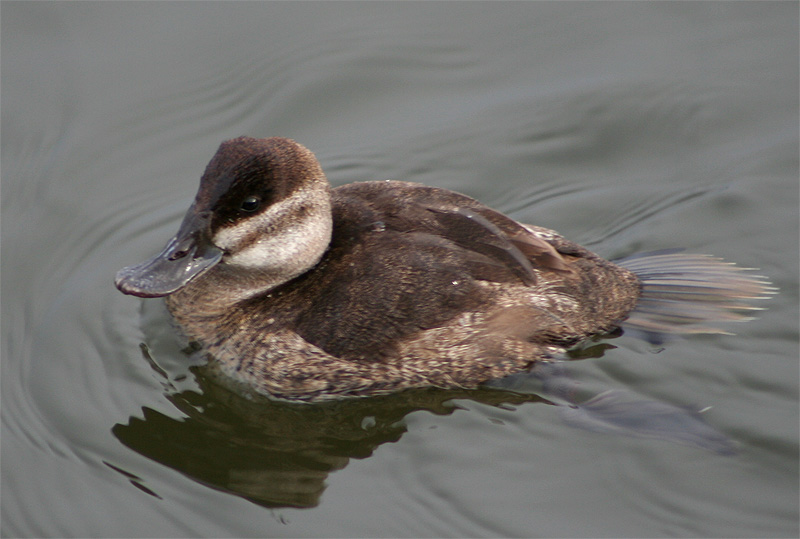
Ruddy Duck. Chappell Marsh. West Swale Wetlands. Richard St. Barbe Baker Afforestation Area. Saskatoon, SK, CA

More Information is at KIJIJI on this position

More about this Contract position is posted at Sask Culture

This is STAGE ONE of the Call for Tender.

Please email friendsafforestation@gmail.com for clarification or for further details

For directions as to how to drive to “George Genereux” Urban Regional Park
For directions on how to drive to Richard St. Barbe Baker Afforestation Area
For more information:
Blairmore Sector Plan Report; planning for the Richard St. Barbe Baker Afforestation Area, George Genereux Urban Regional Park and West Swale and areas around them inside of Saskatoon city limits
NEW P4G District Official Community Plan
Richard St. Barbe Baker Afforestation Area is located in Saskatoon, Saskatchewan, Canada north of Cedar Villa Road, within city limits, in the furthest south west area of the city. 52° 06′ 106° 45′
Addresses:
Part SE 23-36-6 – Afforestation Area – 241 Township Road 362-A
Part SE 23-36-6 – SW Off-Leash Recreation Area (Richard St. Barbe Baker Afforestation Area ) – 355 Township Road 362-A
S ½ 22-36-6 Richard St. Barbe Baker Afforestation Area (West of SW OLRA) – 467 Township Road 362-A
NE 21-36-6 “George Genereux” Afforestation Area – 133 Range Road 3063
Wikimapia Map: type in Richard St. Barbe Baker Afforestation Area
Google Maps South West Off Leash area location pin at parking lot
Web page: https://stbarbebaker.wordpress.com
Where is the Richard St. Barbe Baker Afforestation Area? with map
Where is the George Genereux Urban Regional Park (Afforestation Area)?with map
Pinterest richardstbarbeb
Blogger: FriendsAfforestation
Tumblr friendsafforestation.tumblr.comFacebook Group Page: Users of the George Genereux Urban Regional Park
Facebook: StBarbeBaker Afforestation Area
Facebook for the non profit Charity Friends of the Saskatoon Afforestation Areas Inc. FriendsAreas
Facebook group page : Users of the St Barbe Baker Afforestation Area
Facebook: South West OLRA
Reddit: FriendsAfforestation
Twitter: St Barbe Baker Charity Twitter:FriendsAreas
Mix: friendsareas
YouTube
Please help protect / enhance your afforestation areas, please contact the Friends of the Saskatoon Afforestation Areas Inc. (e-mail / e-transfers )Support the afforestation areas with your donation or membership ($20.00/year). Please donate by paypal or by using e-transfers Please and thank you! Your donation and membership is greatly appreciated. Members e-mail your contact information to be kept up to date!
Donations can be made through Paypal, Canada Helps, Contact Donate A Car Canada, SARCAN Drop & Go 106100594 for the Friends of the Saskatoon Afforestation Areas Inc.
United Nations Decade on Ecosystem Restoration
Use the UN Decade’s Visual Identity
Make it your own
Spread the word about the UN Decade
Let’s Bring Back Forests
Let’s Green Our Cities
“Be like a tree in pursuit of your cause. Stand firm, grip hard, thrust upward. Bend to the winds of heaven..”
Richard St. Barbe Baker

Ethnobotany park interpretation

In recent years, ethnobotany parks have become increasingly popular as a way to explore the relationship between plants, people and culture. At ethnobotany parks, visitors can explore the traditional knowledge of Indigenous peoples, learn about the traditional uses of plants and explore the connection between plants and culture.

The concept of ethnobotany park interpretation is based on the idea that visitors can learn about the environment and Indigenous cultures in a respectful and meaningful way. This type of interpretation allows for a deeper understanding of the connection between plants, people and culture, and provides a unique opportunity for reconciliation between cultures in the forest.

Ethnobotany park interpretation is a powerful and meaningful way to connect people with nature. Through interactive activities such as guided walks, talks, and demonstrations, visitors can learn about the traditional cultures of Indigenous peoples and the traditional uses of plants. Visitors can also gain a greater appreciation of the environment and the importance of preserving traditional knowledge and species at risk.

Ethnobotany park interpretation also provides a unique opportunity for reconciliation between cultures. By exploring the shared history and culture of Indigenous peoples, visitors can gain a better understanding of the Indigenous perspectives and their connection to the land. This type of interpretation can help to bridge gaps in understanding between cultures and encourage mutual respect and understanding.

Ethnobotany park interpretation is a powerful way to explore the connection between plants, people, and culture. By providing visitors with the opportunity to learn about the traditional cultures of Indigenous peoples, visitors can gain a deeper understanding of the environment and the importance of preserving traditional knowledge. Additionally, this type of interpretation can help to foster reconciliation between cultures and promote mutual respect and understanding for environmental protections and conservation.

The ideal candidate for this stage one contract position should have a degree in education or a related field and experience in outdoor and environmental education learning experiences. You should be comfortable working in a team environment and have an eye for detail. Additionally, you should be passionate about the Saskatoon Afforestation Areas, Richard St. Barbe Baker Afforestation Area and George Genereux Urban Regional Park, and the unique cultural and environmental heritage of the region.

If you are interested in this position and think you have the qualifications and experience necessary, we look forward to hearing from you. Please submit your application and any supporting documents to the Cultural and Environmental Heritage Prairie Forest Guide App team. friendsafforestation@gmail.com

Red-Winged Blackbird. West Swale Wetlands Chappell Marsh. Richard St. Barbe Baker Afforestation Area Saskatoon, SK

More Information is at KIJIJI on this position

More about this Contract position is posted at Sask Culture

This is STAGE ONE of the Call for Tender.

Please email friendsafforestation@gmail.com for clarification or for further details

For directions as to how to drive to “George Genereux” Urban Regional Park
For directions on how to drive to Richard St. Barbe Baker Afforestation Area
For more information:
Blairmore Sector Plan Report; planning for the Richard St. Barbe Baker Afforestation Area, George Genereux Urban Regional Park and West Swale and areas around them inside of Saskatoon city limits
NEW P4G District Official Community Plan
Richard St. Barbe Baker Afforestation Area is located in Saskatoon, Saskatchewan, Canada north of Cedar Villa Road, within city limits, in the furthest south west area of the city. 52° 06′ 106° 45′
Addresses:
Part SE 23-36-6 – Afforestation Area – 241 Township Road 362-A
Part SE 23-36-6 – SW Off-Leash Recreation Area (Richard St. Barbe Baker Afforestation Area ) – 355 Township Road 362-A
S ½ 22-36-6 Richard St. Barbe Baker Afforestation Area (West of SW OLRA) – 467 Township Road 362-A
NE 21-36-6 “George Genereux” Afforestation Area – 133 Range Road 3063
Wikimapia Map: type in Richard St. Barbe Baker Afforestation Area
Google Maps South West Off Leash area location pin at parking lot
Web page: https://stbarbebaker.wordpress.com
Where is the Richard St. Barbe Baker Afforestation Area? with map
Where is the George Genereux Urban Regional Park (Afforestation Area)?with map
Pinterest richardstbarbeb
Blogger: FriendsAfforestation
Tumblr friendsafforestation.tumblr.comFacebook Group Page: Users of the George Genereux Urban Regional Park
Facebook: StBarbeBaker Afforestation Area
Facebook for the non profit Charity Friends of the Saskatoon Afforestation Areas Inc. FriendsAreas
Facebook group page : Users of the St Barbe Baker Afforestation Area
Facebook: South West OLRA
Reddit: FriendsAfforestation
Twitter: St Barbe Baker Charity Twitter:FriendsAreas
Mix: friendsareas
YouTube
Please help protect / enhance your afforestation areas, please contact the Friends of the Saskatoon Afforestation Areas Inc. (e-mail / e-transfers )Support the afforestation areas with your donation or membership ($20.00/year). Please donate by paypal or by using e-transfers Please and thank you! Your donation and membership is greatly appreciated. Members e-mail your contact information to be kept up to date!
Donations can be made through Paypal, Canada Helps, Contact Donate A Car Canada, SARCAN Drop & Go 106100594 for the Friends of the Saskatoon Afforestation Areas Inc.
United Nations Decade on Ecosystem Restoration
Use the UN Decade’s Visual Identity
Make it your own
Spread the word about the UN Decade
Let’s Bring Back Forests
Let’s Green Our Cities
“Be like a tree in pursuit of your cause. Stand firm, grip hard, thrust upward. Bend to the winds of heaven..”
Richard St. Barbe Baker

Significant Role- The Old Bone Trail

The Old Bone Trail is a 1.5 km walking trail that follows the route buffalo bones were taken to the rail yards in Saskatoon. The Métis people were responsible for bringing the bones to the yards, and passing through the Richard St. Barbe Baker Afforestation Area RSBBAA on the way. The Indigenous and Métis history of the land that is part of the afforestation areas is one aspect that needs to be included through virtual markers on the digital wayfinding app.


The Old Bone Trail was created historically and we now remember the significant role buffalo bones played in the development of Saskatoon. The bones were collected by Métis people, who drove the bones to the rail yards in Saskatoon, passing through the RSBBAA on the way. The bones were then shipped to the USA where they were used for fertilizer, resulting in the growth of the city of Saskatoon.

The trail is also designed to help people understand the Indigenous and Métis history of the land that is part of the afforestation areas. The digital wayfinding app includes virtual markers that tell the story of the land, the people, and the buffalo bones story belonging to the Old Bone Trail heritage. Through these markers, users can learn about the history of the land, and how it was used by the Métis people to collect the bones and bring them to the rail yards.

The Old Bone Trail is a unique and important part of Saskatoon’s history. It is not only a reminder of the important role buffalo bones played in the development of the city, but also an opportunity to learn about the Indigenous and Métis history of the land. With the help of the digital wayfinding app, users can gain a deeper understanding of the land, the people, and the buffalo bones that were brought to the rail yards in Saskatoon.

We’re looking for someone who is passionate about cultural and environmental heritage and has a proven track record of writing and editing existing engaging and informative content. You should have a good understanding of the issues surrounding naturalized areas, as well as a strong grasp of the English language. Knowledge of the United Nations Decade on Indigenous Languages (Treaty Six) and traditional ecological knowledge is an asset.

If you think you have what it takes to be a Cultural and Environmental Heritage Writer – Editor, please contact us today to learn more about stage one of this contract position at friendsafforestation@gmail.com. We look forward to hearing from you!

March 1 If March comes in like a lion, it will go out like a lamb

More Information is at KIJIJI on this position

More about this Contract position is posted at Sask Culture

This is STAGE ONE of the Call for Tender.

Please email friendsafforestation@gmail.com for clarification or for further details

For directions as to how to drive to “George Genereux” Urban Regional Park
For directions on how to drive to Richard St. Barbe Baker Afforestation Area
For more information:
Blairmore Sector Plan Report; planning for the Richard St. Barbe Baker Afforestation Area, George Genereux Urban Regional Park and West Swale and areas around them inside of Saskatoon city limits
NEW P4G District Official Community Plan
Richard St. Barbe Baker Afforestation Area is located in Saskatoon, Saskatchewan, Canada north of Cedar Villa Road, within city limits, in the furthest south west area of the city. 52° 06′ 106° 45′
Addresses:
Part SE 23-36-6 – Afforestation Area – 241 Township Road 362-A
Part SE 23-36-6 – SW Off-Leash Recreation Area (Richard St. Barbe Baker Afforestation Area ) – 355 Township Road 362-A
S ½ 22-36-6 Richard St. Barbe Baker Afforestation Area (West of SW OLRA) – 467 Township Road 362-A
NE 21-36-6 “George Genereux” Afforestation Area – 133 Range Road 3063
Wikimapia Map: type in Richard St. Barbe Baker Afforestation Area
Google Maps South West Off Leash area location pin at parking lot
Web page: https://stbarbebaker.wordpress.com
Where is the Richard St. Barbe Baker Afforestation Area? with map
Where is the George Genereux Urban Regional Park (Afforestation Area)?with map
Pinterest richardstbarbeb
Blogger: FriendsAfforestation
Tumblr friendsafforestation.tumblr.comFacebook Group Page: Users of the George Genereux Urban Regional Park
Facebook: StBarbeBaker Afforestation Area
Facebook for the non profit Charity Friends of the Saskatoon Afforestation Areas Inc. FriendsAreas
Facebook group page : Users of the St Barbe Baker Afforestation Area
Facebook: South West OLRA
Reddit: FriendsAfforestation
Twitter: St Barbe Baker Charity Twitter:FriendsAreas
Mix: friendsareas
YouTube
Please help protect / enhance your afforestation areas, please contact the Friends of the Saskatoon Afforestation Areas Inc. (e-mail / e-transfers )Support the afforestation areas with your donation or membership ($20.00/year). Please donate by paypal or by using e-transfers Please and thank you! Your donation and membership is greatly appreciated. Members e-mail your contact information to be kept up to date!
Donations can be made through Paypal, Canada Helps, Contact Donate A Car Canada, SARCAN Drop & Go 106100594 for the Friends of the Saskatoon Afforestation Areas Inc.
United Nations Decade on Ecosystem Restoration
Use the UN Decade’s Visual Identity
Make it your own
Spread the word about the UN Decade
Let’s Bring Back Forests
Let’s Green Our Cities
“Be like a tree in pursuit of your cause. Stand firm, grip hard, thrust upward. Bend to the winds of heaven..”
Richard St. Barbe Baker

Design a site like this with WordPress.com
Get started